
How to Minimize the Appearance Of Large Pores: 7 Natural Solutions That Actually Work
Staring at your reflection and feeling frustrated by those prominent pores that seem to dominate your complexion? You’re definitely not alone in this struggle, and those enlarged-looking pores don’t have to be a permanent fixture on your face. Many people feel self-conscious about pore visibility, especially when makeup seems to settle into them or when they appear more noticeable in certain lighting.
This guide will walk you through seven research-backed, natural methods that genuinely help minimize pore appearance without harsh chemicals or expensive treatments. We’ve simplified the complex science behind pore visibility and tested these gentle yet effective solutions to give you clear, actionable steps. You’ll learn exactly why pores look enlarged and how to address the root causes using ingredients you likely already have at home.
Contents
- At a Glance: The Best Solutions
- The Science Made Simple: Why Pores Appear Larger
- 1. Clay Masks for Deep Pore Cleansing
- 2. Gentle Exfoliation With Natural Acids
- 3. Oil Cleansing Method for Pore Refinement
- 4. Niacinamide-rich Foods and Topical Applications
- 5. Ice and Cold Therapy for Instant Pore Tightening
- 6. Steam Treatments for Deep Pore Cleansing
- 7. Natural Astringents and Pore-tightening Ingredients
- 5 Habits to Keep Large Pores From Coming Back
- Frequently Asked Questions
- Final Words
At a Glance: The Best Solutions
Quick Comparison Table
| Solution | Key Benefit | Best For | Frequency |
|---|---|---|---|
| Clay Masks | Absorbs excess oil and draws out impurities | Oily and combination skin with large pores | 1–2 times per week |
| Natural Exfoliation (Lactic Acid, Fruit Enzymes) | Gently removes dead skin cells that clog pores | Dull skin with clogged or enlarged pores | 1–3 times per week |
| Oil Cleansing Method | Dissolves sebum without stripping the skin | All skin types, especially sensitive or dry skin with large pores | Daily (as part of evening routine) |
| Niacinamide (Topical & Dietary) | Regulates oil, strengthens skin barrier, refines texture | Those seeking long-term pore reduction and balanced skin | Daily (topical); ongoing (dietary) |
| Ice & Cold Therapy | Temporarily tightens skin and constricts pores | Quick prep before photos or events; inflamed pores | 2–3 times per week or as needed |
| Herbal Steam Treatments | Softens debris for easier pore cleansing | Congested pores before extractions or masking | Once per week |
| Natural Astringents (ACV, Witch Hazel, Cucumber) | Tones skin and reduces surface oil | Post-cleansing pore refinement | Daily or every other day |
These methods work best when combined with consistent habits-like sun protection and hydration-that support overall skin health and help maintain the results of your pore-refining routine.
The Science Made Simple: Why Pores Appear Larger
What Really Causes Pores to Look Enlarged
Pores themselves don’t physically open or close-they’re fixed openings for hair follicles and sebaceous (oil) glands. What changes is how stretched, clogged, or shadowed they appear on the skin’s surface. When pores fill with oil, dead skin, or debris, they expand temporarily, making them look larger. Genetics also play a strong role-some people naturally have more prominent pores, especially in the T-zone.
Factors That Make Pores More Visible
Age and Collagen Loss
As you age, your skin produces less collagen and elastin-the proteins that keep it firm and taut. With reduced structural support, pores can appear wider and more sagged, especially around the nose and cheeks. This isn’t about actual size increase, but loss of surrounding skin tightness.
Excess Oil Production
Oily skin types often struggle with more noticeable pores because sebum stretches the follicle opening. Shiny skin reflects light unevenly, casting tiny shadows that make pores stand out more. Hormonal shifts, humidity, and certain skincare products can worsen oiliness.
Clogged Pores and Blackheads
When dead skin cells mix with sebum, they form plugs that enlarge the pore’s opening. Over time, exposure to air oxidizes the plug, creating blackheads. Clogged pores look darker and wider than clean ones-giving the illusion of larger skin pores.
Sun Damage and Skin Texture
UV exposure breaks down collagen and thickens skin unevenly, creating a rougher texture. Sun-damaged skin loses smoothness, making pores cast more pronounced shadows and appear more prominent. Consistent sun protection is a quiet but powerful way to maintain even pore appearance.

1. Clay Masks for Deep Pore Cleansing
How Clay Masks Support Pore Appearance
Clay masks draw out excess oil, impurities, and buildup from deep within pores without overdrying. By clearing congestion, they help pores return to their natural, less-distended state-visibly minimizing large pores over time. Regular use also balances sebum, reducing shine and shadowing.
Best Natural Clays for Large Pores
Bentonite Clay Method
Bentonite clay swells when mixed with water, creating a powerful suction effect that pulls debris from pores. It’s ideal for oily or acne-prone skin.
- 1 tablespoon bentonite clay
- 1 tablespoon apple cider vinegar or water
- Few drops of tea tree oil (optional)
- Mix clay with liquid in a non-metal bowl (metal reduces effectiveness).
- Apply a thin layer to clean, damp skin-avoid the eye area.
- Leave on for 10–15 minutes or until dry.
- Rinse with lukewarm water using gentle circular motions.
- Follow with a light, non-comedogenic moisturizer.
French Green Clay Application
French green clay is rich in minerals like magnesium and silica, making it slightly gentler than bentonite while still deeply absorbent-great for combination skin.
- 1 tbsp French green clay
- 1 tbsp rose water or aloe vera juice
- ½ tsp honey (for soothing)
- Blend ingredients into a smooth paste.
- Apply to face, focusing on the T-zone or areas with visible large pores.
- Leave for 8–12 minutes-do not let it fully harden.
- Rinse thoroughly and pat dry.
Step-by-step Clay Mask Routine
- Cleanse your face with a gentle, sulfate-free cleanser.
- Steam your face for 2–3 minutes (optional) to open pores slightly.
- Apply clay mask evenly-avoid eyebrows and hairline.
- Leave on for the recommended time (never exceed 15 minutes).
- Rinse with cool water to help tighten skin post-treatment.
- Use 1–2 times per week for consistent pore reduction results.
Also See: A Guide to Going ‘No-poo’: Washing Hair Without Shampoo
2. Gentle Exfoliation With Natural Acids
Why Regular Exfoliation Aids Pore Appearance
Dead skin cells accumulate on the surface and inside pores, making them look clogged and enlarged. Gentle exfoliation clears this buildup, smooths skin texture, and reduces the shadowing that exaggerates pore size. Unlike physical scrubs, natural acids dissolve bonds between cells without micro-tears. Proper exfoliation not only enhances skin appearance but also promotes a healthier glow. Regularly exfoliating your body is essential for achieving smoother skin and revitalizing your overall complexion.
Natural Exfoliation Options
Lactic Acid from Yogurt and Milk
Lactic acid-a gentle alpha hydroxy acid (AHA)-naturally occurs in dairy. It exfoliates while hydrating, making it ideal for sensitive or dry skin types seeking to minimize the appearance of large pores.
- 2 tbsp plain, full-fat yogurt (live cultures)
- 1 tbsp raw milk or buttermilk
- 1 tsp honey (optional, for moisture)
- Mix ingredients into a creamy consistency.
- Apply to clean skin and leave for 10–15 minutes.
- Rinse with cool water and follow with moisturizer.
- Use 1–2 times weekly for smoother, refined-looking pores.
Fruit Enzyme Masks
Fruits like papaya and pineapple contain papain and bromelain-proteolytic enzymes that gently digest dead skin cells. These enzymes offer enzymatic exfoliation that’s effective yet non-irritating, helping to reduce large pores without stripping the skin.
- 2 tbsp mashed ripe papaya or pineapple
- 1 tsp oat flour (to soothe)
- 1 tsp aloe vera gel
- Blend ingredients until smooth.
- Apply to face and leave for 10 minutes.
- Rinse gently with lukewarm water.
- Use once a week to support skin pores reduction.
Safe Exfoliation Schedule
- Start with once per week to test skin tolerance.
- If no redness or irritation occurs, increase to twice weekly.
- Never exfoliate on the same day as clay masking or steaming.
- Always apply sunscreen the next day-AHAs increase sun sensitivity.
- Pause use if skin feels tight, stings, or appears flaky.
3. Oil Cleansing Method for Pore Refinement
How Oil Cleansing Supports Cleaner-looking Pores
Oil cleansing works on the principle that “like dissolves like”-your skin’s natural sebum and trapped debris loosen when met with a compatible oil. This method helps clear clogged pores without stripping the skin’s moisture barrier, which can otherwise trigger more oil production and make large pores appear even more pronounced. By gently lifting impurities, oil cleansing supports a smoother surface and can aid in minimizing the appearance of pores over time. Using the right oil for your skin type is crucial to maximize benefits.
Best Oils for Large Pores
Not all oils are created equal when it comes to pore refinement. Look for lightweight, non-comedogenic oils that mimic your skin’s natural sebum.
- Jojoba oil
- Sweet almond oil
- Grass-fed tallow (for dry skin types)
- Squalane (plant-derived)
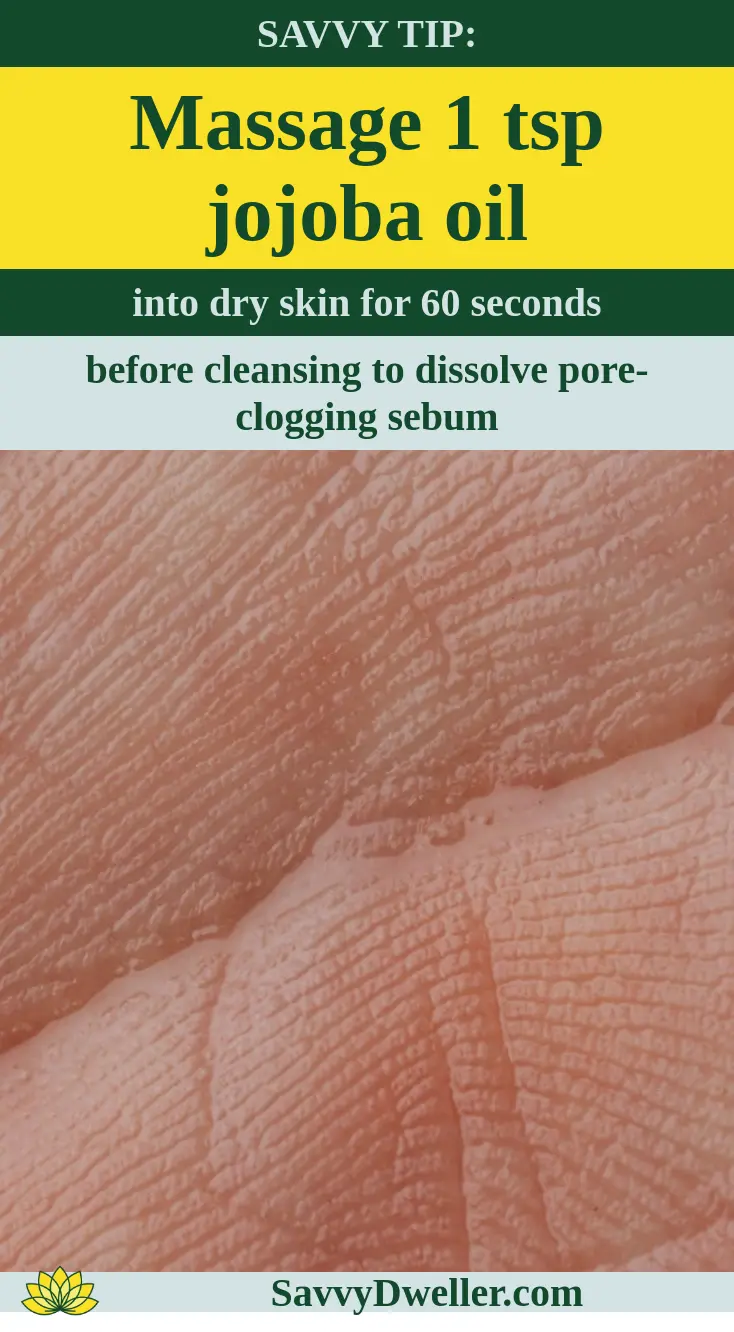
Jojoba Oil Technique
Jojoba oil closely resembles human sebum, making it ideal for balancing oil production and preventing pore congestion. This unique quality also highlights the numerous benefits jojoba oil offers for both skin and hair. With its moisturizing properties, it can enhance skin hydration while promoting healthy-looking hair.
- Pour 1–2 teaspoons of jojoba oil into clean hands.
- Massage onto dry skin for 60–90 seconds, focusing on oily or congested zones like the T-zone.
- Soak a clean washcloth in warm (not hot) water, wring it out, and gently press it to your face to open pores.
- Wipe away the oil-repeat if needed-then rinse the cloth and pat skin dry.
Sweet Almond Oil Method
Sweet almond oil is rich in vitamin E and fatty acids that nourish without clogging pores.
- Apply 1 teaspoon of cold-pressed sweet almond oil to dry skin.
- Massage in upward circular motions for 1–2 minutes.
- Use a warm, damp cloth to gently remove the oil.
- Follow with your regular water-based cleanser if using double cleansing (see below).
The Double Cleansing Process
Double cleansing-starting with oil, then using a gentle water-based cleanser-is a key step in thoroughly clearing pore-clogging residue without irritation.
- Begin with your chosen oil (like jojoba or sweet almond) to dissolve makeup, sunscreen, and sebum.
- Rinse or wipe away the oil using a warm cloth.
- Follow with a mild, sulfate-free gel or cream cleanser to remove any leftover impurities.
- Pat dry and continue with toner or serum.
This routine supports long-term pore reduction by keeping follicles clear and skin balanced-critical for anyone seeking natural ways to minimize large pores.
4. Niacinamide-rich Foods and Topical Applications
How Niacinamide Helps Minimize Pore Appearance
Niacinamide (vitamin B3) is a well-researched ingredient that helps regulate sebum production, strengthen the skin barrier, and improve overall texture. By reducing excess oil and inflammation, it indirectly supports smoother skin and lessens the appearance of large pores over time. It also boosts collagen synthesis, which can counteract the sagging that makes pores look larger with age.
Natural Sources Of Niacinamide
While topical applications offer direct benefits, supporting your skin from within helps too. Include these niacinamide-rich foods in your diet:
- Chicken breast
- Tuna and salmon
- Mushrooms (especially crimini and portobello)
- Peanuts and sunflower seeds
- Avocados and whole grains
DIY Niacinamide Treatments
Though pure niacinamide is typically used in serums, you can create supportive DIY treatments using niacinamide-containing whole ingredients combined with complementary pore-refining elements.
Green Tea and Niacinamide Toner
Green tea contains polyphenols that soothe skin and reduce oiliness, making it a great partner for pore appearance control. Additionally, the health benefits of green tea extend beyond skincare, promoting overall well-being. Regular consumption can support metabolism and improve heart health, making it a valuable addition to a healthy lifestyle.
- Brew 1 cup of green tea and let it cool completely.
- Mix in 1 tablespoon of aloe vera gel (which contains trace B vitamins).
- Pour into a clean spray bottle or glass jar.
- Apply to clean skin with a cotton pad once daily.
Oatmeal Niacinamide Mask
Oatmeal calms irritation while offering gentle exfoliation-ideal for sensitive skin prone to enlarged pores.
- Grind 2 tablespoons of plain oatmeal into a fine powder.
- Mix with 1 tablespoon plain yogurt (a natural source of B vitamins) and 1 teaspoon honey.
- Apply to clean face and leave on for 10–12 minutes.
- Rinse with lukewarm water and pat dry.
Used 1–2 times weekly, this mask helps refine texture and supports efforts to reduce the appearance of large pores naturally.
5. Ice and Cold Therapy for Instant Pore Tightening
The Science Behind Cold Therapy
Cold temperatures cause temporary vasoconstriction-narrowing of blood vessels-which reduces inflammation and creates an immediate tightening effect on the skin’s surface. While it doesn’t permanently shrink pores, ice therapy offers a quick visual refinement that can make large pores on the face appear smaller for a few hours. It’s particularly useful before photos, events, or as a morning refresh.
Safe Ice Treatment Methods
Never apply ice directly to skin-it can cause ice burn or broken capillaries. Always use a barrier and limit exposure.
Ice Cube Facial Technique
- Fill an ice cube tray with distilled water or green tea and freeze.
- Wrap one cube in a thin, clean cloth or paper towel.
- Gently glide it over clean skin in upward motions for 15–20 seconds per area (forehead, cheeks, chin).
- Do not linger in one spot longer than 30 seconds total.
- Pat dry and follow with moisturizer.
Cold Green Tea Compress
Green tea’s antioxidants enhance the soothing effect of cold therapy.
- Brew strong green tea and chill it in the fridge for 1 hour.
- Soak a clean washcloth in the cold tea, wring out excess liquid.
- Press the cloth onto your face for 30–60 seconds at a time, re-chilling as needed.
- Repeat for 2–3 minutes total.
When to Use Cold Therapy
Use ice or cold compresses:
- In the morning to depuff and refresh skin
- After sun exposure to calm redness
- Before applying makeup for a smoother base
- Post-exfoliation to soothe any sensitivity
Limit use to once daily to avoid over-stimulating or drying the skin-this is a temporary aid, not a long-term solution for how to minimize large pores at home.
6. Steam Treatments for Deep Pore Cleansing
How Steam Supports Pore Cleanliness
Steam helps soften sebum and debris clogging your pores, making it easier to remove buildup that can stretch them out over time. Regular steam treatments support clearer skin and can help lessen the appearance of large pores by keeping them clean from within. The warmth also boosts circulation, encouraging a healthier complexion that minimizes the look of enlarged pores.
Herbal Steam Blends for Pores
Chamomile and Lavender Steam
This gentle blend soothes irritated skin while helping to maintain balanced oil production-key for managing large pores face concerns.
- 2 tbsp dried chamomile flowers
- 1 tbsp dried lavender buds
- 4 cups boiling water
- Place herbs in a heat-safe bowl.
- Pour boiling water over them and let steep for 2–3 minutes.
- Lean over the bowl with a towel draped over your head, keeping your face 10–12 inches away.
- Steam for 5–7 minutes, then pat skin dry and follow with a gentle toner.
Rosemary and Thyme Treatment
Rosemary and thyme offer natural antimicrobial benefits that help keep pores clear without over-drying-a smart way to support skin pores reduction at home.
- 1 tbsp fresh or dried rosemary
- 1 tbsp fresh or dried thyme
- 4 cups boiling water
- Add herbs to a bowl and cover with boiling water.
- Allow to steep briefly, then steam your face as above.
- Limit sessions to once or twice weekly to avoid irritation.
Safe Steaming Guidelines
Steaming too often or too closely can dry out or irritate your skin, which may actually make pores appear larger. Keep sessions under 10 minutes and never place your face directly over scalding water. Always follow up with a hydrating toner or serum to seal in moisture and support pore refinement. A facial steam can enhance home deep pore cleansing by opening up your pores, allowing for easier removal of dirt and impurities. Regular facial steaming can be a beneficial part of your skincare routine, promoting clearer and healthier skin.
7. Natural Astringents and Pore-tightening Ingredients
Gentle Astringents for Pore Appearance
Natural astringents help tone the skin and temporarily tighten the look of pores without stripping essential oils. When used correctly, they’re a simple way to minimize the appearance of large pores without harsh chemicals. Always patch-test first and dilute potent ingredients to avoid redness or dryness.
Kitchen Ingredients That Help
Apple Cider Vinegar Toner
Raw, unfiltered apple cider vinegar contains acetic acid, which can help balance skin pH and support pore clarity. Additionally, apple cider vinegar is known for its many health benefits, making it a popular choice not just for skincare but also for overall wellness. Exploring the 20 proven health benefits of apple cider vinegar can provide valuable insights into its various uses and advantages.
- Mix 1 part apple cider vinegar with 3 parts distilled water.
- Apply to clean skin with a cotton pad, avoiding the eye area.
- Rinse after 10–15 minutes or leave on if your skin tolerates it.
- Use 2–3 times per week as part of your routine to reduce the appearance of large pores.
Witch Hazel and Rose Water Blend
This classic combo offers mild astringency and hydration-ideal for those seeking to minimize large pores without over-drying.
- Combine equal parts alcohol-free witch hazel and pure rose water.
- Apply with a cotton round after cleansing.
- Follow with moisturizer. Use daily for best results in pore size reduction.
Cucumber and Aloe Cooling Treatment
Cucumber’s natural enzymes and aloe’s soothing properties help calm skin and create a temporary tightening effect-great for a quick fix to minimize pores.
- Blend ¼ cucumber with 2 tbsp aloe vera gel until smooth.
- Apply a thin layer to clean skin and leave on for 10–15 minutes.
- Rinse with cool water. Use 2–3 times weekly as a refreshing step in your how to minimize large pores at home routine.
5 Habits to Keep Large Pores From Coming Back
Daily Skincare Mistakes That Make Pores Look Worse
Over-Cleansing and Harsh Scrubbing
Scrubbing too hard or washing your face too often strips natural oils, triggering more oil production that can clog pores and make them appear larger. Sometimes, addressing clogged pores effectively requires more than just gentle cleansing. Gentle cleansing twice daily is enough to support skin health without enlarging pores further.
Skipping Moisturizer
Even oily skin needs hydration. Skipping moisturizer can cause your skin to overcompensate with excess oil, worsening the look of large pores. Opt for a lightweight, non-comedogenic formula to maintain balance and reduce pore size over time.
Using Comedogenic Products
Products labeled “comedogenic” can clog pores and stretch them out. Always choose non-comedogenic or “won’t clog pores” labeled items to help minimize the appearance of pores long-term.
Lifestyle Factors That Support Healthy-looking Skin
Sun Protection for Pore Health
UV exposure breaks down collagen, making pores appear more prominent. Daily broad-spectrum SPF 30+ use is one of the most effective ways to reduce large pores and prevent further enlargement. Reapply every two hours if you’re outdoors.
Hydration and Diet Considerations
Drinking enough water and eating a diet rich in antioxidants supports skin elasticity and oil balance. Foods high in zinc, omega-3s, and vitamin C can aid in how to reduce the size of your pores naturally from the inside out. Think leafy greens, berries, nuts, and fatty fish as part of your pore-reduction strategy.
Frequently Asked Questions
Can Large Pores Be Permanently Shrunk, or Do These Methods Only Improve Appearance?
Pore size is largely determined by genetics and cannot be permanently changed, but these natural methods focus on minimizing their appearance by keeping them clean and firm. By reducing oil buildup, improving skin texture, and boosting collagen, you can make pores look smaller and less noticeable over time.
Are There Any Natural Ingredients I Should Avoid if I Have Large Pores?
Avoid heavy, comedogenic oils like coconut oil or cocoa butter, which can clog pores and make them appear larger. Instead, opt for non-comedogenic oils like jojoba or grapeseed oil. Also, be cautious with harsh DIY scrubs containing large sugar or salt particles, as they can cause micro-tears and irritation. For those looking to care for dry, cracked hands, incorporating coconut oil into a gentle DIY scrub can be beneficial, as it is known for its moisturizing properties.
How Long Will It Take to See Visible Results From These Natural Solutions?
Results vary by skin type, but with consistent use, you may see improvement in 4-6 weeks. Instant treatments like ice therapy offer temporary tightening, while deeper solutions like clay masks or exfoliation require regular application for lasting effects. Patience is key, as natural methods work gradually.
Can I Combine Multiple Natural Treatments in One Skincare Routine?
Yes, but space them out to avoid irritation. For example, use a clay mask once a week, exfoliate 2-3 times weekly on alternate days, and incorporate daily oil cleansing. Avoid using strong astringents or exfoliants on the same day as a steam treatment to prevent over-drying.
Is It Safe to Use Natural Astringents Like Apple Cider Vinegar Daily?
No, daily use can strip the skin’s natural barrier and cause irritation. Dilute apple cider vinegar with water (1:3 ratio) and use it as a toner 2-3 times per week. Always follow with a moisturizer to maintain skin balance, and discontinue if redness or dryness occurs.
Final Words
Minimizing large pores doesn’t require expensive treatments or harsh chemicals. These seven natural solutions work because they address the root causes-excess oil, clogged debris, and weakened skin texture-using gentle ingredients your skin can actually benefit from. The key lies in consistency and patience, as natural approaches take time to show their full effects.
Start with one or two methods that appeal to you most, then gradually build a routine that fits your lifestyle. Remember that healthy skin is a journey, not a destination. What works beautifully for your friend might need tweaking for your unique skin needs.
Ready to transform your pore concerns naturally? Begin with the clay mask or ice therapy method this week and track your progress. For more natural wellness solutions and home remedies that actually work, explore Savvy Dwelling where we share research-backed tips for healthier living. Your clearer, more confident skin awaits-take that first step today.

