Transform Your Hair Health: The Complete Guide to Going No-poo Without the Guesswork
Tired of hair that feels stripped, lifeless, or constantly greasy despite daily washing? You’re not alone—millions of people are discovering that traditional shampoos might actually be the culprit behind their hair struggles. The cycle of over-washing, harsh chemicals, and scalp irritation has left many feeling frustrated and ready for a healthier alternative.
This comprehensive guide will walk you through proven no-poo methods that actually work, helping you choose the right approach for your specific hair type and lifestyle. We’ve researched the science, tested the methods, and compiled everything into clear, actionable steps so you can confidently transition to healthier hair without the trial-and-error confusion that stops most people from succeeding.
Contents
- At a Glance: The Best No-poo Solutions
- The Science Made Simple: Why This Problem Happens
- 1. Water-only Method
- 2. Co-washing (Conditioner-only)
- 3. Baking Soda and Apple Cider Vinegar Method
- 4. Clay Hair Washing
- 5. Rye Flour Hair Wash
- 6. Soap Nuts and Natural Alternatives
- Common Mistakes to Avoid
- Navigating the No-poo Transition Period
- Frequently Asked Questions
- Final Words
At a Glance: The Best No-poo Solutions
| Method | Best For | Transition Time | Difficulty Level | Cost |
|---|---|---|---|---|
| Water-Only | Fine, straight hair | 4-8 weeks | Easy | Free |
| Co-Washing | Curly, dry hair | 2-4 weeks | Easy | $5-15 |
| Baking Soda + ACV | Oily hair | 3-6 weeks | Medium | Under $5 |
| Clay Wash | All hair types | 2-4 weeks | Medium | $10-20 |
| Rye Flour | Normal to oily hair | 3-5 weeks | Medium | Under $3 |
The Science Made Simple: Why This Problem Happens
Understanding Your Hair’s Natural Oil Production
Your scalp produces sebum-an oily, waxy substance that naturally conditions and protects your hair and skin. Sebum coats each strand, helping to retain moisture and shield against environmental stressors. This oil is essential for healthy, resilient hair, not a sign of dirtiness. The amount you produce depends on genetics, hormones, climate, and even how you treat your hair.
How Commercial Shampoos Disrupt Your Scalp’s Balance
Most shampoos contain sulfates and strong detergents designed to strip away oil-along with dirt and product buildup. But they often remove too much sebum, leaving your scalp dry and signaling it to produce even more oil to compensate. This creates a cycle where you feel the need to wash more frequently, which further disrupts your scalp’s natural equilibrium. Over time, this can lead to irritation, flakiness, or chronic greasiness at the roots.
The Sebum Regulation Cycle
When you stop using harsh cleansers, your scalp begins to recalibrate. Initially, excess oil may appear as your body adjusts to not being stripped daily. Within weeks, sebum production typically stabilizes, resulting in hair that stays cleaner longer and feels more balanced. This self-regulating process is the core reason many people find long-term success with the no-poo method-it works with your biology, not against it.
1. Water-only Method
How the Water-only Method Works
The water-only method relies on warm water and physical agitation to lift surface dirt and redistribute sebum from roots to ends. It’s a gentle, no-shampoo required approach that supports your scalp’s natural balance without introducing foreign ingredients. Over time, your hair learns to produce just enough oil for hydration without excess buildup.
What You’ll Need for Water-only Washing
- Access to clean, preferably filtered water
- A shower or basin for thorough rinsing
- A wide-tooth comb or boar bristle brush (for pre-wash distribution)
- Patience during the transition phase
Step-by-step Water-only Technique
- Before wetting your hair, brush it thoroughly with a boar bristle brush to move sebum down the hair shaft.
- Wet your scalp with warm (not hot) water for 1–2 minutes to loosen debris.
- Massage your scalp firmly with your fingertips for 3–5 minutes using the technique below.
- Rinse thoroughly for at least 2–3 minutes to ensure all loosened particles are flushed away.
- Gently squeeze out excess water and air-dry or style as usual.
Proper Scalp Massage Technique
Use the pads of your fingertips-not nails-to apply firm, circular motions across your entire scalp. Focus on the crown, temples, and nape where oil and buildup accumulate. This not only cleanses but also boosts circulation, which can support healthier hair growth over time.
Water Temperature Guidelines
Start with warm water to open the hair cuticle and loosen oil, but finish with a cool rinse to seal the cuticle and add shine. Avoid hot water, which can irritate the scalp and trigger more oil production. Finding the right washing technique is essential, especially for those struggling with an oily scalp. Consider exploring some of the best natural remedies to manage excess oil and keep your scalp healthy.
Best Hair Types for Water-only
This method works best for fine, straight, or low-porosity hair that doesn’t hold onto heavy products. If you have wavy hair, the water-only no shampoo routine can still succeed-but may require more frequent brushing and longer transition patience. Those with very curly, coily, or dry hair often find this method too drying without added moisture.
Also See: The Truth About Activated Charcoal for Teeth Whitening
2. Co-washing (Conditioner-only)
Understanding Co-washing Benefits
Co-washing uses conditioner as both a cleanser and moisturizer, making it ideal for dry or curly textures. It gently removes light buildup while depositing hydration-perfect for those embracing the benefits of no-poo without sacrificing softness. Many find it eases the transition phase, especially if their scalp still feels tight or flaky.
Choosing the Right Conditioner
Pick a silicone-free, sulfate-free conditioner with minimal heavy oils or waxes. Look for ingredients like aloe vera, glycerin, or light plant oils (e.g., jojoba or sunflower). Avoid “deep conditioners” or curl creams-they’re too rich for regular cleansing and can cause buildup. A simple daily conditioner works best for consistent no shampoo hair care.
Co-washing Application Method
- Thoroughly wet your hair and scalp with warm water.
- Apply a generous quarter-sized amount of conditioner directly to your scalp, not just the ends.
- Massage in using fingertips to lift dirt and oil.
- Work the remaining product down the lengths for added moisture.
- Rinse completely with cool water until strands feel clean, not slick.
Scalp Cleansing with Conditioner
Yes, conditioner can cleanse-lightly. The emulsifiers in most conditioners help lift surface grime when massaged into the scalp. For best results, focus on friction and coverage rather than lather, which isn’t necessary in a no-poo method.
Proper Rinse Technique
Rinse for longer than you think-up to 3 minutes-to prevent residue, which can weigh down hair or cause dullness. Tilt your head forward and let water run through the roots, not just over the surface. Residual product is the most common reason co-washing fails, so thoroughness is key.
Frequency Guidelines for Co-washing
Most people co-wash 1–3 times per week. If your hair feels greasy quickly, reduce frequency and incorporate dry brushing between washes. Curly or coily textures often benefit from co-washing twice weekly as part of a sustainable no shampoo routine. Listen to your scalp-tightness means too much, oiliness means too little.
3. Baking Soda and Apple Cider Vinegar Method
How Baking Soda Cleanses Hair
Baking soda, or sodium bicarbonate, acts as a mild abrasive that helps lift oil, dirt, and product buildup from your scalp. It gently exfoliates without stripping all natural oils—though it’s more effective for oily scalps than dry ones. This makes it a go-to in many no-poo routines, especially during the early transition phase when your scalp is still adjusting to reduced cleansing. Additionally, the versatile cleaning properties of baking soda extend far beyond hair care; it can work wonders around your home. In fact, there are 53 clever ways to clean almost everything with baking soda that highlight its effectiveness in tackling various cleaning challenges.
The Role Of Apple Cider Vinegar
After baking soda, apple cider vinegar (ACV) balances your hair’s pH and smooths the cuticle. Its acidity helps close the hair shaft, reducing frizz and adding shine—key benefits of the no-poo method for wavy and curly textures. ACV also helps dissolve residual buildup and may support a healthy scalp microbiome.
Mixing Ratios and Preparation
Getting the ratios right prevents over-drying or irritation. Always mix fresh before each use.
Baking Soda Solution Recipe
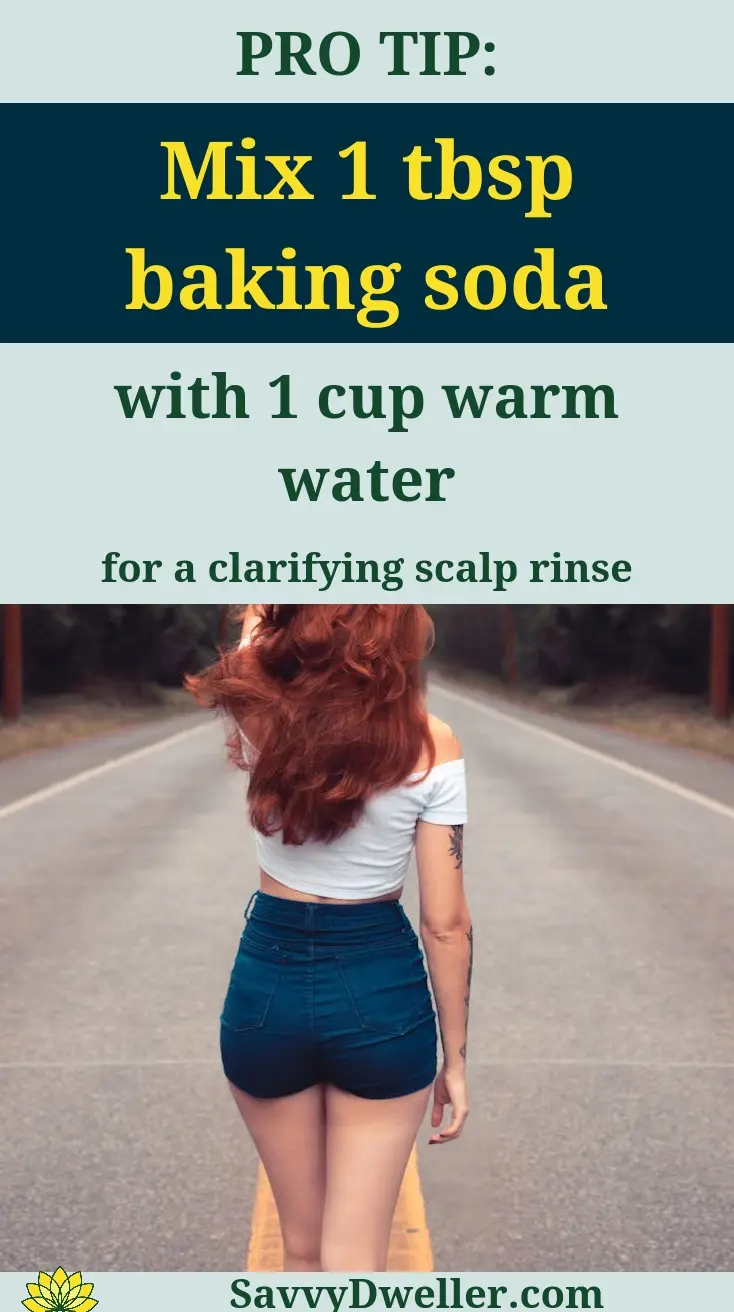
- 1 tablespoon baking soda
- 1 cup filtered or distilled water (to avoid mineral interference)
Stir until fully dissolved. For thicker or longer hair, double the batch-but don’t increase the concentration.
ACV Rinse Formula
- 1–2 tablespoons raw, unfiltered apple cider vinegar (with “the mother”)
- 1 cup cool water
Start with 1 tablespoon if you have sensitive skin; increase only if needed. Never apply undiluted ACV directly to your scalp.
Application Steps
- Wet your hair thoroughly with warm (not hot) water.
- Pour the baking soda solution over your scalp and massage gently for 1–2 minutes. Focus on roots; avoid mid-lengths and ends.
- Rinse completely until water runs clear.
- Follow immediately with the ACV rinse: pour over hair, let sit for 1–3 minutes, then rinse with cool water.
- Pat dry-no towel rubbing-and air-dry if possible.
Safety Considerations and Ph Balance
Baking soda has a high pH (around 9), while healthy hair thrives near pH 4.5–5.5. Overuse can disrupt your scalp’s natural barrier, leading to dryness or irritation. Limit this method to once a week during transition, then reduce frequency as your scalp adjusts. If your hair feels brittle or straw-like, pause the baking soda and rely on ACV rinses or water-only washes until balance returns.

4. Clay Hair Washing
Types Of Clay for Hair Care
Clays offer a mineral-rich, pH-balanced alternative that’s gentler than baking soda. Two standouts dominate the no-poo scene:
Bentonite Clay Benefits
Formed from volcanic ash, bentonite clay swells when mixed with water, creating a gel that draws out impurities. It’s especially effective for removing excess oil while delivering magnesium, calcium, and silica to nourish the scalp. Ideal for those with oily or buildup-prone hair embracing a no-shampoo routine.
Rhassoul Clay Properties
Mined from the Atlas Mountains, Rhassoul (or Ghassoul) clay has a smoother texture and lower pH than bentonite. It cleanses without over-drying, making it a top choice for dry, curly, or wavy hair wash no shampoo seekers. It also improves manageability and reduces flakiness.
Preparing Your Clay Hair Mask
- 2–3 tablespoons clay (depending on hair length)
- Enough water, aloe vera juice, or diluted ACV to form a yogurt-like consistency
- Non-metal bowl and spoon (metal can react with bentonite clay)
Mix just before use. Never store prepared clay-it hardens and loses efficacy.
Application and Removal Process
- Section damp (not soaking wet) hair.
- Apply clay paste from roots to mid-lengths; skip ends unless they’re product-heavy.
- Leave on for 5–10 minutes-no longer, or it may overdry.
- Rinse thoroughly with lukewarm water, using gentle finger motions to lift residue.
- Finish with a light ACV mist if desired for extra shine.
Frequency and Aftercare
Use clay washes 1–2 times per week during transition, then taper to every 10–14 days. Because clay doesn’t strip oils aggressively, it supports the benefits of no-poo by maintaining your scalp’s natural rhythm. Follow with a light oil (like jojoba) on ends if needed, but avoid heavy products that counteract cleansing.
5. Rye Flour Hair Wash
Why Rye Flour Works As a Cleanser
Rye flour contains natural saponins and starches that bind to oil and lift grime-similar to how soap nuts work, but with a gentler touch. Unlike wheat flour, rye doesn’t leave a sticky residue, making it one of the most underrated no-poo methods for normal to oily hair. It’s also incredibly affordable and biodegradable.
Preparing the Rye Flour Mixture
- 2–4 tablespoons medium or fine rye flour (not coarse)
- Enough warm water to create a thin, pourable paste (like heavy cream)
Whisk vigorously to prevent clumping. Let it sit for 2–3 minutes to hydrate fully before applying.
Application Technique
- Wet hair thoroughly.
- Pour or spoon the mixture onto your scalp.
- Massage in circular motions for 2–3 minutes-rye flour gently exfoliates as it cleans.
- Rinse slowly and thoroughly (see rinse method below).
Avoiding Lumps and Residue
Use fine-ground rye flour and mix with warm (not boiling) water. Strain through a fine mesh sieve if needed. Lumps can cling to hair and mimic dandruff, undermining the benefits of no shampoo.
Thorough Rinse Method
Rinse under lukewarm water for at least 2–3 minutes, running fingers through hair to dislodge any flour particles. Finish with a cool water splash to seal cuticles and confirm all residue is gone. If your hair feels gritty post-rinse, repeat the rinse cycle-this method leaves zero film when done correctly.
Storage and Preparation Tips
Never store mixed rye paste-it sours quickly. Keep dry rye flour in an airtight container in a cool, dark place. A single batch costs pennies, aligning with the budget-friendly benefit of no-poo living. For extra cleansing power, mix with a splash of herbal tea (like rosemary or chamomile) instead of plain water.
6. Soap Nuts and Natural Alternatives
Understanding Soap Nuts (Soapberries)
Soap nuts-also called soapberries-are the dried shells of berries from the Sapindus tree. They contain saponins, natural surfactants that gently lift dirt and oil without stripping your scalp. Many people exploring the no-poo method turn to soap nuts because they’re biodegradable, hypoallergenic, and free of synthetic additives. They’re especially gentle for sensitive scalps and color-treated hair.
Making Soap Nut Liquid
To create a liquid cleanser from soap nuts, follow this simple process:
- Add 8–10 whole soap nuts to a small pot with 4 cups of water.
- Bring to a gentle boil, then reduce heat and simmer for 30 minutes.
- Let the liquid cool completely, then strain out the shells.
- Store the liquid in a glass jar in the refrigerator for up to 1 week.
Use about ¼ to ½ cup per wash, depending on hair length and thickness. You can warm it slightly before use for better solubility.
Other Natural Cleansing Options
Shikakai Powder
Shikakai, meaning “fruit for hair” in Sanskrit, is a traditional Ayurvedic cleanser made from the dried pods of the Acacia concinna tree. It has a mildly acidic pH (around 4.5–5.5), which closely matches your scalp’s natural balance. Shikakai powder cleans without disrupting sebum production-ideal for those pursuing a no shampoo routine with minimal irritation. Mix it with water to form a paste, apply to the scalp, and rinse thoroughly.
Aritha (Soap Pods)
Aritha, or reetha, comes from the soapnut tree and works similarly to soap nuts but is often sold as whole dried pods or powder. High in saponins, it creates a light lather that cleanses without dryness. It’s a staple in Indian hair care traditions and pairs well with shikakai for a synergistic cleanse-especially beneficial for thick or wavy hair wash no shampoo enthusiasts. Steep 2–3 pods in hot water for 20 minutes, strain, and use the liquid as a rinse.
Application Methods for Natural Cleansers
- Always apply to wet hair, focusing on the scalp first.
- Use fingertips-not nails-to massage in circular motions for 2–3 minutes.
- Rinse thoroughly with lukewarm water; residue can cause dullness.
- Follow with a light apple cider vinegar rinse (1:4 ratio with water) if your water is hard.
- Use once or twice a week; these cleansers are milder than commercial shampoos.
Common Mistakes to Avoid
Expecting Immediate Results
The no-poo method requires patience. Your scalp may take weeks to rebalance oil production. Jumping ship after one greasy day means missing out on the long-term benefits of no shampoo, like stronger strands and reduced irritation. Give your body time to adapt-most see real improvement by week 3–4.
Over-washing During Transition
Washing daily with any no-poo method during the first month can worsen oil overproduction. Limit washes to 1–2 times per week to let your scalp recalibrate its sebum cycle-the core benefit of no-poo. Use dry brushing or protective styles on off days.
Using the Wrong Method for Your Hair Type
Not all no shampoo methods suit all textures. Co-washing may weigh down fine hair, while baking soda can be too harsh for curly or color-treated strands. Match your technique to your hair’s needs-this is key to making the no-poo method sustainable and effective. Refer to the “At a Glance” table for guidance.
Neglecting Proper Brushing Techniques
Dry brushing isn’t just for exfoliation-it redistributes sebum from roots to ends, naturally conditioning your hair. Use a boar bristle brush on dry hair before washing to support the benefits of going no-poo. Start at the scalp and sweep downward in smooth strokes, 1–2 minutes daily.
Ignoring Water Quality Issues
Hard Water Complications
Hard water contains minerals like calcium and magnesium that bind to hair, causing buildup, dullness, and reduced cleansing efficacy. If you’re committed to a no shampoo hair routine, hard water can sabotage your progress-leading to flakiness or stiffness. Install a shower filter or rinse with filtered water after washing.
Chlorine and Chemical Buildup
Swimming pools and some municipal water supplies contain chlorine, which dries out hair and disrupts scalp health. For those following a no-poo method, this chemical buildup can mimic product residue and prolong the greasy phase. Pre-wet hair with clean water before swimming, and rinse immediately after with vinegar or herbal tea.
Switching Methods Too Frequently
Bouncing between baking soda, clay, and rye flour every few days confuses your scalp and delays adjustment. Stick with one no-poo hair method for at least 3–4 weeks before evaluating its effectiveness-consistency is crucial to seeing the benefits of no-poo.
Not Adjusting for Seasonal Changes
Humidity, indoor heating, and sun exposure alter your hair’s needs. In winter, you may need less frequent washing; in summer, sweat may call for a lighter clay rinse. Tune into your hair’s signals—this responsiveness is part of the wisdom of a sustainable no shampoo routine. For those seeking healthier and shinier hair, exploring the best homemade shampoo recipes can be a fantastic way to customize your hair care routine.
What to Expect During the First Month
The Infamous “Greasy Phase”
Days 5–14 often bring excess oil as sebaceous glands overcompensate for the lack of harsh detergents. This isn’t failure-it’s your scalp learning to regulate, a hallmark of the no-poo method’s rebalancing process. Avoid panic-washing; instead, use dry shampoo alternatives like cornstarch or arrowroot powder.
Scalp Adjustment Symptoms
You might notice flaking, itchiness, or even mild breakouts as trapped sebum and residues surface. These are temporary detox signs-not reasons to abandon the benefits of no shampoo. Gentle scalp massages and clean pillowcases can ease discomfort.
Supporting Your Hair During Transition
Dry Brushing Techniques
- Use a natural-bristle brush on completely dry hair.
- Start at the nape, brushing upward toward the crown to stimulate circulation.
- Then brush from roots to ends to spread natural oils evenly.
- Do this once daily, preferably in the morning.
This simple habit enhances shine and reduces greasiness between washes-especially helpful for wavy hair wash no shampoo routines.
Protective Styling Options
- Loose braids or twists minimize friction and oil migration.
- Silk or satin scarves reduce static and absorb less oil than cotton.
- Low buns keep ends tucked away, preserving moisture.
- Avoid tight elastics that pull on roots and increase oil production.
Protective styles buy you time while your scalp rebalances-a smart strategy when learning how to go no-poo.
When to Seek Professional Guidance
If you experience persistent redness, severe itching, oozing, or patchy hair loss during the transition, consult a dermatologist. While the no-poo method is safe for most, underlying conditions like seborrheic dermatitis or psoriasis need medical care-not just a routine change. A professional can help you adapt your approach without compromising scalp health.

Frequently Asked Questions
Can No-poo Methods Help With Hair Loss or Thinning?
No-poo methods may indirectly support hair health by reducing scalp irritation from harsh chemicals, which can minimize breakage and loss linked to inflammation. However, no-poo is not a direct cure for hair loss caused by genetics, hormones, or medical issues. For thinning hair, opt for gentle methods like co-washing and avoid abrasive cleansers; if loss persists, consult a dermatologist to address underlying causes.
How Do I Incorporate Styling Products When Following a No-poo Routine?
To avoid buildup, use water-soluble, silicone-free styling products like gels or mousses made from natural ingredients. Apply sparingly to ends rather than the scalp, and remove residue with a thorough water rinse or occasional clay wash. For hold without weight, try aloe vera or flaxseed gel, which cleanse easily and won’t interfere with your scalp’s natural balance.
Is No-poo Safe for Colored or Chemically Treated Hair?
Yes, but choose pH-balanced methods like co-washing or water-only to prevent color fading. Avoid baking soda, which can be too alkaline and strip dye. Always patch-test first; for treated hair, a diluted apple cider vinegar rinse can enhance shine without compromising color. If using heat tools, reduce frequency to maintain hair integrity during the transition. To keep your hair healthy, implementing heat protection measures can make a significant difference. Using a heat protectant spray before styling is essential to shield your hair from damage caused by high temperatures.
What Should I Do if My Hair Develops an Unpleasant Odor During the Transition?
Odor often stems from bacterial growth due to excess oil. Focus on scalp massage with warm water and use a boar bristle brush to distribute oils evenly. If it persists, add a weekly rinse with diluted apple cider vinegar (1 tablespoon per cup of water) or a bentonite clay mask to neutralize smells without harsh cleansing. Incorporating a DIY scalp scrub recipe can further promote a healthy scalp environment, paving the way for faster hair growth.
Are There Any Supplements or Dietary Tips That Can Enhance the No-poo Results?
While no-poo focuses on external care, a diet rich in omega-3s, biotin, and zinc-found in foods like walnuts, eggs, and legumes-can improve scalp health and oil regulation. Stay hydrated and limit processed foods to reduce inflammation. Remember, dietary changes support but don’t replace the no-poo process; consistency in your washing routine is key.
Final Words
Your hair deserves a gentler approach, and the no-poo journey offers exactly that freedom from harsh chemicals your scalp has been craving. While the transition period requires patience and some trial-and-error to find your perfect method, countless people have successfully transformed their hair health using these natural alternatives. Remember that your hair’s needs are unique, so don’t get discouraged if the first method you try isn’t your perfect match.
Start with the method that best suits your hair type from our comparison table, commit to at least four weeks of consistency, and trust the process. Your scalp’s natural oil production will gradually regulate, and you’ll likely notice improved texture, reduced irritation, and healthier-looking hair. The investment in time and patience pays off with stronger, more resilient hair that looks vibrant without depending on commercial products.
Ready to begin your no-poo transformation? Choose your preferred method and take that first step toward healthier hair today. For more natural wellness solutions and home care tips that support your journey to chemical-free living, explore Savvy Dwelling where we share research-backed advice for creating a healthier home environment.

