Foods That Fight Inflammation in Your Body
Does your body feel like it’s constantly fighting an uphill battle? Chronic inflammation might be silently affecting your energy levels, joint comfort, and overall well-being. You’re not imagining that persistent fatigue or those nagging aches—your body could be sending you signals that it needs nutritional support.
The good news is that your kitchen holds powerful tools to help your body find balance again. This guide will show you exactly which foods can naturally support your body’s healing processes and how to incorporate them into meals you’ll actually enjoy. We’ve simplified the complex science into practical, everyday solutions that work for real people with busy lives.
Contents
- At a Glance: The Best Anti-inflammatory Foods
- The Science Made Simple: Why Inflammation Happens in Your Body
- 1. Fatty Fish Rich in Omega-3s
- 2. Colorful Berries and Cherries
- 3. Dark Leafy Greens
- 4. Extra Virgin Olive Oil and Healthy Fats
- 5. Powerful Spices and Herbs
- 6. Nuts, Seeds, and Whole Grains
- 7. Colorful Vegetables and Plant Foods
- 5 Habits to Keep Inflammation From Coming Back
- Frequently Asked Questions
- Final Words
At a Glance: The Best Anti-inflammatory Foods
| Food Category | Top Choices | Key Benefits | Easy Ways to Use |
|---|---|---|---|
| Fatty Fish | Salmon, Sardines, Mackerel | High in omega-3 fatty acids | Bake, grill, or add to salads |
| Leafy Greens | Spinach, Kale, Arugula | Rich in antioxidants | Smoothies, salads, sautéed sides |
| Berries | Blueberries, Cherries, Strawberries | Powerful antioxidants | Snacks, yogurt toppings, smoothies |
| Healthy Fats | Extra Virgin Olive Oil, Avocados | Support cellular health | Dressings, toast toppings, cooking oil |
| Spices | Turmeric, Ginger, Garlic | Natural compounds that aid inflammation | Season dishes, teas, marinades |
The Science Made Simple: Why Inflammation Happens in Your Body
What is Inflammation and How It Affects Your Daily Life
Inflammation is your body’s natural alarm system-it sends immune cells to areas that are injured or under attack. While this process is protective in the short term, chronic, low-level inflammation can quietly affect your energy, joints, digestion, and even your mood. You might not see it, but it’s often behind that afternoon fatigue or persistent stiffness you feel.
The Difference Between Helpful and Harmful Inflammation
Acute inflammation is your ally-it flares up quickly to heal a cut or fight a cold and then quiets down. Chronic inflammation, though, lingers without an obvious cause and can create internal stress over time. What you eat plays a major role in whether your body leans toward healing or constant alert mode.
How Diet Can Support Your Body’s Natural Balance
Certain foods send calming signals to your cells, while others can fan the flames. An anti-inflammatory diet focuses on whole, nutrient-rich choices that help your body reset its internal thermostat. By choosing more foods that fight inflammation in the body and fewer that feed it, you give your system the tools to find balance again.
1. Fatty Fish Rich in Omega-3s
Why Omega-3 Fatty Acids Support Your Body
Omega-3s-especially EPA and DHA found in fish-help produce compounds that soothe overactive immune responses. These healthy fats are among the most powerful anti-inflammatory foods you can eat regularly. They don’t just support joints; they also help maintain brain and heart health.
Best Fish Choices for Maximum Benefits
Salmon and Its Preparation Methods
Wild-caught salmon offers the highest concentration of omega-3s and fewer contaminants than farmed varieties. Try these simple cooking styles.
- Bake at 375°F with lemon, garlic, and rosemary for 15–20 minutes.
- Grill skin-side down for 6–8 minutes until it flakes easily.
- Poach gently in broth or water with herbs for a tender, moist result.
Sardines and Mackerel for Budget-Friendly Options
Don’t overlook these oily little powerhouses. Sardines and mackerel are affordable, sustainable, and packed with omega-3s-often more per serving than salmon. Choose brands packed in olive oil or water with no added salt for the cleanest option.
Simple Ways to Add More Fish to Your Weekly Menu
- Swap your usual lunch sandwich for a sardine salad on whole-grain toast.
- Add flaked grilled salmon to grain bowls or leafy green salads.
- Keep canned mackerel in the pantry for a 5-minute protein boost in wraps or pasta.
Also See: The Ultimate Guide to a Natural Kidney Cleanse
2. Colorful Berries and Cherries
The Power Of Antioxidants in Small Packages
Berries and cherries burst with anthocyanins and flavonoids-plant compounds that help neutralize cellular stress. These foods that reduce inflammation and pain do so by calming biochemical pathways linked to discomfort and aging. Their vibrant colors are your first clue to their protective power.
Fresh Vs. Frozen: What Works Best
Frozen berries are often flash-frozen at peak ripeness, locking in nutrients just as well as fresh-and sometimes better, especially out of season. Both count as top-tier anti-inflammatory diet foods. No need to wait for summer; your freezer can be a year-round source of inflammation-fighting foods.
Blueberries and Their Versatile Uses
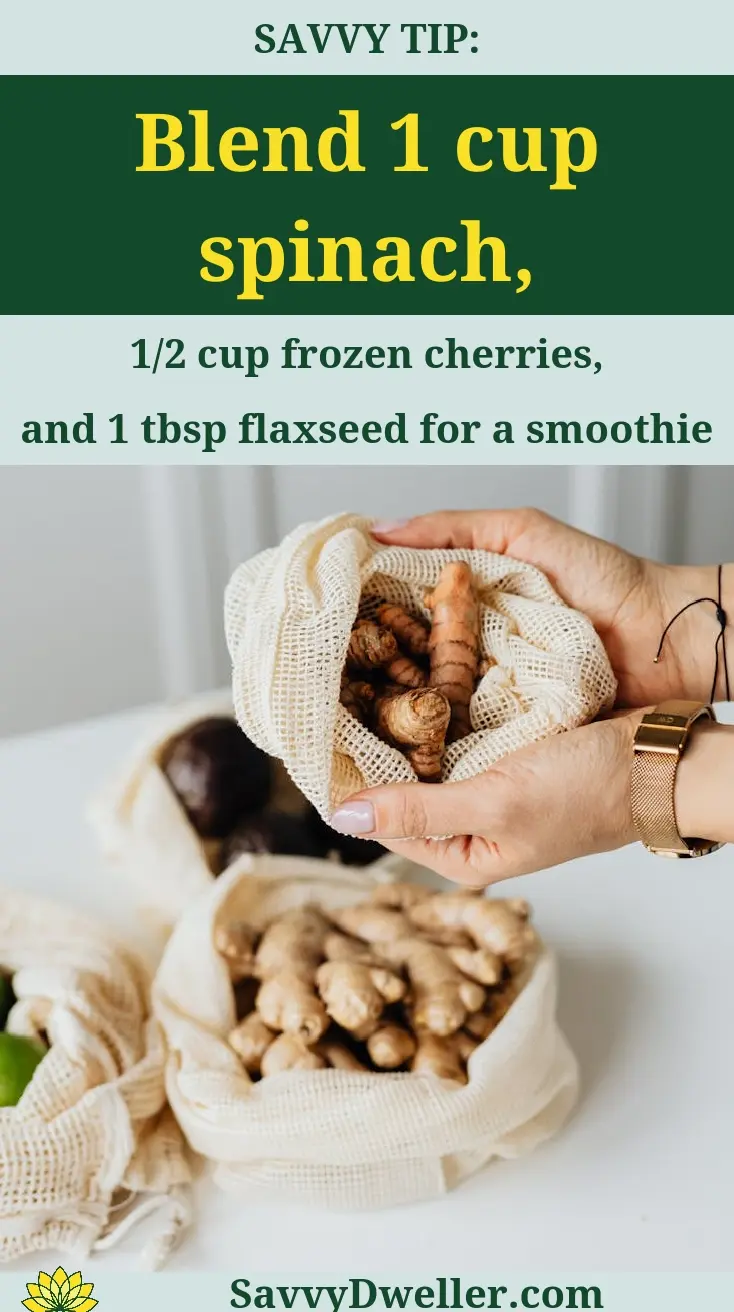
Blueberries blend seamlessly into daily meals without overpowering flavor. Stir them into oatmeal, fold into yogurt, or toss into savory salads with goat cheese and walnuts. They’re also perfect for quick smoothies: just blend with spinach, banana, and a splash of almond milk.
Tart Cherries for Better Sleep and Comfort
Tart cherries contain melatonin and anthocyanins that may support both rest and joint comfort. Foods like tart cherries are unique among anti-inflammatory foods because they address multiple wellness needs at once. Try unsweetened tart cherry juice (100% pure) or dried tart cherries (no added sugar) as an evening snack.
Creative Ways to Enjoy Berries Daily
- Freeze blueberries or cherries and use them as ice cubes in water or herbal tea.
- Make a chia pudding with mixed berries and almond milk for a make-ahead breakfast.
- Top whole-grain pancakes or waffles with fresh berries instead of syrup.
- Blend frozen berries into a “nice cream” with a banana for a dairy-free dessert.
3. Dark Leafy Greens
Nutrient-dense Vegetables That Support Wellness
Dark leafy greens are among the most potent anti-inflammatory foods you can eat. Packed with vitamins A, C, and K, along with folate and fiber, they help neutralize free radicals and support your body’s natural defenses. Foods that fight inflammation in the body often include these greens because of their high concentration of antioxidants like lutein and beta-carotene.
Top Leafy Green Choices
Spinach for Mild Flavor and Easy Integration
Spinach has a gentle taste that blends seamlessly into meals without overpowering other flavors. It’s one of the most versatile foods to decrease inflammation and can be tossed into smoothies, scrambled eggs, or pasta sauces with little notice. Light cooking actually enhances the availability of some nutrients, like iron and calcium.
Kale and Its Preparation Tips
Kale offers a more robust texture and earthy flavor, but it can be tough if not prepared properly. To soften it:
- Rinse thoroughly and remove the thick central stem.
- Massage chopped leaves with a drizzle of extra virgin olive oil and a pinch of sea salt for 1–2 minutes until tender.
- Use raw in salads or sauté briefly with garlic for a quick, nutrient-rich side.
This simple technique makes kale more palatable while preserving its inflammation-fighting compounds.
Making Leafy Greens More Appealing
If you’re new to eating greens, start by blending them into familiar dishes:
- Add a handful of spinach to your morning smoothie-it disappears flavor-wise but boosts nutrition.
- Stir finely chopped kale into soups or grain bowls during the last few minutes of cooking.
- Roast kale leaves with olive oil and a sprinkle of nutritional yeast for a crunchy, savory snack.
Food that reduces inflammation doesn’t have to be bland-creativity turns these greens into daily staples.
4. Extra Virgin Olive Oil and Healthy Fats
The Mediterranean Connection to Wellness
Extra virgin olive oil (EVOO) is a cornerstone of the Mediterranean diet, consistently linked to lower levels of inflammatory markers like C-reactive protein. Rich in monounsaturated fats and polyphenols-especially oleocanthal, which acts similarly to ibuprofen-it’s one of the most effective anti-inflammatory diet foods for everyday use.
Choosing Quality Olive Oil
Cold-Pressed vs. Regular Processing
True extra virgin olive oil is cold-pressed, meaning it’s extracted without heat or chemicals, preserving its delicate antioxidants. In contrast, “light” or “pure” olive oils are often refined using high heat and solvents, stripping away beneficial compounds. Foods that reduce inflammation and pain rely on these intact phytonutrients-so always choose certified extra virgin.
Storage Tips for Maximum Freshness
Olive oil degrades when exposed to light, heat, and air. To maintain its potency:
- Store in a dark glass bottle or tin, away from the stove.
- Keep in a cool, dark pantry-not on the counter.
- Use within 3–6 months of opening for best quality.
Fresh, high-quality EVOO should taste peppery and fruity-signs of active anti-inflammatory compounds.
Beyond Cooking: Other Healthy Fat Sources
While olive oil shines in dressings and low-heat cooking, other best anti-inflammatory foods include avocados, which provide fiber and heart-healthy fats, and olives themselves, rich in polyphenols. These fats not only reduce inflammation in the body but also help absorb fat-soluble vitamins from other foods you eat. Incorporating avocados into your diet can offer numerous health benefits, including enhancing heart health and improving digestion. In fact, research highlights avocados as a key player in promoting overall wellness and nutrition, including notable health benefits.
5. Powerful Spices and Herbs
Nature’s Medicine Cabinet in Your Kitchen
Your spice rack may be the most overlooked source of inflammation fighting foods. Many herbs and spices contain concentrated plant compounds that support your body’s natural balance far more powerfully than isolated supplements. What foods fight inflammation? Often, it’s the small, flavorful additions-not just the main ingredients.
Turmeric: The Golden Spice
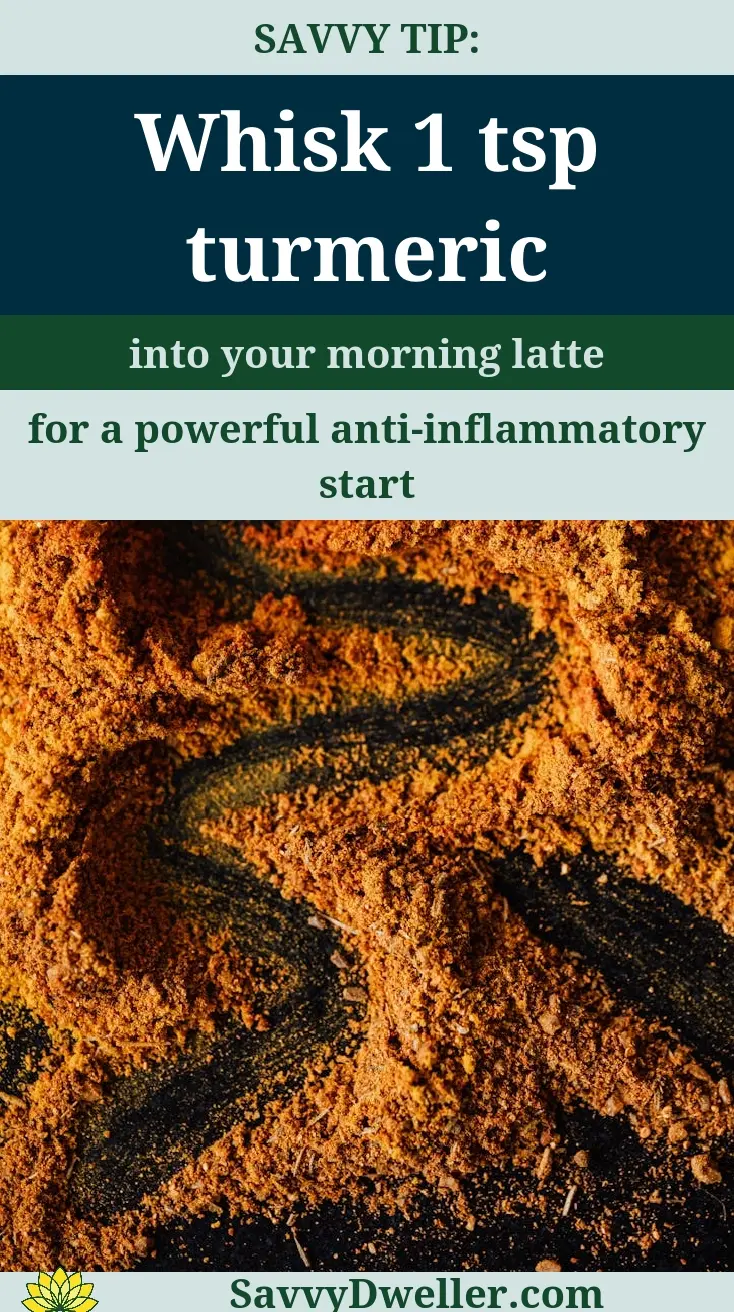
Turmeric’s active compound, curcumin, is one of the most studied natural substances for its ability to modulate inflammatory pathways. But curcumin is poorly absorbed on its own-which is why pairing matters, especially when considering the health benefits of turmeric and curcumin.
How to Enhance Turmeric Absorption
To unlock turmeric’s full potential, combine it with:
- A pinch of black pepper (piperine boosts absorption by up to 2,000%).
- A healthy fat like olive oil, coconut milk, or avocado-curcumin is fat-soluble.
- Gentle heat, which stabilizes the compound during cooking.
Without these, much of the benefit is lost in digestion.
Easy Turmeric Recipes for Beginners
- Golden Milk: Warm unsweetened almond milk with ½ tsp turmeric, a pinch of black pepper, cinnamon, and a drizzle of honey.
- Turmeric Scramble: Add ¼ tsp turmeric and black pepper to eggs while cooking with olive oil.
- Roasted Veggies with Turmeric: Toss cauliflower or sweet potatoes with olive oil, turmeric, salt, and roast at 400°F.
These simple ideas make turmeric a daily habit-not just a supplement.
Ginger, Garlic, and Other Inflammation-fighting Herbs
Fresh ginger contains gingerols, which soothe digestive and systemic inflammation. Garlic’s allicin—activated when crushed—supports immune regulation. Both are easy to incorporate: grate ginger into teas or stir-fries, and let chopped garlic sit for 10 minutes before cooking to maximize its active compounds. Other supportive herbs include rosemary, oregano, and cinnamon—each adding flavor and function to your meals. Incorporating ginger not only enhances taste but also provides numerous health benefits. Some of the top proven benefits of ginger include its ability to reduce nausea, improve digestion, and alleviate muscle pain.
6. Nuts, Seeds, and Whole Grains
Plant-based Protein Sources That Support Health
Nuts, seeds, and whole grains aren’t just filling-they’re packed with fiber, healthy fats, and plant compounds that help reduce inflammation in the body. Unlike refined carbs and processed snacks, these whole foods stabilize blood sugar and nourish your gut, which plays a key role in managing your body’s inflammatory response.
Best Nuts and Seeds for Daily Snacking
When it comes to anti-inflammatory foods, a small handful of the right nuts or seeds can deliver big benefits. Keep these on hand as go-to snacks or meal boosters:
- Almonds
- Pumpkin seeds
- Sunflower seeds
- Hemp seeds
Walnuts and Their Omega-3 Content
Walnuts stand out among nuts for their high levels of alpha-linolenic acid (ALA), a plant-based omega-3 fatty acid. Just a quarter cup of walnuts provides more ALA than most other nuts, making them one of the best anti-inflammatory foods for daily inclusion. Their unique nutritional profile offers various health benefits, especially when compared to other nuts. Try chopping them into oatmeal, salads, or blending into smoothies for extra crunch and nutrition.
Chia and Flax Seeds for Easy Addition
Chia and flax seeds are tiny but mighty. Both are rich in fiber and ALA omega-3s, and they absorb liquid to form a gel-like texture—perfect for thickening sauces, smoothies, or overnight oats. Including flax seeds in your diet can boost heart health and support digestion. Grind flax seeds before eating to unlock their full nutritional benefit, as whole seeds often pass through undigested.
Whole Grains That Complement Anti-inflammatory Eating
Swap refined grains like white rice and white bread for whole grains that retain their bran and germ-where most antioxidants and fiber live. These choices help reduce inflammation in the body by supporting stable insulin levels and feeding beneficial gut bacteria:
- Oats (steel-cut or rolled)
- Quinoa
- Brown rice
- Barley
- Farro
7. Colorful Vegetables and Plant Foods
Eating the Rainbow for Maximum Benefits
Each color in fruits and vegetables signals different phytonutrients-natural plant compounds that fight inflammation. By filling your plate with reds, oranges, greens, purples, and yellows, you’re giving your body a broad spectrum of inflammation-fighting foods. This variety ensures you get a mix of antioxidants, vitamins, and fiber that work together to support long-term wellness.
Cruciferous Vegetables: Broccoli and Beyond
Broccoli, cauliflower, Brussels sprouts, kale, and cabbage belong to the cruciferous family-known for sulforaphane, a compound that helps your body regulate inflammation at the cellular level. Including these regularly gives you one of the most effective foods that reduce inflammation and support detox pathways.
Simple Roasting Techniques
- Preheat your oven to 425°F (220°C).
- Toss chopped cruciferous veggies with extra virgin olive oil, a pinch of sea salt, and a sprinkle of garlic powder.
- Spread evenly on a baking sheet without overcrowding.
- Roast for 20–25 minutes until edges are crisp and golden.
Steaming for Nutrient Preservation
- Fill a pot with 1–2 inches of water and bring to a gentle simmer.
- Place chopped vegetables in a steamer basket.
- Cover and steam for 4–6 minutes-just until tender-crisp.
- Drizzle with lemon juice or a splash of tahini for extra flavor and anti-inflammatory support.
Bell Peppers, Tomatoes, and Other Colorful Choices
Red bell peppers deliver more vitamin C than an orange, while tomatoes offer lycopene-a powerful antioxidant that becomes more bioavailable when cooked. Eggplant, carrots, and beets also bring unique pigments that act as natural defenders against oxidative stress. Including a variety of these plant foods not only enhances your meals but also supports your immune system. Foods rich in vitamin C, such as citrus fruits and broccoli, play a crucial role in boosting immunity and overall health. These vibrant plant foods are essential additions to any anti-inflammatory diet foods list.
5 Habits to Keep Inflammation From Coming Back
Foods and Ingredients to Limit in Your Diet
An anti-inflammatory lifestyle isn’t just about what you add-it’s also about what you reduce. Certain ingredients can quietly fuel chronic inflammation, even if they’re convenient or tasty.
Processed Foods and Added Sugars
Ultra-processed snacks, sugary drinks, and packaged meals often contain hidden sugars and pro-inflammatory additives. Regular intake of added sugars can spike blood glucose and trigger immune responses that increase inflammation over time. Swap soda for sparkling water with lemon, and choose whole fruit over candy or pastries.
Trans Fats and Excessive Refined Oils
Avoid anything with “partially hydrogenated oils” (a source of artificial trans fats) and limit refined seed oils like corn, soybean, and sunflower oil when used in excess. These oils are high in omega-6 fats, which-when unbalanced with omega-3s-can promote inflammation in the body. Instead, rely on olive oil, avocado oil, or small amounts of cold-pressed nut oils.
Creating Sustainable Meal Planning Routines
Consistency beats perfection. Plan just two or three anti-inflammatory dinners per week to start, and build from there. Keep a running list of your favorite inflammation-fighting foods and rotate them to avoid burnout. A flexible routine helps you reduce inflammation with food without feeling restricted.
Smart Shopping Strategies for Anti-inflammatory Foods
Shop the perimeter of the grocery store first-where fresh produce, fish, and whole foods live. Make a list based on your weekly meal plan, and include pantry staples like canned sardines, frozen berries, and bulk-bin nuts. This approach keeps processed temptations out of your cart and supports long-term success with foods that help reduce inflammation.
Batch Cooking and Prep Tips for Busy Schedules
- Cook a big pot of quinoa or farro on Sunday for grain bowls all week.
- Roast two sheet pans of mixed vegetables to add to meals instantly.
- Pre-chop onions, garlic, and peppers for quick sautés.
- Portion out nuts and seeds into snack-sized containers.
Building Balanced Meals That Support Long-term Wellness
Every meal should include a mix of protein, healthy fat, fiber-rich carbs, and color. Think grilled salmon + roasted sweet potatoes + steamed broccoli with olive oil, or a lentil salad with walnuts, cherry tomatoes, and lemon-tahini dressing. When you combine best anti-inflammatory foods thoughtfully, you create meals that don’t just taste good—they actively support your body’s natural balance. Incorporating foods that fight inflammation, like berries and leafy greens, into your meals can enhance this balance even further. Make it a goal to include these specific ingredients that are known for their anti-inflammatory properties in your daily diet.
Frequently Asked Questions
How Long Does It Take to See Results From an Anti-inflammatory Diet?
Most people start noticing subtle improvements, such as reduced joint stiffness or better energy levels, within 2 to 4 weeks of consistently incorporating anti-inflammatory foods. However, the timeline varies based on factors like your starting point, overall diet, and lifestyle. For lasting benefits, focus on long-term adherence rather than quick fixes, and pair dietary changes with healthy habits like regular sleep and hydration.
Are There Any Risks to Eating Too Many Anti-inflammatory Foods?
Anti-inflammatory foods are generally safe, but overconsumption of certain items, like high-oxalate greens (e.g., spinach) or large amounts of fatty fish, might cause issues for some individuals. Moderation is key-aim for a balanced variety to avoid nutrient imbalances. If you have specific health conditions or take medications (e.g., blood thinners), consult a healthcare provider to tailor your intake safely.
Can I Follow an Anti-inflammatory Diet if I’m Vegan or Have Food Allergies?
Absolutely! An anti-inflammatory diet can be adapted to vegan or allergy-friendly needs by focusing on plant-based sources like walnuts, chia seeds, and leafy greens for omega-3s and antioxidants. For common allergies, such as nuts or seafood, substitute with alternatives like flaxseed oil or legumes. Always read labels to avoid cross-contamination and ensure your meals remain diverse and nutrient-rich.
How Does Exercise Complement an Anti-inflammatory Eating Plan?
Regular physical activity, such as 30 minutes of moderate exercise daily, can enhance anti-inflammatory effects by reducing stress hormones and promoting circulation. Activities like brisk walking, yoga, or strength training work synergistically with diet to lower chronic inflammation. Start slowly and combine exercise with post-workout anti-inflammatory snacks, like a berry smoothie, to support recovery.
Is Organic Produce Necessary for Anti-inflammatory Benefits?
While organic options may reduce pesticide exposure, the anti-inflammatory benefits come primarily from the food itself, not its organic status. If budget is a concern, prioritize buying organic for the “Dirty Dozen” list (e.g., strawberries, spinach) but feel confident choosing conventional for thick-skinned items like avocados. The most important step is simply eating more fruits and vegetables, regardless of how they’re grown.
Final Words
Your journey toward supporting your body’s natural balance doesn’t have to be overwhelming or complicated. Start with one or two anti-inflammatory foods from our guide and gradually build from there. Maybe add berries to your morning routine this week, or swap your regular cooking oil for extra virgin olive oil.
Small, consistent changes in your daily food choices can make a meaningful difference in how you feel. Remember, this isn’t about perfection – it’s about progress. Your body will thank you for every colorful vegetable, every handful of nuts, and every serving of fatty fish you add to your plate.
Ready to transform your kitchen into a wellness powerhouse? Check out Savvy Dwelling for more practical health tips, meal planning strategies, and home solutions that support your well-being. Start today with just one anti-inflammatory food choice, and stay connected with us for ongoing support on your wellness journey.