
The Ultimate Guide to Relieving Chronic Knee Pain Naturally
Does chronic knee pain make simple activities like climbing stairs or getting out of bed feel overwhelming? You’re not alone—millions of people struggle with persistent knee discomfort that seems to limit their daily freedom. The constant aching, stiffness, and unpredictable flare-ups can leave you feeling frustrated and wondering if you’ll ever find lasting relief.
This comprehensive guide will walk you through proven, natural approaches that can help soothe your knee pain without relying solely on medications. We’ve researched and compiled the most effective techniques—from immediate relief methods you can try today to long-term strategies that support your body’s natural healing process. You’ll find practical, step-by-step solutions that fit into your daily routine and help you regain the comfort and mobility you deserve.
Contents
- At a Glance: The Best Natural Solutions
- The Science Made Simple: Why Chronic Knee Pain Happens
- 1. Ice and Heat Therapy: Your First Line Of Natural Defense
- 2. Gentle Movement and Targeted Stretches
- 3. Anti-inflammatory Foods and Nutrition Support
- 4. Natural Supplements for Knee Support
- 5. Acupressure and Massage Techniques
- 6. Weight Management and Lifestyle Modifications
- 7. Home Environment Modifications for Daily Comfort
- 5 Habits That Keep Chronic Knee Pain From Coming Back
- Frequently Asked Questions
- Final Words
At a Glance: The Best Natural Solutions
| Natural Solution | Time to Feel Relief | Best For | Difficulty Level |
|---|---|---|---|
| Ice & Heat Therapy | 15-30 minutes | Acute flare-ups & stiffness | Easy |
| Gentle Movement & Stretching | 1-2 weeks | Joint mobility & muscle support | Easy |
| Anti-inflammatory Foods | 2-4 weeks | Reducing overall inflammation | Easy |
| Natural Supplements | 4-8 weeks | Long-term joint support | Moderate |
| Acupressure Techniques | 20-45 minutes | Pain relief & circulation | Moderate |
| Weight Management | 4-12 weeks | Reducing joint pressure | Challenging |
The Science Made Simple: Why Chronic Knee Pain Happens
Understanding Your Knee’s Complex Structure
Your knee isn’t just a simple hinge-it’s a sophisticated joint where bones, cartilage, ligaments, and tendons work in concert. The femur (thigh bone), tibia (shin bone), and patella (kneecap) meet here, cushioned by shock-absorbing menisci and stabilized by ligaments like the ACL and MCL. Surrounding muscles, especially the quadriceps and hamstrings, act as dynamic support systems. When any part of this intricate network is strained or degraded, it can lead to chronic knee pain.
Common Triggers That Lead to Persistent Discomfort
Wear and Tear from Daily Activities
Repetitive motions-climbing stairs, kneeling, or even prolonged standing-gradually erode cartilage over time. This mechanical stress is a leading contributor to osteoarthritis, one of the most common causes of chronic knee pain. Unlike acute injuries, this damage accumulates silently, often showing symptoms only after significant joint changes have occurred.
Inflammatory Responses in Joint Tissues
Conditions like rheumatoid arthritis or gout trigger the immune system to attack joint linings, causing swelling, warmth, and persistent aches. Even without an autoimmune diagnosis, low-grade inflammation from diet, stress, or inactivity can irritate knee tissues. This internal “fire” keeps pain signals active, even when there’s no visible injury.
Muscle Imbalances That Stress the Knee
Weak hips or tight calves alter your gait, forcing the knee to compensate with unnatural movement patterns. For example, weak gluteus medius muscles can cause the thigh to rotate inward during walking, misaligning the kneecap. Over time, these imbalances create uneven pressure on the joint, accelerating wear and intensifying discomfort.
Why Natural Approaches Can Support Your Body’s Healing Process
Natural remedies for knee pain don’t mask symptoms-they work with your physiology. Cold therapy reduces inflammation at the source, while movement improves synovial fluid circulation to nourish cartilage. Anti-inflammatory foods modulate immune responses, and targeted stretches restore alignment. These methods empower your body’s innate repair systems, offering sustainable relief without side effects common in long-term medication use.

1. Ice and Heat Therapy: Your First Line Of Natural Defense
When to Use Cold Therapy for Knee Pain Relief
Cold therapy is ideal for acute flare-ups, post-activity soreness, or when your knee feels hot, swollen, or inflamed. It constricts blood vessels to reduce swelling and numbs nerve endings for quick pain relief. For chronic knee pain relief during sudden worsening, ice is often the fastest home remedy.
The 15-Minute Ice Application Method
- Wrap ice cubes or a cold pack in a thin towel-never apply directly to skin.
- Place it over the most painful area of your knee.
- Set a timer for 15 minutes. Do not exceed this duration to avoid tissue damage.
- Repeat every 2–3 hours during the first 48 hours of a flare-up.
Best Ice Pack Alternatives You Already Have at Home
- Frozen bag of peas or corn (molds perfectly to the knee)
- Damp washcloth placed in the freezer for 10 minutes
- Reusable gel packs stored in your freezer
How Heat Can Soothe Stiff, Achy Knees
Use heat when your knee feels stiff, especially in the morning or after sitting for long periods. Warmth relaxes tight muscles, increases blood flow, and eases joint lubrication. This makes heat a go-to natural remedy for easing chronic stiffness without medication.
Creating Your Own Moist Heat Therapy
- Soak a clean towel in warm (not scalding) water.
- Wring out excess water and microwave for 30 seconds to warm it further.
- Test the temperature on your forearm before applying to your knee.
- Leave in place for 15–20 minutes to penetrate deep into tissues.
Safety Guidelines for Heat Application
- Never use heat on a swollen or inflamed knee-it can worsen inflammation.
- Avoid falling asleep with a heating pad; limit sessions to 20 minutes.
- Check skin regularly for redness or discomfort during use.
The Contrast Therapy Approach: Alternating Hot and Cold
Contrast therapy boosts circulation by alternating vasoconstriction (cold) and vasodilation (heat). This “pumping” action may help flush inflammatory byproducts from the joint. Try it for stubborn morning stiffness or lingering post-exercise soreness as a knee pain home remedy. Start and end with cold: 2 minutes heat, 1 minute cold, repeat 3–4 cycles.
Also See: How to Get Water Out Of Your Ear (Swimmer’s Ear Tips)
2. Gentle Movement and Targeted Stretches
Low-impact Exercises That Support Knee Health
Movement is medicine for stiff joints. Low-impact activities maintain range of motion, strengthen supporting muscles, and stimulate synovial fluid production-all critical for natural knee pain relief. The key is consistency, not intensity.
Chair-Based Movements for Limited Mobility
- Seated Leg Extensions: Sit tall, extend one leg straight, hold 3 seconds, lower slowly. Repeat 10 times per leg.
- Heel Slides: While seated, slide one heel toward your body, bending the knee, then straighten. Do 10 reps per side.
- Ankle Pumps: Lift toes up, then point them down. This boosts circulation and reduces swelling.
Pool Exercises for Joint-Friendly Workouts
- Water walking: The buoyancy reduces knee load by up to 50%.
- Knee lifts: Gently raise knees toward chest while holding pool edge.
- Leg swings: Stand sideways and swing leg forward and back in chest-deep water.
Essential Stretches to Ease Knee Tension
Tight muscles pull the kneecap out of alignment. Daily stretching restores balance and reduces strain on the joint. Incorporating specific stretches can also help alleviate nagging shin splints that often accompany tight leg muscles. Hold each stretch for 30 seconds-no bouncing-and breathe deeply to relax into it.
Quadriceps and Hamstring Releases
- Quad Stretch: Stand holding a chair, bend one knee, and gently pull heel toward glute. Keep knees close together.
- Hamstring Stretch: Sit on the edge of a chair, extend one leg with heel on floor, and hinge forward slightly from hips until you feel a gentle pull behind the thigh.
Calf Stretches That Reduce Knee Strain
- Stand facing a wall, place hands on it, and step one foot back.
- Press the back heel into the floor while keeping the leg straight for gastrocnemius stretch.
- Bend the back knee slightly to target the soleus (deeper calf muscle).
- Hold each variation 30 seconds per leg.
Building Strength in Supporting Muscles
Strong hips and glutes stabilize the pelvis, preventing inward knee collapse during walking or climbing stairs. Strengthening these areas is one of the most effective ways to relieve chronic knee pain long-term.
Simple Hip Strengthening Exercises
- Clamshells: Lie on your side, knees bent 90°, feet together. Lift top knee while keeping feet touching. Do 15 reps per side.
- Glute Bridges: Lie on your back, knees bent, feet flat. Lift hips until shoulders, hips, and knees align. Squeeze glutes at the top. Repeat 12–15 times.
- Side-Lying Leg Raises: Lie on your side, bottom leg bent for support. Lift top leg to hip height, keeping it straight. Do 10–12 slow lifts per side.
3. Anti-inflammatory Foods and Nutrition Support
Kitchen Staples That May Help Reduce Inflammation
Your kitchen holds powerful allies for managing chronic knee pain relief. Certain whole foods actively support your body’s natural response to inflammation, which plays a central role in many ailments of the knee. Incorporating the best foods for arthritis joint pain can further enhance your recovery. Foods rich in omega-3 fatty acids, antioxidants, and vitamins are particularly beneficial in reducing inflammation and supporting joint health.
Omega-3 Rich Foods for Joint Support
Fatty acids like EPA and DHA found in omega-3s may help calm joint discomfort. Include these regularly:
- Wild-caught salmon, mackerel, and sardines
- Flaxseeds and chia seeds (great in smoothies or oatmeal)
- Walnuts as a crunchy snack or salad topper
- Hemp seeds sprinkled on yogurt or roasted vegetables
Eating omega-3-rich foods 3–4 times per week may support long-term knee joint pain remedies by helping to maintain a healthy inflammatory balance.
Colorful Vegetables and Fruits for Antioxidants
Deeply pigmented produce contains antioxidants that protect joint tissues from oxidative stress-a hidden contributor to chronic knee pain.
- Leafy greens like spinach and kale
- Berries (blueberries, strawberries, raspberries)
- Beets and red cabbage
- Oranges, cherries, and pomegranates
These foods form the backbone of a knee pain relief diet that nourishes your joints from the inside out.
Foods to Consider Limiting for Knee Comfort
While some foods soothe, others may quietly fuel inflammation. Reducing these can be a simple yet powerful step toward natural knee pain relief. Incorporating anti-inflammatory foods into your diet can further enhance your health. Foods rich in omega-3 fatty acids, antioxidants, and fiber are particularly beneficial in fighting inflammation in the body.
Processed Foods That May Increase Inflammation
Ultra-processed items often contain hidden trans fats, excess sodium, and additives that may worsen joint discomfort.
- Pre-packaged snacks (chips, crackers, cookies)
- Fast food and frozen meals high in preservatives
- Margarine and shortening
- Processed meats like sausages and deli slices
Swapping even one processed meal a day for a whole-food alternative can shift your body toward a less inflamed state.
Sugar and Refined Carbohydrate Considerations
Sugary drinks, white bread, pastries, and other refined carbs cause blood sugar spikes that may trigger inflammatory pathways.
- Sodas and sweetened juices
- White rice and white pasta
- Breakfast cereals with added sugar
- Cakes, donuts, and candy
Opting for whole grains like oats, quinoa, and brown rice helps stabilize blood sugar and supports a calmer joint environment.
Simple Meal Ideas for Joint-supporting Nutrition
You don’t need complicated recipes to eat for knee health. Try these easy, nourishing options:
- Breakfast: Overnight chia pudding with blueberries and a sprinkle of walnuts.
- Lunch: Large salad with mixed greens, grilled salmon, avocado, and olive oil-lemon dressing.
- Snack: Apple slices with almond butter or a small handful of cherries and pumpkin seeds.
- Dinner: Baked mackerel with roasted sweet potatoes and steamed broccoli.
These meals blend flavor and function-offering delicious ways to ease knee pain through everyday eating.
4. Natural Supplements for Knee Support
Research-backed Supplements for Joint Health
When diet alone isn’t enough, certain supplements may offer additional support. Always consult your healthcare provider before starting any new regimen.
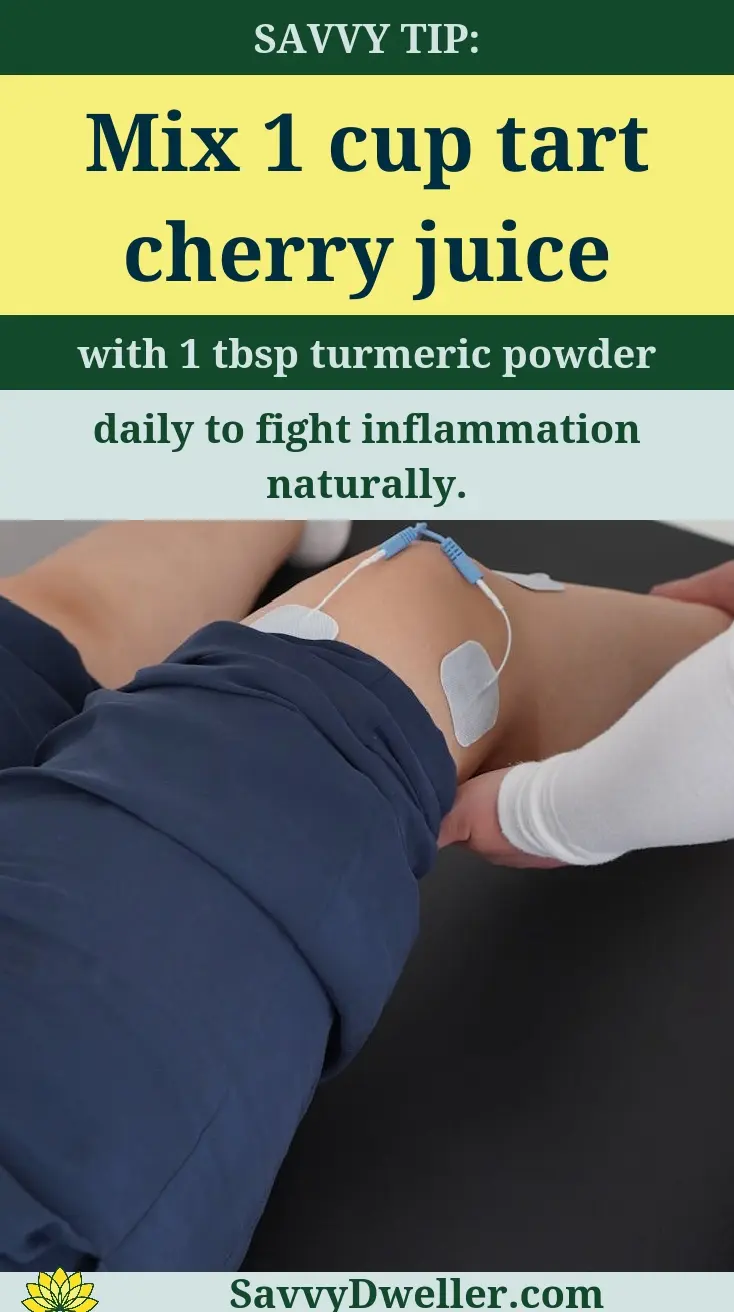
Turmeric and Curcumin for Natural Inflammation Support
Turmeric’s active compound, curcumin, has been studied for its role in supporting a healthy inflammatory response in joints. Many people are unaware that curcumin also offers a variety of other health benefits. These include its potential to enhance brain function, support heart health, and even improve mood.
- Choose supplements with black pepper extract (piperine) to enhance absorption
- Standardized to at least 95% curcuminoids
- Dosage typically ranges from 500–1,000 mg daily
Turmeric is one of the most trusted natural remedies for joint pain, especially when used consistently over weeks.
Glucosamine and Chondroitin for Cartilage Health
These compounds are building blocks of cartilage and may help maintain joint structure and comfort.
- Often combined in one supplement
- Glucosamine sulfate (not hydrochloride) shows better research support
- Typical dose: 1,500 mg glucosamine + 800–1,200 mg chondroitin daily
While results vary, many people report improved mobility and reduced stiffness after 6–8 weeks of use.
Omega-3 Fish Oil Supplements
If you don’t eat fatty fish regularly, a high-quality fish oil can fill the gap.
- Look for triglyceride-form fish oil for better absorption
- Aim for at least 1,000 mg combined EPA/DHA per day
- Choose brands tested for purity (free from mercury and PCBs)
Fish oil is a cornerstone of many natural knee pain relief protocols due to its dual action on inflammation and joint fluidity.
Lesser-known Natural Options Worth Considering
Boswellia for Joint Comfort
Also called Indian frankincense, Boswellia serrata extract may help maintain healthy joint function by supporting enzyme balance.
- Standardized to 60–65% boswellic acids
- Typical dose: 300–400 mg twice daily
Some studies suggest Boswellia works synergistically with curcumin for enhanced knee pain relief.
Ginger for Natural Pain Relief
Ginger contains compounds that may help soothe joint discomfort and improve circulation.
- Use fresh ginger in teas, stir-fries, or smoothies
- Supplement form: 250–500 mg standardized extract, 2–3 times daily
Ginger is a gentle, time-honored option among home remedies for leg pain and knee aches.
How to Choose Quality Supplements Safely
Not all supplements are created equal. Follow these guidelines to find reliable knee pain relief products:
- Look for third-party testing seals (NSF, USP, ConsumerLab)
- Check the label for clear dosing and active ingredients
- Avoid proprietary blends that hide individual amounts
- Purchase from reputable brands with transparent sourcing
- Start with one supplement at a time to monitor your response
Choosing wisely ensures you get real support-not just expensive placebos.
5. Acupressure and Massage Techniques
Key Pressure Points Around the Knee
Gentle pressure on specific acupoints may help improve circulation and ease discomfort in the knee area—a simple home remedy for knee pain that requires no special tools. Maintaining proper circulation is crucial not just for the knees, but also for the legs and feet. Simple practices like stretching and elevating the legs can further enhance blood flow and overall comfort.
Self-Massage Techniques You Can Do at Home
Try this daily routine to soothe stiffness and support mobility:
- Sit comfortably with your affected leg extended.
- Use your thumbs to apply firm but gentle pressure just below the kneecap (on either side of the patellar tendon).
- Hold for 30–60 seconds while taking slow breaths.
- Move upward along the inner and outer edges of the knee joint, pressing small circles for 1–2 minutes.
- Finish by massaging the calf and thigh muscles to release surrounding tension.
Doing this for just 5 minutes a day can be a powerful way to ease knee pain at home.
Using Tennis Balls for Targeted Relief
A tennis ball is an excellent, low-cost tool for myofascial release around the knee:
- Place a tennis ball under your thigh while seated or lying down.
- Slowly roll it along your quadriceps, stopping at tender spots for 20–30 seconds.
- For the hamstrings, sit on the floor with the ball under the back of your thigh-gently roll from knee to hip.
- Avoid pressing directly on the kneecap or bony areas.
This method helps relieve leg and knee pain by loosening tight muscles that pull on the joint.
Gentle Massage Methods for Knee Comfort
Soft techniques are safest and most effective for sensitive or swollen knees.
Circular Motions for Improved Circulation
Use your palms to make slow, wide circles around the knee-never directly on the joint.
- Start above the knee (on the thigh) and move outward
- Then circle below the knee (on the calf)
- Use light to moderate pressure for 2–3 minutes
These motions encourage blood flow, which delivers nutrients needed for natural healing.
Lymphatic Drainage Techniques
For knees that feel puffy or stiff, gentle lymphatic massage may help reduce fluid buildup:
- Place flat hands just above the knee.
- Make very light, rhythmic strokes upward toward the groin (direction of lymph flow).
- Repeat 10–15 times, using no more pressure than the weight of your hand.
- Then stroke lightly from below the knee down toward the ankle.
This subtle technique supports your body’s natural detox pathways and can complement other knee pain remedies.
When to Seek Professional Massage Therapy
While home techniques are helpful, a licensed massage therapist trained in orthopedic or medical massage can provide deeper, personalized care—especially if your pain stems from muscle imbalances or postural strain. Incorporating home remedies and self-care techniques can also play a significant role in managing lower back pain. Seek professional help if you experience persistent swelling, limited range of motion, or pain that worsens with self-treatment.
6. Weight Management and Lifestyle Modifications
Understanding How Extra Weight Affects Your Knees
Every extra pound you carry adds about 4 pounds of pressure on your knees when you walk. That means 10 extra pounds translate to 40 additional pounds of stress on your knee joints with each step. Over time, this increased load can accelerate cartilage wear, worsen inflammation, and intensify chronic knee pain.
Maintaining a healthy weight is one of the most effective natural ways to reduce daily strain on your knees and support long-term joint comfort.
Gentle Approaches to Healthy Weight Management
Drastic diets or intense workouts can backfire-especially when you’re managing knee pain. Instead, focus on sustainable, low-impact strategies that support your body without adding stress to your joints.
Small Dietary Changes That Make a Big Difference
- Swap sugary drinks for water infused with lemon or cucumber.
- Choose whole grains like oats or quinoa over refined white bread and pasta.
- Add a handful of leafy greens to one meal each day.
- Snack on almonds or walnuts instead of chips-they’re rich in anti-inflammatory fats.
These tweaks support a knee pain relief diet without requiring a complete kitchen overhaul.
Portion Control Without Feeling Deprived
- Use smaller plates (9-inch instead of 12-inch) to naturally reduce serving size.
- Pause halfway through your meal and check in: are you still hungry, or just eating out of habit?
- Pre-portion snacks into small containers instead of eating from the bag.
- Drink a glass of water 10 minutes before meals-thirst is often mistaken for hunger.
This mindful approach helps you relieve chronic knee pain by supporting gradual, lasting weight loss.
Daily Habits That Support Knee Health
Your everyday routines-how you sit, sleep, and move through your day-can either ease or aggravate knee discomfort.
Proper Sleep Position for Knee Comfort
If you sleep on your side, place a pillow between your knees to keep your hips and pelvis aligned. Back sleepers can place a small pillow or rolled towel under the knees to reduce strain on the joint. Avoid sleeping with legs twisted or crossed, as this can create uneven pressure.
A well-supported sleep position is a simple but powerful home remedy for knee pain that helps your joints recover overnight.
Workplace Modifications to Reduce Knee Strain
- Use an adjustable-height desk to alternate between sitting and standing without locking your knees.
- Place a footrest under your desk to shift weight and improve circulation.
- Take a 2-minute walking break every hour to prevent stiffness.
- Keep frequently used items within easy reach to avoid bending or twisting.
These adjustments are practical knee pain remedies that protect your joints during long workdays.
7. Home Environment Modifications for Daily Comfort
Simple Changes That Reduce Knee Stress
Small tweaks to your living space can significantly ease daily movements and reduce flare-ups.
Cushions and Supports for Better Seating
Hard chairs without support force your knees to bear more load when you stand up or sit down. Use a firm seat cushion with a slight wedge to promote better posture. Add a lumbar roll or small pillow behind your lower back to keep your pelvis neutral, which takes indirect pressure off your knees.
Good seating support is a quiet but effective form of natural knee pain relief you can use all day.
Shower and Bathroom Safety Modifications
- Install a shower chair or bench so you don’t have to stand for long periods.
- Add non-slip mats inside and outside the tub to prevent slips that strain the knees.
- Mount grab bars near the toilet and shower for stable support when lowering or rising.
- Use a raised toilet seat to reduce the depth of your squat when sitting down.
These changes are essential home remedies for knee pain that promote independence and comfort.
Tools and Gadgets That Make Daily Tasks Easier
Reduce unnecessary bending, squatting, or kneeling with smart, accessible tools.
Reachers and Grabbers to Avoid Squatting
Keep a lightweight reacher with a trigger grip near entryways or in closets. Use it to pick up dropped items, retrieve shoes from under the bed, or grab spices from high shelves. This simple tool can prevent sudden knee strain during routine tasks.
Using a grabber is one of the easiest ways to how to alleviate knee pain during daily chores.
Supportive Footwear for Around the House
Bare feet or flimsy slippers offer no cushioning or arch support, which can worsen knee joint pain remedies over time. Opt for indoor shoes with firm soles, arch support, and a slight heel (no more than 1 inch). Look for slip-resistant soles to prevent falls.
- Choose styles with Velcro straps for easy on-and-off.
- Replace worn-out house shoes every 6–12 months.
Creating a Knee-friendly Exercise Space at Home
Designate a small, clutter-free zone with enough room to stretch or do seated exercises. Keep a yoga mat, resistance bands, and a sturdy chair nearby. Store your ice packs, massage balls, and water bottle in a basket for easy access. Good lighting and a mirror can help you monitor your form during movement.
This dedicated space supports consistent practice of natural remedies for joint pain without requiring a gym membership.
5 Habits That Keep Chronic Knee Pain From Coming Back
Maintaining Consistent Gentle Movement
Regular, low-impact motion keeps joint fluid circulating and muscles strong. Even 10–15 minutes of walking, seated leg lifts, or gentle yoga each day can prevent stiffness and support long-term relief. Consistency beats intensity when it comes to sustainable knee pain relief.
Staying Aware Of Your Body’s Signals
Learn to distinguish between “good” muscle fatigue and “bad” joint pain. If an activity causes sharp pain, swelling, or lasting discomfort, pause and reassess. Tracking your symptoms in a simple journal can reveal patterns and help you adjust before minor twinges become major flare-ups.
Keeping Inflammation-fighting Foods in Your Diet
Make turmeric-spiced soups, salmon salads, and berry smoothies regular staples. These foods deliver steady anti-inflammatory support that complements other remedies for knee pain. Including foods rich in antioxidants also plays a crucial role in fighting inflammation. Think of your plate as part of your daily knee pain relief products toolkit.
Managing Stress to Support Overall Health
Chronic stress increases systemic inflammation, which can worsen knee discomfort. Practice 5 minutes of deep breathing, listen to calming music, or try guided relaxation before bed. Reducing stress is a subtle but powerful way to ease knee pain from the inside out.
Building a Support Network for Long-term Success
Share your goals with a friend, join an online community focused on joint health, or partner with a walking buddy (even virtually). Having encouragement helps you stay motivated through setbacks. You don’t have to navigate chronic knee pain alone-connection is a form of healing, too.

Frequently Asked Questions
How Can I Determine if My Knee Pain Requires Urgent Medical Attention?
If you experience severe pain, sudden swelling, inability to bear weight, or signs of infection like fever and redness, seek medical help immediately. These symptoms could indicate serious conditions such as fractures, infections, or advanced arthritis that need professional diagnosis. For persistent pain that doesn’t improve with natural methods, consult a doctor to rule out underlying issues.
Are There Any Natural Supplements or Remedies That Should Not Be Used Together?
Some supplements can interact negatively; for instance, high doses of turmeric may act as a blood thinner, so avoid combining it with anticoagulant medications without medical advice. Start with one supplement at a time to monitor your body’s response, and always discuss new regimens with a healthcare provider, especially if you have pre-existing conditions.
Can Improving My Overall Posture Help Reduce Knee Pain?
Yes, poor posture can misalign your body and increase knee strain. Focus on standing and sitting with your knees aligned over your ankles and avoid locking them. Simple habits like using a lumbar support cushion or adjusting your workstation can distribute weight evenly, reducing pressure on the knees throughout the day.
How Important is Hydration in Managing Chronic Knee Pain Naturally?
Hydration is vital because water helps maintain cartilage hydration and joint lubrication, which cushions the knees. Dehydration can heighten inflammation and stiffness. Aim for at least 8 glasses of water daily, and include water-rich foods like cucumbers or watermelon to support overall joint health.
Final Words
Managing chronic knee pain naturally takes patience, but the combination of gentle movement, anti-inflammatory nutrition, and simple home modifications can make a meaningful difference in your daily comfort. You don’t have to accept persistent knee discomfort as just part of life-these research-backed natural approaches can support your body’s healing process while you maintain an active, fulfilling lifestyle.
Start with one or two techniques that feel most manageable for you, whether it’s the 15-minute ice therapy or adding omega-3 rich foods to your meals. Small, consistent steps often lead to the most lasting relief, and your knees will thank you for the gentle, natural support you’re providing.
Ready to explore more natural wellness solutions for your home and health? Check out Savvy Dwelling for practical, research-based guides that help you create a healthier, more comfortable living environment. Take the first step today-your journey to natural knee pain relief starts with the very next choice you make.

