
How to Safely Remove Stubborn White Bumps (Milia) at Home Using Simple, Proven Methods
Those tiny, frustrating white bumps that won’t budge no matter how much you cleanse or exfoliate can make you feel self-conscious about your skin. You’re not dealing with regular whiteheads—these are milia, and they require completely different removal techniques that most people don’t know about. The good news is that you don’t need expensive treatments or harsh procedures to address them effectively.
This guide provides six research-backed methods you can use safely at home to remove milia without damaging your skin. We’ve simplified the science behind why these white bumps form and tested the most effective removal techniques that actually work. You’ll learn exactly which tools to use, how to avoid common mistakes that can worsen the problem, and practical steps to prevent new milia from forming.
Contents
- At a Glance: The Best Solutions
- The Science Made Simple: Why This Problem Happens
- 1. The Gentle Steam and Extract Method
- 2. The Chemical Exfoliant Approach
- 3. The Retinoid Support Method
- 4. The Oil Cleansing Technique
- 5. The Natural Honey and Clay Mask Method
- 6. The Professional-level Home Tools Approach
- Common Mistakes to Avoid
- 5 Habits to Keep Milia From Coming Back
- Frequently Asked Questions
- Final Words
At a Glance: The Best Solutions
If you’re looking for safe, effective ways to get rid of milia at home, you have more options than you might think. While milia aren’t the same as typical whiteheads, many gentle, at-home strategies can support your skin’s natural renewal process and help remove whiteheads naturally-including stubborn milia.
The key is choosing the right method for your skin type and the location of the bumps. Below is a quick-reference guide to the most reliable milia home remedy approaches we’ll explore in detail throughout this article:
- Steam + gentle extraction: Ideal for those comfortable with hands-on DIY whitehead extraction, especially on cheeks or forehead.
- Chemical exfoliants (AHA/BHA): A no-touch option that supports cell turnover to remove milia from face over time.
- Retinoids: Boost skin renewal and prevent new bumps-great for long-term milia treatment.
- Oil cleansing: Helps dissolve buildup without stripping the skin, useful for those avoiding harsh products.
- Honey + clay masks: Soothing, natural option that gently draws out impurities without irritation.
- Professional-grade tools: For precise how to extract milia at home-if used with strict hygiene and caution.
Not every method works for every person-or every type of milia. Primary milia (common in adults) often respond well to exfoliation and retinoids, while secondary milia (from injury or sun damage) may need more patience. The goal isn’t forceful removal, but supporting your skin so these tiny cysts release on their own.
And remember: never squeeze or pick. Unlike regular whiteheads, milia lack an opening, so aggressive pressure only risks scarring or infection. Instead, focus on softening the keratin plug and encouraging natural shedding-a gentler path to clear skin.
The Science Made Simple: Why This Problem Happens
What Are Milia Vs. Regular Whiteheads?
Milia are tiny, dome-shaped, white bumps caused by trapped keratin under the skin’s surface-not oil or bacteria like regular whiteheads. Unlike acne-related whiteheads that form in clogged pores, milia develop when dead skin cells get sealed beneath the skin, often appearing around the eyes, cheeks, or forehead.
While both look like small white bumps, milia are firmer, don’t have a visible pore opening, and won’t respond to typical acne treatments.
Common Causes and Triggers
Sun Damage and Skin Thickening
UV exposure thickens the outer layer of skin, slowing natural exfoliation. This buildup traps keratin underneath, creating the perfect conditions for milia to form-especially on sun-exposed areas like the cheeks and upper lip.
Heavy Skincare Products
Routine use of rich creams, occlusive ointments, or heavy makeup-particularly around the eyes-can physically block skin from shedding normally. Products labeled “non-comedogenic” are less likely to contribute to how to get rid of milia on the face struggles.
Natural Skin Cell Turnover Issues
As we age, the skin’s renewal cycle slows. Dead cells that once sloughed off easily now linger, increasing the chance of keratin becoming trapped. This is why milia are more common in adults over 30-and why gentle exfoliation plays a key role in milia removal at home.
Genetic Factors
Some people are simply more prone to developing milia due to inherited skin structure or metabolism. If family members frequently deal with persistent white bumps that don’t behave like acne, genetics may be at play.

1. The Gentle Steam and Extract Method
What You’ll Need
- Clean washcloth or facial steamer
- Alcohol or boiling water for sterilization
- Comedone extractor or sterile needle (optional, for stubborn cases)
- Alcohol-free toner or soothing serum (like aloe or centella)
- Non-comedogenic moisturizer
Step-by-step Process
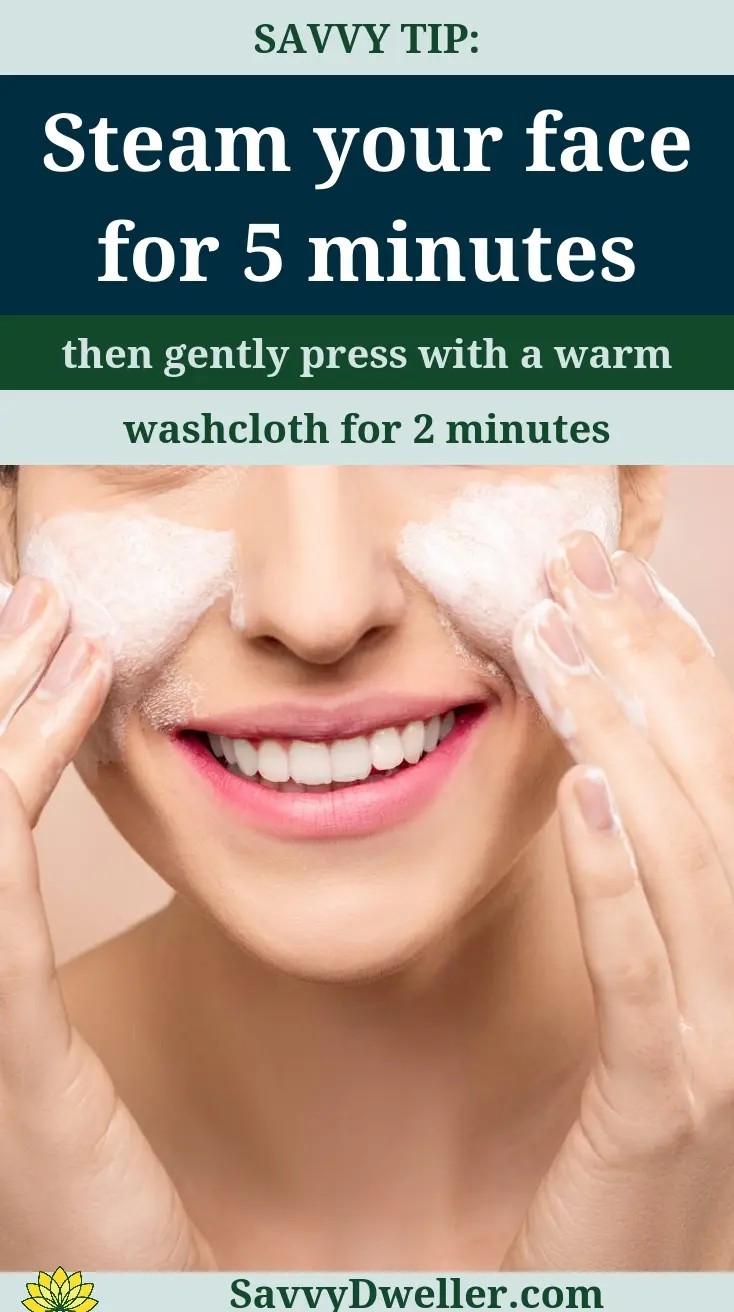
Prep Your Skin with Steam
- Boil water and pour it into a heat-safe bowl.
- Lean over the bowl with a towel draped over your head for 5–7 minutes. Keep your face 10–12 inches away to avoid burns.
- Alternatively, soak a clean washcloth in hot water, wring it out, and hold it against the affected area for 2–3 minutes until skin feels soft and pores appear open.
Sanitize Your Tools
- Wipe metal tools (like a comedone extractor loop) with 70% isopropyl alcohol.
- If using a lancet for very stubborn milia (only if you’re experienced), sterilize by holding in flame for 10 seconds, then cool before use.
- Wash your hands thoroughly with soap and warm water.
Safe Extraction Technique
- Gently stretch the skin taut around the milia with clean fingers.
- If using an extractor, place the loop around the bump and apply light, even pressure-never dig or scrape.
- For a tiny, firm milia that won’t budge, a sterilized lancet can make a superficial nick (just the top layer), but only if you can see the white core clearly.
- Stop immediately if you see blood or feel pain. Forced or aggressive attempts can cause scarring or infection-this isn’t worth the risk.
Post-Extraction Care
- Apply a calming toner or aloe vera gel to soothe the area.
- Avoid makeup or heavy creams for 24 hours.
- Use a light, non-comedogenic moisturizer to support barrier repair.
When This Method Works Best
This approach is most effective for mature, isolated milia that feel firm and sit close to the surface-often on the cheeks or forehead. It’s not recommended for the delicate eye area or for new, soft bumps that may resolve on their own. For those seeking how to remove milia from face without irritation, timing and gentleness are everything.
Also See: The Best Natural Remedies for H. Pylori
2. The Chemical Exfoliant Approach
Understanding AHA and BHA for Milia
Unlike physical extraction, chemical exfoliants work beneath the surface to accelerate cell turnover and dissolve the “glue” holding dead skin cells together. AHAs (alpha hydroxy acids) like glycolic acid act on the surface, while BHAs (beta hydroxy acids) like salicylic acid penetrate deeper into pores-both can support milia treatment over time.
Glycolic Acid Benefits
Glycolic acid, derived from sugar cane, is the smallest AHA molecule, allowing it to penetrate quickly and effectively. It gently loosens the top layers of thickened skin, helping trapped keratin rise to the surface-ideal for sun-damaged or aging skin prone to milia.
Salicylic Acid for Gentle Removal
Salicylic acid is oil-soluble, so it slips into pores and dissolves debris without harsh scrubbing. While milia aren’t pore-clogged like whiteheads, salicylic acid still aids in smoothing skin texture and preventing new bumps—making it a solid choice for combo or oily skin types tackling how to get rid of milia on face. To achieve clearer skin, it’s also essential to focus on removing clogged pores, which can lead to other skin issues. Regular use of products that target pore blockage can help maintain a smooth and radiant complexion.
How to Apply Safely
- Start with a low concentration (5–10% glycolic acid or 0.5–2% salicylic acid).
- Apply 2–3 times per week at night to clean, dry skin-avoid the eye area.
- Always follow with a moisturizer and use SPF 30+ daily, as AHAs increase sun sensitivity.
- If redness or stinging occurs, reduce frequency or switch to a gentler formula.
Timeline for Results
Don’t expect overnight fixes. With consistent use, you may notice softening of milia within 2–4 weeks, and full resolution in 6–8 weeks. This method works best as part of a routine-not a quick DIY whitehead extraction-but it’s one of the safest ways to remove whiteheads naturally and prevent recurrence.
3. The Retinoid Support Method
Over-the-counter Retinol Options
Retinol, a gentler cousin of prescription retinoids, helps speed up skin cell turnover and prevent keratin buildup that leads to milia. Look for products labeled with 0.3% to 1% retinol-strong enough to support milia removal but mild enough for home use. Formulas in encapsulated or time-release forms reduce irritation while maintaining effectiveness.
Application Guidelines
Starting Slowly to Avoid Irritation
Begin with just one to two applications per week to let your skin adjust. Overuse can cause redness, peeling, or dryness-especially around the eyes, where milia often form. Gradually increase frequency to every other night if your skin tolerates it well.
Best Times to Apply
Apply retinol only at night after cleansing and before moisturizing. Always follow with a broad-spectrum SPF 30+ the next morning—retinol increases sun sensitivity. Never layer it under heavy creams or occlusive products that trap dead skin cells. For beginners, knowing how to properly incorporate retinol into your routine is essential. A retinol beginners guide can provide you with tips on dosage and timing for the best results.
What to Expect During Treatment
Visible results for milia removal typically appear after 4–8 weeks of consistent use. You might notice flaking or slight purging early on-this is normal as skin sheds trapped keratin. If irritation persists beyond mild dryness, scale back use or switch to a lower concentration.
4. The Oil Cleansing Technique
Best Oils for Milia-prone Skin
Oils high in linoleic acid and low in comedogenic rating help dissolve excess sebum without clogging pores. These work by balancing skin’s natural oils rather than stripping them-key for preventing milia recurrence.
Jojoba Oil Benefits
Jojoba oil closely mimics the skin’s own sebum, making it ideal for regulating oil production. Its anti-inflammatory and non-comedogenic properties support gentle removal of trapped keratin without irritating delicate facial zones. This powerful oil not only benefits the skin but also has remarkable effects on hair health. Incorporating jojoba oil into your hair care routine can help moisturize the scalp and promote shiny, healthy hair.
Rosehip Oil Properties
Rosehip oil delivers linoleic acid, vitamin A, and antioxidants that encourage healthy cell turnover. While not a direct milia extractor, it helps reduce the skin thickening that contributes to milia formation over time.
Proper Oil Cleansing Method
- Dispense 1–2 teaspoons of your chosen oil into dry hands.
- Massage gently onto dry skin for 60–90 seconds, focusing on milia-prone areas like cheeks and under eyes (avoiding the lash line).
- Place a clean, warm, damp washcloth over your face for 20–30 seconds to open pores.
- Wipe away oil slowly-do not scrub. Rinse the cloth and repeat if needed.
- Follow with a light, water-based cleanser only if your skin feels oily; otherwise, skip to moisturizer.
Frequency and Duration
Use oil cleansing 3–4 times per week in the evening. Continue for at least 6 weeks to assess its effect on milia prevention and skin texture. Discontinue if you notice increased bumpiness or congestion. This method can be tailored for every skin type, ensuring that everyone gets the benefits of oil cleansing. To explore how to adapt oil cleansing for your specific skin needs, consider a comprehensive guide on oil cleansing for every skin type.
5. The Natural Honey and Clay Mask Method
Why Raw Honey Supports Skin Health
Raw, unfiltered honey acts as a natural humectant and antimicrobial agent. Its gentle exfoliating enzymes and wound-healing properties create a cleaner environment for milia to loosen without aggressive extraction. It also soothes inflammation that can worsen skin barrier dysfunction.
Clay Types That Aid in Gentle Extraction
Clays draw out impurities and excess oil through adsorption-binding debris to their surface as they dry. Choosing the right type prevents over-drying while supporting milia management.
Bentonite Clay Benefits
Bentonite clay has strong drawing power and is ideal for oily or resilient skin. It can help pull out superficial debris near milia cysts, making them easier to dislodge over time. Mix only with non-metallic tools to preserve its ionic charge.
Kaolin Clay for Sensitive Areas
Kaolin clay is milder and better suited for the eye area or dry skin. While less absorbent, it still offers gentle cleansing without disrupting the skin barrier-critical for safe at-home milia care.
DIY Mask Recipe and Application
- In a glass or ceramic bowl, mix 1 tablespoon raw honey with 1 teaspoon clay (bentonite for normal/oily skin, kaolin for sensitive/dry areas).
- Add 2–3 drops of distilled water or rosewater to form a smooth paste.
- Apply a thin layer to clean, dry skin-avoiding the immediate eye rim.
- Leave on for 8–10 minutes (no longer, to prevent tightness).
- Rinse with lukewarm water using soft circular motions. Pat dry.
- Follow with a lightweight, non-comedogenic moisturizer.
Use this mask 1–2 times weekly as part of your milia home remedy routine. Consistency over 4–6 weeks may help soften and gradually reduce small milia clusters.
6. The Professional-level Home Tools Approach
Safe Extraction Tools for Home Use
While most dermatologists recommend leaving milia extraction to professionals, some people opt for controlled, at-home removal using clinical-grade tools. These tools can support your milia removal at home efforts-but only if used with extreme caution and proper hygiene.
Comedone Extractors
Comedone extractors are small metal loops designed to apply even pressure around a milium without damaging surrounding skin. Unlike fingernails or bobby pins, they’re engineered to minimize trauma during DIY whitehead extraction.
- Choose a double-ended extractor with a fine loop (1–2mm diameter) for milia.
- Avoid using the pointed end-it’s meant for blackheads, not milia.
- Press gently around the bump; never force or twist the tool.
Lancets for Milia
Lancets-tiny, sterile needles-are sometimes used to pierce the top layer of a stubborn milium before extraction. This is not recommended for beginners and should only be considered if you’ve practiced sterile technique and understand skin anatomy.
- Use a brand-new, single-use sterile lancet (typically 30-gauge).
- Hold the lancet at a 15-degree angle to barely nick the surface of the milium.
- Immediately follow with a sanitized comedone extractor to lift the keratin pearl.
- Stop at the first sign of bleeding or resistance-this means you’ve gone too deep.
Sterilization and Safety Protocols
Proper sterilization is non-negotiable. One lapse can turn a simple milia home remedy into a bacterial infection.
- Wash tools in hot, soapy water before and after each use.
- Soak in 70% isopropyl alcohol for at least 10 minutes.
- Wipe the skin with an alcohol pad or benzoyl peroxide swab before extraction.
- Wear disposable gloves to prevent transferring bacteria from your hands.
- Never share extraction tools with others.
When to Seek Professional Help Instead
If you see redness that spreads, pus, swelling, or pain during or after attempting milia removal at home, stop immediately and consult a dermatologist. Also avoid home extraction if:
- The milia are clustered near the eye (especially on the eyelid).
- You have a history of keloid scarring or slow healing.
- You’re using retinoids or exfoliating acids-they thin the skin and increase injury risk.
- The bump is hard, immovable, or has been present for over 8 weeks.
Common Mistakes to Avoid
Over-aggressive Extraction Attempts
Picking, squeezing, or digging at milia with fingernails or unsterilized objects doesn’t remove whiteheads-it damages the skin barrier and can cause scarring. Milia sit beneath the surface; brute force won’t release them safely.
Using Heavy, Pore-clogging Products
Thick creams, mineral oils, or silicones labeled “comedogenic” can trap dead skin cells and worsen milia formation. This directly contradicts your goal to get rid of milia on the face. Always check labels for “non-comedogenic” claims.
Skipping Patch Tests for New Treatments
Even natural remedies like clay masks or essential oils can irritate milia-prone skin. Always patch test any new product behind your ear or on your inner arm for 48 hours before applying it to your face.
Ignoring Signs Of Infection or Irritation
Redness, warmth, oozing, or increased tenderness aren’t “part of the process”-they’re warning signs. Continuing treatment despite these signals can turn a simple how to get rid of milia routine into a serious skin issue.
Attempting Removal on Delicate Eye Area
The skin around your eyes is 40% thinner than the rest of your face. Trying to extract milia there at home risks corneal scratches, scarring, or permanent pigment changes. Leave eyelid milia to a board-certified dermatologist or ophthalmologist.
5 Habits to Keep Milia From Coming Back
Establish a Gentle Daily Cleansing Routine
Use a mild, pH-balanced cleanser morning and night to remove debris without stripping natural oils. This simple step supports long-term milia treatment by preventing buildup that can lead to new cysts.
Choose Non-comedogenic Skincare Products
Every product you apply-from moisturizer to sunscreen-should be labeled “non-comedogenic.” These formulas are tested not to block pores, making them essential for anyone working to remove milia from face and keep skin clear.
Incorporate Regular but Mild Exfoliation
Once or twice a week, use a gentle chemical exfoliant like lactic acid (an AHA) or low-dose salicylic acid (a BHA). This encourages natural skin cell turnover, which helps prevent the trapped keratin that forms milia. Alongside regular exfoliation, exploring best natural remedies for dark spots can further enhance your skin’s appearance. Dermatologists often recommend ingredients like vitamin C and licorice root extract for their effective and natural ability to brighten skin and fade hyperpigmentation.
Protect Your Skin From Sun Damage
UV exposure thickens the epidermis and disrupts shedding-two key triggers for milia. Apply a lightweight, mineral-based SPF 30+ daily. Sun protection is a silent but powerful part of any plan to get rid of milia on face.
Monitor Your Skin’s Response to New Products
Keep a simple skincare journal. Note when you introduce a new serum, oil, or mask-and whether tiny white bumps appear 1–3 weeks later. This helps you quickly identify culprits and adjust your routine to sustain results from your milia removal at home efforts.

Frequently Asked Questions
Do Pore Strips Work for Removing Milia?
Pore strips are designed for blackheads and surface-level impurities, but they are not effective for milia. Milia are hardened keratin deposits trapped under the skin, unlike blackheads which are open comedones. Using pore strips on milia can cause irritation and redness without extracting the milia, as they cannot reach the deep-seated cysts.
For safe removal, it’s better to use methods like gentle steaming or chemical exfoliants that help dissolve the keratin buildup over time. Avoid aggressive methods that could damage your skin barrier, and instead focus on consistent, gentle treatments outlined in this article. If you struggle with chicken skin keratosis pilaris on your arms, these gentle approaches can be particularly beneficial. Regular exfoliation and moisturizing can make a significant difference in improving the appearance of your skin.
Can Dietary Changes Help Prevent Milia?
While there is limited direct evidence linking diet to milia, maintaining a balanced diet can support overall skin health. Foods rich in antioxidants, like fruits and vegetables, can help protect skin from damage and promote healthy cell turnover. Additionally, staying hydrated by drinking plenty of water may assist in keeping skin supple and reducing the likelihood of pore clogging.
However, milia are primarily caused by skin factors like dead cell accumulation and product use, so diet should be seen as a supportive measure rather than a primary solution. Focus on a consistent skincare routine with non-comedogenic products for more reliable prevention.
How Does Hydration Affect Milia Formation?
Proper hydration is crucial for skin health, but it doesn’t directly prevent or cause milia. Well-hydrated skin tends to have better elasticity and function, which can support natural exfoliation processes. When skin is dehydrated, it might produce more oil or have impaired barrier function, potentially exacerbating issues, but milia are not typically linked to hydration levels.
To minimize milia, ensure you’re using non-comedogenic moisturizers and drinking enough water. Hydration helps maintain skin balance, but for milia-specific prevention, exfoliation and avoiding heavy products are more critical factors.
Is It Safe to Use Home Methods on Milia That Appear After Skin Trauma?
Milia that form after skin trauma, such as burns or rashes, are known as secondary milia and require extra caution. These milia often occur in sensitive, healing skin, so aggressive home methods like extraction or strong exfoliants should be avoided to prevent further damage. Instead, focus on gentle cleansing and moisturizing to support skin recovery.
If secondary milia persist, consult a dermatologist for professional guidance, as the underlying skin condition needs proper management. Home treatments are generally safer for primary milia unrelated to trauma.
Final Words
Dealing with milia requires patience, but the gentle methods we’ve shared can safely help you achieve clearer skin at home. Remember that these tiny white bumps form deep beneath the surface, so consistent application of your chosen technique-whether it’s chemical exfoliants, retinoids, or careful extraction-will give you the best results over time.
Start with the gentlest approach that feels right for your skin type, and don’t rush the process. Your skin will thank you for taking a methodical, careful approach rather than aggressive extraction attempts that can lead to scarring or infection.
Ready to transform your skincare routine with these proven techniques? Give these methods a try and see which works best for your unique skin needs. For more expert-backed home solutions and wellness tips, check out Savvy Dwelling where we share research-based advice to help you create your healthiest home environment.