
Simple Home Remedies That Actually Soothe Plantar Fasciitis Pain
Does that sharp, stabbing pain in your heel make you dread taking your first steps in the morning? You’re experiencing one of the most frustrating foot conditions that affects millions of people daily. That burning sensation along your arch isn’t something you have to endure forever.
This guide breaks down proven home remedies that can significantly reduce your plantar fasciitis discomfort using items you likely already have. We’ve researched the most effective techniques and simplified them into clear, step-by-step methods that work without expensive equipment or complicated procedures.
Contents
- At a Glance: The Best Solutions
- The Science Made Simple: Why Plantar Fasciitis Pain Happens
- 1. Ice and Heat Therapy for Immediate Relief
- 2. Targeted Stretching Exercises That Actually Work
- 3. DIY Massage and Rolling Techniques
- 4. Supportive Footwear and Orthotic Solutions
- 5. Natural Anti-inflammatory Approaches
- 6. Activity Modification and Rest Strategies
- 7. Taping and Support Methods You Can Do at Home
- Common Mistakes to Avoid
- 6. Activity Modification and Rest Strategies
- 7. Taping and Support Methods You Can Do at Home
- Common Mistakes to Avoid
- Frequently Asked Questions (FAQ)
- Final Words
At a Glance: The Best Solutions
Quick Relief Methods Comparison
When you’re searching for ways to relieve plantar fasciitis pain at home, it helps to know which strategies offer fast comfort versus those that build lasting change. Some home remedies for plantar fasciitis pain calm symptoms within minutes, while others strengthen tissues over weeks.
| Method | Time to Relief | Best For | Frequency |
|---|---|---|---|
| Ice rolling with frozen water bottle | 5–10 minutes | Morning heel pain or post-activity flare-ups | 2–3 times daily |
| Towel stretch before standing | Immediate tension reduction | First-step pain | Every morning |
| Tennis ball foot massage | 10–15 minutes | Tight arches and sore heels | Once or twice daily |
| Night splints | Overnight (cumulative) | Preventing morning stiffness | Nightly |
| Arch-supporting slippers | Instant support | Walking around the house | All day at home |
Immediate vs. Long-Term Solutions
Immediate relief focuses on calming inflammation and relaxing tight tissue—think ice, gentle massage, or quick stretches. These are your go-to tools for heel pain relief at home when pain spikes unexpectedly. Natural remedies can also help ease joint pain and improve overall mobility, which is particularly beneficial for those suffering from arthritis. Incorporating home therapies like warm compresses or herbal treatments can provide additional comfort and relief from arthritis symptoms.
Long-term healing comes from consistent habits: daily stretching, proper footwear, and reducing strain on the plantar fascia. This is how you truly heal plantar fasciitis at home instead of just masking discomfort.
- For immediate relief: Roll your foot over a frozen water bottle for 5–7 minutes to numb pain and reduce swelling.
- For short-term support: Apply kinesiology tape in the morning to offload tension while you move around the house.
- For lasting change: Perform calf and arch stretches twice daily-morning and evening-to gradually restore flexibility and reduce strain.
Many effective plantar fasciitis home remedies blend both approaches. For example, using a tennis ball to massage your foot eases pain right away and improves tissue mobility over time. The key is consistency-small actions repeated daily lead to real progress in your at home plantar fasciitis treatment journey.
The Science Made Simple: Why Plantar Fasciitis Pain Happens
Understanding Your Plantar Fascia
Your plantar fascia is a thick band of connective tissue running along the bottom of your foot, connecting your heel bone to your toes. It acts like a shock absorber, supporting your foot’s arch with every step you take. When this tissue becomes overstretched or repeatedly stressed, tiny tears can form, leading to inflammation and that sharp, stabbing heel pain many describe as the hallmark of plantar fasciitis.
Common Triggers That Lead to Pain
- Sudden increase in physical activity (like walking or running more than usual)
- Wearing worn-out or unsupportive shoes
- Spending long hours standing on hard surfaces
- Tight calf muscles or Achilles tendons
- Foot mechanics like flat feet or high arches
Knowing these triggers helps you make smarter choices to relieve plantar fasciitis pain at home and avoid making it worse.
1. Ice and Heat Therapy for Immediate Relief
The Ice Method: When and How to Apply
Ice is your go-to for reducing inflammation and numbing acute heel pain-especially after activity or first thing in the morning. For effective heel pain relief at home, apply ice within the first 48 hours of a pain flare-up or after a long day on your feet.
Step-by-Step Ice Application
- Sit comfortably and elevate your foot slightly.
- Wrap a bag of ice or a gel pack in a thin towel-never apply ice directly to skin.
- Place it on the bottom of your heel and arch for 15–20 minutes.
- Repeat 3–4 times per day, especially after standing or walking.
What to Use When You Don’t Have Ice Packs
- Frozen peas or corn in a resealable bag
- A plastic bottle filled with water and frozen
- A damp washcloth twisted and frozen for 10 minutes
These simple swaps offer effective plantar fasciitis pain relief at home without a trip to the store.
Heat Therapy: Supporting Blood Flow
While ice fights inflammation, heat relaxes tight muscles and increases circulation-crucial for healing. Use heat therapy for chronic stiffness or before stretching to prep your tissues for movement.
Best Times for Heat Application
- Before morning stretches
- In the evening to ease end-of-day tension
- Never use heat during an acute, inflamed flare-up
DIY Heat Solutions from Your Kitchen
- Rice sock: Fill a clean sock with uncooked rice, tie it off, and microwave for 1–2 minutes
- Warm towel: Soak a towel in hot (not scalding) water, wring it out, and drape over your foot
- Baking soda heat pack: Mix 2 cups baking soda with 1 cup water, heat in a cloth pouch for 30 seconds
These gentle, accessible options support your at-home plantar fasciitis treatment routine without extra cost.
Also See: Best Sources Of Vitamin E for Healthy Skin
2. Targeted Stretching Exercises That Actually Work
Morning Stretches Before Getting Out Of Bed
That first-step heel pain happens because your plantar fascia tightens overnight. Gentle movement before standing can prevent that jolt of pain and help you start your day with less discomfort.
The Towel Stretch Technique
- Sit on the edge of your bed with legs extended.
- Loop a towel around the ball of your foot.
- Gently pull the towel toward you until you feel a stretch in your arch and calf.
- Hold for 30 seconds, repeat 3 times per foot.
This simple move is one of the most reliable plantar fasciitis remedies for morning relief.
Ankle Circles and Flexing
- While still lying down, point your toes away from you, then pull them back toward your shin.
- Make slow circles with your ankle-10 clockwise, 10 counterclockwise.
- Repeat on the other foot.
This wakes up your foot’s circulation and loosens the connective tissue before weight-bearing.
Standing Stretches Throughout the Day
Keeping your calf and arch flexible during the day reduces strain on the plantar fascia. Aim to stretch every few hours if you’re on your feet a lot.
Calf Stretch Against the Wall
- Stand facing a wall, place your hands on it at eye level.
- Step the affected foot back, keeping heel flat on the floor.
- Bend your front knee while keeping the back leg straight.
- Lean forward until you feel a stretch in your calf-hold for 30 seconds.
- Repeat 2–3 times per side, 2–3 times daily.
Stair Step Stretch
- Stand on the bottom step with the balls of your feet on the edge and heels hanging off.
- Slowly lower your heels down below the step level.
- Hold for 15–30 seconds, feeling the stretch in your Achilles and arch.
- Rise back up and repeat 3 times.
Do this only if you have stable balance-use a railing for support. It’s a powerful tool for long-term plantar fasciitis treatment at home.
Evening Wind-down Stretches
End your day with gentle stretches to release tension built up from walking or standing. Try seated arch rolls with a tennis ball or repeat the towel stretch while watching TV. Consistent evening routines support healing overnight and reduce morning heel pain over time. Incorporating proper foot care is also essential for maintaining healthy skin, especially when dealing with dry, cracked heels. Following a healing dry cracked heels guide can provide valuable tips to restore softness and comfort to your feet.
3. DIY Massage and Rolling Techniques
Tennis Ball Rolling Method
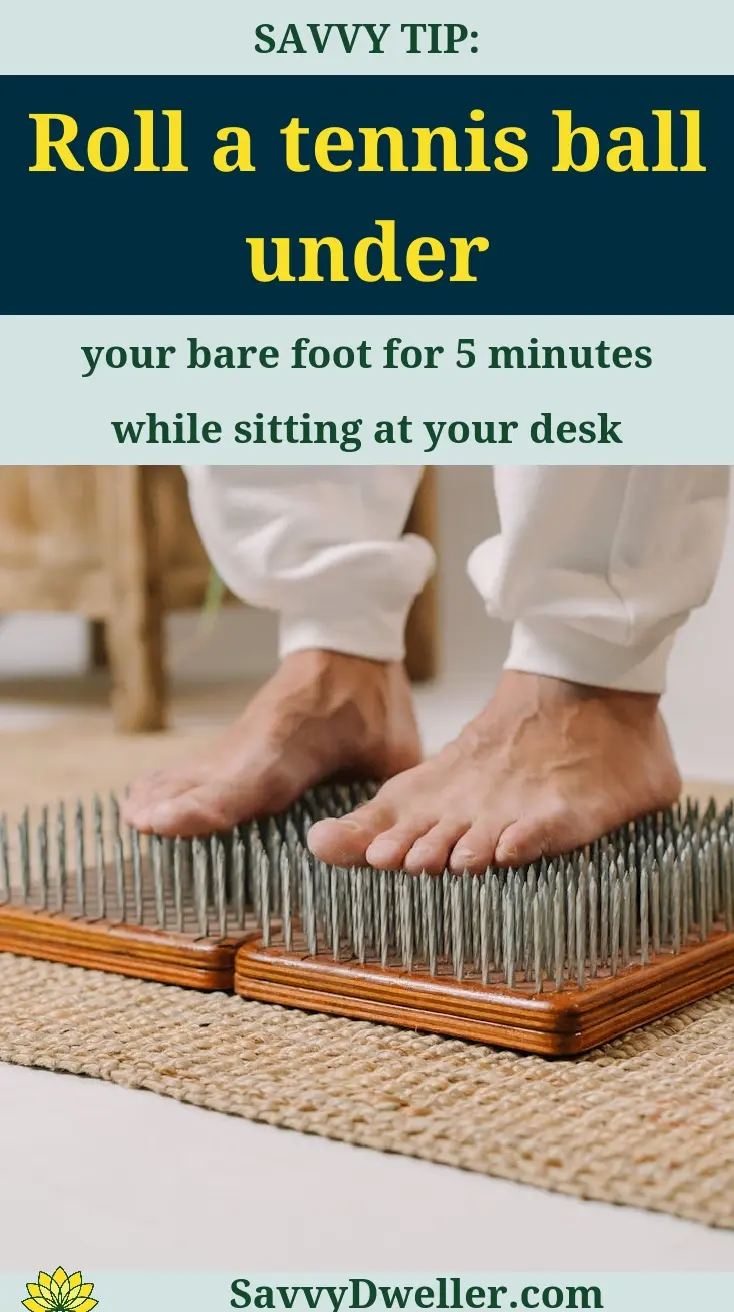
One of the simplest yet most effective ways to relieve plantar fasciitis pain at home is using a tennis ball to roll under your foot. This method helps release tension in the plantar fascia and calf muscles.
Proper Pressure and Movement
Place the tennis ball on a firm surface like a hardwood floor. Sit in a chair and put your affected foot on the ball. Apply gentle, steady pressure-enough to feel a stretch but not sharp pain. Roll the ball from your heel to the ball of your foot, focusing on tender spots.
Duration and Frequency
Aim for 2–3 minutes per foot, 2–3 times daily-especially in the morning before your first steps and before bed. Consistency is key for long-term relief with this plantar fasciitis remedy.
Frozen Water Bottle Massage
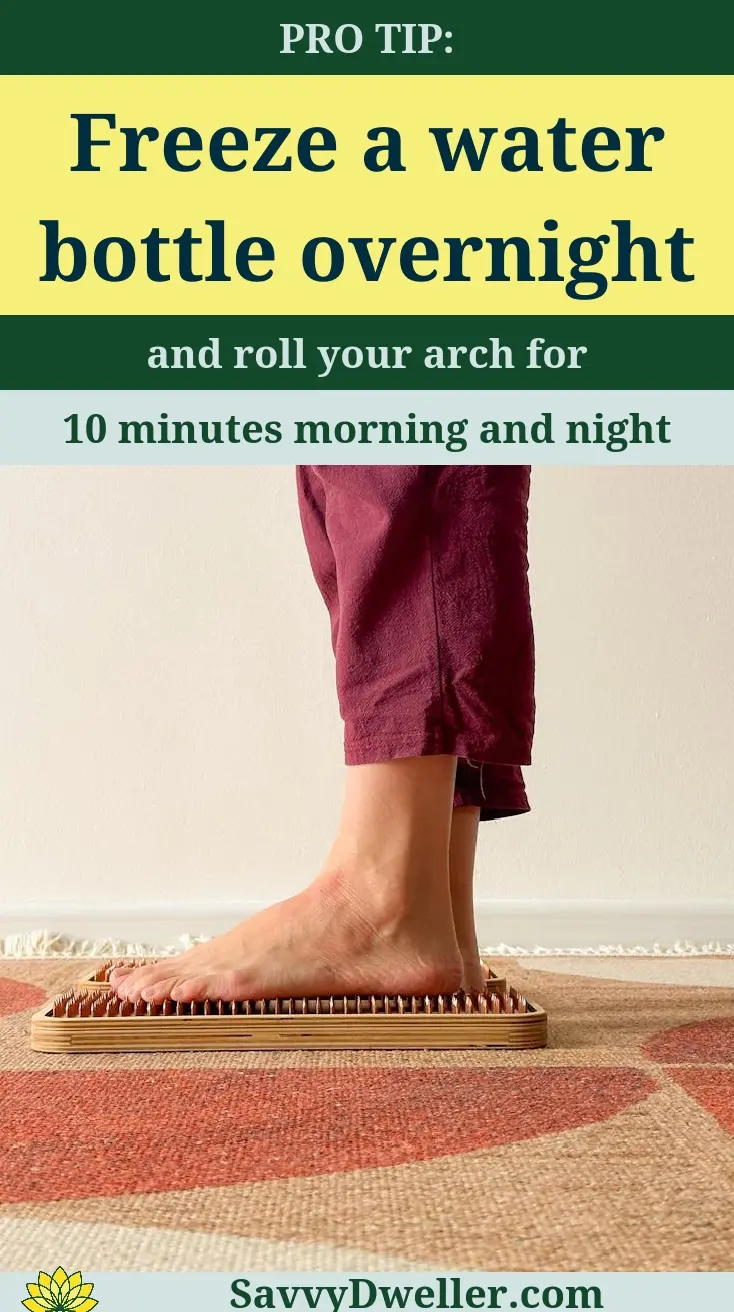
A frozen water bottle doubles as a cold therapy tool and a rolling massager. Fill a 16-oz plastic bottle with water, freeze it, and roll it under your foot for 10–15 minutes. This combines heel pain relief at home with targeted massage and anti-inflammatory cooling. If you’re looking for quick solutions for other ailments, knowing how to get rid of a cold sore overnight can be highly beneficial. These remedies might help speed up healing when you need it the most.
Self-massage With Household Items
Using a Rolling Pin
If you don’t have a ball, a wooden rolling pin works well. Sit barefoot and roll the pin back and forth under your arch. Keep your other foot flat on the ground for balance. This technique offers broad contact and helps loosen the entire sole.
Golf Ball Pressure Points
A golf ball’s firm surface and dimples provide deeper pressure on specific trigger points along the plantar fascia. Use it like the tennis ball but move slower and pause on sore areas for 10–15 seconds. Ideal for those needing more intense sore heel treatment at home.
4. Supportive Footwear and Orthotic Solutions
Choosing the Right Shoes for Home
Walking barefoot or in flimsy slippers at home worsens plantar fasciitis. Always wear supportive shoes indoors to help heal plantar fasciitis.
Arch Support Features to Look For
- Firm midsole that doesn’t collapse when pressed
- Contoured insole matching your foot’s natural arch
- Structured heel counter that hugs the back of your foot
Heel Cushioning That Makes a Difference
Look for shoes with a shock-absorbing heel pad-ideally made of memory foam or EVA material. Good cushioning reduces the jarring impact with each step, offering immediate plantar fasciitis heel pain relief.
DIY Orthotic Inserts
Gel Pads and Heel Cups
Over-the-counter gel heel cups lift and cushion the heel, taking strain off the plantar fascia. Tuck one into your house shoes or sandals for instant home treatment for heel pain.
Arch Support Modifications
Use a folded washcloth or small rolled towel under the arch of your foot inside your shoe for temporary support. For a longer-lasting fix, moldable arch supports (like thermoplastic inserts you soften in hot water) can be shaped to your foot’s curve.
Night Splints: How They Support Healing
Night splints keep your foot in a dorsiflexed position while you sleep, preventing the plantar fascia from tightening overnight. This reduces that stabbing morning pain. While commercial versions exist, some home-based alternatives use rigid braces or even modified ankle supports-but ensure they don’t cut off circulation.

5. Natural Anti-inflammatory Approaches
Turmeric and Ginger Applications
Both turmeric and ginger contain compounds that help reduce plantar fasciitis pain by supporting the body’s natural inflammatory response, which can be bolstered by consuming foods that fight inflammation.
Topical Paste Recipes
- Mix 1 tablespoon of turmeric powder with enough warm water or coconut oil to form a thick paste.
- Add ½ teaspoon of grated fresh ginger for added potency.
- Apply to the sole of your foot, cover with a clean cloth, and leave on for 20 minutes before rinsing.
- Use once daily-but avoid if you have open cuts or sensitive skin.
Internal Support Through Diet
Incorporate turmeric into golden milk (turmeric + warm milk + black pepper) or add fresh ginger to teas and stir-fries. These plantar fasciitis home remedies work from within to aid overall healing and comfort.
Essential Oil Blends for Pain Relief
Peppermint and Eucalyptus Combinations
Peppermint oil offers a cooling sensation that soothes sore heels, while eucalyptus supports circulation. Mix 3 drops of each oil with 1 tablespoon of carrier oil (like jojoba or almond oil) and massage into the foot after stretching. For even greater relief and softer feet, consider incorporating an ultimate DIY foot soak recipe that targets cracked heels.
Safe Application Methods
- Always dilute essential oils-never apply directly to skin.
- Do a patch test on your inner arm before full use.
- Avoid sun exposure after applying citrus-based oils.
- Use these blends as part of your nightly plantar fasciitis treatment at home routine.
6. Activity Modification and Rest Strategies
Low-impact Exercise Alternatives
Maintaining movement is important, but high-impact activities like running can worsen symptoms. Switch to gentler exercises to help heal plantar fasciitis without sacrificing fitness.
Swimming and Water Exercises
Water supports your body weight while allowing full range of motion. Try walking in chest-deep water, leg lifts, or gentle swimming laps. This is a powerful home remedy for plantar fasciitis pain that keeps joints mobile.
Chair-Based Stretching
- Sit tall in a sturdy chair with feet flat on the floor.
- Lift one foot and roll a towel under the ball of the foot.
- Gently pull the towel toward you to stretch the arch and calf.
- Hold for 30 seconds, repeat 3 times per foot, 2–3 times a day.
Proper Rest and Elevation Techniques
Supporting Your Feet During Sleep
Elevate your feet slightly on a pillow while sleeping to reduce swelling. Avoid tucking sheets tightly around your feet, which can force toes into a pointed position and tighten the fascia overnight. Taking care of your feet can also enhance overall blood circulation, which is especially important for leg health. Incorporating simple exercises and stretches can further improve blood circulation in your legs and feet.
Daytime Elevation Methods
When resting during the day, prop your feet on a stool or ottoman so they’re level with or above your heart. Even 15–20 minutes of elevation after activity can ease heel pain treatment home remedies and support recovery.
7. Taping and Support Methods You Can Do at Home
Basic Athletic Taping Technique
Traditional athletic tape can temporarily offload the plantar fascia during daily activities-a helpful short-term fix for how to relieve plantar fasciitis pain at home.
Materials Needed
- 1.5-inch athletic tape (zinc oxide type)
- Underwrap or pre-wrap (optional, for skin protection)
- Scissors
Step-by-Step Taping Guide
- Start with clean, dry feet. Wrap the underwrap around the midfoot if using.
- Place an anchor strip around the ball of the foot (just behind the toes).
- Apply 3–4 strips from the anchor, running along the sole toward the heel, overlapping slightly.
- Secure with a final strip around the heel and back to the anchor.
- Do not tape too tightly-check for numbness or tingling.
Kinesiology Tape Applications
Arch Support Taping
Kinesiology tape (like KT Tape) lifts the skin slightly to improve circulation and support the arch without restricting movement. Cut a Y-shaped strip, apply the base at the heel, and fan the arms along either side of the arch, smoothing toward the ball of the foot.
How Long to Keep Tape On
Kinesiology tape can stay on for 3–5 days, even through showers. Remove gently by peeling in the direction of hair growth. Reapply after 1–2 days off to give skin a break. This method is a popular at home plantar fasciitis treatment for active days.
Common Mistakes to Avoid
Over-icing and Heat Application Errors
While cold reduces acute inflammation, icing more than 20 minutes at a time can damage tissue. Conversely, applying heat during the first 48 hours of a flare-up can increase swelling. Use ice for sharp, new pain; use heat for chronic stiffness.
Stretching Too Aggressively
Pushing into deep stretches too soon can tear irritated tissue. How to treat plantar fasciitis at home safely means gentle, sustained holds-not bouncing or forcing movement. If you feel sharp pain, ease off immediately.
Ignoring Pain Signals
“No pain, no gain” does not apply here. Discomfort is your body’s signal to slow down. Persisting through pain often delays healing and turns a manageable issue into a chronic one.
Returning to High-impact Activities Too Soon
Just because pain lessens doesn’t mean healing is complete. The plantar fascia can take weeks to months to fully recover. Ease back into running or jumping gradually-start with walking, then light jogging, only if pain-free for at least 2 weeks.
When to Seek Professional Support
If home remedies for plantar fasciitis pain don’t improve symptoms after 6–8 weeks, or if pain worsens, spreads, or causes limping, consult a podiatrist or physical therapist. Early professional input can prevent long-term issues and guide your plantar fasciitis treatment more effectively.
6. Activity Modification and Rest Strategies
Low-impact Exercise Alternatives
When you’re managing plantar fasciitis, staying active without aggravating your heel pain is key. Switching to low-impact movement helps maintain fitness while supporting recovery.
Swimming and Water Exercises
Water’s buoyancy reduces stress on your feet, making swimming and water aerobics excellent choices for heel pain relief at home. Try walking in chest-deep water or performing gentle leg kicks while holding onto the pool edge.
- Water walking for 15–20 minutes daily
- Kickboard drills with minimal foot flexion
- Aqua jogging using a flotation belt
Chair-Based Stretching
Chair exercises allow you to stretch and strengthen without bearing full body weight. This is a smart way to support healing while keeping your routine consistent.
- Sit tall in a sturdy chair with both feet flat on the floor.
- Roll a towel under one foot and gently pull the ends toward you to stretch the arch.
- Hold for 30 seconds, then switch feet.
- Add seated calf raises: lift your heels while keeping toes grounded, hold for 3 seconds, and lower slowly.
Proper Rest and Elevation Techniques
Strategic rest isn’t just about stopping activity-it’s about positioning your feet to reduce inflammation and encourage circulation.
Supporting Your Feet During Sleep
Many people experience sharp heel pain first thing in the morning because the plantar fascia tightens overnight. Preventing this tightness supports long-term plantar fasciitis pain relief at home.
- Use a night splint (even a DIY sock splint) to keep your foot in a neutral, dorsiflexed position.
- Place a rolled towel under your ankle while sleeping on your back to maintain a gentle stretch.
Daytime Elevation Methods
Elevating your feet during the day helps drain excess fluid and ease pressure on the plantar fascia—a simple but powerful sore heel treatment at home. In addition to this, it’s important to consider overall foot health, especially if you struggle with issues like smelly feet. Addressing odor can be as simple as knowing the right remedies to use overnight for a fresh feeling in the morning.
- Recline with legs propped on a pillow so your feet are slightly above heart level.
- Combine elevation with ice therapy for 15 minutes after prolonged standing.
- Take short “elevation breaks” every 2–3 hours if you sit for long periods.
7. Taping and Support Methods You Can Do at Home
Basic Athletic Taping Technique
Traditional athletic taping stabilizes the arch and limits strain on the plantar fascia-a reliable plantar fasciitis remedy when done correctly.
Materials Needed
- 1.5-inch athletic tape (zinc oxide preferred)
- Underwrap or pre-wrap (to protect skin)
- Scissors
- Alcohol wipe (to clean skin before taping)
Step-by-Step Taping Guide
- Clean and dry your foot thoroughly; remove oils or lotions.
- Apply a thin layer of underwrap around the arch and heel (avoid the ball of the foot).
- Anchor a strip of tape around the mid-foot without tension.
- Apply 3–4 fan strips from the heel upward, crossing the arch with light tension.
- Secure with a final anchor strip around the mid-foot.
- Smooth all edges to prevent peeling.
Kinesiology Tape Applications
Kinesiology tape offers dynamic support-it moves with your foot while gently lifting the skin to improve circulation and reduce strain.
Arch Support Taping
- Cut two strips of kinesiology tape: one long (heel to ball of foot), one short (across the arch).
- With your foot in a neutral position, apply the long strip from the heel to just before the toes, with 25% stretch over the arch.
- Apply the short strip perpendicularly across the arch with no stretch at the ends and light stretch in the middle.
- Rub the tape to activate the adhesive.
How Long to Keep Tape On
Kinesiology tape can stay on for 3–5 days, even through showers. Remove it if you notice redness, itching, or skin irritation. Athletic tape should be removed after 12–24 hours to avoid skin breakdown. These are safe, effective home remedies for plantar fasciitis pain when used as directed.
Common Mistakes to Avoid
Over-icing and Heat Application Errors
Icing more than 20 minutes at a time can damage skin and nerves. Similarly, applying heat during the acute inflammatory phase (first 48–72 hours) may worsen swelling. Stick to 15–20 minutes of cold therapy 3–4 times daily early on, then transition to heat only after inflammation subsides.
Stretching Too Aggressively
Forceful or bouncy stretches can micro-tear the plantar fascia. Gentle, sustained holds are far more effective for how to relieve plantar fasciitis pain at home. Never stretch to the point of sharp pain-mild tension is enough.
Ignoring Pain Signals
Pushing through heel pain trains your body to compensate in ways that delay healing. If an activity spikes your pain, stop immediately. Consistent, moderate movement supports recovery better than sporadic overexertion.
Returning to High-impact Activities Too Soon
Running, jumping, or prolonged walking on hard surfaces before your fascia has healed often leads to relapse. Wait until you’ve had 7–10 pain-free mornings before slowly reintroducing impact.
When to Seek Professional Support
If your pain persists beyond 6–8 weeks of consistent at-home plantar fasciitis treatment, worsens despite rest, or causes limping, consult a physical therapist or podiatrist. Early professional input can prevent chronic issues and refine your heel pain treatment home remedies plan.
Frequently Asked Questions (FAQ)
How Long Does It Typically Take to See Improvement With These Home Methods?
Improvement timelines vary based on the severity of your condition and consistency with the methods. Most people notice a significant reduction in pain within 2 to 6 weeks of diligently performing daily stretches, massage, and other supportive therapies. It’s crucial to be patient and persistent, as the plantar fascia is a thick ligament that heals slowly.
Remember that home care is a marathon, not a sprint. Consistency is far more important than intensity. Even on days with minimal pain, continuing your routine will help prevent flare-ups and support long-term healing.
Can I Combine Multiple Methods at Once, or Should I Try Them One at a Time?
Yes, combining methods is often the most effective strategy. A synergistic approach is highly recommended. For example, you can perform your morning stretches, use a frozen water bottle for massage in the afternoon, and wear supportive shoes with orthotics throughout the day.
However, pay close attention to your body’s signals. If a particular combination seems to increase pain, scale back and introduce one new method at a time to identify what works best for you. The goal is to create a daily routine that integrates several supportive practices.
Are There Any Specific Signs That My Plantar Fasciitis is Getting Worse and I Should See a Doctor?
While home care is effective for many, certain signs indicate the need for professional medical evaluation. You should see a doctor if you experience severe pain that prevents walking, numbness or tingling in your foot, or swelling that doesn’t improve with rest and ice.
Additionally, if you see no improvement after 4-6 weeks of consistent home treatment, it’s time to consult a healthcare provider. They can rule out other conditions, provide a definitive diagnosis, and may suggest advanced treatments like physical therapy or custom orthotics.
Is It Safe to Walk or Exercise if I Have Plantar Fasciitis Pain?
Activity modification is key. Complete rest is not usually advised, but you must avoid high-impact activities like running or jumping that strain the plantar fascia. Gentle walking in supportive shoes is generally acceptable if it doesn’t exacerbate your pain.
Focus on low-impact alternatives like swimming, cycling, or yoga to maintain fitness without putting excessive stress on your feet. Listen to your body-if an activity causes sharp pain during or after, it’s a sign to choose a gentler option.
What is the Single Most Important Thing I Can Do at Home to Prevent Plantar Fasciitis From Returning?
The most critical long-term strategy is maintaining a consistent stretching routine for your calves and plantar fascia. Tightness in the Achilles tendon and calf muscles is a primary contributor to the condition, so keeping these areas flexible is your best defense against recurrence.
Equally important is wearing supportive footwear consistently, even indoors. Avoid walking barefoot on hard surfaces, as this places immense strain on the fascia. Investing in good house shoes or supportive slippers can make a significant difference in preventing future flare-ups.
Also See: The Top 10 Vitamins and Foods for Faster Hair Growth
Final Words
Managing plantar fasciitis pain at home doesn’t have to feel overwhelming when you have the right strategies in your toolkit. The combination of ice therapy, targeted stretching, supportive footwear, and natural anti-inflammatory approaches can provide significant relief when applied consistently. Remember that healing takes time, and what works best for you might be a combination of several techniques rather than relying on just one method.
Start with the immediate relief methods like ice application and gentle stretching, then gradually incorporate the longer-term solutions such as proper footwear and regular massage techniques. Listen to your body throughout the process, and don’t push through sharp pain. If your symptoms persist beyond a few weeks or worsen despite consistent home care, consider consulting with a healthcare professional for additional guidance.
Ready to take the first step toward pain-free mornings? Begin with the morning stretches and ice therapy routine outlined above, and stay connected with Savvy Dwelling for more practical wellness solutions and home remedies that actually work.

