
How to Get Rid Of ‘Chicken Skin’ (Keratosis Pilaris) on Your Arms
Tired of hiding your arms because of those persistent bumps that feel rough to the touch? You’re dealing with keratosis pilaris, commonly called “chicken skin,” and you’re definitely not alone in this frustrating skin concern. Those tiny, sandpaper-like bumps on your upper arms can make you feel self-conscious, especially during warmer months when sleeveless tops are the norm.
This comprehensive guide breaks down proven methods that actually work to smooth your skin and restore your confidence. We’ve researched the most effective treatments, from gentle at-home solutions to professional options, and simplified the science into practical steps you can start today. You’ll learn exactly which ingredients target the root cause and how to create a routine that fits seamlessly into your daily life.
Contents
- At a Glance: The Best Solutions
- The Science Made Simple: Why This Problem Happens
- 1. Gentle Chemical Exfoliation Method
- 2. Strategic Moisturizing Approach
- 3. Optimized Bathing and Cleansing Habits
- 4. Natural Home Remedy Solutions
- 5. Topical Retinoid Integration
- 6. Lifestyle Adjustments That Support Skin Health
- 7. Professional Treatment Options
- 5 Habits to Keep Chicken Skin From Coming Back
- Frequently Asked Questions (FAQ)
- Final Words
At a Glance: The Best Solutions
Quick Reference Treatment Table
When you’re looking for fast, effective ways to smooth out keratosis pilaris on arms, having a clear guide helps you choose the right approach without overwhelm. The table below outlines the most reliable methods for how to get rid of chicken skin on your arms, including active ingredients, expected results, and best-use tips.
| Treatment Type | Key Ingredients | How It Helps | Time to See Results | Best For |
|---|---|---|---|---|
| Chemical Exfoliation | Urea (10–20%), Lactic Acid (5–12%), Salicylic Acid (0.5–2%) | Dissolves excess keratin, unclogs hair follicles, smooths texture | 2–6 weeks with consistent use | Daily management of chicken skin arms |
| Barrier-Repair Moisturizing | Ceramides, Hyaluronic Acid, Shea Butter | Restores skin hydration, reduces redness and flakiness | 1–3 weeks for visible softening | Sensitive or dry keratosis pilaris arms |
| Gentle Physical Exfoliation | Fine oatmeal, soft washcloths | Loosens surface buildup without irritation | Immediate smoothness; long-term with routine | Those avoiding strong actives |
| Topical Retinoids | Adapalene (OTC), Tretinoin (Rx) | Boosts cell turnover, prevents follicle plugging | 4–8 weeks; initial adjustment period | Moderate to persistent keratosis pilaris |
| Lifestyle + Environmental Tweaks | Humidifiers, breathable fabrics, consistent hydration | Minimizes dryness and friction triggers | Ongoing support; prevents flare-ups | Long-term keratosis pilaris removal maintenance |
For the best way to get rid of keratosis pilaris, combine two or more approaches-like gentle exfoliation followed by a ceramide-rich moisturizer-to address both the buildup and the dryness that often accompany papules on arms.
Remember: keratosis pilaris is not curable, but it is highly manageable. Consistency matters more than intensity. Over-scrubbing or using harsh soaps can worsen redness and irritation, making your chicken skin treatment less effective.
The Science Made Simple: Why This Problem Happens
What is Keratosis Pilaris?
Keratosis pilaris is a harmless skin condition where excess keratin-a natural protein-builds up around hair follicles. This creates tiny, rough bumps often described as “chicken skin.” These bumps are not acne or an infection-they’re simply plugs of dead skin cells and keratin that trap the hair beneath the surface. While it can appear anywhere, keratosis pilaris on arms is especially common.
Understanding the Root Causes
Genetics play a major role-many people with keratosis pilaris have a family history of dry skin conditions like eczema. Keratosis pilaris what is it, really? Think of it as your skin’s renewal system getting slightly “stuck,” causing dead cells to pile up instead of shedding smoothly. Hormonal shifts, dry climates, and even cold weather can worsen the appearance of these bumps. It’s not caused by poor hygiene, and while frustrating, it’s entirely benign.
Why Your Arms Are Commonly Affected
The outer upper arms have a high concentration of hair follicles and fewer oil glands compared to other body areas. This combination makes them prone to dryness and keratin buildup, which explains why chicken skin on arms is so widespread. The bumpy texture often appears on the back of the upper arms, but it can also show up on thighs, cheeks, or buttocks.

1. Gentle Chemical Exfoliation Method
How Chemical Exfoliants Support Skin Renewal
Physical scrubs can irritate keratosis pilaris, worsening redness and roughness. Chemical exfoliants, on the other hand, dissolve dead skin cells gently and evenly without abrasion. For how to remove chicken skin from arms effectively, consistent use of the right chemical exfoliant is a game-changer. These ingredients encourage smoother texture by helping trapped hairs emerge and reducing keratin plugs. Regularly exfoliating your body can significantly contribute to achieving smoother skin overall, making it a key step in your skincare routine.
Urea-Based Products
Urea is a humectant and keratolytic-it draws in moisture while softening and breaking down excess keratin. It’s especially useful for dry, thickened patches. Look for concentrations between 10% and 20% for keratosis pilaris arms treatment.
Lactic Acid Solutions
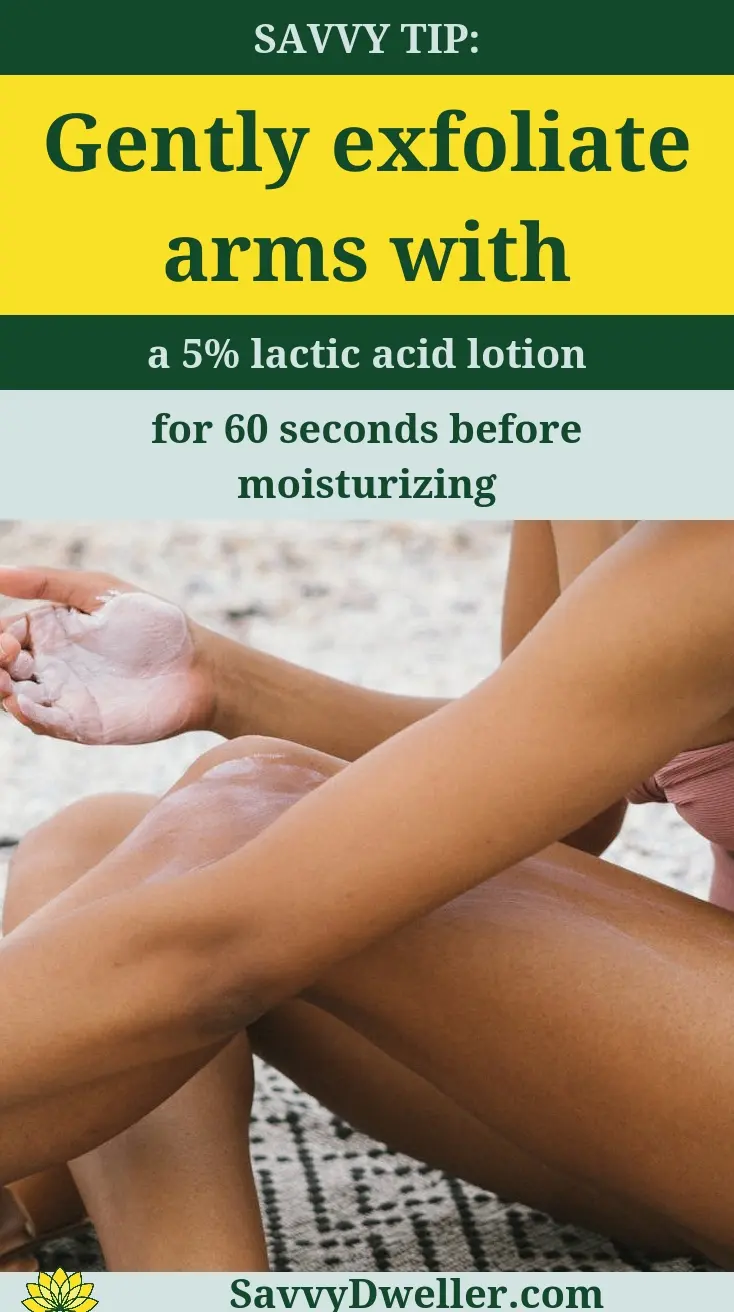
Lactic acid, an alpha hydroxy acid (AHA), gently exfoliates while hydrating. It’s milder than glycolic acid and ideal for sensitive skin. Products with 5% to 12% lactic acid can significantly improve the look of papules on arms over time, especially when paired with hyaluronic acid for hydrated skin.
Salicylic Acid Options
Salicylic acid is a beta hydroxy acid (BHA) that penetrates oil-filled pores, making it useful if you also notice slight redness or inflammation. A 0.5% to 2% formulation applied a few times a week can support keratosis pilaris removal without over-drying.
Step-by-step Application Process
- Clean and pat your arms dry-never apply exfoliants to wet or damp skin unless directed.
- Apply a pea-sized amount of your chosen product (urea, lactic, or salicylic acid) evenly over affected areas.
- Start with every other night to assess tolerance; increase to nightly only if your skin doesn’t react with stinging or peeling.
- Always follow with a moisturizer to lock in hydration and support the skin barrier.
What to Expect in the First Few Weeks
Don’t expect overnight results. In the first 1–2 weeks, you might notice mild flaking or slight redness as your skin adjusts. By weeks 3–4, consistent use should reveal smoother texture and reduced bump visibility-key signs that your keratosis pilaris how to get rid of strategy is working. Full improvement often takes 6–12 weeks of steady care.
Also See: How to Get Rid Of Dandruff Naturally: A Guide
2. Strategic Moisturizing Approach
Why Hydration Aids Keratosis Pilaris Management
Dry skin worsens keratin buildup. Keeping the skin well-hydrated helps prevent follicles from getting clogged in the first place. Moisturizing isn’t just comfort-it’s a core part of how to get rid of chicken skin on your arms long-term.
Best Moisturizing Ingredients for Chicken Skin
Not all lotions are equal for this condition. The most effective formulas combine barrier-repairing lipids with deep hydration agents.
Ceramides and Hyaluronic Acid
Ceramides rebuild the skin’s natural barrier, reducing water loss and irritation. Hyaluronic acid pulls moisture into the upper layers, plumping the skin and softening bumps. Together, they create a resilient, supple surface that resists the recurrence of chicken skin arms.
Natural Oils That Support Skin Barrier
Oils like squalane, jojoba, and sunflower seed oil mimic the skin’s natural sebum without clogging pores. They soothe inflammation and reinforce protection-ideal for supporting keratosis pilaris on arms treatment from the outside in.
Daily Moisturizing Routine
- Apply moisturizer within 3 minutes of bathing or exfoliating while skin is still slightly damp.
- Use upward, gentle strokes-never rub aggressively over bumpy areas.
- Reapply midday if you’re in a dry climate or after washing your arms.
- At night, layer your moisturizer over any exfoliating treatment for enhanced repair.
Timing Your Moisturizer Application
The “golden window” for locking in moisture is immediately after cleansing. For the best way to get rid of keratosis pilaris, treat moisturizing like a non-negotiable step-not an optional extra. Skipping it, especially after exfoliation, can undo progress and leave skin more vulnerable to dryness and bump formation.
3. Optimized Bathing and Cleansing Habits
How Water Temperature Affects Your Skin
Hot water feels soothing, but it strips natural oils and worsens dryness-common triggers for keratosis pilaris on arms. Warm water, just above body temperature, cleanses without compromising your skin barrier. This small shift helps reduce irritation and supports long-term chicken skin management.
Gentle Cleansing Techniques
Harsh soaps and loofahs can inflame hair follicles and worsen papules on arms. Instead, use fragrance-free, pH-balanced cleansers with soothing ingredients like glycerin or colloidal oatmeal. Avoid scrubbing; let the cleanser do the work with light, circular motions using your fingertips.
Post-shower Skin Care Protocol
Pat Dry vs. Rubbing
Rubbing with a towel creates friction that irritates sensitive skin and can trigger flare-ups. Gently pat your arms dry with a soft cotton towel until just damp-never fully dry-to preserve moisture and prepare the skin for treatment.
Immediate Moisturizing Window
Apply your keratosis pilaris treatment or moisturizer within 3 minutes of stepping out of the shower. This locks in hydration while pores are still open, enhancing absorption and supporting your overall strategy for how to get rid of chicken skin on your arms.
4. Natural Home Remedy Solutions
Oatmeal-based Gentle Scrubs
Colloidal oatmeal soothes inflammation and gently exfoliates without micro-tears—ideal for managing chicken skin arms. Unlike harsh physical scrubs, it calms redness while aiding keratin buildup removal. For those with sensitive skin looking for a natural alternative, a soothing oatmeal honey scrub can be particularly effective. This gentle scrub combines the moisturizing properties of honey with the calming effects of oatmeal to provide relief and nourishment for delicate skin.
DIY Oatmeal Treatment Recipe
- ½ cup plain rolled oats (not instant)
- 2 tablespoons warm water or milk
- 1 teaspoon honey (optional, for extra hydration)
Application Guidelines
- Grind oats into a fine powder using a blender or food processor.
- Mix with warm water or milk to form a paste.
- Apply to damp arms using light, circular motions for 30–60 seconds.
- Rinse with lukewarm water, pat dry, and follow with moisturizer.
- Use 1–2 times per week to avoid over-exfoliation.
Coconut Oil and Sugar Blends
While sugar provides mild exfoliation, coconut oil delivers lauric acid, which may support the skin barrier. However, coconut oil can be comedogenic for some—patch test first. Mix 1 tablespoon organic cane sugar with 1 tablespoon melted virgin coconut oil. Gently massage onto arms for 30 seconds, rinse, and moisturize. Limit to once weekly. For an even more effective glow, consider trying the ultimate DIY sugar scrub recipe that combines nourishing oils and natural ingredients for radiant skin.
Apple Cider Vinegar Diluted Rinses
Raw, unfiltered apple cider vinegar (ACV) contains acetic acid, which may help balance skin pH and reduce keratin plugs. Always dilute: mix 1 part ACV with 4 parts water. Apply with a cotton pad to clean arms, leave on for 5–10 minutes, then rinse thoroughly. Use no more than twice weekly to prevent irritation.
Safety Considerations for Natural Remedies
Natural doesn’t always mean safe for sensitive or reactive skin. Always patch test new remedies on a small area of your inner arm for 24–48 hours. Discontinue if you notice burning, increased redness, or itching. Avoid combining multiple DIY treatments on the same day-this can overwhelm your skin’s natural defenses and worsen keratosis pilaris arms treatment outcomes.
5. Topical Retinoid Integration
How Retinoids Support Cell Turnover
Retinoids accelerate skin cell renewal, helping to unclog hair follicles clogged with keratin-the core issue in keratosis pilaris. Over time, consistent use can smooth rough bumps and reduce the appearance of papules on arms, making them a key part of how to remove chicken skin from arms.
Over-the-counter Vs. Prescription Options
OTC retinoids like adapalene (0.1%) offer a gentler entry point for beginners. Prescription options such as tretinoin or tazarotene are stronger and may yield faster results but require medical supervision. Discuss your keratosis pilaris on arms treatment goals with a dermatologist to choose wisely.
Gradual Introduction Method
Week 1-2: Starting Protocol
- Apply a pea-sized amount to clean, dry arms every third night.
- Follow immediately with a fragrance-free moisturizer to buffer irritation.
- Do not combine with other active ingredients like AHAs or scrubs during this phase.
Week 3-4: Building Tolerance
- Increase to every other night if no redness, peeling, or stinging occurs.
- Continue moisturizing after application.
- Use sunscreen daily-even on arms-as retinoids increase sun sensitivity.
Maintenance Phase
Once tolerated, use retinoid (like retinol) 3–4 nights per week. Alternate with your chemical exfoliant (e.g., lactic acid) on off-nights if your skin allows. This balanced routine supports sustained improvement in keratosis pilaris removal without overloading your skin barrier.
Managing Initial Skin Sensitivity
Initial dryness, flaking, or mild redness is common. Combat this by layering moisturizer before (buffering) or after retinoid application. If irritation persists beyond two weeks, scale back to once weekly and consult a professional. Remember: patience is key-visible smoothing in keratosis pilaris arms treatment often takes 6–8 weeks of consistent use.
6. Lifestyle Adjustments That Support Skin Health
Clothing Choices That Aid Comfort
Fabric Selection Guidelines
Choosing the right fabric can make a noticeable difference in managing keratosis pilaris on arms. Opt for natural, breathable fibers like cotton, bamboo, or linen that minimize friction and reduce irritation.
- Cotton: Soft, non-abrasive, and moisture-wicking
- Bamboo: Naturally antimicrobial and gentle on sensitive skin
- Linen: Lightweight and allows air circulation
Avoid synthetic materials like polyester or nylon, which trap heat and sweat-both of which can worsen texture and redness.
Avoiding Tight-Fitting Sleeves
Tight sleeves create constant rubbing against the skin, which can inflame existing bumps and trigger new ones. For those seeking how to remove chicken skin from arms, comfort starts with clothing fit. Choose loose-fitting tops or layered pieces with room around the biceps and elbows.
Environmental Factors to Consider
Humidity Levels in Your Home
Dry indoor air-especially in winter or air-conditioned spaces-strips moisture from your skin, making keratosis pilaris appear more pronounced. Keeping indoor humidity between 40–60% supports the skin barrier and aids in keratosis pilaris removal efforts. Use a humidifier in bedrooms or main living areas if your home feels dry.
Seasonal Skin Care Adjustments
Your treatment for keratosis pilaris shouldn’t stay static year-round. In colder months, switch to richer moisturizers with ceramides or shea butter. In summer, lightweight formulas with lactic acid or urea may suffice. Adjusting your routine with the seasons helps maintain smoother texture and prevents flare-ups.
Dietary Considerations
Foods That May Support Skin Health
While no specific diet cures keratosis pilaris, certain nutrients support overall skin integrity and may complement your topical routine for how to get rid of chicken skin on your arms:
- Omega-3 fatty acids (found in flaxseeds, walnuts, and fatty fish) help maintain skin hydration
- Vitamin A-rich foods (sweet potatoes, carrots, spinach) support cell turnover
- Zinc sources (pumpkin seeds, lentils, chickpeas) aid in skin repair and inflammation control
Limiting highly processed foods and excess sugar may also reduce systemic inflammation that can subtly affect skin texture.
Hydration and Overall Wellness
Drinking enough water keeps your skin plump and resilient. Consistent hydration is a simple but powerful part of long-term keratosis pilaris management. Aim for water intake that matches your activity level and climate-typically 6–8 glasses daily. Pair this with quality sleep and stress-reducing habits, as both impact skin barrier function.
7. Professional Treatment Options
When to Consider Dermatologist Consultation
If over-the-counter chicken skin treatment methods haven’t improved your keratosis pilaris arms after 8–12 weeks of consistent use, or if you experience significant redness, itching, or emotional distress, a dermatologist can offer targeted solutions. They can also rule out other conditions that mimic KP, like eczema or folliculitis.
In-office Treatments That May Help
Chemical Peels
Dermatologists may use light chemical peels with alpha hydroxy acids (AHAs) like glycolic or lactic acid to gently exfoliate the upper layers of skin. These peels help reduce roughness and improve the appearance of papules on arms over a series of sessions.
Microdermabrasion Options
This non-invasive procedure uses fine crystals or a diamond-tipped wand to slough off dead skin cells. While not a cure, microdermabrasion can smooth the skin’s surface and enhance the effectiveness of your at-home keratosis pilaris how to get rid of routine. Multiple sessions are usually needed for visible results.
Laser Therapy Considerations
For persistent redness or inflammation, vascular lasers (like pulsed dye lasers) may be used to target blood vessels and reduce the pink or purple hue around bumps. Laser therapy doesn’t eliminate keratin plugs but can improve cosmetic appearance-especially for those frustrated with how to remove keratosis pilaris discoloration.
Prescription Medications Available
Your dermatologist might prescribe topical retinoids (like tretinoin or tazarotene), compounded creams with higher concentrations of urea or lactic acid, or corticosteroids for short-term inflammation control. These options go beyond OTC products and can address stubborn keratosis pilaris on arms treatment needs.
Cost and Insurance Considerations
Most insurance plans classify KP treatments as cosmetic, so in-office procedures like chemical peels or lasers are typically out-of-pocket. Prescription topicals may be partially covered, especially if linked to related conditions like eczema. Always check with your provider before scheduling-clarifying costs upfront avoids surprises.
5 Habits to Keep Chicken Skin From Coming Back
Daily Maintenance Routine
- Cleanse arms with a gentle, non-foaming wash
- Apply a keratolytic product (with lactic acid, urea, or salicylic acid) every other night
- Follow immediately with a ceramide-based moisturizer
- Wear soft, loose-fitting sleeves to minimize irritation
Sticking to this simple sequence supports long-term control of chicken skin arms.
Seasonal Prevention Strategies
In winter, layer moisturizers: apply a hydrating serum with hyaluronic acid before your cream. In summer, opt for lighter textures but don’t skip exfoliation—just reduce frequency to 2–3 times weekly. Adapting your approach seasonally is key to learning how to get rid of keratosis pilaris for good. Incorporating natural scrubs, like a rejuvenating DIY coffee body scrub, can effectively enhance your exfoliation routine. This can help improve skin texture and reduce the appearance of cellulite.
Product Rotation Guidelines
Using the same active ingredient daily can lead to irritation or reduced efficacy. Rotate between lactic acid (2–3x/week), urea (2–3x/week), and a gentle retinoid (1–2x/week). This “rotation calendar” keeps skin responsive without over-exfoliating-a smart tactic for how to remove chicken skin sustainably.
Monitoring Progress and Adjusting Approach
Take monthly photos of your arms under consistent lighting. Note changes in bump size, redness, and smoothness. If your current method for keratosis pilaris how to remove isn’t yielding improvement after 6–8 weeks, tweak one variable at a time-like switching actives or adjusting moisturizer thickness.
Long-term Skin Health Practices
Think beyond how do you remove chicken skin-focus on overall skin resilience. Maintain consistent hydration, protect arms from harsh detergents, avoid hot showers, and manage stress. The best way to get rid of keratosis pilaris long-term is through daily care that honors your skin’s natural barrier.
Frequently Asked Questions (FAQ)
Is Keratosis Pilaris Contagious?
No, Keratosis Pilaris (KP) is not contagious. It is a genetic skin condition caused by the buildup of keratin, a protein that protects the skin from infections. You cannot catch it from or spread it to another person through any form of contact.
At What Age Does KP Typically Appear and Fade?
KP commonly first appears in early childhood, often becomes more prominent during adolescence due to hormonal changes, and may improve or even resolve on its own by adulthood. However, many adults continue to experience it, with fluctuations in severity often linked to seasonal changes like dry winter air.
Can KP Be Completely Cured?
There is currently no permanent cure for Keratosis Pilaris. However, it is a very manageable condition. The goal of treatment is to control symptoms by exfoliating the built-up keratin and keeping the skin deeply moisturized. Consistency with your skincare routine is key to maintaining smooth skin.
Is Keratosis Pilaris Linked to Eczema or Allergies?
Yes, there is a known association. Individuals with KP often have a personal or family history of atopic conditions, such as eczema (atopic dermatitis), asthma, or seasonal allergies. This suggests a shared genetic predisposition for skin barrier dysfunction and immune system reactivity.
Does My Diet Affect My KP?
For most people, diet is not a primary trigger for KP. While some individuals anecdotally report improvements after eliminating certain foods like dairy or gluten, there is limited scientific evidence to support this as a universal solution. Focusing on a balanced diet and staying well-hydrated is the best general advice for supporting overall skin health.
Final Words
Managing keratosis pilaris requires patience and consistency, but the smooth, comfortable skin you’re working toward is absolutely achievable. The combination of gentle chemical exfoliation, strategic moisturizing, and lifestyle adjustments we’ve covered creates a comprehensive approach that addresses both the symptoms and underlying causes of chicken skin.
Remember that your skin’s journey is unique, and what works best may take some experimentation with different methods and products. Start with one or two approaches from our guide, give your skin time to adjust, and gradually build your routine as you see what delivers the best results for your specific needs.
Ready to transform your skin? Begin with the gentle chemical exfoliation method paired with daily moisturizing, and watch as your arms become noticeably smoother over the coming weeks. For more practical wellness solutions and home care tips that actually work, explore Savvy Dwelling where we continue researching and sharing the most effective approaches for your everyday challenges.

