The Top 11 Essential Oils for Promoting Hair Growth and Thickness
Watching your hair thin out or lose its fullness can be incredibly frustrating, especially when you’ve tried countless products that promise results but fall short. Your concerns about hair loss and thinning are completely valid – it affects millions of people and can impact how confident you feel every day.
We’ve researched the most effective essential oils that genuinely support hair growth and thickness, cutting through the marketing hype to bring you science-backed solutions. This guide will show you exactly which oils work best for different hair concerns, how to use them safely, and what realistic results you can expect when you apply them correctly.
Contents
- At a Glance: The Best Essential Oils for Hair Growth
- The Science Made Simple: How Essential Oils Support Hair Growth
- 1. Rosemary Essential Oil
- 2. Peppermint Essential Oil
- 3. Lavender Essential Oil
- 4. Cedarwood Essential Oil
- 5. Clary Sage Essential Oil
- 6. Thyme Essential Oil
- 7. Tea Tree Essential Oil
- 8. Lemongrass Essential Oil
- 9. Ylang Ylang Essential Oil
- 10. Geranium Essential Oil
- 11. Frankincense Essential Oil
- How to Safely Use Essential Oils for Maximum Hair Growth Results
- Common Mistakes to Avoid When Using Essential Oils for Hair
- Frequently Asked Questions
- Final Words
At a Glance: The Best Essential Oils for Hair Growth
| Essential Oil | Key Benefits | Best For | Dilution Ratio |
|---|---|---|---|
| Rosemary | Stimulates circulation, supports follicle health | Overall hair growth | 2-3 drops per tbsp carrier oil |
| Peppermint | Increases blood flow, energizes scalp | Thinning hair | 1-2 drops per tbsp carrier oil |
| Lavender | Soothes scalp, supports healthy growth | Sensitive scalps | 3-4 drops per tbsp carrier oil |
| Cedarwood | Balances oil production, strengthens follicles | Hair loss concerns | 2-3 drops per tbsp carrier oil |
| Clary Sage | Regulates natural oils, promotes thickness | Hormonal hair loss | 2-3 drops per tbsp carrier oil |
The Science Made Simple: How Essential Oils Support Hair Growth
What Affects Hair Growth and Thickness
Hair growth and thickness depend on a mix of genetics, hormones, nutrition, and scalp health. Stress, poor circulation, inflammation, and buildup of oils or products can clog follicles and slow down growth. A clean and healthy scalp is essential for optimal hair growth. When your scalp isn’t in optimal condition, even the best oils for hair growth may struggle to deliver results. Incorporating a DIY scalp scrub can help remove buildup and promote a healthier scalp, paving the way for faster hair growth.
How Essential Oils Work on the Scalp
Essential oils for hair growth thickening contain bioactive compounds that interact with your scalp at a cellular level. Many of these oils have antimicrobial, anti-inflammatory, or vasodilating properties that create a cleaner, calmer, and more nourished environment for hair follicles. This helps support the natural growth cycle and may reduce shedding.
The Role Of Blood Circulation in Hair Health
Strong blood flow delivers oxygen and vital nutrients directly to hair follicles. Poor circulation can leave follicles undernourished, leading to thinning or slower growth. Several hair growth essential oils-like rosemary and peppermint-act as natural vasodilators, gently expanding blood vessels to boost circulation right where it’s needed most.
1. Rosemary Essential Oil
Why Rosemary Oil Works for Hair Growth
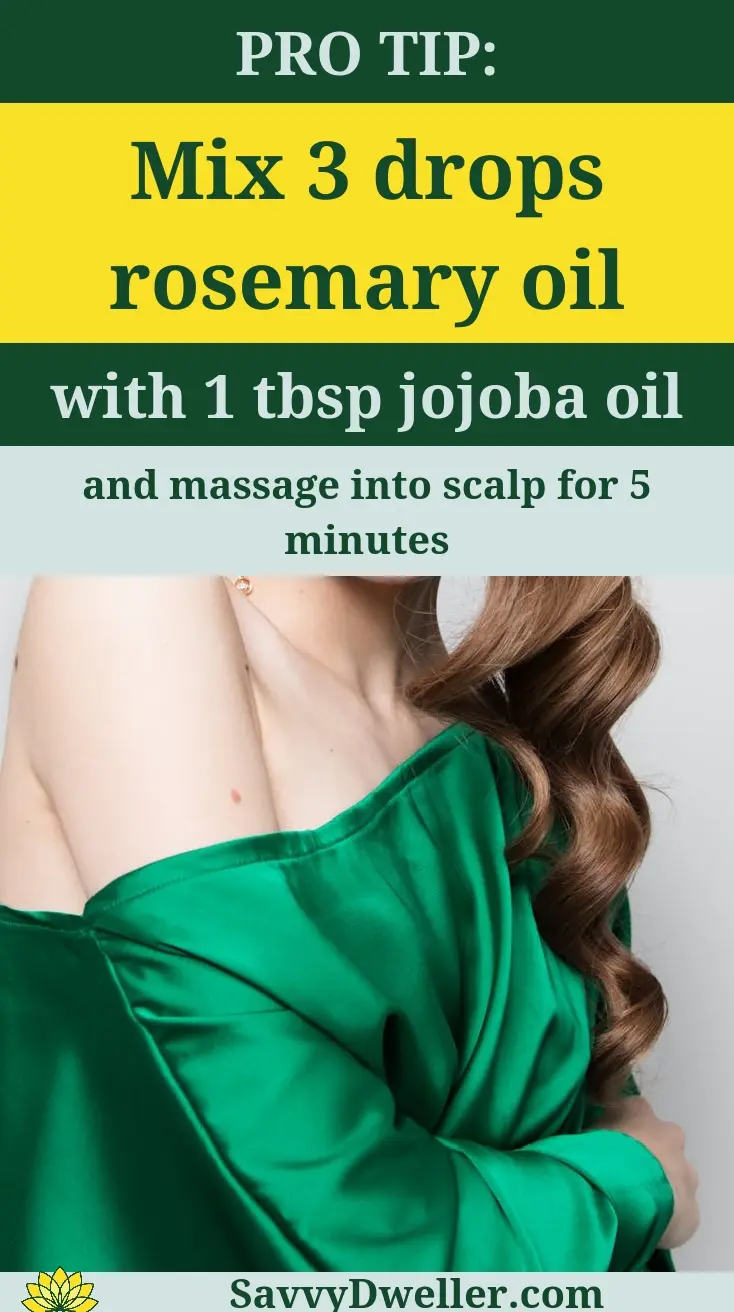
Rosemary essential oil is one of the most researched essential oils to promote hair growth. Studies suggest it may be as effective as minoxidil for androgenetic alopecia-but without the side effects. Its compounds, like 1,8-cineole and camphor, stimulate blood flow to the scalp and help reduce inflammation around follicles.
How to Use Rosemary Oil for Best Results
- Mix 2–3 drops of rosemary essential oil with 1 tablespoon of a carrier oil like jojoba or coconut oil.
- Massage the blend into your scalp using circular motions for 3–5 minutes.
- Leave it on for at least 30 minutes-or overnight for deeper absorption.
- Rinse thoroughly with a gentle, sulfate-free shampoo.
- Repeat 2–3 times per week for consistent results.
Safety Considerations for Rosemary Oil
Rosemary oil is generally safe when properly diluted, but it’s potent. Always perform a patch test before full application. Avoid using it if you’re pregnant, have epilepsy, or suffer from high blood pressure. Never apply it undiluted-it can cause irritation or redness.
Also See: Natural Ways to Reduce the Appearance Of Cellulite
2. Peppermint Essential Oil
The Cooling Power Of Peppermint for Hair
Peppermint essential oil delivers an invigorating tingle that’s more than just a sensory treat. Its main component, menthol, dilates blood vessels and enhances microcirculation in the scalp. This surge in blood flow helps nourish dormant follicles, making it a standout among oils to thicken hair and combat thinning.
Application Methods for Peppermint Oil
- Combine 1–2 drops of peppermint essential oil with 1 tablespoon of a nourishing carrier oil (argan or jojoba work well).
- Apply directly to the scalp, focusing on thinning areas.
- Massage gently for 2–3 minutes to activate circulation.
- Leave on for 15–20 minutes before washing out (or up to 1 hour if your scalp tolerates it).
- Use 2–3 times weekly for best outcomes.
Who Should Avoid Peppermint Oil
Due to its intense cooling sensation, peppermint oil isn’t suitable for sensitive skin or young children. Avoid it if you have a history of allergic reactions to mint plants. Never use it near the eyes, and always dilute-undiluted peppermint oil can cause burning or dermatitis. If you experience persistent stinging, rinse immediately and discontinue use.
3. Lavender Essential Oil
Lavender’s Gentle Approach to Hair Growth
Lavender essential oil stands out among the best essential oils for hair growth because of its calming effect on the scalp and its ability to encourage new hair strands without irritation. It’s rich in linalool and linalyl acetate-compounds that help soothe inflammation and may support healthy follicle function. This makes it one of the most trusted natural oils for hair growth, especially when used in combination with other treatments, such as flaxseed gel, for those with reactive or easily irritated scalps.
Lavender oil doesn’t just smell relaxing-it creates a scalp environment where hair growth oils can work more effectively by reducing redness and flakiness.
Creating Your Lavender Hair Treatment
To craft your own lavender-based treatment, follow these simple steps:
- Mix 3–4 drops of pure lavender essential oil with 1 tablespoon of a carrier oil like jojoba or argan oil.
- Gently warm the mixture by placing the bowl in a larger bowl of warm (not hot) water for 1–2 minutes.
- Part your hair into sections and massage the oil blend into your scalp using your fingertips for 3–5 minutes.
- Leave it on for at least 30 minutes-or overnight for deeper penetration.
- Wash out thoroughly with a sulfate-free shampoo.
Repeat this 2–3 times per week for consistent results with these essential oils for thicker hair.
Perfect for Sensitive Scalp Types
If your scalp stings with most hair products or reacts to synthetic fragrances, lavender is a rare essential oil for hair thickening that’s both potent and kind. Its anti-inflammatory properties help reduce itching and dryness, which are common barriers to healthy hair growth, while also being renowned for its calming effects to alleviate anxiety and stress.
Among all oils for hair thickness, lavender offers a rare balance: it’s strong enough to support follicle health yet gentle enough for daily comfort.
4. Cedarwood Essential Oil
How Cedarwood Supports Hair Follicle Health
Cedarwood essential oil, distilled from the wood of cedar trees, has been used for centuries to address hair loss concerns. It works by regulating sebum production and improving circulation to the scalp-two key factors in maintaining strong, active follicles. That’s why it’s frequently highlighted among the best essential oils for hair growth and thickness.
When your scalp isn’t too oily or too dry, hair follicles stay in their growth phase longer-and cedarwood helps create that balance.
Blending Cedarwood With Other Oils
Cedarwood pairs beautifully with other hair growth essential oils to amplify results. Try these combinations:
- For thinning hair: 2 drops cedarwood + 2 drops rosemary + 1 tbsp jojoba oil
- For oily roots and dry ends: 2 drops cedarwood + 1 drop tea tree + 1 tbsp argan oil
- For overall thickness: 2 drops cedarwood + 2 drops clary sage + 1 tbsp coconut oil
These blends offer a synergistic effect, making them some of the most effective oils to promote hair growth naturally. Incorporating specific hair care tips can enhance the benefits of such oils. For instance, adopting simple habits can play a significant role in helping hair grow faster and healthier.
Best Application Techniques
For optimal absorption, apply cedarwood oil blends during a scalp massage. Use circular motions with your fingertips—not nails—to stimulate blood flow without causing micro-tears. Leaving the oil in for 1–2 hours before washing, or using it as an overnight treatment once a week, can enhance its benefits. Additionally, exploring other natural remedies for an oily scalp can further improve your hair health and scalp condition.
Consistency matters more than intensity: using cedarwood oil 2–3 times weekly yields better long-term results than heavy, infrequent use.

5. Clary Sage Essential Oil
Balancing Hormones for Better Hair Growth
Clary sage is one of the few essential oils for hair growth that directly addresses hormonal imbalances—a common but often overlooked cause of hair thinning, especially in women. It helps regulate cortisol and may support balanced estrogen levels, which can reduce shedding and encourage regrowth. Incorporating natural oils like clary sage into your routine can be a vital step in promoting overall hair health. Exploring additional natural remedies for hair growth can further assist in enhancing hair growth and reducing thinning.
If stress or hormonal shifts are behind your hair concerns, clary sage might be your most strategic choice among the best oils for hair growth.
Using Clary Sage in Your Hair Care Routine
Incorporate clary sage into your weekly regimen with this easy method:
- Combine 2–3 drops of clary sage essential oil with 1 tablespoon of a nourishing base oil (like jojoba or almond oil).
- Massage into clean, damp scalp for 4–5 minutes.
- Cover your hair with a shower cap and let the treatment sit for 45–60 minutes.
- Rinse with cool water and a gentle shampoo.
Use this treatment twice a week to support hormonal balance and encourage thicker strands over time.
Precautions for Clary Sage Use
Clary sage can have mild estrogenic effects, so it’s not recommended during pregnancy or for those with hormone-sensitive conditions. Always perform a patch test before full-scalp use. And never apply it undiluted-its potency demands respect, even among the gentlest hair thickening oils.
Though powerful, clary sage is safest when used in rotation with other oils like lavender or cedarwood to avoid overstimulation.
6. Thyme Essential Oil
The Antimicrobial Benefits for Scalp Health
Thyme essential oil is a powerhouse among oils to help hair growth, thanks to its strong antimicrobial and antifungal properties. It helps clear away scalp buildup, dandruff, and microbial overgrowth that can clog follicles and slow down regrowth.
A clean, balanced scalp is the foundation for any successful hair growth journey-and thyme oil is one of nature’s most effective cleansers for that purpose.
Proper Dilution for Thyme Oil
Because thyme oil is highly concentrated and can be irritating, strict dilution is essential:
- Use no more than 1 drop of thyme essential oil per 1 tablespoon of carrier oil (like jojoba or coconut oil).
- Always mix with a gentler oil like lavender or chamomile to buffer its strength.
- Apply only to the scalp-not the hair shaft-and never leave on for more than 30 minutes.
- Limit use to once per week until you’re sure your scalp tolerates it well.
This cautious approach ensures you reap the benefits of thyme without risking irritation-a must when using potent oils for hair growth and thickness.
Signs You’re Using Too Much Thyme Oil
Watch for these red flags that indicate overuse:
- Burning or stinging sensation within minutes of application
- Visible redness or rash along the hairline
- Increased flaking or dryness the next day
- Itchy scalp that lasts more than a few hours
If any of these occur, rinse immediately and discontinue use for at least two weeks. When in doubt, stick to milder options like lavender or cedarwood from the list of best essential oils for hair growth.
7. Tea Tree Essential Oil
Clearing Scalp Buildup for Better Growth
Tea tree oil is a powerful clarifying agent that helps dissolve excess sebum, product residue, and dead skin cells clogging hair follicles. A clean, unclogged scalp creates the ideal environment for healthy hair growth and thickness. Its natural antifungal and antibacterial properties also support a balanced scalp microbiome, reducing irritation that can hinder growth.
Weekly Tea Tree Scalp Treatments
For a simple yet effective weekly treatment:
- Mix 5–7 drops of tea tree essential oil into 2 tablespoons of a light carrier oil like jojoba or fractionated coconut oil.
- Section your dry or damp hair and massage the blend directly onto your scalp using your fingertips.
- Leave it on for 20–30 minutes, then shampoo out thoroughly with a sulfate-free cleanser.
This routine helps keep follicles clear and supports consistent use of hair growth oils without buildup.
Combining Tea Tree With Gentle Oils
Because tea tree oil can be potent, it’s best blended with soothing oils to prevent dryness or irritation. Pair it with lavender or chamomile essential oil for a calming, clarifying effect that supports both growth and scalp comfort. A balanced blend like this makes it one of the best essential oils for hair growth and thickness over time.
8. Lemongrass Essential Oil
Strengthening Hair From Root to Tip
Lemongrass essential oil is rich in citral and geraniol-compounds that help reinforce hair strands and improve tensile strength. Regular use may reduce breakage and split ends, allowing hair to grow longer and appear thicker naturally. It’s a standout among essential oils to thicken hair by targeting weakness along the entire shaft.
Creating Lemongrass Hair Rinses
For a refreshing, strengthening rinse:
- 10 drops lemongrass essential oil
- 1 cup distilled water
- 1 tablespoon apple cider vinegar (optional, for extra shine)
- Combine all ingredients in a spray bottle and shake well.
- After shampooing, spray evenly from roots to ends.
- Leave in for 2–3 minutes, then rinse with cool water.
This rinse doubles as a natural detangler and adds subtle volume.
Frequency Guidelines for Lemongrass
Use lemongrass oil treatments no more than 1–2 times per week. Overuse can lead to dryness, especially in fine or color-treated hair. When used correctly, it’s a reliable addition to your rotation of oils for hair thickness and resilience.
9. Ylang Ylang Essential Oil
Improving Hair Texture and Shine
Ylang ylang essential oil helps regulate sebum production while coating strands with a natural gloss. Its light, floral molecules smooth the hair cuticle, enhancing light reflection and giving hair a luminous, healthy appearance. This makes it a favorite among natural oils for hair growth that also improve cosmetic quality.
Perfect for Dry and Brittle Hair
If your hair snaps easily or feels rough to the touch, ylang ylang’s emollient-like action can help restore flexibility. It doesn’t weigh hair down like heavier oils, making it ideal for fine hair that still needs moisture and protection. As one of the more versatile essential oils for thicker hair, it supports both strength and softness.
DIY Ylang Ylang Hair Masks
Try this nourishing mask once a week:
- Combine 1 tablespoon argan oil, 1 tablespoon honey, and 4–5 drops ylang ylang essential oil.
- Apply from mid-length to ends (or all over if your scalp isn’t oily).
- Cover with a shower cap and leave for 30 minutes.
- Rinse thoroughly with lukewarm water and a gentle shampoo if needed.
This mask delivers deep conditioning while supporting long-term hair growth and thickness.
10. Geranium Essential Oil
Balancing Oily and Dry Scalp Conditions
Geranium oil is a natural regulator-it helps normalize sebum production whether your scalp is too oily or too dry. By creating equilibrium, it fosters the ideal environment for follicles to thrive, a key step when using oils to promote hair growth consistently. Its mild astringent quality also helps tighten pores without stripping moisture.
Geranium for All Hair Types
Unlike some oils that work best for specific textures, geranium essential oil adapts well across straight, curly, thick, or fine hair. Its balancing nature makes it one of the most inclusive best essential oils for hair growth and thickness, suitable even for combination scalps. It’s especially helpful if you’re unsure which essential oil for hair thickening suits your unique needs.
Monthly Geranium Deep Treatments
For a monthly reset treatment:
- Mix 6 drops geranium essential oil with 2 tablespoons of jojoba oil and 1 tablespoon aloe vera gel.
- Massage into the scalp and comb through to ends.
- Leave on for 45 minutes under a warm towel.
- Wash out with a moisturizing shampoo.
This deep treatment supports scalp health and prepares hair to better absorb other essential oils for hair growth thickening in your weekly routine.
11. Frankincense Essential Oil
The Luxury Oil for Hair Rejuvenation
Frankincense essential oil stands out among hair growth oils for its ability to renew and revitalize tired follicles. Sourced from the resin of the Boswellia tree, it’s long been prized in traditional wellness practices-not just for its earthy, grounding aroma but for its skin- and scalp-rejuvenating properties. When used consistently, it can help create a healthier environment for new hair to emerge.
Anti-aging Properties for Hair and Scalp
Just as frankincense is used in facial serums for its anti-aging effects, it offers similar benefits for the scalp. It helps maintain the elasticity and integrity of scalp tissue, which can become less supportive of robust hair growth as we age. This makes frankincense one of the best essential oils for hair growth and thickness, especially for those noticing slower growth or increased thinning over time.
Best Ways to Apply Frankincense
- Mix 2–3 drops of frankincense essential oil with 1 tablespoon of a nourishing carrier oil like jojoba or argan.
- Part your hair into sections and massage the blend directly into your scalp using circular motions for 3–5 minutes.
- Leave it on for at least 30 minutes-or overnight for deeper absorption-before washing out with a gentle shampoo.
- Repeat 2–3 times per week as part of your routine with oils to promote hair growth.
How to Safely Use Essential Oils for Maximum Hair Growth Results
Essential Carrier Oils for Hair Growth
Never apply essential oils directly to your scalp. Always dilute them in a high-quality carrier oil, which not only reduces irritation risk but also delivers its own nourishing benefits to support thicker, stronger hair.
Jojoba Oil Benefits
Jojoba oil closely mimics the natural sebum your scalp produces, making it an ideal base for essential oil for hair thickening. It helps regulate oil balance, unclog follicles, and deliver active compounds deep into the scalp without leaving a greasy residue. Additionally, jojoba oil offers a range of benefits for both skin and hair, such as moisturizing and nourishing properties that can enhance overall health.
Coconut Oil as a Base
Coconut oil is a classic choice among natural oils for hair growth thanks to its lauric acid content, which penetrates the hair shaft to prevent protein loss. When used as a carrier, it enhances the delivery of essential oils while strengthening strands from root to tip.
Argan Oil for Added Nourishment
Rich in vitamin E and fatty acids, argan oil is a luxurious option for oils for hair thickness. It smooths the hair cuticle, reduces breakage, and boosts shine-making it a perfect partner for essential oils to thicken hair when used in weekly treatments.
Proper Dilution Ratios and Application Methods
- For adults: Use 2–3 drops of essential oil per 1 tablespoon (15 mL) of carrier oil.
- For sensitive scalps: Start with 1 drop per tablespoon and monitor your response.
- Always apply with fingertips using gentle massage-never pour directly onto the scalp.
- Focus on the areas where thinning or slow growth is most noticeable.
Creating Your Weekly Hair Growth Routine
- Choose 1–2 essential oils for hair growth thickening based on your scalp needs (e.g., rosemary for circulation, frankincense for rejuvenation).
- Blend them with a carrier oil like jojoba or argan.
- Apply twice weekly as a pre-shampoo treatment, leaving it on for at least 30 minutes.
- Wash thoroughly to avoid buildup, which can hinder growth.
- On non-treatment days, maintain scalp health with a mild, sulfate-free shampoo and regular hydration.
When to Expect Visible Results
Hair grows slowly-about half an inch per month-so patience is key. With consistent use of the best essential oils for hair growth, many people notice reduced shedding within 4–6 weeks. Visible thickening and new growth typically appear after 3–4 months of regular application. Track progress with monthly photos to stay motivated.
Also See: A Step-by-step Guide to Removing Ear Wax Safely

Common Mistakes to Avoid When Using Essential Oils for Hair
Using Oils Undiluted on Your Scalp
Applying undiluted essential oil for hair growth can cause irritation, redness, or even chemical burns. Always use a carrier oil. Even “gentle” oils like lavender can be too potent when used neat.
Expecting Overnight Results
Hair growth takes time. Don’t abandon your routine after two weeks because you don’t see immediate changes. The best oils for hair growth and thickness work cumulatively by improving scalp health over time.
Ignoring Patch Tests
Before using any new essential oil blend, test it on a small area of your inner arm or behind your ear. Wait 24 hours. If redness, itching, or swelling occurs, choose a different oil or adjust your dilution.
Using Too Much Oil Too Frequently
Overuse can clog follicles and lead to buildup, which actually hinders growth. Stick to 2–3 applications per week. More isn’t better-consistency and correct usage are what deliver results with hair oil for growth and thickness.
Choosing Low-quality Essential Oils
Not all essential oils are created equal. Synthetic or adulterated oils won’t provide the benefits of pure, therapeutic-grade versions. Look for oils labeled “100% pure,” “therapeutic grade,” or “GC/MS tested” to ensure you’re using the best essential oils for hair growth and thickness.
Frequently Asked Questions
Can I Mix Multiple Essential Oils Together in One Hair Treatment?
Yes, blending essential oils can enhance benefits by targeting different hair concerns simultaneously. For instance, you might combine rosemary for growth with lavender for scalp soothing. Always ensure the total essential oil concentration stays within safe limits-typically no more than 3-5 drops per tablespoon of carrier oil-to prevent irritation, and perform a patch test first.
How Often Should I Use Essential Oils for Hair Growth to See Results?
For best outcomes, apply essential oil treatments 2-3 times per week consistently. Overuse can lead to scalp sensitivity, so stick to recommended dilution ratios. Visible improvements in thickness and growth usually appear after 3-6 months of regular use, as hair growth cycles are slow; patience and routine are crucial.
Are There Any Side Effects Of Using Essential Oils on Hair Long-term?
When used properly, long-term use is generally safe, but potential issues include allergic reactions or dryness if dilution is ignored. To mitigate risks, rotate oils every few months and take occasional breaks. If you have pre-existing scalp conditions, consult a dermatologist before starting any long-term regimen.
Can Essential Oils Be Used if I Have Color-treated Hair?
Yes, but avoid oils known to strip color, such as citrus variants like lemon or bergamot. Instead, opt for gentle options like cedarwood or frankincense, and always do a strand test first. Apply treatments mainly to the scalp rather than the lengths to minimize color fading, and use a color-safe carrier oil like argan for extra protection.
What Should I Do if I Experience Scalp Irritation From an Essential Oil?
Immediately rinse the area with cool water and a mild, sulfate-free shampoo to remove the oil. Apply a soothing agent like pure aloe vera or jojoba oil to calm inflammation, and discontinue use. Incorporating pure aloe vera into your skincare routine can also promote healthy skin. It is known for its hydrating and healing properties, making it beneficial for face and hair care as well.
Final Words
Your hair growth journey doesn’t have to be complicated or expensive when you have nature’s most potent oils at your disposal. The eleven essential oils we’ve explored offer gentle yet powerful support for thicker, healthier hair, backed by research and centuries of traditional use. Remember that consistency matters more than perfection-start with one or two oils that appeal to you, follow proper dilution guidelines, and give your scalp the regular care it deserves.
The path to fuller hair begins with your very next application, so choose your favorite oil from our list and create your first treatment tonight. Whether you’re dealing with thinning hair, slow growth, or simply want to maintain your current hair health, these natural solutions can become valuable allies in your wellness routine. For more evidence-based tips on creating a healthier home environment and supporting your family’s well-being, explore the wealth of practical guides at Savvy Dwelling.
Take action today-your future self will thank you for starting this natural hair care journey now. Stay connected with us for ongoing support and fresh insights that help you make informed decisions about your health and home.

