The Surprising Signs Your Body is Crying Out for More Zinc
You know that nagging feeling when cuts take forever to heal, your hair seems thinner, or food just doesn’t taste right anymore? These seemingly unrelated symptoms might all point to one overlooked nutritional gap: zinc deficiency. Many people dismiss these signs as stress or aging, but your body could be sending clear signals that it needs more of this vital mineral.
We’ve spent years researching the subtle ways zinc deficiency shows up in daily life, and we’re here to help you recognize the signs before they become bigger problems. This guide will walk you through the most common yet surprising symptoms of zinc deficiency and give you practical, research-backed solutions you can start using today. You’ll learn exactly what to look for and simple steps to support your body’s zinc needs naturally.
Contents
- Quick Solutions Table
- 1. Slow Wound Healing That Just Won’t Quit
- 2. Hair Loss in Unexpected Places
- 3. Your Taste and Smell Are Playing Tricks
- 4. Catching Every Cold That Comes Around
- 5. Skin Problems That Keep Coming Back
- 6. Changes in Appetite and Mental Clarity
- The Science Made Simple: Why Zinc Deficiency Happens
- Common Mistakes to Avoid When Addressing Zinc Deficiency
- Frequently Asked Questions About Zinc Deficiency
- Final Words
Quick Solutions Table
| Zinc Deficiency Sign | What It Looks Like | Quick Action You Can Take | When to Seek Help |
|---|---|---|---|
| Slow Wound Healing | Cuts take weeks to heal, scabs linger | Add zinc-rich foods like pumpkin seeds | Wounds don’t improve in 2 weeks |
| Hair Loss | Thinning eyebrows, patchy hair loss | Gentle scalp care, zinc supplements | Sudden or severe hair loss |
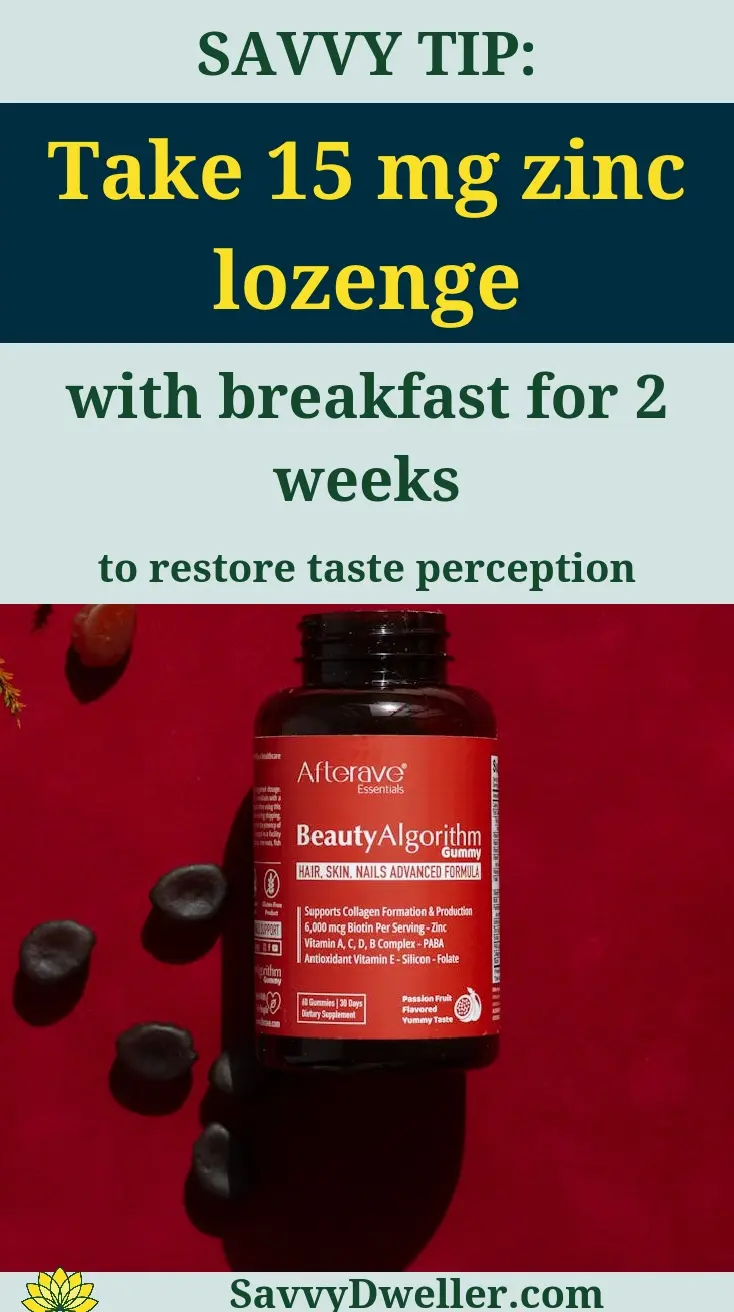
| Taste/Smell Changes | Food tastes bland or metallic | Try zinc lozenges for 2 weeks | Complete loss of taste or smell |
| Frequent Infections | Constant colds, slow recovery | Support immune system with zinc foods | More than 6 infections per year |
| Skin Issues | Rashes, lesions, dry patches | Topical zinc cream for affected areas | Spreading or worsening skin problems |
1. Slow Wound Healing That Just Won’t Quit
What This Zinc Deficiency Sign Looks Like
You might notice small cuts, scrapes, or even surgical incisions taking far longer than expected to close. Scabs stick around for weeks, and minor injuries seem to linger without improving. This is one of the more visible signs of zinc deficiency in adults, often overlooked until it becomes persistent.
Why Zinc Supports Wound Healing
Zinc plays a central role in cell division, protein synthesis, and immune function-all critical for tissue repair. Without enough zinc, your body struggles to rebuild skin and fight off local infections at the wound site. Zinc deficiency slows down the entire healing cascade, from inflammation to new tissue formation.
Simple Steps to Support Healing
Topical Zinc Applications
Applying zinc oxide cream directly to minor wounds can provide localized support. Here’s how to use it safely:
- Clean the wound gently with mild soap and water.
- Pat dry with a clean towel-don’t rub.
- Apply a thin layer of over-the-counter zinc oxide ointment (like diaper rash cream) once or twice daily.
- Cover with a sterile bandage if needed, especially for oozing or open areas.
Dietary Changes That Help
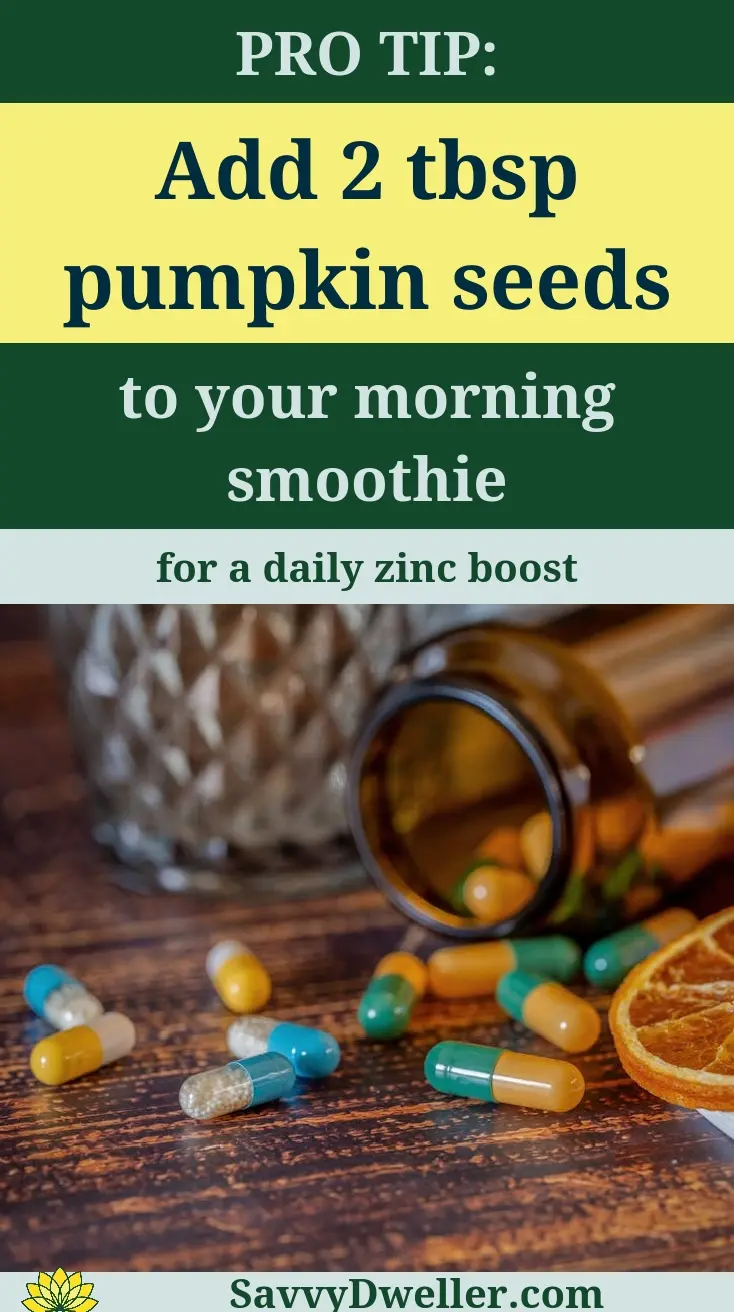
- Pumpkin seeds (pepitas): A quarter-cup delivers nearly 2 mg of zinc.
- Grass-fed beef or lamb: 3 ounces provides over 4 mg.
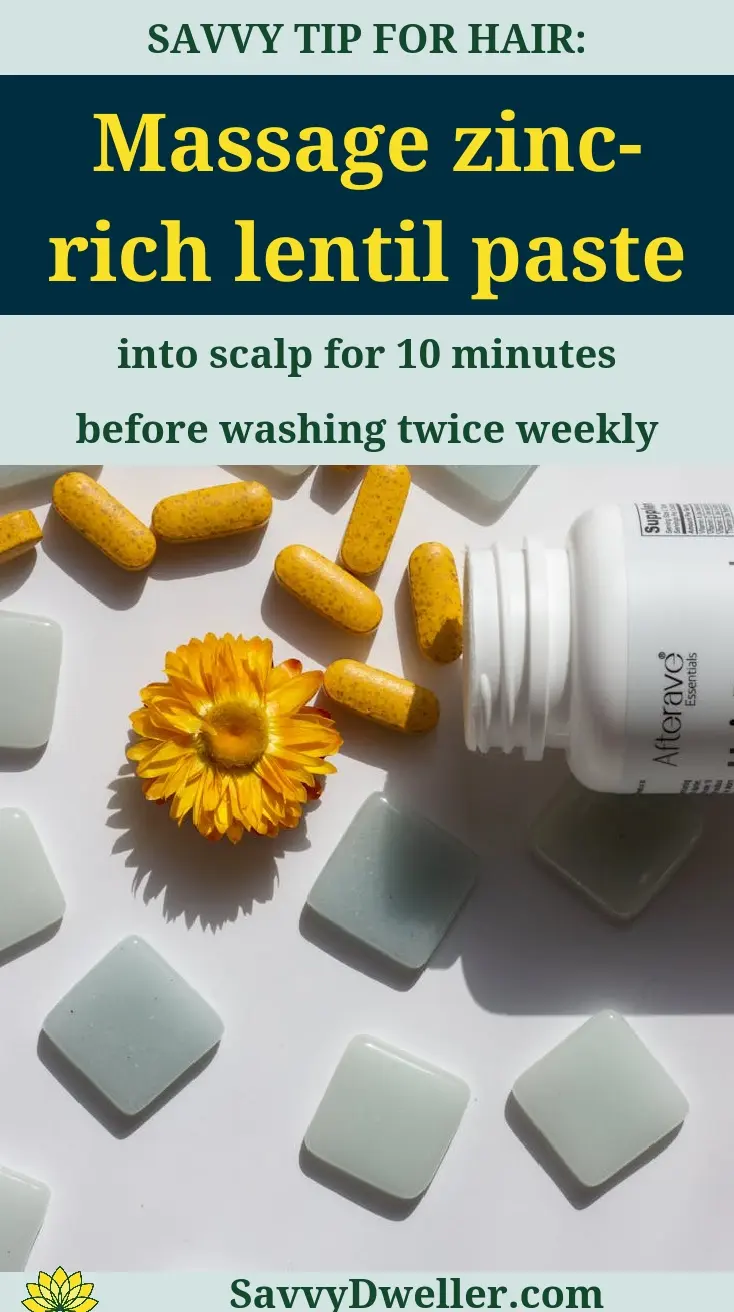
- Lentils and chickpeas: Cooked legumes offer bioavailable zinc, especially when soaked or sprouted.
- Fortified whole grains: Choose options with minimal phytates (which can inhibit absorption).
2. Hair Loss in Unexpected Places
The Eyebrow Connection
One telltale but often missed symptom of zinc deficiency in women is thinning or missing outer eyebrow hairs. Unlike typical age-related thinning, this loss is patchy and asymmetrical-and may not respond to usual hair regrowth routines.
Patchy Hair Loss Patterns
Zinc deficiency hair loss can mimic alopecia areata, showing up as smooth, round bald spots on the scalp, beard, or even eyelashes. Unlike genetic thinning, these patches often appear suddenly and may be accompanied by brittle nails or dry skin-classic zinc deficient symptoms.
How to Support Hair Health Naturally
Gentle Hair Care Practices
- Avoid tight hairstyles that pull on the scalp (ponytails, braids).
- Use a wide-tooth comb on wet hair to minimize breakage.
- Limit heat styling tools to 1–2 times per week.
- Massage your scalp for 2–3 minutes daily to stimulate circulation.
Zinc-Rich Foods for Hair Support
- Oysters: Just 2–3 provide your full daily zinc needs.
- Crab and lobster: Excellent seafood sources with high bioavailability.
- Hemp seeds: Add 2 tablespoons to smoothies or salads for a plant-based boost.
- Dark chocolate (70%+ cocoa): A surprising source-1 ounce offers about 0.9 mg.
Also See: 10 Powerful Health Benefits Of Cloves You Won’t Believe
3. Your Taste and Smell Are Playing Tricks
When Food Loses Its Appeal
If your morning coffee tastes like warm water or your favorite meals suddenly seem bland, it could be more than just stress. A diminished sense of taste (hypogeusia) is a well-documented sign of low zinc, especially in older adults or those with poor diets. Additionally, the impact of nutrition extends beyond taste; magnesium-rich foods can play a crucial role in managing sleep and anxiety levels. Incorporating foods high in magnesium might not only enhance your meals but also support better sleep and help alleviate anxiety.
Metallic Tastes and Strange Smells
Some people report a persistent metallic or bitter aftertaste-even when not eating. Others notice phantom smells (phantosmia), like burning or chemicals. These unusual symptoms of zinc deficiency female individuals often experience can reduce appetite and affect mood.
Natural Ways to Support Your Senses
Zinc Lozenges: A Targeted Approach
- Choose lozenges with zinc gluconate or zinc acetate-forms shown to be effective.
- Take one lozenge every 2–3 hours while awake, but don’t exceed 40 mg of zinc per day.
- Allow it to dissolve slowly in your mouth-don’t chew or swallow whole.
- Use for no more than 10–14 days; prolonged high-dose zinc can cause copper deficiency.
Foods That May Help Restore Taste
- Beef liver: Rich in both zinc and vitamin A, which support mucosal health in the mouth and nose.
- Pine nuts: Contain zinc plus healthy fats that aid nutrient absorption.
- Fermented foods like miso or tempeh: Improve gut health, which influences taste bud regeneration.
- Citrus fruits paired with zinc-rich meals: Vitamin C enhances zinc uptake.
4. Catching Every Cold That Comes Around
The Immune System Connection
Zinc plays a central role in immune cell development and communication. Without enough of it, your body’s first line of defense weakens, making you more vulnerable to viruses and bacteria. This is why frequent colds or infections that linger longer than usual can be a clear sign of zinc deficiency in adults.
Signs Your Body Isn’t Fighting Back
If you find yourself sick more than a few times a year-or if your recovery takes weeks instead of days-it could signal your immune system isn’t getting the support it needs. Other subtle signs include swollen lymph nodes, recurrent sore throats, or persistent fatigue after minor illnesses.
Supporting Your Natural Defenses
Replenishing zinc through food and smart lifestyle choices can help restore balance. But it’s also about creating conditions where your immune system thrives—not just survives. Adding Replenishing zinc through food and smart lifestyle choices can help restore balance. But it’s also about creating conditions where your immune system thrives—not just survives. Adding zinc-rich foods to your diet can play a crucial role in enhancing immune function. Incorporating these foods can provide essential nutrients that help support a robust immune response.
Immune-Supporting Zinc Sources
- Oysters (one of the richest natural sources)
- Grass-fed beef and lamb
- Pumpkin seeds and hemp seeds
- Chickpeas and lentils
- Fortified whole grains (in moderation)
Lifestyle Habits That Help
- Prioritize 7–9 hours of quality sleep nightly-your immune system repairs itself during deep rest.
- Manage stress through daily breathwork, walking, or journaling-chronic stress depletes zinc stores.
- Stay hydrated with water and herbal teas to support mucosal immunity in your respiratory tract.
- Avoid excessive alcohol, which interferes with zinc absorption and weakens immune responses.
5. Skin Problems That Keep Coming Back
Unusual Rashes and Lesions
Recurrent skin issues like perioral dermatitis, angular cheilitis (cracks at the corners of the mouth), or acne-like bumps may point to low zinc levels. These often resist typical over-the-counter treatments because the root cause isn’t just surface-level irritation-it’s internal nourishment.
Dry, Irritated Skin That Won’t Heal
When your skin feels tight, flaky, or inflamed despite regular moisturizing, it could reflect a deeper imbalance. Zinc supports skin barrier integrity and cellular repair, so a deficiency may leave your skin vulnerable to everyday stressors.
Gentle Skin Care Approaches
Harsh cleansers or exfoliants can worsen already compromised skin. A gentler routine focused on healing and protection helps while you address the underlying zinc deficiency. Incorporating soothing ingredients, such as oatmeal and honey, can provide additional comfort and nourishment for sensitive skin. A soothing oatmeal honey scrub is a perfect option to gently cleanse and soothe irritated areas while promoting skin healing.
Topical Zinc for Skin Support
- Zinc oxide creams (used in diaper rash ointments) can soothe inflamed or broken skin.
- Calamine lotion contains zinc and offers cooling relief for itchy rashes.
- Look for mineral-based sunscreens with non-nano zinc oxide-they protect without irritating sensitive skin.
Moisturizing and Protection Strategies
- Cleanse with lukewarm water and a fragrance-free, pH-balanced cleanser.
- Apply a ceramide-rich moisturizer within 3 minutes of washing to lock in hydration.
- Use a humidifier in dry climates or during winter to prevent transepidermal water loss.
- Wear soft, breathable fabrics like cotton to reduce friction and irritation.
6. Changes in Appetite and Mental Clarity
When Food No Longer Appeals
A sudden disinterest in meals-or feeling full after just a few bites-can be an overlooked sign of zinc deficiency. Since zinc influences taste perception and digestive enzyme production, low levels may dull your appetite and make eating feel like a chore.
Brain Fog and Concentration Issues
Difficulty focusing, forgetfulness, or mental fatigue that doesn’t improve with rest may stem from inadequate zinc. This mineral supports neurotransmitter function and hippocampal activity, both critical for clear thinking and memory retention. Identifying nutritional gaps, such as zinc deficiency, is essential for enhancing cognitive function. By addressing these gaps naturally, one can improve memory and focus effectively.
Supporting Both Body and Mind
Nourishing your brain and appetite starts with consistent zinc intake-but it also means creating routines that support digestion and cognitive health simultaneously.
Appetite-Stimulating Zinc Foods
- Beef liver (also rich in B vitamins for energy)
- Crab and lobster (high bioavailability zinc sources)
- Dark chocolate (70%+ cacao, in moderation)
- Sesame seeds and tahini
- Mushrooms, especially shiitake
Mental Clarity Support Strategies
- Eat regular, balanced meals with protein, healthy fats, and complex carbs to stabilize blood sugar-and mood.
- Chew food thoroughly to enhance zinc absorption and signal satiety to your brain.
- Take short walks after meals to boost circulation and cognitive alertness.
- Limit screen time before bed-quality sleep sharpens focus and supports zinc utilization overnight.
The Science Made Simple: Why Zinc Deficiency Happens
Who’s Most at Risk
Zinc deficiency doesn’t affect everyone equally. Certain groups face higher odds due to biology, health conditions, or lifestyle factors. Recognizing these risk patterns can help you spot early signs of zinc deficiency before they escalate.
Age-Related Absorption Changes
As you get older, your gut doesn’t absorb nutrients as efficiently-including zinc. This is especially true after age 60, when stomach acid production often declines, making it harder to extract zinc from food. Older adults may show subtle signs of low zinc, like dry skin or slow wound healing, without realizing it’s a nutritional issue.
Digestive Conditions That Interfere
Chronic gut disorders disrupt zinc uptake at the source. Conditions like Crohn’s disease, ulcerative colitis, celiac disease, and even chronic diarrhea reduce the surface area or function of the small intestine-where most zinc is absorbed.
- Crohn’s disease: Inflammation damages the ileum, a key zinc absorption site
- Celiac disease: Villi damage from gluten sensitivity blocks nutrient uptake
- Chronic diarrhea: Flushes zinc out before the body can absorb it
Medications That May Deplete Zinc
Some common prescriptions unintentionally lower zinc levels over time. These include:
- Proton pump inhibitors (e.g., omeprazole) – reduce stomach acid needed for zinc release from food
- Diuretics (e.g., hydrochlorothiazide) – increase urinary zinc excretion
- Certain antibiotics (e.g., quinolones, tetracyclines) – bind to zinc and reduce absorption
If you’ve been on these medications long-term, subtle zinc deficient symptoms-like altered taste or frequent colds-might be more than just coincidence.
How Your Body Uses Zinc
Zinc isn’t stored in large reserves like fat-soluble vitamins. Your body uses it daily for over 300 enzyme reactions, from DNA synthesis to immune cell activation. It’s crucial for skin repair, hair follicle cycling, and even neurotransmitter function. Because zinc is constantly being used and excreted, you need a steady dietary supply-especially if you’re showing signs of zinc deficiency in adults.
Common Causes in Modern Life
Today’s diets and habits quietly undermine zinc intake:
- Highly processed foods: Stripped of natural zinc during refining
- Plant-based diets high in phytates: Found in whole grains and legumes, phytates bind zinc and block absorption
- Excessive alcohol consumption: Impairs gut absorption and increases urinary loss
- Chronic stress: Elevates cortisol, which may deplete zinc stores over time
Even if you eat well, these hidden factors can lead to low zinc symptoms that mimic other issues—like fatigue, brain fog, or zinc deficiency hair loss. It’s essential to consider how nutrient deficiencies, such as magnesium, can manifest similarly. Signs of magnesium deficiency may include muscle cramps and increased stress levels, which can also affect overall well-being.
Common Mistakes to Avoid When Addressing Zinc Deficiency
Taking Too Much Zinc Too Quickly
More isn’t always better. High-dose zinc supplements (over 40 mg/day long-term) can cause nausea, copper deficiency, and even weaken the immune system—the opposite of your goal. Maintaining a balanced intake of essential nutrients is crucial for overall health, especially when considering the impact of heavy metals. Incorporating heavy metal detox foods and supplements can help support the body’s natural detoxification processes and mitigate potential imbalances.
- Start with a moderate dose (15–30 mg/day of elemental zinc)
- Take it with food to reduce stomach upset
- Limit high-dose use to short-term situations (e.g., during a cold), not ongoing zinc deficiency treatment
Ignoring Drug Interactions
Zinc can interfere with certain medications-and vice versa. For example, zinc supplements taken at the same time as antibiotics or osteoporosis drugs (like bisphosphonates) can reduce their effectiveness.
- Take zinc supplements at least 2 hours apart from medications
- Check with a pharmacist before combining zinc with prescription drugs
- Monitor for new or worsening symptoms if you’re on long-term meds
Choosing the Wrong Type Of Zinc Supplement
Not all zinc supplements are equally absorbable. Some forms pass through your system without being used.
- Best absorbed: Zinc picolinate, zinc citrate, zinc monomethionine
- Moderate absorption: Zinc gluconate (common in lozenges)
- Poorly absorbed: Zinc oxide (often in cheap multivitamins and sunscreens)
For symptoms of zinc deficiency in women-like hair thinning or taste changes-opt for highly bioavailable forms to see meaningful results.
Not Addressing Root Causes
Taking a supplement won’t fix zinc deficiency if your gut can’t absorb it or your diet keeps depleting it. Focus on the source.
- Evaluate your diet for phytate-heavy foods (soak or sprout beans and grains to reduce phytates)
- If you have digestive symptoms (bloating, diarrhea, gas), get tested for gut disorders
- Reduce alcohol intake and manage stress to support nutrient retention
Skipping Professional Guidance When Needed
While mild zinc deficiency can often be managed with diet and OTC supplements, persistent or severe symptoms-like sudden zinc deficiency hair loss or complete loss of taste-warrant medical input.
- Ask for a serum zinc test (though it’s not perfect, trends matter)
- Rule out underlying conditions like thyroid disorders or malabsorption syndromes
- Work with a healthcare provider to balance zinc with copper and other minerals
Self-treating without guidance can mask other deficiencies or delay diagnosis of serious conditions that mimic signs of zinc deficiency.
Frequently Asked Questions About Zinc Deficiency
How is Zinc Deficiency Typically Diagnosed by Healthcare Professionals?
Zinc deficiency is often diagnosed through a combination of blood tests, such as serum zinc levels, and a review of your symptoms and dietary habits. However, blood tests alone can be unreliable due to factors like inflammation, so doctors may also assess risk factors like digestive issues or certain medications. For an accurate diagnosis, consult a healthcare provider who might recommend additional tests to rule out other conditions. Feeling consistently exhausted can sometimes point to underlying deficiencies, including vitamin B12. Recognizing the signs of vitamin B12 deficiency may help in addressing persistent fatigue.
Is It Possible to Get Sufficient Zinc From Food Sources, or Are Supplements Necessary?
Many people can meet their zinc needs through a balanced diet that includes zinc-rich foods like oysters, beef, lentils, and pumpkin seeds. Aim to incorporate a variety of these foods daily, and pair them with vitamin C-rich options like citrus fruits to boost absorption. Supplements are generally recommended only for those with confirmed deficiencies, increased needs (e.g., pregnant women), or dietary restrictions—always seek medical advice before starting any supplement regimen.
What Are the Risks Associated With Excessive Zinc Intake?
Consuming too much zinc, typically from supplements, can cause side effects like nausea, vomiting, and headaches, and may lead to copper deficiency by interfering with absorption. Adhere to the recommended daily allowance (RDA) of 11 mg for men and 8 mg for women, and avoid long-term high-dose use without supervision. If you experience symptoms like a metallic taste or digestive upset, reduce intake and consult a doctor promptly.
How Can I Prevent Zinc Deficiency From Recurring?
Prevent recurrence by maintaining a consistent intake of zinc-rich foods and adopting habits that enhance absorption, such as soaking beans and grains to reduce phytates that block zinc uptake. Regular monitoring through check-ups is wise, especially if you have risk factors like a vegetarian diet or chronic illness. Focus on a varied, nutrient-dense diet to support overall balance.
Final Words
Recognizing zinc deficiency signs early gives you the power to address them before they significantly impact your daily life. From slow wound healing to unexpected hair loss, these subtle signals from your body deserve attention and gentle, informed responses.
Start with simple dietary changes and consider zinc-rich foods like pumpkin seeds, oysters, and lean meats as your first line of support. Remember that consistency matters more than dramatic changes, and your body needs time to restore optimal zinc levels naturally.
For more evidence-based wellness insights and practical home health solutions, explore Savvy Dwelling where we simplify complex health topics into actionable advice you can trust. Take that first step today-your body will thank you for listening to what it’s been trying to tell you.