Warning Signs Your Body Needs More Omega-3s (Plus Simple Solutions That Actually Work)
Feeling unusually tired, dealing with dry skin that won’t improve, or noticing your joints ache more than they used to? Your body might be sending you clear signals that you’re not getting enough omega-3 fatty acids. These essential nutrients play a crucial role in everything from brain function to skin health, yet many people unknowingly develop deficiencies that affect their daily well-being.
This guide will help you recognize the key warning signs of omega-3 deficiency and provide practical, research-backed solutions you can start using today. We’ve researched the most effective approaches and simplified the complex science into actionable steps that fit into your real life. You’ll learn exactly what to look for in your body’s signals and how to address them naturally through food choices and targeted supplementation.
Contents
- At a Glance: The Best Solutions
- 1. Your Skin is Telling You Something Important
- 2. Your Brain Feels Foggy and Unfocused
- 3. Your Joints Ache More Than Usual
- 4. Your Mood Swings Feel Out Of Control
- 5. Your Eyes Are Constantly Dry and Uncomfortable
- 6. Your Sleep Quality Has Dramatically Changed
- 7. Your Heart Health Feels Compromised
- 8. Your Digestive System Feels Off Balance
- The Science Made Simple: Why Omega-3 Deficiency Happens
- Common Mistakes to Avoid When Addressing Omega-3 Deficiency
- Frequently Asked Questions
- Final Words
At a Glance: The Best Solutions
| Omega-3 Deficiency Sign | Quick Solution | Timeline for Support |
|---|---|---|
| Dry, flaky skin | Add fatty fish 2-3x weekly + quality fish oil supplement | 2-4 weeks |
| Brain fog & memory issues | EPA/DHA supplement (1000mg daily) + walnuts | 4-6 weeks |
| Joint stiffness & discomfort | Anti-inflammatory omega-3 foods + krill oil | 6-8 weeks |
| Mood changes & irritability | Algal oil supplement + omega-3 fortified foods | 3-5 weeks |
| Dry eyes & vision concerns | Salmon, sardines, or quality EPA supplement | 2-3 weeks |
1. Your Skin is Telling You Something Important
Recognizing Skin-related Omega-3 Deficiency Signs
If your skin feels tight, itchy, or starts peeling without a clear cause-like weather or new products-it could be a sign you’re not getting enough omega-3s. Skin is often the first place your body shows signs of nutritional imbalance, especially when it comes to essential fatty acids.
Persistent Dryness and Flaking
Dry patches that don’t improve with moisturizers may signal an omega-3 deficiency. Without enough EPA and DHA, your skin’s natural oil barrier weakens, leading to moisture loss and flakiness.
Changes in Skin Texture and Healing
You might notice roughness, increased redness, or slower healing from minor cuts and scrapes. These are subtle but real signs low omega 3 symptoms are affecting your skin’s resilience and repair processes.
How Omega-3s Support Healthy Skin Function
Omega-3 fatty acids help maintain your skin’s lipid barrier, which locks in moisture and keeps irritants out. They also support anti-inflammatory pathways that calm redness and reduce sensitivity. EPA, in particular, helps regulate oil production and supports cellular turnover-key for smooth, supple skin.
Quick Home Remedies to Aid Skin Health
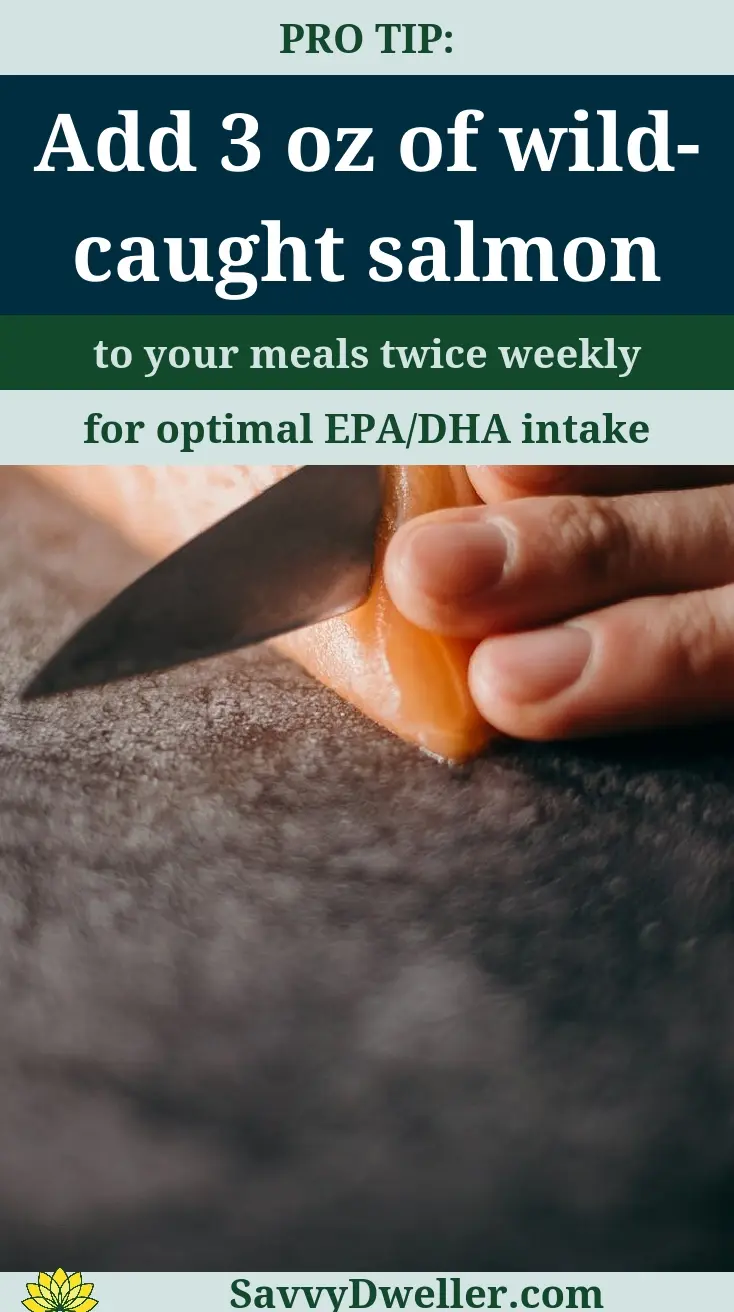
- Fatty fish like salmon or mackerel, 2–3 times per week
- Chia seeds or ground flaxseeds added to smoothies or oatmeal
- A high-quality fish oil or algal oil supplement with at least 500mg EPA+DHA daily
- Hemp seed oil used in salad dressings (not for high-heat cooking)
- Start by adding one omega-3-rich food to your daily meals.
- Pair it with a vitamin E source (like almonds or sunflower seeds) to boost absorption and skin protection.
- Give your skin 2–4 weeks to show visible improvement-it works from the inside out.
2. Your Brain Feels Foggy and Unfocused
Cognitive Signs Of Low Omega-3 Levels
Struggling to recall names, losing your train of thought mid-sentence, or feeling mentally sluggish by midday? These could be signs you’re not getting enough omega 3. The brain relies heavily on DHA, a key omega-3, for structure and signaling.
Memory Lapses and Concentration Issues
Forgetting where you put your keys isn’t just “getting older”-if it’s happening more often, it might be tied to low omega 3 levels. DHA makes up a large portion of your brain’s gray matter, and without it, neural communication slows.
Mental Fatigue Throughout the Day
That afternoon crash that no amount of coffee fixes? It could be more than sleep deprivation. A lack of omega 3 signs like mental exhaustion often appear when brain cells aren’t getting the fatty acids they need to function efficiently.
The Brain-omega-3 Connection
DHA is a primary structural fat in the brain, and EPA helps modulate inflammation that can impair cognitive function. Together, they support neurotransmitter activity, blood flow, and overall brain resilience-especially under stress.
Natural Ways to Support Mental Clarity
- Walnuts (a plant source of ALA, which the body partially converts to DHA)
- Fortified eggs with added DHA
- Oily fish like sardines or anchovies
- Algal oil supplements (ideal for vegetarians and vegans)
- Take a daily EPA/DHA supplement with at least 1000mg combined.
- Include one serving of omega-3-rich food at breakfast or lunch to fuel your brain early.
- Stay hydrated-omega-3s work best when your cells are well-hydrated.
Also See: A Parent’s Guide to Getting Rid Of Head Lice for Good
3. Your Joints Ache More Than Usual
Physical Discomfort That May Signal Deficiency
If your knees, fingers, or shoulders feel stiff or tender-especially without injury-it might be more than aging. Chronic low-grade inflammation from omega-3 deficiency can manifest as joint discomfort that feels “out of proportion” to your activity level.
Morning Stiffness That Lingers
Waking up and needing 30+ minutes to feel “loose” again? This lingering stiffness is a common omega 3 deficiency symptom. Unlike short-term stiffness from overuse, this pattern often persists and worsens without dietary support.
Increased Sensitivity to Weather Changes
Noticing more aches when it’s cold or rainy? While many blame the barometer, low omega-3 levels can heighten your body’s inflammatory response to environmental shifts-making you more reactive to temperature and pressure changes.
How Omega-3s Aid Joint Comfort
EPA and DHA help produce resolvins and protectins-specialized molecules that actively resolve inflammation instead of just suppressing it. This natural process can ease joint tenderness and improve mobility over time without harsh interventions, making it a beneficial approach for natural arthritis relief and joint pain management.
Home-based Solutions for Joint Support
- Fresh or canned sardines (with bones for added calcium)
- Krill oil supplements (contain phospholipid-bound omega-3s for better absorption)
- Flaxseed oil drizzled on roasted vegetables
- Green leafy vegetables paired with healthy fats to enhance omega-3 utilization
- Add an anti-inflammatory omega-3 food to every meal-think salmon at dinner, chia pudding at breakfast.
- Combine with turmeric or ginger, which work synergistically with omega-3s to support joint comfort.
- Be consistent for 6–8 weeks; joint tissues renew slowly, so patience is key.
4. Your Mood Swings Feel Out Of Control
Emotional Signs You Need More Omega-3s
If you’ve noticed your emotional reactions feel more intense or unpredictable than usual, it could be a sign of omega-3 deficiency. Signs of low omega 3 often show up emotionally before they appear physically.
Increased Irritability and Anxiety
You might snap at loved ones over minor things or feel a constant low hum of worry. These emotional shifts are common among those with low omega-3 levels, especially when EPA and DHA-the two primary mood-supporting fatty acids-are lacking.
Feelings of Sadness or Depression
A lingering sense of sadness that doesn’t seem tied to a specific event may be linked to insufficient omega-3 intake. Research shows that populations with higher fish consumption tend to report lower rates of depressive symptoms.
The Mood-omega-3 Link
Omega-3s, particularly EPA, help maintain the fluidity of cell membranes in the brain, which affects how neurotransmitters like serotonin and dopamine function. Low omega 3 symptoms can quietly disrupt your emotional baseline by interfering with these critical brain pathways.
Natural Approaches to Emotional Balance
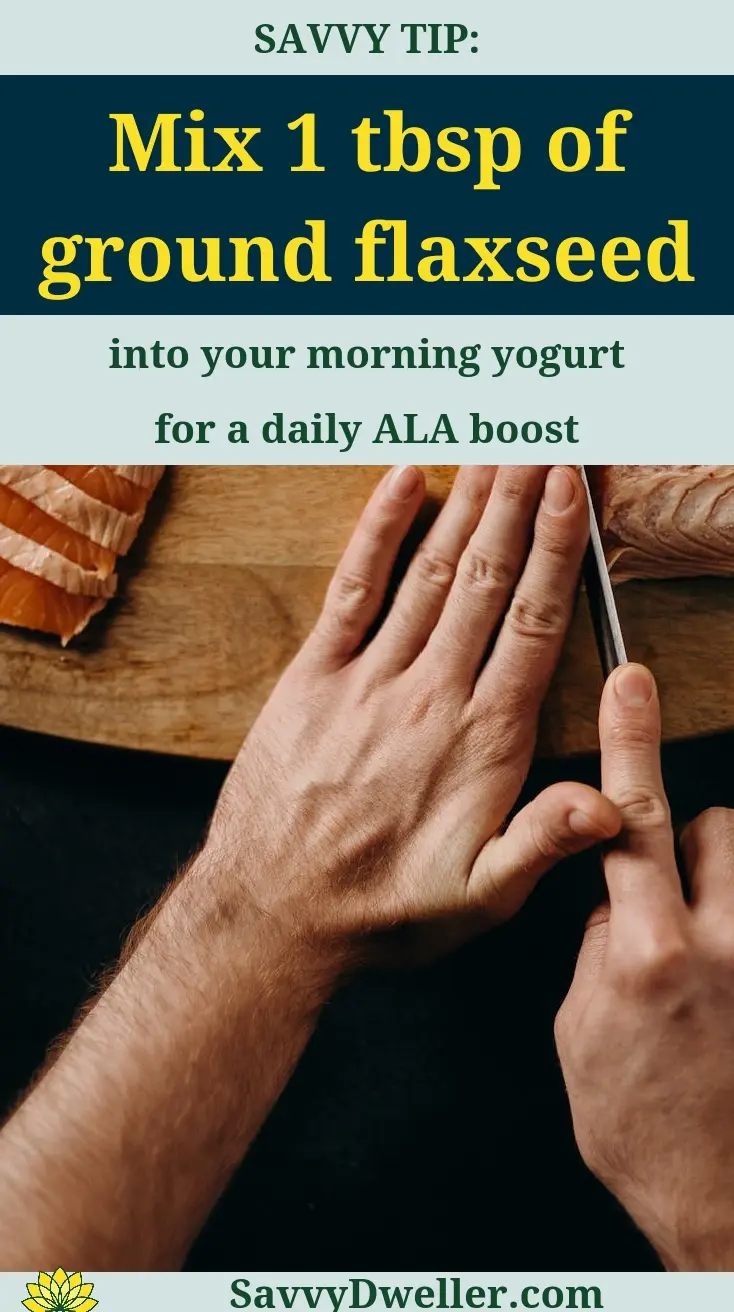
- Start your day with a tablespoon of ground flaxseed or chia seeds-they’re rich in ALA, a plant-based omega-3.
- Add two to three weekly servings of fatty fish like salmon, mackerel, or sardines to your meals.
- Choose a high-quality fish or algal oil supplement that provides at least 500 mg of combined EPA and DHA per serving.
- Pair your omega-3 intake with vitamin D and magnesium-rich foods (like leafy greens and nuts), which work synergistically to support mood stability.
5. Your Eyes Are Constantly Dry and Uncomfortable
Vision-related Omega-3 Deficiency Symptoms
Dry, gritty, or burning eyes that don’t improve with over-the-counter drops may signal an underlying lack of essential fats. Persistent dry eye sensations are among the clearest omega-3 deficiency signs related to vision. Maintaining eye health is essential, and incorporating certain foods into your diet can make a significant difference. Including omega-3 rich foods is one way to support better eye health.
Persistent Dry Eye Sensations
You might feel like there’s sand in your eyes, even after blinking or using artificial tears. This symptom often stems from poor tear film quality-a condition closely tied to low omega-3 levels.
Night Vision Changes
Difficulty seeing in low light or needing more time to adjust to darkness can also be a subtle indicator. DHA, a key omega-3, is a major structural component of the retina.
How Omega-3s Support Eye Health
DHA helps maintain the integrity of retinal cells and supports the meibomian glands that produce the oily layer of your tears. Without enough omega-3s, tear evaporation speeds up, leading to dryness and irritation. Additionally, nourishing oils like castor oil can be incredibly beneficial for skin, hair, and eyelashes, promoting hydration and health. Its amazing benefits make it a fantastic addition to any beauty routine, helping to enhance and protect these areas effectively.
Gentle Home Remedies for Eye Comfort
- Warm compresses: Apply a clean, warm washcloth over closed eyes for 5 minutes daily to stimulate tear gland function.
- Hydrate consistently: Dehydration worsens dry eyes-drink water throughout the day.
- Use a humidifier in dry indoor environments, especially during winter or in air-conditioned spaces.
- Include omega-3-rich foods like herring, anchovies, or fortified eggs in your weekly rotation.
6. Your Sleep Quality Has Dramatically Changed
Sleep Disturbances That May Indicate Low Omega-3s
If you’re tossing and turning or waking up feeling unrested, your omega-3 status might be a factor. Signs you’re not getting enough omega 3 can quietly sabotage your sleep architecture.
Difficulty Falling or Staying Asleep
You might lie awake for hours despite feeling tired, or wake up multiple times during the night. Low DHA levels have been linked to reduced melatonin production-the hormone that regulates sleep-wake cycles.
Restless Sleep Patterns
Even if you sleep for a full eight hours, you may feel unrefreshed. Fragmented or shallow sleep is a common but overlooked symptom of omega deficiency.
The Sleep-omega-3 Connection
DHA influences the brain’s ability to produce melatonin and supports healthy circadian rhythms. Children and adults with higher blood levels of omega-3s often report better sleep efficiency and fewer nighttime awakenings.
Creating a Sleep-supportive Environment
- Take your omega-3 supplement with dinner-it may enhance nighttime DHA availability to the brain.
- Dim artificial lights 90 minutes before bed; blue light suppresses melatonin.
- Keep your bedroom cool (around 65°F/18°C) and quiet-temperature and noise directly affect sleep depth.
- Avoid large meals or caffeine within 4–6 hours of bedtime to reduce sleep disruptions.
7. Your Heart Health Feels Compromised
Cardiovascular Signs Of Omega-3 Deficiency
While heart issues often develop silently, some people notice subtle changes that may point to an omega-3 gap. Omega deficiency symptoms can include heart rhythm irregularities or unexplained blood pressure shifts.
Irregular Heart Rhythm Sensations
You might feel your heart “skip a beat,” flutter, or race unexpectedly-known as palpitations. Though often benign, frequent episodes can signal underlying electrical instability in the heart, which omega-3s help regulate. Exploring the best natural remedies for heart palpitations, such as lifestyle changes and dietary adjustments, can also provide relief for many people.
Blood Pressure Fluctuations
Sudden spikes or drops in blood pressure readings, especially without lifestyle changes, may reflect inflammation or stiffened arteries-conditions omega-3s help soothe.
How Omega-3s Aid Heart Function
EPA and DHA reduce triglycerides, lower inflammation in blood vessels, and help maintain normal heart rhythm by influencing ion channels in cardiac cells. Regular omega-3 intake supports the heart’s natural resilience against stress and strain. Incorporating omega-3-rich foods into your diet can be an effective way to reduce high triglyceride levels naturally. This approach not only benefits overall heart health but can also contribute to better metabolic function.
Heart-healthy Home Practices
- Swap processed snacks for walnuts or flax crackers-both offer plant-based ALA that the body can partially convert to EPA/DHA.
- Cook with olive oil instead of seed oils high in omega-6 fats, which can tip the inflammatory balance.
- Practice daily deep breathing or short walks-movement enhances circulation and helps your body utilize omega-3s more effectively.
- Store fish oil supplements in the fridge to prevent oxidation, which reduces their cardiovascular benefits.
8. Your Digestive System Feels Off Balance
Gut Health Indicators Of Low Omega-3 Levels
If your stomach feels unsettled more often than not, it could be one of the overlooked signs you’re not getting enough omega-3. The gut is surprisingly sensitive to fatty acid imbalances, and a lack of omega-3s may quietly disrupt your digestive harmony.
Inflammatory Digestive Discomfort
Chronic bloating, cramping, or a general sense of gut irritation without a clear cause might point to underlying inflammation. Omega-3 deficiency symptoms often manifest as low-grade inflammation in the digestive tract, making meals feel uncomfortable even when you’re eating well.
Changes in Bowel Regularity
Irregular bowel movements-whether occasional constipation or loose stools-can signal that your gut lining isn’t as resilient as it should be. A lack of omega 3 may weaken the mucosal barrier, affecting motility and microbial balance.
The Gut-omega-3 Relationship
Omega-3 fatty acids, especially EPA and DHA, help modulate the gut’s immune response and support a healthy microbiome. They encourage the production of anti-inflammatory compounds that soothe the intestinal lining. Without enough omega-3s, your gut may struggle to maintain equilibrium, leading to subtle but persistent omega 3 deficiency signs.
Digestive Support Through Natural Methods
You can gently support your gut while addressing potential signs of low omega 3 with these practical steps: natural remedies can also assist in improving gut health. Incorporating foods rich in omega-3s, like fatty fish and flaxseeds, can play a crucial role in alleviating signs of leaky gut syndrome.
- Start your day with a flaxseed smoothie. Ground flaxseeds are rich in ALA (a plant-based omega-3) and fiber, which promote regularity and feed beneficial gut bacteria.
- Add fermented foods like sauerkraut or kefir alongside omega-3-rich meals. Fermented foods enhance absorption and work synergistically with fatty acids to calm gut inflammation.
- Pair fatty fish (like mackerel or sardines) with leafy greens. The combination of omega-3s and polyphenols from greens supports both microbial diversity and gut barrier integrity.
- Stay hydrated with lemon water between meals. Proper hydration helps omega-3s integrate into cell membranes throughout the digestive system.
The Science Made Simple: Why Omega-3 Deficiency Happens
Modern Diet Limitations and Omega-3 Gaps
Today’s typical Western diet is overloaded with omega-6 fatty acids-found in processed snacks, fried foods, and vegetable oils-but severely lacking in omega-3s. This imbalance skews your body’s inflammatory response and is a primary reason for omega-3 deficiency symptoms. Even if you eat “healthy,” unless you’re regularly consuming fatty fish, walnuts, chia seeds, or algae-based sources, you’re likely falling short.
How Your Body Uses and Depletes Omega-3s
Your body doesn’t store omega-3s indefinitely. They’re continuously used to build cell membranes, produce signaling molecules, and regulate immune function. During periods of stress, illness, or intense physical activity, your demand for omega-3s spikes-meaning even a decent intake might not be enough to prevent signs of omega 3 deficiency.
Age-related Changes in Omega-3 Absorption
As you get older, your ability to convert plant-based ALA into active EPA and DHA declines. This means that someone in their 50s or 60s may need more direct sources of EPA/DHA-like fish or supplements-to avoid low omega 3 symptoms, even if their diet hasn’t changed.
Environmental Factors That Impact Omega-3 Levels
Exposure to air pollution, chronic stress, and even certain medications (like statins or antacids) can interfere with omega-3 metabolism. High alcohol intake also depletes these essential fats rapidly, contributing to omega oils deficiency over time.

Common Mistakes to Avoid When Addressing Omega-3 Deficiency
Choosing Low-quality Supplements
Not all omega-3 supplements are created equal. Some contain oxidized oils or insufficient EPA/DHA. Look for third-party tested products with clear labeling of EPA and DHA amounts per serving-avoid gummies or flavored pills that often skimp on potency.
Ignoring Food Sources in Favor Of Pills Only
Relying solely on supplements without incorporating whole-food sources misses out on co-nutrients that enhance absorption. How to tell if you are low on omega 3 isn’t just about popping a pill-it’s about building a diet where omega-3s are part of your daily rhythm.
Not Considering Individual Health Conditions
Conditions like Crohn’s disease, celiac disease, or pancreatic insufficiency can impair fat absorption, making standard omega-3 intake ineffective. If you have a digestive disorder, you may need specialized forms (like re-esterified triglycerides) or medical guidance to address symptoms of omega deficiency.
Expecting Immediate Results
Omega-3s integrate into cell membranes over weeks, not days. If you’re watching for signs you need omega 3 to fade, give it at least 4–8 weeks of consistent intake before reassessing. Patience is key.
Overlooking Proper Storage and Freshness
Omega-3 oils go rancid easily when exposed to heat, light, or air. Store fish oil in the fridge, buy supplements in dark glass bottles, and check expiration dates. Rancid omega-3s not only lose benefits-they can actually increase oxidative stress, worsening omega 3 lack symptoms.
Frequently Asked Questions
What Are the Primary Types Of Omega-3 Fatty Acids, and Why is Each Important?
The three main types are EPA (eicosapentaenoic acid), DHA (docosahexaenoic acid), and ALA (alpha-linolenic acid). EPA is key for reducing inflammation and supporting cardiovascular health, while DHA is vital for brain structure, cognitive function, and eye health. ALA, found in plant sources like flaxseeds, can be converted to EPA and DHA in the body, but the process is inefficient. For optimal benefits, prioritize direct sources of EPA and DHA, such as fatty fish or high-quality supplements.
How Can Vegetarians or Vegans Ensure They Get Enough Omega-3s Without Fish?
Focus on ALA-rich foods like chia seeds, flaxseeds, hemp seeds, and walnuts, but be aware that conversion to active EPA and DHA is limited. Incorporate algal oil supplements, which provide bioavailable DHA and EPA derived from algae, making them an effective plant-based alternative. Additionally, choose fortified foods like omega-3-enriched eggs or plant milks to boost intake consistently.
Are There Any Side Effects or Risks Associated With Omega-3 Supplements?
At standard doses, Omega-3 supplements are generally safe but may cause minor issues like fishy burps or digestive discomfort. To minimize side effects, take supplements with meals and opt for enteric-coated versions. High doses (over 3 grams daily) can increase bleeding risk, so consult a healthcare provider if you take blood thinners or have upcoming surgery.
How Does Food Preparation Affect the Omega-3 Content in Meals?
Omega-3s are sensitive to heat and light, which can degrade their quality. Steaming, baking, or lightly sautéing fish preserves more Omega-3s compared to deep-frying. For plant sources, store seeds and nuts in a cool, dark place and consume them raw or lightly toasted to maintain potency. Avoid prolonged cooking times to retain nutritional value. Choosing salmon is particularly beneficial because it is rich in these essential Omega-3 fatty acids, which support heart health and brain function.
Final Words
Your body has an amazing way of communicating its needs, and the signs we’ve explored today are often your first clue that you need more omega-3s in your life. The good news is that addressing omega-3 deficiency doesn’t require dramatic lifestyle changes-small, consistent steps can make a meaningful difference in how you feel. Whether you’re dealing with dry skin, brain fog, or joint discomfort, incorporating quality omega-3 sources into your daily routine can help support your body’s natural healing processes.
Remember, everyone’s body responds differently, so be patient with yourself as you implement these changes. Start with one or two of the solutions from our quick reference table above, and give your body the 2-8 weeks it needs to show you the results. Your skin, brain, joints, and overall well-being will thank you for taking this proactive step toward better health.
Ready to transform your wellness routine with more practical, research-backed solutions? Check out Savvy Dwelling for more evidence-based health and home wellness tips that actually work. Stay connected with us as we continue sharing the simple strategies that can make the biggest difference in your daily life.
References:
- 5 Signs You’re Lacking Omega-3s: SWFL Integrative Medicine: Board Certified Gynecologists
- Is Your Body Lacking Omega-3? 9 Symptoms You Might Be Missing
- Omega-3 Deficiency: 6 Signs & Symptoms | iwi life
Also See: A Guide to the Best Foods for a Hangover