
10 Powerful Health Benefits Of Cloves You Won’t Believe
Struggling with persistent mouth discomfort, sluggish digestion, or searching for natural ways to support your wellness routine? You’re not alone in feeling overwhelmed by the endless stream of expensive supplements and synthetic solutions that promise miraculous results. Many people are rediscovering the remarkable health-supporting properties of cloves, a tiny spice that has been treasured for centuries but often overlooked in modern wellness approaches.
This guide breaks down the most scientifically-backed benefits of cloves and shows you exactly how to incorporate them safely into your daily routine. We’ve researched the latest studies and traditional uses to bring you practical, actionable ways to harness cloves’ natural compounds for everything from oral health support to digestive comfort. You’ll learn proper dosages, preparation methods, and safety guidelines that make adding this powerful spice to your wellness toolkit both simple and effective.
Contents
- At a Glance: The Best Clove Health Benefits
- 1. Rich Source Of Antioxidants for Cellular Health
- 2. Natural Support for Oral Health and Comfort
- 3. Digestive Health Aid and Stomach Soother
- 4. Antimicrobial Properties for Natural Protection
- 5. Respiratory Health Support and Breathing Comfort
- 6. Blood Sugar Level Support
- 7. Natural Pain Relief and Comfort Support
- 8. Liver Health Support and Detoxification Aid
- 9. Bone Health and Joint Comfort Support
- 10. Skin Health and Natural Beauty Benefits
- Common Mistakes to Avoid When Using Cloves
- Frequently Asked Questions
- Final Words
At a Glance: The Best Clove Health Benefits
| Health Benefit | How Cloves Help | Best Form to Use | Recommended Usage |
|---|---|---|---|
| Oral Health Support | Natural eugenol content may soothe discomfort | Clove oil | 1-2 drops diluted |
| Digestive Aid | May support healthy digestion | Ground cloves in tea | 1/4 teaspoon daily |
| Antioxidant Power | High ORAC value supports cellular health | Whole cloves | 2-3 cloves in cooking |
| Respiratory Support | Natural compounds may aid breathing comfort | Clove steam inhalation | 5-10 minutes as needed |
| Blood Sugar Support | May help maintain healthy glucose levels | Ground cloves | 1/2 teaspoon with meals |
1. Rich Source Of Antioxidants for Cellular Health
Why Cloves Are Antioxidant Powerhouses
Cloves top the charts when it comes to antioxidant capacity—scoring one of the highest ORAC (Oxygen Radical Absorbance Capacity) values among spices. This is largely thanks to eugenol, a potent phenolic compound that helps neutralize free radicals before they can damage your cells. Cloves are just one of the many foods high in antioxidants.
Among everyday spices, cloves offer some of the most concentrated clove spice health benefits for long-term cellular defense. Just a small amount delivers a powerful punch of protection against oxidative stress, which is linked to aging and chronic health challenges. Similarly, incorporating oregano oil into your diet can also provide numerous health benefits. Known for its antimicrobial and antioxidant properties, oregano oil is celebrated for supporting overall wellness.
How to Add Antioxidant-rich Cloves to Your Routine
You don’t need much to reap the antioxidant rewards. A couple of whole cloves or a pinch of clove powder can be seamlessly integrated into meals, drinks, or even morning routines.
Simple Clove Tea Recipe
- Bring 1 cup of water to a gentle boil.
- Add 2–3 whole cloves (or ¼ teaspoon ground cloves).
- Steep for 10–15 minutes, then strain.
- Optionally, add a slice of lemon or a teaspoon of raw honey for flavor.
This warm infusion is a gentle way to enjoy the clove flower benefits daily without overpowering your palate.
Adding Cloves to Your Cooking
- Stir a pinch of clove powder into oatmeal or smoothies.
- Add 1–2 whole cloves to rice, stews, or lentil dishes while cooking (remove before serving).
- Include ground cloves in homemade spice blends like garam masala or pumpkin pie spice.
Indian cloves health benefits are often maximized through traditional cooking methods that pair cloves with other antioxidant-rich spices like cinnamon and cardamom.

2. Natural Support for Oral Health and Comfort
The Science Behind Cloves and Oral Wellness
For centuries, cloves have been used in dental traditions worldwide—especially in Ayurveda—for their soothing and protective properties. The key player is eugenol, a natural compound in clove oil that may help ease temporary tooth discomfort and support gum health. If you’re dealing with tooth sensitivity, exploring home remedies can be very beneficial. Cloves are just one of the many effective options for alleviating sensitive teeth pain at home.
Among the most well-documented clove oil benefits is its role in maintaining a balanced oral environment. Studies suggest eugenol exhibits antimicrobial activity that may help reduce unwanted bacteria in the mouth.
Safe Ways to Use Clove Oil for Mouth Care
Because clove essential oil is highly concentrated, it must always be diluted before oral use. Never apply undiluted oil directly to gums or teeth-it can cause irritation or tissue damage.
DIY Clove Mouthwash
- Mix 1 drop of food-grade clove essential oil with 1 tablespoon of carrier oil (like coconut or almond oil).
- Add this mixture to ½ cup of warm water.
- Swish gently for 30–60 seconds, then spit out (do not swallow).
- Use no more than once daily for short-term comfort.
Proper Dilution Methods
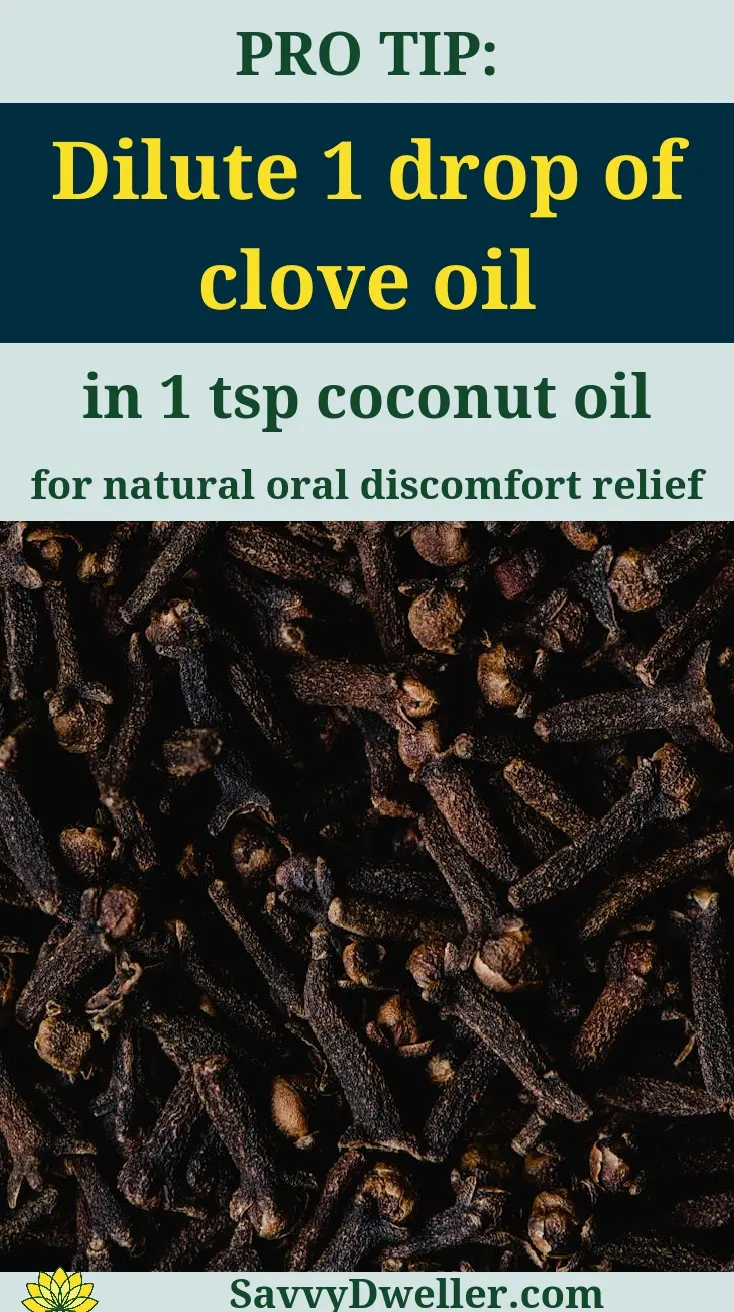
- For topical oral use: Dilute 1 drop of clove oil in 1 teaspoon of carrier oil.
- For mouth rinses: Never exceed 1–2 drops per ½ cup of liquid.
- Always perform a patch test on your skin before first use.
When used responsibly, clove essential oil benefits for oral care can be both gentle and effective.
Also See: A Guide to the Health Benefits Of Different Types Of Tea
3. Digestive Health Aid and Stomach Soother
How Cloves May Support Healthy Digestion
Cloves have long been valued in herbal traditions for their ability to support smooth digestion. Compounds like eugenol and caryophyllene may help stimulate digestive enzymes and ease occasional bloating or gas.
The cloves herbal benefits extend to calming the stomach lining and promoting a balanced digestive rhythm-especially after rich or heavy meals, making it a great choice among soothing teas for upset stomach and digestion.
Traditional Uses for Digestive Comfort
In many cultures, chewing a single clove after eating is a common practice to freshen breath and aid digestion. Clove powder benefits also shine when combined with other warming spices like ginger or fennel.
Clove and Ginger Tea Blend
- Combine 1 slice of fresh ginger and 2 whole cloves in 1 cup of boiling water.
- Steep for 10 minutes, covered.
- Strain and sip slowly after meals.
This synergistic blend enhances the digestive support of both ingredients while offering a soothing, aromatic experience.
Post-Meal Clove Remedy
- After eating, chew on 1 whole clove slowly for 1–2 minutes.
- Spit out the fibrous remains (do not swallow whole).
- Alternatively, stir ¼ teaspoon of clove powder into warm water and drink.
This simple ritual taps into centuries of traditional wisdom on cloves medicinal benefits for everyday digestive ease.
4. Antimicrobial Properties for Natural Protection
Understanding Cloves’ Natural Protective Compounds
Cloves owe much of their antimicrobial strength to eugenol, a potent phenolic compound that helps ward off bacteria, fungi, and even some viruses. This makes cloves a valuable ally in creating a cleaner, more resilient home environment-without relying on harsh chemical disinfectants.
Lab studies show clove oil can inhibit common household microbes, giving you a natural way to support everyday hygiene.
Household Uses for Clove’s Antimicrobial Benefits
You don’t need a lab coat to harness the health benefits of cloves. Their natural protective properties translate easily into simple, effective home solutions that align with a wellness-focused lifestyle.
Natural Cleaning Solutions with Cloves
Create a gentle yet effective all-purpose cleaner using clove’s antimicrobial power. This blend is ideal for countertops, cutting boards, and doorknobs.
- 1 cup distilled white vinegar
- 10 whole cloves (or 10 drops clove essential oil)
- 1 cup water
- 10 drops lemon essential oil (optional, for scent and added cleaning power)
- Combine vinegar and whole cloves in a glass jar. Let steep for 5–7 days in a cool, dark place.
- Strain out the cloves (if used whole) and mix the infused vinegar with water.
- Add lemon oil if desired, then pour into a spray bottle.
- Shake before each use and wipe surfaces with a clean cloth.
Air Purifying Clove Sachets
Dried cloves naturally repel mold and airborne microbes while releasing a warm, comforting aroma. Tuck these sachets into drawers, closets, or near vents for subtle, continuous support.
- Whole dried cloves
- Small breathable fabric pouches (cotton or muslin)
- Optional: cinnamon sticks or dried orange peel for added fragrance
- Fill each pouch with 1–2 tablespoons of whole cloves.
- Add cinnamon or citrus peel if using.
- Seal tightly and place in areas needing freshening-like shoes, gym bags, or linen closets.
- Refresh every 4–6 weeks by adding a few new cloves.
5. Respiratory Health Support and Breathing Comfort
How Cloves May Aid Respiratory Wellness
Cloves have been used in traditional systems like Ayurveda to ease occasional breathing discomfort. The eugenol and other volatile oils in cloves may help soothe irritated airways and support clearer breathing-especially during seasonal changes.
While not a treatment, clove’s aromatic compounds offer gentle, natural respiratory comfort when used mindfully.
Safe Inhalation Methods
Direct inhalation of concentrated clove oil can irritate sensitive tissues. Always dilute or diffuse properly to enjoy the clove spice benefits safely.
Clove Steam Therapy
Steam inhalation opens airways and delivers clove’s soothing vapors directly where needed. Ideal for occasional congestion or throat tightness.
- Boil 4–5 cups of water and pour into a heat-safe bowl.
- Add 2–3 drops of high-quality clove essential oil (never undiluted whole oil).
- Lean over the bowl, drape a towel over your head to trap steam, and breathe deeply for 5–7 minutes.
- Keep eyes closed and maintain a safe distance to avoid burns.
Essential Oil Diffuser Blends
Diffusing clove oil with complementary botanicals creates a calming, respiratory-friendly atmosphere.
- 3 drops clove essential oil
- 2 drops eucalyptus oil
- 2 drops orange or lemon oil
- Water (as per diffuser instructions)
- Add oils to your diffuser along with water.
- Run for 30–60 minutes in a well-ventilated room.
- Discontinue use if you feel any throat or eye irritation.
6. Blood Sugar Level Support
Research on Cloves and Glucose Management
Early studies suggest that compounds in cloves-particularly polyphenols-may help maintain healthy glucose metabolism. Animal and in-vitro research shows cloves might enhance insulin sensitivity and slow carbohydrate breakdown, offering dietary support for balanced blood sugar.
While promising, these findings highlight cloves as a complementary tool-not a replacement-for standard care.
Incorporating Cloves for Blood Sugar Support
Adding clove powder benefits to your daily meals is simple and flavorful. Consistency matters more than large doses.
Clove Spice Blend for Meals
Create a metabolic-friendly spice mix to sprinkle on oatmeal, roasted veggies, or lean proteins.
- 2 tablespoons ground cloves
- 2 tablespoons cinnamon
- 1 tablespoon ginger powder
- 1 teaspoon nutmeg
- Mix all spices in a small glass jar.
- Store in a cool, dark place for up to 2 months.
- Use ½ teaspoon per serving with meals, especially those containing carbohydrates.
Timing and Dosage Considerations
For blood sugar support, timing cloves with meals helps maximize their potential impact on glucose response.
- Use ¼ to ½ teaspoon of ground cloves per meal-no more than 1 teaspoon total per day.
- Pair with fiber-rich foods like legumes, leafy greens, or whole grains.
- Avoid taking clove supplements on an empty stomach.
- If you take diabetes medication, talk to your healthcare provider before increasing clove intake.
7. Natural Pain Relief and Comfort Support
Traditional Uses Of Cloves for Discomfort
For centuries, cloves have been used across cultures—from India to China—as a go-to remedy for toothaches, muscle soreness, and menstrual cramps. The key player? Eugenol, which has natural numbing and soothing properties. When dealing with an agonizing toothache, natural remedies such as cloves can offer some relief until you can see a dentist. Exploring natural remedies for toothache pain relief might provide comfort and help manage discomfort effectively.
These clove medicinal benefits made them a staple in pre-modern apothecaries-and they still hold value today when used wisely.
Modern Applications for Natural Relief
Today, clove oil benefits are accessible through topical applications, offering a plant-based option for temporary comfort-especially when conventional methods feel too harsh.
Topical Clove Oil Applications
Never apply clove essential oil directly to skin. Always dilute to avoid irritation or burns.
- 1 drop clove essential oil
- 1 teaspoon carrier oil (like coconut, jojoba, or almond oil)
- Mix the clove oil thoroughly into the carrier oil.
- Apply a small amount to the affected area (e.g., sore muscle, temple, or jawline near a toothache).
- Massage gently and allow to absorb. Reapply no more than twice daily.
- Do a patch test first-apply to inner forearm and wait 24 hours.
Safety Guidelines for Pain Relief Use
Clove oil is powerful. Respect its potency to avoid adverse reactions.
- Never use undiluted clove oil on skin or mucous membranes.
- Avoid use on children under 6 or during pregnancy without medical guidance.
- Discontinue immediately if redness, burning, or swelling occurs.
- Do not use clove oil internally for pain-stick to topical or aromatic methods.
8. Liver Health Support and Detoxification Aid
How Cloves May Support Liver Function
Cloves contain eugenol and other phenolic compounds that research suggests may help protect liver cells from oxidative stress. These compounds support the liver’s natural ability to process toxins and maintain healthy enzyme levels. While cloves aren’t a cure, their antioxidant profile offers gentle reinforcement to one of your body’s hardest-working organs.
Gentle Detox Support Methods
When used mindfully, cloves can be part of a daily routine that encourages your liver’s natural cleansing processes-without harsh cleanses or extreme protocols.
Liver-Supporting Clove Tea
- Add 2 whole cloves to 1 cup of hot (not boiling) water.
- Let steep for 8–10 minutes.
- Strain and enjoy plain or with a squeeze of lemon.
- Limit to 1 cup per day to avoid overstimulation.
Combining Cloves with Other Liver-Friendly Herbs
- Milk thistle seeds – supports liver regeneration
- Dandelion root – encourages bile flow
- Turmeric – adds anti-inflammatory support
- Lemon peel – boosts detox enzymes
Blend 1 clove with small amounts of these herbs for a balanced, supportive tea. Start with mild ratios-1 part clove to 3 parts other herbs-to avoid overwhelming your system.
9. Bone Health and Joint Comfort Support
Nutrients in Cloves That Support Bone Health
Cloves are a surprising source of manganese-a mineral essential for bone formation and connective tissue health. Just 1 teaspoon of ground cloves provides over 50% of your daily manganese needs. They also contain small amounts of calcium, magnesium, and vitamin K, all of which contribute to skeletal strength over time.
Anti-inflammatory Properties for Joint Comfort
The eugenol in cloves may help modulate inflammatory pathways linked to joint stiffness. While not a replacement for medical care, incorporating cloves mindfully may support daily comfort-especially when paired with other joint-friendly habits, such as natural remedies for arthritis.
Clove Oil for Topical Joint Support
- Dilute 1 drop of clove essential oil in 1 teaspoon of carrier oil (like jojoba or coconut oil).
- Apply gently to clean, dry skin over stiff joints.
- Use no more than once daily, and discontinue if redness or irritation occurs.
- Avoid use on broken skin or near eyes.
Dietary Approaches for Bone Health
- Add ground cloves to oatmeal, smoothies, or roasted sweet potatoes
- Pair with vitamin D–rich foods (like eggs or fortified plant milks) for better mineral absorption
- Combine with leafy greens for a synergy of bone-supporting nutrients
Consistency matters more than quantity-small, regular amounts of clove spice benefits your bones more than occasional large doses.
10. Skin Health and Natural Beauty Benefits
How Cloves May Support Healthy Skin
Thanks to their antimicrobial and antioxidant properties, cloves may help maintain clear, resilient skin. Eugenol and flavonoids in cloves can soothe minor irritations and support the skin’s natural defense against environmental stressors-making clove essential oil benefits popular in natural skincare circles.
DIY Clove Skincare Solutions
When used correctly, cloves can enhance your routine without harsh chemicals. Always patch-test first and avoid overuse.
Gentle Clove Face Mask
- Mix 1/8 teaspoon of finely ground clove powder with 1 tablespoon of raw honey and 1 teaspoon of plain yogurt.
- Apply to clean face, avoiding the eye area.
- Leave on for 7–10 minutes.
- Rinse with lukewarm water and follow with moisturizer.
- Use once weekly-more frequent use may irritate sensitive skin.
Clove-Infused Oil for Skin Care
- Place 5–6 whole cloves in a small glass jar.
- Cover with 2 tablespoons of jojoba or almond oil.
- Store in a cool, dark place for 5–7 days, shaking gently each day.
- Strain out cloves and store oil in a dark dropper bottle.
- Use 2–3 drops mixed into your nightly moisturizer for added antioxidant support.
This infusion captures clove flower benefits gently-ideal for those seeking natural, plant-based skincare options.

Common Mistakes to Avoid When Using Cloves
Dosage Errors and Overconsumption
More isn’t better. Consuming large amounts of clove powder or oil can irritate the digestive tract or overwhelm liver enzymes. Stick to culinary doses-typically 1/4 to 1/2 teaspoon of ground cloves per day-or follow dilution guidelines for topical use.
Improper Dilution Of Clove Oil
Undiluted clove oil is highly concentrated and can cause chemical burns or sensitization. Always dilute clove essential oil in a carrier oil at a ratio of at least 1:10 (1 part clove oil to 10 parts carrier oil) for adult topical use.
Using Cloves During Pregnancy or With Medications
Clove oil may interact with blood thinners, diabetes medications, or liver-metabolized drugs. Pregnant or nursing individuals should avoid therapeutic doses of clove oil and consult a provider before using cloves medicinally. Culinary use in food is generally safe.
Ignoring Quality and Source Of Cloves
Low-quality cloves may be stale, irradiated, or contaminated with mold-diminishing their health benefits of clove oil and spice. Choose whole cloves that are plump and aromatic, or certified organic, steam-distilled essential oils from reputable brands.
Not Consulting Healthcare Providers When Needed
Cloves offer supportive wellness benefits, but they don’t replace professional care. If you have liver conditions, chronic joint pain, or skin disorders, talk to your healthcare provider before using cloves therapeutically-especially in oil or supplement form.
Frequently Asked Questions
How Should I Store Cloves to Maximize Their Shelf Life and Potency?
To preserve the health benefits of cloves, store them in an airtight container in a cool, dark place, away from direct sunlight and moisture. Whole cloves typically last up to one year, while ground cloves retain potency for about six months. For longer storage, consider freezing cloves in a sealed bag to maintain their essential oils and antioxidant properties.
Avoid storing cloves near heat sources like stoves, as this can degrade their active compounds. Always check for signs of spoilage, such as loss of aroma or discoloration, before use to ensure effectiveness.
Can Children Safely Consume Cloves or Use Clove-based Remedies?
Cloves can be used for children, but with extreme caution and proper dilution. For dietary use, introduce small amounts (e.g., a pinch of ground cloves in food) only after consulting a pediatrician, as high doses may cause irritation. Clove oil should never be applied undiluted to a child’s skin or mouth due to risk of burns or toxicity.
For oral discomfort, opt for highly diluted clove oil (1 drop per tablespoon of carrier oil) applied sparingly with adult supervision. Always prioritize medical advice for children under 12, and avoid internal use of clove oil entirely for young children.
What is the Difference Between Using Whole Cloves Versus Clove Oil for Health Benefits?
Whole cloves are ideal for culinary use and gradual nutrient release, as they provide fiber and antioxidants when steeped or cooked. Clove oil, however, offers concentrated eugenol for targeted applications like topical pain relief or aromatherapy. Whole cloves are safer for daily consumption in moderation, while clove oil requires strict dilution to avoid irritation.
For general wellness, incorporate whole cloves into teas or meals. Reserve clove oil for specific needs like tooth discomfort, always diluting it with a carrier oil (e.g., coconut oil) at a 1–2% ratio to prevent adverse reactions.
Are There Any Common Foods or Herbs That Pair Well With Cloves for Enhanced Benefits?
Cloves synergize well with cinnamon and ginger for blood sugar support – try adding a pinch of each to oatmeal or smoothies. For respiratory health, combine cloves with eucalyptus in steam inhalation (add 2–3 cloves and a few eucalyptus leaves to hot water). Eucalyptus is also known to help with headaches and migraines.
In cooking, cloves enhance dishes with apples or sweet potatoes, boosting antioxidant intake. Avoid pairing with blood-thinning herbs like garlic in high doses without medical guidance, as cloves may amplify effects. Incorporating garlic daily can also provide numerous health benefits, such as improved immune function and heart health. This makes it a valuable addition to your meals alongside cloves.
Final Words
These ten remarkable benefits of cloves showcase why this humble spice deserves a permanent spot in your wellness routine. From supporting oral health with natural eugenol to providing powerful antioxidants that may aid cellular protection, cloves offer a simple yet effective way to support your overall well-being. The beauty lies in how easily you can incorporate them-whether it’s adding ground cloves to your morning tea, using diluted clove oil for mouth care, or simply cooking with whole cloves more often.
Start small with just one or two applications that resonate with your current health goals, and always remember to use cloves safely and in appropriate amounts. Quality matters, so choose organic, whole cloves when possible and consult your healthcare provider if you’re taking medications or have specific health concerns.
Ready to explore more natural wellness solutions and home remedies that actually work? Check out Savvy Dwelling for evidence-based tips on creating a healthier, more comfortable home environment. Your journey toward better health starts with small, consistent steps-and cloves might just be the perfect place to begin.
Also See: 10 Powerful Foods That Naturally Fight Inflammation