
How to Get Rid Of Nail Fungus With Home Remedies: 8 Natural Solutions That Work
Dealing with thick, discolored, or crumbling nails that just won’t improve no matter what you try? Nail fungus affects millions of people and can feel both embarrassing and frustrating, especially when over-the-counter treatments don’t deliver the results you’re hoping for. You’re not alone in this struggle, and you don’t have to resign yourself to hiding your nails forever.
This guide provides eight research-backed home remedies that may help support your nail health naturally, using ingredients you likely already have in your kitchen or medicine cabinet. We’ve simplified the science behind why these methods work and created step-by-step protocols that fit into your daily routine. You’ll have a clear action plan that addresses the root causes while supporting your nails’ return to a healthier appearance.
Contents
- At a Glance: The Best Solutions
- The Science Made Simple: Why This Problem Happens
- 1. Tea Tree Oil Treatment for Natural Antifungal Support
- 2. Apple Cider Vinegar Soaking Method
- 3. Baking Soda Paste Application
- 4. Oregano Oil Concentrated Treatment
- 5. Epsom Salt Therapeutic Soaks
- 6. Hydrogen Peroxide Gentle Treatment
- 7. Coconut Oil Daily Moisturizing Treatment
- 8. Listerine Mouthwash Soaking Method
- 5 Habits to Keep Nail Fungus From Coming Back
- Frequently Asked Questions About Natural Nail Fungus Remedies
- Final Words
At a Glance: The Best Solutions
Quick Reference Table for Natural Nail Fungus Support
| Remedy | Application Method | Time to See Results | Best For |
|---|---|---|---|
| Tea Tree Oil | Direct application twice daily | 4-6 weeks | Early-stage fungus |
| Apple Cider Vinegar | Soak 15-20 minutes daily | 6-8 weeks | Stubborn infections |
| Baking Soda Paste | Apply paste, let sit 10 minutes | 3-5 weeks | pH balancing |
| Epsom Salt Soak | 20-minute foot bath | 4-6 weeks | Multiple affected nails |
Many people exploring how to remove nail fungus naturally find it helpful to start with a clear overview of what works, how long it takes, and which remedy fits their specific situation. The table above cuts through the noise and gives you a reliable snapshot of four widely used and well-documented home remedies for nail fungus in the toenails.
If your infection is just starting to show-perhaps a small white or yellow spot near the tip of the nail-tea tree oil may offer the gentle but consistent support your nails need. For more entrenched cases where the nail has thickened or changed shape, the acidic power of an apple cider vinegar soak can help reestablish a less hospitable environment for fungus.
Meanwhile, baking soda paste stands out among natural remedies for toenail fungus because it doesn’t just target the fungus-it helps rebalance the skin’s pH, making it harder for microbes to thrive. And when you’re dealing with several nails showing signs of trouble, an Epsom salt soak lets you treat your whole foot at once, supporting both nail and surrounding skin wellness.
Consistency is key with any toenail fungus home remedy. Even if results take weeks to appear, sticking with your chosen method daily gives it the best chance to work. These remedies for nail fungus are most effective when paired with good foot hygiene and moisture control-more on that later.
The Science Made Simple: Why This Problem Happens
Understanding Nail Fungus Development
Nail fungus, or onychomycosis, begins when microscopic fungi-often dermatophytes, but sometimes yeasts or molds-invade the nail bed, nail plate, or surrounding skin. These organisms thrive in dark, damp environments and feed on keratin, the protein that makes up your nails. Once established, fungal colonies can slowly distort nail shape, thicken the nail, and cause discoloration-typically yellow, white, or brown streaks or spots. Without consistent intervention, the infection can spread to other nails or even the skin.
Common Risk Factors That Create Fungal Growth
Moisture and Warmth Conditions
Fungi multiply rapidly in warm, humid settings-think sweaty socks, closed-toe shoes worn all day, or damp locker rooms. When feet stay moist for hours, the skin softens, creating tiny entry points for fungi to access the nail matrix. Poor ventilation in footwear traps heat and humidity, turning your shoes into a breeding ground.
Compromised Nail Health
Minor nail injuries-like stubbing your toe or aggressive pedicures-can create micro-tears that invite fungal invasion. Pre-existing conditions like psoriasis or poor circulation also weaken nail defenses, making even small exposures risky. Aging naturally slows nail growth and thickens nails, giving fungi more time and surface to colonize.
Environmental Exposure Sources
Public showers, swimming pools, nail salons with unsterilized tools, and shared towels are common vectors. Walking barefoot in communal areas dramatically increases your exposure to spores that can linger for months on surfaces. Even household members with athlete’s foot can unknowingly spread fungi through shared rugs or bath mats.

1. Tea Tree Oil Treatment for Natural Antifungal Support
Why Tea Tree Oil May Help Support Nail Health
Tea tree oil (Melaleuca alternifolia) contains terpinen-4-ol, a compound with documented antifungal properties. Lab studies show it can inhibit common nail fungus strains, helping to create an environment less hospitable to fungal growth. As one of the most trusted natural remedies for nail fungus, it’s widely used in home protocols for early-stage infections.
Materials You’ll Need
- 100% pure tea tree oil (therapeutic grade)
- Cotton swabs or clean dropper
- Nail file or emery board
- Mild soap and warm water
- Carrier oil (like coconut or olive oil), optional for sensitive skin
Step-by-step Application Process
Daily Morning Routine
- Wash your feet with mild soap and dry thoroughly, especially between toes and under nails.
- Gently file the infected nail surface to remove loose, flaky layers-this helps the oil penetrate deeper.
- Apply 2–3 drops of undiluted tea tree oil directly onto the affected nail using a cotton swab.
- Let it air-dry for 10 minutes before putting on socks or shoes.
Evening Treatment Protocol
- Repeat the cleaning and filing steps.
- Apply another layer of tea tree oil.
- For enhanced absorption, cover the nail with a breathable bandage or cotton sock overnight.
Safety Considerations and Skin Sensitivity
Always patch-test tea tree oil on your inner forearm 24 hours before use. If redness, itching, or burning occurs, dilute the oil with an equal part carrier oil before reapplying. Never ingest tea tree oil-it’s for external use only. Discontinue use if irritation persists, especially when applying it for acne treatment.
Also See: A Guide to Understanding and Improving Your Gut Microbiome
2. Apple Cider Vinegar Soaking Method
How Acidic Environment May Aid Nail Wellness
Apple cider vinegar (ACV) has a low pH that may help disrupt fungal cell walls and inhibit reproduction. Its acetic acid content creates an acidic environment on and around the nail, making it harder for fungi to survive and multiply. Many people exploring how to remove nail fungus naturally turn to ACV soaks as a gentle, accessible option among home remedies for nail fungus, especially given its numerous health benefits.
Preparing Your ACV Solution
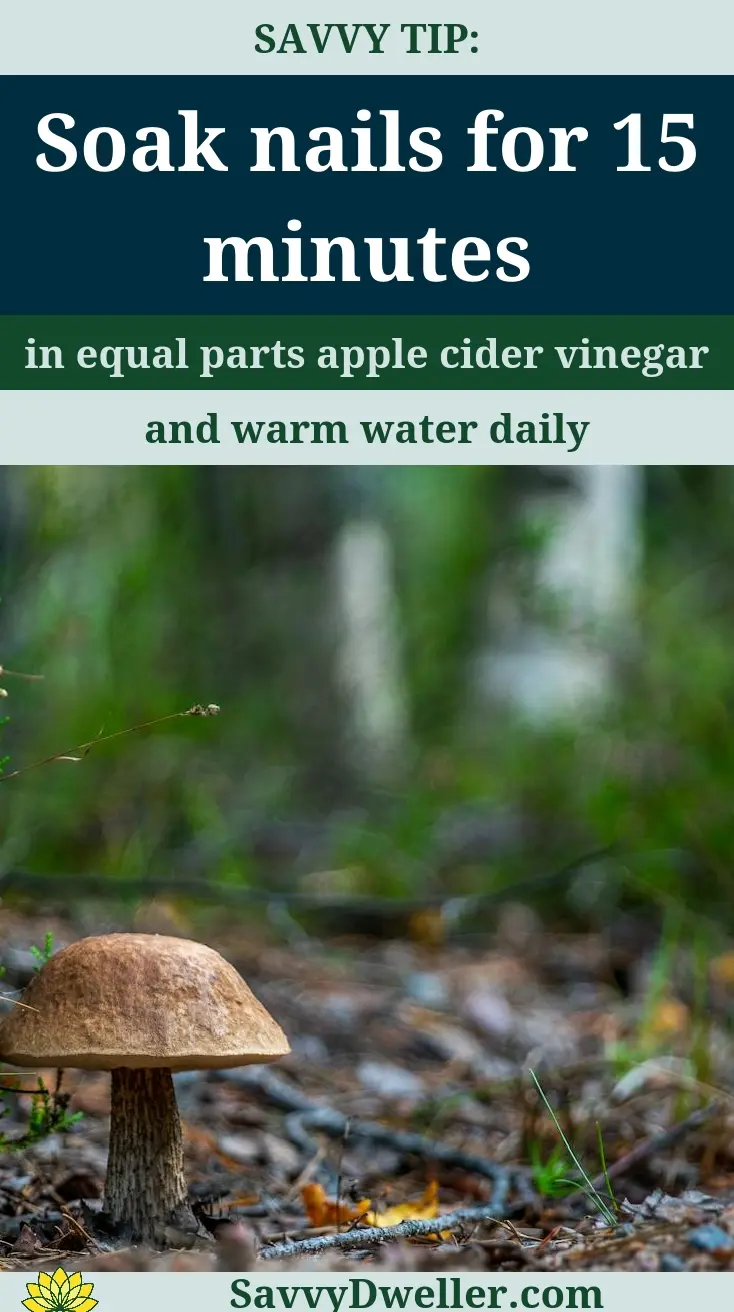
Choose raw, unfiltered apple cider vinegar with “the mother”-this cloudy sediment contains beneficial enzymes and acids. Mix equal parts ACV and warm (not hot) water in a clean basin large enough to submerge your toes.
The 20-minute Soak Technique
Proper Dilution Ratios
Use a 1:1 ratio of ACV to water for daily soaks. If you have sensitive skin or open cracks, start with a milder 1:2 ratio (one part ACV to two parts water) and gradually increase strength as tolerated.
Frequency and Duration Guidelines
Soak affected feet once daily for 15–20 minutes. Consistency is key-most people using vinegar toenail fungus protocols see gradual improvement after 6 to 8 weeks of daily use. Continue treatment for at least two weeks after visible signs disappear to help prevent recurrence.
Post-soak Care Instructions
After soaking, rinse feet with clean water and pat completely dry—moisture left between toes can undo progress. Apply a natural moisturizer like coconut oil to surrounding skin to prevent dryness, but avoid sealing the nail under thick creams immediately after treatment. Wearing clean, dry cotton socks and breathable shoes afterward helps maintain the healing process. Incorporating a DIY foot soak into your routine can further enhance softness, especially for cracked heels. The ultimate DIY foot soak recipe can leave your feet feeling rejuvenated and smooth.
3. Baking Soda Paste Application
Ph Balancing Properties for Nail Environment
Baking soda helps neutralize the acidic environment fungi thrive in by gently raising the pH around the nail. This shift can make it harder for fungus to grow and spread, supporting a healthier nail bed. It’s a simple yet effective way to complement other remedies in your routine for home remedies to get rid of nail fungus.
Creating the Perfect Consistency Paste
The right texture ensures the paste stays on the nail without dripping or drying too fast. Too thick, and it won’t spread evenly; too thin, and it slides off before it can work.
Application and Timing Protocol
Mixing Instructions
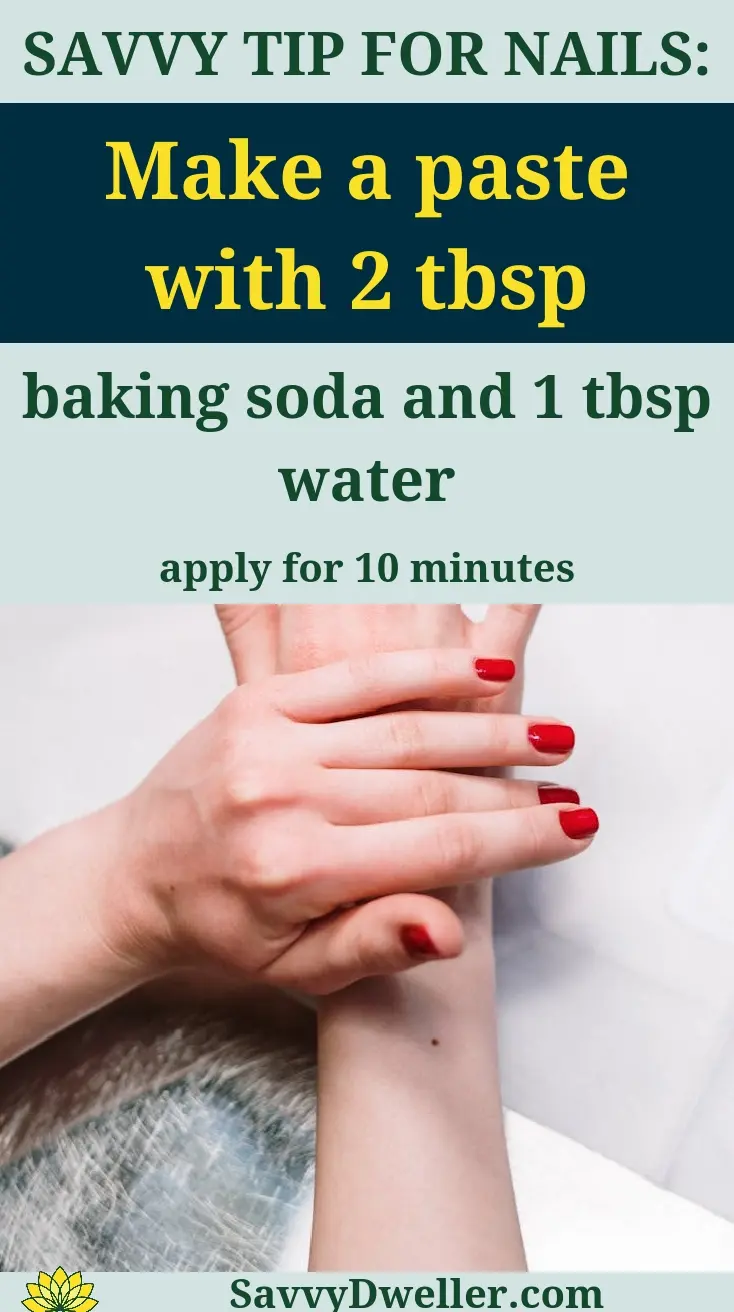
- Combine 1 tablespoon of baking soda with just enough water to form a thick, spreadable paste-about 1 to 2 teaspoons.
- Stir until smooth with no lumps. For added antifungal support, substitute water with diluted apple cider vinegar (1:1 ratio with water).
Coverage Technique
- Clean and dry the affected nail thoroughly.
- Using a cotton swab or clean fingertip, apply the paste directly to the entire nail surface and surrounding skin.
- Let it sit for 10 minutes, then rinse with lukewarm water and pat dry completely.
- Repeat once or twice daily for best results with this natural home remedy for toenail fungus.
Combining With Other Natural Ingredients
Baking soda pairs well with tea tree oil or coconut oil for enhanced effects. Add 2–3 drops of tea tree oil to the paste for extra antifungal action, or mix with melted coconut oil for added moisture-ideal for those using multiple toenail fungus treatments at home.
4. Oregano Oil Concentrated Treatment
Natural Compounds That May Support Nail Health
Oregano oil contains carvacrol and thymol-potent compounds studied for their antimicrobial properties. These components may help create an unfavorable environment for fungal growth, making oregano oil a powerful option among natural remedies for toenail fungus.
Essential Dilution Requirements
Never apply oregano oil directly to the skin-it’s highly concentrated and can cause irritation. Always dilute it with a carrier oil to ensure safe, gentle use as part of your home remedy for nail fungus.
Targeted Application Method
Carrier Oil Selection
- Use cold-pressed olive oil, fractionated coconut oil, or jojoba oil.
- Mix 2–3 drops of oregano oil with 1 teaspoon of carrier oil for a safe 2–3% dilution.
Precise Application Technique
- Wash and dry your feet thoroughly, especially between toes.
- Dip a clean cotton swab into the diluted oil mixture.
- Apply only to the affected nail and immediate surrounding skin-avoid healthy tissue.
- Let it absorb for 10–15 minutes before putting on socks or shoes.
- Use once daily, ideally at night, as part of your natural toenail fungus treatment routine.
Managing Skin Sensitivity
Test the diluted oil on a small patch of skin (like your inner forearm) 24 hours before using it on your nails. If redness, itching, or burning occurs, discontinue use. This precaution is especially important for those with sensitive skin exploring home remedies for nail fungus in the toenails.
5. Epsom Salt Therapeutic Soaks
Mineral Benefits for Nail and Skin Wellness
Epsom salt (magnesium sulfate) doesn’t kill fungus directly, but it softens nails, reduces inflammation, and draws out impurities. Regular soaks create a cleaner, drier environment-less inviting for fungal growth-which supports overall healthy toenails remedies.
Preparing the Optimal Soaking Solution
- Fill a clean basin with enough warm water to cover your toes.
- Add ½ to 1 cup of Epsom salt per gallon of water.
- Stir until fully dissolved before soaking.
The Complete Soaking Protocol
Water Temperature Guidelines
Use comfortably warm water-not hot. Ideal temperature is between 92°F and 100°F (33°C–38°C). Hot water can dry out skin and worsen cracks, creating entry points for more infection.
Soaking Duration and Frequency
- Soak feet for 15–20 minutes per session.
- Do this 3–4 times per week.
- After soaking, dry feet thoroughly-especially between toes-with a clean towel.
- Follow with an antifungal oil or paste if using combination therapy for get rid of toenail fungus at home.
Enhanced Soak Combinations
Boost effectiveness by adding ¼ cup of apple cider vinegar or 5–10 drops of tea tree oil to the Epsom salt soak. This turns a simple mineral bath into a multitasking remedy for stubborn cases among natural treatment for toenail fungus options.
6. Hydrogen Peroxide Gentle Treatment
Oxygenating Properties for Nail Environment
Hydrogen peroxide releases oxygen when it contacts organic material, which may help disrupt fungal cells. While not a standalone cure, it can support a cleaner nail surface when used carefully as part of your home remedies to get rid of nail fungus.
Safe Concentration Levels
Use only 3% hydrogen peroxide—the standard over-the-counter strength. Higher concentrations can damage skin and nail tissue. Never use industrial-grade or undiluted peroxide on your feet. When looking to whiten teeth, it’s essential to follow safety guidelines. Always ensure you’re using the correct concentration of hydrogen peroxide to achieve the best results without harming your enamel.
Application Methods and Timing
Direct Application Technique
- Pour a small amount of 3% hydrogen peroxide into a clean bowl.
- Dip a cotton ball or swab and apply directly to the affected nail.
- Let it bubble for 1–2 minutes, then rinse with water and dry thoroughly.
- Use once daily, preferably in the evening.
Soaking Method Alternative
- Mix equal parts 3% hydrogen peroxide and distilled water.
- Soak affected toes for 10 minutes.
- Rinse, then pat dry completely.
- Limit to 2–3 times per week to avoid skin dryness.
Precautions for Sensitive Skin
Hydrogen peroxide can cause dryness, stinging, or irritation-especially on cracked or broken skin. If you experience discomfort, reduce frequency or discontinue use. Always follow with a moisturizer like coconut oil to protect the skin barrier while pursuing your goal to get rid of nail fungus home remedy style.
7. Coconut Oil Daily Moisturizing Treatment
Natural Fatty Acids That May Aid Nail Health
Coconut oil contains lauric acid, a medium-chain fatty acid with properties that may support a healthy nail environment. Regular use can help maintain moisture balance around the nail bed, which is key when exploring home remedies for nail fungus in the toenails. Dry, cracked skin can create entry points for microbes, so keeping the area nourished is a smart preventive step. Additionally, the moisturizing properties of coconut oil make it beneficial for skin overall, showcasing some of the many reasons to consider its use, including for nourishing your skin as detailed in the ’10 amazing benefits coconut oil skin’ list.
Selecting Quality Coconut Oil
Choose unrefined, cold-pressed, virgin coconut oil. This version retains more of its natural compounds compared to refined or deodorized types. Look for oils that are solid at room temperature and melt smoothly when warmed—this indicates minimal processing and higher purity, which matters for natural toenail fungus treatment routines. Coconut oil also plays a key role in DIY hand scrubs, helping to soothe dry, cracked hands effectively. A simple blend of coconut oil with sugar can create one of the best DIY hand scrubs to restore moisture and softness.
Massage and Absorption Technique
Warming and Application Process
- Scoop a small amount (about ½ teaspoon) of coconut oil into your palm.
- Rub your hands together for 10–15 seconds to gently warm and liquefy the oil.
- Massage the oil thoroughly into the affected nail, cuticle, and surrounding skin for 1–2 minutes to encourage absorption.
- Apply twice daily-morning and night-for consistent support.
Overnight Treatment Option
For deeper penetration, apply a thicker layer before bed and wear clean cotton socks. This creates a gentle occlusive barrier that locks in moisture and allows the oil to work longer-ideal for those using toenail fungus treatments at home as part of a nightly routine.
Combining With Essential Oils
To enhance your home remedy for toenail fungus, mix 2–3 drops of tea tree or oregano oil into 1 teaspoon of coconut oil. Always patch-test first. The coconut oil acts as a carrier, reducing the risk of skin irritation while delivering the added benefits of the essential oil directly to the nail area.
8. Listerine Mouthwash Soaking Method
Active Ingredients That May Support Nail Wellness
Listerine’s original amber formula contains thymol, eucalyptol, menthol, and methyl salicylate-ingredients that create an environment less favorable for microbial growth. Though not designed for feet, many turn to this accessible option when seeking affordable remedies for toenail fungus at home.
Choosing the Right Listerine Formula
Only use the original antiseptic Listerine (amber color), not the zero-alcohol or flavored variants. The active botanical ingredients and alcohol content in the classic formula are what make it a popular choice among those using home remedies to get rid of nail fungus.
The Foot Soak Protocol
Preparation and Dilution
- Fill a basin with equal parts original Listerine and warm water (e.g., 1 cup Listerine + 1 cup water).
- Ensure the mixture is comfortably warm-not hot-to avoid skin irritation.
- Soak only the affected toes or entire foot if multiple nails are involved.
Soaking Schedule Recommendations
Soak for 15–20 minutes, 3–4 times per week. Consistency matters more than frequency-daily soaking may dry out the skin. After soaking, pat your feet dry thoroughly, especially between the toes, to support your overall natural treatment for toenail fungus plan.
Cost-effective Treatment Approach
At a fraction of the cost of specialty antifungal products, Listerine offers a budget-friendly option for those exploring how to remove nail fungus naturally. While results vary, its accessibility and ease of use make it a common addition to toenail fungus remedy at home regimens.
5 Habits to Keep Nail Fungus From Coming Back
Daily Foot Hygiene Practices
Proper Washing and Drying Techniques
- Wash feet daily with mild soap and warm water.
- Scrub gently between toes and under nails using a soft brush.
- Dry thoroughly with a clean towel-moisture is a key trigger for recurrence.
Nail Trimming and Care Guidelines
- Trim nails straight across to prevent ingrown edges.
- Use clean, sterilized clippers-wipe with rubbing alcohol after each use.
- Avoid cutting cuticles, which act as a barrier against microbes.
Footwear and Sock Management
Breathable Material Selection
Opt for shoes made of natural materials like leather or canvas, and socks crafted from moisture-wicking fibers such as cotton or bamboo. These choices support airflow and reduce sweat buildup-critical for maintaining healthy toenails remedies long-term.
Regular Cleaning and Rotation
- Rotate between at least two pairs of shoes to allow 24–48 hours of drying time between wears.
- Wash socks in hot water and dry on high heat to kill lingering microbes.
- Disinfect shoes weekly with antifungal sprays or UV sanitizers.
Environmental Prevention Strategies
Home and Public Space Precautions
Always wear flip-flops in communal showers, pools, and gyms. At home, disinfect bathroom floors and tubs regularly, especially if others in the household have fungal concerns. These steps are vital for anyone using home remedies for nail fungus who wants lasting results.
Moisture Control Techniques
- Use antifungal powders in shoes and between toes if you sweat heavily.
- Change socks immediately after exercise or swimming.
- Place silica gel packs in shoe storage areas to absorb ambient moisture.
Nail Health Supporting Practices
Nourish your nails from within by staying hydrated and eating a balanced diet rich in biotin, zinc, and protein. Healthy nail growth supports resilience against future infections—complementing your use of natural home remedies for toenail fungus. Including foods that promote stronger, healthier nails, such as leafy greens and nuts, can further enhance their growth and appearance.
When to Seek Professional Guidance
If you don’t see improvement after 8–12 weeks of consistent toenail fungus home remedies, or if the nail becomes painful, thickened, or starts to separate from the nail bed, consult a healthcare provider. Persistent cases may require medical evaluation to rule out other conditions or discuss stronger treatment options.
Frequently Asked Questions About Natural Nail Fungus Remedies
Is Nail Fungus Contagious, and How Can I Prevent Spreading It to Others?
Yes, nail fungus is contagious and can spread through direct contact or contaminated surfaces. Avoid sharing personal items like towels, nail clippers, or shoes to reduce transmission risk. Always wear flip-flops in public showers or pools, and disinfect any surfaces that come into contact with infected nails regularly.
To protect others in your household, wash your hands thoroughly after touching affected nails and keep your feet dry and clean. If multiple people use the same bathroom, consider using a separate bath mat and cleaning it frequently with hot water and antifungal solutions.
Can I Use Multiple Home Remedies Simultaneously for Better Results?
While combining remedies might seem effective, it’s generally safer to use one treatment at a time to monitor your skin’s reaction and avoid irritation. For example, using tea tree oil in the morning and an apple cider vinegar soak at night could overwhelm the nail bed. Start with a single remedy for at least 4-6 weeks to assess its effectiveness before considering alternatives.
If you wish to combine approaches, consult a healthcare provider first, especially if you have sensitive skin. Some gentle combinations, like applying coconut oil after a baking soda paste, may be tolerable, but avoid mixing potent essentials oils like oregano and tea tree oil without professional guidance.
What Are the Visual Signs That a Home Remedy is Effectively Working?
Look for gradual improvements such as reduced discoloration (yellow or white spots fading) and decreased thickening of the nail. The nail should start growing out clearer from the cuticle area after several weeks of consistent treatment. Healthy new nail growth is a key indicator that the fungus is retreating.
Additionally, watch for reduced brittleness or crumbling around the edges. If you see no changes after 8-12 weeks, or if symptoms worsen, it may be time to switch remedies or seek medical advice. Document progress with photos monthly to track subtle changes.
Are There Any Home Remedies That Are Not Recommended for Nail Fungus?
Avoid using bleach or undiluted household chemicals, as they can cause severe skin damage and are ineffective for deep nail infections. Similarly, remedies like garlic or vinegar paste might be too harsh if applied undiluted, leading to burns or increased irritation.
Steer clear of “quick fix” solutions promoted online without scientific backing, such as applying alcohol or acetone. These can dry out the nail bed, making it more susceptible to infection. Always prioritize gentle, well-researched options like tea tree oil or coconut oil, and patch-test any new remedy on a small skin area first.
Final Words
Natural remedies can provide meaningful support for nail wellness when used consistently and safely. The eight methods we’ve covered offer gentle, accessible approaches that many find helpful in their nail care routines. Remember that patience remains key-natural solutions work gradually, often requiring several weeks to months of dedicated application.
Start with one remedy that appeals to you most, maintain consistent daily application, and combine it with proper foot hygiene practices for optimal results. If you don’t see improvement after 2-3 months of faithful use, or if symptoms worsen, consulting a healthcare professional becomes important for your overall nail health.
For more natural wellness solutions and home care tips that support your healthy lifestyle, explore our extensive collection of guides at Savvy Dwelling. We’re here to support your journey toward better health with research-backed, practical advice you can trust.
References You Might Like:
- Toenail Fungus OTC and Home Remedies: What’s Worth Trying?
- Try One of These 10 Home Remedies for Toenail Fungus
- How to Cure Fingernail Fungus Fast: Treatments and Remedies