The Best Natural Diuretics to Reduce Water Retention and Bloating
Waking up with swollen fingers, tight-fitting clothes, or that uncomfortable puffy feeling can make even the simplest daily tasks feel overwhelming. You’re not imagining it, and you’re definitely not alone in dealing with water retention and bloating that seems to appear out of nowhere. Whether it’s hormonal changes, dietary choices, or lifestyle factors, your body’s natural water balance can easily get disrupted.
The good news is that nature provides gentle, effective solutions that can help restore your body’s fluid balance without harsh chemicals or side effects. We’ve researched and tested the most effective natural diuretics that actually work, breaking down the science into simple, actionable steps you can start using today. You’ll learn exactly how to use these time-tested remedies safely, what results to expect, and how to create a sustainable routine that keeps water retention under control.
Contents
- At a Glance: The Best Natural Diuretics
- The Science Made Simple: Why Water Retention and Bloating Happen
- 1. Dandelion: Nature’s Gentle Water Pill
- 2. Green Tea: The Antioxidant-rich Diuretic
- 3. Parsley: The Kitchen Herb That Fights Bloating
- 4. Natural Apple Cider Vinegar for Water Balance
- 5. Watermelon and Natural Water-rich Foods
- 6. Nettle Leaf: The Traditional Herbal Support
- Common Mistakes to Avoid When Using Natural Diuretics
- Frequently Asked Questions (FAQ)
- Final Words
At a Glance: The Best Natural Diuretics
If you’re looking for gentle, effective ways to reduce water retention and bloating, nature offers a powerful toolkit. Below is a quick-reference guide to natural diuretics—what they’re best for, how to use them, and when you might start noticing results. Incorporating natural diuretics can help manage bloating and water weight effectively. By using these remedies, one can promote healthier bodily functions and improve overall comfort.
| Natural Diuretic | Best For | How to Use | Results Timeline |
|---|---|---|---|
| Dandelion | Gentle daily bloating relief, mild edema | Tea, tincture, or capsule form; 1–2 cups of tea daily | 8–24 hours for initial relief; consistent use over 2–3 days enhances effects |
| Green Tea | Antioxidant support + mild diuretic action | 1–3 cups daily, brewed at 160–180°F (70–80°C) | Noticeable within a day; best with regular intake |
| Parsley | Fast-acting relief, especially after salty meals | Fresh tea (steep ¼ cup chopped leaves in hot water) or raw in salads | Within 6–12 hours; ideal for occasional bloating |
| Apple Cider Vinegar (ACV) | Balancing potassium and fluid levels | 1–2 tsp in 8 oz water, once or twice daily before meals | 1–2 days with consistent use |
| Watermelon | Hydration + paradoxical diuretic effect | 1–2 cups fresh fruit or seed tea (boil crushed seeds 10 mins) | Same day; effects peak within hours |
| Nettle Leaf | Traditional support for chronic water retention | Dried leaf tea (1–2 tsp per cup, steep 10 mins), 1–3 times daily | 24–48 hours; builds with continued use |
These natural diuretics for water retention are not just quick fixes-they’re part of a holistic approach to fluid balance. When used wisely, they help your body flush excess water without the harshness of synthetic options.
For best results, pair these remedies with reduced sodium intake, movement, and adequate hydration. The most effective natural water pill for bloating often combines multiple diuretic ingredients working in harmony with your body’s rhythms.
The Science Made Simple: Why Water Retention and Bloating Happen
Understanding Your Body’s Natural Water Balance
Your body carefully balances fluids through a mix of hormones, kidney function, and electrolyte levels. When this system is disrupted-even slightly-it can lead to excess fluid buildup in tissues, especially in the abdomen, hands, and feet. This imbalance is what causes that uncomfortable puffiness known as water retention and bloating.
Common Triggers for Water Retention
Hormonal Changes and Monthly Cycles
Fluctuations in estrogen and progesterone during your menstrual cycle can signal your kidneys to hold onto more sodium and water. Many people notice increased bloating a few days before their period starts—a common, natural response that usually resolves on its own. Paying attention to what you eat during this time can also help manage discomfort and bloating. Foods rich in potassium, like bananas, can be particularly beneficial for alleviating water retention.
Dietary Factors and Sodium Intake
Eating too much sodium is one of the fastest ways to trigger water retention. Processed foods, restaurant meals, and even “healthy” snacks often contain hidden salt. When sodium levels rise, your body pulls water into your bloodstream to dilute it, leading to puffiness and swelling.
Lifestyle and Physical Activity
Sitting or standing for long periods slows circulation, especially in your legs. This can cause fluid to pool in your lower extremities, making your shoes feel tighter by evening. Conversely, consistent movement supports lymphatic drainage and kidney function-key players in reducing water retention and bloating. To counteract these issues, simple exercises and stretches can help improve blood circulation in your legs and feet. Maintaining good blood flow is essential for overall leg health and comfort.
1. Dandelion: Nature’s Gentle Water Pill
How Dandelion Supports Natural Water Balance
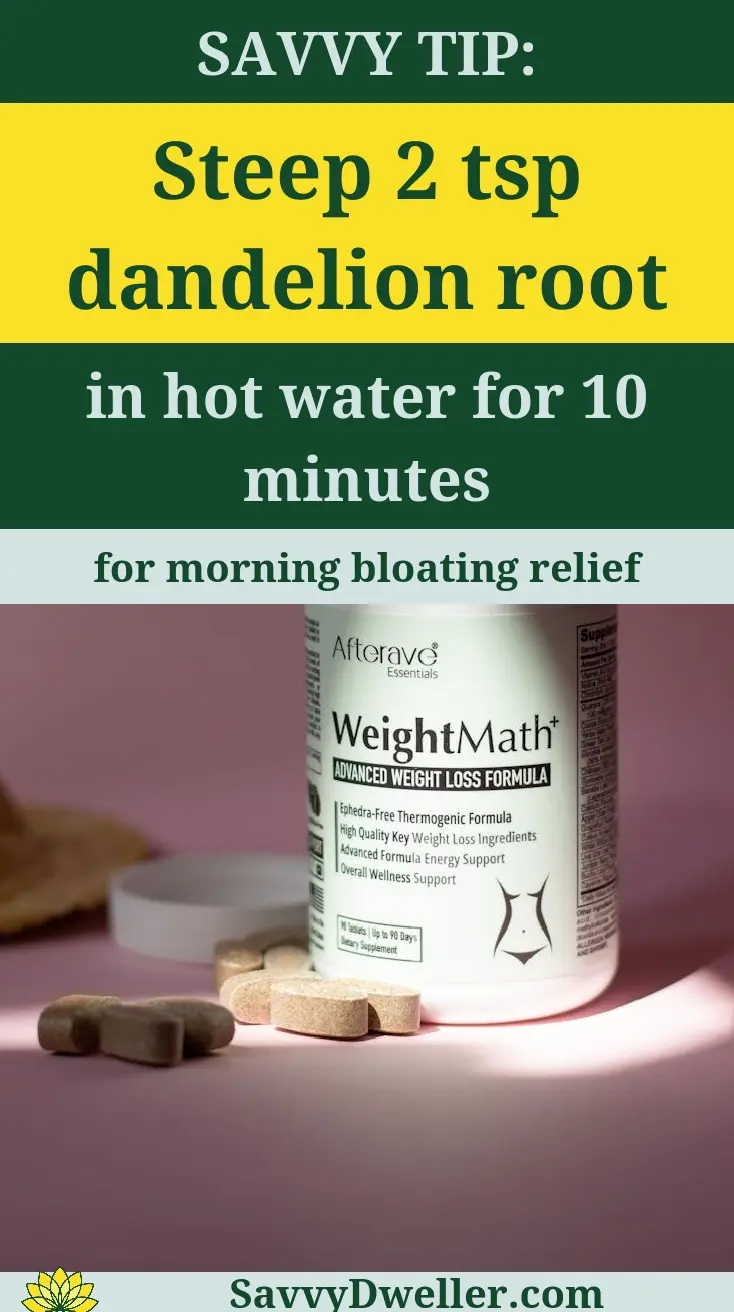
Dandelion (Taraxacum officinale) has been used for centuries as a natural diuretic. Its leaves contain potassium, which helps your kidneys flush out excess sodium and water without depleting this crucial electrolyte-unlike many synthetic diuretics. Research suggests dandelion may increase urine output within hours of consumption, making it one of the best natural diuretics for quick, gentle relief.
Best Ways to Use Dandelion for Bloating Relief
Fresh Dandelion Tea Recipe
- Harvest 1–2 tablespoons of fresh, pesticide-free dandelion leaves (or use 1 teaspoon dried leaves).
- Pour 1 cup of hot (not boiling) water over the leaves.
- Steep for 5–10 minutes, then strain.
- Drink once or twice daily, preferably between meals.
Dandelion Leaf Supplements
- Capsules: Standardized to 500 mg, taken 1–2 times per day with water.
- Tinctures: 1–2 mL in water, up to three times daily.
- Always choose alcohol-free extracts if you’re sensitive or avoiding alcohol.
What to Expect and Timeline for Results
Many people report feeling lighter within 6–12 hours of their first dose. For consistent bloating tied to cycles or diet, daily use over 3–5 days often yields noticeable reduction in puffiness and waistline tightness. Keep in mind that dandelion works best when paired with adequate hydration and reduced sodium intake.
Also See: The Fastest Way to Lose 9 Pounds (Safely & Easily)
2. Green Tea: The Antioxidant-rich Diuretic
Why Green Tea Helps Reduce Water Weight
Green tea contains catechins and a modest amount of caffeine—both contribute to its natural diuretic effect. Unlike strong stimulants, green tea gently encourages kidney filtration while delivering anti-inflammatory compounds that soothe digestive swelling. It’s a dual-action remedy: it helps reduce water retention in the body and calms bloating from gas or sluggish digestion. Additionally, many herbal teas, like peppermint and chamomile, are also known for their soothing effects on upset stomachs, making them great options for improving digestion.
Optimal Brewing Methods for Maximum Benefits
Daily Serving Recommendations
- 2–3 cups per day is ideal for diuretic support without overstimulation.
- Use loose-leaf or high-quality tea bags to avoid added fillers or artificial flavors.
- Avoid adding sugar or artificial sweeteners-they can worsen bloating.
Best Times to Drink Green Tea
- Morning: Kickstarts metabolism and fluid processing for the day.
- Early afternoon: Helps counteract midday sodium buildup from lunch.
- Avoid after 4 p.m. if you’re sensitive to caffeine-it can disrupt sleep.
Combining Green Tea With Other Natural Diuretics
Green tea pairs well with other natural diuretic herbs like dandelion or parsley. Try alternating green tea with dandelion tea throughout the day for sustained fluid balance without electrolyte loss. You can also add a squeeze of lemon—rich in bioflavonoids—to enhance its diuretic ingredients and support kidney function. Just remember: more isn’t always better. Stick to moderate use to avoid dehydration. Incorporating green tea into your routine not only supports hydration, but also offers numerous health benefits, including antioxidant properties and improved metabolism.
3. Parsley: The Kitchen Herb That Fights Bloating
The Active Compounds That Aid Water Release
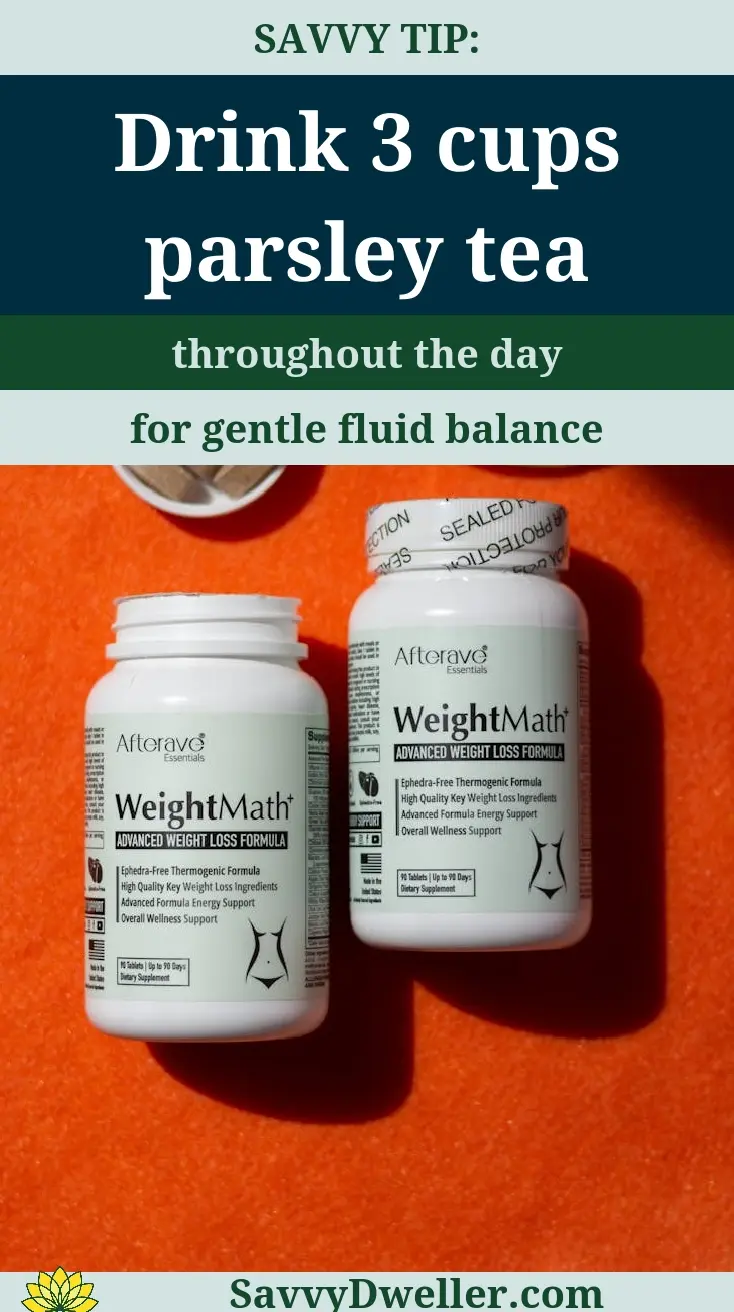
Parsley contains apiol and myristicin-two natural compounds that stimulate kidney function to help your body release excess fluid. These diuretic ingredients work gently without depleting your potassium stores, unlike some synthetic options. That’s why parsley ranks among the best natural diuretics for bloating and water retention.
Simple Parsley Preparations for Daily Use
You don’t need exotic supplements to benefit from parsley’s natural diuretic power. A few sprigs from your kitchen can become a potent anti-bloating ally when used consistently.
Fresh Parsley Tea Method
- Rinse ½ cup of fresh flat-leaf parsley leaves and stems thoroughly.
- Chop finely and place in a heatproof mug.
- Pour 1 cup of boiling water over the parsley.
- Cover and steep for 10–15 minutes.
- Strain and sip warm, up to twice daily.
Adding Parsley to Your Meals
- Blend into smoothies or green juices for a mild, fresh flavor.
- Sprinkle chopped parsley over roasted vegetables, soups, or grain bowls.
- Use as a garnish on grilled fish or lean proteins to boost intake without extra sodium.
Signs Your Body is Responding Well
You’ll notice reduced puffiness around your abdomen, ankles, or fingers within a day or two of consistent use. If bloating eases without triggering fatigue or frequent urination at night, parsley is likely supporting your body’s natural rhythm. These subtle shifts confirm you’re on the right track with this gentle, food-based natural water pill for bloating.
4. Natural Apple Cider Vinegar for Water Balance
How ACV Supports Healthy Fluid Levels
Apple cider vinegar (ACV) contains potassium and acetic acid, which may help balance sodium levels—a common culprit behind water retention. By supporting electrolyte equilibrium, ACV acts as a mild, natural diuretic for bloating without harsh side effects. It’s a favorite among those seeking natural ways to get rid of water weight safely. Additionally, utilizing ACV can provide numerous health benefits beyond just reducing bloating, such as aiding digestion and supporting weight management, which are part of the 20 proven health benefits of apple cider vinegar.
Safe Daily Dosing and Preparation
Always use raw, unfiltered ACV with the “mother” for maximum benefit, and never consume it undiluted-it can irritate your throat and enamel.
The Morning ACV Drink Recipe
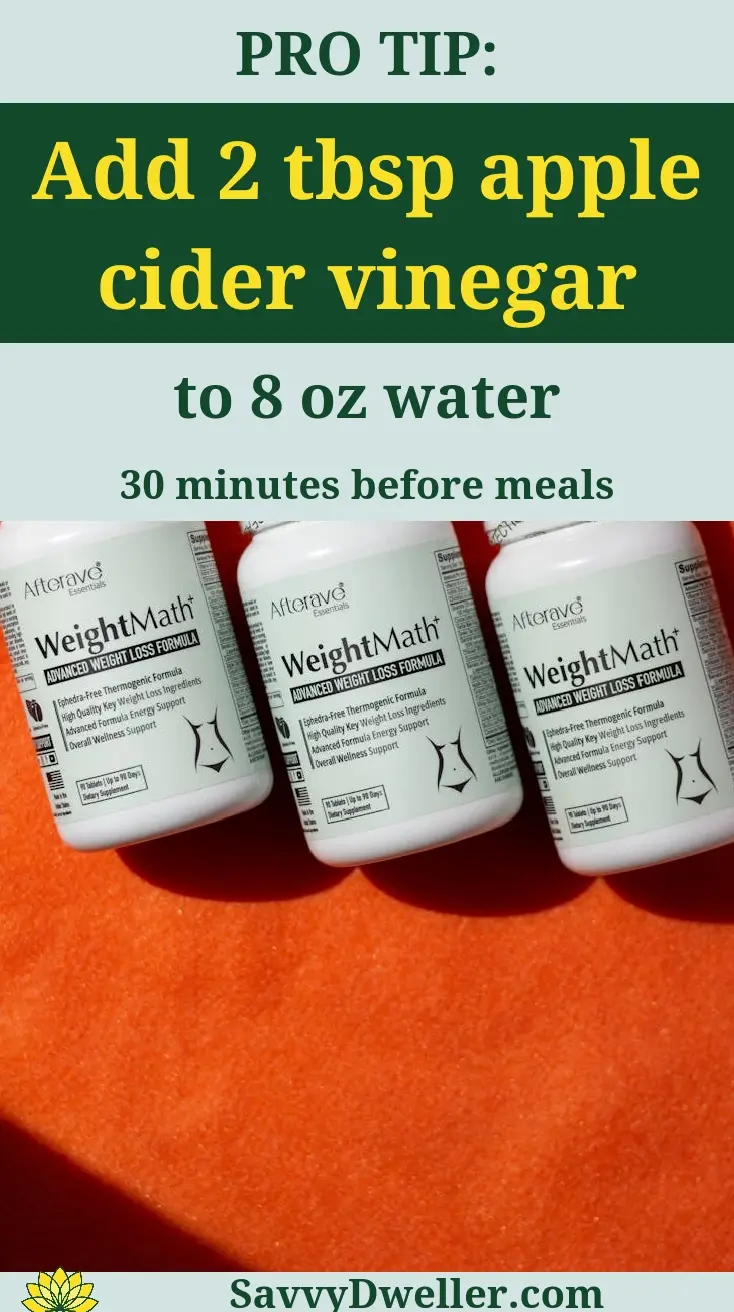
- Mix 1–2 teaspoons of raw apple cider vinegar into 8 ounces of room-temperature water.
- Add a squeeze of fresh lemon juice (optional, for flavor and extra potassium).
- Drink on an empty stomach, 20–30 minutes before breakfast.
- Repeat once in the early afternoon if needed, but not later-ACV can disrupt sleep for some.
Dilution Ratios for Sensitive Stomachs
- Start with ½ teaspoon ACV per 8 oz water to test tolerance.
- Gradually increase to 1 teaspoon only if no discomfort occurs.
- Always sip through a straw and rinse your mouth with plain water afterward.
Tracking Your Progress With ACV
Keep a simple daily note: record bloating levels (1–5 scale), energy, and urine frequency. Most people see noticeable relief from water retention in 2–3 days when ACV is paired with reduced salt intake. If puffiness persists beyond a week, it may signal a need to explore other root causes.
5. Watermelon and Natural Water-rich Foods
Understanding Paradoxical Diuretic Foods
Some foods-like watermelon-are so high in water and natural electrolytes that they actually encourage your body to release excess fluid rather than hold onto it. This “paradox” makes them powerful diuretic foods for bloating, even though they’re mostly water themselves. Their potassium and magnesium content help flush sodium, reducing water retention in body tissues.
Best Water-rich Foods for Reducing Retention
These anti-bloating foods work synergistically when eaten together:
- Watermelon (92% water, rich in lycopene and potassium)
- Cucumber (95% water, contains silica and flavonoids)
- Celery (96% water, with sodium-balancing phthalides)
- Cantaloupe and strawberries (high in water and natural diuretic compounds)
Watermelon Seed Tea Preparation
- Collect 1 tablespoon of dried watermelon seeds (available online or dry your own).
- Crush lightly with a mortar and pestle.
- Boil in 2 cups of water for 10 minutes.
- Strain and drink 1 cup in the morning, 1 in the afternoon.
Cucumber and Celery Combinations
- Blend 1 cup chopped cucumber + 2 celery stalks + mint + lime for a hydrating anti-bloating juice.
- Chill and sip slowly-this combo delivers silica, potassium, and water to gently reduce swelling.
- Use as a midday snack or post-meal digestive aid to curb bloating after salty meals.
Creating Daily Hydrating Meal Plans
Build meals around water-rich produce to naturally reduce water retention and bloating. Start breakfast with watermelon slices, lunch with a cucumber-celery salad, and dinner with herb-roasted zucchini and parsley garnish. This approach turns your plate into a home remedy for bloating-one that nourishes while it balances. Consistent use of these foods provides a steady, gentle form of natural water pill support without pills or powders.
6. Nettle Leaf: The Traditional Herbal Support
Historical Use and Modern Understanding
Nettle leaf has been used for centuries in European and Middle Eastern folk medicine as a natural remedy for fluid balance and joint support. Today, science points to its high potassium content and flavonoid compounds-like quercetin-as key diuretic ingredients that gently encourage the kidneys to release excess fluid without depleting essential electrolytes.
Among natural diuretic herbs, nettle stands out for its dual action: it supports both water release and overall kidney function, making it a thoughtful addition to your anti-bloating toolkit.
Preparing Nettle for Safe Home Use
Whether you choose dried or fresh nettle, proper handling ensures both safety and effectiveness. The stinging hairs on raw nettle leaves can irritate skin, but heat neutralizes them-so never consume fresh nettle raw.
Dried Nettle Tea Instructions
- Boil 1 cup of filtered water.
- Place 1–2 teaspoons of dried nettle leaf in a tea infuser or teapot.
- Pour hot water over the herb and steep for 10–15 minutes.
- Strain and enjoy warm. You can drink 1–3 cups daily as part of your natural diuretic routine.
Fresh Nettle Handling Safety
- Always wear gloves when harvesting or handling fresh nettle.
- Rinse leaves thoroughly under cold water.
- Blanch or steam for at least 2 minutes to deactivate stinging compounds before using in soups or teas.
- Never consume raw-this applies even if you’ve handled it carefully.
Combining Nettle With Other Natural Remedies
Nettle pairs well with other gentle diuretics like dandelion root or parsley to create a synergistic blend that supports fluid balance without overstimulating the system. Try mixing equal parts dried nettle and dandelion leaf for a soothing tea that acts as a natural water pill for bloating. Utilizing natural remedies like nettle and dandelion can help say goodbye to that uncomfortable feeling of bloating. Alongside these herbal solutions, exploring remedies specifically aimed at natural gas relief can greatly enhance your overall comfort.
When blended thoughtfully, these natural water pills enhance each other’s effects while reducing the risk of dehydration or electrolyte imbalance.
Common Mistakes to Avoid When Using Natural Diuretics
Overdoing Natural Remedies
Just because something is natural doesn’t mean more is better. Taking excessive amounts of dandelion, nettle, or parsley can lead to frequent urination, fatigue, or even electrolyte disturbances. Stick to recommended doses-especially if you’re using multiple diuretic ingredients at once.
The best natural diuretics work gradually; pushing for quick natural diuretic effects often backfires.
Ignoring Proper Hydration While Using Diuretics
It seems counterintuitive, but drinking enough water is crucial when using diuretics for water retention. When your body senses dehydration, it holds onto fluid more tightly-making bloating worse. Aim for consistent, moderate water intake throughout the day, especially if you’re consuming herbal teas or diuretic foods for bloating.
Not Addressing Underlying Dietary Causes
Natural diuretics can soothe symptoms, but if you’re regularly eating high-sodium meals or processed foods, you’re fighting an uphill battle. Reduce added salt, increase potassium-rich foods like bananas and leafy greens, and limit refined carbs to support long-term fluid balance. Incorporating foods that lower blood pressure, such as berries and beets, can further enhance these benefits and promote overall heart health.
True relief from water retention and bloating comes from combining home remedies for bloating with smart dietary habits-not just masking the symptom.
When to Consult Healthcare Professionals
If bloating persists for more than a few days, is accompanied by swelling in the legs or abdomen, or occurs alongside shortness of breath or sudden weight gain, seek medical advice. These could be signs of a condition that needs professional evaluation-not just a case of mild fluid retention.
Natural diuretics for edema or chronic water retention should never replace medical care when symptoms point to a deeper issue.
Frequently Asked Questions (FAQ)
Are Natural Diuretics Safe for Everyone to Use?
While natural diuretics are generally safe for healthy individuals, certain groups should avoid them without medical advice. For example, if you have kidney disease, heart conditions, or are pregnant, these remedies could worsen health issues. Always consult a healthcare provider first to ensure they align with your specific health needs.
Can Natural Diuretics Interact With Medications I’m Currently Taking?
Yes, natural diuretics can interact with medications. If you take blood pressure drugs, lithium, or diabetes medications, natural options might enhance their effects or cause harmful side effects. It’s crucial to discuss with your doctor before starting any new remedy to prevent adverse interactions.
What Are the Potential Side Effects Of Using Natural Diuretics?
Common side effects include electrolyte imbalances, dehydration, or increased urination if overused. To minimize risks, stay hydrated by drinking plenty of water and monitor for symptoms like dizziness or muscle cramps. If these occur, reduce usage and seek medical attention.
How Do I Choose the Right Natural Diuretic for My Specific Situation?
Selecting the right option depends on your health goals and any underlying conditions. For mild bloating, gentle options like dandelion tea may suffice, while more persistent issues might require a combination approach. Start with one remedy at a time to see how your body responds, and adjust based on tolerance and results.
Is It Possible to Build a Tolerance to Natural Diuretics Over Time?
While tolerance is rare with natural diuretics, over-reliance can lead to reduced effectiveness or mask underlying health problems. To prevent this, cycle their use-take breaks periodically and focus on addressing root causes like diet and exercise for sustainable relief.
Final Words
Natural diuretics can be powerful allies in managing water retention and bloating when used thoughtfully and consistently. The key to success lies in starting slowly, staying well-hydrated, and paying attention to how your body responds to each remedy. Remember that these natural solutions work best as part of a balanced approach that includes mindful eating, regular movement, and adequate rest.
Your journey to reducing bloating doesn’t have to involve harsh chemicals or drastic measures. These gentle, time-tested natural remedies can help you find relief while supporting your overall wellness. Start with one or two options that appeal to you most, and gradually build a routine that fits your lifestyle.
Ready to take the next step toward feeling more comfortable in your own skin? Begin with the dandelion tea recipe or morning ACV drink tomorrow, and track how you feel over the next week. For more practical wellness solutions and home remedies that actually work, explore Savvy Dwelling for evidence-based guidance you can trust.