The Best Natural Remedies for Seasonal Allergies That Actually Work
Does spring’s arrival fill you with dread instead of joy because of sneezing, watery eyes, and constant congestion? You’re not alone—millions of people struggle with seasonal allergies that make beautiful weather feel like a prison sentence. The relentless cycle of antihistamines, nasal sprays, and sleepy days doesn’t have to be your only option.
This guide breaks down the most effective natural allergy remedies backed by research and real-world results. You’ll learn exactly how to use seven powerful natural solutions that can help your body better cope with seasonal allergens without the drowsiness and side effects of conventional medications. We’ve simplified the science and provided clear, actionable steps so you can reclaim your favorite seasons.
Contents
- At a Glance: The Best Natural Solutions
- The Science Made Simple: Why Seasonal Allergies Happen
- 1. Saline Nasal Rinse – the Gentle Cleanser
- 2. Local Honey – Nature’s Sweet Support
- 3. Quercetin – the Natural Antihistamine
- 4. Butterbur – the Respiratory Soother
- 5. Stinging Nettle – the Traditional Allergy Ally
- 6. Vitamin C – the Immune System Balancer
- 7. Bromelain – the Sinus Supporter
- Common Mistakes to Avoid When Using Natural Allergy Remedies
- Frequently Asked Questions About Natural Allergy Remedies
- Final Words
- Sources:
At a Glance: The Best Natural Solutions
| Remedy | How It Helps | Best For | Time to Relief |
|---|---|---|---|
| Saline Nasal Rinse | Flushes allergens from nasal passages | Congestion, runny nose | Immediate |
| Local Honey | May support tolerance to local pollens | General seasonal symptoms | 2-4 weeks |
| Quercetin | Natural antihistamine properties | Sneezing, watery eyes | 1-2 weeks |
| Butterbur | Supports respiratory comfort | Nasal congestion | 1-3 days |
| Stinging Nettle | Traditional allergy support herb | Multiple symptoms | 1-2 weeks |
| Vitamin C | Supports immune system balance | General inflammation | 1-2 weeks |
| Bromelain | Supports sinus comfort | Sinus pressure | 3-7 days |
The Science Made Simple: Why Seasonal Allergies Happen
Your Immune System’s Mistaken Identity
Your body is wired to protect you-but sometimes it overreacts. During seasonal allergy season, your immune system mistakes harmless pollen from trees, grasses, or weeds as a dangerous invader. This triggers a defensive response that leads to the sneezing, congestion, and itchy eyes you know all too well.
This misidentification is at the heart of all seasonal allergy symptoms-and understanding it is the first step toward finding relief with natural remedies for seasonal allergies.
The Role Of Histamine in Allergy Symptoms
Once your immune system sounds the alarm, it releases histamine-a chemical that causes inflammation and increases mucus production. That’s why your nose runs, your eyes water, and your throat feels scratchy.
Many of the best natural remedies for allergies work by helping to modulate this histamine response, not by suppressing it entirely-which is why they often feel gentler than conventional allergy treatments.
Why Natural Remedies May Offer Support
Natural seasonal allergy remedies focus on supporting your body’s balance rather than overriding it. Instead of blocking symptoms outright, they may help your system adapt, flush out irritants, or tone down the overreaction.
Think of them as allies for your immune system-encouraging smarter responses rather than constant defense mode. This approach is why many people turn to herbal allergy remedies, natural antihistamines, and other alternative remedies for seasonal allergies when over-the-counter options fall short.
1. Saline Nasal Rinse – the Gentle Cleanser
How Saline Irrigation Supports Nasal Health
Saline nasal rinsing physically flushes pollen, dust, and other allergens from your nasal passages. This simple act reduces the allergen load your immune system has to deal with—offering immediate, drug-free relief from congestion and post-nasal drip. Many people explore natural remedies like saline rinsing to relieve sinus pressure congestion, finding comfort in these simple techniques.
It’s one of the most effective best home remedies for seasonal allergies, especially when used daily during high-pollen days.
What You Need for Effective Nasal Rinsing
- Nasal irrigation device (neti pot, squeeze bottle, or bulb syringe)
- Non-iodized salt (preferably pure sodium chloride)
- Baking soda (optional, for buffering)
- Distilled, sterile, or previously boiled and cooled water
Step-by-step Nasal Rinse Technique
- Prepare your saline solution: Mix 1/4 to 1/2 teaspoon of non-iodized salt with 8 ounces of lukewarm distilled or boiled water. Add a pinch of baking soda if desired to reduce stinging.
- Pour the solution into your clean irrigation device.
- Lean over a sink, tilt your head sideways, and gently insert the spout into your upper nostril.
- Breathe through your mouth and allow the solution to flow through your nasal cavity and out the lower nostril.
- Repeat on the other side.
- Gently blow your nose to clear remaining fluid-don’t force it.
Choosing the Right Salt
Use pure, non-iodized salt without anti-caking agents. Iodine and additives can irritate sensitive nasal tissues. Fine-grain pickling or canning salt works well, as does pharmaceutical-grade sodium chloride—especially for delicate applications like stopping a nosebleed.
Water Temperature Guidelines
The ideal temperature is lukewarm-around body temperature (98°F or 37°C). Water that’s too hot can burn; water that’s too cold can cause discomfort or dizziness. Always test a drop on your wrist before use.
Safety Tips for Nasal Irrigation
Never use plain tap water-it may contain microbes like Naegleria fowleri that can cause serious infection. Always use distilled, sterile, or boiled (and cooled) water.
Clean your device thoroughly after each use and let it air-dry. Replace plastic devices every few months to prevent bacterial buildup.
Also See: The Best Natural Remedies for Razor Burn and Bumps
2. Local Honey – Nature’s Sweet Support
The Theory Behind Local Honey for Allergies
The idea is simple: local honey contains trace amounts of pollen from the very flowers and plants that trigger your seasonal allergies. By consuming small, regular amounts, your body may gradually build tolerance—similar to how allergy shots work, but far gentler. This gentle approach to managing allergies highlights just one of the health benefits of honey, which is often celebrated for its natural healing properties. Incorporating honey into your diet can support overall wellness while addressing seasonal discomforts.
While not a guaranteed fix, many find it a soothing part of their natural treatment for seasonal allergies routine-especially when started weeks before allergy season peaks.
How to Choose the Right Honey
Raw vs. Processed Honey
Raw honey is unfiltered and unpasteurized, preserving pollen, enzymes, and beneficial compounds. Processed honey is often heated and filtered, stripping away the very elements that may support allergy adaptation.
For natural seasonal allergy remedies, always choose raw, unfiltered honey-it’s the only kind that might offer meaningful support. It’s part of a broader approach that includes natural ways to boost your immune system during cold season.
Finding Truly Local Sources
“Local” means within a 10- to 50-mile radius of where you live-close enough that the pollen in the honey matches what’s in your air. Visit farmers’ markets, local apiaries, or co-ops. Ask beekeepers what blooms their bees forage on in spring (trees) or summer (grasses/weeds), depending on your allergy triggers.
Recommended Dosage and Timing
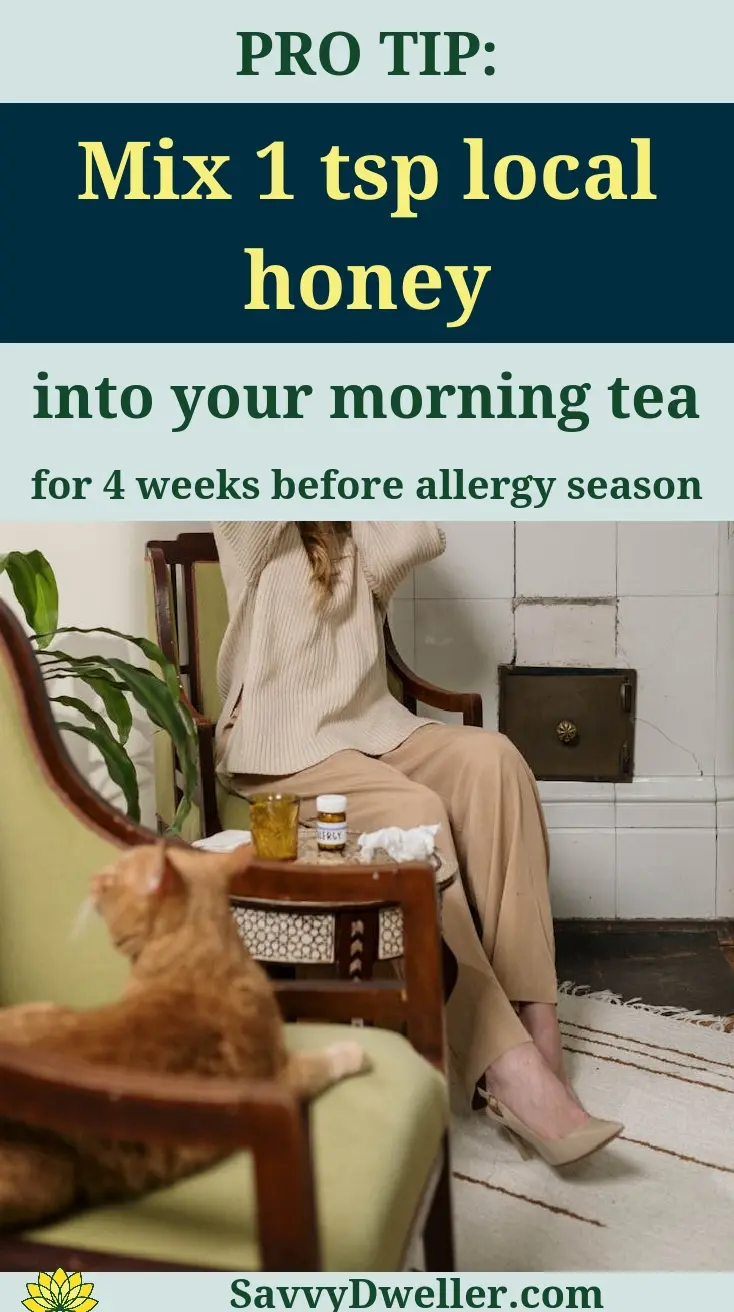
Start with 1/4 to 1/2 teaspoon of raw local honey once daily, ideally 4–6 weeks before your typical allergy season begins. Gradually increase to 1 teaspoon per day if well tolerated. For those dealing with sensitive skin, incorporating gentle ingredients like oats and honey can enhance your skincare routine. A soothing oatmeal honey scrub can be especially effective in calming irritation and hydrating the skin.
Take it in the morning-swirled into warm (not hot) tea, spread on toast, or straight from the spoon. Avoid giving honey to children under 1 year due to botulism risk.
What the Research Says
Scientific evidence is mixed. A small 2011 study showed modest improvement in allergy symptoms with birch pollen honey, but larger trials are limited. That said, the low risk and high enjoyment factor make it a popular choice among those seeking the best natural remedies for seasonal allergies.
Think of it less as a cure and more as a supportive ritual-one that connects you to your local ecosystem while offering a moment of calm in the midst of allergy chaos.
3. Quercetin – the Natural Antihistamine
Understanding Quercetin’s Allergy-supporting Properties
Quercetin is a flavonoid found in many fruits and vegetables that may help support the body’s response to allergens. It’s often called a “natural antihistamine” because it may help stabilize mast cells, which release histamine during allergic reactions. Unlike fast-acting over-the-counter antihistamines, quercetin works more gradually, potentially offering longer-lasting comfort when used consistently.
Food Sources Vs. Supplements
While you can get quercetin from food, supplements often deliver higher, more targeted doses-especially useful during peak allergy season.
Quercetin-Rich Foods to Include
- Red onions (especially raw)
- Apples (with skin)
- Capers
- Kale and other dark leafy greens
- Berries (cranberries, blueberries, blackberries)
- Buckwheat
Supplement Dosage Guidelines
Typical supplemental doses range from 500 mg to 1,000 mg per day, often split into two doses. Look for formulations that include bromelain or vitamin C-these may enhance absorption and effectiveness.
Timing Your Quercetin Intake
For best results with natural seasonal allergy remedies, start taking quercetin 1–2 weeks before allergy season begins. Since it builds up in the body over time, consistent daily use matters more than taking it only when symptoms flare.
Potential Interactions to Consider
Quercetin may interact with certain medications, including blood thinners, antibiotics, and chemotherapy drugs. If you’re on any prescription medication-especially for blood pressure or liver conditions-talk to your healthcare provider before starting quercetin. It’s one of the best natural antihistamines, but safety comes first.

4. Butterbur – the Respiratory Soother
How Butterbur May Support Breathing Comfort
Extracts from the butterbur plant (Petasites hybridus) have been studied for their potential to support clear airways and ease nasal congestion. Some clinical trials suggest butterbur may be as effective as certain conventional antihistamines for seasonal allergy relief-without causing drowsiness. It’s considered one of the best herbal allergy remedies for respiratory comfort.
Choosing a Safe Butterbur Supplement
Not all butterbur products are safe. Raw butterbur contains pyrrolizidine alkaloids (PAs), which are toxic to the liver and potentially carcinogenic. Always choose a product that’s been processed to remove these compounds.
PA-Free Extracts Only
Look for labels that clearly state “PA-free” or “free of pyrrolizidine alkaloids.” Reputable brands will highlight this safety feature prominently.
Standardized Extract Guidelines
Opt for supplements standardized to contain a consistent amount of active petasins-typically labeled as “Petadolex” or similar clinically studied extracts. A common effective dose is 8 mg of petasin per tablet.
Recommended Usage Protocol
- Take 50–75 mg of a PA-free butterbur extract twice daily during allergy season.
- Start use at the first sign of pollen in your area-don’t wait for full-blown symptoms.
- Continue for up to 4 weeks; long-term safety beyond that hasn’t been well established.
Important Safety Considerations
Butterbur is not recommended for pregnant or breastfeeding individuals, children under 12, or those with liver conditions. Even PA-free versions should be used only for short durations unless directed by a healthcare provider. It’s a powerful option among natural remedies for seasonal allergies-but quality and caution are key.
5. Stinging Nettle – the Traditional Allergy Ally
Nettle’s Historical Use for Seasonal Discomfort
Stinging nettle (Urtica dioica) has been used for centuries in traditional herbal medicine to address respiratory and inflammatory issues. Its leaves contain compounds that may help modulate the body’s histamine response, making it a go-to among herbal allergy remedies. Folk healers across Europe and North America turned to nettle long before modern allergy treatments existed.
Forms Of Stinging Nettle Available
You can find nettle in several forms, each with its own pros and handling requirements.
Freeze-Dried Capsules
These preserve the plant’s active compounds and are often preferred for allergy support. A typical dose is 300 mg once or twice daily. Look for products labeled “freeze-dried stinging nettle leaf” for the most reliable effect.
Nettle Tea Preparation
- Use 1–2 teaspoons of dried nettle leaf per cup of hot (not boiling) water.
- Steep for 5–10 minutes, covered, to retain volatile compounds.
- Drink up to 3 cups daily during allergy season-many find it soothing and mild-tasting.
Fresh Nettle Safety
Fresh nettle leaves have tiny hairs that inject irritants when touched-hence the “stinging” name. Always wear gloves when harvesting or handling raw nettle. Cooking or drying neutralizes the sting, but for allergy relief, prepared forms (capsules, tea) are safer and more consistent.
Optimal Dosing for Seasonal Support
For freeze-dried capsules, 300 mg once or twice daily is commonly used in studies. For tea, 1–3 cups per day may help support comfort. Like quercetin, nettle works best when started early and used consistently-making it one of the best natural remedies for seasonal allergies when timed right.
6. Vitamin C – the Immune System Balancer
Vitamin C’s Role in Allergy Response
Vitamin C helps moderate the body’s immune overreactions during allergy season by supporting mast cell stability and reducing histamine release. Unlike antihistamine drugs that block histamine after it’s released, vitamin C may help prevent excessive histamine production in the first place. It also acts as a powerful antioxidant, helping to soothe inflammation tied to seasonal allergy symptoms. Maintaining a strong immune system is essential, and including foods rich in vitamin C can help achieve that. Some of the top foods rich in vitamin C can significantly support immune function during allergy season.
Best Forms Of Vitamin C for Allergies
Buffered vs. Regular Ascorbic Acid
Regular ascorbic acid is effective and affordable, but some people experience stomach upset with higher doses. Buffered vitamin C-often combined with calcium, magnesium, or potassium-offers gentler digestion while delivering the same immune-balancing benefits. If you’re sensitive to acidity or taking larger doses for seasonal support, buffered forms are often a smarter choice.
Food Sources for Natural Intake
- Red bell peppers (higher in C than oranges)
- Kiwi, strawberries, and citrus fruits
- Broccoli and Brussels sprouts (best lightly steamed)
- Papaya and pineapple (which also provide bromelain)
Dosage Recommendations for Seasonal Support
For natural seasonal allergy relief, many wellness experts suggest 1,000–2,000 mg of vitamin C daily, split into two doses to improve absorption. Start 2–4 weeks before peak pollen season for best results. High-dose protocols should be discussed with a healthcare provider, especially if you have kidney concerns or are prone to oxalate stones.
Combining With Other Nutrients
Vitamin C works synergistically with bioflavonoids like quercetin, enhancing its antioxidant and antihistamine effects. Pairing vitamin C with zinc or elderberry may further support immune resilience during high-pollen periods. Including zinc-rich foods in your diet can significantly enhance overall immune function. Incorporating options like oysters, nuts, and seeds not only boosts zinc levels but also helps your body fight off seasonal allergies more effectively.
7. Bromelain – the Sinus Supporter
How This Pineapple Enzyme May Aid Comfort
Bromelain, a proteolytic enzyme from pineapple stems, supports healthy sinus drainage and reduces nasal swelling by breaking down mucus proteins and modulating inflammatory pathways. Unlike decongestants that dry out tissues, bromelain helps thin and clear mucus without irritation-making it a gentler option among natural remedies for seasonal allergies.
Choosing Quality Bromelain Supplements
GDU and MCU Measurements
Enzyme activity is measured in either Gelatin Digesting Units (GDU) or Milk Clotting Units (MCU). For allergy and sinus support, look for products standardized to at least 2,000 MCU or 1,200 GDU per gram. Higher activity means more potent enzymatic action-crucial for effectiveness.
Enteric-Coated Options
Stomach acid can deactivate bromelain before it reaches the small intestine where it’s absorbed. Enteric-coated capsules protect the enzyme, ensuring it passes through the stomach intact. If you’re serious about results, choose enteric-coated bromelain-it significantly boosts bioavailability.
Timing Bromelain for Best Results
- Take bromelain on an empty stomach-at least 30 minutes before meals or 2 hours after.
- Space doses evenly: morning and evening for consistent support.
- Avoid taking it with high-protein meals, which can divert its enzymatic activity toward digestion instead of systemic inflammation.
Combining With Quercetin
Bromelain enhances quercetin absorption by up to 20%, creating a powerful duo among the best natural antihistamines. Many herbal allergy remedies now pair these two ingredients specifically for this synergy-ideal for those seeking a natural treatment for seasonal allergies without drowsiness.
Common Mistakes to Avoid When Using Natural Allergy Remedies
Starting Remedies Too Late in the Season
Many natural seasonal allergy remedies-like quercetin, vitamin C, and local honey-work best when started before symptoms appear. Begin your protocol 2–4 weeks before your area’s typical pollen surge to prime your body’s defenses.
Using Tap Water for Nasal Rinses
Tap water can contain microbes unsafe for nasal use, even if it’s safe to drink. Always use distilled, sterile, or previously boiled (and cooled) water for saline rinses to avoid rare but serious infections.
Expecting Immediate Results From All Remedies
While saline rinses offer instant relief, herbs like stinging nettle or supplements like butterbur may take days to weeks. Natural antihistamines and immune modulators require consistency-don’t give up after just two or three days.
Ignoring Quality When Choosing Supplements
Not all “best seasonal allergies supplements” are created equal. Look for third-party testing (NSF, USP, or ConsumerLab), transparent labeling, and standardized extracts-especially for herbs like butterbur or ivy leaf supplements. Low-cost options may skip key quality steps, reducing effectiveness or introducing contaminants.
Not Consulting Healthcare Providers About Interactions
Even natural remedies can interact with medications or health conditions. Always check with your provider before starting a new protocol.
Blood Thinning Medications
Bromelain, quercetin, and high-dose vitamin C may enhance the effects of blood thinners like warfarin or aspirin. Monitor closely if combining with anticoagulants or antiplatelet drugs.
Blood Pressure Medications
Some herbal allergy remedies-like licorice root (sometimes in blends)-can raise blood pressure. Butterbur and stinging nettle are generally safe, but confirm with your provider if you’re on hypertension meds.
Liver Conditions
Certain supplements, including high-dose niacin or poorly processed herbal extracts, may stress the liver. If you have liver disease, avoid unverified “dandelion for allergies” products unless cleared by your care team—dandelion one formulations vary widely in purity, unlike milk thistle, which is a more studied herb for liver health.

Frequently Asked Questions About Natural Allergy Remedies
Can I Combine Different Natural Remedies for Better Results?
Yes, combining remedies can be effective, but it requires caution. Start with one remedy at a time to monitor your body’s response before adding another. For example, you might use a saline nasal rinse daily for immediate congestion relief while taking quercetin supplements for systemic antihistamine support. However, avoid stacking multiple supplements with similar actions, like taking both butterbur and stinging nettle simultaneously without professional guidance, to prevent potential overuse or interactions.
Are Natural Allergy Remedies Safe for Children and During Pregnancy?
Safety depends on the specific remedy and individual health status. Always consult a healthcare provider before using natural remedies for children, or if you are pregnant or breastfeeding. Saline nasal rinses are generally safe for all ages, but supplements like quercetin or butterbur may not be well-studied for these groups. Dosages for children must be weight-adjusted, and some herbs could pose risks, so professional advice is crucial to avoid complications.
How Long Should I Try a Natural Remedy Before Deciding if It’s Effective?
Patience is key, as natural remedies often work gradually. Allow at least 2-4 weeks of consistent use to evaluate effectiveness, based on the “Time to Relief” guidelines in the article. For instance, local honey might take a month to show benefits, while bromelain could offer sinus relief within a week. If you notice no improvement after this period, discontinue the remedy and try an alternative or seek medical advice to ensure there aren’t underlying issues.
What Should I Do if Natural Remedies Don’t Provide Enough Relief?
If natural approaches fall short, consider integrating them with conventional treatments under medical supervision. For example, you might use saline rinses alongside over-the-counter antihistamines after discussing with your doctor. Keep a symptom journal to track triggers and responses, which can help your healthcare provider recommend a balanced plan, such as adding prescription options or allergy shots, while still leveraging natural supports for overall wellness.
Final Words
Natural remedies for seasonal allergies offer a gentle yet effective approach to supporting your body’s comfort during challenging seasons. While these solutions may take time to show their full benefits, many people find significant relief by combining several approaches that work synergistically together.
Remember that consistency is key with natural remedies. Start your chosen protocols 4-6 weeks before allergy season begins, and always consult with your healthcare provider before adding new supplements to your routine, especially if you take medications or have underlying health conditions. The beauty of these natural approaches lies in their ability to work with your body’s systems rather than simply masking symptoms.
Ready to reclaim your seasonal comfort naturally? Begin with one or two remedies that resonate most with your specific symptoms, then gradually build your natural toolkit as you learn what works best for your unique needs. For more wellness insights and home solutions that support your healthiest lifestyle, explore Savvy Dwelling and stay connected for ongoing support on your wellness journey.