
The Amazing Benefits Of Castor Oil for Your Skin, Hair, and Eyelashes
Tired of spending money on beauty products that promise the world but deliver lackluster results? You’re not alone in feeling frustrated when expensive serums, conditioners, and lash enhancers fall short of their bold claims. Many people struggle with dry skin, thinning hair, and sparse lashes, wondering if there’s a natural solution that actually works.
This comprehensive guide reveals how castor oil—a time-tested natural remedy—may support your beauty goals without breaking the bank. We’ll walk you through the science-backed benefits, practical application methods, and realistic timelines so you can make informed decisions about incorporating this versatile oil into your routine. You’ll learn exactly how to use castor oil safely and effectively for healthier-looking skin, stronger hair, and potentially fuller lashes.
Contents
- At a Glance: The Best Castor Oil Solutions
- 1. Remarkable Skin Benefits That Transform Your Complexion
- 2. Hair and Scalp Benefits for Stronger, Healthier Locks
- 3. Eyelash and Eyebrow Enhancement Benefits
- 4. Step-by-step Application Guide for Maximum Benefits
- 5. DIY Castor Oil Blends and Recipes
- 6. The Science Made Simple: Why Castor Oil May Support Beauty Goals
- 7. Timeline and Realistic Expectations
- Common Mistakes to Avoid When Using Castor Oil
- Frequently Asked Questions
- Final Words
- Sources:
At a Glance: The Best Castor Oil Solutions
| Area of Use | Primary Benefits | Application Method | Expected Timeline |
|---|---|---|---|
| Skin | Deep hydration, may support acne healing, anti-aging properties | Direct application or mixed with carrier oils | 2-4 weeks for visible improvements |
| Hair & Scalp | May support growth, deep conditioning, dandruff relief | Scalp massage, hair mask treatments | 4-8 weeks for noticeable changes |
| Eyelashes & Brows | May promote thickness, conditioning, strengthening | Clean mascara wand or cotton swab application | 6-12 weeks for potential growth |
1. Remarkable Skin Benefits That Transform Your Complexion
Deep Moisturizing Properties
How Castor Oil’s Unique Composition Supports Skin Hydration
Castor oil is rich in ricinoleic acid, a unique fatty acid that helps create a protective barrier on the skin’s surface. This barrier locks in moisture without clogging pores, making it ideal for dry or sensitive complexions. Unlike many synthetic moisturizers, castor oil for your skin works with your natural lipid layer to maintain long-lasting hydration.
Best Application Methods for Different Skin Types
- Dry skin: Apply a thin layer of pure, cold-pressed castor oil directly to clean skin before bedtime.
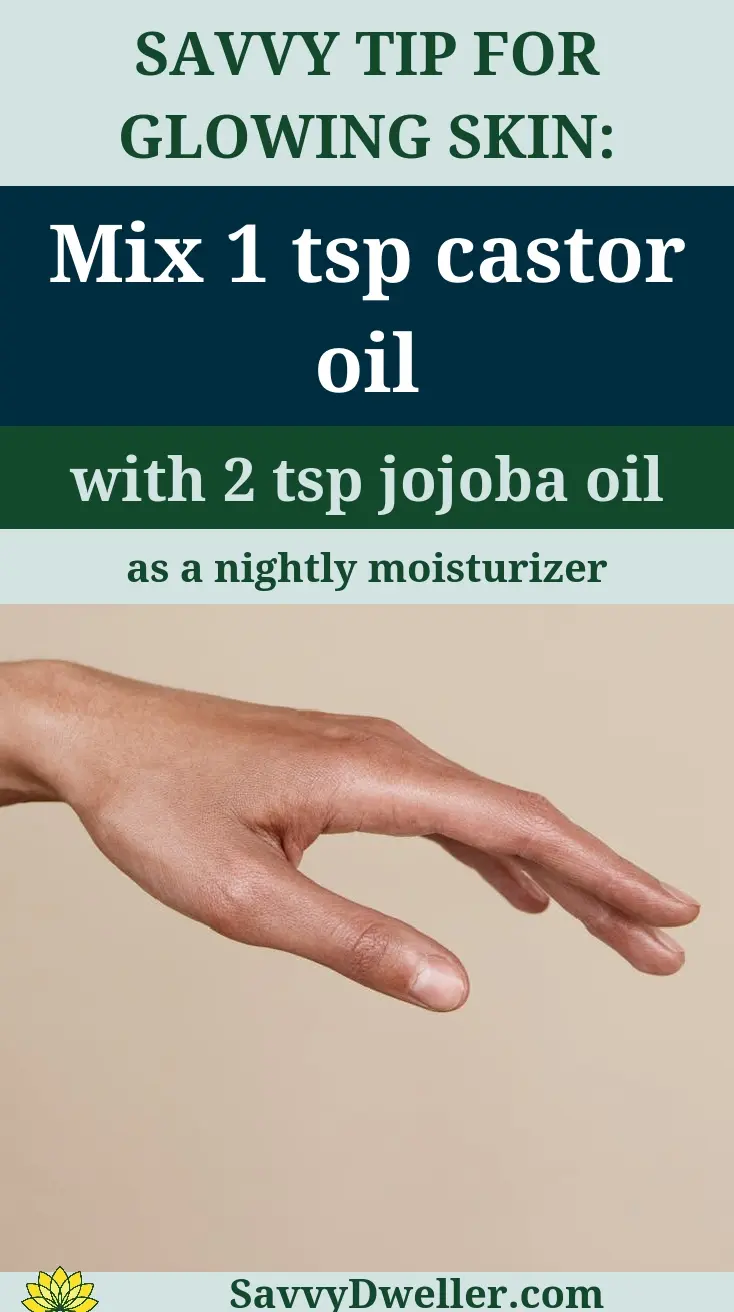
- Oily or combination skin: Dilute castor oil with a lighter carrier oil like jojoba or grapeseed (1:3 ratio) to avoid heaviness.
- Sensitive skin: Always patch test first, and consider blending with soothing aloe vera gel for added comfort.
May Support Natural Acne Healing
Antimicrobial Properties and Skin Balance
Thanks to its natural antimicrobial and anti-inflammatory traits, castor oil may help maintain a balanced skin environment that discourages acne-causing bacteria. Ricinoleic acid has been studied for its ability to support skin’s natural defenses without over-drying. Like tea tree oil, it provides a gentle approach to managing acne-prone skin.
Safe Application Techniques for Acne-Prone Skin
- Cleanse your face with a gentle, non-stripping cleanser.
- Apply a diluted drop (1 part castor oil to 4 parts jojoba oil) only to affected areas using a cotton swab.
- Leave on overnight and rinse off in the morning if your skin feels congested.
- Use no more than 2–3 times per week to monitor tolerance.
Anti-aging and Scar Support
How Ricinoleic Acid May Aid Skin Renewal
Ricinoleic acid doesn’t just hydrate-it may also support collagen production and gentle exfoliation, helping to soften the appearance of fine lines and old marks. Regular use of castor oil for skin benefits and uses includes a smoother texture and more even tone over time.
Creating Your DIY Anti-Aging Castor Oil Serum
- 1 teaspoon cold-pressed castor oil
- 1 teaspoon rosehip seed oil (rich in vitamin A)
- 2 drops lavender essential oil (optional, for calming)
Mix in a dark glass dropper bottle. Apply 3–4 drops to clean face nightly. Store in a cool, dark place for up to 3 months.
2. Hair and Scalp Benefits for Stronger, Healthier Locks
Potential Hair Growth Support
The Science Behind Castor Oil and Hair Follicles
While more human studies are needed, the thick consistency and ricinoleic acid content of castor oil may help improve circulation to the scalp when massaged in. This increased blood flow could create a more supportive environment for hair follicles, which is why many report benefits of castor oil for hair and skin routines.
Proper Scalp Massage Techniques
- Warm 1–2 tablespoons of castor oil slightly (not hot).
- Part hair into sections using clips.
- Using fingertips, massage oil into the scalp in small circular motions for 5–7 minutes.
- Cover with a shower cap and leave on for 30–60 minutes before shampooing out thoroughly.
Deep Conditioning and Shine Enhancement
Weekly Hair Mask Treatments
For dry or frizzy hair, a weekly castor oil mask can restore luster. Apply from mid-length to ends, avoiding the roots if you’re prone to greasiness. Wrap hair in a warm towel for 20 minutes to enhance absorption before rinsing. To further combat dryness and damage, exploring other DIY hair masks can provide additional nourishment. The best DIY hair masks for dry, damaged hair often include natural ingredients that help to hydrate and repair strands effectively.
Mixing Castor Oil with Complementary Natural Ingredients
- For shine: Blend with argan oil (1:1 ratio).
- For strength: Mix with egg yolk and honey.
- For curl definition: Combine with shea butter and a drop of peppermint oil.
Dandruff and Scalp Health Support
Soothing Properties for Irritated Scalp
The anti-inflammatory nature of castor oil may help calm flakiness and itchiness. Castor oil for skin benefits extend to the scalp, where it can soothe irritation without harsh chemicals. Maintaining a healthy scalp is crucial, especially for those struggling with oiliness. Natural remedies for an oily scalp, such as tea tree oil or apple cider vinegar, can effectively balance oil production while promoting overall scalp health.
Application Schedule for Best Results
- Apply diluted castor oil (mixed with coconut oil) to the scalp twice a week.
- Massage gently for 3–5 minutes.
- Leave on for at least 30 minutes before washing out with a sulfate-free shampoo.
- Continue for 4–6 weeks to assess improvement in flakiness and comfort.
Also See: How to Stop a Nosebleed Quickly and Safely: Quick Tips
3. Eyelash and Eyebrow Enhancement Benefits
May Support Natural Lash Growth
Understanding the Growth Cycle
Eyelashes grow in phases: anagen (growth), catagen (transition), and telogen (resting). Castor oil won’t speed up this cycle, but regularly applying castor oil to eyelash roots may nourish follicles during the anagen phase, supporting fuller-looking lashes over time.
Realistic Expectations and Timeline
Visible changes like reduced shedding or improved thickness usually appear after 6–8 weeks of consistent nightly use. Castor oil in eyelash growth routines works best as a supportive measure-not an instant fix.
Strengthening and Conditioning Properties
Protecting Against Breakage and Damage
Castor oil coats each lash with a protective layer that helps prevent brittleness from makeup, curling, or environmental stressors. Benefits of castor oil for eyelashes include less fallout and more resilient strands.
Safe Application Around the Delicate Eye Area
- Use a clean mascara wand or cotton swab dipped in a tiny amount of oil.
- Apply only to the base of upper lashes-avoid getting oil in the eye.
- Wipe away excess to prevent migration into the eye during sleep.
- Discontinue use if redness or stinging occurs.
Eyebrow Thickness and Health Support
Nourishing Sparse or Over-Plucked Brows
Daily application of castor oil can help condition brow hairs and support follicle health. For those wondering, “does castor oil help eyebrows grow?”-many users report improved density and softness with consistent use.
Combining with Other Natural Growth Supporters
- Mix 1 part castor oil with 1 part vitamin E oil for antioxidant support.
- Add a drop of rosemary essential oil (diluted properly) to potentially stimulate circulation.
- Apply nightly with a spoolie brush for even coverage and gentle stimulation.
4. Step-by-step Application Guide for Maximum Benefits
Preparing Your Skin for Castor Oil Treatment
Patch Testing and Skin Preparation
Before applying castor oil anywhere on your body, always perform a patch test to rule out sensitivity. Apply a small amount to the inside of your elbow or behind your ear and wait 24 hours to check for redness, itching, or irritation.
- Cleanse the area with a gentle, non-stripping cleanser.
- Pat dry with a clean towel-never apply castor oil to damp or dirty skin.
- Use a cotton swab or clean fingertip to dab a pea-sized amount onto the test area.
- Monitor for reactions over the next day before full application.
Choosing the Right Grade of Castor Oil
Opt for cold-pressed, hexane-free, 100% pure castor oil in a dark glass bottle. Jamaican black castor oil is best for hair and scalp, while clear (regular) castor oil is ideal for facial and eye-area use due to its lighter texture. Always consider your skin type when selecting oils, as different formulations can have varying effects. Avoid oils labeled “fragranced” or “blended” unless you’ve verified all added ingredients are skin-safe.
Hair Application Techniques
Sectioning and Massaging Methods
To maximize castor oil’s potential for hair and scalp health, proper technique matters. Sectioning ensures even coverage and deeper penetration.
- Part your hair into 4–6 sections using clips.
- Apply a small amount of warmed (not hot) castor oil directly to the scalp using your fingertips or a dropper.
- Massage in circular motions for 3–5 minutes to stimulate blood flow.
- Work the oil through the lengths if using as a mask, focusing on ends for hydration.
Leave-In vs. Rinse-Out Treatments
- Leave-in treatments: Best for very dry hair or overnight scalp therapy. Dilute castor oil with a lighter oil (like jojoba or argan) in a 1:3 ratio to prevent buildup.
- Rinse-out treatments: Ideal for weekly deep conditioning. Apply generously, cover with a shower cap, leave for 30–60 minutes, then shampoo twice to fully remove the thick oil.
Safe Eyelash and Eyebrow Application
Tools You’ll Need
- Clean mascara wand (dedicated only to oil application)
- Cotton swabs or fine-tipped applicator brush
- 100% pure, cosmetic-grade castor oil
- Makeup remover or micellar water (for accidental smudges)
Never use your regular mascara wand-bacteria from daily use can lead to eye infections. Wash and air-dry your clean wand weekly.
Avoiding Eye Irritation
When applying castor oil to eyelashes or brows, less is more. Dip your wand lightly-just a film, not a drip. Close your eyes and gently swipe along the base of upper lashes, like applying liquid liner. Avoid the lower lash line to reduce the risk of oil migrating into the eye. If oil gets in your eye, rinse immediately with cool water.

5. DIY Castor Oil Blends and Recipes
Skin-loving Castor Oil Combinations
Anti-Aging Facial Serum Recipe
This lightweight blend leverages castor oil skin benefits without clogging pores:
- 1 tsp rosehip seed oil
- ½ tsp castor oil
- 2 drops frankincense essential oil (optional)
Mix in a dark glass dropper bottle. Apply 2–3 drops nightly after cleansing. The ricinoleic acid in castor oil may support collagen production, while rosehip delivers vitamin A for skin renewal.
Hydrating Body Oil Blend
- 2 tbsp sweet almond oil
- 1 tsp castor oil
- 5 drops lavender essential oil
Combine in a pump bottle. Use immediately after showering on damp skin to lock in moisture. This blend enhances the castor oil for skin benefits and uses by boosting absorption and softness.
Hair Treatment Formulations
Growth-Supporting Scalp Treatment
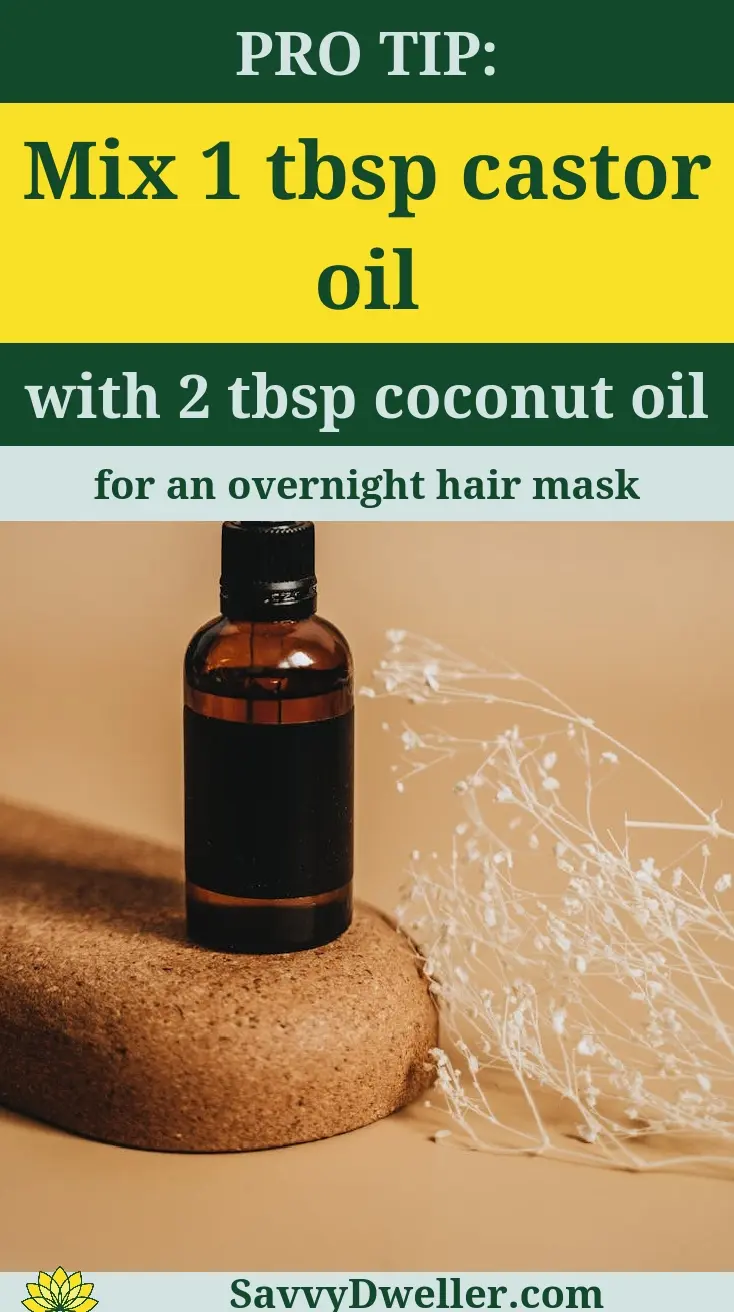
- 1 tbsp Jamaican black castor oil
- 1 tbsp coconut oil
- 5 drops rosemary essential oil
Warm slightly, massage into scalp, and leave for 1 hour before washing out. Regular use may create a nourishing environment for follicles, aligning with reported castor oil for hair and skin benefits.
Deep Conditioning Hair Mask
- 2 tbsp castor oil
- 1 ripe avocado (mashed)
- 1 tbsp honey
Blend until smooth. Apply from roots to ends, cover with a cap, and leave for 45 minutes. Rinse thoroughly. This mask leverages the emollient power of castor oil to deeply condition brittle strands.
Lash and Brow Enhancement Blends
Vitamin E Enhanced Lash Serum
- 1 tsp castor oil
- ½ tsp vitamin E oil (from 2 capsules)
Mix in a small amber bottle. Apply nightly to clean lashes. Vitamin E boosts antioxidant protection, complementing the benefits of castor oil for eyelashes by reducing oxidative stress on delicate hairs.
Eyebrow Thickening Treatment
- 1 tsp castor oil
- ½ tsp argan oil
- 1 drop cedarwood essential oil (optional, dilute properly)
Apply with a clean spoolie each night. Consistent use supports the natural fullness of brows, addressing common questions like “does castor oil help eyebrows grow” with a nutrient-rich approach.
6. The Science Made Simple: Why Castor Oil May Support Beauty Goals
Understanding Ricinoleic Acid
Unique Fatty Acid Composition
Castor oil is 90% ricinoleic acid-a monounsaturated omega-9 fatty acid rarely found in other plant oils. This unique structure gives castor oil its thick viscosity and ability to bind tightly to skin and hair proteins, forming a protective barrier. Unlike lighter oils, it resists quick evaporation, offering long-lasting hydration.
How It Interacts with Skin and Hair
Ricinoleic acid has a molecular shape that allows it to penetrate the hair cuticle and stratum corneum (outer skin layer). Once absorbed, it may help retain moisture, reduce trans-epidermal water loss, and create a smooth surface-key reasons behind the castor oil skin benefits and uses people report. On hair, it coats the shaft to reduce frizz and breakage.
Antimicrobial and Anti-inflammatory Properties
Supporting Natural Healing Processes
Lab studies show ricinoleic acid can inhibit common skin microbes like Staphylococcus aureus and Candida albicans. This antimicrobial action, combined with its ability to soothe inflammation, may help calm irritated skin and support the healing of minor blemishes-part of the broader benefits castor oil offers for skin clarity, complementing other treatments like vitamin C serums.
Research-Backed Benefits
While human clinical trials on castor oil for eyelash growth are limited, historical use and in vitro studies support its role in moisturization and barrier support. A 2017 review in the Journal of Medicinal Food noted ricinoleic acid’s anti-inflammatory effects. Though “eyelash growth castor oil” claims aren’t FDA-approved, its conditioning properties are well-documented-making it a safe, low-risk option for those exploring castor oil in eyelash growth routines.
7. Timeline and Realistic Expectations
What to Expect in the First Month
Initial Skin and Hair Changes
In the first 2–4 weeks of consistent use, you may notice subtle shifts-especially if you’re using castor oil for skin benefits like hydration or calming minor irritation. For hair, a slight increase in shine or reduced frizz can signal early conditioning effects. With eyelash growth castor oil routines, changes are slower-but you might feel lashes seem slightly stronger or less prone to breakage.
Keep in mind: castor oil for eyelashes growth and castor oil for eyebrows won’t deliver dramatic length or fullness in just a few weeks. Patience is key, as hair and lash follicles follow their own biological timelines.
Adjusting Your Routine
- Track your progress: Take weekly photos of your skin, hair part, or lash line to compare changes over time.
- Tweak frequency: If your skin feels overly greasy after using castor oil for your skin, cut back to every other night. For hair, start with once or twice weekly and adjust based on how your scalp responds.
- Watch for sensitivity: Mild tingling is normal, but redness or itching means it’s time to dilute your castor oil with a lighter carrier like jojoba or almond oil.
Long-term Benefits and Maintenance
3-6 Month Results
By the third month, many users report more consistent results: smoother texture from castor oil skin benefits, reduced scalp flakiness, and noticeably thicker-looking brows. Eyelash growth castor oil users often see increased density—though length varies by individual biology. For those seeking even more ways to enhance hair thickness, exploring essential oils for hair growth can be highly beneficial. Some of the top essential oils for hair growth not only promote thickness but also improve overall scalp health.
At 6 months, the full potential of castor oil for hair and skin emerges-especially if you’ve stuck to a steady routine. This is when the cumulative effects of ricinoleic acid’s moisturizing and anti-inflammatory properties truly shine.
Creating a Sustainable Routine
- Pair castor oil with your existing skincare or haircare regimen-don’t overhaul everything at once.
- Use it 2–3 times weekly for maintenance after initial results appear, rather than daily, to avoid buildup.
- Rotate castor oil blends seasonally: lighter mixes in summer, richer treatments in winter for optimal castor oil for skin benefits and uses.
Common Mistakes to Avoid When Using Castor Oil
Application Errors That Reduce Effectiveness
Using Too Much Product
Castor oil is thick and highly concentrated. A pea-sized amount is enough for the entire face; a few drops suffice for eyelashes. Over-application can clog pores, weigh down hair, or cause greasy residue that attracts dirt.
For castor oil eyelashes, less is more-excess oil can drip into your eyes and cause irritation.
Inconsistent Application Schedule
Skipping days or applying castor oil for eyebrows only once a week drastically slows progress. Consistency drives results because castor oil works cumulatively to support follicle health and skin barrier repair.
Aim for at least 4–5 applications per week during the first two months to establish momentum.
Safety Mistakes to Prevent
Skipping Patch Tests
Even though castor oil is natural, it’s not risk-free. Always patch test before full use-especially for sensitive areas like the eye. Apply a drop behind your ear or on your inner arm and wait 24 hours.
If you experience redness, burning, or swelling, discontinue use-this helps prevent reactions when applying castor oil to eyelash or facial skin.
Using Low-Quality or Contaminated Oil
Industrial-grade or “fragranced” castor oils may contain solvents, fillers, or additives that irritate skin or reduce benefits. Always choose 100% pure, cold-pressed, hexane-free castor oil in a dark glass bottle.
Poor-quality oil diminishes the real castor oil benefits for skin and lashes and may even cause breakouts or follicle stress.
Storage and Product Selection Mistakes
Improper Storage Leading to Rancidity
Castor oil can oxidize when exposed to heat, light, or air. Store it in a cool, dark place with the cap tightly sealed. If it smells sour or develops a cloudy appearance, it’s gone rancid-discard it.
Rancid oil loses its ricinoleic acid potency and may irritate skin, undoing all the benefits of castor oil for skin and hair.
Choosing the Wrong Type of Castor Oil
There are two main types: clear (regular) and black (Jamaican). Clear castor oil is refined and ideal for facial skin and delicate eye areas. Black castor oil is ash-processed and better suited for scalp treatments-but too harsh for eyelash growth castor oil routines.
If you’re using castor oil in eyelash growth or for sensitive skin, stick with pharmaceutical-grade, cold-pressed, clear castor oil to avoid irritation.
Frequently Asked Questions
Is Castor Oil Suitable for All Skin Types, Including Sensitive Skin?
Castor oil is generally safe for most skin types, but those with sensitive skin should proceed with caution. Always perform a patch test before full application by dabbing a small amount on your inner arm and waiting 24 hours to check for redness or itching. If you have sensitive skin, dilute castor oil with a gentle carrier oil like jojoba or almond oil to reduce potential irritation, and start with once-weekly use to assess tolerance.
Can Castor Oil Be Used to Enhance Beard Growth and Thickness?
Yes, castor oil’s nourishing properties may support beard health by moisturizing the hair and skin underneath. Gently massage a pea-sized amount into your beard and skin daily to improve blood flow and condition the hair follicles. For better results, mix it with lighter oils like argan oil to avoid a greasy feel, and be patient-visible thickening can take 4-8 weeks with consistent use.
How Does Castor Oil Compare to Other Popular Beauty Oils Like Coconut or Jojoba Oil?
Castor oil is thicker and richer in ricinoleic acid, making it ideal for targeted treatments like lash growth or scar support, whereas coconut oil is lighter for overall hydration but can clog pores for some. Jojoba oil is closer to skin’s natural sebum, so it’s excellent for diluting castor oil to enhance spreadability and reduce heaviness. Choose based on your goal: castor oil for intensive care, and blends for daily maintenance.
Are There Any Known Side Effects or Contraindications for Using Castor Oil Topically?
While rare, some individuals may experience allergic reactions or skin irritation, especially if allergic to castor beans. Avoid use on broken skin or active acne to prevent worsening inflammation. If you’re pregnant, consult a doctor before use due to limited safety data. Always opt for 100% pure, cold-pressed castor oil to minimize risks of impurities.
What is the Best Way to Incorporate Castor Oil Into an Existing Skincare or Haircare Routine?
Start slowly to avoid overwhelming your skin or hair—use it 2-3 times weekly initially. For skin, apply a thin layer to damp skin after cleansing to seal in moisture, or mix a drop with your moisturizer. For hair, focus on the scalp and ends as a 30-minute pre-wash treatment, and rinse thoroughly to prevent buildup. Aloe vera can also enhance the health of both your skin and hair, making it a versatile addition to your routine. Adjust frequency based on how your skin or hair responds over time.
Final Words
Castor oil stands out as one of nature’s most versatile beauty allies, offering genuine support for your skin, hair, and lashes when used consistently and correctly. The key to success lies in patience, proper application, and choosing high-quality, cold-pressed castor oil that delivers the full spectrum of beneficial compounds your beauty routine deserves.
Remember that natural beauty transformations take time-your skin may show improvements within 2-4 weeks, while hair and lash changes typically require 6-12 weeks of dedicated use. Start with small amounts, perform patch tests, and gradually build your routine to avoid overwhelming your skin or causing unnecessary irritation.
Ready to experience these remarkable benefits for yourself? Begin with one area-whether it’s a nightly facial application, weekly hair treatments, or daily lash care-and build from there. For more natural wellness solutions and home beauty tips that actually work, explore Savvy Dwelling where we continue sharing research-backed methods that transform your daily routines into powerful self-care rituals.
Sources:
- The Benefits of Castor Oil for Your Hair and Skin – Latika Beauty
- Does Castor Oil Really Help Eyelashes Grow? We Asked Derms to Weigh In
- Castor Oil Benefits: What It Can Do for Your Skin, Hair, and Eyelashes | SELF
- Can You Use Castor Oil for Eyelashes? Benefits and Risks – GoodRx
- Amazing Benefits Of Castor Oil: An Ultimate Solution To Perfect Hair, Skin & Nails! – The Natural Wash

