
The Definitive Guide to Whitening Your Teeth at Home (Safely & Effectively)
Feeling self-conscious about your smile because your teeth aren’t as bright as they once were? You’re not alone in noticing how coffee, wine, and everyday life can gradually dull even the most well-maintained teeth. The good news is that achieving a brighter, more confident smile doesn’t require expensive dental procedures or risky shortcuts.
This comprehensive guide will walk you through every proven home whitening method, from popular strips to gentle natural solutions, with clear safety protocols for each approach. We’ve researched the science behind tooth discoloration and tested various techniques to bring you practical, step-by-step instructions that actually work without compromising your oral health.
Contents
- At a Glance: The Best Solutions
- The Science Made Simple: Why Teeth Become Discolored
- 1. Whitening Strips: The Most Popular Choice
- 2. LED Light Kits: Professional-style Results
- 3. Natural Whitening Methods: Gentle Household Solutions
- 4. Whitening Gels and Trays: Customizable Coverage
- 5. Whitening Toothpaste and Daily Maintenance
- 6. Whitening Pens: Targeted Touch-up Solutions
- Managing Sensitivity and Protecting Your Oral Health
- Common Mistakes to Avoid
- Frequently Asked Questions
- Final Words
- Additional Resources for You:
At a Glance: The Best Solutions
Quick Comparison: Home Whitening Methods
If you’re exploring ways to whiten teeth at home, it helps to see how your options stack up side by side. Not all methods deliver the same speed, comfort, or suitability-especially if you have sensitive teeth or existing dental work.
| Method | Best For | Time to See Results | Sensitivity Risk | Natural Option? |
|---|---|---|---|---|
| Whitening Strips | Convenience & consistency | 3–7 days | Moderate | No |
| LED Light Kits | Faster, professional-style results | 1–3 days | Moderate to high | No |
| Baking Soda + Peroxide | Gentle, budget-friendly routine | 1–2 weeks | Low (if used correctly) | Yes |
| Oil Pulling | Overall oral wellness support | 2–4 weeks | Very low | Yes |
| Custom Trays + Gel | Precise, dentist-style coverage | 5–10 days | Moderate | No |
| Whitening Toothpaste | Daily maintenance, not deep whitening | 4+ weeks | Low | Sometimes |
| Whitening Pens | Quick touch-ups before events | Same day (subtle) | Low to moderate | No |
For a safe way to whiten teeth at home, match your choice to your lifestyle, goals, and sensitivity level. Natural methods like oil pulling or baking soda offer a slower but gentler path, while strips and gels provide faster changes for those ready for a more active approach.
If you’re wondering how to whiten your teeth with household items, the baking soda and hydrogen peroxide combo remains one of the most accessible homemade teeth whitener options-just remember to use it no more than 1–2 times per week to protect your enamel.
The Science Made Simple: Why Teeth Become Discolored
External Stain Factors
External stains sit on the enamel-the hard outer layer of your teeth-and are often the easiest to address with at-home whitening methods. These discolorations come from what you eat, drink, and even how you live day to day.
Food and Beverage Culprits
Dark-colored and acidic foods and drinks are major contributors to surface stains. Common offenders include coffee, black tea, red wine, cola, soy sauce, balsamic vinegar, and berries like blueberries and blackberries. These items contain chromogens-pigmented compounds that latch onto enamel and create visible discoloration over time.
Lifestyle Habits That Stain
Tobacco use is a leading cause of yellow and brown staining. Both smoking and smokeless tobacco leave tar and nicotine residues that penetrate enamel. Even frequent use of mouthwashes containing chlorhexidine or cetylpyridinium chloride can contribute to surface discoloration with prolonged use.
Internal Stain Factors
Unlike surface stains, internal discoloration originates beneath the enamel and is often more challenging to treat with typical at-home whitening products. These changes come from within the tooth structure itself.
Age-Related Yellowing
As you age, your enamel naturally thins from years of chewing, brushing, and acid exposure. This reveals more of the underlying dentin, which has a naturally yellowish hue. Thinner enamel also makes teeth appear darker, duller, and less translucent-even without external staining.
Medication and Health Conditions
Certain antibiotics like tetracycline (especially if taken before age 8) can cause permanent gray or brown discoloration. Antihistamines, antipsychotics, and high blood pressure medications may also alter tooth color. Additionally, conditions like enamel hypoplasia or dental trauma can lead to intrinsic staining that doesn’t respond well to standard whitening approaches.

1. Whitening Strips: The Most Popular Choice
How Whitening Strips Work
Whitening strips are thin, flexible films coated with a peroxide-based gel-usually hydrogen peroxide or carbamide peroxide. When applied to teeth, the peroxide penetrates enamel and breaks down stain molecules through oxidation. This chemical reaction lightens both surface and some deeper discoloration, making them a go-to for safe, accessible teeth whitening at home.
Materials You Need
- Whitening strips (choose ADA-accepted brands with 10% or less hydrogen peroxide)
- Mirror (for precise placement)
- Dry tissues or gauze (to wipe excess saliva)
- Toothbrush and fluoride toothpaste (for post-treatment care)
Step-by-step Application Process
Before Application
- Brush your teeth gently without toothpaste to remove surface debris (paste can interfere with adhesion).
- Pat your teeth dry with a clean tissue-moisture reduces strip stickiness.
- Wash and dry your hands to avoid transferring oils to the strips.
During Use
- Peel one strip from its backing and align it with your gumline, pressing gently to conform to your teeth.
- Repeat for the bottom teeth if your kit includes lower strips.
- Wear for the exact time specified (usually 30–60 minutes); overuse increases sensitivity risk.
- Avoid eating, drinking, or talking excessively to keep strips in place.
After Removal
- Peel off strips carefully and discard them-do not reuse.
- Rinse your mouth with water; avoid brushing immediately to prevent enamel irritation.
- Wait at least 30 minutes before consuming food or drinks, especially acidic or staining ones.
Expected Timeline and Results
Most people notice a visible difference in 3–5 days, with full results after 10–14 days of consistent use. Whitening strips typically lighten teeth by 1–2 shades, though results vary based on baseline color and stain type. Effects last 4–6 months with proper maintenance.
Best Practices for Safety
Never exceed the recommended wear time or frequency. If you feel sharp pain or gum irritation, stop use immediately. Choose strips labeled “gentle” or “sensitive” if you have a history of dental sensitivity. For safe teeth whitening at home, consistency matters more than intensity-slow and steady yields lasting, healthy results. It’s also important to note that if you experience sensitive teeth during this process, there are effective home remedies to alleviate the pain. These remedies can help soothe discomfort and protect your dental health while you work on achieving a brighter smile.
Also See: How to Stop a Nosebleed Quickly and Safely: Quick Tips
2. LED Light Kits: Professional-style Results
Understanding LED Whitening Technology
LED whitening kits combine a peroxide-based gel with a blue LED light that accelerates the oxidation process. The light doesn’t whiten teeth on its own-it activates the gel for faster, more uniform results. Unlike UV lamps (which are unsafe), LED lights emit cool, non-damaging wavelengths that enhance gel efficiency without harming enamel.
What’s Included in Quality Kits
- LED mouthpiece or tray
- Whitening gel syringes (typically 6%–18% carbamide peroxide)
- Rechargeable power source or USB connector
- Instruction manual and shade guide
- Optional: desensitizing gel or remineralizing serum
Complete Usage Instructions
Pre-Treatment Preparation
- Brush and floss thoroughly to remove plaque that can block gel contact.
- Apply a thin layer of petroleum jelly along your gums to protect soft tissue from gel exposure.
- Charge your LED device fully before starting.
Application and Timing
- Squeeze a small bead of gel onto the front surface of each tooth section in the tray-avoid overfilling.
- Insert the tray or mouthpiece and bite down gently to ensure even contact.
- Turn on the LED light and keep it in place for 10–20 minutes (follow kit instructions exactly).
- Repeat daily or every other day for 7–10 sessions, depending on sensitivity and desired results.
Post-Treatment Care
- Remove the tray and spit out excess gel-do not swallow.
- Rinse your mouth thoroughly with water; avoid brushing for at least 1 hour.
- Clean the tray with cool water and let it air-dry before storing.
- Use a fluoride mouthwash or desensitizing gel if recommended by the kit.
Maximizing Your Results
For the most effective at-home whitening, avoid coffee, tea, red wine, and smoking for 48 hours post-treatment—your enamel is temporarily more porous and prone to re-staining. Pair your LED sessions with a whitening toothpaste containing fluoride to maintain brightness and support enamel health. Most users see 2–4 shades of improvement within a week, with results lasting up to a year when maintained properly. It’s important to consider the safety of methods used for teeth whitening, including popular choices like baking soda. Many people believe baking soda is a safe whitening agent, but there are myths surrounding its effectiveness and safety that should be understood.
3. Natural Whitening Methods: Gentle Household Solutions
Baking Soda and Hydrogen Peroxide Method
One of the most trusted ways to whiten teeth at home combines baking soda’s mild abrasiveness with hydrogen peroxide’s gentle bleaching action. Together, they help lift surface stains without aggressive scrubbing. When considering home whitening methods, it’s crucial to ensure safety and effectiveness. Using hydrogen peroxide carefully can yield great results while minimizing risks to your oral health.
Safe Mixing Ratios
Use a 2:1 ratio-two parts baking soda to one part 3% hydrogen peroxide-to create a smooth paste. Avoid using higher concentrations of peroxide, as they can irritate gums and damage enamel.
Application Technique
- Brush your teeth with regular toothpaste first to remove loose debris.
- Mix the baking soda and hydrogen peroxide in a small dish just before use.
- Apply the paste with a soft-bristled toothbrush using gentle circular motions.
- Leave it on for no more than 1–2 minutes, then rinse thoroughly.
- Limit use to once or twice a week to prevent enamel wear.
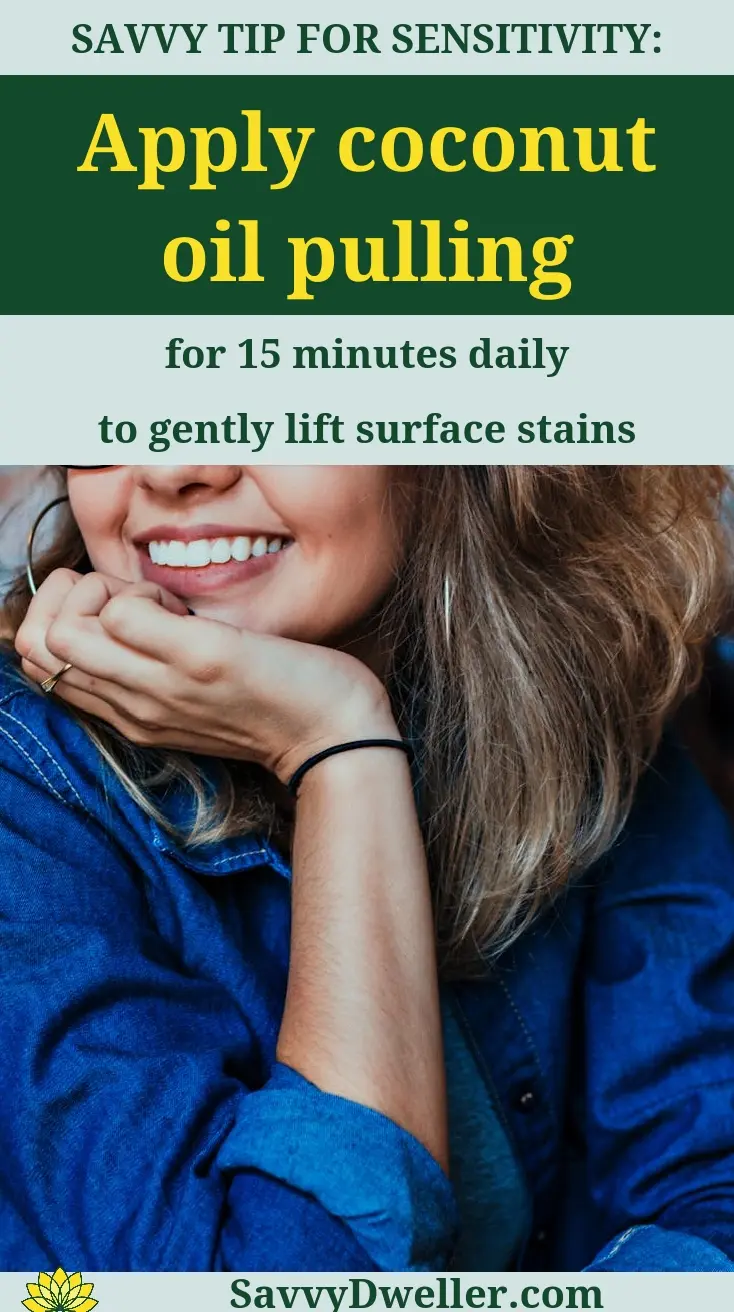
Oil Pulling With Coconut Oil
Oil pulling is an ancient Ayurvedic practice that’s gained traction as a natural way to whiten teeth. Coconut oil’s lauric acid helps reduce bacteria that contribute to staining and bad breath.
Traditional Oil Pulling Steps
- First thing in the morning, before eating or drinking, place 1 tablespoon of virgin coconut oil in your mouth.
- Swish it gently for 10–15 minutes-do not gargle or swallow.
- Spit the oil into the trash (not the sink, to avoid clogs).
- Rinse your mouth with warm water, then brush as usual.
Benefits Beyond Whitening
Oil pulling supports overall oral health by reducing plaque buildup and gum inflammation. While it won’t bleach deep stains, consistent use can help maintain a cleaner, brighter smile over time as part of a safe way to whiten teeth at home. Incorporating oil pulling into your daily routine can also promote detoxification in the mouth, leading to fresher breath and healthier gums. This ancient practice offers multiple benefits for oral health, making it a simple yet effective addition to oral care.
Strawberry and Baking Soda Paste
Strawberries contain malic acid, which may help remove surface discoloration. Combined with baking soda, they form a popular homemade teeth whitener.
- Mash one ripe strawberry into a pulp.
- Mix in ½ teaspoon of baking soda until smooth.
- Apply to teeth with a soft brush or finger, leave for no more than 5 minutes.
- Rinse well and brush with fluoride toothpaste afterward to neutralize acid.
Use this method no more than once a week. The acid in strawberries can weaken enamel if overused.
Safety Guidelines for Natural Methods
- Never substitute food-grade peroxide with industrial-strength versions.
- Avoid prolonged contact of acidic ingredients (like lemon or vinegar) with teeth-they erode enamel.
- Always follow with fluoride toothpaste to help remineralize enamel.
- If you have sensitive teeth, braces, or dental restorations, check with your dentist before trying how to whiten teeth naturally at home.
4. Whitening Gels and Trays: Customizable Coverage
Types Of Gel Applications
Whitening gels offer flexible, targeted bleaching-ideal for those seeking more control than strips provide in their teeth whitening at home routine.
Pre-Filled Trays
Ready-to-use trays come with gel already loaded. They’re convenient but may not fit all mouth shapes perfectly, leading to uneven results.
Custom-Moldable Trays
Boil-and-bite trays soften in hot water so you can mold them to your exact dental shape. This ensures better gel contact and more consistent whitening teeth at home outcomes.
Brush-On Gels
These pen-style gels let you paint whitener directly on specific teeth. Great for touch-ups or asymmetrical staining, they offer precise control in your guide to whitening teeth at home.
Proper Fitting and Application
- If using moldable trays, follow package instructions to shape them correctly-avoid biting too hard.
- Apply a thin line of gel into each tooth compartment-overfilling causes gum irritation.
- Insert trays gently, pressing to ensure full contact without squeezing gel onto gums.
- Wipe away any excess with a cotton swab.
Treatment Schedule and Duration
Most gels recommend 30–60 minutes of daily use for 7–14 days. Always follow the product’s timeline-extending sessions won’t speed results and increases sensitivity risk during your teeth whitening at home safely journey.
Managing Sensitivity During Treatment
If your teeth feel tender, reduce wear time or skip a day. Use a desensitizing toothpaste 30 minutes before or after treatment. Never sleep in non-overnight trays, as prolonged exposure heightens sensitivity.
5. Whitening Toothpaste and Daily Maintenance
Active Ingredients to Look for
For effective daily care, choose toothpastes with gentle abrasives like hydrated silica, and whitening agents such as sodium hexametaphosphate or low-concentration hydrogen peroxide. These help prevent new stains without harming enamel—key in any teeth whitening at home safely and naturally plan.
Incorporating Into Your Routine
Brush twice daily with your whitening toothpaste, but don’t over-brush. Use a soft-bristled toothbrush and replace it every 3 months. Consistency matters more than force when maintaining brightness through your whitening your teeth at home regimen.
Realistic Expectations for Maintenance Whitening
Whitening toothpastes won’t dramatically change tooth color-they polish away surface stains and slow re-staining. Think of them as your daily defense, not a deep treatment. They’re ideal for sustaining results after more intensive effective ways to whiten teeth at home methods.
Complementary Daily Habits
- Rinse with water after drinking coffee, tea, or red wine.
- Use a straw for dark beverages to minimize contact with front teeth.
- Chew sugar-free gum with xylitol to stimulate saliva and wash away acids.
- Stay hydrated-dry mouth increases staining risk.
6. Whitening Pens: Targeted Touch-up Solutions
When Whitening Pens Work Best
Whitening pens shine as on-the-go maintenance tools-ideal for spot-treating surface stains after coffee, wine, or smoking. They’re not designed for full-mouth whitening but excel at refreshing your smile between deeper treatments like strips or gels. If you’ve recently finished a whitening cycle and want to preserve results, a pen offers precise, instant touch-ups without reapplying full trays or strips.
Precise Application Techniques
To get the most from your whitening pen, timing and technique matter. Apply only to clean, dry teeth for optimal adhesion and effectiveness.
- Brush and floss thoroughly, then wait 10–15 minutes to ensure your teeth are completely dry.
- Twist the pen base to release a small bead of gel onto the brush tip-never oversaturate.
- Gently paint the gel onto visible front teeth, avoiding gums and existing dental work.
- Let the gel dry for 30–60 seconds without rinsing, eating, or drinking.
- Use once or twice daily, but never exceed the product’s recommended frequency.
Combining With Other Methods
Whitening pens complement-but don’t replace-core whitening routines. After completing a 7–14 day course of strips or LED kits, use a pen 2–3 times weekly to maintain brightness. Pairing pens with a whitening toothpaste creates a layered defense against new stains, making your at-home whitening strategy both proactive and sustainable.
Managing Sensitivity and Protecting Your Oral Health
Pre-treatment Sensitivity Assessment
Before starting any whitening regimen, test your baseline sensitivity. If cold water, sweet foods, or brushing causes sharp discomfort, you may have enamel erosion or exposed dentin. In such cases, begin with lower-concentration products or consult your dentist. A quick self-check: sip cold water-if pain lingers more than 10 seconds, proceed with extra caution or delay treatment.
During Treatment: Warning Signs to Watch
Normal vs. Concerning Sensitivity
Mild, short-lived tingling or cool sensitivity after using peroxide-based products is common and usually fades within 24 hours. However, sharp, throbbing pain, gum irritation, or sensitivity that worsens over days signals overuse or underlying issues. True red flags include pain that disrupts sleep, visible gum whitening (chemical burns), or toothaches that persist beyond 48 hours.
Immediate Relief Strategies
- Rinse with lukewarm salt water to soothe irritated gums.
- Use a desensitizing toothpaste with potassium nitrate or stannous fluoride twice daily.
- Pause whitening for 2–3 days to let your enamel recover.
- Apply a remineralizing gel or chew xylitol gum to stimulate protective saliva flow.
Post-treatment Enamel Protection
Remineralizing Your Teeth
Whitening temporarily softens enamel, making remineralization critical. Within 30 minutes after treatment, use products containing calcium phosphate, hydroxyapatite, or fluoride to rebuild mineral density. Brushing with a hydroxyapatite toothpaste or using a fluoride mouth rinse nightly helps restore enamel strength and reduces future sensitivity. To effectively strengthen enamel, it’s essential to follow a guide on remineralizing teeth. Incorporating practices that promote mineral replenishment can enhance your oral health significantly.
Foods and Drinks to Support Recovery
For 48 hours post-whitening, choose enamel-friendly options that aid repair and avoid new stains:
- Dairy products like cheese and yogurt (rich in calcium and phosphates)
- Leafy greens and almonds (natural sources of minerals)
- Water with trace minerals or fluoridated tap water
- Avoid acidic drinks (citrus, soda), dark liquids (coffee, red wine), and sticky sugars
Common Mistakes to Avoid
Overuse and Frequency Errors
More isn’t better when it comes to peroxide-based whitening. Using strips or gels daily beyond the label’s instructions strips protective proteins from enamel and heightens sensitivity. Most at-home systems are designed for 7–14 consecutive days-then a 1–2 week break is essential for enamel recovery.
Ignoring Pre-existing Dental Work
How Fillings and Crowns React
Composite fillings, porcelain veneers, and crowns don’t whiten like natural enamel. Applying whitening gel to them won’t change their color but can create mismatched shades or weaken bonding materials over time. If you have visible restorations on front teeth, whitening may highlight uneven tones rather than improve them.
When to Consult Your Dentist First
Schedule a check-up before whitening if you have:
- Cracked teeth or receding gums
- Recent dental work (within the last 2–4 weeks)
- History of severe sensitivity or enamel erosion
- Bruxism (teeth grinding), which thins enamel
Dangerous DIY Methods to Skip
Acidic Ingredients That Damage Enamel
Lemon juice, apple cider vinegar, and strawberry mush sound “natural,” but their low pH dissolves enamel permanently. Once enamel is gone, it doesn’t grow back-and yellow dentin becomes more visible, making teeth look darker long-term.
Abrasive Techniques That Cause Harm
Activated charcoal, baking soda scrubs used daily, or stiff-bristle brushing physically wear down enamel. Occasional baking soda use (1–2x/week) is generally safe, but aggressive scrubbing or gritty powders create micro-scratches that trap stains. True natural whitening supports enamel health-it doesn’t sacrifice it for short-term brightness.
Unrealistic Timeline Expectations
Teeth whitening at home isn’t instant. Most safe, effective methods require 5–14 days of consistent use to shift shades noticeably. If a product promises “overnight results,” it’s likely masking stains with blue dyes or risking enamel damage-neither of which aligns with a safe way to whiten teeth at home. Patience and consistency yield lasting, healthy brightness.

Frequently Asked Questions
Is At-home Teeth Whitening Safe for Children and Teenagers?
At-home teeth whitening is generally not recommended for children under the age of 16, as their teeth and gums are still developing and may be more susceptible to irritation or damage from whitening agents. For teenagers, it’s crucial to consult with a dentist before starting any whitening treatment to ensure their dental maturity and assess any underlying issues like cavities or enamel defects that could be exacerbated.
If whitening is deemed appropriate, opt for milder methods like whitening toothpaste rather than high-concentration gels or strips. Always follow age guidelines on product labels and prioritize oral health over cosmetic results to avoid long-term sensitivity or harm.
Can I Use Whitening Products if I Have Allergies to Certain Ingredients?
Yes, but you must carefully review ingredient lists, as common whitening agents like hydrogen peroxide or added flavors can trigger allergic reactions in some individuals. Look for products labeled “hypoallergenic” or those with alternative ingredients like carbamide peroxide, which may be gentler. If you have a history of allergies, perform a patch test by applying a small amount to your gums and waiting 24 hours for any adverse effects.
If you experience symptoms like swelling, itching, or redness, discontinue use immediately and rinse with water. Consult your dentist for personalized recommendations or consider non-chemical options like oil pulling, but avoid methods that could introduce allergens.
What Should I Do if I Experience Gum Irritation or Uneven Whitening?
Gum irritation often results from improper application, such as gel touching the gums. Immediately rinse your mouth with cool water and apply a soft-bristled toothbrush to gently clean the area. Avoid further whitening until irritation subsides, and consider using a desensitizing toothpaste to soothe discomfort. For uneven whitening, which can occur due to inconsistent product application or pre-existing stains, ensure you follow instructions precisely and focus on covering all tooth surfaces evenly during treatment.
If problems persist, switch to a different method-like whitening trays for better coverage-or see your dentist to rule out issues like decay. Prevention is key: use custom-fit trays and avoid over-application to minimize risks.
Final Words
You now have the knowledge and tools to safely brighten your smile from the comfort of your home. The methods we’ve covered-from whitening strips to natural solutions-can help you achieve noticeable results when used consistently and safely. Remember that patience pays off, and protecting your enamel should always be your top priority.
Start with the gentlest method that fits your lifestyle and budget, then gradually adjust your approach based on your results and comfort level. Whether you choose LED kits for faster results or prefer natural methods for gradual improvement, consistency will be your best friend in this journey.
Ready to transform your smile? Pick your preferred method from this guide and begin your whitening routine today. For more health and wellness tips that make a real difference in your daily life, explore Savvy Dwelling where we share research-backed solutions for all your home and health needs.

