
Agonizing Toothache? 7 Home Remedies for Instant Pain Relief
That sharp, throbbing pain shooting through your tooth can make even the simplest tasks feel impossible. Whether it’s a dull ache that won’t quit or sudden jolts that take your breath away, toothache pain can completely disrupt your day and leave you desperately searching for relief.
We’ve researched and tested natural pain relief methods that can provide quick comfort while you arrange professional dental care. These seven home remedies use common household items to help soothe your discomfort safely and effectively, giving you the breathing room you need to function until you can see your dentist.
Contents
- At a Glance: The Best Solutions
- The Science Made Simple: Why Toothache Pain Happens
- 1. Warm Salt Water Rinse for Immediate Soothing
- 2. Clove Oil Application for Powerful Numbing Relief
- 3. Cold Compress Method for Rapid Inflammation Relief
- 4. Peppermint Tea Bag Compress for Gentle Soothing
- 5. Garlic Paste Application for Natural Pain Support
- 6. Hydrogen Peroxide Rinse for Cleansing Relief
- 7. Vanilla Extract for Gentle Numbing Support
- Common Mistakes to Avoid When Using Home Remedies
- Frequently Asked Questions
- Final Words
At a Glance: The Best Solutions
Quick Relief Options Comparison
Not all toothache home remedies work the same way or offer the same speed of relief. Here’s a side-by-side look at how the top seven compare for instant toothache relief:
| Remedy | Time to Relief | Best For | Duration of Effect |
|---|---|---|---|
| Warm Salt Water Rinse | 2–5 minutes | General inflammation, food debris | 30–60 minutes |
| Clove Oil | 3–10 minutes | Localized numbing, nerve pain | 1–2 hours |
| Cold Compress | 5–10 minutes | Swelling, trauma-related pain | 20–30 minutes per session |
| Peppermint Tea Bag | 5–15 minutes | Gentle soothing, post-extraction pain | 30–45 minutes |
| Garlic Paste | 10–20 minutes | Antimicrobial support, infection-related ache | 45–60 minutes |
| Hydrogen Peroxide Rinse | 5–10 minutes | Cleaning infected areas, gum pain | 30–60 minutes |
| Vanilla Extract | 5–10 minutes | Mild numbing, children or sensitive users | 20–40 minutes |
What You’ll Need for Each Remedy
Having the right supplies on hand makes it easier to get fast relief from toothache without a trip to the store. Here’s what you’ll need for each of the seven go-to remedies for toothaches:
- Warm Salt Water: Table salt, warm (not hot) water, clean cup
- Clove Oil: Pure clove essential oil, cotton swab or ball, carrier oil (like olive or coconut oil)
- Cold Compress: Ice pack or bag of frozen peas, thin towel or cloth
- Peppermint Tea Bag: Used or fresh peppermint tea bag, warm water, tongs
- Garlic Paste: Fresh garlic clove, small bowl, spoon (optional: pinch of salt)
- Hydrogen Peroxide Rinse: 3% hydrogen peroxide, equal parts water, measuring cup
- Vanilla Extract: Pure vanilla extract (not imitation), cotton swab
Safety Considerations at a Glance
While these home remedies for tooth pain relief are widely used, they’re not risk-free. Never use a remedy as a long-term substitute for professional care-especially with an agonizing toothache that doesn’t improve within 24 hours.
- Clove oil must always be diluted; undiluted use can burn gum tissue.
- Hydrogen peroxide should never be swallowed-rinse thoroughly with water afterward.
- Garlic is potent; leave on for no more than 10–15 minutes to avoid irritation.
- Cold compresses should be applied in 15-minute intervals to prevent skin damage.
- Vanilla extract contains alcohol; avoid if you have open sores or cuts in your mouth.
- Salt water rinses are safe for frequent use but won’t treat infections.
- Peppermint tea bags are gentle but offer milder relief-ideal for sensitive users.
If you experience fever, facial swelling, or pain that spreads to your jaw or ear, seek dental care immediately. These signs suggest a deeper issue that home remedy tooth pain solutions can’t resolve.
The Science Made Simple: Why Toothache Pain Happens
Understanding Your Tooth’s Pain Signals
Your tooth isn’t just a hard, lifeless structure-it’s a living organ wrapped in nerves and blood vessels. When decay, infection, or trauma reaches the inner pulp, those sensitive nerves send urgent pain signals to your brain. That’s why even a tiny cavity can cause an agonizing toothache-your body is sounding an alarm.
Why Home Remedies Can Provide Relief
Most toothache home remedies work by targeting the surface-level inflammation, numbing nerve endings, or reducing bacterial load temporarily. While they don’t fix the root cause, they can interrupt pain signals long enough to offer instant toothache relief until you see a dentist. Think of them as first aid—not a cure, but a compassionate pause in the pain. It’s also important to consider long-term dental health, including remineralizing teeth and strengthening enamel, to prevent future issues. Incorporating practices that promote enamel health can greatly reduce the likelihood of pain and sensitivity over time.
The Difference Between Surface Pain and Deep Pain
Surface pain often comes from gum irritation, minor cracks, or food trapped between teeth. It’s usually sharp but fleeting. Deep pain, however, originates from the pulp or root and feels throbbing, constant, and sometimes radiates to your jaw or ear. How to relieve tooth pain instantly depends on which type you’re facing-home remedies are more effective for surface-level discomfort, while deep pain needs professional care.
1. Warm Salt Water Rinse for Immediate Soothing
What You’ll Need
- 1 cup of warm (not hot) water
- ½ to 1 teaspoon of table salt
- A clean glass or cup
Step-by-step Instructions
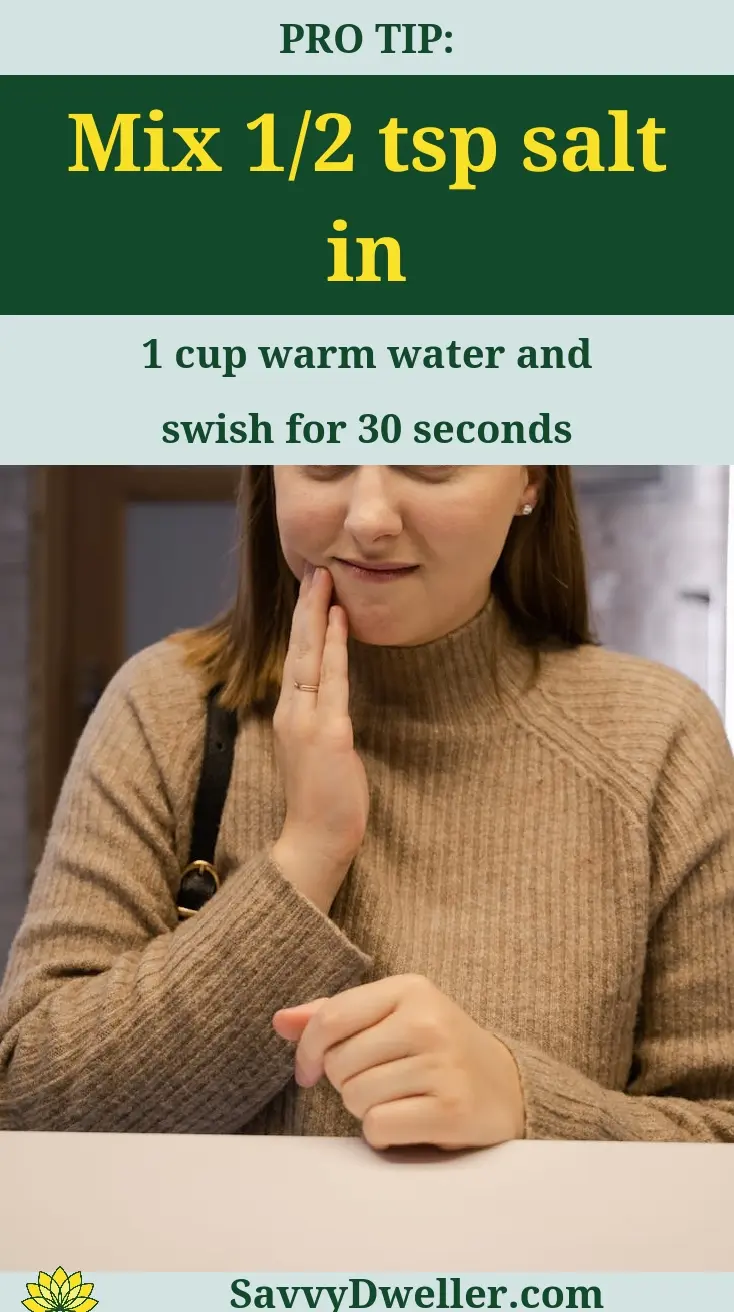
- Dissolve ½ to 1 teaspoon of salt in a cup of warm water. Stir until fully mixed.
- Take a mouthful of the solution and swish gently around the painful area for 30 seconds.
- Spit out-do not swallow.
- Repeat every 2–3 hours as needed for toothache relief at home.
How Salt Water Supports Pain Relief
Salt water acts as a natural antiseptic that reduces swelling, loosens food debris, and creates an environment where bacteria struggle to thrive. It also helps balance pH levels in your mouth, which can calm irritated tissues. Many consider this the simplest and safest home remedy for toothache with near-instant soothing effects.
Safety Tips and Frequency
Use only warm-not scalding-water to avoid further irritation. Don’t overdo it: rinsing more than 4–5 times a day may dry out your gums. This remedy is safe for children and adults, but how to get rid of a tooth ache permanently still requires a dental visit-salt water only offers temporary relief. Keeping your teeth healthy can also lead to a brighter smile. Exploring methods for whitening teeth at home safely and effectively can enhance your dental care routine.
Also See: How to Sanitize Your Laundry After Someone Has Been Sick
2. Clove Oil Application for Powerful Numbing Relief
What You’ll Need
- 1–2 drops of pure clove essential oil
- A cotton ball or cotton swab
- Carrier oil (like olive or coconut oil)-optional but recommended
Proper Application Technique
- If your skin or gums are sensitive, dilute 1 drop of clove oil with 1 drop of carrier oil.
- Dip a cotton swab into the mixture (or use undiluted oil if you’re not prone to irritation).
- Gently apply it directly to the painful tooth and surrounding gum-avoid healthy tissue.
- Hold it in place for 5–10 minutes, then rinse lightly with water or spit out excess.
- Repeat no more than 2–3 times per day for fast relief from toothache.
How Clove Oil Works to Ease Discomfort
Clove oil contains eugenol—a natural anesthetic and anti-inflammatory compound. When applied, it temporarily numbs nerve endings and may reduce bacterial growth. That’s why it’s a go-to for tooth pain remedy seekers wanting immediate toothache relief without over-the-counter drugs. Additionally, cloves offer numerous health benefits, making them a valuable addition to your wellness routine. From boosting immunity to improving digestion, the health benefits of cloves are worth exploring.
Important Safety Precautions
Never swallow clove oil-it can irritate the throat or stomach. Avoid using it on broken skin or open sores. Do not apply to children under 2, and use extreme caution with kids under 12. While clove oil is a trusted home remedy tooth pain solution, overuse can cause tissue damage. If burning or numbness lasts more than 30 minutes, rinse thoroughly and discontinue use.
3. Cold Compress Method for Rapid Inflammation Relief
What You’ll Need
- Ice cubes or a cold gel pack
- A clean, thin towel or cloth
- A timer or clock
Correct Placement and Timing
- Wrap the ice or cold pack in a towel-never apply it directly to your skin.
- Hold the compress against the outside of your cheek, right over the area where you feel the agonizing toothache.
- Apply for 15 minutes, then remove for 15 minutes to prevent tissue damage.
- Repeat this cycle up to 3–4 times during the first few hours of pain.
How Cold Therapy Aids Pain Management
Cold constricts blood vessels, which reduces swelling and numbs the nerve endings in the affected area. This simple technique is one of the most effective toothache remedies for calming inflammation-driven pain quickly. It won’t fix the underlying issue, but it offers real instant toothache relief while you prepare to see a dentist.
When to Use Heat Instead
Heat is better for muscle-related jaw tension or chronic stiffness, not acute inflammation. If your pain comes with visible swelling or feels hot to the touch, stick with cold. Heat can worsen swelling in these cases. Save warm compresses for dull, aching pain without signs of infection or puffiness.

4. Peppermint Tea Bag Compress for Gentle Soothing
What You’ll Need
- 1 used or unused peppermint tea bag (preferably organic)
- Hot water
- Tongs or a spoon
- A small bowl
Preparation and Application Steps
- Steep the tea bag in hot water for 2–3 minutes, then remove and let it cool until it’s warm but not scalding.
- Squeeze out excess liquid gently using tongs.
- Place the warm tea bag directly on the sore tooth or gum area.
- Hold it there for 10–15 minutes, or until it cools completely.
- Repeat up to 2–3 times a day as needed for toothache relief at home.
How Peppermint Supports Comfort
Peppermint contains natural menthol, which has a mild numbing effect and can help ease tooth pain remedy discomfort without harsh chemicals. It also freshens breath and may discourage bacterial growth, making it a soothing, multi-purpose option among home remedies tooth pain.
Alternative Peppermint Methods
If you don’t have tea bags, try swishing cooled peppermint tea as a rinse, or apply a drop of food-grade peppermint oil (diluted in a carrier oil like coconut oil) to the affected area with a cotton swab. Avoid using undiluted essential oils-they can irritate delicate gum tissue.
5. Garlic Paste Application for Natural Pain Support
What You’ll Need
- 1 fresh garlic clove
- A small bowl
- A fork or mortar and pestle
- Optional: a pinch of salt or a few drops of olive oil
Safe Preparation Method
- Peel and crush the garlic clove into a smooth paste using a fork or mortar.
- If the paste feels too strong, mix in a tiny pinch of salt or a drop of olive oil to reduce irritation.
- Apply a small amount directly onto the painful tooth or gum using a clean fingertip or cotton swab.
- Leave it on for no more than 10 minutes, then rinse thoroughly with warm water.
How Garlic May Help Ease Discomfort
Garlic contains allicin, a compound with natural antimicrobial and anti-inflammatory properties. While it won’t replace professional tooth pain treatment, it may help reduce bacterial activity and provide mild toothache pain relief during a flare-up. Many people turn to this as a trusted home remedy for toothache in a pinch.
Important Usage Warnings
Garlic is potent-even in paste form-and can cause chemical burns or irritation if left on too long. Never apply it to broken skin or open sores in your mouth. If you feel a burning sensation, rinse immediately. This remedy is best used occasionally, not repeatedly, and should never delay a visit to your dentist if pain persists.
6. Hydrogen Peroxide Rinse for Cleansing Relief
What You’ll Need
- 3% hydrogen peroxide solution (available at most drugstores)
- Equal parts clean, lukewarm water
- Small cup for mixing
Proper Dilution and Rinsing Technique
- Combine equal parts 3% hydrogen peroxide and lukewarm water in a small cup (e.g., 1 tablespoon each).
- Swish the mixture gently around the affected area for 30 to 60 seconds-do not swallow.
- Spit out completely and rinse your mouth thoroughly with plain water afterward.
- Use no more than once or twice a day until you see a dentist.
How Hydrogen Peroxide Aids Oral Comfort
Hydrogen peroxide acts as a gentle antiseptic that helps reduce bacteria in the mouth, which may soothe an agonizing toothache caused by infection or gum irritation. It also helps loosen debris and mucus, offering instant toothache relief by cleansing hard-to-reach areas around the painful tooth. By using hydrogen peroxide safely at home, one can also explore its whitening properties for teeth, offering an easy and effective way to brighten that smile.
Critical Safety Guidelines
Never use hydrogen peroxide at concentrations higher than 3%, and always dilute it before use. Swallowing even small amounts can cause stomach upset or more serious issues. Discontinue use immediately if you experience burning, increased pain, or gum irritation. This rinse is a temporary toothache home remedy, not a substitute for professional tooth pain treatment. If you or someone you know suffers from sensitive teeth pain, there are several effective home remedies that can provide relief. Exploring the best home remedies for sensitive teeth can help manage discomfort and maintain oral health.
7. Vanilla Extract for Gentle Numbing Support
What You’ll Need
- Pure vanilla extract (not imitation)
- Cotton swab or clean fingertip
Application Method and Frequency
- Dip a cotton swab into pure vanilla extract or use a clean fingertip to gather a small drop.
- Gently apply it directly to the aching tooth and surrounding gum.
- Allow it to sit without rinsing-repeat up to three times a day as needed for fast relief from toothache.
How Vanilla Extract May Provide Relief
Vanilla extract contains alcohol, which can help numb nerve endings temporarily, and natural antioxidants that may support gum comfort. While not as potent as clove oil, it’s a milder option for those seeking a home remedy for toothache that’s easy to find in most kitchens.
Quality Considerations
Always choose pure vanilla extract-imitation versions often contain artificial additives and lack the natural compounds that provide soothing effects. Check the label: it should list only vanilla beans, alcohol, and water. This simple switch ensures your chosen tooth pain remedy is both safe and effective.
Common Mistakes to Avoid When Using Home Remedies
Overdoing Natural Applications
Applying remedies too frequently-like clove oil or garlic paste-can irritate gums, damage enamel, or cause chemical burns. Less is often more with home remedies tooth pain solutions. Stick to recommended doses and frequencies.
Ignoring Warning Signs That Need Professional Care
If pain persists beyond 1–2 days, worsens at night, or comes with swelling, fever, or bad breath, it’s a sign of possible infection. Home remedy toothache methods can’t treat abscesses or deep decay.
Using Undiluted Products Directly on Teeth
Essential oils, hydrogen peroxide, and even vinegar should never touch teeth or gums undiluted. Doing so risks chemical burns, enamel erosion, or increased sensitivity—defeating the purpose of your toothache relief at home efforts. Instead, consider safer alternatives for teeth whitening, as natural methods can help brighten your smile without compromising enamel health.
Delaying Necessary Dental Treatment
Home remedies offer temporary comfort but don’t fix the root cause. Relying on them too long while avoiding the dentist can turn a simple cavity into a serious infection. How to relieve tooth pain fast is useful—but only as a bridge to professional care, especially since you can’t reverse cavities with home remedies.
When Home Care Isn’t Enough
If your toothaches remedies aren’t reducing pain after 24–48 hours, or if you can’t chew, sleep, or open your mouth fully, it’s time to see a dentist. Persistent discomfort means your toothache treatment requires more than kitchen staples.
Red Flags That Require Immediate Attention
- Swelling in the face or jaw
- High fever or chills
- Pus or foul-tasting drainage
- Difficulty breathing or swallowing
- Unrelenting pain that radiates to your ear or temple
These symptoms suggest a spreading infection that needs urgent care-no cures for tooth pain at home can address this level of risk.

Frequently Asked Questions
How Quickly Can I Expect Pain Relief From These Home Remedies?
Most of these remedies, like a cold compress or clove oil application, can provide relief within 5 to 15 minutes of use. However, the speed and duration vary: salt water rinses offer temporary soothing, while remedies like garlic paste may take longer to reduce inflammation. For best results, follow the specific instructions for each remedy and reapply as needed, but avoid overuse to prevent irritation.
Is It Safe to Use These Remedies if I Have Dental Work Like Fillings or Crowns?
Generally, yes, but exercise caution. For example, avoid applying undiluted clove oil directly to dental work, as it might weaken adhesives. Salt water rinses are safe for most restorations, but consult your dentist if you have concerns about specific remedies. Always test a small area first and discontinue use if you experience discomfort or damage to your dental work.
Can Children Use These Home Remedies for Toothache?
Some remedies, like a cold compress or warm salt water rinse, are generally safe for children under supervision. However, avoid strong options like clove oil or hydrogen peroxide for young kids, as they can be harmful if swallowed. Always dilute remedies more heavily for children and consult a pediatric dentist before use to ensure safety.
What Should I Do if a Home Remedy Doesn’t Work for My Pain?
If pain persists after trying one or two remedies, it may indicate a deeper issue like an infection or abscess that requires professional care. Switch to a different remedy briefly, but do not exceed recommended frequencies. If no improvement occurs within a few hours, or if pain worsens, seek dental attention immediately to avoid complications.
Are There Any Natural Remedies I Should Avoid Due to Interactions With Medications?
Yes, be cautious with garlic paste if you’re on blood thinners, as garlic can increase bleeding risk. Similarly, clove oil might interact with medications metabolized by the liver. Always check with your doctor or pharmacist before using herbal remedies, especially if you have underlying health conditions or take prescription drugs.
How Do I Know Which Remedy is Best for My Type Of Toothache?
Match the remedy to your symptoms: for swelling and inflammation, a cold compress is ideal; for surface pain or minor sores, salt water or peppermint can help. If pain is deep or throbbing, clove oil offers numbing relief. Start with the simplest remedy, like a salt water rinse, and progress to stronger options if needed, but avoid using multiple remedies simultaneously without guidance. If you’re looking for more effective ways to manage pain, consider trying some natural remedies that can help get rid of canker sores quickly. Several options, including honey and aloe vera, have been shown to soothe symptoms and aid in healing.
Final Words
These seven home remedies can provide meaningful relief while you arrange proper dental care. Remember, these natural approaches are temporary solutions designed to support your comfort until you can see a dental professional. While they may ease your discomfort, they don’t address the underlying cause of your toothache.
Start with the gentlest option that appeals to you, and always prioritize safety over speed. Pay attention to how your body responds, and don’t hesitate to seek professional help if your pain worsens or persists beyond a day or two. Your oral health deserves the same careful attention you give to the rest of your wellness routine.
Ready to create a healthier, more comfortable home environment? Visit Savvy Dwelling for more research-backed solutions that support your family’s wellbeing. From natural health remedies to smart home solutions, we’re here to help you make informed decisions that truly work.
Useful References for You:
- 7 Home Remedies for Tooth Pain Relief: Ease Discomfort Naturally – The White Tusk
- 12 Home Remedies for Toothaches That Actually Work – Klement Family Dental
- 11 Home and Natural Remedies for Toothache Pain
- Home and Natural Remedies for Toothache Pain
- 7 Ways to Quickly Relieve Toothaches | Perkins Dental Care

