10 Antioxidant Powerhouse Foods That Fight Daily Cell Damage (Plus How to Actually Eat Them)
Does your energy feel zapped by afternoon, or do you worry about aging faster than you’d like? Your body battles thousands of free radicals every day—unstable molecules that damage healthy cells and accelerate aging. The good news is that nature provides powerful allies in this fight.
This guide reveals the top 10 antioxidant-rich foods that can help protect your cells from daily damage, along with practical ways to incorporate them into meals your family will actually enjoy. We’ve researched the science and tested the preparation methods so you can skip the guesswork and start nourishing your body with foods that truly make a difference.
Contents
- Quick Solutions Table: Your Antioxidant Powerhouse Foods
- 1. Blueberries: Nature’s Antioxidant Superstars
- 2. Dark Chocolate: The Guilt-free Antioxidant Treat
- 3. Kidney Beans: The Unsung Antioxidant Heroes
- 4. Artichokes: The Mediterranean Antioxidant Powerhouse
- 5. Spinach: The Versatile Leafy Green Champion
- 6. Strawberries: Sweet Antioxidant Delights
- 7. Kale: The Trendy Superfood With Serious Antioxidant Credentials
- 8. Red Cabbage: The Colorful Antioxidant Powerhouse
- 9. Pecans: The Antioxidant-rich Nut Surprise
- 10. Beets: The Earthy Antioxidant Gems
- Smart Shopping and Storage: Preserving Antioxidant Power at Home
- Common Mistakes That Reduce Your Antioxidant Intake
- Frequently Asked Questions
- Final Words
Quick Solutions Table: Your Antioxidant Powerhouse Foods
| Food | Primary Antioxidants | Easy Ways to Enjoy | Storage Tips |
|---|---|---|---|
| Blueberries | Anthocyanins, Vitamin C | Smoothies, oatmeal, snacking | Freeze for year-round use |
| Dark Chocolate | Flavonoids, Catechins | 70%+ cacao, small portions | Cool, dry pantry storage |
| Kidney Beans | Anthocyanins, Polyphenols | Soups, salads, meal prep | Soak dried beans overnight |
| Artichokes | Quercetin, Rutin | Steamed, grilled, dips | Refrigerate hearts in water |
| Spinach | Lutein, Beta-carotene | Salads, sautéed, smoothies | Paper towel in container |
1. Blueberries: Nature’s Antioxidant Superstars
Why Blueberries Top the Antioxidant Charts
Blueberries consistently rank among the top antioxidant foods thanks to their high concentration of anthocyanins-the pigments that give them their deep blue hue. These compounds, along with vitamin C and other polyphenols, help neutralize free radicals in the body. In fact, studies show that blueberries have one of the highest antioxidant capacities per serving of all commonly consumed foods that are rich in antioxidants.
How to Select and Store Fresh Blueberries
Look for plump, firm berries with a uniform color and a slight silvery bloom-that’s a natural waxy coating that signals freshness. Avoid containers with moisture buildup or crushed berries at the bottom, as these speed up spoilage.
To extend shelf life, don’t wash them until you’re ready to eat. Store unwashed berries in the fridge in a breathable container lined with a paper towel to absorb excess moisture. Washing strawberries correctly not only enhances their taste but also helps maintain their freshness for longer periods. The best way to wash strawberries involves gently rinsing them under cold water just before consumption, which removes dirt and pesticides while preserving flavor and texture.
Wild vs. Cultivated: Which Packs More Antioxidant Power
Wild blueberries (often labeled as “lowbush”) are smaller but typically contain up to 30% more anthocyanins than their cultivated (“highbush”) cousins. Their concentrated flavor and denser nutrient profile make them a standout among antioxidant-rich foods. If you can find frozen wild blueberries, they’re an excellent year-round option without sacrificing potency.
Fresh, Frozen, or Dried: Maximizing Antioxidant Content
Frozen blueberries retain nearly all their antioxidant power-sometimes even more than fresh ones that have been sitting on shelves for days. Dried blueberries, however, often lose significant antioxidants during processing and may contain added sugars, which dilute their health benefits. For the most nutrient-dense option, choose unsweetened frozen or fresh in season.
Simple Ways to Add More Blueberries to Your Daily Routine
- Stir a handful into your morning oatmeal or yogurt.
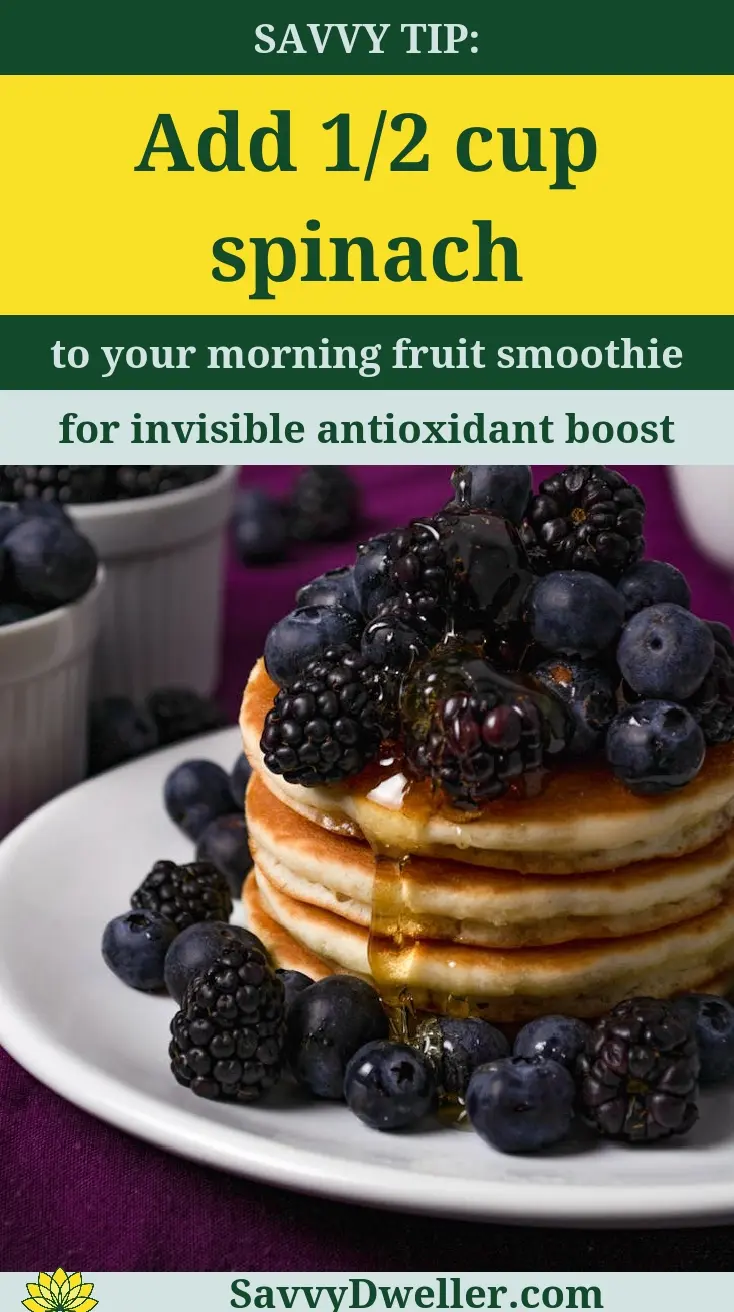
- Blend into smoothies with spinach and banana for a nutrient boost that hides the greens.
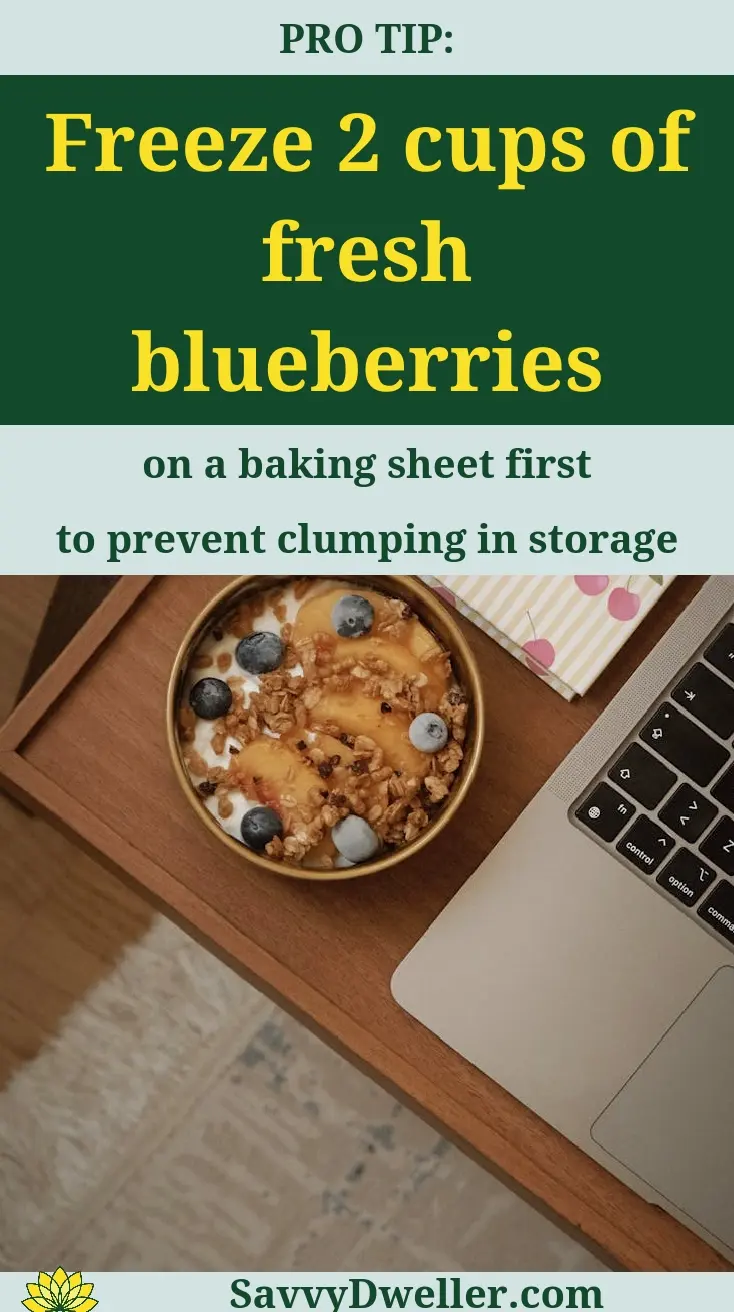
- Freeze them on a tray and enjoy as a refreshing, naturally sweet snack.
- Top salads with fresh berries for a pop of color and antioxidants.
- Mix into pancake or muffin batter using minimal added sugar.
2. Dark Chocolate: The Guilt-free Antioxidant Treat
Understanding Cacao Content and Antioxidant Levels
The antioxidant power of dark chocolate comes from its cacao content. Flavonoids like epicatechin and catechins are abundant in cacao solids, which means foods high in antioxidant value start at 70% cacao or higher. As cacao percentage increases, so does the concentration of beneficial compounds—making high-cacao dark chocolate one of the tastiest antioxidant rich foods you can enjoy. Including dark chocolate in your diet can provide health benefits of dark chocolate that contribute to overall wellness. From boosting heart health to improving brain function, the advantages of dark chocolate are quite remarkable.
How Processing Affects Chocolate’s Antioxidant Power
During manufacturing, chocolate undergoes fermentation, roasting, and alkalization-all of which can degrade delicate antioxidants. The more processed the chocolate, the fewer active compounds remain. This is why minimally processed, high-cacao bars offer significantly more health-supporting potential than milk chocolate or heavily refined varieties.
Raw Cacao vs. Dutch-Processed: What’s the Difference
Raw cacao powder is made by cold-pressing unroasted beans, preserving heat-sensitive antioxidants. Dutch-processed (alkalized) cocoa, on the other hand, is treated with alkali to reduce bitterness-but this process can slash flavonoid content by up to 90%. For maximum benefit, choose raw cacao or natural (non-alkalized) cocoa powder when baking or making hot drinks.
Smart Portion Sizes for Maximum Health Benefits
While dark chocolate is rich in antioxidants, it’s also calorie-dense. Stick to a 1-ounce (28-gram) serving-about one to two small squares-per day. Pair it with a piece of fruit like an orange or a few almonds to slow sugar absorption and enhance nutrient synergy. This mindful approach lets you enjoy one of the most delicious foods with high antioxidants without overdoing it.
Also See: 10 Collagen-rich Foods for Youthful Skin & Joints
3. Kidney Beans: The Unsung Antioxidant Heroes
Why Beans Pack Such an Antioxidant Punch
Don’t let their humble appearance fool you—kidney beans are loaded with anthocyanins (especially the red variety) and polyphenols, placing them firmly on the list of foods high in antioxidants. Their fiber content also supports gut health, which helps your body better utilize these protective compounds. Among legumes, kidney beans consistently show some of the highest antioxidant activity in lab tests. Incorporating kidney beans into your diet can be a simple step towards a healthier lifestyle, especially when considering the benefits of a natural kidney cleanse. A well-rounded approach to nutrition, including cleansing foods like kidney beans, can significantly contribute to better health and kidney function.
Cooking Methods That Preserve Antioxidant Content
Boiling is the most common way to prepare dried kidney beans, but it can leach some antioxidants into the water. To keep nutrients intact:
- Use the minimum amount of water needed for cooking.
- Save and use the cooking liquid (sometimes called “pot liquor”) in soups or sauces.
- Avoid overcooking-beans should be tender but not mushy.
- Steam or pressure-cook when possible, as these methods retain more nutrients than prolonged boiling.
Soaking and Preparation Tips for Maximum Benefits
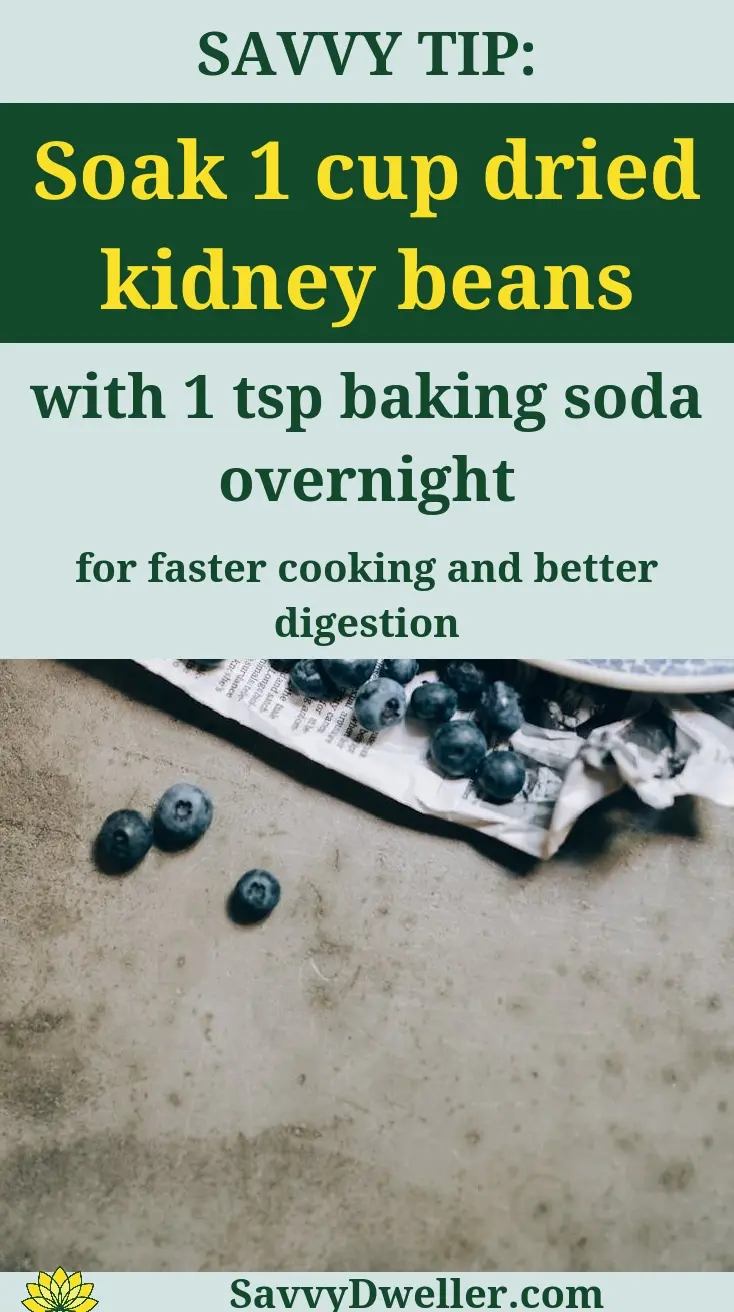
- Soak dried beans overnight in plenty of water to reduce phytates, which can inhibit nutrient absorption.
- Discard the soaking water and rinse thoroughly before cooking-this also helps reduce compounds that cause digestive discomfort.
- Add a strip of kombu (a sea vegetable) to the pot while cooking to further enhance digestibility and mineral availability.
Creative Ways to Include Kidney Beans in Family Meals
Kidney beans blend seamlessly into meals without overpowering flavor. Mash them into veggie burgers, toss into grain bowls, or simmer into hearty chili. They add creaminess and protein to soups, and even work in unexpected places-like blended into brownie batter for added fiber and a hidden boost of antioxidants found in food. For picky eaters, puree cooked beans into pasta sauce or taco filling for a nutrient-rich disguise.
4. Artichokes: The Mediterranean Antioxidant Powerhouse
Artichokes stand out among foods that are rich in antioxidants, thanks to their high levels of quercetin, rutin, and silymarin-compounds that support cellular health and combat oxidative stress. Whether steamed, grilled, or baked, they offer a unique, nutty flavor and a nutrient boost that pairs well with many meals.
Fresh Vs. Frozen Vs. Canned: Antioxidant Comparison
Fresh artichokes typically deliver the highest antioxidant content, particularly when eaten soon after harvest. Frozen artichoke hearts retain much of their nutritional value if blanched and flash-frozen quickly after picking. Canned versions, while convenient, often undergo heat processing and may contain added sodium, which can reduce overall antioxidant potency.
- Fresh: Highest in quercetin and rutin
- Frozen: Good retention if minimally processed
- Canned: Lower antioxidant levels due to heat and preservatives
Preparation Techniques for Maximum Nutrient Retention
To preserve the delicate antioxidants in artichokes, avoid boiling them for long periods. Instead, opt for gentler cooking methods that minimize water exposure and heat duration.
- Trim the stem and cut off the top inch of the artichoke.
- Rub cut surfaces with lemon to prevent browning and preserve flavonoids.
- Steam for 25–35 minutes until a leaf pulls out easily-this retains more antioxidants than boiling.
- If roasting, drizzle with olive oil and roast at 400°F (200°C) for 40–50 minutes, cut-side down.
How to Select the Freshest Artichokes
Look for artichokes that feel heavy for their size and have tightly closed, deep green leaves. Avoid those with dry, split, or open leaves-they’re likely past their prime. A fresh artichoke will squeak slightly when you press the leaves together.
Family-friendly Artichoke Recipes and Serving Ideas
Artichokes can be surprisingly kid-approved when served with creative dips or incorporated into familiar dishes.
- Steam whole artichokes and serve with a light garlic-yogurt dip for a fun, interactive meal.
- Chop cooked hearts into pasta sauces or grain bowls for a subtle, earthy flavor.
- Blend into a creamy spinach-artichoke dip using Greek yogurt instead of heavy cream.
5. Spinach: The Versatile Leafy Green Champion
Spinach is one of the most nutrient-dense top antioxidant foods you can eat, packed with lutein, beta-carotene, and vitamin C. Its mild taste and flexible texture make it easy to weave into everything from smoothies to stir-fries. Including foods rich in vitamin C, like spinach, can significantly boost your immune system. Consider adding other vitamin C powerhouse foods to your diet for optimal health and vitality.
Baby Spinach Vs. Mature Leaves: Antioxidant Content
Baby spinach tends to have a more delicate flavor and slightly lower fiber content, but mature spinach often contains higher concentrations of lutein and beta-carotene per gram. Both are excellent choices among foods high in antioxidants, so choose based on your recipe and preference.
Raw Vs. Cooked: How Preparation Affects Antioxidants
Eating spinach raw preserves vitamin C and some flavonoids, but light cooking actually increases the bioavailability of fat-soluble antioxidants like lutein and beta-carotene. A small amount of healthy fat (like olive oil) further boosts absorption.
Quick Cooking Methods to Preserve Nutrients
Minimize heat exposure and water use to keep spinach’s antioxidant profile intact.
- Sauté in a hot pan with 1 tsp olive oil for 2–3 minutes until just wilted.
- Steam for 2 minutes-any longer and nutrients begin to leach out.
- Add to soups or stews in the last 5 minutes of cooking.
Storing Spinach for Optimal Freshness and Nutrition
To keep spinach fresh and rich in antioxidants, line a rigid container with a dry paper towel, add unwashed leaves, and top with another paper towel before sealing. Store in the crisper drawer and use within 5–7 days. Washing before storage speeds up spoilage and encourages nutrient loss.
6. Strawberries: Sweet Antioxidant Delights
Few antioxidant-rich foods combine natural sweetness with potent health benefits like strawberries. They’re loaded with anthocyanins, ellagic acid, and vitamin C-making them one of the tastiest ways to support your body’s natural defenses. Incorporating such foods can also provide a natural energy boost throughout the day. Fresh fruits, particularly those rich in vitamins and antioxidants, are renowned for enhancing stamina and vitality.
Seasonal Selection and Peak Antioxidant Timing
Strawberries reach their antioxidant peak during late spring to early summer in most regions. Locally grown, in-season berries not only taste better but also contain higher levels of polyphenols compared to those shipped long distances under refrigeration.
Organic Vs. Conventional: Does It Matter for Antioxidants
Some studies suggest organic strawberries may have slightly higher levels of certain antioxidants, possibly due to stress-induced phytochemical production in the absence of synthetic pesticides. However, both types are valuable members of a diet rich in foods with high antioxidants. If budget is a concern, conventional strawberries-when washed properly-are still a smart choice.
Proper Washing and Storage Techniques
Wash strawberries only right before eating to prevent mold growth. For best results:
- Place berries in a colander and rinse gently under cool water.
- Pat dry with a clean towel or air-dry on a rack.
- Store unwashed berries in a vented container lined with a paper towel in the fridge.
- For longer life, give them a vinegar soak (1 part vinegar to 3 parts water) for 2 minutes, rinse, dry thoroughly, then store.
Beyond Fresh: Frozen and Dried Strawberry Options
Frozen strawberries are picked and flash-frozen at peak ripeness, locking in antioxidants-making them a smart, affordable option year-round. Avoid dried strawberries with added sugar or sulfites, as these can diminish the fruit’s natural benefits. Look for unsweetened, freeze-dried versions to retain maximum antioxidant value.
7. Kale: The Trendy Superfood With Serious Antioxidant Credentials
Different Kale Varieties and Their Antioxidant Profiles
Not all kale is created equal when it comes to antioxidant power. Curly kale, the most common type, is rich in quercetin and kaempferol-two flavonoids that are potent antioxidants found in many top antioxidant foods. Lacinato (or dinosaur) kale offers a slightly higher concentration of beta-carotene and lutein, supporting eye health. Red Russian kale stands out with its anthocyanin content, the same antioxidants that give blueberries their deep hue. If you’re seeking variety in your antioxidant-rich foods, rotating these types ensures a broader spectrum of protective compounds.
Massaging and Preparing Kale for Better Digestibility
Kale’s tough fibers can be hard on sensitive stomachs, but a simple massage transforms it. Massaging breaks down the cell walls, making nutrients more accessible and the texture more palatable.
- Remove the tough stems and chop leaves into bite-sized pieces.
- Add a small drizzle of olive oil or lemon juice to the bowl.
- Use clean hands to gently squeeze and rub the leaves for 2–3 minutes until they darken and soften.
This method not only improves digestibility but also enhances the absorption of fat-soluble antioxidants like lutein.
Raw Kale Salads vs. Cooked Preparations
Raw kale retains more vitamin C and certain heat-sensitive antioxidants, making it ideal for salads and green smoothies. However, light cooking-like steaming or sautéing-can increase the bioavailability of carotenoids like beta-carotene. For a balanced approach, enjoy kale both raw and lightly cooked to maximize the full range of antioxidants found in food.
Making Kale Kid-friendly and Delicious
Getting kids to eat kale is easier when it’s disguised or transformed. Blend it into fruit smoothies where its flavor fades behind berries and banana. Bake kale into crispy “chips” by tossing torn leaves with a touch of oil and salt, then roasting at 300°F (150°C) for 15–20 minutes until crisp. You can also finely chop it and stir into pasta sauces, scrambled eggs, or quesadillas-offering a stealth boost of foods high in antioxidants without the leafy texture they might reject.
8. Red Cabbage: The Colorful Antioxidant Powerhouse
Why Red Cabbage Outshines Green Varieties
Red cabbage contains up to 10 times more vitamin C and significantly higher levels of anthocyanins than its green counterpart. These pigments are powerful antioxidants that help protect cells from oxidative stress. Among foods that are rich in antioxidants, red cabbage is especially notable for its stability-its antioxidants hold up well during storage and even some cooking methods, making it a reliable choice in your list of foods high in antioxidants.
Fermentation and Antioxidant Enhancement
Fermenting red cabbage doesn’t just boost gut health-it can actually increase antioxidant activity. The lactic acid bacteria involved in fermentation break down compounds, sometimes releasing more bioactive antioxidants. This means your homemade sauerkraut might offer even more protective benefits than raw cabbage.
Simple Sauerkraut and Pickling Methods
- Thinly shred 1 medium red cabbage and place in a large bowl.
- Add 1½ teaspoons of non-iodized salt per pound of cabbage.
- Massage vigorously for 5–10 minutes until brine forms.
- Pack tightly into a clean jar, ensuring cabbage is submerged under liquid.
- Seal and let sit at room temperature for 3–7 days, burping daily.
For quick pickling, combine vinegar, water, a touch of sugar, and spices, then pour over sliced cabbage and refrigerate for 24 hours. Both methods preserve and enhance the antioxidant profile.
Raw Vs. Cooked Red Cabbage: Maximizing Benefits
Eating red cabbage raw-like in slaws-preserves its vitamin C and delicate anthocyanins. However, light cooking, such as stir-frying or braising with apples and onions, can concentrate flavors and still retain much of its antioxidant capacity. Avoid boiling for long periods, which can leach water-soluble antioxidants into the cooking water. Steaming or quick sautéing offers the best compromise for both taste and nutrition among foods with high antioxidants.
9. Pecans: The Antioxidant-rich Nut Surprise
How Pecans Compare to Other Nuts for Antioxidants
Pecans top the charts among nuts for antioxidant capacity, surpassing even walnuts and almonds in some tests. They’re especially rich in gamma-tocopherols (a form of vitamin E) and ellagic acid-two compounds that support cellular defense. If you’re building a diet rich in antioxidants, adding pecans is a smart move among top antioxidant rich foods.
Raw Vs. Roasted: Impact on Antioxidant Levels
Raw pecans retain the highest levels of heat-sensitive antioxidants. Roasting at high temperatures can degrade some compounds, though light roasting (under 300°F or 150°C) preserves most benefits and enhances flavor. For maximum antioxidant retention, choose raw or dry-roasted (no added oil) pecans whenever possible.
Proper Storage to Prevent Rancidity
- Store in an airtight container in the refrigerator for up to 6 months.
- For longer storage, freeze in freezer-safe bags for up to a year.
- Keep away from light and heat, which accelerate oxidation and spoilage.
Because pecans are high in healthy fats, they’re prone to rancidity-a sign that antioxidants have been depleted and may even contribute to oxidative stress.
Portion Control and Heart-healthy Serving Sizes
While pecans are nutrient-dense, they’re also calorie-dense. A heart-healthy serving is about 1 ounce (roughly 15–20 halves), which delivers a solid dose of antioxidants without excess calories. Enjoy this portion as a snack, salad topper, or oatmeal mix-in to stay within recommended limits while still benefiting from one of the best antioxidant rich foods.
10. Beets: The Earthy Antioxidant Gems
Red Vs. Golden Beets: Antioxidant Differences
Red beets get their intense color from betalains-potent antioxidants like betacyanin that fight oxidative stress. Golden beets, while milder in flavor, contain betaxanthins, a different class of betalains with similar protective effects. Both varieties are excellent antioxidant-rich foods, but red beets typically offer higher total antioxidant capacity due to their deeper pigmentation.
Root and Greens: Using the Whole Plant
Don’t toss the leafy tops! Beet greens are packed with lutein, beta-carotene, and vitamin C-making them as valuable as the root itself. When you use both parts, you double your intake of foods high in antioxidants from a single plant.
Roasting, Steaming, and Raw Preparation Methods
- Roasting: Wrap whole, unpeeled beets in foil with a drizzle of olive oil. Roast at 400°F (200°C) for 45–60 minutes until tender. This method concentrates flavor and preserves betalains better than boiling.
- Steaming: Steam peeled, cubed beets for 15–20 minutes. This gentle heat retains more water-soluble antioxidants than prolonged boiling.
- Raw: Grate uncooked beets into salads or blend into smoothies. Raw preparation maximizes heat-sensitive antioxidants but may be harder to digest for some.
Overcoming Beet Aversion: Family-friendly Preparations
If your household turns up their nose at earthy flavors, try blending roasted beets into chocolate brownies (they add moisture and natural sweetness without a strong taste) or pureeing them into tomato soup for a hidden nutrient boost. Serving beet hummus with pita chips or mixing finely diced golden beets into grain bowls can also make these antioxidant-rich foods more approachable for picky eaters.
Smart Shopping and Storage: Preserving Antioxidant Power at Home
How to Choose Peak-ripeness Antioxidant-rich Foods
Antioxidant levels peak at full ripeness. Look for deeply colored, firm produce without bruises or soft spots. Foods that are rich in antioxidants often show their potency through vibrant hues-deep purple, bright orange, or rich green usually signal high antioxidant content.
Seasonal Shopping Guide for Maximum Antioxidants
- Spring: Artichokes, spinach, strawberries
- Summer: Blueberries, red cabbage, beets, kale
- Fall: Pecans, kidney beans, dark leafy greens
- Winter: Citrus (for vitamin C), stored root vegetables like beets
Reading Labels on Frozen and Processed Options
Choose frozen fruits and vegetables with no added sugars, sauces, or preservatives. Surprisingly, many frozen antioxidant foods are flash-frozen at peak ripeness, locking in nutrients that may surpass “fresh” produce shipped long distances. Avoid products with ingredient lists longer than three items-simplicity preserves antioxidant integrity.
Storage Methods That Maintain Antioxidant Levels
Refrigeration vs. Counter Storage Guidelines
- Refrigerate: Berries, leafy greens, artichokes, beets (with greens removed), cut fruits
- Counter (cool, dry place): Whole onions, garlic, uncut winter squash, pecans (short term), dark chocolate
Moisture and light accelerate antioxidant degradation-store sensitive foods in airtight containers away from windows.
Freezing Techniques for Long-Term Antioxidant Preservation
- Wash and dry produce thoroughly.
- For vegetables like beets or kale, blanch briefly (1–2 minutes) to deactivate enzymes that cause nutrient loss.
- Spread items in a single layer on a baking sheet and freeze until solid.
- Transfer to labeled, freezer-safe bags, removing as much air as possible.
This method preserves the structure and antioxidant content of foods high in antioxidants for up to 12 months.
Meal Prep Strategies for Busy Households
Wash and chop antioxidant-rich foods like beets, kale, and red cabbage at the start of the week. Store them in clear containers at eye level in the fridge so they’re the first thing you see when cooking. Including these vegetables in your diet can provide essential nutrients for maintaining healthy skin. Pre-portion smoothie packs with frozen blueberries, spinach, and beet cubes for a 30-second antioxidant boost any morning.
Common Mistakes That Reduce Your Antioxidant Intake
Overcooking Methods That Destroy Antioxidants
Boiling beets or berries for extended periods leaches water-soluble antioxidants like vitamin C and anthocyanins into the cooking water. Steaming, stir-frying, or eating raw preserves more of the compounds that make these top antioxidant foods so powerful.
Storage Errors That Lead to Nutrient Loss
Leaving cut fruits exposed to air or storing leafy greens in damp bags speeds up oxidation. Always pat produce dry before storing, and use breathable containers lined with paper towels to absorb excess moisture and extend the life of your antioxidant-rich foods.
Timing Mistakes: When to Buy and Consume for Peak Benefits
Antioxidant levels decline after harvest. Eat perishable high antioxidant foods like berries and spinach within 3–5 days of purchase, and prioritize seasonal items-they’re fresher and richer in protective compounds than out-of-season imports.
Preparation Pitfalls That Waste Antioxidant Potential
Peeling beets or apples removes antioxidant-dense skins. Discarding beet greens or artichoke leaves tosses away concentrated sources of lutein and quercetin. Whenever possible, use the whole plant-many of the most potent antioxidants in food that are rich in antioxidants reside just beneath or in the outer layers.
Supplement Reliance Instead Of Whole Food Focus
Isolated antioxidant supplements often lack the synergistic compounds found in whole foods and may not deliver the same benefits. Research consistently shows that diets built around a variety of foods with high antioxidants-like beets, berries, and beans-support health more effectively than pills alone.
Frequently Asked Questions
What Exactly Are Antioxidants and How Do They Benefit My Body?
Antioxidants are compounds that help protect your cells from damage caused by free radicals, which are unstable molecules that can lead to oxidative stress. This stress is linked to aging and various chronic diseases. By neutralizing free radicals, antioxidants support overall health, including reducing inflammation and boosting immune function. They are found naturally in many plant-based foods, and consuming a diet rich in them can contribute to long-term wellness.
What Can I Do to Improve the Absorption Of Antioxidants From These Foods?
To maximize antioxidant absorption, pair these foods with healthy fats. For example, adding a source of fat like olive oil to spinach or avocado to a salad can enhance the uptake of fat-soluble antioxidants like beta-carotene. Additionally, lightly cooking certain foods, such as tomatoes or carrots, can break down cell walls and make antioxidants more bioavailable. Avoid overcooking, as high heat can destroy some antioxidants.
Is It Possible to Consume Too Many Antioxidants, and Are There Any Side Effects?
While antioxidants from whole foods are generally safe, extremely high intakes from supplements can sometimes cause issues, such as interfering with certain medications or leading to nutrient imbalances. Stick to getting antioxidants from a varied diet rather than high-dose supplements to avoid potential risks. For most people, eating a balanced mix of the top 10 foods listed poses no harm and offers significant benefits.
How Can I Ensure I’m Getting a Variety Of Antioxidants in My Diet?
Aim for a “rainbow” approach by including foods of different colors each day, as various pigments indicate different antioxidant types. Rotate through the top 10 foods weekly to cover a broad spectrum, such as anthocyanins from berries, flavonoids from dark chocolate, and carotenoids from spinach. This diversity helps ensure you benefit from the unique protective effects of each antioxidant class.
Also See: 10 Surprising Reasons Dark Chocolate is a Superfood
Final Words
Adding these antioxidant-rich foods to your meals doesn’t require a complete diet overhaul. Start with one or two favorites from our list and gradually incorporate more as they become part of your routine. Remember, the most powerful antioxidants come from whole foods eaten consistently, not from sporadic superfood binges.
Small changes make the biggest difference over time. Whether you’re tossing spinach into your morning smoothie, snacking on a handful of pecans, or enjoying a square of dark chocolate after dinner, you’re giving your body tools to support its natural defense systems. The key lies in variety and consistency rather than perfection.
Ready to transform your kitchen into an antioxidant powerhouse? Start implementing these strategies today and notice how vibrant, nutrient-dense foods can become second nature. For more practical wellness tips and home solutions that support your healthy lifestyle, visit Savvy Dwelling and stay connected with our community of health-conscious homemakers.