
The Absolute Best Way to Wash Strawberries to Make Them Last Longer
Tired of watching your beautiful strawberries turn mushy and moldy within just a day or two of bringing them home? You’re not alone in this frustrating battle against berry spoilage – strawberries are notoriously delicate and prone to rapid deterioration, leaving many of us throwing away expensive produce far too often.
The good news is that the right washing technique can extend your strawberries’ freshness by up to a full week, saving you money and reducing food waste. We’ve tested every method from vinegar soaks to baking soda scrubs, and we’re here to share the science-backed techniques that actually work to keep your berries plump, flavorful, and mold-free for days longer than you thought possible.
Contents
- At a Glance: The Best Solutions
- 1. The Vinegar Wash Method (Our Top Pick)
- 2. The Baking Soda Method for Pesticide Removal
- 3. The Salt Water Soak Method
- 4. The Simple Cold Water Rinse (for Immediate Eating)
- 5. The Commercial Produce Wash Method
- The Science Made Simple: Why Strawberries Spoil So Quickly
- When to Wash Strawberries: Storage Vs. Immediate Use
- Common Mistakes to Avoid When Washing Strawberries
- Frequently Asked Questions
- Final Words
- Additional Resources for You:
At a Glance: The Best Solutions
Quick Comparison Of Strawberry Washing Methods
After testing various approaches to clean strawberries, we’ve narrowed down the most effective techniques that actually work. Each method targets different concerns, from extending storage life to removing pesticide residue. It’s also important to consider how these cleaning methods can benefit fruit trees, as pests can pose significant risks to their health. Natural methods for pest protection can help ensure fruit trees remain healthy and pest-free, enhancing the quality of the fruit they produce.
| Method | Best For | Time Required | Shelf Life Extension | Effort Level |
|---|---|---|---|---|
| Vinegar Wash | Maximum freshness | 5 minutes | 5-7 days | Low |
| Baking Soda | Pesticide removal | 8 minutes | 4-6 days | Medium |
| Salt Water | Bug removal | 10 minutes | 3-5 days | Low |
| Cold Water | Immediate eating | 1 minute | 1-2 days | Very Low |
| Commercial Wash | Convenience | 3 minutes | 4-5 days | Very Low |
Storage Life Extension Results
The vinegar wash method consistently delivers the longest-lasting strawberries, often keeping them fresh for up to a week when stored properly. This technique neutralizes mold spores and bacteria that cause rapid deterioration.
Baking soda methods excel at removing surface contaminants but don’t provide quite the same preservation benefits. Meanwhile, salt water soaks work wonderfully for removing hidden insects while extending freshness by 3-5 days. To keep berries fresh for longer, consider using a vinegar solution or baking soda rinse as additional methods. These techniques help remove pesticides and bacteria while enhancing the berries’ shelf life.
Simple cold water rinses work fine when you plan to eat strawberries immediately. However, this approach won’t make strawberries last longer beyond their natural lifespan of 1-2 days.
Which Method is Right for You
Choose the vinegar wash if you want strawberries that stay fresh the longest. This becomes your go-to method when buying strawberries in bulk or preparing them for the week ahead.
The baking soda approach works best when you’re concerned about pesticide residue, particularly with conventionally grown berries. Parents feeding young children often prefer this method for extra peace of mind. Baking soda is a versatile cleaning agent that can also be used to tackle many other cleaning challenges around the home.
Salt water soaks prove ideal during peak berry season when small bugs might be hiding in the fruit. This method also works well for organic strawberries that haven’t been treated with synthetic pesticides.
Stick with cold water rinses when you’re preparing strawberries for immediate consumption in smoothies, desserts, or snacks. Commercial produce washes offer convenience but come with added cost and minimal benefits over homemade solutions.
1. The Vinegar Wash Method (Our Top Pick)
How It Works
The vinegar wash method stands out as the best way to wash strawberries for maximum shelf life extension. White vinegar’s acetic acid creates an inhospitable environment for mold spores and bacteria that cause rapid strawberry decay, much like using vinegar in the washing machine helps eliminate odors and residues from clothes.
This gentle acid disrupts the cellular structure of harmful microorganisms without damaging the delicate strawberry surface. The result? Your berries stay fresh and firm for up to a week longer than unwashed fruit.
What You’ll Need
- 1 cup white vinegar (5% acidity)
- 3 cups cold water
- Large mixing bowl
- Fine-mesh strainer or colander
- Clean kitchen towels or paper towels
- Airtight storage container
Step-by-step Instructions
Preparing the Vinegar Solution
- Combine 1 cup white vinegar with 3 cups cold water in your large mixing bowl.
- Stir gently to create a uniform solution with a 1:3 vinegar-to-water ratio.
- Test the temperature – the solution should feel cool to the touch, never warm.
The Gentle Soaking Process
- Add your strawberries to the vinegar solution, ensuring all berries are fully submerged.
- Let them soak for exactly 2 minutes – no longer to prevent flavor absorption.
- Gently swish the berries once during soaking to dislodge any surface debris.
- Watch for any floating particles or dirt that separate from the fruit.
Proper Rinsing Technique
- Transfer strawberries to your fine-mesh strainer immediately after soaking.
- Rinse thoroughly under cold running water for 30-45 seconds.
- Gently shake the strainer to remove excess water without bruising the berries.
- Pat each strawberry dry with clean kitchen towels, handling them carefully.
- Allow berries to air dry completely for 5-10 minutes before storing.
2. The Baking Soda Method for Pesticide Removal
How It Works
When you want to know how to wash strawberries with baking soda for the deepest clean, this alkaline approach excels at pesticide removal. Baking soda’s pH neutralizes acidic pesticide residues while creating a gentle abrasive action.
Research shows baking soda removes significantly more pesticide residues than water alone. This method particularly benefits conventionally grown strawberries that may carry more chemical residues.
What You’ll Need
- 1 teaspoon baking soda
- 2 cups cold water
- Medium mixing bowl
- Soft-bristled vegetable brush (optional)
- Colander for rinsing
- Clean towels for drying
Step-by-step Instructions
Creating the Baking Soda Solution
- Dissolve 1 teaspoon baking soda in 2 cups cold water, stirring until completely clear.
- Ensure no baking soda granules remain visible in the solution.
- The mixture should appear completely transparent when properly mixed.
Gentle Scrubbing Technique
- Submerge strawberries in the baking soda solution for 1-2 minutes maximum.
- Use your fingertips or a soft brush to gently rub each berry’s surface.
- Focus on the stem area and any visible dirt or residue spots.
- Rinse immediately under cold running water for 45 seconds.
- Dry thoroughly with clean towels, ensuring no moisture remains trapped.
Also See: How to Remove Black Scuff Marks From Your Floors
3. The Salt Water Soak Method
How It Works
Learning how to wash strawberries with salt provides a natural antimicrobial cleaning solution. Salt water creates an osmotic environment that draws out hidden insects and removes surface bacteria through dehydration.
This ancient preservation technique works by creating a hostile environment for microorganisms. The salt concentration disrupts bacterial cell walls while remaining gentle on the strawberry’s delicate skin.
What You’ll Need
- 2 tablespoons kosher salt or sea salt
- 4 cups cold water
- Large bowl for soaking
- Strainer for draining
- Fresh water for final rinse
- Absorbent towels
Step-by-step Instructions
Making the Salt Solution
- Dissolve 2 tablespoons salt in 4 cups cold water, stirring until salt completely disappears.
- Taste the solution – it should be noticeably salty but not overwhelming.
- Allow the solution to settle for 30 seconds to ensure complete dissolution.
Timing Your Soak
- Place strawberries in the salt water solution, ensuring full submersion.
- Soak for exactly 5 minutes to allow optimal cleaning without texture damage.
- Watch for any small insects or debris that float to the surface.
- Remove berries and rinse thoroughly under fresh cold water for 1 full minute.
- Pat dry immediately and completely before storing to prevent moisture-related spoilage.
4. The Simple Cold Water Rinse (for Immediate Eating)
How It Works
Sometimes the simplest approach is exactly what you need. The cold water rinse removes surface dirt and debris without extending your strawberries’ shelf life – making it perfect when you’re planning to eat them within hours.
This method relies on gentle water pressure to dislodge loose particles and surface contaminants. Cold water helps maintain the berry’s firmness while avoiding the cell damage that warm water can cause.
What You’ll Need
- Fresh strawberries
- Cold running water
- Clean colander or strainer
- Paper towels or clean kitchen towel
Step-by-step Instructions
- Place strawberries in a clean colander, keeping stems attached
- Hold the colander under cold running water for 30-60 seconds
- Gently rotate the berries with your hands to ensure all surfaces get rinsed
- Let excess water drain for 2-3 minutes
- Pat dry immediately with paper towels
When to Use This Method
Use the simple rinse when you’re eating strawberries within 2-4 hours of washing them. This timing prevents bacterial growth while keeping the process quick and efficient.
Perfect situations include preparing strawberries for immediate snacking, adding to salads, or using in smoothies. Skip this method if you need your berries to last more than a day.
Proper Drying Technique
Drying becomes crucial even with immediate consumption. Gently blot each strawberry with paper towels, paying extra attention to the stem area where water tends to collect. Accidental spills can lead to pesky stains, particularly from berries. Knowing how to remove berry stains from clothes can save your favorite outfits from being ruined.
Avoid rubbing or pressing too hard, as this can bruise the delicate fruit. Let them air-dry for an additional 5 minutes before serving if possible.

5. The Commercial Produce Wash Method
How It Works
Commercial produce washes contain surfactants and natural cleaning agents designed specifically for fruits and vegetables. These products can remove more pesticide residues and surface contaminants than water alone.
Most commercial washes use plant-based ingredients like citric acid and natural surfactants to break down waxy residues and lift away stubborn particles. They’re formulated to be food-safe and rinse away completely.
What You’ll Need
- Fresh strawberries
- Commercial produce wash (vegetable and fruit wash)
- Large bowl
- Clean water for rinsing
- Colander
- Paper towels
Step-by-step Instructions
- Fill a large bowl with cool water
- Add produce wash according to package directions (typically 1-2 tablespoons per cup of water)
- Submerge strawberries for the recommended time (usually 30 seconds to 2 minutes)
- Gently agitate berries in the solution
- Transfer to colander and rinse thoroughly under cold running water
- Pat dry with paper towels immediately
Choosing the Right Product
Look for produce washes that are certified organic and contain simple, recognizable ingredients. Avoid products with artificial fragrances or harsh chemicals.
Effective options often contain citric acid, baking soda, or plant-based surfactants. Read labels carefully and choose products specifically designed for delicate berries.
Application and Rinsing
Never exceed the recommended soaking time, as prolonged exposure can affect strawberry texture. Thorough rinsing after using commercial wash is non-negotiable – any residue left behind can affect taste.
Use cool, not cold, water for the final rinse to ensure complete removal of the wash solution. Multiple rinses may be necessary depending on the product concentration.
The Science Made Simple: Why Strawberries Spoil So Quickly
Understanding Strawberry Structure
Strawberries are nature’s sponges, with a porous surface that makes them incredibly vulnerable to contamination. Their high water content (about 91%) and thin skin create the perfect environment for rapid bacterial growth.
Unlike apples or oranges with protective peels, strawberries have exposed flesh dotted with tiny seeds. Each seed creates a potential entry point for bacteria and mold spores.
How Bacteria and Mold Take Hold
Bacteria and mold spores naturally exist on strawberry surfaces from the growing environment. These microorganisms multiply rapidly when they find moisture, warmth, and the natural sugars present in strawberries.
Gray mold (Botrytis cinerea) is strawberries’ biggest enemy, spreading from berry to berry through contact. Once one strawberry shows signs of fuzzy gray growth, the entire container becomes compromised within hours.
Why Moisture Accelerates Decay
Water creates the ideal breeding ground for spoilage organisms. Even tiny droplets trapped in strawberry crevices can reduce shelf life by 50% or more.
This explains why wet strawberries turn mushy and develop off-flavors so quickly. The excess moisture breaks down cell walls while providing the perfect environment for bacterial multiplication.
When to Wash Strawberries: Storage Vs. Immediate Use
Timing is everything when it comes to washing strawberries. The moment you decide to clean them can determine whether they’ll last three days or stretch to a full week in your refrigerator.
The biggest mistake most people make is washing strawberries the moment they bring them home from the store. This seemingly logical step actually triggers faster spoilage by introducing excess moisture into the berry’s delicate structure.
For Long-term Storage (3-7 Days)
If you’re planning to keep your strawberries for several days, resist the urge to wash them immediately. Store unwashed berries in their original container or transfer them to a breathable container lined with paper towels.
Check your berries daily and remove any that show signs of softness or mold. This prevents the spread of decay to healthy berries nearby.
Only wash the strawberries you plan to eat within 24 hours. This approach can extend their overall freshness by 2-3 days compared to washing the entire batch upfront.
For Immediate Consumption
Planning to eat your strawberries within a few hours? Go ahead and wash them using any of the methods mentioned earlier in this guide.
For immediate eating, the simple cold water rinse works perfectly fine. You don’t need elaborate soaking solutions when the berries won’t be sitting around long enough for bacteria to multiply.
The Timing That Makes All the Difference
The science behind strawberry washing timing revolves around moisture management and bacterial growth patterns. Understanding these factors helps you make smarter decisions about when to clean your berries.
Why Washing Too Early Backfires
Strawberries have a natural protective coating that helps repel moisture and bacteria. When you wash them too early, you remove this barrier and create tiny entry points for microorganisms.
The excess moisture from washing gets trapped in the berry’s porous surface. This creates the perfect breeding ground for mold spores that are naturally present in the air.
Washing strawberries more than 24 hours before eating them reduces their shelf life by approximately 40%. This dramatic difference comes from the accelerated breakdown of cellular structures once moisture penetrates the berry.
The 24-Hour Rule
The optimal window for washing strawberries is within 24 hours of consumption. This timeframe gives you clean berries without the extended exposure to moisture-related decay.
If you must wash berries for meal prep, ensure they’re completely dry before storage. Even slight dampness can trigger the spoilage cascade that ruins entire batches.
Common Mistakes to Avoid When Washing Strawberries
Even with the best intentions, small errors in your strawberry washing technique can sabotage your efforts to keep them fresh longer. These common pitfalls are easily avoidable once you know what to watch for.
Over-soaking Your Berries
Strawberries are like tiny sponges that absorb water through their skin and seeds. Soaking them for more than 2-3 minutes allows excess water to penetrate deep into the fruit’s structure.
Limit soaking time to 30 seconds for vinegar washes and 2 minutes maximum for baking soda solutions. Longer exposure doesn’t improve cleanliness but significantly increases moisture absorption. Regularly applying these methods as described in your cleaning routine can help maintain your oven’s condition.
Over-soaked strawberries develop a mushy texture and lose their natural firmness within hours. The excess water dilutes their flavor and creates internal conditions perfect for rapid decay.
Washing With Hot Water
Hot water might seem like it would kill more bacteria, but it actually damages strawberries’ cellular structure. The heat breaks down the berry’s natural barriers and accelerates softening.
Always use cool or room temperature water when cleaning strawberries. The temperature should feel comfortable to your touch – not cold enough to shock the berries, but not warm enough to cook them.
Water temperatures above 70°F can reduce strawberry shelf life by up to 50% due to cellular damage. Stick to the 60-65°F range for optimal results.
Inadequate Drying
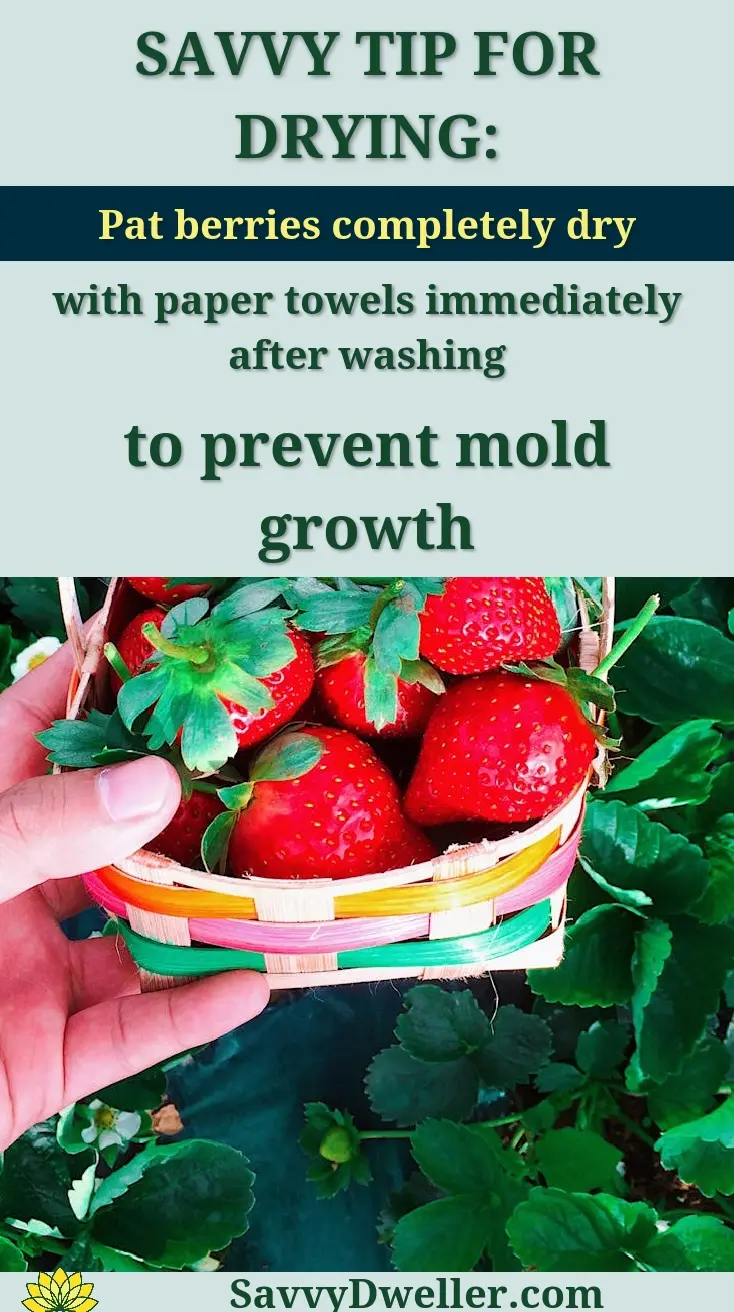
The drying step is just as important as the washing process itself. Inadequate drying leaves surface moisture that creates perfect conditions for mold growth.
Use a salad spinner or gently pat berries dry with paper towels. Avoid rubbing motions that can damage the delicate skin and create entry points for bacteria. Just like with berries, handling delicate fabrics such as silk and wool requires a gentle touch. Hand washing these materials helps preserve their quality and avoid damage during regular cleaning processes.
Allow strawberries to air dry for 10-15 minutes after patting them dry. This ensures any remaining moisture evaporates before storage.
Storing Wet Strawberries
Storing even slightly damp strawberries is a recipe for disaster. The enclosed environment of your refrigerator container traps moisture and creates a greenhouse effect for mold spores.
Completely dry strawberries before placing them in any storage container, even breathable ones. Any visible water droplets should be removed before refrigeration.
If you notice condensation forming inside your storage container, your berries weren’t dry enough. Remove them, pat dry again, and use fresh paper towels in a clean container.
Removing Stems Too Early
Those green leafy tops aren’t just decorative – they serve as natural barriers that prevent moisture and bacteria from entering the berry through its most vulnerable point.
Remove stems only when you’re ready to eat the strawberries. Premature stem removal creates an open pathway directly into the fruit’s interior.
Strawberries with stems intact last 2-3 days longer than those with stems removed immediately after washing. Keep those green tops on until the very last moment before consumption. For those dealing with uneven skin texture, knowing how to care for your skin is essential. Proper exfoliation and hydration can help to get rid of strawberry legs, leaving you with smoother skin.
Frequently Asked Questions
Can I Use Lemon Juice Instead Of Vinegar for Washing Strawberries?
Yes, lemon juice can be a good alternative to vinegar due to its citric acid content, which has natural antimicrobial properties. However, dilute it properly with three parts water to one part lemon juice to prevent a strong citrus flavor from affecting the berries. Soak for no more than 10 minutes, then rinse well; note that it may be less effective than vinegar for extending shelf life but works for immediate use.
Is It Necessary to Wash Organic Strawberries?
Absolutely-organic strawberries still need washing to remove dirt, bacteria, and residues from handling or the environment. Organic labeling doesn’t guarantee freedom from microbes or contaminants, so always use a method like the vinegar or baking soda soak to ensure safety and longevity.
Do I Need to Wash Strawberries if I’m Planning to Cook Them?
Yes, washing is crucial even before cooking, as heat may not eliminate all surface dirt or pesticides. Washing helps remove impurities that could affect flavor and safety in cooked dishes, such as sauces or baked goods. Opt for a gentle rinse or short soak, and dry thoroughly to avoid adding excess moisture to your recipe.
Can These Washing Methods Be Used for Other Berries?
Many methods can be adapted, but adjust based on berry delicacy. For instance, use a lighter touch with raspberries-a quick spray or rinse-to avoid crushing, while sturdier blueberries can tolerate a brief soak. Always test a small batch first and reduce soaking time to prevent damage.
How Can I Tell if Strawberries Are Still Good After Washing and Storage?
Check for visual and olfactory signs of spoilage, such as mold (fuzzy spots), mushiness, or a sour smell, which indicate they should be discarded. Properly washed and dried strawberries stored in the fridge typically last 3-7 days; if they spoil sooner, ensure they were thoroughly dried and stored in a ventilated container.
Final Words
Your strawberries deserve better than the quick rinse-and-hope approach that leaves them mushy within days. The vinegar wash method we’ve outlined can extend your berries’ life by up to a full week, saving you money and reducing food waste in your kitchen.
The difference between soggy, moldy strawberries and crisp, sweet ones often comes down to these simple washing and drying techniques. Whether you choose the vinegar method for maximum longevity or the baking soda approach for pesticide removal, you now have the tools to keep your berries fresh longer.
Ready to transform your strawberry storage game? Try the vinegar wash method with your next batch and see the results for yourself. For more practical kitchen solutions and home tips that actually work, explore Savvy Dwelling where we test and share only the methods that deliver real results.