
A Soothing Oatmeal and Honey Scrub for Sensitive Skin
Struggling with sensitive skin that reacts to seemingly every product you try? You’re not alone in feeling frustrated when standard scrubs leave your skin red, irritated, or uncomfortably tight. Many people with delicate skin assume they can’t enjoy the benefits of exfoliation without paying the price of inflammation.
This comprehensive guide will show you how to create gentle yet effective oatmeal and honey scrubs that actually soothe while they cleanse. We’ve researched the science behind why these natural ingredients work so well for sensitive skin and compiled proven recipes that range from ultra-gentle daily options to targeted treatments. You’ll learn exactly how to customize each formula for your specific skin needs without the guesswork or harsh reactions.
Contents
- At a Glance: The Best Solutions
- The Science Made Simple: Why Sensitive Skin Needs Special Care
- 1. The Basic Oatmeal and Honey Scrub Recipe
- 2. The Ultra-gentle Colloidal Oatmeal Version
- 3. The Moisturizing Oat and Honey Body Scrub
- 4. The Targeted Face Scrub Formula
- 5. The Travel-friendly Dry Mix Version
- 6. The Customizable Add-in Variations
- Common Mistakes to Avoid
- Safe Usage Guidelines and Frequency Recommendations
- Frequently Asked Questions
- Final Words
At a Glance: The Best Solutions
| Skin Type | Oatmeal Type | Honey Type | Best Frequency | Key Benefit |
|---|---|---|---|---|
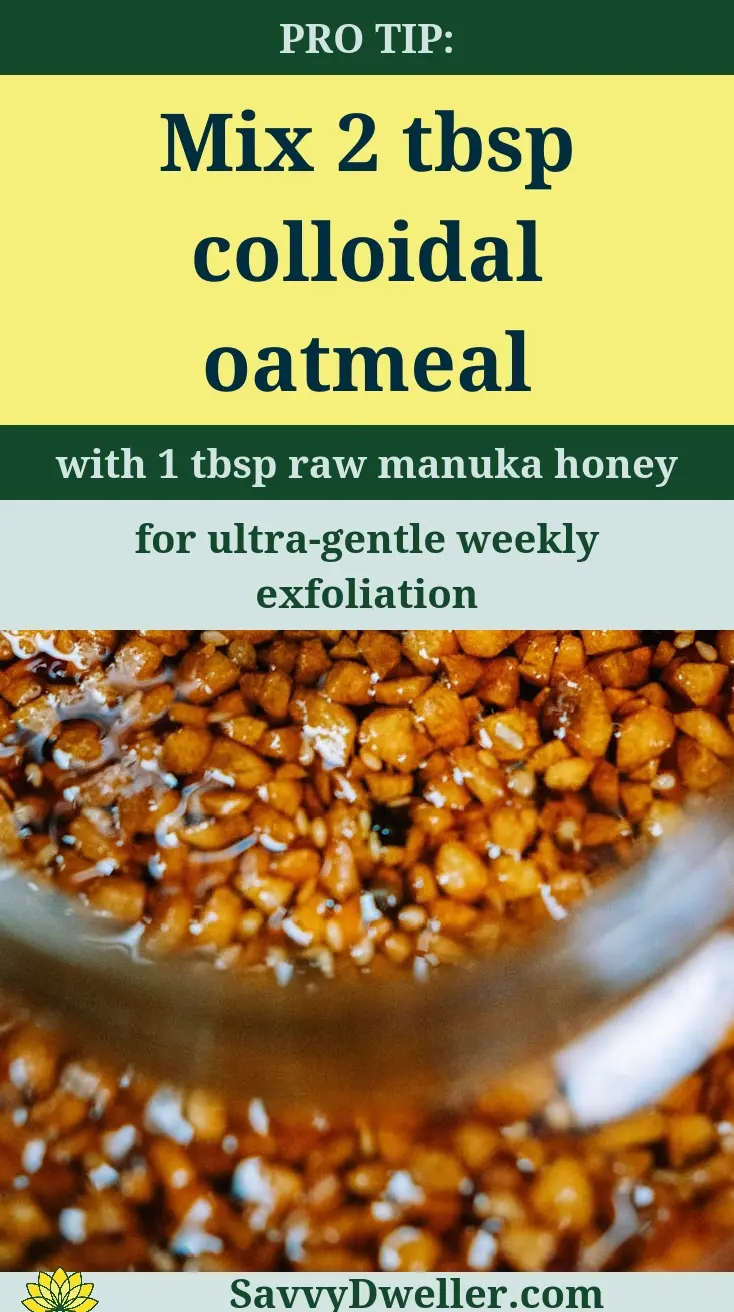
| Very Sensitive | Colloidal Oatmeal | Raw Manuka | 1x per week | Ultra-gentle exfoliation |
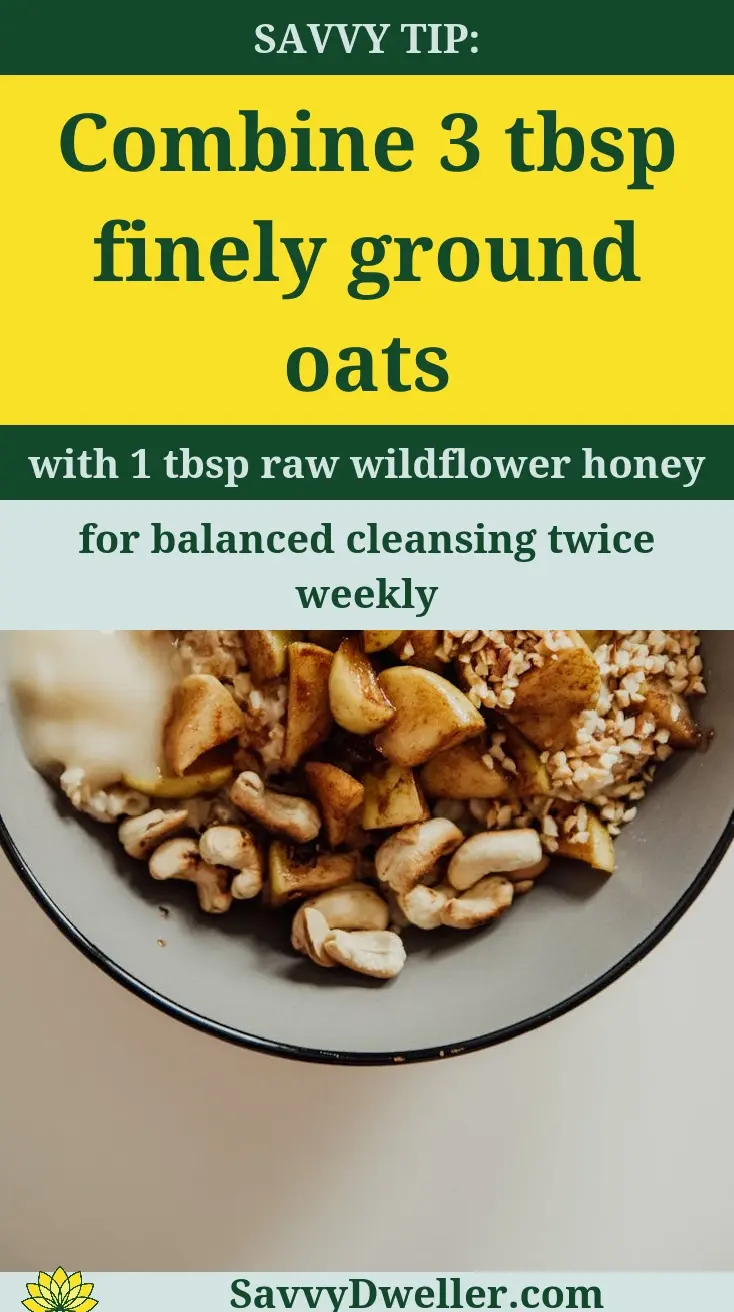
| Moderately Sensitive | Finely Ground Oats | Raw Wildflower | 2x per week | Balanced cleansing |
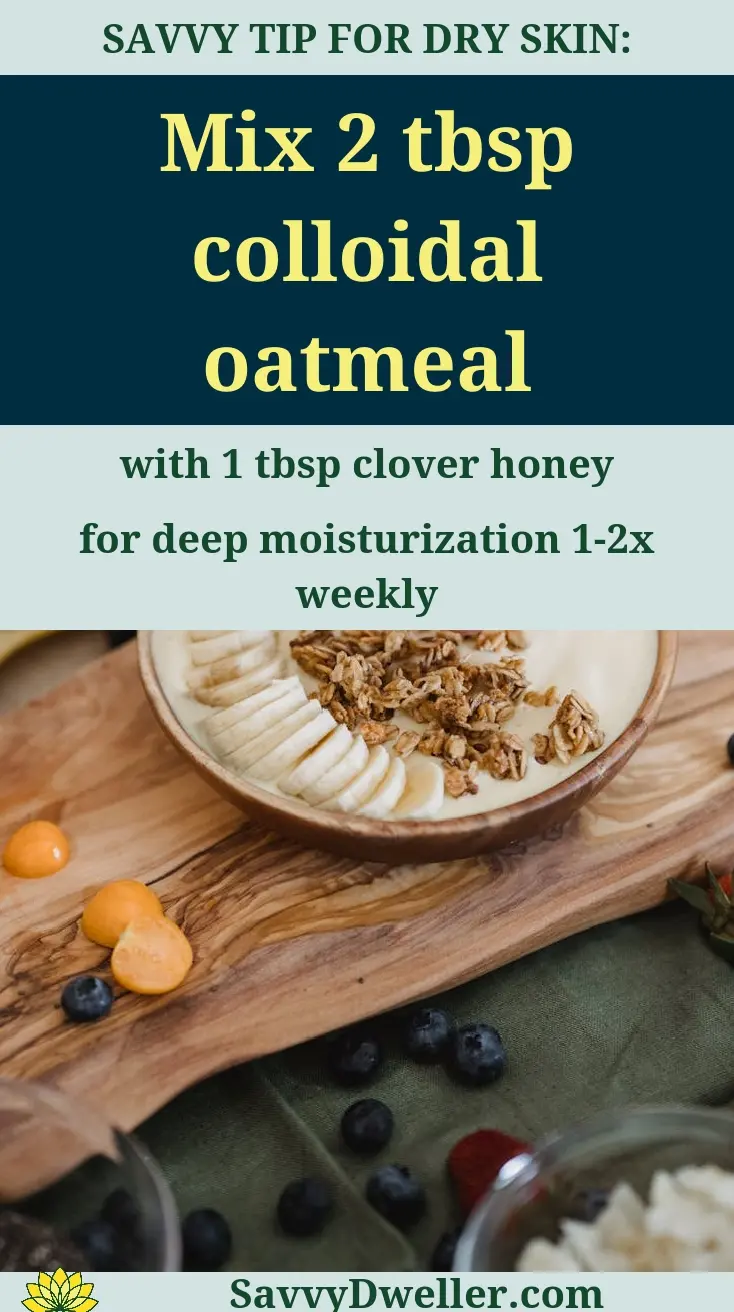
| Sensitive + Dry | Colloidal Oatmeal | Clover Honey | 1-2x per week | Deep moisturization |
| Sensitive + Acne-Prone | Medium Ground Oats | Raw Buckwheat | 2x per week | Gentle pore cleansing |
The Science Made Simple: Why Sensitive Skin Needs Special Care
Understanding Your Skin Barrier
Your skin barrier acts like a protective brick wall-keeping irritants out and moisture in. When this barrier is compromised, sensitive skin reacts with redness, stinging, or dryness.
A healthy barrier is your first defense against daily environmental stressors, and gentle care is non-negotiable for maintaining its resilience.
How Traditional Scrubs Can Damage Sensitive Skin
Many store-bought scrubs rely on jagged particles like walnut shells, salt crystals, or microbeads. These create micro-tears in delicate skin, disrupting the barrier and triggering inflammation.
- Physical abrasives in conventional scrubs often cause more harm than good for reactive skin.
- Added fragrances and synthetic preservatives in commercial formulas can worsen irritation.
For sensitive skin, harsh exfoliation doesn’t cleanse-it compromises.
Why Oatmeal and Honey Work Differently
Oatmeal and honey offer a rare blend: physical mildness paired with active soothing properties. Oats contain avenanthramides-natural compounds that calm inflammation-while honey provides enzymatic gentle exfoliation and humectant moisture retention.
Together, they form a sensitive skin exfoliator that cleanses without stripping, making this honey oatmeal scrub a true ally for reactive complexions.
1. The Basic Oatmeal and Honey Scrub Recipe
Essential Ingredients You’ll Need
Choosing the Right Oatmeal
Use plain, unflavored rolled oats (not instant or flavored varieties). Grind them to a fine or medium consistency depending on your skin’s tolerance-finer for more sensitivity.
- Avoid oats with added sugar, salt, or preservatives.
- Organic oats reduce the risk of pesticide residue.
Selecting Quality Honey
Opt for raw, unfiltered honey—preferably wildflower, clover, or manuka. Raw honey retains natural enzymes like glucose oxidase, which gently breaks down dead skin cells. In addition to its skincare benefits, honey is known for its many health benefits, including boosting immunity and aiding digestion.
- Pasteurized honey loses many of its beneficial properties.
- Manuka honey offers added antimicrobial support for acne-prone sensitive skin.
Optional Carrier Oils
Add 1–2 teaspoons of a non-comedogenic oil if your skin is dry. Good choices include jojoba, sweet almond, or fractionated coconut oil.
- Jojoba mimics skin’s natural sebum, making it ideal for balance.
- Sweet almond oil is rich in vitamin E and deeply nourishing.
Step-by-step Mixing Instructions
- Grind ¼ cup of rolled oats in a blender or food processor until fine (like coarse sand).
- Transfer to a small bowl and add 2 tablespoons of raw honey.
- If using, mix in 1 teaspoon of your chosen carrier oil.
- Stir until you achieve a thick, spreadable paste. Add a few drops of water or rosewater if too sticky.
- Use immediately or store in an airtight container in the fridge for up to 5 days.
How to Apply for Maximum Benefits
Preparation Steps
Start with clean, slightly damp skin. Avoid applying the scrub right after hot showers—warm (not hot) water helps open pores gently without irritating. Taking care of your skin can also help minimize the appearance of large pores. Regular exfoliation, alongside proper cleansing, contributes significantly to achieving smoother skin and reducing pore visibility.
Application Technique
- Scoop a nickel-sized amount for the face or a palm-sized portion for body use.
- Using fingertips, massage in slow, circular motions for 30–60 seconds. Focus on rough areas like elbows or cheeks, but avoid the eye contour.
- Let the mixture sit for 2–3 minutes to allow oatmeal and honey to soothe and hydrate.
- Rinse thoroughly with lukewarm water.
Post-Scrub Care
Pat skin dry-don’t rub-and follow with a fragrance-free moisturizer. This locks in hydration and supports barrier recovery after your natural scrub for sensitive skin.
Skipping moisturizer after exfoliation can undo the soothing benefits of your honey oat scrub.
Also See: The Best Essential Oils for Headaches and Migraines
2. The Ultra-gentle Colloidal Oatmeal Version
What Makes Colloidal Oatmeal Different
Colloidal oatmeal is finely milled to a powder so fine it disperses evenly in water, creating a milky suspension. This maximizes skin contact and enhances its ability to form a protective film.
Approved by the FDA as a skin protectant, colloidal oatmeal is ideal for extremely reactive or eczema-prone skin.
How to Make Colloidal Oatmeal at Home
- Start with plain rolled oats (certified gluten-free if you have sensitivities).
- Blend in a high-speed blender or coffee grinder for 2–3 minutes until it becomes a fine, flour-like powder.
- Test fineness by stirring 1 teaspoon into a glass of water-it should turn cloudy, not grainy.
- Store in an airtight jar away from moisture.
Recipe Modifications for Extra Sensitivity
- Use 2 tablespoons colloidal oatmeal + 1 tablespoon raw honey (reduce honey if sticky sensation bothers you).
- Omit carrier oils entirely if your skin reacts to oils.
- Replace water with cooled chamomile tea for added anti-inflammatory support.
This version works beautifully as a honey oatmeal face scrub for flare-ups or post-procedure skin recovery.
When to Choose This Version
Reach for the colloidal oatmeal formula if you experience frequent redness, stinging, or conditions like rosacea or eczema. It’s also the best choice for your first-time try of a homemade scrub for sensitive skin.
Think of it as the “emergency calm” version of your soothing scrub-less texture, more therapy.
3. The Moisturizing Oat and Honey Body Scrub
Scaling Up for Full-body Use
Transforming your basic honey oatmeal scrub into a generous honey oatmeal body scrub is simple-just multiply the base recipe while keeping ratios consistent. For full-body coverage, aim for about 1 cup of finely ground oats, ¼ cup of raw honey, and 2–3 tablespoons of your chosen carrier oil. This ensures you have enough for smooth, even application from shoulders to toes without running short mid-shower.
Always mix in a clean, dry bowl to prevent premature spoilage, especially since body scrubs sit in humid environments longer than facial versions.
Best Carrier Oils for Body Application
Carrier oils boost moisture and help the oats scrub glide over skin without tugging. Choose one that complements your skin’s needs and climate:
- Jojoba oil – mimics skin’s natural sebum
- Sweet almond oil – lightweight and rich in vitamin E
- Coconut oil – deeply hydrating but may solidify in cool temps
Jojoba Oil Benefits
Jojoba oil isn’t technically an oil—it’s a liquid wax ester that closely resembles human sebum. This makes it exceptionally compatible with sensitive skin, helping your body scrub for sensitive skin absorb quickly without clogging pores or leaving a greasy film. Because of its unique properties, jojoba oil is also beneficial for both skin and hair health, providing hydration and nourishment. Many people use it to improve moisture levels and promote a healthy shine in their hair.
Sweet Almond Oil Properties
Packed with oleic and linoleic acids, sweet almond oil softens rough patches while supporting the skin barrier. It’s a go-to for a nourishing, non-irritating base in a natural scrub for sensitive skin, especially on elbows, knees, and feet.
Coconut Oil Considerations
While coconut oil offers intense hydration, it’s comedogenic for some and solidifies below 76°F (24°C). If you use it in your honey oat scrub, warm it slightly before mixing and avoid applying it to acne-prone zones like the back or chest.
Application Tips for Different Body Areas
- Arms and legs: Use circular motions with light pressure-oatmeal provides enough gentle abrasion without harsh scrubbing.
- Elbows and knees: Focus on these thicker areas with slightly more pressure, but never to the point of redness.
- Feet: Let the scrub sit for 2–3 minutes before rinsing to let honey’s enzymes soften calluses.
- Chest and back: Apply with a soft washcloth to avoid over-exfoliating delicate zones prone to irritation.
4. The Targeted Face Scrub Formula
Adjusting Texture for Facial Skin
Facial skin is up to five times thinner than body skin, so your honey oatmeal face scrub must be extra refined. Grind oats to a powder-fine consistency-almost like flour-to create the gentlest exfoliating scrub oatmeal possible. Mix with just enough honey to form a paste that clings without dripping. Avoid gritty textures; even “medium” oatmeal can be too abrasive for the face.
Special Considerations for Eye Area
Never scrub directly around the eyes. The skin here is ultra-thin and easily irritated. If your oatmeal scrub for face strays near this zone, rinse immediately with cool water. Instead, soothe the eye area separately with a cotton pad soaked in chilled chamomile tea or colloidal oatmeal water. For further relief from under-eye issues, consider exploring various home remedies tailored for dark circles. Effective solutions can not only refresh tired eyes but also promote healthier skin.
How to Customize for Your Skin Concerns
For Sensitive and Dry Skin
Boost hydration by adding ½ teaspoon of aloe vera gel or 1 teaspoon of plain yogurt to your base. This creates a creamy, calming honey and oatmeal scrub that soothes while it exfoliates. Use once weekly, followed by a ceramide-rich moisturizer to lock in comfort.
For Sensitive and Combination Skin
Balance oilier zones (T-zone) and dry patches (cheeks) by using colloidal oatmeal as your base and raw buckwheat honey—known for its mild antibacterial properties. This targeted oatmeal honey body scrub adaptation works well as a facial treatment too, especially when applied only to the T-zone and rinsed thoroughly. Limit use to twice weekly. Regularly addressing areas prone to clogged pores can help maintain clear skin and prevent breakouts. Keeping the T-zone clean and moisturized is essential to get rid of clogged pores on the face.
5. The Travel-friendly Dry Mix Version
Creating a Shelf-stable Blend
For a mess-free, portable homemade scrub for sensitive skin, combine only dry ingredients ahead of time. In a clean jar, mix:
- 1 cup finely ground oats (or colloidal oatmeal for extra gentleness)
- 2 tablespoons dried powdered milk (optional, for added soothing)
- 1 teaspoon arrowroot powder (helps absorb excess moisture)
This dry blend stays fresh far longer than wet versions and is perfect for packing in carry-ons.
Storage and Preservation Tips
Store your dry mix in an airtight glass container away from heat and humidity. Adding a silica gel packet inside the jar can extend freshness by absorbing ambient moisture. The blend should last 2–3 months if kept completely dry. Never dip wet fingers into the jar-use a dry spoon to portion it out.
How to Activate When Ready to Use
- Scoop 2–3 tablespoons of the dry mix into a small bowl.
- Add 1–2 teaspoons of raw honey and a few drops of warm water or your preferred carrier oil.
- Stir until it reaches a spreadable paste consistency.
- Apply immediately-don’t store the activated mixture, as honey can ferment when mixed with moisture over time.
6. The Customizable Add-in Variations
Safe Essential Oils for Sensitive Skin
While many essential oils are too harsh for sensitive skin, a few gentle options can enhance your honey oatmeal scrub without causing irritation. Always use them in very small amounts-typically 1–2 drops per tablespoon of base mixture.
Lavender for Calming
Lavender essential oil is widely recognized for its soothing properties. It may help reduce redness and support a sense of calm during your skincare ritual. For a gentle touch, add just one drop of therapeutic-grade lavender oil to your oatmeal honey face scrub. Many people also turn to essential oils like lavender for stress relief and anxiety reduction, making them an excellent addition to your daily routine. Incorporating the best essential oils for anxiety and stress relief can enhance your overall sense of well-being.
Chamomile for Soothing
Roman or German chamomile essential oil offers anti-irritant qualities that pair well with colloidal oatmeal. Chamomile can help support skin comfort, making it a thoughtful addition to a natural scrub for sensitive skin.
Natural Enhancers to Consider
These kitchen staples can boost your exfoliating scrub oatmeal with extra skin-loving benefits-without compromising gentleness.
Yogurt for Extra Gentleness
Plain, unsweetened yogurt contains lactic acid, a mild alpha hydroxy acid (AHA) that gently refines texture. Adding a teaspoon of yogurt to your homemade scrub for sensitive skin softens the exfoliation and supports skin’s natural moisture balance.
Aloe Vera Gel for Healing Support
Fresh aloe vera gel (free of alcohol or fragrances) can soothe and hydrate. Mix in ½ to 1 teaspoon of pure aloe to your honey and oatmeal scrub for added comfort, especially after sun exposure or minor irritation.
What to Avoid in Sensitive Skin Formulas
- Citrus essential oils (like lemon, orange, or grapefruit)-they can increase photosensitivity and cause stinging
- Ground nut shells, salt, or sugar crystals-they’re too abrasive for a true scrub for sensitive skin
- Alcohol-based extracts or synthetic fragrances-they disrupt the skin barrier
- Commercial honey blends with added sugars or preservatives-they lack the natural enzymes of raw honey
Common Mistakes to Avoid
Over-exfoliating: Signs and Prevention
Even the gentlest oat scrub can cause harm if used too often. Signs of over-exfoliation include tightness, flaking, increased redness, or unexpected breakouts. Stick to your skin’s recommended frequency-usually once or twice a week-and never scrub over broken or inflamed skin.
Using the Wrong Honey Type
Not all honey is created equal. Pasteurized or processed honey loses many of its natural enzymes and antioxidants. For a truly effective honey oat scrub, always choose raw, unfiltered honey-like Manuka, wildflower, or buckwheat-to support skin’s natural defenses.
Skipping the Patch Test
Sensitive skin can react unexpectedly-even to natural ingredients. A patch test is your best safeguard before applying any new body scrub for sensitive skin to your face or body.
How to Perform a Proper Patch Test
- Clean a small area on your inner forearm or behind your ear.
- Apply a pea-sized amount of your finished scrub.
- Cover loosely with a bandage and wait 24–48 hours.
- Check for any signs of reaction before full use.
What to Look For During Testing
Watch for redness, itching, swelling, burning, or tiny bumps. If you notice any of these, discontinue use-even if the ingredients seem “natural.” Your skin’s response is what matters most.
Improper Storage Leading to Contamination
Because your honey oatmeal body scrub contains water-based or fresh ingredients (like yogurt or aloe), it can grow mold or bacteria if stored improperly. Always use a clean, airtight glass jar and keep it in the refrigerator if it includes perishables. Discard after 5–7 days.
Ignoring Your Skin’s Changing Needs
Sensitive skin shifts with seasons, stress, hormones, and environment. What works in winter might be too rich in summer-so stay observant and adjust your oatmeal scrub for face or body accordingly.
Safe Usage Guidelines and Frequency Recommendations
How Often to Use Your Oatmeal Honey Scrub
For most sensitive skin types, 1–2 times per week is ideal. Those with very reactive or compromised barriers should start with once weekly. Less is often more when using a natural scrub for sensitive skin-gentle consistency beats frequent intensity.
Signs Your Skin Needs a Break
If your skin feels tight, looks flushed, or stings after applying moisturizer, it’s time to pause. Give your barrier at least 5–7 days to recover before reintroducing your exfoliating scrub oatmeal.
Integrating With Your Existing Skincare Routine
Best Times to Scrub
Evening is ideal. Your skin repairs overnight, and you avoid potential sun sensitivity from any mild exfoliation. Use your honey and oatmeal scrub during your nighttime routine for optimal soothing results.
What to Use Before and After
- Before: Cleanse with a fragrance-free, creamy cleanser-never scrub on top of makeup or heavy oils.
- After: Rinse thoroughly with lukewarm water, pat dry, and follow with a simple, ceramide-rich moisturizer or a few drops of jojoba oil to lock in comfort.
Special Considerations for Different Seasons
In winter, lean toward the ultra-gentle colloidal oatmeal version with richer honey (like clover) to combat dryness. In summer, your skin may tolerate slightly more frequent use—especially if you’re using the yogurt-enhanced formula. During allergy season or high-pollen months, skip essential oils entirely to minimize potential triggers in your scrubs for sensitive skin. Incorporating natural remedies during these times can provide relief from allergy symptoms. Exploring options like honey, herbal teas, and saline nasal rinses may enhance your comfort throughout allergy season.
Frequently Asked Questions
Can I Use This Scrub if I Have Allergies to Oats or Honey?
If you have known allergies to oats or honey, avoid using this scrub entirely to prevent adverse reactions like itching or redness. Instead, perform a patch test on a small area of skin (like your inner arm) before full application, and consider consulting a dermatologist for alternative gentle exfoliants, such as a rice powder or aloe-based scrub.
How Long Can I Store the Homemade Scrub, and What Are the Signs It Has Gone Bad?
A freshly mixed scrub should be used immediately or stored in an airtight container in the refrigerator for up to 3-4 days. Discard it if you notice any mold, off smells, or changes in texture, as honey’s natural preservatives can only delay spoilage for a short time. For longer shelf life, opt for the dry mix version outlined in the article.
Is This Oatmeal and Honey Scrub Safe for Skin Conditions Like Eczema or Rosacea?
While oatmeal and honey are generally soothing, consult your dermatologist before use if you have eczema or rosacea, as individual triggers vary. If approved, start with the ultra-gentle colloidal oatmeal version once weekly, and monitor for increased redness or irritation, discontinuing if flare-ups occur. For those experiencing rosacea, exploring natural remedies can be a gentle approach to managing facial redness.
Can I Incorporate This Scrub Into a Routine With Exfoliating Acids or Retinol?
Yes, but space out applications carefully to avoid over-exfoliation. Use the scrub on days you skip acids or retinol, and limit it to once weekly if your skin is sensitive. Always follow with a moisturizer to support barrier repair, and reduce frequency if you experience dryness or peeling.
Final Words
Your journey to gentler, more effective exfoliation starts with understanding that sensitive skin doesn’t have to mean giving up on scrubs altogether. The oatmeal and honey combinations we’ve explored offer you natural, science-backed solutions that work with your skin’s delicate barrier instead of against it.
Start with the basic recipe and gradually customize based on how your skin responds, remembering that consistency matters more than intensity. Your sensitive skin deserves the same radiant glow as any other skin type, just with a more thoughtful approach. Don’t forget to check out Savvy Dwelling for more gentle wellness solutions that support your skin’s unique needs.
Take the first step today by gathering your ingredients and performing that crucial patch test. Your future self will thank you for choosing this nurturing path to healthier, more comfortable skin.

