
What is Psyllium Husk and Why Do You Need It?
Struggling with digestive discomfort, irregular bowel movements, or looking for a natural way to support your overall wellness routine? You’re not alone in feeling frustrated when your digestive system doesn’t cooperate with your daily plans. Many people experience these challenges but aren’t sure where to turn for gentle, effective support.
This comprehensive guide breaks down everything you need to know about psyllium husk—a natural fiber powerhouse that could transform your digestive wellness. We’ll walk you through the science-backed benefits, practical usage tips, and creative ways to incorporate this versatile supplement into your daily routine. You’ll discover how this simple addition to your wellness toolkit can support not just digestive comfort, but potentially aid in cholesterol management and healthy weight goals too.
Contents
- At a Glance: The Best Solutions
- 1. Understanding What Psyllium Husk Really is
- 2. Key Health Benefits That Make Psyllium Husk Essential
- 3. How to Use Psyllium Husk in Your Daily Routine
- 4. Creative Ways to Add Psyllium to Your Home Kitchen
- 5. Who Should Consider Using Psyllium Husk
- 6. Different Forms Of Psyllium and How to Choose
- Common Mistakes to Avoid When Using Psyllium Husk
- Frequently Asked Questions
- Final Words
At a Glance: The Best Solutions
| Solution Type | Best For | Quick Start Dose | Time to See Results |
|---|---|---|---|
| Psyllium Powder | Digestive support & regularity | 1 tsp in 8 oz water | 1-3 days |
| Psyllium Capsules | Convenient daily fiber | 2-3 capsules daily | 2-4 days |
| Whole Husk Form | Maximum fiber benefit | 1 tbsp in smoothie | 1-2 days |
| Baking Applications | Gluten-free recipes | 1-2 tsp per cup flour | Immediate texture improvement |
1. Understanding What Psyllium Husk Really is
The Natural Source Behind This Fiber Powerhouse
What is psyllium husk made from? It comes from the seeds of Plantago ovata, a herb native to parts of Asia, particularly India and Pakistan. The husk-the outer coating of the seed-is rich in soluble fiber and has been used in traditional wellness practices for centuries.
What is psyllium? It’s not a synthetic additive, but a purely plant-based source of dietary fiber that’s both gentle and effective. Unlike many modern fiber supplements derived from processed grains or gums, psyllium remains minimally processed in its whole-husk form, preserving its natural structure and benefits.
How Psyllium Husk Differs From Other Fiber Sources
Not all fiber is created equal. While oats, beans, and flaxseed offer soluble fiber, and wheat bran is high in insoluble fiber, psyllium husk uniquely delivers both—but leans heavily into soluble fiber (about 70%). The distinction between soluble and insoluble fiber is crucial for understanding their different effects on health. Soluble fiber dissolves in water and helps to lower cholesterol, while insoluble fiber aids in digestion and prevents constipation.
This sets it apart from most common sources:
- Oats: Soluble fiber (beta-glucan), but lower total fiber per gram.
- Flaxseed: Contains fiber plus omega-3s, but doesn’t form a strong gel.
- Wheat bran: Mostly insoluble fiber-great for bulk, but not for gentle stool softening.
Psyllium vs fiber in general? Think of psyllium as a precision tool-highly effective at forming a soothing, gel-like substance that supports multiple aspects of wellness, not just digestion.
The Science Behind Its Unique Gel-forming Properties
When psyllium husk meets water, it swells and forms a viscous, gel-like matrix. This isn’t just texture-it’s functional science. The mucilage in psyllium (a type of soluble fiber) absorbs up to 50 times its weight in water.
This gel:
- Slows gastric emptying, promoting fullness
- Binds to bile acids, aiding cholesterol recycling
- Softens stool while adding bulk-ideal for both constipation and occasional diarrhea
What is psyllium fiber’s secret? Its ability to act as a “prebiotic bulking agent” that supports gut motility without irritation-unlike stimulant laxatives.

2. Key Health Benefits That Make Psyllium Husk Essential
Supporting Digestive Comfort and Regularity
One of the most well-documented psyllium husk benefits is its role in promoting regular bowel movements. The gel adds bulk to stool while retaining moisture, easing passage without straining.
Psyllium husk dietary fiber helps normalize transit time—whether you’re too slow or too fast—making it a go-to for digestive balance. Unlike harsh laxatives, it works with your body’s natural rhythms. Incorporating other beneficial foods into your diet can further enhance digestion. Foods like yogurt, sauerkraut, and whole grains are known to support gut health and promote smoother digestion.
How Psyllium May Aid Cholesterol Management
Clinical studies show that daily psyllium intake can support healthy LDL (“bad”) cholesterol levels. The gel binds to bile acids in the gut, which the liver then replaces by pulling cholesterol from the bloodstream.
Over time, this cycle may help maintain healthier cholesterol profiles-especially when combined with a balanced diet. Incorporating certain foods can significantly contribute to lowering cholesterol naturally. This is one of the standout psyllium husk health benefits backed by decades of research.
Supporting Healthy Weight Management Goals
Because psyllium expands in the stomach, it promotes a feeling of fullness that can help curb between-meal snacking. It doesn’t add calories but adds volume-a useful ally when managing portions.
Psyllium husk fiber benefits include appetite modulation, making it a quiet but powerful partner in sustainable weight strategies.
Blood Sugar Support Benefits
The viscous gel formed by psyllium slows carbohydrate digestion and glucose absorption. This can help prevent sharp spikes after meals-a key factor in maintaining steady energy and metabolic health.
For those watching their blood sugar, psyllium husk uses extend beyond the bathroom-it’s a functional food for metabolic harmony.
Also See: The Ultimate Guide to a Natural Kidney Cleanse
3. How to Use Psyllium Husk in Your Daily Routine
Finding Your Ideal Psyllium Husk Dosage
Start low and go slow. Most people begin with ½ to 1 teaspoon of powder or 1 capsule once daily, then gradually increase based on tolerance and goals.
General guidelines:
- Beginner dose: ½ tsp (1.5 g) once daily with 8 oz water
- Maintenance dose: 1–2 tsp (3–6 g) once or twice daily
- Max daily intake: Do not exceed 30 g (about 5 tsp) unless advised
Psyllium husk dosage isn’t one-size-fits-all-listen to your body and adjust over days, not hours.
Best Times Of Day to Take Psyllium
Morning is ideal for most-on an empty stomach or with breakfast-to kickstart digestion and promote satiety. Others prefer evening dosing to support overnight regularity.
Avoid taking it within 2 hours of medications or supplements, as the gel can interfere with absorption. When asking “psyllium husk how do you take it?”-timing matters as much as dose.
Mixing Methods That Actually Work
The Water Method for Beginners
- Pour 8–10 oz of cool or room-temperature water into a glass
- Add ½ to 1 tsp of psyllium husk powder or whole husk
- Stir vigorously for 10–15 seconds, then drink immediately before it thickens
- Follow with another full glass of water
This simple approach minimizes clumping and ensures safety-critical for avoiding psyllium husk side effects like throat or esophageal blockage.
Adding to Smoothies and Shakes
Blend 1 tsp of psyllium into your morning smoothie. It thickens the texture slightly and boosts fiber without altering flavor.
- Best with thicker bases: banana, avocado, or yogurt
- Use within 2–3 minutes of blending-don’t let it sit
- Always include extra liquid (½ cup more than usual)
Psyllium husk how to take it in a tasty way? Smoothies mask its neutral taste while enhancing creaminess.
Incorporating into Foods
Psyllium works well in no-bake energy balls, oatmeal, or even stirred into soups just before serving (add at the end to avoid over-thickening). It’s one of the best natural energy-boosting foods.
- For oatmeal: Stir in ½ tsp after cooking, with a splash of extra milk or water
- For energy bites: Mix 1 tsp with dates, nuts, and cocoa; roll into balls
- For sauces: Whisk in a pinch to thicken naturally-great for gluten-free gravies
Psyllium husk uses in cooking go far beyond supplements-it’s a versatile, invisible fiber boost.
4. Creative Ways to Add Psyllium to Your Home Kitchen
Baking With Psyllium Husk for Better Texture
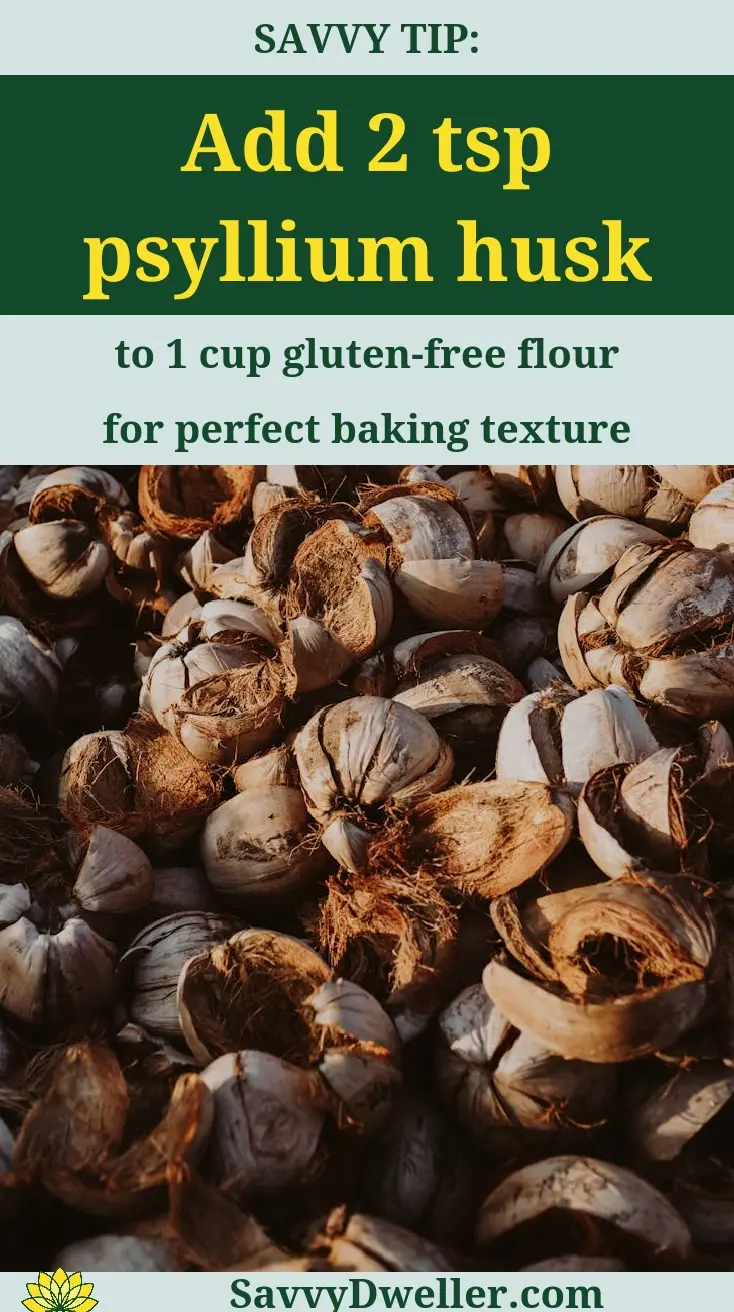
In gluten-free baking, psyllium husk acts like a binder, mimicking the stretchy structure that gluten normally provides. Just 1–2 teaspoons of psyllium per cup of gluten-free flour can transform crumbly dough into something cohesive and springy. It’s especially useful in breads, pizza crusts, and muffins where elasticity matters. Unlike flax or chia, psyllium doesn’t add a strong flavor-just structure and a subtle chew.
Simple Psyllium Recipes to Try Today
Basic Psyllium Gel Recipe
This gel is your secret weapon for smoothies, sauces, or even as an egg replacer (1 tbsp gel ≈ 1 egg).
- Combine 1 teaspoon of whole or powdered psyllium husk with 1 cup (8 oz) of warm water.
- Whisk immediately to prevent clumping.
- Let sit for 10–15 minutes until a thick, clear gel forms.
- Stir again before using. Store in a sealed jar in the fridge for up to 5 days.
Gluten-Free Bread Enhancement
Add psyllium to your favorite gluten-free bread recipe to prevent dryness and improve rise.
- Use 1½ teaspoons of psyllium husk powder per cup of flour blend.
- Mix it directly into dry ingredients before adding wet components.
- Let the dough rest for 10 minutes after mixing-this gives the psyllium time to hydrate and activate.
Storage Tips to Maintain Freshness
Poor storage leads to stale or clumped psyllium, which loses its gelling power. Always keep psyllium husk in an airtight container in a cool, dark, dry place-like a pantry cupboard away from the stove. For long-term storage (over 6 months), the fridge or freezer works best, especially in humid climates. Avoid scooping with wet utensils to prevent moisture contamination.
5. Who Should Consider Using Psyllium Husk
Ideal Candidates for Psyllium Supplementation
If you’re looking to boost your daily psyllium husk dietary fiber intake, you may benefit if you experience occasional constipation, follow a low-fiber diet, or manage blood sugar or cholesterol levels. People on gluten-free or low-residue diets often find psyllium fills nutritional gaps without triggering sensitivities. It’s also a go-to for those aiming to support satiety during weight management efforts.
Special Considerations for Different Life Stages
Teens and adults can usually tolerate standard psyllium husk dosage recommendations with proper hydration. Older adults may benefit from its gentle regularity support but should start with lower doses due to potentially slower digestion. Pregnant individuals sometimes use psyllium for pregnancy-related constipation-but always under professional guidance. Children should only use it if advised by a pediatric provider, and in child-appropriate amounts.
When to Consult Healthcare Providers First
If you have a history of bowel obstructions, difficulty swallowing, or unexplained digestive symptoms, talk to your provider before starting psyllium. Those on medications-especially for diabetes, heart conditions, or antidepressants-should also get clearance, as psyllium can affect how some drugs are absorbed. Never use psyllium to self-treat persistent constipation or diarrhea without medical input.
6. Different Forms Of Psyllium and How to Choose
Whole Husk Vs. Powdered Forms
Whole psyllium husk retains more natural fiber structure and is less processed, making it ideal for maximizing psyllium husk fiber benefits. Powdered forms dissolve more easily and are better for smoothies or baking but may undergo more milling. Nutritionally, both offer similar psyllium husk nutrition profiles-but whole husk often has slightly higher mucilage content, which enhances gelling.
Capsules Vs. Loose Forms: Pros and Cons
Capsules offer convenience and mess-free psyllium husk how to take it routines-perfect for travel or daily maintenance. However, they contain less fiber per serving and cost more per gram. Loose forms (powder or husk) give you control over dosage and are more versatile for cooking, but require careful mixing and immediate consumption. Choose capsules for simplicity; choose loose for flexibility and value.
What to Look for When Shopping
Quality Indicators
Opt for products labeled 100% pure psyllium husk with no fillers. A light beige to golden color indicates freshness; gray or dull tones suggest age or poor processing. Reputable brands often list country of origin (India and Pakistan are top producers) and may carry third-party testing seals for purity.
Avoiding Unnecessary Additives
Scan labels carefully. Some brands sneak in sugars, artificial flavors, or anti-caking agents like silicon dioxide, which dilute the psyllium husk benefits. If the ingredient list has more than one item-and that item isn’t just “psyllium husk” or “psyllium husk powder”-keep looking. For the cleanest experience, choose organic-certified options when possible.
Common Mistakes to Avoid When Using Psyllium Husk
The Critical Importance Of Adequate Water Intake
Poor hydration is the top cause of psyllium husk side effects like bloating or even blockage. Psyllium absorbs up to 50 times its weight in water-so always take it with at least 8 oz of liquid, and drink more throughout the day. Never swallow dry powder or capsules without sufficient water.
Starting Too Fast: Why Gradual Introduction Matters
Jumping straight to a full psyllium husk dosage can overwhelm your gut. Begin with ½ teaspoon daily for 2–3 days, then slowly increase to your target amount over a week. This lets your digestive system adjust and minimizes gas or cramping.
Timing Mistakes With Medications
Potentially life-altering: psyllium can delay or reduce absorption of certain drugs. Always take medications at least 2 hours before or after your psyllium serving. This rule applies to antibiotics, blood thinners, antidepressants, and diabetes meds. Check with your pharmacist if unsure.
Storage Errors That Reduce Effectiveness
Leaving the bag open on the counter or storing near the dishwasher invites moisture. Damp psyllium clumps, loses potency, and may develop off-flavors-compromising both safety and what is psyllium husk’s functional benefits. Treat it like spices: sealed, dark, and dry.
Ignoring Your Body’s Response Signals
Your gut knows best. If you feel unusual fullness, prolonged bloating, or worsening constipation after taking psyllium, pause use. These aren’t normal psyllium benefits-they’re signs to reassess dosage, hydration, or timing. Sometimes, feeling like you need relief fast can add to your discomfort. By making a few dietary changes or trying natural remedies, it’s possible to relieve constipation and achieve instant results.

Frequently Asked Questions
Can Psyllium Husk Cause Allergic Reactions?
Psyllium husk is generally well-tolerated, but allergic reactions are possible, though rare. If you have known allergies to plants in the Plantago family, exercise caution and consult a healthcare provider before use. Symptoms may include skin rashes, itching, or respiratory issues; discontinue use immediately if these occur and seek medical advice. This consideration also extends to various plants and herbs used for natural remedies, as some can cause adverse reactions. Identifying and treating common plant diseases naturally involves understanding these aspects to ensure safe and effective use in your home garden.
How Does Psyllium Husk Impact Gut Microbiota?
Psyllium husk serves as a prebiotic, meaning it helps nourish beneficial gut bacteria without significant fermentation. This supports a balanced microbiome, which can enhance digestive health and immune function over time. Incorporating a variety of prebiotic foods is essential for optimal gut health. Exploring the top 10 prebiotic foods can further bolster your microbiome and improve overall well-being.
Is Psyllium Husk Suitable for Specific Diets Like Vegan or Paleo?
Yes, psyllium husk is plant-based and unprocessed, aligning well with vegan and paleo diets. Always opt for pure, additive-free versions to avoid hidden ingredients that might not fit your dietary preferences. It’s an ideal fiber source for those avoiding grains or animal products, but check labels for certifications like organic or non-GMO if needed.
What Should I Do if I Experience Discomfort After Taking Psyllium?
Mild discomfort like bloating can occur if you start with too high a dose or insufficient water. Reduce your dosage immediately, ensure you drink at least 8 ounces of water per serving, and gradually increase intake over 1-2 weeks. Natural diuretics can help alleviate such bloating by promoting the elimination of excess fluid. If symptoms persist, stop use and consult a doctor to rule out underlying issues like intestinal blockage.
Final Words
Psyllium husk stands out as one of nature’s most versatile wellness allies, offering support for digestive comfort, heart health, and daily nutrition goals. Whether you choose powder, capsules, or whole husk form, the key lies in starting slowly and staying consistent with adequate water intake.
Remember that small changes in your daily routine can lead to meaningful improvements in how you feel. Begin with just one teaspoon of psyllium powder in water each morning, and let your body guide you as you gradually increase your intake. Your digestive system will thank you for the gentle, natural support.
Ready to explore more natural wellness solutions for your home and health? Check out Savvy Dwelling for research-backed tips and practical advice that fits seamlessly into your daily life. Start your psyllium journey today and stay connected with us for more evidence-based wellness strategies that actually work.
References You Might Like:
- Psyllium benefits, dosage, and side effects
- Full article: Review on psyllium husk: nutritional, functional, health benefits, food industry applications, waste treatment, and potential negative effects
- Psyllium: What Are the Health Benefits?
- What is Psyllium Fiber? Benefits, Usage, and More │ Metamucil