
How to Wash Berries With Vinegar and Baking Soda to Keep Them Fresh for Weeks
Tired of watching your fresh berries turn mushy and moldy within just a few days of bringing them home? You’re not alone in this frustrating cycle of buying beautiful berries only to watch them spoil before you can enjoy them. The disappointment of opening your refrigerator to find expensive strawberries covered in fuzzy mold or blueberries that have turned into a soggy mess is something every home cook knows too well.
Here at Savvy Dwelling, we’ve spent years researching and testing the most effective methods to extend berry freshness, and we’re excited to share what actually works. This comprehensive guide will show you exactly how to use simple household ingredients like vinegar and baking soda to naturally preserve your berries for weeks, not days. You’ll learn the science-backed techniques that remove harmful bacteria and mold spores while keeping your berries plump, flavorful, and ready to eat whenever you crave them.
Contents
- At a Glance: The Best Solutions
- 1. The Vinegar Wash Method
- 2. The Baking Soda Method
- 3. The Combined Vinegar and Baking Soda Approach
- Berry-specific Washing Techniques
- Proper Drying and Storage After Washing
- The Science Made Simple: Why This Problem Happens
- Common Mistakes to Avoid When Washing Berries
- Frequently Asked Questions
- Final Words
- Sources:
At a Glance: The Best Solutions
Quick Comparison Of Berry Washing Methods
When you’re looking at how to wash berries effectively, you have three proven approaches that each offer distinct advantages. Understanding these methods helps you choose the right technique for your specific needs.
The vinegar wash method removes up to 98% of bacteria and mold spores while being incredibly gentle on delicate berry surfaces. This approach uses a diluted white vinegar solution that breaks down pesticide residues without damaging the fruit’s natural protective coating. To keep fruit trees healthy, it’s essential to consider natural pest control methods. These methods not only protect the trees but also enhance the quality of the fruits, making them safe for consumption.
The baking soda method excels at removing stubborn pesticide residues and waxy coatings. This alkaline solution neutralizes acidic contaminants while providing a gentle scrubbing action that won’t bruise your berries.
The combined vinegar and baking soda approach delivers maximum cleaning power by using both methods sequentially. This technique offers the most thorough cleaning for berries that have been heavily treated or stored for extended periods. This natural cleaning method can also be incredibly effective when tackling tough stove and oven grime. Exploring the ultimate guide on cleaning your oven with baking soda and vinegar will provide you with easy steps to achieve a sparkling clean appliance.
| Method | Best For | Cleaning Power | Time Required |
|---|---|---|---|
| Vinegar Wash | Daily use, organic berries | High bacterial removal | 5-10 minutes |
| Baking Soda | Pesticide removal | Excellent residue removal | 3-5 minutes |
| Combined Method | Maximum cleaning | Superior all-around | 8-12 minutes |
When to Use Each Method
Your berry source and intended use determine which washing method works best for your situation. Fresh berries from farmers markets often need different treatment than store-bought varieties. Proper washing techniques can also help maintain the lasting freshness of strawberries, ensuring they stay sweet and delicious longer. Finding the best way to wash strawberries not only keeps them clean but also preserves their flavor and texture.
Use the vinegar wash for berries when you want to extend freshness for weeks while maintaining optimal flavor. This method works particularly well for strawberries, blueberries, and blackberries that you plan to eat fresh or use in uncooked applications.
Choose the baking soda method when dealing with conventionally grown berries that may have pesticide residues. This approach excels at cleaning grapes, strawberries, and other berries with waxy surfaces or visible residue buildup.
The combined approach becomes necessary when you’re washing berries with baking soda and vinegar for maximum protection. Use this method for berries you plan to store long-term or when dealing with fruit that shows signs of early spoilage.
Timing matters significantly – wash berries just before eating for immediate consumption, but clean and dry thoroughly if storing for extended periods. Never wash berries weeks in advance unless you’re following proper storage protocols to prevent premature spoilage.
1. The Vinegar Wash Method
How It Works
The vinegar wash method works because white vinegar contains acetic acid, which naturally breaks down bacteria, mold spores, and pesticide residues on berry surfaces. This acidic environment creates hostile conditions for microorganisms that cause rapid spoilage. Additionally, using vinegar in laundry can enhance cleaning by removing residues and odors from fabrics. It is effective in helping to maintain the washing machine’s freshness and performance over time.
Unlike commercial fruit washes, vinegar is gentle enough to preserve the berry’s delicate skin while still providing powerful cleaning action. The process removes the invisible film of contaminants that accelerate decay without damaging the fruit’s protective waxy coating. Besides its cleaning properties, vinegar, particularly apple cider vinegar, can also provide benefits when used as a hair rinse. This natural solution helps balance the scalp’s pH and can enhance shine in your hair.
What You’ll Need
Essential Supplies
- White distilled vinegar (5% acidity)
- Cold water
- Large mixing bowl
- Fine-mesh strainer or colander
- Clean kitchen towels or paper towels
Optional Equipment for Better Results
- Salad spinner for gentle drying
- Glass measuring cup for precise ratios
- Soft-bristled vegetable brush (for firmer berries only)
- Multiple colanders for batch processing
Step-by-step Instructions
Preparing the Vinegar Solution
- Fill a large bowl with 3 cups of cold water
- Add 1 cup of white distilled vinegar to create a 1:3 ratio solution
- Gently stir the mixture with a clean spoon
- Test the temperature – the water should feel cool to the touch
Soaking and Washing Process
- Add your berries to the vinegar solution in a single layer
- Allow berries to soak for 5-10 minutes (no longer to prevent mushiness)
- Gently swirl the berries with your clean hands every 2-3 minutes
- Watch for dirt and debris settling at the bottom of the bowl
- Remove any visibly damaged or moldy berries during this process
Proper Rinsing Technique
- Transfer berries to a fine-mesh strainer using a slotted spoon
- Rinse thoroughly under cold running water for 30-60 seconds
- Gently shake the strainer to ensure all vinegar residue is removed
- Taste-test one berry to confirm no vinegar flavor remains
- Pat berries dry immediately with clean paper towels

2. The Baking Soda Method
How It Works
Baking soda creates an alkaline environment that effectively neutralizes acids from pesticides and naturally occurring compounds that promote bacterial growth. The gentle abrasive action helps lift away stubborn residues without scratching delicate berry skins.
This method works particularly well for berries with waxy coatings or those that feel slightly sticky to the touch. The alkaline solution breaks down biofilms that harbor harmful microorganisms while maintaining the fruit’s structural integrity.
What You’ll Need
- Baking soda (sodium bicarbonate)
- Cold water
- Large mixing bowl
- Fine-mesh strainer
- Clean kitchen towels
- Measuring spoons
Step-by-step Instructions
Creating the Baking Soda Solution
- Fill a large bowl with 4 cups of cold water
- Add 1 tablespoon of baking soda to the water
- Stir gently until the baking soda completely dissolves
- Allow the solution to settle for 1-2 minutes before adding berries
Gentle Cleaning Process
- Place berries in the baking soda solution
- Let them soak for 12-15 minutes for maximum effectiveness
- Gently agitate the water every 5 minutes with your clean hands
- Notice how the water may become slightly cloudy from removed residues
- Avoid rubbing or pressing the berries during soaking
Thorough Rinsing Steps
- Lift berries from the solution using a slotted spoon
- Place in a fine-mesh strainer
- Rinse under cold running water for 1-2 minutes
- Gently toss berries in the strainer to ensure complete rinsing
- Check that no chalky residue remains on the berry surfaces
- Dry immediately with clean towels using a patting motion
Also See: How to Get Rid Of Slugs and Snails in Your Garden With Simple Beer Traps
3. The Combined Vinegar and Baking Soda Approach
How It Works
The combined approach uses both cleaning agents sequentially to maximize contamination removal and preservation benefits. You’ll first use vinegar to eliminate bacteria and mold, then follow with baking soda to neutralize pesticide residues and remove waxy buildup. This method highlights the effectiveness of vinegar as a natural cleaning agent. Making an all-purpose cleaning spray with vinegar can simplify your cleaning routine and enhance your home’s hygiene.
This method provides the most thorough cleaning for heavily contaminated berries or those you plan to store for extended periods. The sequential process ensures maximum pathogen elimination without creating a neutralizing reaction between the two cleaning agents.
What You’ll Need
- White distilled vinegar
- Baking soda
- Cold water
- Two large mixing bowls
- Fine-mesh strainer
- Timer
- Clean kitchen towels
Step-by-step Instructions
Sequential Washing Process
- Begin with the vinegar wash method as described above
- Complete the entire vinegar washing and rinsing process first
- Allow berries to drain in the strainer for 2-3 minutes
- Prepare the baking soda solution in a clean bowl
- Transfer rinsed berries to the baking soda solution
- Follow the complete baking soda washing process
- Perform a final thorough rinse under cold running water
Timing and Safety Considerations
Never mix vinegar and baking soda solutions together as they neutralize each other’s cleaning effectiveness. Always complete one washing method entirely before starting the second. If you notice unpleasant odors coming from your drains, this method can be particularly useful in addressing that issue. Baking soda and vinegar work together to break down grime and eliminate irritating smells in your plumbing.
Allow at least 5 minutes between switching methods to ensure complete rinsing. The total process takes 25-30 minutes but provides maximum preservation benefits for berries you want to keep fresh for weeks.
This intensive method works best for sturdy berries like strawberries and blueberries. Delicate raspberries may become too soft with this extended washing process.
Berry-specific Washing Techniques
How to Wash Strawberries With Vinegar
Removing Stems and Debris
Remove the green tops after washing, not before. This prevents bacteria and dirt from entering through the exposed stem area during the cleaning process.
Gently brush away any visible dirt or debris with your fingers before placing strawberries in the vinegar solution. Focus on the crevices around the seeds where soil particles often hide.
Special Considerations for Strawberry Washing
Strawberries have a naturally porous surface that absorbs liquid quickly. Limit soaking time to 2 minutes maximum when washing strawberries with vinegar to prevent them from becoming waterlogged.
The delicate skin requires gentle handling throughout the entire process. Use cool water for rinsing rather than cold, as extreme temperature changes can cause the fruit to break down faster.
How to Clean Blueberries and Blackberries
Gentle Handling for Delicate Berries
These berries have a protective waxy coating called bloom that helps preserve freshness. Avoid aggressive scrubbing that removes this natural barrier.
Place blueberries and blackberries in a colander and gently swirl them in the vinegar solution. The movement should be subtle enough that the berries barely touch each other.
Allow gravity to do most of the work by letting the solution flow through the berries rather than dunking them repeatedly. This method effectively removes surface contaminants without damaging the delicate skin.
How to Wash Raspberries Safely
Protecting Fragile Berry Structure
Raspberries are hollow inside, making them extremely fragile and prone to collapse. Use the gentlest possible touch when cleaning raspberries to maintain their structure.
Fill a wide, shallow bowl with your vinegar solution and place raspberries in a single layer. Gently lift and lower them in the solution using a slotted spoon rather than stirring.
Pat each raspberry dry individually with paper towels, supporting the bottom to prevent crushing. This extra care pays off with berries that stay firm and flavorful for much longer.

Proper Drying and Storage After Washing
Essential Drying Techniques
Air Drying Methods
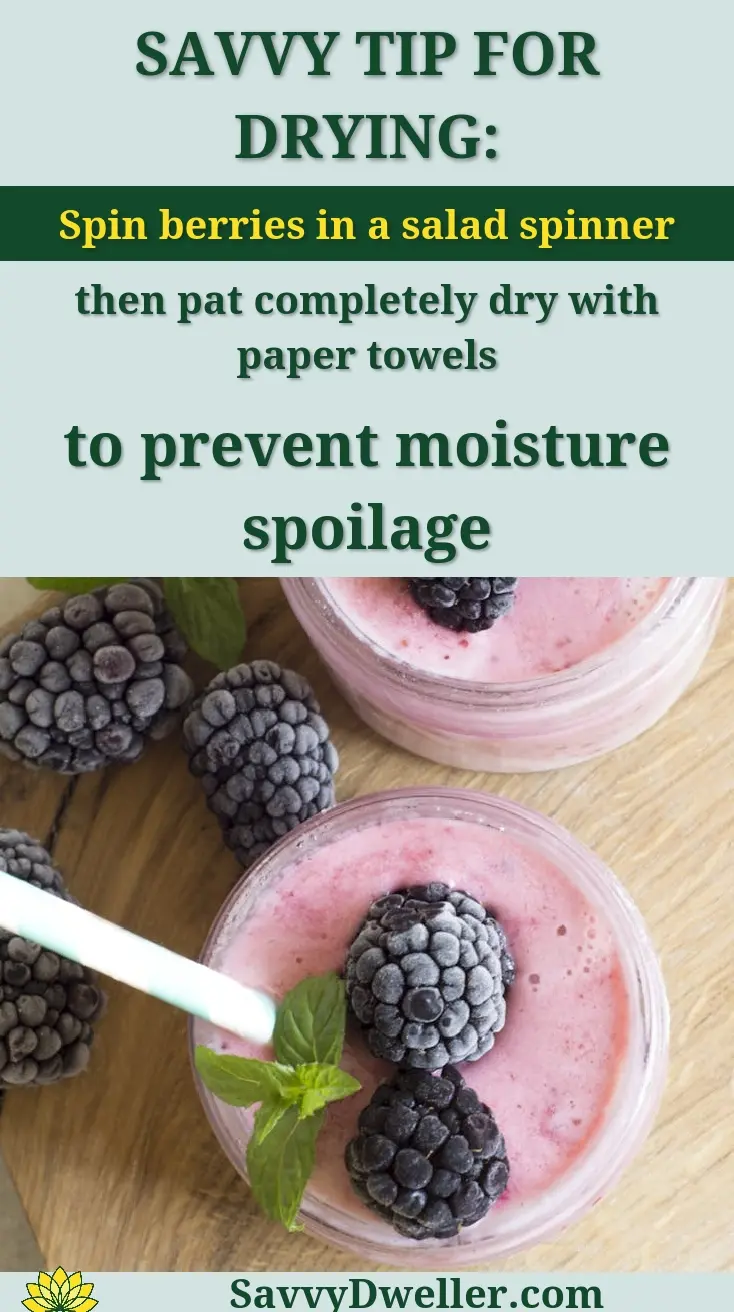
Complete drying is the most critical step for extending berry freshness. Even tiny amounts of residual moisture create perfect conditions for mold growth.
Spread berries in a single layer on clean kitchen towels or paper towels. Position them so air can circulate around each berry, rotating them gently after 10-15 minutes.
Allow 30-45 minutes for thorough air drying, depending on humidity levels in your kitchen. Berries should feel completely dry to the touch before storage.
Using Paper Towels Effectively
Place a layer of paper towels beneath the berries and another layer on top. Press gently to absorb surface moisture without crushing the fruit.
Replace soggy paper towels with fresh ones halfway through the drying process. This prevents moisture from being reabsorbed by the berries.
Best Storage Containers and Methods
Refrigerator Storage Tips
Store cleaned berries in containers lined with paper towels to absorb any remaining moisture. Glass containers work better than plastic because they don’t trap humidity.
Leave the container lid slightly ajar for the first 24 hours to allow final moisture evaporation. After that, seal completely to maintain optimal humidity levels.
Extending Freshness for Weeks
Layer berries between sheets of paper towels in shallow containers rather than piling them deep. This arrangement prevents crushing and allows better air circulation.
Replace paper towel liners every 3-4 days to maintain the dry environment that keeps berries fresh. Check for any spoiled berries during these changes and remove them immediately.
Temperature and Humidity Considerations
Store washed berries in the main refrigerator compartment at 32-36°F, not in the crisper drawer where humidity levels are higher.
Position containers away from the refrigerator fan to prevent excessive air circulation that can dry out the berries. The middle shelf typically offers the most consistent temperature and humidity.
The Science Made Simple: Why This Problem Happens
What Causes Berries to Spoil Quickly
Berries naturally contain high water content and natural sugars that create an ideal environment for bacterial growth. Their thin skins provide minimal protection against contamination.
Mold spores land on berry surfaces during growing, harvesting, and transport, remaining dormant until conditions become favorable. Moisture and warmth activate these spores, causing visible deterioration within days.
How Vinegar and Baking Soda Support Berry Preservation
Vinegar’s acidity disrupts the cell walls of bacteria and mold spores on berry surfaces. This natural antimicrobial action eliminates many pathogens before they can multiply.
Baking soda works differently by creating an alkaline environment that many harmful microorganisms cannot survive in. It also helps remove pesticide residues and waxy coatings that trap contaminants.
The Role Of Natural Antimicrobial Properties
Acetic acid in vinegar penetrates biofilms that protect bacterial colonies, breaking down their protective barriers. This exposure makes remaining microorganisms vulnerable to elimination during rinsing.
The pH change created by these solutions also triggers natural defense mechanisms in the berries themselves, helping them resist future contamination during storage.
Common Mistakes to Avoid When Washing Berries
Over-soaking and Berry Damage
Soaking berries longer than 3 minutes causes them to absorb too much liquid and break down faster. This waterlogging accelerates spoilage rather than preventing it.
Extended exposure to vinegar solutions can also alter the berries’ natural flavor and texture, making them mushy and overly tart.
Improper Drying Techniques
Skipping the drying step or rushing through it leaves moisture that promotes mold growth. Many people assume a quick rinse removes enough water, but surface moisture persists.
Using heat sources like hair dryers or placing berries in sunny windows damages the fruit’s cellular structure and accelerates deterioration.
Storage Errors That Reduce Freshness
Storing wet berries in sealed containers creates a humid microclimate perfect for mold development. This mistake can spoil an entire batch within 24-48 hours.
Mixing different types of berries in the same container spreads contamination faster, as each variety has different spoilage rates and moisture requirements.
Washing Timing Mistakes
Washing berries immediately after purchase, then storing them for days before eating, exposes them to longer periods where spoilage can develop.
The ideal approach is washing berries 1-2 days before planned consumption for maximum freshness and safety. This timing balances cleanliness with optimal texture and flavor retention. However, it’s important to consider what happens if berry juices land on your clothes. Knowing how to remove berry stains from clothes ensures that any mishaps don’t spoil your enjoyment of these delicious fruits.
Frequently Asked Questions
Can I Use This Washing Method for Other Types Of Fruit Besides Berries?
Yes, the vinegar and baking soda wash can be effective for other delicate fruits like grapes, cherries, or even stone fruits such as peaches. However, adjust the soaking time based on the fruit’s skin thickness and durability; for example, firmer fruits can handle a slightly longer soak of 10-15 minutes, while very soft fruits should be limited to 5 minutes to prevent sogginess. Always perform a thorough rinse to ensure no vinegar or baking soda residue remains, which could alter the taste.
Is There a Difference in How I Should Wash Organic Versus Conventional Berries?
While both organic and conventional berries benefit from this wash to remove dirt and microbes, organic berries might have more delicate skins and require gentler handling to avoid bruising. The method itself is equally effective for either type, as it targets surface contaminants, but for conventional berries, the wash can help reduce pesticide residues. Regardless of type, always use a mild solution and avoid over-soaking to maintain freshness.
What Should I Do if I Don’t Have White Vinegar or Baking Soda on Hand?
If you’re missing one ingredient, you can still use a single-method approach-either a vinegar wash or a baking soda soak-as each has antimicrobial properties. As an alternative, a quick rinse with cold water and a soft brush can remove some debris, but it won’t preserve berries as long. For best results, stick to the recommended ingredients, but in a pinch, lemon juice diluted in water can serve as a mild substitute for vinegar due to its acidity.
How Does This Method Compare to Commercial Fruit Washes in Terms Of Cost and Effectiveness?
This DIY approach is generally more cost-effective and equally or more effective than commercial washes, which often contain similar ingredients like citric acid. Homemade solutions using vinegar and baking soda are inexpensive and free from unnecessary additives, making them a safer choice for regular use. However, always rinse berries well after any wash to avoid any residual tastes, and note that proper drying and storage are crucial for maximizing freshness, regardless of the method.
Final Words
Your berries can now stay fresh for weeks instead of days with these simple washing techniques. The vinegar method removes harmful bacteria while baking soda gently cleanses away residues and pesticides, giving you cleaner, longer-lasting fruit. Whether you choose the vinegar wash, baking soda method, or the combined approach, you’re taking control of food waste while protecting your family’s health.
The best part? These methods cost pennies compared to throwing away spoiled berries every few days. You’ll save money, reduce trips to the grocery store, and enjoy fresh-tasting berries that maintain their nutritional value for much longer. Remember to dry them thoroughly and store them properly for maximum freshness.
Ready to transform how long your berries last? Start with whichever method feels most comfortable and watch your produce stay vibrant for weeks. For more money-saving kitchen tips and household solutions that actually work, explore Savvy Dwelling where we share practical advice that makes everyday life easier and more affordable.