How to Get Rid Of Dandruff Naturally (and Keep It From Coming Back)
Tired of brushing white flakes off your shoulders every morning? Those embarrassing specks on your dark clothing don’t have to be a permanent part of your life. You’ve probably tried countless shampoos and treatments, only to watch the flakes return within days.
This guide breaks down six proven natural methods that actually work to eliminate dandruff and prevent its return. We’ve researched the science behind each approach and simplified complex scalp health into actionable steps you can start using today. No more guessing which remedy might help—you’ll have a clear roadmap to a flake-free scalp.
Contents
- Quick Solutions Table
- The Science Made Simple: Why Dandruff Happens
- 1. Apple Cider Vinegar Rinse Method
- 2. Tea Tree Oil Scalp Treatment
- 3. Coconut Oil Deep Conditioning Mask
- 4. Aloe Vera Soothing Gel Treatment
- 5. Baking Soda Gentle Exfoliation Method
- 6. Raw Honey Moisturizing Treatment
- 5 Habits to Keep Dandruff From Coming Back
- Frequently Asked Questions
- Final Words
Quick Solutions Table
When you’re looking for how to get rid of dandruff naturally and fast, it helps to know which remedy matches your scalp’s specific needs. Below is a clear, side-by-side comparison of six trusted home remedies for dandruff, so you can choose the right one without guesswork.
| Method | Best For | Time to See Results | Key Ingredient |
|---|---|---|---|
| Apple Cider Vinegar Rinse | Oily scalp with buildup | 1–2 weeks | Raw, unfiltered ACV |
| Tea Tree Oil Treatment | Fungal-related flakes | 2–3 weeks | Pure tea tree oil (5–10% dilution) |
| Coconut Oil Mask | Dry, itchy scalp | 1–2 weeks | Unrefined virgin coconut oil |
| Aloe Vera Gel | Irritated, inflamed scalp | 3–7 days | 100% pure aloe vera gel |
| Baking Soda Scrub | Heavy flake buildup | Immediate relief | Plain baking soda |
| Honey Treatment | Sensitive scalp | 1–2 weeks | Raw, unpasteurized honey |
These natural dandruff removal options offer targeted relief based on your scalp’s unique condition-whether it’s dryness, oiliness, inflammation, or fungal imbalance. Use this table as your quick-reference guide when deciding how can I get rid of dandruff naturally without harsh chemicals or expensive products.
The Science Made Simple: Why Dandruff Happens
Understanding Your Scalp’s Natural Balance
Your scalp is a living ecosystem, home to oil glands, hair follicles, and microorganisms-all working together to keep things balanced. When this balance is disrupted, dead skin cells shed faster than normal, clumping with oil to form visible flakes. This imbalance is the root of most dandruff, not poor hygiene.
Common Triggers That Disrupt Scalp Health
Fungal Overgrowth (Malassezia)
Malassezia is a yeast-like fungus that lives naturally on most scalps. In some people, it feeds aggressively on scalp oils (sebum), irritating the skin and speeding up skin cell turnover. This reaction is a leading cause of persistent, oil-based dandruff.
Sebum Production Imbalances
Too much sebum creates a breeding ground for microbes; too little leads to dryness and flaking. Hormonal shifts, genetics, or harsh hair products can throw off your scalp’s oil production, making flakes more likely.
Environmental and Lifestyle Factors
Cold, dry weather strips moisture from your scalp. Stress, lack of sleep, and diets low in zinc or B vitamins can weaken your skin’s resilience. Overwashing or using hot water can also strip natural oils, worsening irritation.
Dandruff Vs. Dry Scalp: How to Tell the Difference
Dandruff flakes are usually yellowish, oily, and paired with scalp redness or itching. Dry scalp flakes are small, white, and dry-often accompanied by tightness but less inflammation. If your flakes disappear in humid weather or after moisturizing, it’s likely dryness, not true dandruff.
1. Apple Cider Vinegar Rinse Method
How Apple Cider Vinegar Supports Scalp Health
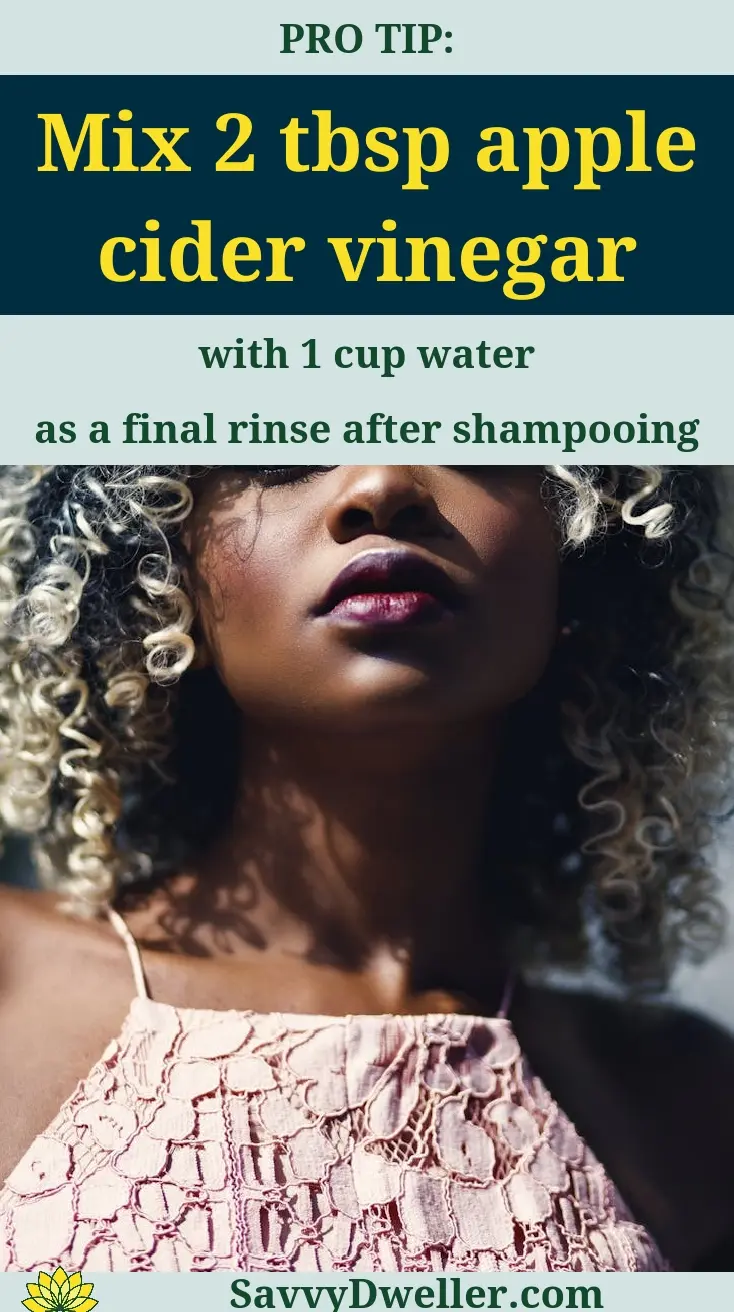
Raw, unfiltered apple cider vinegar (ACV) contains acetic acid, which helps restore your scalp’s natural pH and creates an environment where Malassezia struggles to thrive. It also gently dissolves product buildup and excess oil, making it a powerful home remedy for dandruff on oily scalps. This is one of the most reliable natural ways to get rid of dandruff when buildup is the culprit.
What You’ll Need
- 2 tablespoons raw, unfiltered apple cider vinegar (with “the mother”)
- 2 tablespoons cool or lukewarm water
- A small spray bottle or applicator bottle
- A shower cap (optional)
Step-by-step Application Process
Preparation Steps
- Shampoo your hair as usual and rinse thoroughly.
- Pat your hair and scalp until damp-not dripping wet.
- Mix equal parts apple cider vinegar and water in your applicator bottle.
Application Technique
- Section your hair to expose the scalp.
- Spray or pour the ACV mixture directly onto your scalp, focusing on flaky areas.
- Massage gently with your fingertips for 1–2 minutes to distribute evenly.
Rinse and Follow-Up Care
- Let the mixture sit for 3–5 minutes (no longer-it can sting if left too long).
- Rinse thoroughly with cool water to close hair cuticles and remove vinegar scent.
- Condition as usual, but avoid applying conditioner to your scalp.
Expected Results and Timeline
With consistent use (1–2 times per week), you may see reduced flaking in as little as 7–10 days. For best results in your journey to eliminate dandruff naturally, pair this rinse with a gentle, sulfate-free shampoo. Many find this method especially effective for how to get rid of dandruff naturally and fast when buildup is involved.
Also See: A Guide to Going ‘No-poo’: Washing Hair Without Shampoo
2. Tea Tree Oil Scalp Treatment
Why Tea Tree Oil May Help With Flakes
Tea tree oil, extracted from the Australian Melaleuca alternifolia plant, has well-documented antimicrobial and anti-inflammatory properties. It may help soothe irritation and reduce Malassezia overgrowth-making it a go-to natural dandruff removal solution for fungal-related flaking. This DIY dandruff remedy works best when used consistently and safely diluted. Additionally, tea tree oil is often recommended for acne treatment due to its ability to combat bacteria and reduce inflammation. A comprehensive guide using tea tree oil for acne can help maximize its benefits for clearer skin.
Essential Materials and Dilution Ratios
- 5–10 drops of 100% pure tea tree essential oil
- 1 tablespoon carrier oil (jojoba, coconut, or almond oil)
- A small glass bowl
- A soft-bristle scalp massager or clean fingertips
Never apply undiluted tea tree oil directly to your scalp-it can cause severe irritation. The safe dilution is 5% (about 5 drops per teaspoon of carrier oil) for regular use.
Safe Application Methods
Carrier Oil Preparation
- Pour your chosen carrier oil into a glass bowl.
- Add 5–10 drops of tea tree oil, depending on scalp size and sensitivity.
- Stir gently with a clean spoon or cotton swab to blend.
Massage and Distribution Technique
- Part your hair into 4–6 sections.
- Using your fingertips or a scalp massager, apply the oil blend directly to your scalp.
- Massage in small circular motions for 3–5 minutes to boost circulation and coverage.
Timing and Removal Process
- Leave the treatment on for 20–30 minutes. Do not exceed 1 hour.
- Shampoo twice to fully remove the oil-first to break it down, second to cleanse.
- Rinse thoroughly with lukewarm water.
Safety Considerations and Patch Testing
Before full use, test for sensitivity: apply a dime-sized amount of your diluted mixture to your inner forearm. Wait 24 hours. If you see redness, itching, or swelling, skip this remedy-your skin may be reactive. Pregnant or nursing individuals should consult a healthcare provider before use. When done right, this is a trusted remedy for dandruff that addresses the root microbial cause.
3. Coconut Oil Deep Conditioning Mask
How Coconut Oil Nourishes the Scalp
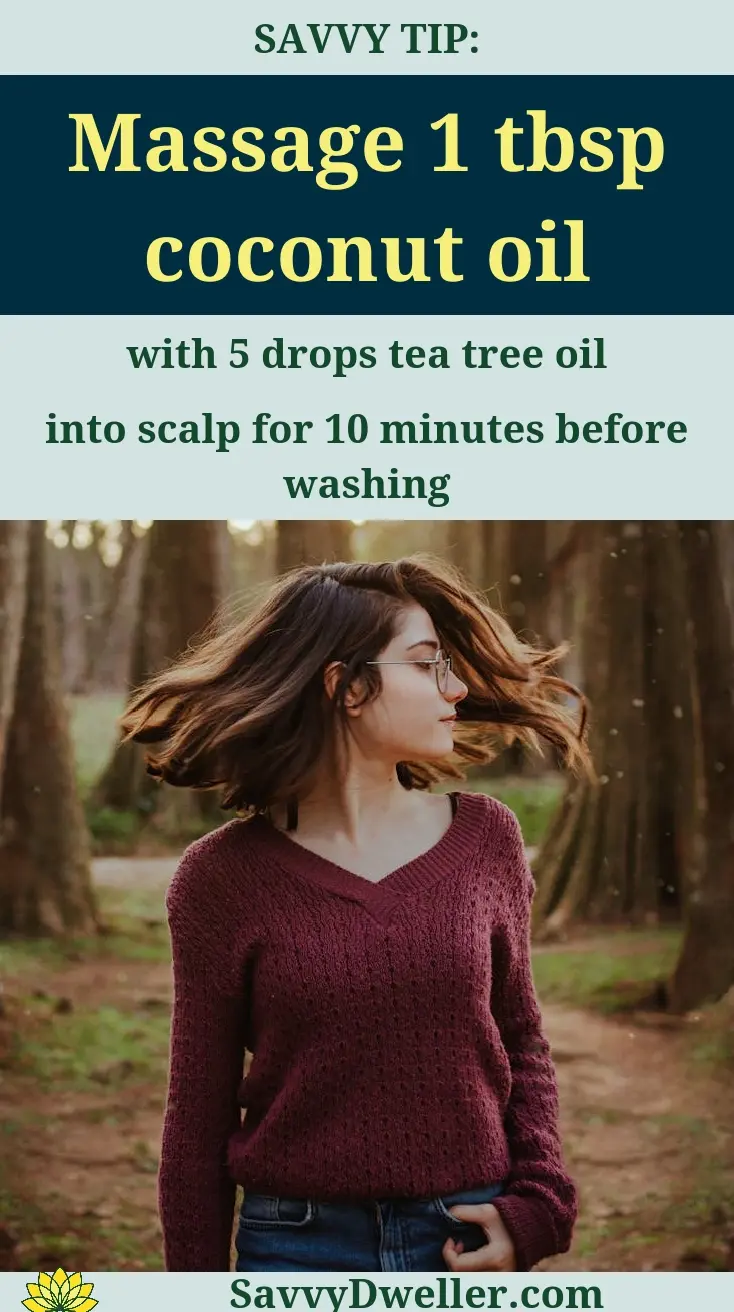
Coconut oil seeps deep into the hair shaft and soothes a dry, flaky scalp thanks to its fatty acids—especially lauric acid—which may help support a balanced scalp environment. It acts as a natural moisturizer that softens buildup and reduces itchiness, making it a go-to option for those seeking how to get rid of dandruff naturally without harsh chemicals. Additionally, coconut oil is known for its skin benefits, making it a versatile beauty product that can enhance overall skin health. Discovering the 10 amazing benefits of coconut oil for skin can further highlight its value in your beauty routine.
Choosing the Right Coconut Oil
- Opt for virgin or extra-virgin, cold-pressed coconut oil-it’s unrefined and retains more beneficial compounds.
- Avoid deodorized or refined versions, which may include additives that irritate sensitive scalps.
- Look for organic certification to ensure purity and avoid hidden fillers.
Complete Treatment Steps
Pre-Treatment Scalp Preparation
- Brush your hair gently to remove loose flakes and improve circulation.
- Part your hair into 4–6 sections for even coverage.
- Do a quick patch test behind your ear 24 hours before full application if you have sensitive skin.
Application and Massage Method
- Warm 2–3 tablespoons of coconut oil slightly (just enough to liquefy if solid).
- Using your fingertips, apply directly to the scalp-not just the hair-starting at the crown and working outward.
- Massage in slow circular motions for 3–5 minutes to stimulate blood flow and loosen dead skin cells.
Heat Treatment Options
- Cover your head with a shower cap to trap natural body heat.
- For deeper penetration, wrap a warm (not hot) towel around your head for 15–20 minutes.
- Leave the mask on for at least 30 minutes-or overnight for intense hydration (use an old pillowcase).
Washing Out Process
- Rinse thoroughly with lukewarm water to prevent clogging pores.
- Shampoo twice: the first wash breaks down the oil, the second cleanses fully.
- Follow with a light conditioner only on the ends-never the scalp.
Frequency and Long-term Use
Use this mask 1–2 times per week for active flaking. Once your scalp stabilizes, reduce to once every 10–14 days for maintenance. Consistent use supports a hydrated barrier, which may help stop dandruff naturally over time.
4. Aloe Vera Soothing Gel Treatment
Aloe Vera’s Scalp-calming Properties
Aloe vera contains enzymes, vitamins, and anti-inflammatory compounds like bradykinase that may help soothe irritation and support a healthy scalp. Its cooling effect offers quick relief from itching, making it one of the gentlest home remedies for dandruff-especially for sensitive or inflamed skin. Aloe vera is also a versatile ingredient that can benefit facial skin and hair health. Regular use of aloe vera can hydrate and nourish your skin and hair, promoting a radiant complexion and shiny locks.
Fresh Aloe Vs. Store-bought Options
- Fresh aloe gel (from the plant) is pure and potent but requires preparation.
- Store-bought gels should be 95–100% aloe with no alcohol, fragrance, or artificial thickeners.
- Check labels for “aloe barbadensis leaf juice” as the first ingredient.
Application Process for Maximum Benefits
Extracting Fresh Aloe Gel
- Cut a mature leaf close to the base and let it stand upright for 10 minutes to drain yellow latex (which can irritate).
- Slice the leaf open lengthwise and scoop out the clear inner gel with a spoon.
- Blend briefly for a smooth consistency if needed.
Direct Scalp Application Method
- Part hair into sections.
- Apply a thin layer of gel directly onto the scalp using fingertips or a cotton swab.
- Gently rub in, avoiding aggressive scrubbing.
Leave-In vs. Rinse-Out Options
- For leave-in use: Apply a light layer and let it absorb (ideal for daily calming).
- For rinse-out treatment: Leave on for 20–30 minutes, then wash out with a mild shampoo.
- Those with oily scalps may prefer rinse-out to prevent buildup.
Combining With Other Natural Ingredients
Mix aloe gel with a few drops of tea tree oil for added antimicrobial support, or blend with honey for extra moisture. These combinations create a powerful diy dandruff remedy that targets multiple root causes at once.
5. Baking Soda Gentle Exfoliation Method
How Baking Soda Helps Remove Flakes
Baking soda acts as a mild physical and chemical exfoliant. Its slightly abrasive texture helps lift dead skin cells, while its alkaline nature may temporarily alter scalp pH to discourage flake-forming microbes. It’s a fast-acting option for how to get rid of dandruff naturally and fast when buildup is heavy.
Creating the Perfect Consistency
Mix baking soda with just enough water to form a paste-like wet sand. Too runny, and it won’t exfoliate; too thick, and it may scratch. Aim for 2 tablespoons of baking soda to 1–2 teaspoons of water. This simple mixture is just one of the many clever ways baking soda can be used for cleaning tasks around the home. With its versatile properties, baking soda can effectively tackle stains, odors, and grime on various surfaces.
Gentle Scrubbing Technique
Mixing Instructions
- In a small bowl, combine baking soda and water.
- Stir until smooth with no dry clumps.
- Use immediately-don’t let it sit and harden.
Scalp Massage Method
- Dampen your scalp with warm water (not soaking wet).
- Using your fingertips-not nails-gently massage the paste in small circles for 1–2 minutes.
- Focus on flaky areas, but avoid raw or broken skin.
Thorough Rinse Process
- Rinse completely under cool or lukewarm water until all grit is gone.
- Follow with a vinegar rinse (1 tbsp ACV in 1 cup water) to restore pH balance.
- Condition only the ends if needed.
Frequency Guidelines and Precautions
Limit this method to once every 7–10 days. Overuse can strip natural oils and cause dryness, which may worsen flaking. It’s best for occasional deep cleansing-not daily care. This remedy works well as a dandruff remover home remedy during flare-ups but isn’t ideal for long-term solo use.
6. Raw Honey Moisturizing Treatment
Honey’s Natural Scalp-supporting Benefits
Raw honey is far more than a kitchen staple-it’s a gentle, multifunctional home remedy for dandruff that soothes, hydrates, and helps rebalance the scalp microbiome. Its natural enzymes, antioxidants, and mild antifungal properties make it an effective option for how to get rid of dandruff naturally without stripping your scalp. Unlike harsh treatments, raw honey moisturizes dry, flaky patches while supporting the scalp’s natural barrier, which can reduce irritation and flaking over time.
Selecting Quality Raw Honey
Not all honey is created equal. For a true dandruff home remedy, choose unfiltered, unpasteurized raw honey-preferably local and organic. Avoid commercial blends with added sugars or syrups, as they lack the live enzymes and nutrients that give raw honey its scalp-supporting power. Look for labels that say “raw” and “unprocessed” to ensure you’re getting the real deal for your natural dandruff removal routine.
Application and Treatment Process
Honey Preparation Steps
- Measure 2–3 tablespoons of raw honey into a small bowl.
- Gently warm the honey by placing the bowl in a larger bowl of warm (not hot) water for 1–2 minutes-this makes it easier to spread without destroying its beneficial compounds.
- Optionally, mix in 1 teaspoon of warm water or aloe vera gel to thin the consistency slightly for easier application.
Even Distribution Technique
- Part your hair into 4–6 sections using clips or hair ties.
- Using clean fingertips or a soft-bristle applicator brush, apply the honey directly to the scalp-not just the hair-focusing on flaky or itchy areas.
- Massage gently in circular motions for 2–3 minutes to stimulate circulation and ensure full coverage.
Treatment Duration and Removal
- Leave the honey on your scalp for 20–30 minutes. Cover your hair with a shower cap to prevent dripping and enhance absorption.
- Rinse thoroughly with lukewarm water-avoid hot water, which can dry out the scalp.
- Follow with a mild, sulfate-free shampoo if needed, but often honey rinses clean on its own.
- Use this treatment 1–2 times per week for best results in how to eliminate dandruff naturally.
Enhancing With Complementary Ingredients
To boost effectiveness, consider blending raw honey with other natural allies. A few drops of tea tree oil can add antifungal support, while a spoonful of plain yogurt introduces lactic acid to gently exfoliate. For dry scalps, mix in a teaspoon of virgin coconut oil to amplify moisture. These combinations create a powerful, customizable diy dandruff remedy that addresses multiple root causes at once. Incorporating a diy scalp scrub recipe can further help maintain a healthy scalp. A well-formulated scrub promotes faster hair growth by removing dead skin cells and improving blood circulation.
5 Habits to Keep Dandruff From Coming Back
Establish a Consistent Scalp Care Routine
Consistency is your secret weapon in how to get rid of dandruff naturally and keep it away for good. Irregular washing or switching products too often can disrupt your scalp’s balance and invite flakes back.
Optimal Washing Frequency
Wash your hair every 2–3 days if you have an oily scalp, or every 4–5 days if it’s dry. Over-washing strips natural oils and can worsen flaking, while under-washing allows oil and dead skin to build up-both fuel dandruff. Find your personal rhythm and stick to it.
Gentle Product Selection
- Use sulfate-free shampoos that cleanse without harsh detergents.
- Avoid alcohol-heavy styling products that dry out the scalp.
- Rotate between a mild anti-dandruff shampoo and your favorite natural home remedy for dandruff to prevent resistance.
Mind Your Diet and Hydration
What you eat and drink directly impacts scalp health. Nutrient deficiencies and dehydration can weaken your skin barrier, making it more prone to irritation and flaking.
Foods That Support Scalp Health
- Fatty fish (salmon, mackerel) for omega-3s that reduce inflammation.
- Leafy greens and nuts rich in zinc and B vitamins.
- Fermented foods like yogurt or kimchi to support a healthy microbiome.
Adequate Water Intake
Drink at least 8 glasses of water daily. Hydration keeps skin cells plump and functioning well, which helps prevent the dryness that contributes to dandruff. Think of water as internal moisture therapy for your scalp.
Manage Stress and Sleep Quality
Chronic stress and poor sleep disrupt your immune response and hormone balance, which can trigger or worsen dandruff. Even if you’re using the best home remedies for dandruff, ongoing stress may undermine your progress. Prioritize 7–8 hours of quality sleep and incorporate daily stress-relief practices like deep breathing, walking, or meditation.
Protect Your Scalp From Environmental Factors
Your scalp reacts to the world around you-from winter winds to summer UV rays. Environmental aggressors can dry, inflame, or overstimulate your scalp, reigniting flaking even after you’ve gotten rid of dandruff at home.
Weather Protection Strategies
- In cold months, wear a breathable cotton-lined hat to shield from dry air.
- In summer, use a UV-protective spray or wear a wide-brimmed hat to prevent sun damage.
- Rinse hair after swimming in chlorinated or salt water to remove irritants.
Heat Styling Precautions
Limit blow-drying, flat irons, and curling wands. When you must use heat, apply a thermal protectant and keep the setting on low. Excessive heat evaporates scalp moisture, creating the perfect conditions for dandruff to return-so cool air and air-drying are your friends. Protecting hair from heat damage is essential for maintaining its health; even minor adjustments in your routine can make a significant difference. Incorporating heat protectant products helps to shield your hair from harmful effects while styling.
Regular Scalp Monitoring and Maintenance
Check your scalp weekly in natural light. Look for early signs like slight redness, tightness, or new flakes. At the first hint of trouble, refresh your favorite remedy for dandruff-whether it’s a honey treatment or an apple cider vinegar rinse. Staying proactive is how you stop dandruff naturally before it ever takes hold again.

Frequently Asked Questions
Are Natural Dandruff Treatments Safe for Color-treated or Sensitive Hair?
Yes, but with caution. Always perform a patch test before full application, especially if you have color-treated or sensitive hair, as some ingredients like apple cider vinegar or tea tree oil can strip color or cause irritation. For colored hair, opt for gentle options like coconut oil or aloe vera, which moisturize without harsh effects. If you have sensitivities, dilute potent ingredients properly and avoid methods like baking soda scrubs, which can be too abrasive.
Can I Use More Than One Natural Remedy at the Same Time?
It’s best to avoid combining multiple treatments simultaneously to prevent scalp overload or adverse reactions. Instead, test one method for at least two weeks to gauge effectiveness before introducing another. For example, you might start with a coconut oil mask weekly and later add a tea tree oil rinse if needed, but space them out by a few days. This approach helps identify what works for your scalp without causing imbalance.
When Should I Consider Seeing a Doctor for My Dandruff?
Seek medical advice if natural methods show no improvement after 4-6 weeks, or if symptoms worsen, such as increased redness, severe itching, or oozing. These could indicate conditions like seborrheic dermatitis or psoriasis that require prescription treatments. Also, consult a dermatologist if dandruff is accompanied by hair loss or affects your daily life, as professional diagnosis ensures appropriate care.
How Can I Tell if a Natural Treatment is Effective for My Scalp?
Look for reduced flaking and less itchiness within the expected timeline (e.g., 1-3 weeks for most remedies). Keep a simple journal to track changes: note flake size, scalp dryness, and comfort levels. If you see consistent improvement, continue; if not, try a different method suited to your scalp type, like switching from oil-based treatments for oily scalps to aloe vera for inflammation. For those struggling with greasy hair, exploring the best natural remedies for an oily scalp can provide additional relief.
Final Words
Your journey to a healthier, flake-free scalp doesn’t have to involve harsh chemicals or expensive treatments. The natural methods we’ve shared have helped countless people reclaim their confidence and comfort. Whether you start with the apple cider vinegar rinse for quick results or try the coconut oil mask for deep nourishment, consistency is your best friend.
Remember that your scalp is unique, so what works wonders for your friend might take a bit longer for you. Be patient with the process and give each method at least two to three weeks to show its full potential. The prevention habits we’ve outlined will become second nature once you start seeing the benefits they bring to your overall scalp health.
Ready to say goodbye to those pesky flakes for good? Start with one method that resonates with you today and watch your scalp transform. For more natural wellness solutions and home remedies that actually work, Savvy Dwelling has you covered with research-backed advice you can trust.

