
The Science-backed Health Benefits Of MCT Oil That Could Transform Your Wellness
Struggling with afternoon energy crashes, stubborn weight that won’t budge, or that foggy brain feeling that makes focusing impossible? You’re not alone in wondering if there’s a simple, natural way to support your body’s energy systems and overall wellness. MCT oil has gained attention for good reason—this unique type of fat works differently in your body than regular oils.
This guide breaks down exactly how MCT oil may support your energy, weight management, brain function, and more, based on current research. We’ve simplified the complex science into practical information you can actually use. You’ll learn which benefits matter most for your goals and how to use MCT oil safely for optimal results.
Contents
- At a Glance: The Best MCT Oil Health Benefits
- 1. Enhanced Energy and Mental Clarity
- 2. Weight Management and Appetite Support
- 3. Digestive and Gut Health Benefits
- 4. Exercise Performance and Recovery Support
- 5. Blood Sugar and Metabolic Wellness
- 6. Skin Health and Beauty Benefits
- The Science Made Simple: How MCT Oil Works in Your Body
- Common Mistakes to Avoid When Using MCT Oil
- Frequently Asked Questions
- Final Words
At a Glance: The Best MCT Oil Health Benefits
| Health Benefit | How MCT Oil Helps | Best For | Typical Timeline |
|---|---|---|---|
| Energy & Mental Clarity | Converts quickly to ketones for brain fuel | Morning focus, workout energy | 30-60 minutes |
| Weight Management Support | May increase satiety and metabolic rate | Appetite control, metabolism support | 2-4 weeks |
| Digestive Wellness | Supports beneficial gut bacteria balance | Gut health maintenance | 1-3 weeks |
| Exercise Performance | Provides readily available fuel for muscles | Endurance activities, pre-workout | Immediate to 1 hour |
| Blood Sugar Balance | May help maintain steady glucose levels | Metabolic wellness support | 2-6 weeks |
| Skin Health Support | Provides healthy fats and antimicrobial properties | Skin wellness, topical application | 2-4 weeks |
1. Enhanced Energy and Mental Clarity
How MCT Oil Supports Brain Function
MCT oil is rapidly absorbed and sent straight to the liver, where it’s converted into ketones-efficient fuel molecules your brain can use even when glucose is low. Unlike long-chain fats that require bile for digestion, MCTs bypass that process, making them a fast-acting energy source.
This quick conversion helps support mental sharpness and sustained focus throughout the day without the jitters or crashes associated with caffeine or sugar.
The Ketone Connection for Mental Performance
Ketones aren’t just backup fuel-they’re premium fuel for the brain. Studies show that ketone bodies like beta-hydroxybutyrate cross the blood-brain barrier easily and provide more energy per unit of oxygen than glucose.
For people following low-carb or ketogenic diets, MCT oil can help maintain ketosis, keeping cognitive performance steady even during fasting or between meals.
Best Times to Use MCT Oil for Energy
Morning Routine Integration
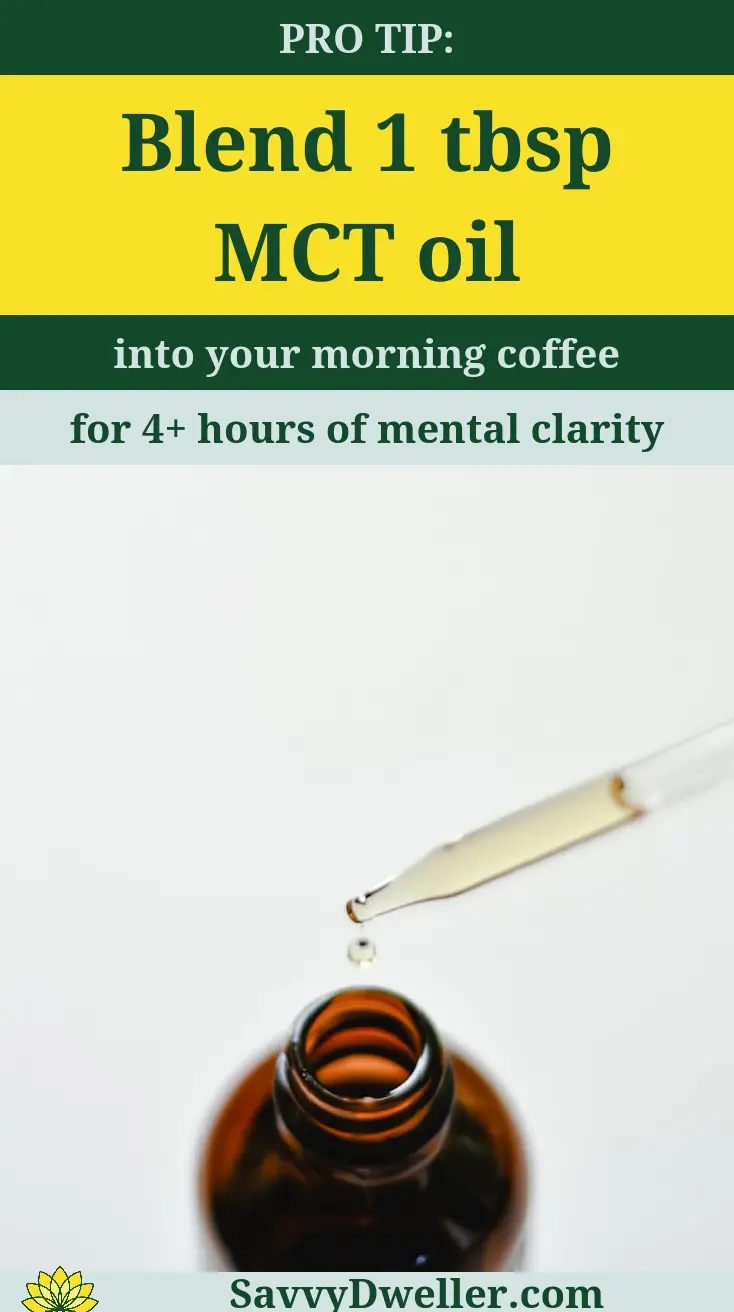
Adding MCT oil to your morning coffee, smoothie, or oatmeal can set a calm, focused tone for the day. Because it doesn’t spike blood sugar, it avoids the mid-morning slump.
- Start with 1 teaspoon of MCT oil in your morning beverage.
- Blend well (especially in coffee) to avoid oil separation.
- Gradually increase to 1 tablespoon if tolerated, for stronger cognitive support.
Pre-Workout Energy Support
Unlike carbs that burn fast, MCT oil provides steady, clean energy ideal for endurance or mental stamina during long tasks or workouts.
- Take 1 teaspoon 20–30 minutes before exercise.
- Pair with a small amount of protein or healthy fat to slow digestion slightly and extend energy release.
- Avoid taking on an empty stomach if you’re new to MCTs to prevent digestive discomfort.
2. Weight Management and Appetite Support
How Mcts May Influence Satiety
MCT oil may help you feel fuller longer by influencing hormones like peptide YY and leptin, which signal fullness to the brain. Compared to long-chain triglycerides (LCTs), MCTs appear to promote greater satiety after meals.
While MCT oil isn’t a magic solution, it can be a helpful tool alongside mindful eating and portion control.
Metabolic Rate and Thermogenesis
Your body burns more calories processing MCTs than other fats-a process called diet-induced thermogenesis. This slight uptick in calorie burn, combined with stable energy levels, may support weight management goals over time.
Research suggests replacing other dietary fats with MCT oil could modestly increase daily energy expenditure.
Incorporating MCT Oil for Weight Goals
Timing Your MCT Oil Intake
For appetite support, take MCT oil with or just before meals. This can help reduce overall calorie intake by curbing cravings and preventing overeating.
- With breakfast to prevent mid-morning snacking
- Before lunch to manage afternoon hunger
- In a mid-day smoothie to bridge gaps between meals
Combining with Balanced Nutrition
MCT oil works best as part of a nutrient-rich diet-not a replacement for whole foods. Pair it with fiber, protein, and healthy fats to create satisfying, blood-sugar-friendly meals.
- Use ½–1 teaspoon in salad dressings with olive oil and vinegar.
- Add to Greek yogurt with berries and chia seeds.
- Blend into soups or sauces for a creamy texture and added satiety.
Also See: The Best Natural Remedies for Getting Rid Of Drain Flies
3. Digestive and Gut Health Benefits
Supporting Beneficial Gut Bacteria
Emerging research suggests MCTs—especially caprylic acid (C8)—may help maintain a balanced gut microbiome by discouraging unwanted microbes while supporting the growth of beneficial bacteria. A healthy gut microbiome plays a vital role in overall health and well-being. Incorporating dietary strategies to improve gut health can have significant benefits for digestion and immunity.
A healthier gut environment can improve nutrient absorption and support overall digestive wellness. Incorporating probiotic foods into your diet can significantly enhance gut health. Some of the top probiotic foods include yogurt, kefir, sauerkraut, and kimchi, all of which contribute to a balanced microbiome.
Digestive Comfort and Absorption
Because MCTs don’t require pancreatic enzymes or bile for digestion, they’re easier on the digestive system-ideal for those with sensitive digestion or compromised fat absorption.
This makes MCT oil a gentler fat source for people managing certain digestive conditions or recovering from gut-related issues.
MCT Oil for Sensitive Stomachs
Starting with Small Doses
If you have a sensitive stomach, begin with just ¼ to ½ teaspoon per day and slowly increase over 1–2 weeks.
- Take with food, never on an empty stomach.
- Choose C8-focused MCT oil-it’s the most easily digested form.
- Split your dose: ¼ teaspoon twice daily instead of one full dose.
Signs of Improved Gut Health
As your gut adjusts, you may notice subtle improvements beyond digestion itself.
- More regular bowel movements
- Reduced bloating or gas after meals
- Better tolerance of high-fat foods
- Clearer skin and fewer sugar cravings (often linked to gut balance)
4. Exercise Performance and Recovery Support
Quick Energy for Endurance Activities
MCT oil provides a rapid source of fuel that bypasses the usual fat digestion process, heading straight to the liver for quick conversion into energy. This makes it especially useful during long-duration activities like running, cycling, or swimming, where steady energy matters more than short bursts. Unlike carbs that can cause spikes and crashes, MCTs offer a more consistent energy stream without taxing your glycogen stores.
Muscle Recovery Benefits
After intense workouts, your muscles need support to repair and rebuild. MCT oil may help by reducing exercise-induced oxidative stress and inflammation. Though not a protein source, its anti-inflammatory properties complement recovery protocols when paired with proper nutrition and hydration. Additionally, incorporating effective remedies can significantly aid in relieving sore muscles after workouts.
Pre and Post-workout Applications
Timing for Optimal Performance
- 30–45 minutes before exercise: Take 1 teaspoon of MCT oil in your coffee, smoothie, or water to fuel your session without digestive discomfort.
- Immediately after your workout: Add MCT oil to a post-exercise shake with protein and carbs to support recovery and replenish energy stores.
- Start low: Begin with ½ teaspoon and gradually increase to avoid GI upset during activity.
Combining with Other Sports Nutrition
- Pair with branched-chain amino acids (BCAAs) for enhanced muscle preservation during fasted training.
- Mix into electrolyte drinks for endurance sessions longer than 90 minutes.
- Combine with creatine for strength-focused routines-MCT oil won’t interfere and may support cellular energy production.

5. Blood Sugar and Metabolic Wellness
How Mcts May Support Glucose Balance
MCT oil doesn’t raise blood sugar directly because it contains no carbohydrates. More importantly, research suggests MCTs may help stabilize post-meal glucose spikes when consumed with carb-containing foods. By slowing gastric emptying and improving fat metabolism, MCT oil encourages more gradual glucose release into the bloodstream.
Insulin Sensitivity Benefits
Regular use of MCT oil, especially alongside a balanced diet, may support better insulin response over time. Some studies indicate that replacing long-chain fats with MCTs can improve how your cells respond to insulin, which is central to metabolic wellness. This is one of the often-overlooked health benefits of MCT oil for those managing metabolic concerns.
Using MCT Oil With Meals
Best Practices for Blood Sugar Support
- Add 1 teaspoon of MCT oil to meals that include complex carbs (like sweet potatoes, oats, or legumes) to blunt glucose spikes.
- Use it in salad dressings with fiber-rich vegetables to enhance satiety and slow carbohydrate absorption.
- Avoid pairing MCT oil with high-sugar or highly processed foods-it works best within whole-food meals.
Monitoring Your Response
Individual responses to dietary fats like MCT oil can vary. If you’re focused on blood sugar support, consider tracking your post-meal energy levels and, if possible, using a continuous glucose monitor (CGM) to observe trends over 2–4 weeks. Consistency matters-benefits of MCT oil on metabolic markers often build gradually.
6. Skin Health and Beauty Benefits
Internal Nourishment for Skin Wellness
Healthy skin starts from within, and MCT oil delivers medium-chain fatty acids that support skin barrier integrity. Its anti-inflammatory and antimicrobial properties may help reduce internal triggers of breakouts and irritation, contributing to clearer, more resilient skin over time. Regular intake of MCT oils benefits your complexion by promoting balanced sebum production and hydration from the inside, similar to the topical benefits of coconut oil for skin.
Topical Applications and Benefits
Applied directly, MCT oil acts as a lightweight, non-comedogenic moisturizer. Thanks to its lauric acid content (especially in C12-rich blends), it offers gentle antimicrobial action that can soothe minor skin irritations and support a balanced skin microbiome. Unlike heavier oils, it absorbs quickly without clogging pores—ideal for daily use or as part of oil cleansing routines.
MCT Oil for Different Skin Types
- Oily or acne-prone skin: Opt for C8 or C8/C10 blends (lower in C12) to minimize potential pore congestion while still getting hydration.
- Dry or sensitive skin: Full-spectrum MCT oil (including C12) provides added emollient and protective effects.
- Combination skin: Use it selectively-on dry patches or as a makeup remover-avoiding the T-zone if prone to shine.
Internal vs. External Use
For full-spectrum skin support, use MCT oil both internally and externally. Taking it daily nourishes skin at the cellular level, while topical use offers immediate barrier support and surface-level protection. The health benefits of MCT oil for skin are amplified when used holistically-inside and out.
Creating DIY Skin Care Solutions
- Gentle makeup remover: Apply a few drops to a cotton pad and wipe away makeup-follow with water.
- Overnight moisturizer: Mix 1 teaspoon MCT oil with 2 drops of vitamin E oil and apply to clean skin before bed.
- Scalp soother: Massage a small amount into the scalp 15 minutes before shampooing to reduce flakiness and dryness.
- Body oil: Combine MCT oil with a few drops of lavender or chamomile essential oil for a calming post-shower rub.
The Science Made Simple: How MCT Oil Works in Your Body
Understanding Medium-chain Triglycerides
Medium-chain triglycerides (MCTs) are a unique type of saturated fat with 6 to 12 carbon atoms in their fatty acid chains. Unlike the long-chain fats found in most foods, MCTs are shorter and more water-soluble, which changes how your body processes them. This structural difference is what gives MCT oil its distinctive metabolic advantages and supports many of the health benefits of MCT oil you’ve likely heard about.
Different Types Of Mcts (C8, C10, C12)
Not all MCTs behave the same way in your body. The most common types are:
- C8 (Caprylic acid): Converts to ketones fastest-ideal for mental clarity and quick energy.
- C10 (Capric acid): Slightly slower conversion but still efficient; offers antimicrobial support.
- C12 (Lauric acid): Found abundantly in coconut oil, but metabolized more like a long-chain fat. It provides immune support but doesn’t raise ketones as effectively.
High-quality MCT oil often blends C8 and C10 for optimal balance between rapid energy and digestive comfort-key drivers behind the mct oil advantages many users experience.
How Mcts Differ From Other Fats
Most dietary fats-like those in olive oil, avocados, or nuts-are long-chain triglycerides (LCTs). These require bile and pancreatic enzymes for digestion and travel through the lymphatic system before entering the bloodstream. MCTs skip much of that process. Including healthy fats in your diet is crucial for overall wellness. Choosing sources like olive oil and avocado can make it easier to incorporate the best healthy fats into your meals.
Absorption and Metabolism Process
When you consume MCT oil, it goes straight from your small intestine to your liver via the portal vein-no bile salts needed. Your liver then either burns it immediately for fuel or converts it into ketones. This direct route is why MCT oil supports rapid energy without spiking blood sugar.
Why MCTs Convert to Energy Faster
Because MCTs bypass the usual fat-digestion pathway, they’re metabolized almost as quickly as carbohydrates-but without the crash. C8, in particular, can elevate blood ketone levels within 30 minutes. This fast-acting nature underpins many health benefits from MCT oil, especially for brain function and endurance.
Common Mistakes to Avoid When Using MCT Oil
Starting With Too High a Dose
Jumping straight to a full tablespoon can overwhelm your digestive system. MCT oil pulls water into the intestines, which-without gradual adaptation-can lead to discomfort. Always start low to let your body adjust.
Ignoring Individual Tolerance Levels
Your gut’s response to MCT oil is personal. What works for your friend might cause bloating or urgency for you. Factors like gut health, diet, and even stress levels influence how much you can handle. Respect your body’s signals-they’re part of the conversation around the health benefits of MCT oils.
Using Poor Quality MCT Oil
Not all MCT oils are created equal. Some are diluted with fillers, derived from unsustainable palm oil, or contain mostly C12 (which acts more like coconut oil than true MCT oil). Look for products that clearly state C8, C10, or a C8/C10 blend-and ideally are sustainably sourced. Purity matters when you’re seeking real benefits of MCT oil.
Not Considering Drug Interactions
Though rare, MCT oil may interact with certain medications, especially those that affect fat absorption or metabolism (like orlistat or some antiepileptic drugs). If you take prescription meds regularly, check with your healthcare provider before adding MCT oil to your routine as part of your MCT oil and health strategy.
Signs You’re Using Too Much
Pay attention to these common red flags:
- Stomach cramps or gurgling
- Diarrhea or loose stools
- Nausea after consumption
- Feeling jittery or overly energized
If these occur, scale back immediately. If nausea or vomiting arises, it may be beneficial to explore effective home remedies to help alleviate these symptoms.
How to Find Your Optimal Dose
Build tolerance slowly and systematically:
- Start with ½ teaspoon per day, mixed into coffee, smoothies, or salad dressing.
- Stay at this dose for 3–4 days. If no digestive issues arise, increase to 1 teaspoon.
- Continue increasing by ½ to 1 teaspoon every few days until you reach your target dose (usually 1–3 tablespoons daily).
- Split your dose across meals if you’re sensitive-this eases the load on your gut.
- Track how you feel: energy levels, mental clarity, digestion. This helps you pinpoint your personal sweet spot for the health mct oil benefits you’re after.

Frequently Asked Questions
Is MCT Oil Safe for Children and Pregnant Women?
While MCT oil is generally considered safe for healthy adults, it is crucial to consult a healthcare provider before using it for children, during pregnancy, or while breastfeeding. Limited research exists on its effects in these groups, and individual tolerance can vary. A professional can help determine appropriate dosing and ensure it aligns with specific health needs.
Can I Cook With MCT Oil, and What Are the Best Methods?
Yes, MCT oil can be used in cooking, but due to its relatively low smoke point (around 320°F or 160°C), it is best suited for low to medium-heat applications. Avoid high-heat frying; instead, try blending it into salad dressings, stirring into soups after cooking, or adding to smoothies. This preserves its nutritional benefits and prevents potential degradation.
What is the Key Difference Between MCT Oil and Coconut Oil?
MCT oil is a concentrated source of specific medium-chain triglycerides (like C8 and C10), often extracted from coconut oil, whereas coconut oil contains a blend of MCTs and longer-chain fats. This makes MCT oil more efficient for rapid energy conversion, while coconut oil provides a broader profile of fats and is better for higher-heat cooking. Choose based on your goals: MCT oil for quick energy, coconut oil for general use.
How Should I Store MCT Oil to Maintain Its Freshness?
Store MCT oil in a cool, dark place, such as a pantry away from stoves or windows, and always keep the container tightly sealed to avoid exposure to light, heat, and air. This prevents oxidation and helps maintain its quality. Unlike some oils, it does not require refrigeration, but proper storage ensures a longer shelf life and maximum potency.
Final Words
You now have a comprehensive understanding of how MCT oil can support your wellness journey. From enhanced mental clarity and sustained energy to digestive health and exercise performance, MCT oil offers a versatile addition to your daily routine that works with your body’s natural processes. Remember to start slowly, listen to your body’s responses, and choose high-quality products for the best results.
The key to success with MCT oil lies in consistent, mindful use rather than expecting overnight transformations. Begin with just half a teaspoon daily, gradually increasing as your tolerance builds. Whether you’re blending it into your morning coffee, using it as a pre-workout boost, or incorporating it into your skincare routine, you’re taking a proactive step toward supporting your overall health.
Ready to explore more evidence-based wellness strategies and home solutions? Check out Savvy Dwelling for additional research-backed tips on optimizing your health and creating a more vibrant lifestyle. Your journey toward better wellness starts with informed choices, and we’re here to guide you every step of the way.
Useful References for You:
- Science Backed Health Benefits Of MCT Oil – Forbes Health
- The Effects of Medium-Chain Triglyceride Oil Supplementation on Endurance Performance and Substrate Utilization in Healthy Populations: A Systematic Review – PMC
- Potential Health Benefits of MCT Oil
- MCT oil: 5 possible health benefits
- MCT Oil Benefits, Uses and Dosage Recommendations – Dr. Axe