
Can You Reverse Cavities at Home? The Truth About Natural Remedies
Discovering a cavity can feel overwhelming, especially when you’re wondering if there’s something you can do at home before heading to the dentist. You’re not alone in questioning whether natural methods can truly support your tooth health and potentially aid the early stages of cavity development. Many people feel frustrated by the idea that once a cavity forms, expensive dental procedures are the only option.
This guide will walk you through evidence-based natural approaches that may support your oral health during the earliest stages of tooth demineralization. We’ve researched the science behind these methods and simplified complex dental concepts into practical steps you can take at home. While natural remedies cannot replace professional dental care for established cavities, understanding when and how these approaches might help can empower you to make informed decisions about your oral wellness journey.
Contents
- At a Glance: Natural Cavity Support Solutions
- The Science Made Simple: Why Cavities Happen
- 1. Oil Pulling for Oral Health Support
- 2. Remineralizing Toothpaste and Natural Alternatives
- 3. Dietary Changes to Support Tooth Health
- 4. Green Tea and Herbal Rinses
- 5. Xylitol Products for Daily Support
- 6. Ph Balancing and Alkalizing Methods
- When Natural Methods May Help Vs. When Professional Care is Essential
- Common Mistakes That May Worsen Cavity Development
- Frequently Asked Questions
- Final Words
- Sources:
At a Glance: Natural Cavity Support Solutions
| Method | How It May Help | Time to See Changes | Best For |
|---|---|---|---|
| Oil Pulling | May reduce harmful bacteria | 2-4 weeks | Early-stage decay |
| Remineralizing Toothpaste | Supports enamel strengthening | 4-6 weeks | Minor enamel loss |
| Dietary Changes | Reduces acid attacks on teeth | 1-2 weeks | Prevention & early support |
| Xylitol Products | May inhibit cavity-causing bacteria | 3-4 weeks | Daily maintenance |
| Green Tea Rinse | Provides natural fluoride compounds | 2-3 weeks | Gentle daily support |
Many people wonder, can you reverse cavities naturally? The truth is, natural remedies for cavities won’t “heal” a full-blown cavity with a hole in the tooth-but they can support your mouth’s ability to remineralize enamel in the earliest phases of decay. This table outlines practical, evidence-informed approaches that may help you explore how to heal cavities naturally-before structural damage sets in.
If you’re asking “can you reverse tooth decay naturally,” the answer leans toward “yes” only in the very first stage-when the enamel is weakened but not yet breached. These methods work best when used consistently, alongside good oral hygiene and professional dental care.
- Oil pulling uses oils like coconut or sesame to help sweep away bacteria that contribute to cavities.
- Remineralizing toothpaste often contains hydroxyapatite or natural fluoride sources to aid enamel repair.
- Dietary changes-like reducing sugar and increasing fat-soluble vitamins-can shift your oral environment from decay-prone to protective.
- Xylitol disrupts the metabolism of Streptococcus mutans, a key cavity-causing bacterium.
- Green tea contains catechins and trace fluoride that may support a healthier oral microbiome.
Keep in mind: these are supportive tools, not cures. They’re most effective as part of a holistic routine aimed at preventing further damage and nurturing your teeth’s natural defenses. While they may help answer “can you heal cavities at home” in limited cases, they won’t fix advanced decay-only a dentist can do that.
The Science Made Simple: Why Cavities Happen
Understanding the Demineralization Process
Cavities start long before you feel pain. It begins when acids from oral bacteria feed on sugars in your mouth, stripping minerals like calcium and phosphate from your enamel-a process called demineralization. This early stage of tooth decay is often invisible but reversible with the right support. Over time, if acid attacks continue without enough time for repair, tiny holes form, and decay progresses deeper into the tooth.
When Teeth Can Self-repair Vs. When They Cannot
Your teeth have a limited ability to heal themselves-but only in the earliest phase of decay, before the enamel breaks down completely. Once a cavity forms a physical hole in the enamel, it cannot regenerate on its own. At that point, professional dental treatment is necessary. However, natural remedies for cavities may still help slow progression and support surrounding enamel during early demineralization.
The Role Of Saliva in Natural Tooth Protection
Saliva is your mouth’s built-in defense system. It washes away food particles, neutralizes acids, and delivers calcium, phosphate, and fluoride back to the enamel. Staying hydrated and stimulating saliva flow-through chewing fibrous foods or sugar-free gum-can significantly support your teeth’s natural repair process. Dry mouth, caused by medications or dehydration, reduces this protection and increases cavity risk.

1. Oil Pulling for Oral Health Support
How Oil Pulling May Aid Oral Wellness
Oil pulling is an ancient Ayurvedic practice that involves swishing oil in your mouth to help remove bacteria and support a healthier oral environment. While it won’t heal an established cavity, it may reduce harmful microbes that contribute to decay, especially in early stages of demineralization. Many people use it as part of a broader natural remedy for cavity prevention or as complementary support alongside other strategies. Additionally, oil pulling is known for its detoxification benefits, which can further enhance overall oral health.
Best Oils to Use and Why
- Coconut oil: Contains lauric acid, known for its antimicrobial properties.
- Sesame oil: Traditionally used in Ayurveda; may help reduce plaque and gingivitis.
- Sunflower oil: A lighter option with mild cleansing effects.
Coconut oil is the most popular choice today due to its pleasant taste and research-backed benefits.
Step-by-step Oil Pulling Method
- First thing in the morning, before eating or drinking, take 1 tablespoon of high-quality, organic oil (coconut is ideal).
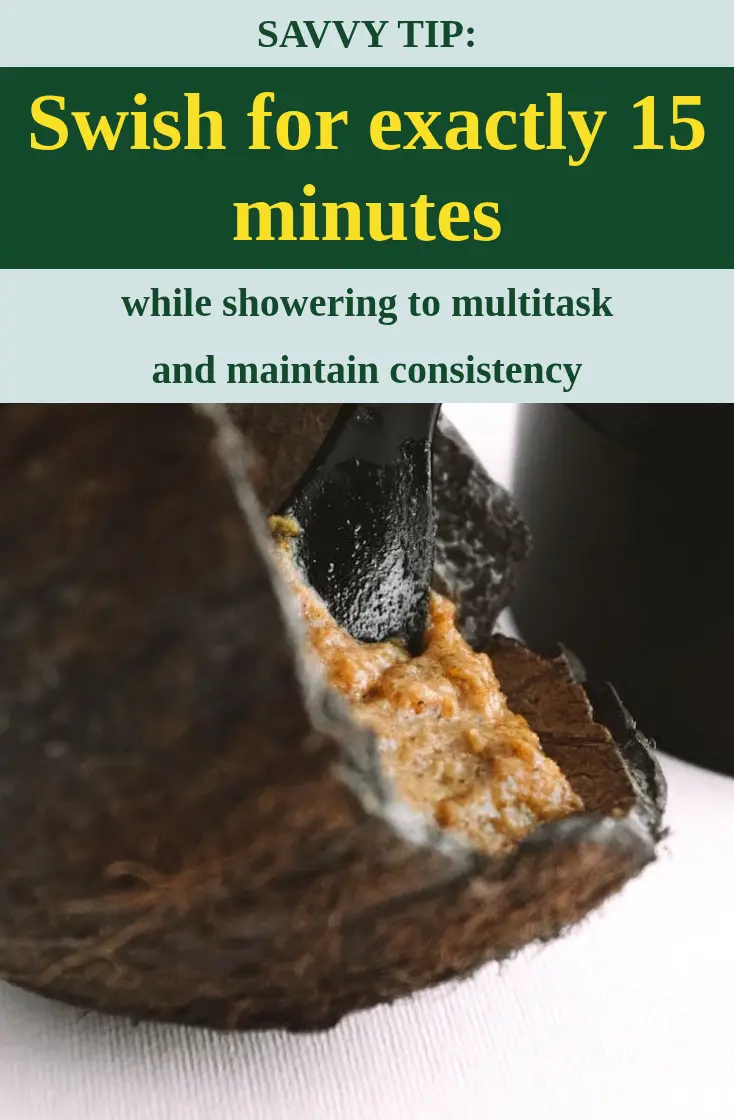
- Swish it gently around your mouth for 10–20 minutes-don’t gargle or swallow.
- Spit the oil into the trash (not the sink, to avoid clogs).
- Rinse your mouth thoroughly with warm water.
- Brush your teeth as usual.
Morning Routine Integration
Oil pulling works best on an empty stomach. Pair it with your wake-up stretch or while you wait for your coffee to brew. Keep the oil beside your toothbrush as a visual cue to stay consistent.
Common Mistakes to Avoid
- Swallowing the oil (it now contains bacteria and toxins).
- Using too much oil or swishing too vigorously (can cause jaw fatigue or nausea).
- Skipping brushing afterward-oil pulling complements, but doesn’t replace, brushing.
Also See: The Truth About Activated Charcoal for Teeth Whitening
2. Remineralizing Toothpaste and Natural Alternatives
Key Ingredients That Support Enamel
Not all toothpaste is created equal when it comes to supporting enamel repair. Look for formulas with ingredients that actively help restore lost minerals.
Hydroxyapatite Benefits
Hydroxyapatite is a biomimetic mineral that makes up 97% of your enamel. Non-fluoride hydroxyapatite toothpaste can bond directly to enamel, helping to fill microscopic defects and reduce sensitivity. It’s a favorite in natural cavity treatment circles because it works with your body’s own chemistry-no synthetic additives needed.
Natural Fluoride Sources
While many avoid fluoride, trace natural fluoride from sources like green tea or mineral-rich water can support remineralization. Some natural toothpastes use calcium fluoride (from mineral sources) instead of synthetic sodium fluoride, offering a gentler option for those seeking to heal cavities naturally.
DIY Remineralizing Toothpaste Recipe
- 2 tablespoons calcium powder (food-grade)
- 1 tablespoon bentonite clay
- 1 teaspoon xylitol (optional, for taste and bacterial support)
- 10–15 drops trace mineral drops (for magnesium and phosphorus)
- 2–3 tablespoons coconut oil (to bind)
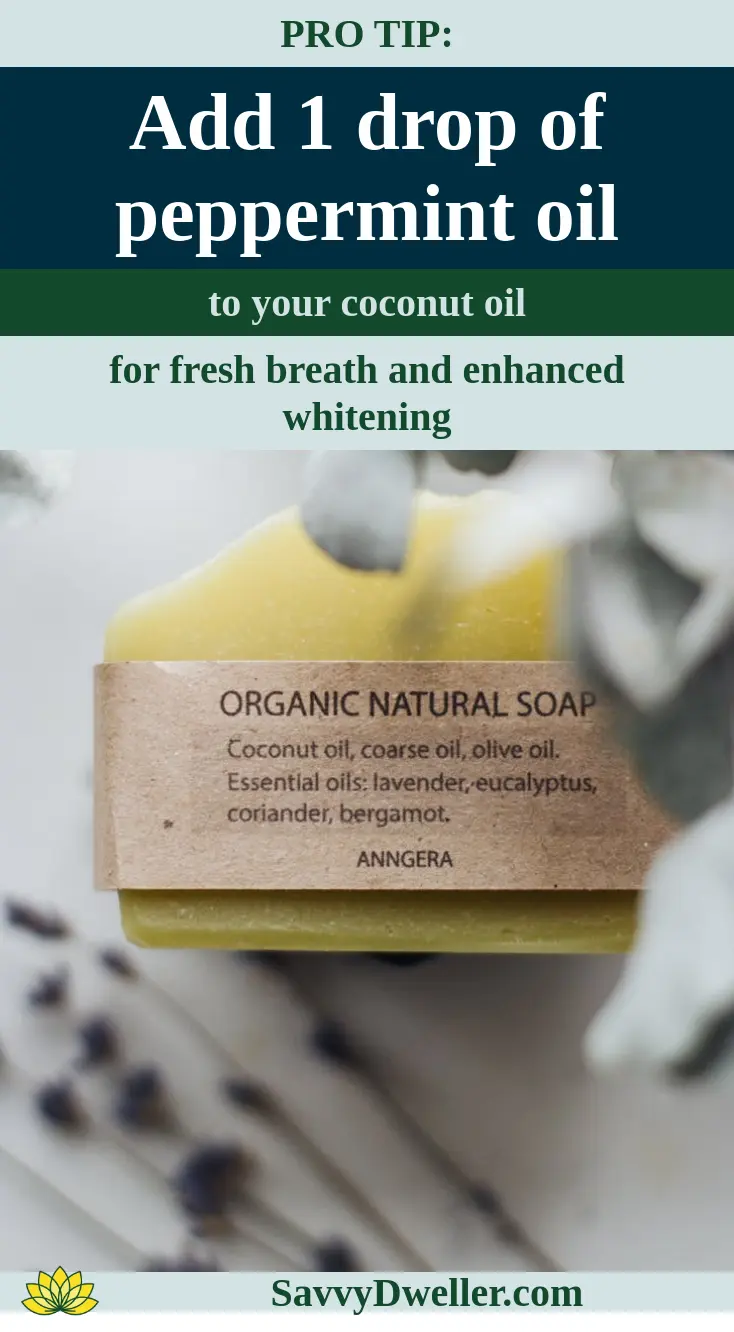
- 5 drops peppermint essential oil (optional)
Mix dry ingredients first, then add coconut oil and essential oils. Store in a small glass jar. Use a clean spatula or toothbrush to scoop-avoid introducing water to prevent spoilage.
How to Choose Commercial Remineralizing Products
When shopping for a natural toothpaste to support cavity reversal at home, check the label for:
- Hydroxyapatite (ideally nano-hydroxyapatite for better absorption)
- Absence of SLS, glycerin (in excess), and artificial sweeteners
- Added minerals like calcium, phosphate, or magnesium
Brands that are transparent about sourcing and avoid unnecessary fillers tend to offer the most effective natural treatment for cavities in early stages.
3. Dietary Changes to Support Tooth Health
Foods That May Aid Remineralization
What you eat directly influences your mouth’s ability to support enamel repair. Certain nutrients create the ideal internal environment for natural remineralization, which is your body’s way of reinforcing weakened enamel before a full cavity forms. Maintaining this balance is also crucial when whitening teeth naturally to avoid damaging the enamel.
Calcium-Rich Options
Calcium is a primary building block of tooth enamel. While dairy is a well-known source, non-dairy options can be just as effective.
- Grass-fed butter or ghee
- Leafy greens like kale, collards, and bok choy
- Sardines and canned salmon with bones
- Almonds and sesame seeds (including tahini)
Phosphorus and Magnesium Sources
Phosphorus works alongside calcium to rebuild enamel, while magnesium helps direct calcium to the right places-like your teeth-instead of soft tissues.
- Grass-fed meat and pastured eggs
- Pumpkin seeds and sunflower seeds
- Black beans and lentils
- Avocados and bananas (for magnesium)
Vitamin D and K2 Importance
Vitamin D enhances calcium absorption, and vitamin K2 acts like a traffic director-ensuring that calcium is deposited into your teeth and bones, not your arteries. Without enough K2, even high calcium intake may not benefit your teeth.
- Fermented foods like natto (highest K2 source)
- Grass-fed cheese and butter
- Egg yolks from pasture-raised hens
- Sunlight exposure (for vitamin D synthesis)
Foods and Drinks to Limit
Sugary and starchy foods feed harmful oral bacteria that produce acid, accelerating enamel breakdown. Even “healthy” items like dried fruit or fruit juice can trigger acid attacks.
- Sugary snacks and sodas (including diet versions with acids)
- Refined carbohydrates like white bread, crackers, and pastries
- Sticky foods that cling to teeth (e.g., raisins, granola bars)
- Acidic beverages like citrus juices and sports drinks
Meal Timing for Optimal Oral Health
Constant snacking keeps your mouth in an acidic state, giving saliva little time to neutralize pH and support remineralization. Consolidating eating into 3–4 meals per day-without grazing-creates windows for your enamel to recover.
- Eat balanced meals that include fat, protein, and fiber to reduce cravings.
- Wait at least 30–60 minutes after eating before brushing, especially after acidic foods.
- If you do snack, choose tooth-friendly options like raw cheese, nuts, or celery.
4. Green Tea and Herbal Rinses
Natural Compounds in Green Tea
Green tea contains catechins—antioxidants that may help suppress cavity-causing bacteria like Streptococcus mutans. It also offers trace amounts of natural fluoride and tannins that can support a healthier oral environment, making it a gentle addition to your routine if you’re exploring how to reverse cavities naturally. Additionally, green tea is known for its numerous health benefits, including promoting heart health and aiding in weight management. Regular consumption may enhance overall wellness while contributing to oral health.
How to Prepare Effective Herbal Rinses
Herbal rinses won’t reverse deep cavities, but they may help soothe gums, reduce bacterial load, and support a balanced oral microbiome during early enamel challenges.
Green Tea Preparation Method
- Steep 1–2 organic green tea bags in 1 cup of hot (not boiling) water for 5–7 minutes.
- Let it cool to room temperature-never swish hot liquid.
- Use as a rinse after brushing or between meals. Swish for 30–60 seconds, then spit.
- Store leftover tea in the fridge for up to 2 days.
Other Beneficial Herbs
- Clove: Contains eugenol, which may help ease discomfort and has antimicrobial properties.
- Chamomile: Soothes irritated gums and has mild antibacterial effects.
- Neem: Traditionally used in Ayurveda for oral hygiene; may inhibit plaque formation.
- Peppermint: Freshens breath and offers mild antiseptic action.
Usage Frequency and Safety Considerations
Use herbal rinses once or twice daily-never as a replacement for brushing or flossing. Overuse of strong herbs like clove oil can irritate soft tissues, so always dilute properly. Avoid swallowing herbal rinses, and discontinue use if you notice dryness, irritation, or allergic reactions.
5. Xylitol Products for Daily Support
How Xylitol May Affect Oral Bacteria
Xylitol is a natural sugar alcohol that cavity-causing bacteria can’t metabolize. When these microbes consume xylitol, they starve and lose their ability to stick to teeth. Over time, this may shift your mouth’s microbial balance, potentially supporting efforts to heal cavities naturally during the earliest stages of demineralization.
Different Forms Of Xylitol Products
Gums and Mints
Sugar-free gum with xylitol stimulates saliva flow-your mouth’s natural defense-while delivering the compound directly to tooth surfaces. Look for products where xylitol is the first ingredient and contains no artificial sweeteners like aspartame.
Xylitol Toothpaste
Some natural toothpastes blend xylitol with remineralizing agents like hydroxyapatite or calcium carbonate. These can offer dual action: disrupting harmful bacteria while supporting enamel repair.
Proper Dosage and Timing
For xylitol to be effective, consistency and dose matter. Dental studies often use 5–6 grams per day, spread across multiple exposures.
- Use xylitol gum or mints after meals and snacks-aim for 3–5 exposures daily.
- Chew gum for at least 5 minutes to maximize saliva and contact time.
- If using xylitol toothpaste, brush twice daily but don’t rinse vigorously afterward; let it linger.
- Start slowly if you’re new to xylitol-high doses can cause digestive upset in sensitive individuals.
6. Ph Balancing and Alkalizing Methods
Understanding Oral Ph and Acid Attacks
Your mouth thrives in a slightly alkaline environment-ideally between pH 7.0 and 7.5. When you eat sugars or refined carbs, harmful bacteria produce acid that drops oral pH below 5.5, the threshold where enamel begins to demineralize. These “acid attacks” can last up to 20 minutes or more after eating, and repeated exposure weakens enamel over time.
Keeping your oral pH neutral or slightly alkaline helps create conditions where remineralization can occur-and may support your efforts if you’re exploring whether you can reverse cavities naturally.
Natural Ways to Support Ph Balance
Baking Soda Rinses
Baking soda (sodium bicarbonate) is a gentle alkalizing agent that neutralizes acids and may disrupt cavity-causing biofilms. It’s one of the most accessible home remedies for cavities that’s backed by basic chemistry.
- Mix 1/2 teaspoon of food-grade baking soda in 4 ounces of warm, filtered water.
- Swish gently for 30–60 seconds after meals or acidic drinks.
- Spit out-do not swallow-and avoid rinsing with plain water immediately after to let the alkaline effect linger.
Use this rinse no more than 2–3 times daily to avoid disrupting your mouth’s natural microbiome.
Alkaline Water Benefits
Drinking or rinsing with alkaline water (pH 8–9) may help buffer acids in the mouth more effectively than standard tap water (usually pH 6–7). While it won’t magically heal cavities, it can be a supportive part of a broader natural cavity treatment strategy.
- Choose naturally alkaline mineral water over artificially ionized versions.
- Rinse your mouth with alkaline water after consuming sweets or acidic foods.
- Stay hydrated throughout the day to support healthy saliva flow, which naturally buffers pH.
Alkaline water alone won’t reverse cavities, but it can reduce the frequency and intensity of acid attacks-giving your enamel a better chance to remineralize.
Testing and Monitoring Oral Ph
You can track your oral environment using pH test strips (available online or at health stores). Test your saliva first thing in the morning or 2 hours after eating for baseline readings.
- Place a strip on your tongue for 2 seconds.
- Compare the color change to the chart provided.
- Log results weekly to spot trends.
If your pH consistently reads below 6.5, consider adjusting your diet, increasing alkalizing rinses, or consulting a holistic dental professional. Monitoring gives you real-time feedback on whether your home remedy for cavity prevention is working.
When Natural Methods May Help Vs. When Professional Care is Essential
Signs That Natural Support May Be Beneficial
Natural approaches may support early enamel demineralization—often appearing as white or chalky spots on teeth—especially when paired with excellent oral hygiene and dietary changes. If you don’t have pain, visible holes, or sensitivity to hot/cold, you might be in a window where remedies for cavities can aid remineralization. In cases where sensitivity does occur, exploring home remedies for sensitive teeth pain can provide relief and help strengthen enamel. Natural solutions like saltwater rinses or clove oil can be beneficial in managing discomfort while promoting overall dental health.
At this stage, consistent use of remineralizing toothpaste, pH-balancing rinses, and xylitol may help your teeth regain mineral density-answering “can you reverse cavities at home?” with cautious optimism.
Red Flags Requiring Immediate Dental Attention
Seek professional care if you notice any of the following:
- Visible dark spots or holes in the tooth
- Sharp pain when biting or chewing
- Lingering sensitivity to sweets, hot, or cold
- Swollen gums near a specific tooth
- Brown or black staining that doesn’t brush off
Once decay reaches the dentin layer beneath enamel, natural methods alone cannot stop progression. No home remedy for cavity healing can repair structural damage-only a dentist can restore a compromised tooth. It’s also important to keep in mind that maintaining dental health includes effective whitening methods. Exploring safe and effective ways to whiten teeth at home can promote a brighter smile while caring for your enamel.
How to Work With Your Dentist on Natural Approaches
Many dentists welcome a collaborative approach. Bring your natural cavity treatment plan to your appointment and ask:
- “Is my decay still in the enamel stage?”
- “Can we monitor this spot over 3–6 months with photos or X-rays?”
- “Are the products I’m using safe alongside professional care?”
A supportive dentist can help you determine if you can heal cavities naturally-or if intervention is needed-while respecting your preference for holistic strategies.
Common Mistakes That May Worsen Cavity Development
Delaying Professional Evaluation
Hoping that natural remedies for cavities will work without confirmation from a dentist can allow small issues to become serious. Early decay is often invisible to the naked eye. Waiting too long based on the hope that you can reverse tooth decay naturally could lead to irreversible damage.
Over-brushing With Abrasive Materials
Using harsh DIY pastes (like straight baking soda or charcoal) daily can wear down enamel, especially when combined with aggressive brushing. This thins your protective layer, making acid attacks more damaging. Many people believe baking soda is a safe solution for teeth whitening, but this myth deserves closer examination to understand its true effects on dental health.
Instead, reserve abrasive cleansers for occasional use and always brush gently with a soft-bristled brush.
Inconsistent Application Of Natural Methods
Healing tooth decay naturally requires daily consistency. Skipping oil pulling, forgetting xylitol, or eating sugary snacks between alkalizing rinses sends mixed signals to your oral environment.
Remineralization isn’t a one-time fix-it’s a sustained shift in habits that answer “do natural remedies for cavities work?” with reliable action over time.
Ignoring Underlying Health Conditions
Conditions like dry mouth (xerostomia), acid reflux, diabetes, or vitamin D deficiency directly impact your ability to fight cavities. Saliva is your first defense-and if it’s compromised, even the best home remedy for cavity prevention may fall short.
Talk to your healthcare provider if you suspect a systemic issue is affecting your oral health.
Expecting Overnight Results
Enamel repair is a slow biological process. If you’re asking “can you heal cavities at home?” and expecting changes in days, you’ll likely give up too soon.
Meaningful remineralization takes 3–6 months of disciplined care. Track small wins-less sensitivity, smoother enamel texture-rather than waiting for a dramatic “cure.”
Frequently Asked Questions
Are Natural Remedies for Cavities Scientifically Proven to Work?
Some natural remedies, like remineralizing toothpaste with hydroxyapatite or fluoride, have research supporting their role in strengthening enamel and reversing early decay. However, evidence for methods like oil pulling is limited and primarily focuses on reducing bacteria rather than repairing cavities. For best results, combine evidence-based approaches with professional dental advice and avoid relying solely on unproven remedies.
Can People With Dental Restorations Like Fillings Benefit From Natural Methods?
Yes, natural methods can support overall oral health around restorations by reducing plaque buildup and acid erosion, which may prolong the life of fillings or crowns. However, avoid abrasive DIY pastes or aggressive oil pulling near restorations, as they could damage or loosen dental work. Always discuss any new regimen with your dentist to ensure compatibility.
How Should Natural Remedies Be Integrated Into a Daily Oral Care Routine?
Start by prioritizing consistent, gentle practices, such as using remineralizing toothpaste twice daily and incorporating xylitol gum after meals. Add one method at a time-like a weekly baking soda rinse for pH balance-to avoid overwhelming your routine. Track your oral health changes and adjust frequency based on sensitivity or dentist recommendations. Additionally, exploring the best natural alternatives to mouthwash can further enhance your oral care routine, providing effective options that are gentle on your mouth.
What Are the Potential Risks Of Overusing Natural Remedies?
Overuse can lead to issues like enamel abrasion from gritty DIY toothpastes or gum irritation from frequent acidic rinses. For example, excessive oil pulling might temporarily reduce saliva flow, hindering natural remineralization. Stick to recommended frequencies and discontinue any method causing discomfort, seeking professional guidance if needed.
Final Words
Natural methods can serve as valuable allies in supporting your oral health journey, but they work best as part of a comprehensive approach that includes professional dental care. While these time-tested remedies may help support your teeth’s natural ability to remineralize in the earliest stages of decay, they cannot replace the expertise of a dental professional for established cavities or serious oral health concerns.
The key to success lies in consistency and realistic expectations. Start with one or two methods that resonate with you-perhaps oil pulling in the morning and switching to a remineralizing toothpaste-then gradually incorporate others as they become routine. Remember that supporting your oral health is a marathon, not a sprint, and the small daily choices you make compound over time.
Ready to take the next step in your wellness journey? Explore more evidence-based health and home solutions at Savvy Dwelling, where we break down complex topics into practical, actionable advice you can trust. Your smile-and your overall health-will thank you for taking this proactive approach to natural oral care support.

