A Complete Guide to Relieving Menstrual Cramps Naturally at Home
That familiar cramping sensation shows up again, making you wonder if there’s a gentler way to find relief without reaching for pain medication every month. You’re not alone in seeking natural alternatives that work with your body’s rhythm rather than against it. Many people experience varying degrees of menstrual discomfort, and the good news is that nature provides numerous gentle yet effective solutions.
This comprehensive guide brings together research-backed natural remedies that can significantly reduce menstrual cramping from the comfort of your own home. We’ve simplified complex wellness information into practical, step-by-step methods you can start using today. From heat therapy and gentle movement to healing foods and herbal teas, you’ll discover a toolkit of natural approaches that support your body’s needs during your menstrual cycle.
Contents
- At a Glance: The Best Natural Solutions
- The Science Made Simple: Why Menstrual Cramps Happen
- 1. Heat Therapy for Immediate Comfort
- 2. Gentle Movement and Yoga Poses
- 3. Natural Anti-inflammatory Foods and Diet Changes
- 4. Herbal Teas and Natural Remedies
- 5. Massage and Acupressure Techniques
- 6. Mindfulness and Stress Reduction Practices
- 7. Natural Supplements That May Help
- Common Mistakes to Avoid When Managing Menstrual Cramps
- Frequently Asked Questions
- Final Words
At a Glance: The Best Natural Solutions
Quick Reference Table: Natural Remedies for Menstrual Cramp Relief
| Remedy | How It Helps | Best For | How Often to Use |
|---|---|---|---|
| Heat therapy (heating pad, hot water bottle) | Relaxes uterine muscles and boosts blood flow | Immediate, throbbing lower abdominal pain | As needed; 15–20 minutes at a time |
| Ginger tea | Reduces inflammation and may lower prostaglandin levels | Early-cycle cramping and nausea | 2–3 cups daily starting 1–2 days before your period |
| Magnesium-rich foods (spinach, almonds, avocado) | Supports muscle relaxation and nerve function | Preventive care and muscle tension | Daily, especially in the luteal phase (post-ovulation) |
| Child’s Pose (Balasana) | Gently stretches the lower back and pelvis | Cramps with lower back pressure | Hold for 1–3 minutes, repeat 2–3 times |
| Abdominal self-massage | Encourages circulation and eases uterine tightness | Dull, centralized cramping | 5–10 minutes, up to 3 times per day |
| Chamomile tea | Promotes relaxation and may reduce smooth muscle spasms | Cramps paired with anxiety or sleep disruption | 1–2 cups in the evening |
| Walking or light stretching | Releases endorphins and improves pelvic blood flow | Mild to moderate cramping | 10–20 minutes daily during your period |
| Essential oil massage (lavender, clary sage) | May soothe nerves and reduce perceived pain | Emotional tension with physical discomfort | Diluted, applied 1–2 times daily |
These natural ways to ease menstrual cramps work best when used early and consistently. Many people find that combining heat, gentle movement, and anti-inflammatory foods offers the most reliable relief from period pain. Each method supports your body’s natural rhythm without masking symptoms-just easing the discomfort so you can keep moving through your day.
If you’re exploring how to naturally relieve menstrual cramps, start with one or two approaches that fit your routine. Over time, you’ll discover your personal blend of home remedies for period pain that feels both manageable and effective.
The Science Made Simple: Why Menstrual Cramps Happen
Understanding Your Body’s Natural Process
Menstrual cramps-also called dysmenorrhea-occur when your uterus contracts to shed its lining. These contractions are triggered by hormone-like substances called prostaglandins. Higher levels of prostaglandins often mean stronger contractions, which can temporarily cut off blood flow to the uterus and lead to pain.
Cramping is a normal part of your cycle for many people, but the intensity can vary widely from person to person. Some feel mild discomfort, while others experience pain that affects daily life. Knowing what’s happening inside your body is the first step toward finding effective, natural ways to ease menstrual cramp pain.
Primary Vs. Secondary Menstrual Pain
There are two main types of menstrual pain: primary and secondary dysmenorrhea.
- Primary dysmenorrhea is common menstrual cramping that isn’t linked to another medical condition. It usually starts one or two days before your period and lasts for a few days.
- Secondary dysmenorrhea is caused by an underlying issue like endometriosis, fibroids, or pelvic inflammatory disease. This type often begins earlier in the cycle and lasts longer than typical cramps.
If your pain has recently changed in intensity, timing, or pattern, it’s smart to check with a healthcare provider. But for primary cramps, many natural remedies for menstrual cramps can offer real comfort without medication.
1. Heat Therapy for Immediate Comfort
How Heat Supports Muscle Relaxation
Heat is one of the most effective, science-backed home remedies for period pain. Applying warmth to your lower abdomen boosts blood flow, relaxes tense uterine muscles, and may even lower prostaglandin levels locally.
Studies show that heat therapy can be as effective as over-the-counter pain relievers for relieving menstrual cramps naturally-without the side effects. It’s a gentle, accessible option for anyone looking for a natural way to relieve period cramps.
DIY Heat Therapy Options at Home
Hot Water Bottles and Heating Pads
These are classic, reliable tools for fast relief. Use them for 15–20 minutes at a time, as needed.
- Fill a rubber hot water bottle with warm (not boiling) water and wrap it in a thin towel.
- Place it directly over your lower abdomen or lower back.
- If using an electric heating pad, choose a low or medium setting and never fall asleep with it on.
Warm Bath Remedies
A warm bath does double duty: it soothes muscles and calms your nervous system. Add Epsom salts (rich in magnesium) for extra relaxation.
- Run a bath with comfortably warm water (around 100°F or 38°C).
- Add 1–2 cups of Epsom salt and soak for 20–30 minutes.
- Breathe deeply and let your body unwind-this is a natural way to ease menstrual cramps while reducing stress.
Heat Wrap Techniques
Disposable or reusable heat wraps stick to your clothes and deliver consistent warmth for hours-ideal for on-the-go relief.
- Look for wraps that reach 104–122°F (40–50°C), the ideal range for muscle relaxation.
- Apply directly over your lower belly, under clothing, for up to 8 hours.
- Pair with light stretching or deep breathing for enhanced natural menstrual cramp relief.
Also See: A Guide to the Best Foods for Arthritis and Joint Pain
2. Gentle Movement and Yoga Poses
Why Light Exercise Helps Ease Cramping
Moving your body-even lightly-increases circulation and releases endorphins, your body’s natural pain relievers. This can help reduce period cramps naturally while improving mood and energy.
You don’t need intense workouts. Even 10 minutes of gentle movement can shift your comfort level during your period. It’s one of the simplest ways to relieve menstrual cramps at home without pills or supplements.
Best Yoga Poses for Menstrual Relief
Child’s Pose for Relaxation
This restorative pose gently compresses the abdomen, which can ease uterine tension.
- Kneel on a mat with your big toes touching and knees wide apart.
- Walk your hands forward and lower your chest toward the floor.
- Rest your forehead down and breathe deeply for 1–3 minutes.
Cat-Cow Stretches
This flowing movement mobilizes the spine and softly massages the abdominal organs.
- Start on hands and knees in a tabletop position.
- Inhale, drop your belly, lift your chin and chest (Cow Pose).
- Exhale, round your spine toward the ceiling, tuck your chin (Cat Pose).
- Repeat for 1–2 minutes, syncing breath with movement.
Supine Spinal Twist
This gentle twist helps release lower back tension-a common companion to period pain.
- Lie on your back with arms extended in a T shape.
- Bend your knees and drop them to one side while keeping both shoulders grounded.
- Turn your head in the opposite direction and hold for 30–60 seconds per side.
Simple Walking and Stretching Routines
If yoga feels like too much, a slow walk or basic stretches can still help. Try this mini routine:
- Walk for 10–15 minutes at a comfortable pace-indoors or outside.
- Follow with seated forward folds: sit with legs extended, hinge at hips, and reach toward toes.
- Finish with a reclined butterfly pose: lie back, soles of feet together, knees out to sides.
These natural ways to ease menstrual cramps support both physical and emotional well-being-proving that sometimes, the gentlest movements bring the deepest relief.
3. Natural Anti-inflammatory Foods and Diet Changes
Foods That Support Menstrual Comfort
Shifting your plate toward anti-inflammatory foods can be a powerful way of supporting your body during your cycle. Certain nutrients help ease uterine contractions, reduce bloating, and calm pain signals.
Omega-3 Rich Foods
Fatty acids like EPA and DHA found in omega-3s help lower prostaglandin production-the compounds responsible for triggering intense cramping. Adding these to your diet is one of the most effective natural ways to reduce menstrual cramps.
- Flaxseeds (ground for better absorption)
- Chia seeds
- Walnuts
- Salmon, mackerel, and sardines (for non-vegetarians)
- Algal oil (a plant-based omega-3 source)
Magnesium-Rich Options
Magnesium helps relax smooth muscle tissue, including the uterus, and may reduce both the severity and duration of cramps. Many people find that increasing magnesium intake offers noticeable relief from menstrual pain.
- Dark leafy greens (spinach, Swiss chard)
- Pumpkin seeds
- Avocados
- Almonds and cashews
- Black beans and lentils
Anti-Inflammatory Spices
Spices like turmeric and ginger don’t just add flavor-they actively fight inflammation that can worsen period pain. These are simple, kitchen-ready natural things for cramps that work best when used regularly.
- Turmeric (pair with black pepper for better absorption)
- Ginger (fresh or dried)
- Cinnamon
- Fennel seeds
Foods That May Intensify Cramping
Some foods can increase inflammation or cause bloating, making cramps feel worse. If you’re looking for ways to relieve menstrual cramps at home, consider limiting these in the days leading up to your period:
- Refined sugars and sugary snacks
- Highly processed foods
- Excess salt (contributes to bloating)
- Caffeine (can constrict blood vessels and heighten tension)
- Alcohol (may disrupt hormone balance and hydration)
Hydration for Natural Pain Relief
Dehydration can worsen muscle cramping and bloating. Staying well-hydrated helps your body flush excess prostaglandins and maintain smooth muscle function. Aim for consistent fluid intake-not just when cramps hit.
Drinking warm water or herbal infusions throughout the day supports circulation and eases menstrual cramp pain without side effects.
4. Herbal Teas and Natural Remedies
Time-tested Herbs for Menstrual Support
Herbal teas have been used for generations as gentle, effective home remedies for period pain. Many work by soothing the nervous system, reducing inflammation, or relaxing uterine muscles.
Ginger Root Tea
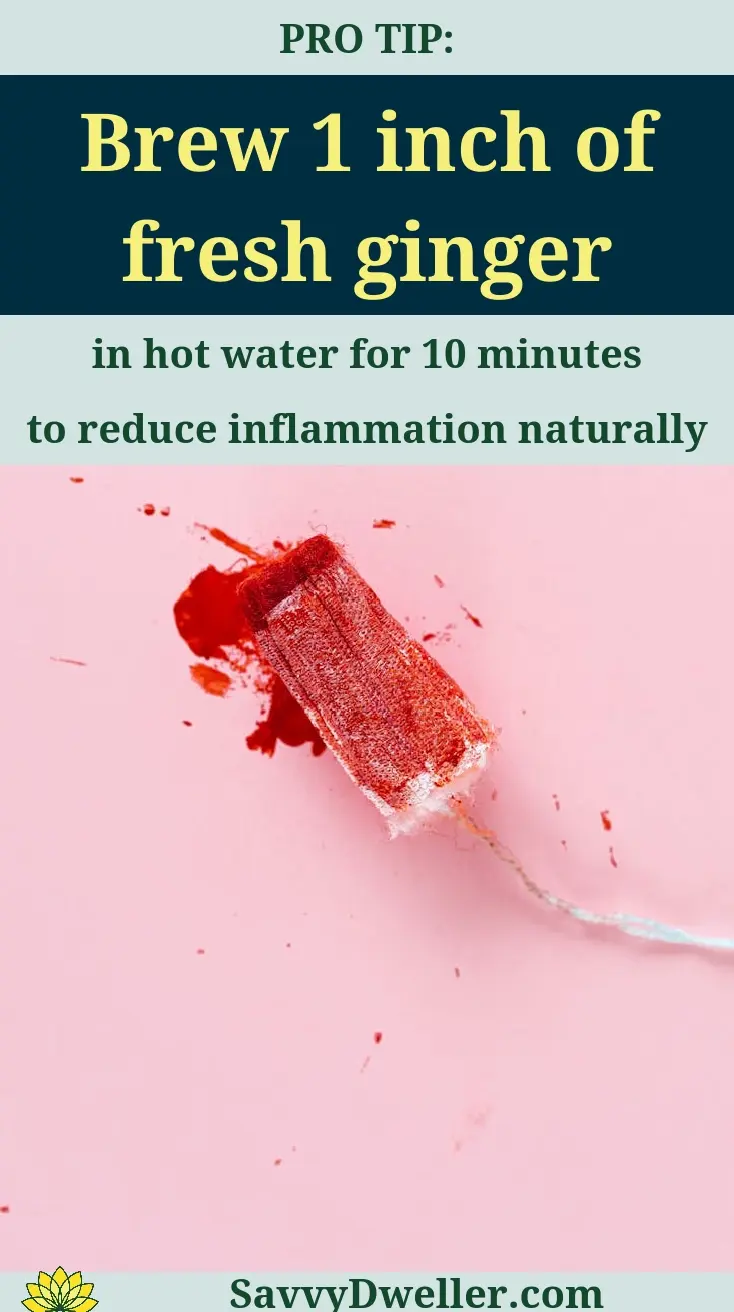
Ginger contains compounds like gingerols that mimic NSAIDs by inhibiting pain-triggering prostaglandins. It’s one of the most researched natural remedies for menstrual cramps. Not only does ginger help alleviate menstrual pain, but it also offers numerous health benefits worth exploring. From reducing inflammation to boosting the immune system, the 10 proven health benefits of ginger provide compelling reasons to incorporate this spice into your diet.
Chamomile for Relaxation
Chamomile isn’t just calming-it contains apigenin, a compound that may help reduce muscle spasms and anxiety linked to period discomfort.
Turmeric Golden Milk
This warm, spiced drink combines turmeric’s curcumin with healthy fats (like coconut milk) to enhance absorption and fight inflammation naturally. Incorporating turmeric curcumin into your diet can lead to numerous health benefits. For instance, it has been shown to support joint health, improve digestion, and boost overall immunity.
Cinnamon and Fennel Blends
Cinnamon helps regulate blood flow and reduce uterine contractions, while fennel acts as a natural antispasmodic. Together, they create a soothing, warming infusion ideal for easing period pains naturally. Additionally, cinnamon is known for its many health benefits, including anti-inflammatory properties and improved circulation. Incorporating cinnamon into your diet can further support overall well-being.
How to Prepare Healing Herbal Teas
- Use 1–2 teaspoons of dried herb (or 1 tablespoon fresh) per 8 oz of hot (not boiling) water.
- Steep covered for 10–15 minutes to preserve volatile oils.
- Strain and sip slowly 2–3 times daily, starting 1–2 days before your period begins.
- For golden milk: Simmer ½ tsp turmeric, a pinch of black pepper, and a cinnamon stick in 1 cup of unsweetened almond or oat milk for 5 minutes. Add a teaspoon of honey if desired.
5. Massage and Acupressure Techniques
Self-massage Methods for Cramp Relief
Gentle massage increases blood flow to the pelvic area, which can help relax tense muscles and reduce pain intensity. It’s a simple, drug-free way to ease menstrual cramps at home.
Lower Back Massage Techniques
- Sit or lie comfortably with support under your knees.
- Place warm hands or a warm towel on your lower back for 1–2 minutes.
- Use circular motions with moderate pressure along both sides of your spine, moving from the hips upward.
- Repeat for 5–10 minutes, breathing deeply.
Abdominal Massage Patterns
- Lie on your back with knees bent.
- Apply a small amount of carrier oil (like coconut or almond) to your lower abdomen.
- Using gentle, clockwise circles, massage around your navel and down toward the pubic bone.
- Focus on slow, rhythmic strokes for 5–7 minutes-never press deeply if it causes more pain.
Acupressure Points for Menstrual Comfort
Applying steady pressure to specific points can stimulate the body’s natural pain-relief pathways. Try these during cramps: Quick relief techniques, such as stretching or massaging the affected area, can help get rid of charley horse leg cramps instantly. These methods encourage blood flow and ease muscle tension for faster recovery.
- SP6 (Sanyinjiao): Three finger-widths above the inner ankle bone, behind the tibia. Press gently for 2–3 minutes per side.
- LI4 (Hegu): In the webbing between your thumb and index finger. Avoid during pregnancy.
- CV6 (Qihai): Two finger-widths below the navel. Warm this area with your palm for soothing relief.
Essential Oil Blends for Massage
Combine essential oils with a carrier oil for a calming abdominal or back rub. Always do a patch test first.
- 2 drops lavender + 2 drops clary sage + 1 tbsp jojoba oil
- 3 drops ginger essential oil + 1 tbsp sweet almond oil (use sparingly-ginger is warming)
- 2 drops marjoram + 2 drops frankincense + 1 tbsp coconut oil
These blends support natural menstrual cramp relief by combining aromatherapy with tactile comfort-just one of many ways to relieve menstrual cramps naturally without medication.
6. Mindfulness and Stress Reduction Practices
How Stress Affects Menstrual Pain
Stress triggers the release of cortisol and other hormones that can amplify inflammation and tighten muscles-two key drivers of menstrual discomfort. When your nervous system is in constant “fight-or-flight” mode, it can intensify pain signals and make cramps feel sharper and longer-lasting.
Lowering stress isn’t just calming-it’s a direct way to support your body’s natural pain modulation systems during your cycle.
Deep Breathing Techniques
Slow, intentional breathing activates the parasympathetic nervous system, which helps counteract muscle tension and reduce perceived pain. Try this simple method when cramps strike:
- Sit or lie comfortably with one hand on your chest and the other on your belly.
- Inhale slowly through your nose for a count of four, letting your belly rise more than your chest.
- Hold the breath for two counts.
- Exhale gently through your mouth for a count of six.
- Repeat for 3–5 minutes or until you feel your shoulders relax and your abdomen soften.
Meditation for Pain Management
Mindfulness meditation trains your brain to observe pain without reacting to it, which can lessen its emotional and physical impact. Even five minutes of daily practice during your period can shift your experience of discomfort. This practice is also a key component in learning how to manage stress effectively. By integrating mindfulness meditation into a daily routine, beginners can discover powerful stress relief techniques that promote overall well-being.
Guided meditations focused on body scans or loving-kindness are especially helpful for relieving menstrual cramps naturally. Many free apps offer short sessions labeled “menstrual relief” or “pain support.”
Creating a Relaxing Environment
Your surroundings influence your stress levels more than you might think. Dim lighting, soft textures, and calming scents can signal safety to your nervous system, making it easier to ease menstrual cramp pain.
- Use warm-toned lighting or candles instead of harsh overhead lights.
- Wrap yourself in a soft blanket or wear loose, breathable clothing.
- Add a few drops of lavender or clary sage essential oil to a diffuser-both are linked to reduced tension and hormonal balance.
- Play gentle instrumental music or nature sounds to quiet mental chatter.
7. Natural Supplements That May Help
Evidence-based Nutritional Support
Certain nutrients play direct roles in muscle function, inflammation control, and hormone regulation-making them valuable allies in your toolkit for natural menstrual cramp relief. Always choose high-quality, third-party tested supplements and discuss new additions with your healthcare provider.
Magnesium for Muscle Relaxation
Magnesium helps regulate calcium flow in muscle cells, preventing excessive contractions that cause cramping. Studies show that supplementing with magnesium-especially in the days leading up to your period-can significantly reduce pain intensity.
Look for forms like magnesium glycinate or citrate, which are well-absorbed and gentle on the stomach.
Vitamin D and Calcium
These two work as a team: calcium supports muscle contraction, while vitamin D ensures your body can use it effectively. Low levels of either have been linked to more severe menstrual pain.
Pairing vitamin D with calcium not only supports bone health but may also help stabilize uterine muscle activity during your cycle.
B-Complex Vitamins
B vitamins-especially B1 (thiamine) and B6-help modulate prostaglandin production and support nervous system health. Research suggests that consistent B-complex intake can reduce both the duration and severity of cramps.
Whole-food sources like nutritional yeast, legumes, and leafy greens are ideal, but a quality supplement can fill gaps when diet alone isn’t enough. Ensuring a sufficient intake of vitamin B12 is important for overall health, and there are many delicious food options to consider. Incorporating some of the top vitamin B12 foods into your meals can help you meet your nutritional needs effectively.
Timing and Dosage Considerations
For best results, start taking supportive supplements a few days before your expected period-not just when pain begins. This proactive approach helps balance your body’s biochemistry ahead of hormonal shifts.
General guidance (always confirm with a professional):
- Magnesium: 200–400 mg daily, starting 3–5 days before your period.
- Vitamin D: 1,000–2,000 IU daily, especially in winter or if you have limited sun exposure.
- Calcium: 500–1,000 mg daily, preferably with food and vitamin D for absorption.
- B-Complex: One daily dose with breakfast to support energy and nerve function.
Common Mistakes to Avoid When Managing Menstrual Cramps
Dietary Habits That May Worsen Pain
Some everyday food choices can unintentionally fuel inflammation or bloating, making cramps feel worse. Common culprits include processed sugars, excess caffeine, salty snacks, and fried foods-all of which can increase prostaglandin activity or fluid retention.
Instead of reaching for comfort foods high in refined carbs, try anti-inflammatory snacks like a handful of walnuts, a piece of dark chocolate (70%+ cacao), or a smoothie with spinach and flaxseed. Incorporating these foods can play a significant role in reducing inflammation in the body. Alongside these snacks, there are many other top foods known for their anti-inflammatory properties, making it easier to maintain a healthy diet.
Activity Mistakes During Your Period
While rest is important, complete inactivity can actually slow circulation and worsen cramping. On the other hand, pushing through high-intensity workouts when you’re already fatigued may spike stress hormones and intensify discomfort. It’s especially important to manage your energy levels carefully to avoid burnout.
The sweet spot? Gentle, rhythmic movement-like a 15-minute walk or restorative yoga-that encourages blood flow without overexertion. Listen to your energy levels, not a rigid fitness schedule.
When Home Remedies May Not Be Enough
Natural remedies work well for primary dysmenorrhea (common menstrual cramps), but they may not address underlying conditions like endometriosis, fibroids, or pelvic inflammatory disease. If your pain is severe, sudden, or unresponsive to multiple home remedies for period pain, it’s time to look deeper.
Signs You Should Consult a Healthcare Provider
- Cramps that stop you from doing daily activities, even after trying heat, movement, and supplements.
- Pain that starts more than two days before your period or lasts beyond day three.
- Heavy bleeding that soaks through a pad or tampon every hour for several hours.
- New or worsening pain after years of mild periods.
- Symptoms like fever, nausea, vomiting, or pain during sex.
Severe menstrual pain is not something you have to “just live with.” Seeking professional guidance ensures you’re not missing a treatable condition-and can get the right support for true relief.
Frequently Asked Questions
How Far in Advance Should I Begin Natural Remedies to Prevent Menstrual Cramps?
For preventive strategies, start incorporating dietary changes, supplements, and stress management techniques about 1-2 weeks before your period begins. This allows your body to build up anti-inflammatory resources and stabilize hormone levels. However, immediate relief methods like heat therapy or gentle yoga can be used as soon as cramps start.
Are There Any Natural Remedies That Should Be Avoided if I Have Certain Health Conditions?
Yes, safety varies by individual. If you have kidney issues, avoid high-dose magnesium supplements, and if you’re on blood thinners, consult a doctor before using herbs like ginger or turmeric. Always discuss new remedies with a healthcare provider if you have conditions like diabetes, hypertension, or autoimmune disorders to prevent interactions.
Can These Natural Methods Be Used Alongside Prescription Medications for Cramps?
Generally, yes, but always inform your healthcare provider about any natural remedies you’re using to avoid potential interactions. For instance, some herbs may enhance or inhibit the effects of pain relievers or hormonal treatments. Natural approaches can complement medication but should not replace prescribed plans without professional guidance.
Final Words
Managing menstrual cramps naturally doesn’t have to feel overwhelming. You now have a toolkit of gentle, research-backed methods that can provide real relief right from your own home. Start with one or two approaches that resonate with you most-whether it’s brewing a soothing ginger tea, practicing child’s pose, or applying heat therapy.
Remember that your body’s needs may change from cycle to cycle, so be patient and experiment with different combinations of these natural remedies. What works beautifully one month might need a gentle adjustment the next. Trust your body’s signals and give these methods time to show their full benefits.
Ready to transform your period experience? Begin implementing these natural strategies during your next cycle and notice how your body responds. For more wellness tips and home solutions that support your health naturally, check out Savvy Dwelling for additional resources on creating a healthier, more comfortable home environment.