The Best Natural Remedies for Heart Palpitations
That sudden flutter or racing in your chest can be frightening, leaving you wondering if something serious is happening with your heart. You’re not alone—heart palpitations affect millions of people daily, and while they’re often harmless, they can significantly impact your quality of life. The good news is that many palpitations respond well to gentle, natural approaches that work with your body’s own healing mechanisms.
This guide provides you with research-backed natural remedies that can help calm your heart rhythm and reduce the frequency of palpitations. We’ve simplified complex cardiovascular science into practical steps you can start using today, from immediate relief techniques to long-term supportive strategies. You’ll learn which remedies work fastest, how to identify your personal triggers, and when natural approaches can safely support your heart health.
Contents
- At a Glance: The Best Solutions
- The Science Made Simple: Why Heart Palpitations Happen
- 1. Deep Breathing and Vagal Maneuvers
- 2. Magnesium: Nature’s Heart Rhythm Supporter
- 3. Herbal Remedies for Heart Rhythm Support
- 4. Essential Electrolyte Balance
- 5. Stress Reduction Techniques
- 6. Dietary Approaches to Support Heart Rhythm
- 7. Coq10 and B-vitamin Support
- 8. Lifestyle Modifications for Long-term Relief
- Common Mistakes to Avoid
- Frequently Asked Questions
- Final Words
At a Glance: The Best Solutions
| Natural Remedy | How It Helps | Time to Work | Best For |
|---|---|---|---|
| Deep Breathing Techniques | Activates relaxation response | 2-5 minutes | Anxiety-related palpitations |
| Magnesium Supplementation | Supports heart rhythm regulation | 2-4 weeks | Deficiency-related episodes |
| Cold Water Therapy | Stimulates vagus nerve | 30 seconds-2 minutes | Immediate relief |
| Hawthorn Berry Extract | Supports cardiovascular function | 4-6 weeks | Long-term heart support |
| Stress Reduction Practices | Reduces trigger frequency | Daily practice | Chronic stress patterns |
The Science Made Simple: Why Heart Palpitations Happen
Understanding Your Heart’s Natural Rhythm
Your heart beats in a carefully coordinated sequence managed by electrical signals. This natural rhythm-called sinus rhythm-is controlled by the sinoatrial (SA) node, your heart’s internal pacemaker. When this system gets disrupted, even slightly, you might feel your heart flutter, race, or skip a beat. These sensations are what we call heart palpitations. They’re often temporary and harmless, but they can also be your body’s way of signaling an imbalance that needs attention.
Common Triggers That Disrupt Heart Balance
Lifestyle Factors
Stimulants like caffeine, nicotine, and energy drinks can overexcite your nervous system. Poor sleep, dehydration, and intense physical exertion-especially without proper conditioning-may also disturb your heart’s regular beat.
Nutritional Imbalances
Low levels of key minerals like magnesium, potassium, and calcium can interfere with the electrical activity that keeps your heart steady. Even subtle shifts in electrolyte balance-often from excessive sweating, poor diet, or certain medications-can lead to noticeable rhythm changes.
Emotional Stress Responses
Anxiety, panic, or sudden emotional surges activate your sympathetic nervous system, flooding your body with adrenaline. This “fight-or-flight” response speeds up your heart rate and can trigger palpitations-even in otherwise healthy hearts.
1. Deep Breathing and Vagal Maneuvers
The 4-7-8 Breathing Technique
This calming method activates your parasympathetic nervous system, which slows your heart rate and counters the stress response. It’s one of the most accessible natural heart palpitation remedies you can try anywhere.
Cold Water Face Immersion
Dipping your face in cold water stimulates the vagus nerve-a key regulator of heart rate. This simple, quick home remedy for heart palpitations can interrupt an episode within seconds by signaling your heart to slow down.
Valsalva Maneuver for Quick Relief
The Valsalva maneuver increases pressure in your chest, briefly affecting blood flow and triggering a reflex that resets your heart rhythm. It’s widely used in clinical settings but can also be safely done at home when done correctly.
Step-by-Step Instructions
- For 4-7-8 Breathing: Inhale quietly through your nose for 4 seconds. Hold your breath for 7 seconds. Exhale completely through your mouth for 8 seconds with a whooshing sound. Repeat 4 cycles.
- For Cold Water Immersion: Fill a bowl with ice water. Take a deep breath, then submerge your face for 15–30 seconds. Keep your forehead and nose covered. Remove and breathe normally.
- For Valsalva Maneuver: Pinch your nose shut and close your mouth. Gently try to blow out as if inflating a balloon-without letting air escape-for about 10–15 seconds. Release and breathe normally.
When to Use Each Method
- Use 4-7-8 breathing during anxiety-driven or stress-related palpitations-especially if you feel lightheaded or overwhelmed.
- Try cold water face immersion for sudden, unexplained racing heart episodes, particularly when you’re alone and need immediate grounding.
- Apply the Valsalva maneuver when palpitations feel rhythmic and sustained (like a fast but regular beat), not chaotic or erratic.
Also See: A Guide to the Best Foods for Arthritis and Joint Pain
2. Magnesium: Nature’s Heart Rhythm Supporter
Why Magnesium Deficiency Triggers Palpitations
Magnesium helps regulate the movement of calcium and potassium across heart cells—essential for maintaining steady contractions. When levels drop, electrical signals can misfire, leading to irregular beats. Many people with frequent palpitations have suboptimal magnesium, often without knowing it. These unexpected heart symptoms may be signs of underlying magnesium deficiency, which can also manifest in other ways.
Best Forms Of Magnesium for Heart Support
Not all magnesium supplements are equal. Absorption and tolerability vary greatly by form. For heart-related concerns, bioavailability and gentle digestion matter most.
Magnesium Glycinate vs. Magnesium Oxide
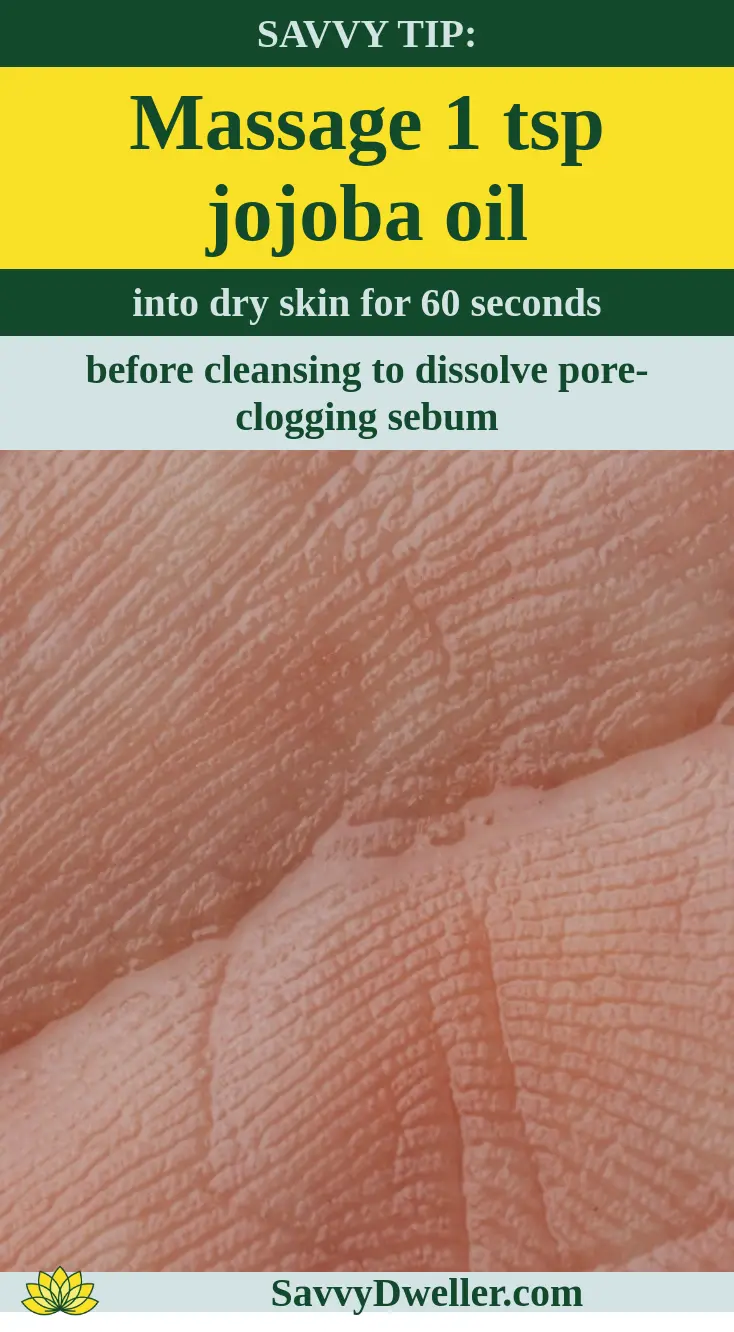
Magnesium glycinate is highly absorbable and gentle on the stomach-ideal for long-term support of heart rhythm and nervous system calm. Magnesium oxide, while common and inexpensive, has poor absorption (less than 4%) and may cause digestive upset. For natural remedies heart palpitations, glycinate is generally the preferred choice.
Food Sources Rich in Magnesium
- Pumpkin seeds (1 oz: 156 mg)
- Spinach, cooked (1 cup: 157 mg)
- Almonds (1 oz: 80 mg)
- Black beans (½ cup: 60 mg)
- Dark chocolate (70–85% cocoa, 1 oz: 64 mg)
Optimal Dosing Guidelines
For adults, the recommended dietary allowance (RDA) is 310–420 mg daily, depending on age and sex. If using supplementation for palpitations, many practitioners suggest 200–400 mg of magnesium glycinate at bedtime. Always start low and increase gradually to assess tolerance. Since excess magnesium can cause diarrhea or interact with medications, consult a healthcare provider before beginning a new regimen-especially if you have kidney issues.
3. Herbal Remedies for Heart Rhythm Support
Hawthorn Berry: The Heart’s Traditional Ally
Hawthorn berry has been used for centuries in traditional European and Chinese medicine to support cardiovascular health. Rich in flavonoids and oligomeric procyanidins, it may help promote steady heart rhythm and improve blood flow to the heart muscle. As a heart-healthy herb, hawthorn berry has gained recognition for its potential benefits, making it a popular choice for those looking to enhance their heart health naturally.
How to Prepare Hawthorn Tea
- Use 1–2 teaspoons of dried hawthorn berries (or a combination of berries and leaves) per cup of water.
- Bring water to a gentle boil, then reduce heat and simmer for 15–20 minutes.
- Strain and drink up to 2–3 cups daily, preferably between meals.
Standardized Extract Options
For consistent potency, look for standardized hawthorn extracts containing 1.8% vitexin or 10–20% oligomeric procyanidins. Typical doses range from 160–900 mg daily, divided into two or three doses. Always start with the lowest effective dose to assess tolerance.
Motherwort for Calming Heart Irregularities
Motherwort (Leonurus cardiaca) is a nervine herb traditionally used to soothe heart palpitations linked to emotional stress or hormonal shifts. It acts gently on the nervous system to reduce excitability without sedation, making it a thoughtful choice among herbal remedies for heart palpitations.
Lemon Balm for Anxiety-related Palpitations
Lemon balm (Melissa officinalis) helps quiet nervous tension that can manifest as fluttering or racing heartbeats. Its calming effect on the autonomic nervous system supports smoother cardiac rhythm during moments of emotional overwhelm. Lemon balm tea is a soothing way to unwind after a stressful day.
Fresh vs. Dried Preparations
- Fresh lemon balm: More aromatic and potent in volatile oils; ideal for quick infusions or tinctures.
- Dried lemon balm: Convenient for teas and shelf-stable; retains calming properties well when stored properly.
For immediate relief during an episode, steep 1–2 tablespoons of fresh or dried leaves in hot water for 5–10 minutes and sip slowly.
4. Essential Electrolyte Balance
Potassium-rich Foods for Heart Stability
Potassium helps regulate electrical impulses in the heart. Include bananas, sweet potatoes, spinach, avocados, and white beans in your meals to support steady rhythm. A deficiency can heighten sensitivity to palpitations, especially when combined with stress or dehydration. Incorporating potassium-rich foods is essential for maintaining a healthy heart. Foods like bananas and spinach not only boost potassium levels but also contribute to overall heart health.
Natural Sodium Balance Without Excess
While excessive sodium disrupts fluid balance and can strain the heart, a small amount of unrefined sea salt or Himalayan pink salt in water or food helps maintain sodium-potassium equilibrium-critical for nerve and muscle function, including the heart.
Calcium’s Role in Heart Muscle Function
Calcium is essential for the contraction phase of each heartbeat. Low levels may lead to irregular rhythms, while excess can cause stiffness in vessels. Aim for dietary sources like kale, bok choy, almonds, and sardines with bones rather than high-dose supplements unless advised.
Creating a Heart-Healthy Electrolyte Drink
- Mix 16 oz of filtered water with a pinch of unrefined sea salt.
- Add the juice of half a lemon (for potassium and vitamin C).
- Stir in 1–2 teaspoons of unsweetened coconut water or a small pinch of cream of tartar (a potassium source).
- Drink slowly, especially after exercise or during hot weather.
5. Stress Reduction Techniques
Progressive Muscle Relaxation
This technique involves systematically tensing and relaxing muscle groups to signal safety to the nervous system. Start at your toes and work upward to your face, holding each contraction for 5 seconds before releasing. Practicing this for 10 minutes can reduce palpitation frequency tied to chronic tension.
Mindfulness Meditation for Heart Health
Mindfulness trains your brain to observe sensations-like a racing heart-without triggering panic. Over time, this reduces the adrenaline surges that worsen palpitations, making it one of the most sustainable natural methods for heart palpitations.
5-Minute Daily Practice
- Sit comfortably with feet flat and hands resting on your lap.
- Close your eyes and take three slow breaths-inhale for 4 counts, exhale for 6.
- Focus on the rise and fall of your chest or the sensation of air at your nostrils.
- When thoughts arise (they will!), gently return attention to your breath-no judgment.
- End by placing a hand over your heart and silently acknowledging your effort.
Gentle Yoga Poses for Calming
Restorative yoga lowers cortisol and stimulates the vagus nerve, which helps slow heart rate. Avoid vigorous flows; instead, choose poses that encourage ease and deep breathing.
Heart-Opening Stretches
- Supported Fish Pose: Lie back over a rolled towel under your shoulder blades, arms open wide-hold for 3–5 minutes.
- Child’s Pose with Side Reach: From knees, stretch one arm forward and the other along your side to gently open the chest-switch sides.
- Seated Cat-Cow: In a chair, alternate between arching and rounding your spine with breath to release upper back tension.
6. Dietary Approaches to Support Heart Rhythm
Foods That May Trigger Palpitations
Certain foods can overstimulate the nervous system or cause blood sugar swings that mimic or provoke palpitations. Common culprits include processed snacks, artificial sweeteners, aged cheeses, and alcohol-especially red wine and spirits.
Caffeine Sensitivity Management
If you’re prone to heart palpitations, even small amounts of coffee, black tea, or chocolate may trigger episodes. Try a 2-week elimination period, then reintroduce gradually to assess tolerance. Herbal teas like rooibos or dandelion root make excellent substitutes among natural cures for heart palpitations.
Sugar Spike Prevention
Rapid rises and crashes in blood sugar can cause adrenaline surges that feel like palpitations. Pair carbohydrates with protein or healthy fats-like apple with almond butter or oatmeal with chia seeds-to maintain steady energy and rhythm.
Heart-supportive Nutrients
Nourishing your heart goes beyond avoiding triggers-it’s about actively feeding it the right compounds.
Omega-3 Rich Foods
- Fatty fish (salmon, mackerel, sardines) 2–3 times weekly
- Flaxseeds, chia seeds, and walnuts for plant-based options
- Algal oil for a vegan DHA/EPA source
Omega-3s help reduce inflammation and support cell membrane stability in heart tissue—key for smooth electrical conduction. Insufficient omega-3 intake can lead to signs that are easy to overlook. Recognizing these signs is crucial to maintaining overall health and wellbeing.
Antioxidant-Dense Options
- Berries (blueberries, raspberries, blackberries)
- Dark leafy greens (kale, Swiss chard)
- Beets and pomegranates for nitric oxide support
These foods combat oxidative stress, a hidden contributor to arrhythmias. Blending them into smoothies or salads offers a delicious, holistic heart palpitations remedy that’s easy to maintain daily.
7. Coq10 and B-vitamin Support
Coenzyme Q10 for Cellular Heart Energy
Your heart beats over 100,000 times a day-it needs steady cellular fuel to keep that rhythm smooth and strong. Coenzyme Q10 (CoQ10) is a naturally occurring antioxidant that helps power the mitochondria in your heart cells, supporting efficient energy production.
Research suggests CoQ10 may help stabilize heart rhythm, especially in people with certain cardiovascular conditions or those taking statin medications, which can deplete natural CoQ10 levels. While it’s not an instant fix like deep breathing, consistent use as part of your natural heart palpitation remedies may offer meaningful support over time.
B-complex Vitamins for Nervous System Health
The nervous system directly influences your heart’s rhythm, and B-vitamins play a central role in keeping that communication clear and calm. Deficiencies in these nutrients can heighten stress responses and contribute to irregular heartbeats.
B1 (Thiamine) for Heart Function
Thiamine (vitamin B1) is essential for converting carbohydrates into energy-particularly in high-demand organs like the heart. Low thiamine levels have been linked to heart rhythm disturbances, especially in people with poor nutrition or heavy alcohol use.
- Rich food sources include nutritional yeast, pork, sunflower seeds, and legumes.
- If supplementing, look for benfotiamine-a highly absorbable form of B1.
B12 and Folate Considerations
Vitamin B12 and folate (B9) work together to regulate homocysteine levels. Elevated homocysteine is associated with cardiovascular strain and may contribute to palpitations in some individuals.
Plant-based eaters, older adults, and those with digestive issues may be at higher risk for B12 deficiency. If you’re exploring holistic remedies for heart palpitations, ask your healthcare provider about testing these levels before starting high-dose supplements. Ensuring a sufficient intake of vitamin B12 is crucial for overall health, as low levels can lead to various issues. Consider incorporating some top vitamin B12 foods into your diet to help prevent deficiency.
8. Lifestyle Modifications for Long-term Relief
Sleep Quality and Heart Rhythm Connection
Poor or fragmented sleep disrupts your autonomic nervous system-the same system that controls your heart rate. Chronic sleep deprivation can increase adrenaline and cortisol, creating a fertile ground for palpitations.
Creating a Heart-Healthy Sleep Environment
- Keep your bedroom cool (60–67°F) and completely dark to support melatonin production.
- Avoid screens 60 minutes before bed-blue light suppresses calming neurotransmitters.
- Use white noise or earplugs if environmental sounds disturb your rest.
- Stick to a consistent bedtime and wake-up time-even on weekends.
Gentle Exercise Guidelines
Movement improves circulation and reduces stress, but the wrong type of exercise can trigger palpitations in sensitive individuals. The best natural remedies for heart palpitations include consistent, low-impact activity that strengthens without overstimulating.
Walking vs. High-Intensity Activities
Brisk walking-especially in nature-lowers sympathetic nervous system activity and supports vagal tone. In contrast, high-intensity interval training (HIIT) or heavy weightlifting may spike adrenaline and provoke irregular beats in some people.
If you experience palpitations during or after intense workouts, scale back and prioritize rhythmic, moderate movement. Try 30 minutes of daily walking as a foundational home remedy for heart palpitations.
Hydration Strategies
Even mild dehydration thickens your blood and forces your heart to work harder, potentially triggering fluttering or skipped beats. Electrolyte balance hinges on proper fluid intake—especially if you sweat heavily, consume caffeine, or live in a hot climate. Recognizing the signs of dehydration is essential for health. Quick action to rehydrate can help restore balance and improve your overall well-being.
- Start your day with 8–16 oz of water before coffee or tea.
- Add a pinch of high-quality sea salt and a squeeze of lemon to water for natural electrolyte support.
- Aim for pale yellow urine as a sign of adequate hydration.

Common Mistakes to Avoid
Ignoring Persistent Symptoms
Occasional palpitations are common, but if they last more than a few minutes, occur daily, or come with dizziness, chest pain, or shortness of breath, they warrant medical evaluation. Natural remedies for heart palpitations work best alongside professional insight-not in place of it.
Over-supplementing Without Professional Guidance
More isn’t always better. High doses of magnesium, potassium, or herbal extracts like hawthorn can interact with medications or create new imbalances. Always consult a qualified practitioner before layering multiple natural heart palpitation remedies.
Stopping Prescribed Medications Without Medical Approval
Never discontinue beta-blockers, antiarrhythmics, or other heart medications because you’ve started using herbal remedies for heart palpitations. Sudden withdrawal can trigger dangerous rhythm shifts. Any changes must be supervised by your doctor.
Using Stimulants While Experiencing Palpitations
Caffeine, nicotine, energy drinks, and even excessive green tea can overstimulate your heart’s electrical system. If you’re seeking the best herbal remedy for heart palpitations, first eliminate common triggers before adding new supplements. Consider also incorporating natural anti-anxiety herbs, which can provide relaxation and support your overall wellness. These supplements, such as chamomile and ashwagandha, are known for their calming effects and may help manage stress and anxiety effectively.
Panic Responses That Worsen Episodes
Feeling your heart race can spark anxiety, which then feeds back into more palpitations-a cycle that’s hard to break. Instead of focusing on the sensation, shift your attention: name five things you see, four you can touch, three you hear. This grounding technique calms the nervous system faster than waiting it out in fear.
Frequently Asked Questions
When Should I Seek Medical Attention for Heart Palpitations?
You should seek immediate medical help if palpitations accompany chest pain, shortness of breath, dizziness, or fainting, as these may signal a serious cardiac event. Even without these symptoms, consult a doctor if episodes are frequent, last longer than a few seconds, or disrupt daily life, to rule out conditions like arrhythmia or thyroid issues.
Are Natural Remedies Suitable for Everyone, Including Those With Pre-existing Conditions?
Natural remedies are not universally safe. Individuals with heart disease, kidney problems, or who are pregnant or on medications (e.g., blood thinners or beta-blockers) must consult a healthcare provider first, as herbs like hawthorn can interact with drugs. Always disclose all supplements to your doctor to prevent adverse effects.
How Can I Safely Track the Effectiveness Of These Remedies?
Keep a daily journal noting palpitation frequency, duration, triggers (like stress or diet), and any remedies used to identify patterns. If a remedy shows no improvement after the expected time frame (e.g., 2-4 weeks for magnesium), reassess with professional guidance rather than increasing dosage arbitrarily.
Final Words
Managing heart palpitations naturally requires patience and a gentle, consistent approach. The remedies we’ve covered work best when combined thoughtfully rather than used in isolation. Start with simple breathing techniques and gradually incorporate magnesium support, stress reduction practices, and dietary adjustments that resonate with your lifestyle.
Remember that natural approaches support your body’s own healing mechanisms rather than forcing quick fixes. Most people notice improvements within 2-4 weeks of consistent practice, though immediate techniques like cold water therapy can provide relief within minutes. Always listen to your body and maintain open communication with your healthcare provider, especially if palpitations persist or worsen.
Ready to take the first step toward calmer, more balanced heart rhythms? Begin with the 4-7-8 breathing technique today and explore the wealth of heart-healthy living tips available at Savvy Dwelling. Stay connected with us for more research-backed wellness solutions that support your journey to better health naturally.
References:
- Heart palpitations – NHS
- How to stop heart palpitations: 7 home remedies and tips
- How To Stop Your Heart Palpitations at Home
- Are there remedies for heart arrhythmia at home? | Vinmec
- Heart palpitations: MedlinePlus Medical Encyclopedia