
A Guide to Cleaning the Crumb Tray and Interior Of a Toaster
Tired of burnt smells wafting from your toaster every morning, or worried about those mysterious crumbs that seem to multiply overnight? You’re not alone in struggling with a grimy toaster that makes your kitchen smell like charcoal instead of fresh toast. The accumulation of crumbs, grease, and debris doesn’t just affect taste—it creates fire hazards and shortens your appliance’s life.
This comprehensive guide will walk you through proven, safe methods to restore your toaster to like-new condition using simple household items and techniques that actually work. We’ve researched the most effective cleaning approaches and broken them down into manageable steps that fit into your busy schedule. You’ll learn exactly how to clean every part of your toaster safely, prevent future buildup, and extend your appliance’s lifespan with minimal effort.
Contents
- At a Glance: The Best Solutions
- The Science Made Simple: Why This Problem Happens
- 1. The Basic Crumb Tray Cleaning Method
- 2. The Interior Deep Clean Approach
- 3. The Stuck Crumb Removal Strategy
- 4. The Complete Toaster Oven Cleaning Process
- 5. The Natural and Non-toxic Cleaning Method
- 6. The Quick Daily Maintenance Routine
- Common Mistakes to Avoid
- Frequently Asked Questions
- Final Words
- Additional Resources for You:
At a Glance: The Best Solutions
Quick Reference Cleaning Methods
| Cleaning Task | Best Method | Time Required | Frequency |
|---|---|---|---|
| Crumb Tray | Warm soapy water | 5 minutes | Weekly |
| Interior Slots | Soft brush + compressed air | 10 minutes | Bi-weekly |
| Stuck Crumbs | Wooden skewer method | 3 minutes | As needed |
| Exterior | Damp microfiber cloth | 2 minutes | Weekly |
| Deep Clean | Complete disassembly | 20 minutes | Monthly |
Knowing how to clean a toaster starts with matching the right method to the right task. A quick weekly rinse of the crumb tray toaster keeps odors and fire risks low, while a bi-weekly slot sweep tackles those sneaky crumbs that linger out of sight.
For cleaning crumbs from toaster slots without damage, never reach in with metal utensils or pour water inside. Instead, lean on gentle, dry tools-like a soft-bristled brush or a can of compressed air-to safely dislodge debris.
If you’re wondering how to clean inside of a toaster without risking a short circuit, remember: always unplug the unit and let it cool completely first. Even for a 2-minute wipe-down, safety comes before speed.
When it’s time for a deep clean, refer to your toaster’s manual before attempting complete disassembly. Not all models are built for it, and forcing parts apart can void warranties or damage heating elements.
The Science Made Simple: Why This Problem Happens
Understanding Crumb Buildup and Its Effects
Every time you toast bread, English muffins, or even frozen waffles, tiny crumbs break off and fall into your toaster. Over time, these crumbs stack up in the crumb tray and along the interior heating elements.
How Crumbs Accumulate in Your Toaster
Crumbs enter your toaster through natural food breakdown during the toasting process. Even a slightly stale slice can shed more debris than you realize. These particles settle in the crumb tray and sometimes lodge between internal components, especially in models with narrow slots or angled designs.
The Hidden Dangers of Neglected Toaster Cleaning
Left unchecked, crumb buildup can become a fire hazard-especially if old crumbs are exposed to repeated heating cycles. Burnt residue can also transfer off-flavors to your toast, affect heating efficiency, and even cause unpleasant odors every time you use your appliance.
Regular cleaning isn’t just about mess-it’s a safety and performance essential for your kitchen.
Why Regular Cleaning Extends Toaster Lifespan
Dust, grease, and carbonized crumbs can insulate heating elements, forcing your toaster to work harder and wear out faster. Consistent cleaning keeps airflow and heat distribution optimal, reducing strain on electrical components and helping your toaster last years longer.
1. The Basic Crumb Tray Cleaning Method
Essential Tools and Supplies
- Mild dish soap
- Warm water
- Soft sponge or cloth
- Drying rack or clean towel
- Optional: toothbrush for tight corners
Step-by-step Crumb Tray Removal and Cleaning
Locating Your Crumb Tray
Most modern toasters feature a pull-out crumb tray at the bottom front or back. Look for a small handle, slot, or drawer-like panel. If you’re unsure, check your user manual-some trays slide out from the side or require gentle tilting of the unit.
Safe Removal Techniques
- Unplug your toaster and let it cool completely.
- Place the toaster over a trash can or sink to catch loose debris.
- Gently slide or lift the tray out-never force it. If it sticks, check for crumbs jamming the rails.
Washing and Drying Process
- Rinse the tray under warm water to remove loose crumbs.
- Apply a few drops of dish soap and scrub with a soft sponge.
- For stuck-on residue, let it soak for 2–3 minutes before scrubbing gently.
- Rinse thoroughly and air-dry on a rack or pat dry with a clean towel before reinserting.
Never reassemble your toaster until the crumb tray is 100% dry-moisture can cause electrical shorts.
Also See: How to Dust Your House Like a Pro (and Reduce Future Dust)
2. The Interior Deep Clean Approach
Preparing Your Toaster for Interior Cleaning
Safety First: Unplugging and Cooling
Always unplug your toaster and wait at least 30–60 minutes after use before attempting any interior cleaning. Even “cool” toasters can retain hidden heat near the elements, and live electricity poses serious risks during cleaning.
Positioning for Optimal Access
Place your toaster on a stable, well-lit surface like a countertop or table. Tilt it slightly backward or sideways over a trash can or newspaper to let crumbs fall out easily without scattering across your kitchen.
Removing Loose Crumbs From Toaster Slots
The Shake and Tap Technique
- Hold your unplugged, cooled toaster over a trash can.
- Gently shake it side to side and upside down to dislodge loose crumbs.
- Lightly tap the sides with your palm-never hit it hard, as this can damage internal wiring or heating coils.
Using Compressed Air Effectively
- Use a can of compressed air designed for electronics (not high-pressure industrial types).
- Hold the nozzle 4–6 inches from the toaster slots.
- Blast short pulses into each slot at a slight angle to push crumbs downward and out.
- Wipe away any dislodged debris from the countertop or crumb tray area afterward.
Compressed air is perfect for cleaning inside a toaster without touching sensitive parts-just keep the bursts brief and controlled.
3. The Stuck Crumb Removal Strategy
Identifying Stubborn Crumb Locations
Stuck crumbs often hide in corners near the heating elements, behind the crumb tray slot, or wedged between the wire racks inside toaster slots. These spots are easy to miss during routine cleaning but can cause smoke or odd smells during toasting.
Safe Tools for Crumb Extraction
Always choose non-conductive, non-metallic tools to avoid damaging internal wiring or heating elements. The right tools make cleaning inside a toaster safe and effective without risking damage.
Wooden Skewer Method
- Unplug your toaster and ensure it’s completely cool.
- Take a clean wooden skewer (like those used for grilling) and gently nudge crumbs from tight spaces near the heating coils.
- Work slowly to avoid scratching interior surfaces or dislodging parts.
- After loosening, tilt the toaster over a trash can and tap lightly to release the debris.
Soft-Bristled Brush Technique
- Use a soft-bristled pastry brush or a dedicated appliance cleaning brush.
- Lightly sweep along the bottom of each slot and around the edges of the crumb tray opening.
- Follow up with a dry microfiber cloth to collect any residual dust.
What Never to Use Inside Your Toaster
- Metal utensils (forks, knives, or tweezers) – they can cause electrical shorts.
- Water or liquid cleaners sprayed directly into slots – this risks damage to electrical components.
- Abrasive scrubbers or steel wool – they scratch and degrade interior surfaces.

4. The Complete Toaster Oven Cleaning Process
Disassembling Removable Parts
For thorough how to clean a toaster oven results, start by removing all detachable components. Always double-check your user manual to confirm which parts are safe to take out. A clean toaster oven not only improves cooking efficiency but also ensures better-tasting food. Follow this step by step guide for cleaning your toaster oven to maintain its performance.
Wire Racks and Baking Trays
- Slide out wire racks and baking trays once the oven is cool.
- Soak them in warm, soapy water for 10–15 minutes to loosen grease.
- Scrub gently with a non-abrasive sponge, rinse, and dry completely before reinserting.
Glass Doors and Interior Walls
- Wipe down the glass door with a damp microfiber cloth dipped in a mix of water and a few drops of dish soap.
- For stubborn splatters on interior walls, use a paste of baking soda and water (details in Section 5).
- Dry thoroughly with a clean towel to prevent streaking or water spots.
Cleaning Large Interior Spaces
Unlike standard pop-up toasters, toaster ovens have expansive interiors that collect grease and food debris over time. Regular attention keeps your appliance functioning efficiently and prevents lingering odors.
Natural Cleaning Solutions
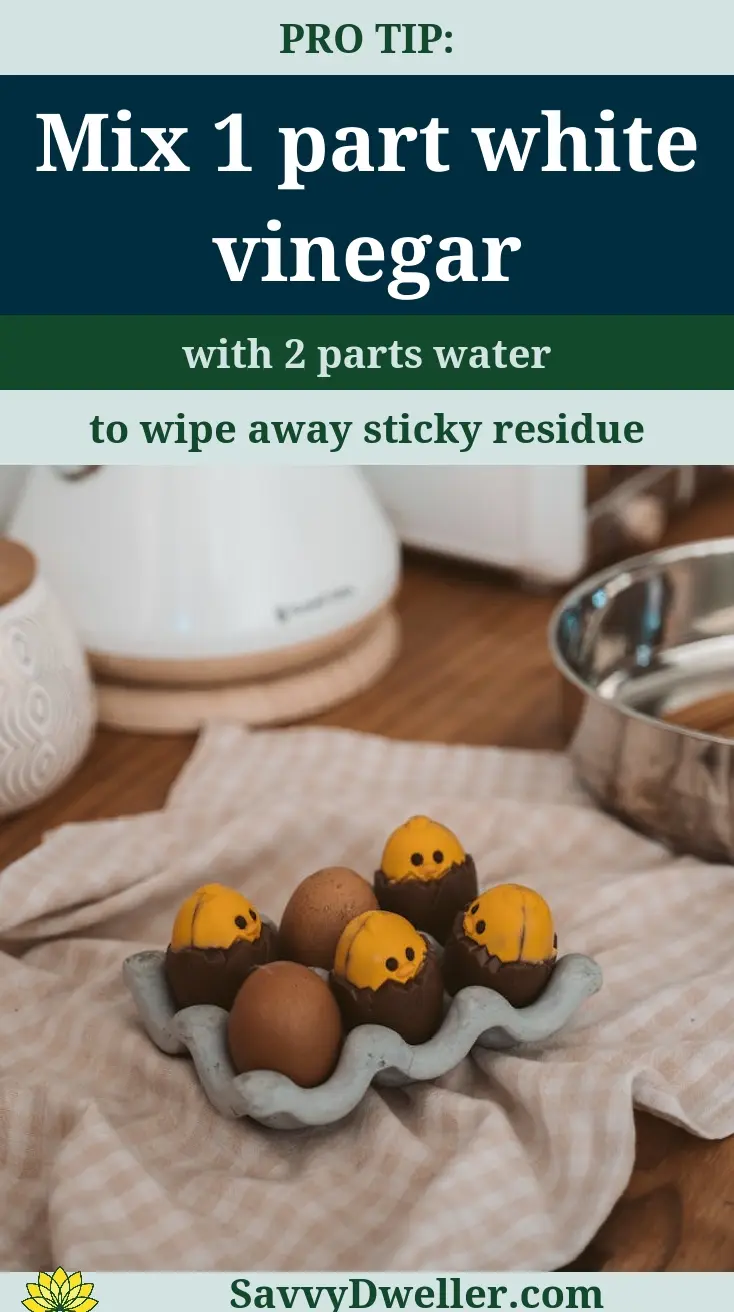
A simple mix of equal parts water and white vinegar in a spray bottle works well on non-heating interior surfaces. This versatile solution can also double as an all-purpose cleaning spray. Spray lightly, wipe with a cloth, and rinse with a damp (not wet) towel to avoid moisture near electronics.
Tackling Grease and Burnt Residue
- Sprinkle baking soda directly onto greasy or charred areas.
- Mist lightly with water to create a gentle fizzing action that lifts grime.
- Let sit for 10 minutes, then scrub with a soft brush or cloth.
- Wipe clean with a damp cloth and dry thoroughly.
5. The Natural and Non-toxic Cleaning Method
Eco-friendly Cleaning Alternatives
For those focused on health and sustainability, skipping harsh chemicals while still achieving a deep clean is possible. These natural options support safe toaster cleaning without toxic fumes or residue. One popular alternative is baking soda, known for its versatility in cleaning many surfaces. Discovering the clever ways to use baking soda can help maintain a clean home while keeping it safe for everyone.
Baking Soda Paste for Stubborn Stains
- Mix 2 tablespoons of baking soda with enough water to form a thick paste.
- Apply directly to stained or burnt areas inside the toaster or on removable trays.
- Let sit for 15 minutes, then gently scrub with a soft brush.
- Wipe away with a damp cloth and dry completely before use.
White Vinegar for Odor Elimination
To neutralize lingering burnt smells, place a small oven-safe dish filled with equal parts white vinegar and water inside your cold toaster oven. Heat at 200°F for 15 minutes, then wipe the interior. This steam method safely deodorizes without direct contact with sensitive components. Additionally, using natural ingredients like vinegar and baking soda can effectively eliminate any remaining burnt food odors in your kitchen.
Lemon Juice for Natural Freshening
- Squeeze fresh lemon juice into a bowl and add ¼ cup of water.
- Dip a cloth into the mixture and wipe down non-electrical interior surfaces like the crumb tray or glass door.
- The citric acid cuts light grease while leaving a fresh scent-no synthetic fragrances needed.
Chemical-free Maintenance Tips
- Always unplug before cleaning the crumb tray of a toaster or any interior part.
- Never pour or spray liquids directly into heating elements or electrical compartments.
- Air-dry all parts completely before reassembly to prevent short circuits.
- Use a dry brush weekly to take crumbs out toaster slots before buildup occurs.
6. The Quick Daily Maintenance Routine
Simple Habits for Busy Households
Post-Use Cooling and Shaking
After toasting, let your toaster cool completely-usually 10 to 15 minutes-before handling. Once cool, unplug it and give it a gentle shake over the sink or trash can. This simple motion dislodges loose crumbs from the interior slots, reducing buildup before it becomes stubborn.
- Unplug the toaster after use.
- Wait until it’s cool to the touch.
- Hold it over a trash can and tilt it gently side to side, then front to back.
Weekly Crumb Tray Checks
Even if you shake out crumbs daily, your crumb tray still collects debris that can affect performance and safety. Set a recurring weekly reminder to pull out the crumb tray and inspect it.
- Slide or lift out the crumb tray (check your model’s design).
- Empty visible crumbs into the trash.
- Wipe with a dry or slightly damp cloth if needed-no soap required for light maintenance.
- Let it air-dry fully before reinserting.
This habit supports consistent toaster cleaning without deep-cleaning fatigue.
Time-saving Cleaning Hacks
The 2-Minute Daily Reset
You don’t need a full cleaning session every day. A 2-minute reset keeps your appliance ready and extends the time between deep cleans. Just make sure you also clean your garbage disposal regularly to avoid any odors.
- Unplug and cool the toaster.
- Shake out loose crumbs (as described above).
- Wipe the exterior with a dry microfiber cloth to remove dust or oil splatter.
- Slide the crumb tray back in-only if dry and debris-free.
This routine is a cornerstone of efficient cleaning inside a toaster without overwhelming your schedule.
Preventing Major Buildup
Consistency beats intensity when it comes to how to clean a toaster long-term. Small daily actions stop crumbs from compacting, burning, or attracting moisture that leads to odors.
- Avoid overloading bread-excess crumbs fall faster.
- Use slightly stale bread when possible; it sheds fewer particles.
- Never insert utensils to retrieve stuck items-this pushes crumbs deeper.
- Store your toaster in a dry, ventilated spot to discourage moisture buildup.
These micro-habits make cleaning crumbs inside toaster slots far less frequent and far easier.
Common Mistakes to Avoid
Safety Hazards That Put You at Risk
Never Clean While Plugged In
Even if the toaster feels cool, residual electricity in internal components can cause shocks. Always unplug your toaster before any cleaning task-even a quick shake or crumb tray removal. This non-negotiable step protects you during routine maintenance like cleaning the crumb tray of a toaster or wiping down the interior.
Avoiding Water Contact with Electrical Components
Water and electricity are a dangerous mix. Never spray, pour, or wipe the inside of the toaster slots with a wet cloth. Even dampness can seep into heating elements or wiring.
- Use only dry tools (brushes, skewers, compressed air) for interior cleaning.
- If a spill occurs near the base, unplug immediately and let it dry for 24 hours before reuse.
- Never submerge the main toaster body in water-ever.
This rule is essential for safe how to clean inside of a toaster without risking damage or injury.
Cleaning Errors That Damage Your Toaster
Using Harsh Chemicals or Abrasives
Commercial cleaners, bleach, or abrasive pads can corrode metal parts, leave toxic residues, or scratch surfaces. Stick to mild soap for the crumb tray and dry or natural methods (like baking soda paste) only on non-electrical parts. Harsh chemicals compromise both your appliance and your toast’s safety.
Forcing Removal of Non-Removable Parts
Not all toasters have fully removable crumb trays or accessible interiors. Yanking, prying, or jamming tools to “free” stuck components can break hinges, warp trays, or damage internal wiring. If a part doesn’t slide out easily, consult your manual-some models require specific release buttons or angles. Forcing it voids warranties and creates costly repairs.
Reassembling While Parts Are Still Wet
Putting a damp crumb tray back into the toaster invites rust, mold, and electrical shorts. Always ensure every piece is 100% dry before reassembly-air-dry for at least 30 minutes after washing. This step is critical in how to clean my toaster safely and effectively, preventing long-term damage from what seems like a small oversight.

Frequently Asked Questions
How Do I Clean a Toaster That Doesn’t Have a Removable Crumb Tray?
For toasters without a removable crumb tray, always unplug the appliance and allow it to cool completely before starting. Gently turn the toaster upside down over a trash can or sink and shake it to dislodge loose crumbs. Use a soft-bristled brush or a wooden skewer to carefully loosen any stuck debris from the slots, taking care not to touch or damage the heating elements.
Can I Use a Handheld Vacuum to Remove Crumbs From the Toaster Slots?
Yes, a handheld vacuum can be effective for suctioning loose crumbs, but ensure the toaster is unplugged and fully cooled to prevent electrical risks. Hold the vacuum nozzle near the slots without inserting it deeply, and use a low-power setting to avoid damaging internal components. For stubborn crumbs, combine this with a gentle brush to dislodge them first.
What is the Best Way to Eliminate Odors From My Toaster After Cleaning?
To tackle odors, wipe the interior with a cloth dampened with white vinegar or lemon juice, then dry thoroughly. For persistent smells, place a slice of bread sprinkled with baking soda in the toaster and run it on a light setting once-only after confirming the toaster is completely dry to avoid safety hazards. Keeping a fresh scent in your closet is just as important. Incorporating natural odor-eliminating methods can enhance freshness and make your space more inviting.
How Can I Tell if My Toaster is Clean Enough Without Disassembling It?
Perform a visual check using a flashlight to inspect the slots for visible crumbs or residue. If no debris is seen and there’s no smoky smell during use, it’s likely clean. However, for optimal hygiene, aim to clean the crumb tray and interior regularly, as even hidden buildup can affect performance.
Are There Any Specific Cleaning Tips for Stainless Steel Toasters?
For stainless steel exteriors, use a soft cloth with a mild soap solution or a 50/50 vinegar-water mix to avoid streaks. Wipe in the direction of the grain to prevent scratches, and dry immediately with a clean towel. Avoid harsh chemicals or abrasive pads that could damage the finish. When it comes to hard water stains, these cleaning methods can also help maintain the shine of your stainless steel sink. Focusing on a gentle approach is the best way to get rid of hard water stains without causing damage.
Final Words
Your toaster deserves the same attention you give your other kitchen appliances, and now you have all the tools and knowledge to keep it performing at its best. Regular cleaning isn’t just about appearance-it’s about safety, efficiency, and getting the most out of your investment. When you follow these simple steps consistently, you’ll notice better toast quality, fewer burnt smells, and a toaster that lasts for years to come.
Start with the basic crumb tray cleaning this week, then gradually incorporate the deeper cleaning methods into your routine. Remember, a few minutes of maintenance now saves you from costly repairs or replacements later. Your morning toast routine will thank you for the extra care.
Ready to tackle more home maintenance challenges? Check out Savvy Dwelling for practical solutions to keep your entire home running smoothly. Put these cleaning steps into action today-your perfectly maintained toaster is just one cleaning session away.