The Ultimate Guide to Cleaning and Polishing Your Silverware Like a Pro
Does your once-beautiful silverware look dull, tarnished, and embarrassing when guests come over? You’re not alone in feeling frustrated when your precious silver pieces lose their lustrous shine despite your best efforts to keep them clean.
This comprehensive guide will transform your tarnished silverware back to its original brilliance using proven methods that actually work. We’ve tested countless techniques and narrowed them down to the most effective, gentle solutions that protect your investment while delivering restaurant-quality results at home.
Contents
- At a Glance: The Best Solutions
- The Science Made Simple: Why Silverware Tarnishes
- 1. The Gentle Daily Cleaning Method
- 2. The Baking Soda Paste Method
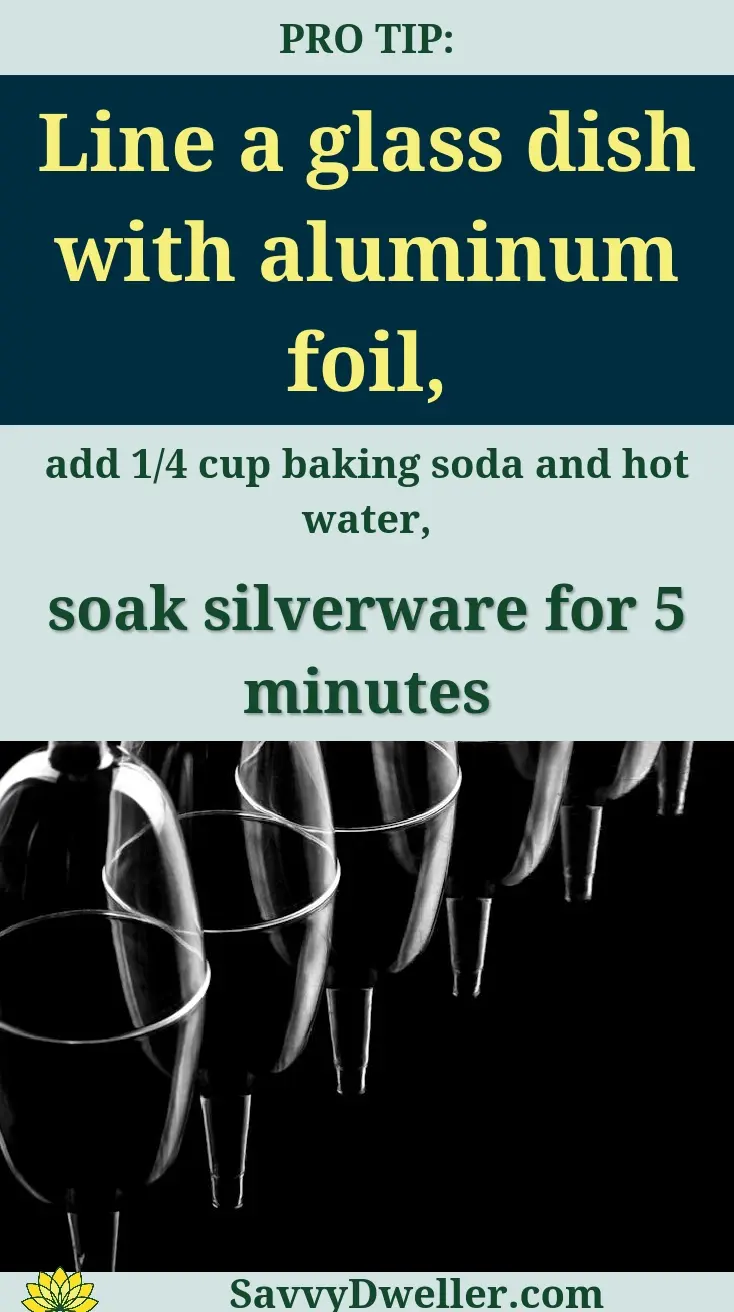
- 3. The Aluminum Foil and Baking Soda Method
- 4. Natural Cleaning Solutions
- 5. Commercial Silver Cleaners and Polishes
- 6. Specialized Techniques for Different Silverware Types
- Proper Storage and Prevention Strategies
- Common Mistakes to Avoid
- Frequently Asked Questions (FAQ)
- Final Words
- Additional Resources for You:
At a Glance: The Best Solutions
| Tarnish Level | Best Method | Time Required | Materials Needed |
|---|---|---|---|
| Light tarnish/daily cleaning | Gentle dish soap wash | 5-10 minutes | Mild dish soap, soft cloth, warm water |
| Moderate tarnish | Baking soda paste | 15-20 minutes | Baking soda, water, soft cloth |
| Heavy tarnish | Aluminum foil method | 20-30 minutes | Aluminum foil, baking soda, hot water, glass dish |
| Professional polish | Commercial silver cleaner | 30-45 minutes | Quality silver polish, microfiber cloths |
The Science Made Simple: Why Silverware Tarnishes
Understanding the Chemical Process
Silver tarnish isn’t dirt-it’s a chemical reaction. When silver meets sulfur-containing compounds in the air (like hydrogen sulfide), it forms silver sulfide, that dull gray or black film you see. This natural oxidation process is why even unused silverware can darken over time. It’s not a flaw; it’s chemistry doing its thing.
Environmental Factors That Accelerate Tarnishing
Humidity and Air Quality
Moisture speeds up tarnishing dramatically. High humidity gives sulfur compounds more opportunity to react with silver surfaces. Air pollutants-especially in urban areas-also increase sulfur exposure. Storing silverware in a dry, low-humidity environment dramatically slows down this reaction.
Common Household Items That Cause Tarnish
You might be surprised what’s quietly tarnishing your silver:
- Rubber bands and latex (release sulfur as they degrade)
- Wool and felt storage linings
- Eggs, mayonnaise, and other sulfur-rich foods left on silverware
- Chlorine from tap water or swimming pools
- Paper towels with bleach or optical brighteners
Avoid letting silverware sit in contact with these materials, even briefly, to preserve its luster.
Sterling Silver Vs. Silver-plated Pieces
Sterling silver is 92.5% pure silver mixed with copper for strength. It tarnishes evenly and can be polished repeatedly without damage. Silver-plated items have a thin layer of silver over base metal (often nickel or copper). Over-polishing plated pieces can wear through the silver layer, exposing the dull base metal underneath-so gentler cleaning is essential. Always check for hallmarks like “925” (sterling) or “EPNS” (electroplated nickel silver) before choosing your silverware cleaning method.
1. The Gentle Daily Cleaning Method
What You’ll Need
- Mild, phosphate-free dish soap
- Lukewarm water (never hot-it can loosen glued handles)
- Soft microfiber or cotton cloth
- Non-abrasive sponge (optional, for light residue)
Step-by-step Process
Proper Hand Washing Technique
- Fill a basin with lukewarm water and a few drops of mild dish soap.
- Wash each piece individually-don’t toss them in a pile, as clinking can cause scratches.
- Use your fingers or a soft cloth to gently wipe surfaces, paying attention to crevices.
- Rinse immediately under clean, lukewarm running water.
Drying Without Water Spots
- Immediately after rinsing, pat dry with a clean, lint-free microfiber cloth.
- Don’t let pieces air-dry-minerals in water leave spots that mimic tarnish.
- Polish lightly with a dry section of the cloth to restore shine.
This method is perfect for cleaning silverware after meals or light use and helps maintain its finish between deeper polishes.
When to Use This Method
Use the gentle daily cleaning method for routine maintenance—after meals, weekly touch-ups, or when silverware looks clean but lacks shine. It’s ideal for all silver types, including antique or plated pieces, and supports long-term care without abrasion. Avoid this method only when visible tarnish or discoloration is present; that’s when deeper polishing steps are needed, especially for gold or delicate diamond jewelry.
Also See: The Best Way to Clean a Microfiber Couch at Home
2. The Baking Soda Paste Method
Creating the Perfect Paste Consistency
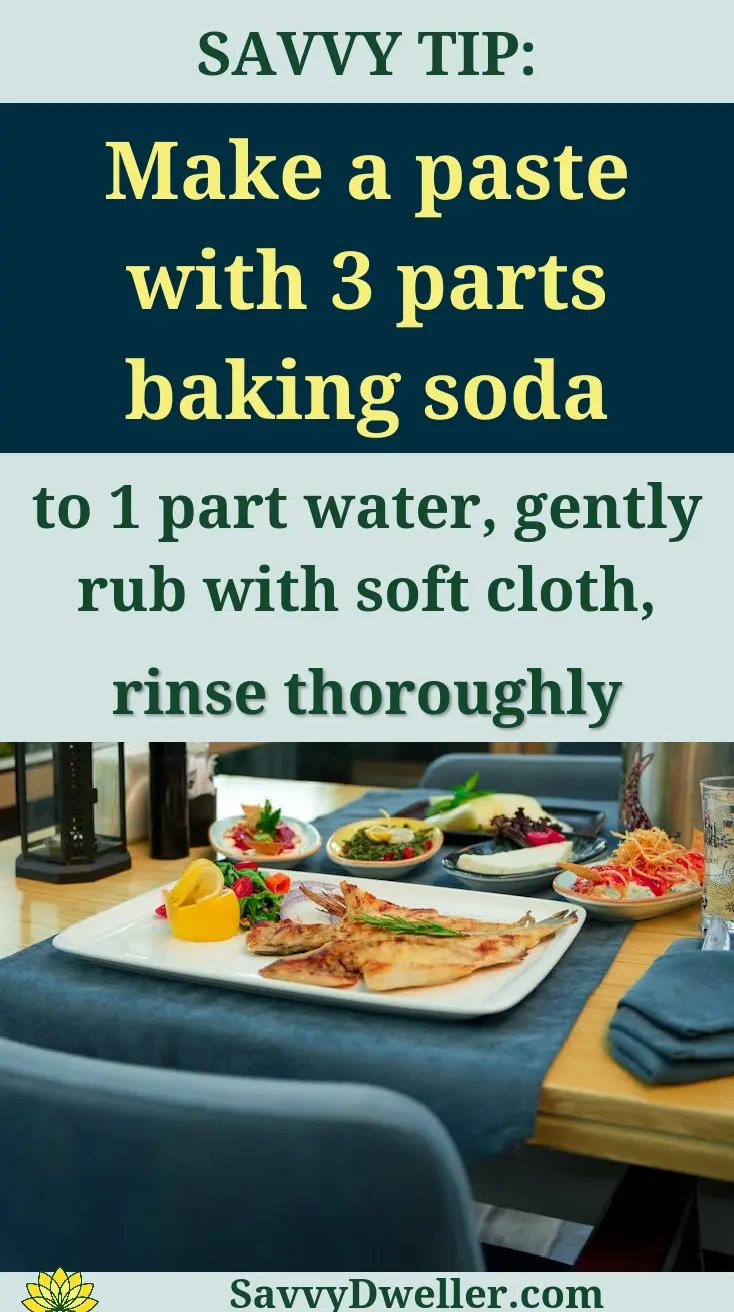
Mix three parts baking soda to one part lukewarm water. Stir until you get a thick, toothpaste-like consistency—smooth but not runny. Too much water reduces abrasive power; too little makes it gritty and hard to spread evenly. Use a small bowl and a non-metal spoon to avoid contamination. While many people believe in the effectiveness of baking soda for teeth whitening, it’s important to consider if this method is actually safe and effective in the long run.
Application Technique for Best Results
Working with Intricate Patterns
- Dip a soft-bristled toothbrush (never metal!) into the paste.
- Gently work the paste into engraved details, scrollwork, or fork tines using circular motions.
- Focus on tarnished areas without scrubbing aggressively-let the mild abrasion do the work.
- Reapply paste as needed to keep the surface moist.
Removing Residue Completely
- Rinse thoroughly under lukewarm running water, ensuring no paste remains in crevices.
- Wipe with a damp microfiber cloth to dislodge trapped particles.
- Dry immediately and buff with a clean, dry cloth to reveal a uniform shine.
Leftover baking soda residue can attract moisture and lead to faster re-tarnishing, so rinsing is non-negotiable.
Safety Considerations
Baking soda is non-toxic and safe for most silver, but it’s mildly abrasive. Never use this method on silver-plated items with worn spots, as it can accelerate base metal exposure. Always test on a small, inconspicuous area first if you’re unsure. And never mix baking soda with vinegar or commercial cleaners-this can create ineffective or even corrosive reactions. For those wondering how do I clean silverware safely at home, this method strikes a great balance between effectiveness and gentleness when used correctly.
3. The Aluminum Foil and Baking Soda Method
Setting Up Your Cleaning Station
Before you begin, gather your supplies in a well-ventilated area. You’ll need a glass or ceramic dish (avoid reactive metals like aluminum or stainless steel), enough aluminum foil to line the dish, baking soda, boiling water, and a pair of tongs or soft gloves for handling hot items.
- Aluminum foil (heavy-duty preferred)
- Baking soda (1 tablespoon per cup of water)
- Boiling water
- Non-metallic dish
- Soft microfiber cloth for drying
The Chemical Reaction Explained
This method leverages an electrochemical reaction called ion exchange. When silver sulfide (the black tarnish) comes into contact with aluminum in a warm, alkaline solution, electrons transfer from the aluminum to the silver. The tarnish lifts off your silverware and bonds to the foil instead-no scrubbing required.
This process safely cleans even heavily tarnished silverware without abrasion, making it ideal for intricate patterns or antique pieces.
Step-by-step Instructions
Preparing the Solution
- Line your dish with aluminum foil, shiny side up.
- Place your silverware on the foil, ensuring each piece touches the foil directly.
- Sprinkle baking soda over the silverware-about 1 tablespoon per cup of water you’ll add.
- Pour boiling water slowly into the dish until all items are submerged.
Monitoring the Process
Bubbles will appear immediately as the reaction begins. Lightly tarnished pieces may clean in under 5 minutes; heavily tarnished silverware might take 10–15 minutes. Avoid leaving items in too long-overexposure can dull the finish. Use tongs to check progress without touching hot surfaces.
Post-Treatment Care
- Remove silverware with tongs and rinse thoroughly under cool running water.
- Gently dry with a lint-free microfiber cloth to prevent water spots.
- If any residue remains, use a soft toothbrush dipped in plain water to lightly scrub crevices-never use soap right after this method, as it can interfere with the cleaned surface.
4. Natural Cleaning Solutions
The Lemon and Salt Method
Lemons contain citric acid, which reacts with tarnish, while salt acts as a gentle abrasive. This combo works well for light to moderate tarnish on silver forks, spoons, and knives.
Fresh Lemon vs. Bottled Juice
Always opt for fresh lemons. Bottled juice often contains preservatives and lacks the full acidity needed for effective cleaning. Roll the lemon on the counter before cutting to maximize juice yield. Using lemon to clean your microwave is an easy and natural approach. A simple method involves microwaving a bowl of water with lemon slices for just two minutes, leaving your microwave fresh and spotless.
Application Techniques
- Cut a lemon in half and sprinkle coarse salt onto the cut surface.
- Rub the salted lemon directly onto tarnished areas.
- Let sit for 2–3 minutes, then rinse thoroughly with cool water.
- Dry immediately with a soft cloth to prevent acid residue from lingering.
White Vinegar Solutions
White vinegar’s acetic acid dissolves tarnish gently, especially when diluted. It’s useful for cleaning silver cutlery with smooth surfaces but should be used cautiously on antique or plated items. Additionally, vinegar is a key ingredient in many homemade all-purpose cleaning sprays, making it a versatile choice for various cleaning tasks.
Proper Dilution Ratios
Mix one part white vinegar with two parts warm water. For stubborn spots, increase to a 1:1 ratio-but never soak silverware longer than 10 minutes to avoid surface etching.
Neutralizing Acid Residue
After vinegar cleaning, rinse items in a solution of 1 teaspoon baking soda per quart of water. This neutralizes any remaining acid. Then rinse again with plain water and dry completely. Applying this method is especially useful when cleaning your oven with baking soda and vinegar.
Toothpaste Method (When and How)
Use only non-gel, non-whitening toothpaste-it contains mild abrasives without harsh chemicals. This method suits small, flat items like teaspoons or butter knives, not intricate or antique pieces.
- Apply a pea-sized amount to a soft cloth.
- Rub gently in straight lines (not circles) along the grain of the silver.
- Rinse immediately and dry with a microfiber cloth.
Never use this method on silver-plated items, as over-rubbing can wear through the thin silver layer.
5. Commercial Silver Cleaners and Polishes
Choosing the Right Product
Not all silver polishes are created equal. Look for products labeled for use on sterling silver or silver-plated items, depending on your collection. Avoid dips or sprays with ammonia if you’re cleaning antique or engraved pieces.
Cream vs. Liquid Polishes
Cream polishes offer more control for detailed silverware polishing and are gentler on textured surfaces. Liquid polishes clean faster but can pool in crevices, requiring extra rinsing. For polishing silver utensils with engravings, creams are preferred.
Anti-Tarnish Formulas
Some premium polishes include protective agents like lacquer or micro-crystalline wax that slow future tarnishing. These are excellent for flatware you don’t use daily, helping reduce how often you need to clean silver.
Professional Application Techniques
- Apply polish with a soft cotton or microfiber cloth using straight strokes along the metal’s grain.
- Let sit for the time specified on the label (usually 30–60 seconds).
- Buff off with a clean, dry cloth until the surface gleams-don’t rinse unless instructed.
- For crevices, use a soft-bristled brush dipped in polish, then wipe clean immediately.
Cost-effectiveness Analysis
A 3-ounce tube of quality silver polish costs $8–$15 and can clean dozens of pieces. Compare this to natural methods that use pantry staples-while cheaper per use, they may require more labor and offer less shine. For regular cleaning silver flatware or large sets, commercial polishes often deliver better results with less effort. However, for occasional use or eco-conscious households, baking soda or lemon methods remain smart, budget-friendly alternatives.
When you need a brilliant finish for special occasions, a trusted commercial polish is the proper way to polish silverware to a mirror-like shine.
6. Specialized Techniques for Different Silverware Types
Sterling Silver Flatware
Identifying Hallmarks
Sterling silver flatware is typically marked with hallmarks like “925,” “Sterling,” or a lion passant (in the UK). These stamps confirm the item contains 92.5% pure silver. Use a magnifying glass if needed-hallmarks are often tiny and discreetly placed on the back of handles.
Gentle Handling Protocols
Because sterling silver is soft, it scratches easily. Always handle with clean, dry hands. When cleaning silver flatware, avoid stacking pieces during washing or drying-they can rub and create fine abrasions. Wrap each piece individually in acid-free tissue for storage.
Silver-plated Items
Avoiding Base Metal Exposure
Silver-plated utensils have a thin layer of silver over a base metal like copper or nickel. Aggressive scrubbing or acidic cleaners can wear through the plating. Stick to mild dish soap and soft cloths for routine cleaning silver cutlery. Never use baking soda paste or aluminum foil methods on plated pieces-they can strip the coating.
Touch-Up Techniques
- For minor tarnish, use a microfiber cloth dampened with distilled water and a drop of pH-neutral soap.
- Gently wipe the surface in straight lines, not circles, to reduce friction.
- If a small area shows base metal, stop cleaning immediately-further polishing will accelerate damage.
Antique and Heirloom Pieces
When to Consult Professionals
If your piece has engravings, gemstones, cracks, or complex mechanisms (like folding knives), skip DIY methods. Antique silver may have historical value that diminishes with improper cleaning silverware. Seek a conservator certified by the American Institute for Conservation before attempting any polish silverware technique.
Preserving Patina and Character
Many antique collectors value natural patina-the soft, aged glow that develops over decades. Over-polishing can erase fine details and reduce worth, so clean silver utensils only enough to remove active tarnish, not the aged finish. Use a dry, untreated cotton cloth for light dusting; avoid liquids unless absolutely necessary.
Proper Storage and Prevention Strategies
Anti-tarnish Storage Solutions
Cloth Rolls vs. Storage Chests
Cloth rolls made from anti-tarnish flannel are ideal for frequent users-they allow easy access and prevent air exposure. For long-term storage, opt for a lined chest with tarnish-resistant fabric (like Pacific Silvercloth). Never store silver in wood drawers without a barrier-wood emits sulfur that accelerates tarnishing.
Silica Gel and Chalk Methods
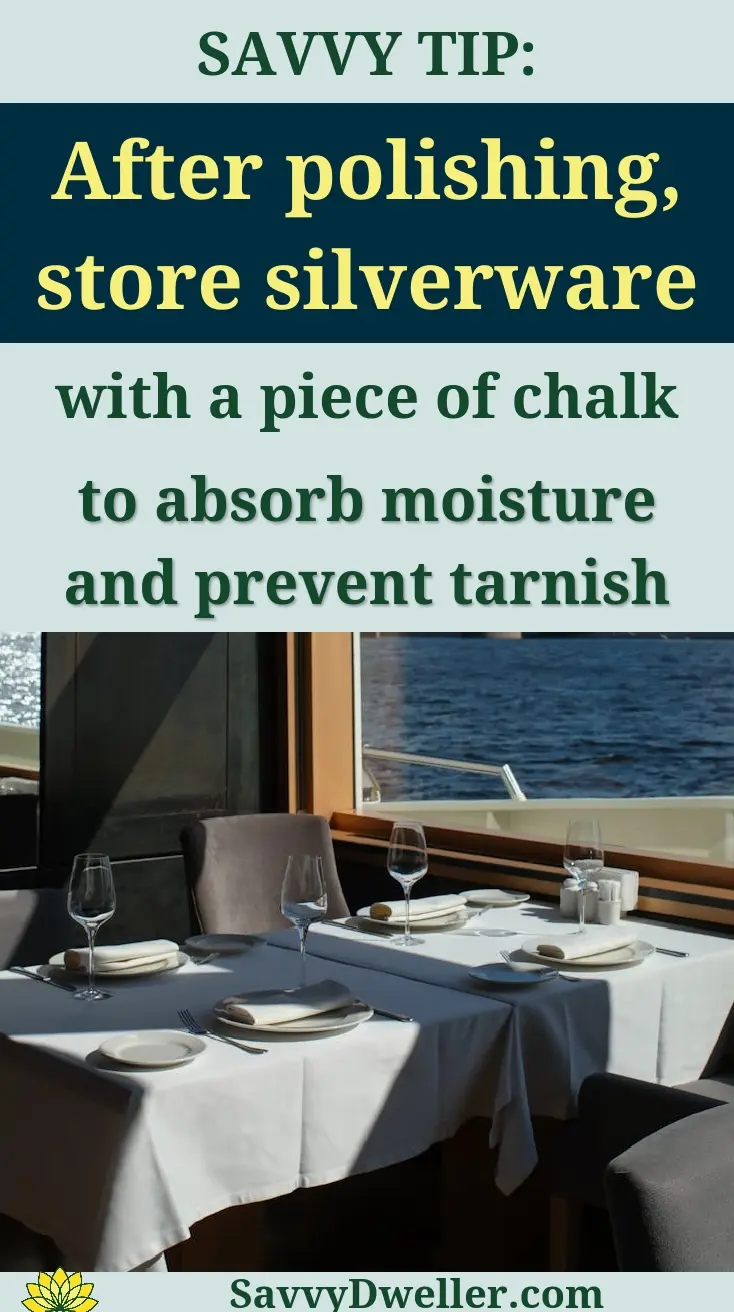
- Place a few silica gel packets in your storage box to absorb moisture-replace them every 2–3 months.
- Unscented white chalk also works as a low-cost humidity absorber; wrap it in cheesecloth to avoid dust.
Climate Control Considerations
Tarnish thrives in humid, polluted air. Store your silverware in a cool, dry room-ideally below 50% humidity. Avoid kitchens and bathrooms, where steam and cooking vapors (especially from eggs or onions) speed up tarnishing. A closet with stable temperature is a better choice for cleaning silver plates or forks long-term.
Regular Maintenance Schedule
Weekly Touch-Ups
- After use, hand-wash silver forks and spoons immediately with mild soap.
- Dry thoroughly with a lint-free cloth.
- Give a quick buff with a silver polishing cloth to maintain shine and prevent buildup.
Monthly Deep Cleaning
Even with regular use, silverware benefits from a monthly refresh. Choose a method based on tarnish level-baking soda paste for moderate dullness, or the aluminum foil method for heavier buildup-but only for solid sterling. This routine keeps your collection gleaming without over-polishing issues.
Common Mistakes to Avoid
Using Harsh Abrasives
Scouring pads, steel wool, or gritty cleaners may seem effective but scratch silver permanently. These micro-scratches trap tarnish, making future cleaning harder. Stick to soft cloths and non-abrasive pastes when learning how to clean silverware properly.
Dishwasher Damage
Dishwashers combine heat, moisture, and harsh detergents—three enemies of silver. The high heat warps thin pieces, while phosphates in detergent cause pitting and discoloration. Hand-washing remains the only safe method for cleaning silver flatware. For those looking for a safer alternative to commercial detergents, a DIY solution can be effective. Exploring the best DIY dishwasher detergent recipe can help protect your silver while keeping your dishes clean.
Over-polishing Issues
Frequent or aggressive polishing wears down silver, especially on raised patterns or engraved initials. Limit full polishing to 2–3 times a year. Between sessions, use a dry silver cloth for shine-it removes surface tarnish without removing metal.
Improper Drying Techniques
Air-drying leaves water spots and invites mineral deposits. Always dry immediately after washing with a clean, soft, absorbent cloth. For intricate handles or crevices, use a cotton swab to wick away moisture-this is key to proper silverware care.
Mixing Incompatible Cleaning Agents
Never combine vinegar, lemon juice, and baking soda in the same cleaning session—their neutralization creates ineffective or even corrosive mixtures. Stick to one method per cleaning cycle. Also, avoid commercial polishes that contain ammonia on plated items—they can cause irreversible damage. For effective cleaning alternatives, baking soda is a simple yet powerful tool that can tackle a variety of stains and surfaces. With 53 clever ways to clean almost everything using baking soda, it’s a versatile addition to any cleaning routine.
Frequently Asked Questions (FAQ)
Can I Clean Silverware That Has Glued-on Parts or Wooden Handles?
Yes, but you must protect non-metal components. Submerging glued or wooden parts in water or chemical solutions can cause damage. For the aluminum foil method, ensure only the silver part is immersed. For polishing, use a cotton swab to apply polish precisely to the metal areas, avoiding contact with wood or glue, and wipe immediately if any contact occurs.
How Can I Remove Stubborn Food Stains, Like Egg Yolk or Mustard, From Silver?
Act quickly with a gentle, non-abrasive cleaner. For fresh stains, a paste of baking soda and water applied with a soft cloth can often lift the residue without scratching. For dried-on stains, briefly soaking the piece in warm (not hot) water with a mild pH-neutral soap can help loosen the debris before gentle hand polishing. It’s also helpful to know effective methods to remove sticky residue from surfaces, as this can ensure a thorough cleaning process. Using natural ingredients like vinegar or lemon can be especially useful in tackling stubborn residues.
My Silver Has Blue or Greenish Spots. What Are They and How Do I Remove Them?
These are likely verdigris, a corrosion caused by moisture reacting with copper alloys in the metal. This is common in silver-plated items where the base metal is exposed. Gently clean the area with a cotton swab dipped in a small amount of isopropyl alcohol. If the spots persist, consult a professional, as aggressive cleaning can remove the remaining silver plating.
Is It Safe to Clean Silverware With Hard Water?
Hard water can leave mineral deposits and spots. To prevent this, use distilled or filtered water for the final rinse. If you only have hard water, dry the silverware immediately and thoroughly with a soft, lint-free cloth to prevent water spots from forming.
How Do I Get Rid Of a Sulfur or Rotten Egg Smell After Cleaning?
This odor occurs when the chemical reaction during cleaning releases hydrogen sulfide gas. It’s common with the aluminum foil method. To neutralize it, give the silverware a final rinse in a solution of cool water and a few teaspoons of white vinegar or baking soda. Then, wash with mild soap and water, and dry completely. The smell is temporary and not harmful to the silver.
Can I Use These Methods on Silver Jewelry As Well?
Most methods are transferable, but caution is needed with gemstones. The baking soda paste and aluminum foil methods are generally safe for solid silver jewelry. However, never use these methods on pieces with porous gems like pearls, opals, or turquoise, as moisture and chemicals can cause irreversible damage. For such items, stick to a gentle wipe with a dry, soft cloth.
Final Words
Your silverware deserves the care and attention that keeps it gleaming for generations to come. With these proven methods in your cleaning arsenal, you can tackle everything from daily maintenance to heavy tarnish removal with confidence. The key lies in choosing the right technique for your specific situation and being consistent with your care routine.
Remember that regular gentle cleaning prevents the need for aggressive restoration methods later. Start with the simple dish soap method for weekly maintenance, and you’ll find yourself reaching for the heavy-duty solutions far less often. Your investment in proper silverware care pays dividends in both appearance and longevity.
Ready to transform your tarnished pieces into stunning showstoppers? Pick the method that matches your silverware’s current condition and give it a try today. For more home care tips and cleaning solutions that actually work, explore Savvy Dwelling where we share the strategies that make household maintenance simple and effective.