
How to Remove Coffee Stains From Clothes, Mugs, and Carpet (6 Proven Methods That Actually Work)
That sinking feeling when your morning coffee splashes across your favorite shirt, creates a ring on your ceramic mug, or soaks into your carpet is something we’ve all experienced. Coffee stains seem to appear out of nowhere and cling stubbornly to everything they touch, making you wonder if that favorite item is ruined forever.
The good news is that coffee stains aren’t permanent, even when they look hopeless. We’ve tested every method out there and found six reliable techniques that work on different materials and stain ages. Whether you’re dealing with a fresh spill or a set-in stain that’s been haunting your favorite mug for weeks, these proven methods will restore your items to their original condition.
Contents
- Quick Solutions Table
- The Science Made Simple: Why Coffee Stains Happen
- 1. The Lightning-fast Blot and Rinse Method
- 2. The Dish Soap Power Treatment
- 3. The Baking Soda Miracle Method
- 4. The White Vinegar Solution
- 5. The Heavy-duty Commercial Cleaner Approach
- 6. The Set-in Stain Rescue Method
- Safe Cleaning Methods for Different Materials
- Common Mistakes to Avoid
- Frequently Asked Questions
- Final Words
- Additional Resources for You:
Quick Solutions Table
When coffee spills, seconds count. This at-a-glance guide helps you grab the right fix fast-no guesswork needed.
| Surface | Best Immediate Action | Go-To Cleaner | What to Avoid |
|---|---|---|---|
| Clothes & Fabrics | Blot, don’t rub | Cold water + liquid dish soap | Hot water, heat drying |
| Mugs & Ceramics | Rinse while warm | Baking soda paste or white vinegar soak | Abrasive scrubbers on glazed surfaces |
| Carpets & Rugs | Press with dry cloth | White vinegar + water (1:1) or baking soda paste | Over-wetting, undiluted cleaners |
For clothes, speed is everything-starting with blotting can make your coffee stain removal from clothing far more effective. With mugs, a quick rinse before the residue dries cuts cleaning time in half. On carpets, immediate moisture control prevents deep fiber penetration, which is key when you’re trying to get coffee stains out of everything from cotton tees to your favorite area rug.
The Science Made Simple: Why Coffee Stains Happen
The Chemistry Behind Coffee’s Staining Power
Coffee’s staining power comes from a mix of tannins, oils, and pigments like melanoidins formed during roasting. Tannins are natural polyphenols that bind tightly to proteins and fibers-especially in cotton, wool, and carpet fibers-making them cling stubbornly to surfaces. These compounds oxidize over time, deepening the stain and making it harder to lift without the right approach.
Why Time is Your Enemy (and Friend)
The longer coffee sits, the more its tannins and oils embed into porous materials, turning a light spill into a set-in discoloration. On fabrics, dried coffee crystals can even act like tiny dyes that reactivate with moisture. But if you act fast-within minutes-you’re working with a water-soluble mess, not a chemical bond.
Understanding Different Material Vulnerabilities
Not all surfaces react the same. Natural fibers like cotton absorb coffee quickly but respond well to water-based cleaning. Delicate fabrics like silk or wool are more prone to damage from harsh scrubbing or alkaline cleaners. Carpets-especially nylon or wool blends-trap liquid deep in the pile, while ceramic mugs may develop ghost stains in microscopic glaze pores. Knowing your material helps you choose the right method without causing collateral damage.
1. The Lightning-fast Blot and Rinse Method
What You’ll Need
- Clean, absorbent cloth or paper towels
- Cold water (never hot!)
- Bowl or sink for rinsing fabrics
- Soft sponge (for mugs)
- White cloth or towel (for carpet blotting)
Step-by-step Process for Fresh Stains
For Clothes and Fabrics
- Immediately blot (don’t rub!) the stain with a dry paper towel to soak up excess liquid.
- Hold the fabric under cold running water from the back of the stain to push coffee out, not deeper in.
- Rinse for 30–60 seconds until water runs clear.
- For how to get coffee stains out of clothes effectively, follow this with a gentle detergent wash-never skip to the dryer until the stain is fully gone.
For Mugs and Ceramics
- Rinse the mug under cold water as soon as possible to prevent residue from drying.
- Use a soft sponge to gently wipe the interior-no need for soap yet if done quickly.
- If a faint ring remains, proceed to the dish soap method (next section).
For Carpets and Rugs
- Blot the spill immediately with a clean white cloth or paper towels, pressing down firmly without rubbing.
- Pour a small amount of cold water directly onto the spot to dilute remaining coffee.
- Blot again with a dry section of cloth until no more color transfers.
- Repeat dilution and blotting 2–3 times to flush out tannins from deep fibers-key for how to remove coffee stain from carpet.
Pro Tips for Maximum Effectiveness
- Always work from the outside of the stain toward the center to avoid spreading it.
- Use distilled or filtered water if your tap water is hard-it prevents mineral deposits that can set stains.
- Never apply heat (like a hairdryer) to a damp coffee stain-it will bake the tannins in permanently.
- For coffee stain removal from clothing, lay the item flat to air-dry after rinsing; hanging can stretch wet fabric and lock in residue.
Also See: The Best Way to Clean a Stovetop Grate (Gas Stoves)
2. The Dish Soap Power Treatment
Why Dish Soap Works So Well
Dish soap is engineered to cut through greasy, oily residues-exactly what binds coffee tannins to surfaces. Its mild surfactants lift stains without bleaching or damaging most fibers. It’s especially effective for how to clean coffee stains from fabric because it breaks down the oily matrix holding pigments in place.
Materials and Supplies Needed
- Clear, dye-free liquid dish soap (like Dawn or Seventh Generation Free & Clear)
- Cold water
- Soft-bristled brush or toothbrush (for carpets and mugs)
- Clean cloths or sponges
- Spray bottle (optional, for carpets)
Complete Application Process
Clothes Treatment Steps
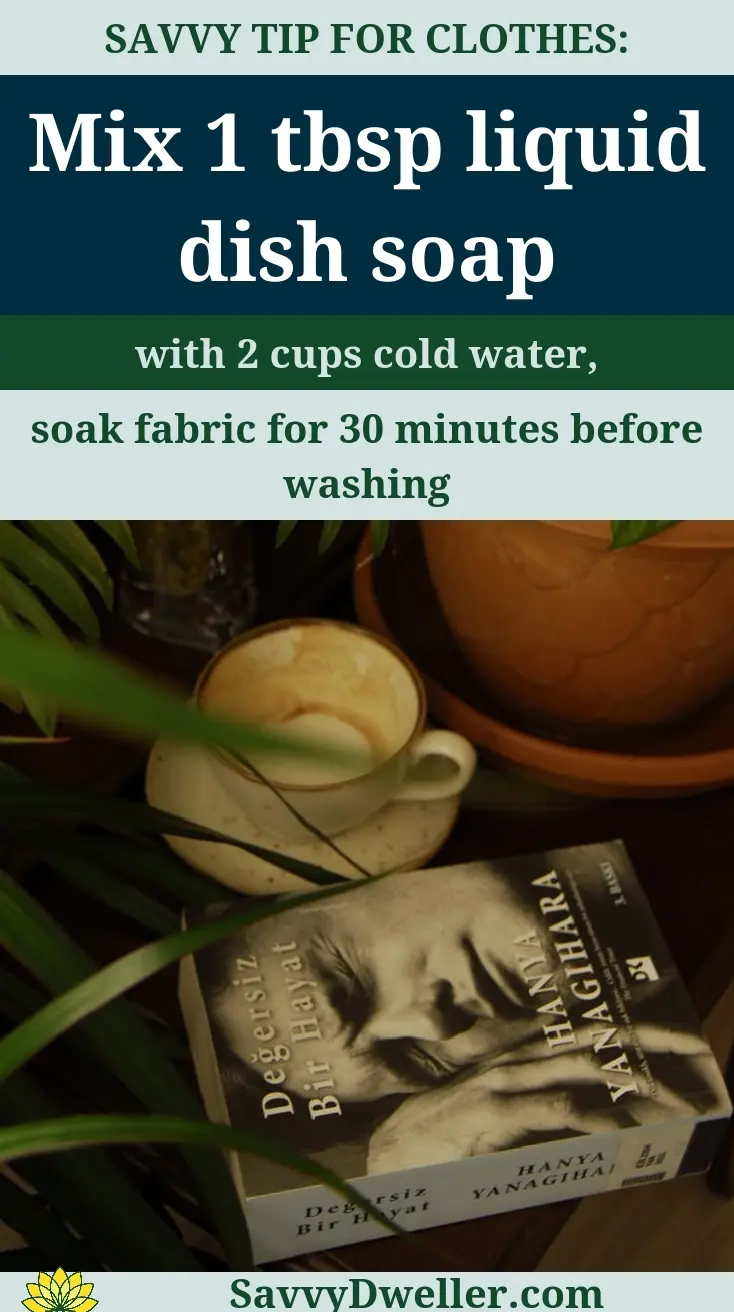
- After blotting, apply 2–3 drops of dish soap directly onto the damp stain.
- Gently massage it in with your fingers or a soft cloth, working from the edges inward.
- Let it sit for 5 minutes-no longer, to avoid soap residue buildup.
- Rinse thoroughly under cold water until all suds are gone. This step is critical for how to get coffee out of clothes without re-soiling.
- Wash as usual in cold water; check before drying.
Mug Cleaning Process
- Add a few drops of dish soap to the mug and fill halfway with warm (not hot) water.
- Let it soak for 10–15 minutes to loosen any dried-on residue.
- Scrub gently with a soft sponge or bottle brush-avoid steel wool, which can scratch ceramic glaze.
- Rinse well. For stubborn rings, repeat or move to the baking soda method.
Carpet Application Method
- Mix 1 teaspoon of dish soap with 1 cup of cold water in a spray bottle or bowl.
- Dip a clean white cloth into the solution, wring it out until damp (not dripping).
- Blot the stained area gently-don’t pour the solution directly onto the carpet.
- Let sit for 3–5 minutes, then blot with a clean, damp cloth to rinse out soap.
- Press dry with a towel, then place a fan nearby to speed drying and prevent mildew.
3. The Baking Soda Miracle Method
The Science Behind Baking Soda’s Cleaning Power
Baking soda-sodium bicarbonate-is a mild alkali that breaks down acidic compounds like those in coffee. Its gentle abrasiveness lifts surface residue without damaging most household materials, while its alkaline nature neutralizes tannins that cause discoloration. It’s especially useful for stains that have had time to set but aren’t deeply embedded.
What You’ll Need
- 1 tablespoon baking soda
- Cold or lukewarm water
- Soft-bristle brush or clean cloth
- White paper towel or clean rag for blotting
Step-by-step Instructions
Creating the Perfect Paste
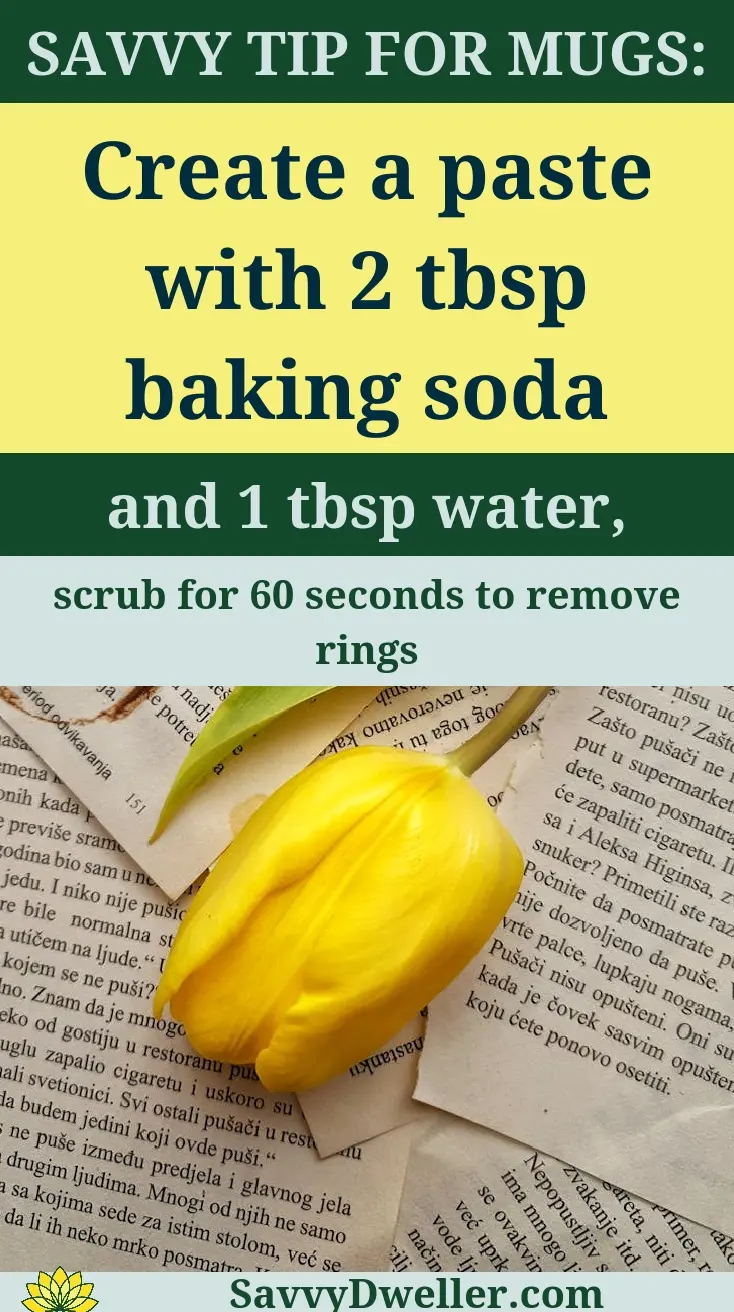
- Start with 1 tablespoon of baking soda in a small bowl.
- Add just enough cold water-about 1 to 2 teaspoons-to form a thick, spreadable paste. It should hold its shape but not be dry or runny.
Application for Different Surfaces
- For clothes and fabric: Gently spread the paste over the stained area, working from the outside inward to avoid spreading the stain.
- For mugs: Dip a damp sponge or soft brush into the paste and scrub the stained interior or exterior gently.
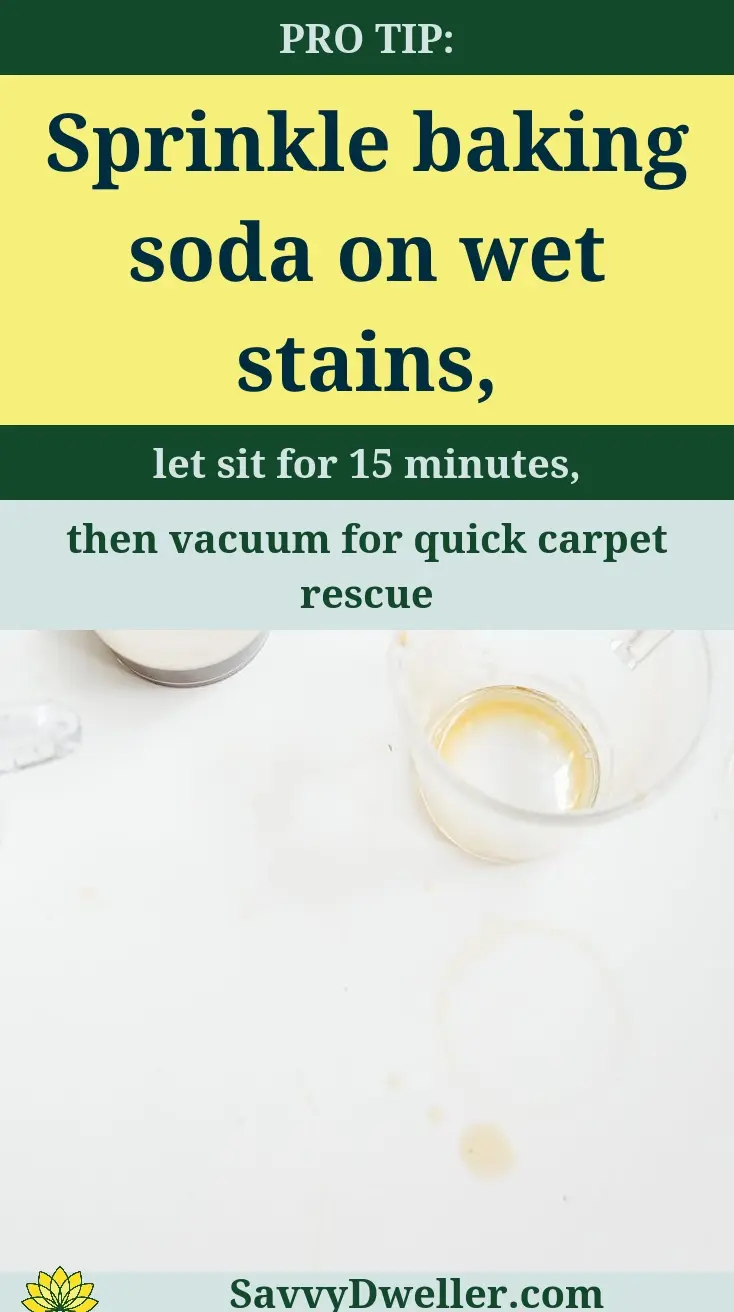
- For carpet: Use your fingers or a soft brush to press the paste into the fibers, focusing only on the stained zone.
Timing and Removal Process
- Let the paste sit for 15 to 30 minutes. For older stains on fabric or carpet, you can leave it up to an hour-but never let it dry completely.
- Rinse thoroughly with cold water for fabrics and carpets. For mugs, rinse under warm running water.
- Blot or pat dry with a clean towel. For clothing, launder as usual once the paste is fully rinsed out.
4. The White Vinegar Solution
Why Vinegar is a Coffee Stain Nemesis
White vinegar is a weak acetic acid that dissolves the tannins and oils in coffee that cling to fibers and surfaces. It also helps reset the pH of stained materials, making it easier for other cleaners-or even water alone-to lift lingering discoloration. Plus, it’s safe for most washable fabrics and hard surfaces when diluted properly.
Preparation and Safety Notes
Always dilute white vinegar with water-typically in a 1:1 ratio-to avoid potential damage to delicate fibers or finishes. Never use on wool, silk, or stone surfaces like marble, which can be etched by acid. Test on a hidden area first for colored fabrics to check for fading.
Complete Treatment Process
Fabric-Safe Vinegar Method
- Mix equal parts white vinegar and cold water in a spray bottle.
- Spray the solution directly onto the coffee stain.
- Let it soak for 10 to 15 minutes.
- Blot gently with a clean white cloth, then launder as usual. This method supports effective coffee stain removal from clothing without harsh chemicals.
Mug Deep-Clean Technique
- Pour 2 tablespoons of white vinegar into the stained mug.
- Add enough warm water to cover the stained area.
- Let it sit for 30 minutes to an hour.
- Scrub with a non-abrasive sponge, then rinse thoroughly.
Carpet Spot Treatment
- Dilute 1 part vinegar with 2 parts cold water.
- Apply the solution to a clean white cloth and dab (don’t pour) onto the stained carpet fibers.
- Wait 5 to 10 minutes, then blot with a dry towel.
- Rinse by dabbing with cold water on another clean cloth, then blot dry to prevent residue buildup.
5. The Heavy-duty Commercial Cleaner Approach
When to Use Commercial Products
Turn to store-bought cleaners when home remedies haven’t fully lifted the stain-especially for set-in coffee stains on clothes, heavily discolored mugs, or deep carpet stains. These products are designed for maximum efficacy but require careful handling to avoid fabric damage or fume exposure.
Best Product Types for Each Material
Enzyme Cleaners for Protein-Based Stains
Though coffee isn’t protein-based, many enzyme cleaners also tackle tannin and organic residues. Look for brands like OxiClean MaxForce or Carbona Stain Devils No. 4. They’re ideal for how to remove coffee stains from garments made of cotton or blends where natural fibers hold onto color compounds tightly.
Oxygen Bleach for Tough Fabric Stains
Oxygen bleach (sodium percarbonate) is color-safe and breaks down coffee pigments without the harshness of chlorine. Use it for cleaning coffee stains from clothes made of cotton, linen, or polyester blends-just dissolve in cold water and soak for 1–6 hours before washing.
Professional Carpet Cleaners
For carpets, enzyme-based spot removers like Bissell Professional or Resolve Pet Stain Remover (despite the name) work well on coffee. They penetrate deep into fibers and are formulated to be residue-free, reducing the risk of re-soiling.
Application Safety and Best Practices
- Always read the product label and follow dilution instructions.
- Wear gloves and ensure good ventilation.
- Never mix commercial cleaners with vinegar, baking soda, or other home solutions-this can create harmful fumes or reduce effectiveness.
- After treatment, rinse or launder thoroughly to remove any chemical residue that could attract new dirt or irritate skin.
6. The Set-in Stain Rescue Method
Understanding Old Coffee Stains
Old coffee stains are stubborn because the tannins and oils have bonded tightly with fabric or carpet fibers over time. The longer a stain sits, the more it oxidizes and sets, especially when exposed to heat or sunlight. Unlike fresh spills, set-in coffee stains need a multi-step strategy that reactivates and lifts the embedded residue without damaging the material.
Advanced Removal Techniques
Cold Water Soaking Method
- Fill a basin or sink with cold water-never warm or hot, as heat can lock the stain further.
- Submerge the stained garment or fabric completely.
- Let it soak for at least 4–6 hours, or overnight for heavily discolored items.
- After soaking, gently squeeze the fabric (don’t wring) and proceed to a targeted treatment like dish soap or vinegar.
Multi-Treatment Approach
For tough, aged stains, one method often isn’t enough. Start with cold soaking, then apply a baking soda paste, followed by a diluted white vinegar rinse. This sequence breaks down tannins, lifts oil, and neutralizes residue. This layered method is especially effective for how to remove coffee stains from clothes that have already been washed and dried.
When to Repeat the Process
If the stain lightens but doesn’t disappear after one round, repeat the cold soak and treatment cycle. Always air-dry between attempts to check progress-never use a dryer, as heat will permanently set remaining discoloration. Most old coffee stains require 2–3 rounds for full removal.
Material-specific Considerations
Delicate Fabrics and Special Care
- Silk and fine wool should never be soaked for more than 30 minutes.
- Use only pH-neutral cleaners or diluted white vinegar (1:3 with water).
- Avoid baking soda on silk-it’s slightly abrasive and can dull fibers.
- Blot, never rub, and lay flat to dry on a clean towel.
Heat-Sensitive Carpet Fibers
Many modern carpets use olefin or triexta fibers that warp or discolor under high heat or harsh chemicals. Stick to cold water extraction methods and skip steam cleaners for coffee stain removal. Use a handheld vacuum with a wet-dry function to pull out moisture after treatment, reducing drying time and preventing mildew. It is also important to use the right cleaning solution that won’t damage your carpet fibers.
Safe Cleaning Methods for Different Materials
Natural Fiber Guidelines
Cotton and Linen Best Practices
Cotton and linen tolerate most coffee stain removal methods well, including oxygen bleach and vinegar. For how to get coffee stains out of clothes made from these fibers, pre-soak in cold water with a scoop of oxygen bleach for 2–6 hours before washing in cold water. Avoid chlorine bleach-it yellows natural fibers over time.
Wool and Silk Precautions
These protein-based fibers react poorly to alkaline cleaners and agitation. For coffee stain removal from clothing like silk blouses or wool sweaters, use a mix of cold water and a drop of gentle wool detergent. Apply with a soft cloth, blot, and rinse with cold water. Skip vinegar unless highly diluted (1 part vinegar to 4 parts water), and never wring or twist. This differs from removing dye-transfer stains from clothes, which often require different treatment methods.
Synthetic Material Approaches
Polyester and Blends
Synthetic fabrics like polyester trap coffee oils more than natural fibers but respond well to dish soap and cold water. For how to clean coffee stains from clothes containing polyester, apply a drop of dish soap directly, let sit 10 minutes, then rinse under cold running water. Machine wash in cold on gentle-avoid hot water, which can melt fibers slightly and set stains.
Nylon Carpet Considerations
Nylon is durable but prone to dye bleeding if treated with acidic or alkaline cleaners in high concentrations. To clean coffee stains from nylon carpet, use a 1:1 mix of cold water and white vinegar, applied with a spray bottle. Blot with a white microfiber cloth. Rinse the area with plain cold water afterward to prevent fiber degradation.
Ceramic and Stainless Steel Mug Care
Ceramic mugs with glazed interiors handle baking soda scrubs and vinegar soaks safely. For unglazed rims or vintage ceramics, use only mild dish soap and a soft sponge. Stainless steel mugs should never be soaked in vinegar for more than 15 minutes-acid can corrode the finish. Instead, use a paste of baking soda and water, scrub gently with a nylon brush, then rinse thoroughly.
Common Mistakes to Avoid
Never Use Hot Water on Fresh Stains
Hot water cooks coffee proteins into fabric fibers, making them nearly impossible to remove. Always start with cold water for how to remove coffee from clothes or fabric-this keeps the stain soluble and easier to lift.
Don’t Rub or Scrub the Stain
Rubbing grinds coffee particles deeper into fibers and can fray delicate materials. Instead, blot from the outside inward to contain the spill and lift residue gently. This applies to how to clean coffee stains off clothes, carpets, and even upholstery.
Avoid Skipping the Blotting Step
Blotting removes up to 80% of the liquid before it sets. Skipping this step forces you to battle a larger, more saturated stain later. Use a clean, absorbent cloth or paper towel immediately after the spill occurs.
Don’t Mix Different Cleaning Products
Combining vinegar with bleach creates toxic chlorine gas. Even mixing ammonia-based cleaners with vinegar creates irritating fumes. Stick to one method at a time—dish soap, then vinegar-based cleaning spray, then baking soda—if needed, with thorough rinsing in between.
Never Put Stained Items in the Dryer
Dryer heat permanently bonds coffee tannins to fibers. Always air-dry stained items until the discoloration is completely gone. This is critical for how to get coffee out of your clothes without ruining them long-term.
Frequently Asked Questions
How Can I Prevent Coffee Stains From Occurring in the First Place?
Prevention is key to avoiding stubborn stains. Use spill-proof travel mugs for drinks on the go, and consider applying a fabric protector spray to clothes and carpets to create a barrier against liquids. For regular coffee drinkers, immediately rinsing mugs after use and keeping napkins handy can stop stains from setting. Knowing how to effectively remove tea stains can also be useful for maintaining the cleanliness of your favorite fabrics.
What Alternative Household Items Can I Use if I Don’t Have Dish Soap or Baking Soda?
If you’re out of common supplies, salt or lemon juice can be effective alternatives. For fresh stains on fabrics, sprinkle salt to absorb the coffee, then rinse with cold water. On mugs, rubbing with a lemon wedge can cut through residue due to its acidity, but test on a small area first for colors or delicate surfaces. For stains on countertops, especially lighter ones, it’s best to treat them promptly and carefully.
Does Adding Milk or Sugar to Coffee Make the Stain Harder to Remove?
Yes, additives like milk or sugar can complicate stain removal. Milk introduces proteins and fats that bind more strongly to fibers, requiring enzyme-based cleaners for best results. Sugar adds stickiness, so gently scraping off excess solids before treating the stain is crucial to avoid spreading it. When dealing with breast milk stains on fabric, it’s essential to act quickly to prevent lasting discoloration. Knowing how to remove formula and breast milk stains effectively can save your favorite clothes.
How Do I Know if a Coffee Stain is Completely Removed Before Washing or Drying the Item?
Always check for residue by holding the fabric up to a light source or inspecting the surface from different angles. If any discoloration remains, repeat the treatment. Never machine dry the item until you’re certain the stain is gone, as heat can set any leftover traces permanently. It’s also essential to know effective methods for removing blood stains from fabric to avoid permanent damage. For instance, cold water and specific stain removers can work wonders on fresh stains.
Final Words
Coffee stains don’t have to spell disaster for your favorite clothes, trusty mugs, or beautiful carpets. Armed with these six proven methods, you can tackle any coffee mishap with confidence, whether it’s a fresh spill or a stubborn set-in stain that’s been haunting you for weeks. The key is acting quickly when possible and choosing the right method for your specific material.
Remember, every successful stain removal starts with the simple blot-and-rinse technique, then escalates to more intensive treatments only when needed. Your patience and persistence will pay off, transforming what seemed like permanent damage back to pristine condition. Don’t get discouraged if the first attempt doesn’t completely eliminate the stain-sometimes it takes a combination of methods or a second round of treatment.
Ready to put these techniques to the test? Start with the gentlest method appropriate for your situation and work your way up as needed. For more practical home solutions and cleaning wisdom that actually works, explore Savvy Dwelling where we share research-backed advice to help you maintain a beautiful, well-functioning home.
Additional Resources for You:
- The Ultimate Guide To Cleaning And Removing Coffee Stains
- How to remove coffee stains from carpets and clothes
- How to Get Coffee Stains Out of Everything – Death Wish Coffee
- r/CleaningTips on Reddit: Any tips on removing this stains of coffee & tea from mugs? Tried washing by hand, baking soda + vinegar and they’re still there