The Best DIY Carpet Cleaner Solution for Machines
Staring at that stubborn stain on your carpet, wondering if you’ll need to call in the professionals again? You’re not alone in feeling frustrated by expensive commercial cleaners that promise the world but leave your carpets looking mediocre. The endless cycle of buying overpriced solutions that barely outperform water can make carpet maintenance feel like a losing battle.
This guide reveals the exact DIY formulations that professional cleaners don’t want you to know about. We’ve tested dozens of homemade solutions to bring you six powerhouse recipes that work just as effectively as store-bought alternatives—often better. You’ll save hundreds of dollars while achieving cleaner, fresher carpets using ingredients you likely already have at home.
Contents
- At a Glance: The Best Solutions
- 1. The All-purpose Dish Soap Solution
- 2. The Oxiclean Power Solution
- 3. The Vinegar and Baking Soda Deep Clean
- 4. The Enzyme Pet Stain Fighter
- 5. The Gentle Borax Booster
- 6. The Emergency Spot Treatment Solution
- The Science Made Simple: Why Commercial Cleaners Cost So Much
- Common Mistakes to Avoid
- Frequently Asked Questions
- Final Words
At a Glance: The Best Solutions
Quick Reference Table
Solution Comparison Chart
| Solution Name | Best For | Drying Time | Machine-Safe? | Key Benefit |
|---|---|---|---|---|
| All-Purpose Dish Soap | General dirt & light stains | 4–6 hours | Yes | Gentle yet effective on most fibers |
| OxiClean Power | Old stains, odors, discoloration | 6–8 hours | Yes (hot water only) | Deep oxidizing action without chlorine |
| Vinegar & Baking Soda | Natural deodorizing, mild grime | 5–7 hours | Use with caution | Chemical-free freshness |
| Enzyme Pet Stain Fighter | Urine, feces, organic messes | 6–9 hours | Yes | Breaks down odor at the source |
| Gentle Borax Booster | Hardwater areas, lingering smells | 5–6 hours | Yes | Softens water + boosts cleaning power |
| Emergency Spot Treatment | Fresh spills, immediate cleanup | 2–3 hours | Yes (spot use only) | Quick rescue for accidents |
What You’ll Need
Before you start mixing any of these homemade carpet cleaner solutions for machines, gather your essentials. Most ingredients are pantry staples or easily found at your local grocery store.
- Measuring cups and spoons (for precise ratios)
- Clean mixing container (glass or BPA-free plastic)
- Lukewarm or hot distilled water (prevents mineral buildup)
- White vinegar (5% acidity, no additives)
- Baking soda (aluminum-free)
- Unscented liquid dish soap (clear, no moisturizers)
- Oxygen bleach (sodium percarbonate-based, like OxiClean)
- Borax (20 Mule Team or equivalent)
- Enzyme cleaner base (optional, for pet solution)
- Funnel (to avoid spills when pouring into machine tank)
Make your own carpet cleaner for machines safely by never combining vinegar with hydrogen peroxide or bleach-this creates harmful fumes. Always label your mixtures and store them out of reach of children and pets.
1. The All-purpose Dish Soap Solution
Why This Solution Works
Dish soap is a powerful surfactant that cuts through grease and dirt without damaging carpet fibers. This gentle yet effective cleaner is a cornerstone of many a homemade carpet cleaner solution for machines, especially for light to moderate soiling. It lifts grime from deep within fibers and rinses cleanly, reducing sticky residue that attracts more dirt.
Ingredients and Measurements
- 1 tablespoon clear, dye-free dish soap (like Dawn Original)
- 1/4 cup white vinegar
- 1 gallon warm (not hot) water
Step-by-step Mixing Instructions
- Fill your carpet cleaning machine’s solution tank with 1 gallon of warm water.
- Add 1 tablespoon of clear dish soap directly to the water.
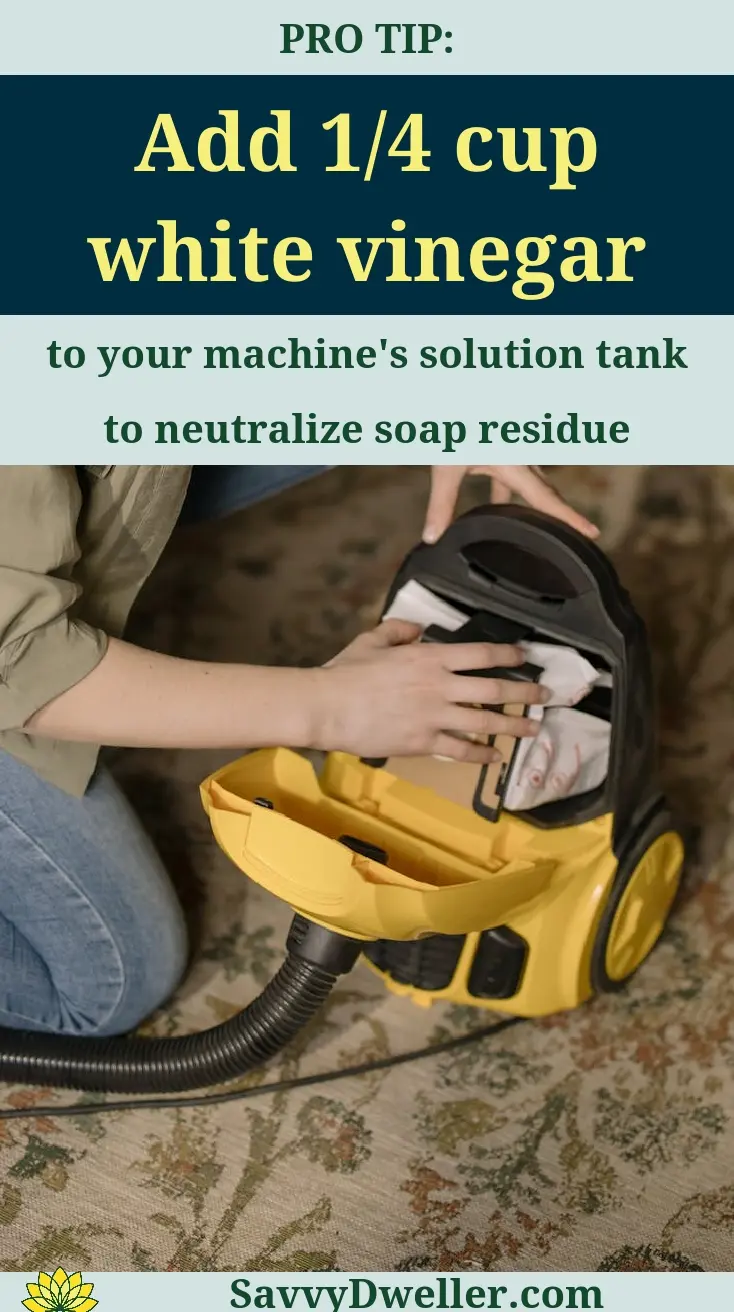
- Pour in 1/4 cup of white vinegar to help neutralize odors and boost cleaning power.
- Gently swish or stir the tank to mix-avoid creating suds.
Best Machine Settings
Use this solution with machines set to a standard or light clean mode. Hot water extraction settings above 120°F can cause dish soap to foam excessively, so stick to warm water cycles. Rinse passes are recommended to ensure all soap residue is removed, preserving your carpet’s texture and cleanliness. It’s important to remember that dish soap can also be used in washing machines for delicate cleaning tasks. Using a small amount of dish soap in your washing machine can help break down grease and stains effectively.
2. The Oxiclean Power Solution
The Science Behind Oxygen Bleach
Oxygen bleach-like the kind in OxiClean-releases oxygen molecules that break apart stains and discoloration at a molecular level. Unlike chlorine bleach, it’s color-safe and gentle on most fibers, making it ideal for a dyi carpet cleaning solution that tackles tough, set-in messes without damage. It also deodorizes as it cleans, leaving carpets fresher without artificial fragrances.
What You’ll Need
- 1 scoop (about 2 tablespoons) OxiClean Versatile Stain Remover
- 1 gallon warm water
- Cleaning machine with a clear solution tank
Mixing the Perfect Ratio
- Start with 1 gallon of warm water in a clean mixing container (not your machine tank yet).
- Dissolve 1 full scoop of OxiClean powder completely-stir until no granules remain.
- Pour the fully dissolved mixture into your carpet cleaner’s solution tank.
Application Tips
Pre-vacuum thoroughly to remove loose debris. For best results with this best homemade carpet cleaner for machines, let the solution dwell on the carpet for 3–5 minutes during the cleaning pass-but never allow it to dry. Follow with an extra rinse cycle using plain water to flush out any residual crystals that could attract dirt over time.
Also See: The Best DIY Dishwasher Detergent Recipe (That Works)
3. The Vinegar and Baking Soda Deep Clean
How This Natural Combo Works
Vinegar’s acetic acid breaks down organic stains and neutralizes odors, while baking soda acts as a mild abrasive and deodorizer. Though they fizz when mixed alone, in a carpet cleaning machine they work in sequence—vinegar lifts grime during the wash, and baking soda helps absorb lingering smells as the carpet dries. This do it yourself carpet cleaner solution is ideal for homes seeking non-toxic, fragrance-free options. A great supplement to this method is using a DIY carpet deodorizer powder that combines baking soda with essential oils for an extra freshness boost.
Essential Ingredients
- 1/2 cup white vinegar
- 2 tablespoons baking soda
- 1 gallon warm water
Preparation Method
- In a large bowl or pitcher, combine 1/2 cup vinegar and 2 tablespoons baking soda-let the initial fizz subside (about 30 seconds).
- Once the reaction calms, add 1 gallon of warm water and stir gently.
- Pour the mixture into your machine’s solution tank. Do not add dry baking soda directly to the tank-it can clog lines.
Machine Compatibility Notes
This diy carpet cleaner homemade formula works best in machines with strong agitation and dual-tank systems (separate clean and dirty water tanks). Avoid using it in older or low-pressure rental units, as residue from incomplete rinsing may leave a slight film. Always run a plain water rinse cycle afterward to protect your machine and carpet longevity.
4. The Enzyme Pet Stain Fighter
Understanding Enzyme Action
Enzymes are nature’s cleanup crew-they break down organic matter like urine, vomit, and feces into smaller molecules that rinse away cleanly. Unlike regular cleaners that mask odors, enzyme-based formulas tackle the source, neutralizing smells at a molecular level. This makes them the go-to for households with pets where accidents happen more than once.
Recipe for Pet Mess Success
- 1 cup warm water
- 2 tablespoons liquid castile soap (unscented)
- 1 tablespoon white vinegar
- 1 tablespoon 3% hydrogen peroxide
- 1 tablespoon enzyme cleaner concentrate (available at pet stores or online)
This blend supports the enzymatic process while gently lifting stains without harsh chemicals.
Special Application Instructions
- Blot up as much of the fresh mess as possible with a clean, absorbent cloth.
- Pour the solution directly onto the stained area-don’t dilute it further for spot treatments.
- Let it sit for 15–30 minutes to allow the enzymes to digest the organic material.
- Use your carpet cleaning machine’s upholstery or spot-cleaning setting to extract the solution and residue.
- Air-dry fully-do not walk on or vacuum the area until dry to avoid re-soiling.
Safety for Pets and Family
This homemade carpet cleaner for machines is free of ammonia, bleach, and synthetic fragrances, making it a safer option around curious paws and little hands. Always store the enzyme concentrate out of reach, and rinse machine tanks thoroughly after use to prevent cross-contamination with other cleaning solutions.
5. The Gentle Borax Booster
Why Borax Works Wonders
Borax (sodium borate) is a naturally occurring mineral that softens water, boosts cleaning power, and helps deodorize carpets without damaging fibers. It’s particularly effective on older, ground-in stains and lingering odors that regular detergents miss. When added to your DIY carpet cleaner solution for machines, it enhances performance without the harshness of commercial additives.
Ingredient List and Sourcing
- 1 gallon warm water
- 1 tablespoon liquid dish soap (clear, dye-free)
- 1 tablespoon Borax (20 Mule Team brand is widely available)
- Optional: 10 drops of essential oil (like lavender or lemon) for light fragrance-avoid if you have pets sensitive to oils
You can find Borax in the laundry aisle of most grocery or big-box stores-it’s affordable and lasts a long time.
Proper Mixing Technique
- Dissolve the Borax completely in 1 cup of warm water before adding it to the rest of the mixture.
- Stir in the dish soap and optional essential oil.
- Pour the final solution into your carpet cleaner machine’s tank-do not exceed your machine’s maximum fill line.
- Shake gently if needed, but avoid creating excess suds, which can strain your machine’s pump.
Carpet Type Considerations
This best homemade carpet cleaner for machines works well on nylon, polyester, and olefin carpets but should be avoided on wool or silk. Borax can be too alkaline for natural protein fibers, potentially causing discoloration or texture changes. Always do a spot test in an inconspicuous area first if you’re unsure of your carpet’s composition. For an effective addition to your laundry routine, consider using borax as a cleaning booster. It enhances cleaning power by softening water and helping to lift tough stains.
6. The Emergency Spot Treatment Solution
Fast-acting Formula
Spilled red wine? Dropped ice cream? This quick-response mix is your 5-minute fix for fresh stains before they set. Designed for immediate use-no waiting, no machine prep-it’s a true dyi carpet cleaner for urgent moments. Keep the ingredients on hand so you can make your own carpet cleaner for machines (or spot treatments) anytime. In moments of red wine disaster, knowing how to react can save your carpet from lasting damage. This quick guide ensures you won’t panic when those spills happen, providing easy steps to tackle those deep, red stains effectively.
Quick Assembly Instructions
- Grab a clean spray bottle.
- Add ½ cup cold water (cold helps prevent setting protein-based stains).
- Add 1 tablespoon clear dish soap.
- Add 1 tablespoon white vinegar.
- Swirl gently-don’t shake-to mix.
Immediate Use Guidelines
- Spray the solution directly onto the fresh stain-saturate lightly but thoroughly.
- Blot with a white microfiber cloth using firm, straight-down pressure (no rubbing!).
- Repeat spraying and blotting until the stain lifts.
- Finish by dabbing with cold water to rinse residue, then blot dry.
- For deep or sticky messes, follow up with your full carpet cleaning machine and a gentle diy carpet cleaning detergent like the All-Purpose Dish Soap Solution.
When to Use This Method
Reach for this emergency spot treatment within 10–15 minutes of a spill for best results. It’s ideal for food, drink, mud, and light pet accidents-but not for old, dried, or moldy stains. Think of it as your first responder in your toolkit of homemade carpet cleaner machine solutions, bridging the gap until you can do a full clean. This do it yourself carpet cleaner solution shines when speed matters most.
The Science Made Simple: Why Commercial Cleaners Cost So Much
Breaking Down the Marketing Markup
That $20 bottle of branded carpet cleaner? You’re not just paying for cleaning power. A huge chunk of the price covers flashy packaging, national advertising, and shelf space at big retailers. The actual cost of the raw ingredients is often just a few cents per ounce.
When you make your own carpet cleaner for machines, you skip the middlemen and the marketing hype-getting the same core cleaning chemistry for a fraction of the price.
What Makes DIY Solutions Equally Effective
The best homemade carpet cleaner for machines works because it relies on proven, active ingredients-like mild surfactants in dish soap or oxygen-releasing compounds in OxiClean-that target dirt, grease, and odors just like store-bought formulas. These household staples have been lab-tested for decades and are safe for most carpet fibers when used correctly. For those looking to maintain their rugs without a machine, deep cleaning methods exist that also utilize these same safe ingredients to achieve excellent results.
DIY carpet cleaning solutions match commercial products in cleaning performance because they use the same foundational science-just without the branded bottle.
Understanding Surfactants and Ph Balance
Surfactants are the unsung heroes of any carpet cleaner solution DIY recipe. They lower water’s surface tension, helping it lift oil, dust, and grime from deep within carpet fibers. Dish soap, for example, contains gentle anionic surfactants perfect for machine use.
pH balance matters too. Most carpets are happiest with a neutral to slightly alkaline cleaner (pH 7–9). Too acidic (like undiluted vinegar) can damage wool or delicate synthetics; too alkaline can leave residues that attract dirt. The best carpet cleaner dyi blends strike that balance-cleaning effectively without compromising your carpet’s integrity.
Common Mistakes to Avoid
Over-concentrating Your Solution
More isn’t better. Using too much dish soap, OxiClean, or borax can leave behind sticky or powdery residues that act like magnets for new dirt-and may even clog your machine’s pump or nozzles.
- Always follow precise ratios from trusted recipes.
- If your carpet still looks dingy after cleaning, it’s likely residue-not insufficient cleaner.
- Rinse with clean water in a second pass if you suspect overuse.
Skipping the Spot Test
Even the gentlest homemade carpet cleaner for machines can react badly with certain dyes or fibers. Always test your DIY carpet cleaner solution on a hidden area-like inside a closet or under furniture-first.
- Apply a small amount of your solution.
- Blot dry with a white cloth.
- Check for color transfer, texture changes, or stiffening after 15 minutes.
Using the Wrong Water Temperature
Hot water boosts cleaning power-but only up to a point. Most carpet cleaning machines work best with warm (not boiling) water around 120°F (49°C). Excessively hot water can:
- Damage synthetic fibers like nylon or polyester.
- Set protein-based stains (like pet urine or blood).
- Warp or degrade machine components over time.
Stick to warm tap water unless your machine manual specifies otherwise.
Ignoring Your Machine’s Instructions
Your carpet cleaner machine has limits. Some models can’t handle powdered additives like OxiClean or borax; others require liquid-only formulas. Always check your user manual before pouring in a homemade carpet cleaner solution for carpet machine use.
- Look for sections titled “Approved Cleaning Solutions” or “Detergent Guidelines.”
- If in doubt, contact the manufacturer with your recipe.
- Using unapproved ingredients may void your warranty.
Mixing Incompatible Ingredients
Not all natural cleaners play nice together. Mixing vinegar (acidic) with baking soda (alkaline) creates a fun fizz—but neutralizes both, leaving mostly salt water with little cleaning power. Combining bleach-based products with ammonia or vinegar can release toxic fumes. For effective cleaning methods, the combination of baking soda and vinegar can be highly beneficial, especially when tackling tough oven grime. The ultimate guide for cleaning your oven with baking soda and vinegar provides simple steps for a sparkling clean finish.
Stick to one active ingredient per batch of DIY carpet cleaning detergent-and never assume “natural” means “safe to mix.” When making your own carpet cleaner for machines, simplicity wins every time.
Frequently Asked Questions
How Should I Prepare My Carpet Before Using a DIY Solution With My Machine?
Before applying any DIY solution, vacuum the carpet thoroughly to remove surface dirt and debris, which helps prevent the cleaner from embedding grime deeper. It’s also essential to perform a spot test in an inconspicuous area to check for colorfastness and avoid potential damage. Stains can be persistent, but it’s important to focus on removing old stains rather than considering carpet replacement. Effective stain removal not only revitalizes the carpet but also extends its life significantly.
What is the Best Way to Maintain My Carpet Cleaning Machine When Using DIY Solutions?
After each use, rinse the machine’s tanks and hoses with clean water to prevent clogging from residue buildup. For optimal performance, run a clear water cycle to flush out any remaining solution and regularly inspect filters according to your machine’s manual.
Are There Any Precautions I Should Take for Households With Young Children or Allergies?
Yes, always ensure proper ventilation during and after cleaning to dissipate fumes from ingredients like vinegar. Allow the carpet to dry completely—usually within 6-12 hours—before allowing access, to minimize slip hazards and reduce moisture-related allergen growth. This practice is also essential when dealing with the strong smells and volatile organic compounds (VOCs) that new carpets often emit. Finding the best way to remove new carpet smell from your home can enhance air quality and overall comfort.
How Long Do DIY Carpet Cleaner Solutions Last, and How Should I Store Them?
Most solutions are best used immediately after mixing for peak efficacy, as active ingredients can degrade. If storage is necessary, keep them in airtight containers away from light and heat for no more than a week, and discard if you notice separation or off odors.
Final Words
Creating your own effective carpet cleaning solutions doesn’t just save money-it puts you in complete control of what touches your family’s living spaces. You now have six proven formulas that rival expensive commercial cleaners, each designed for specific cleaning challenges from everyday dirt to stubborn pet stains. The science is simple, the ingredients are accessible, and the results speak for themselves.
Your carpets deserve better than overpriced store-bought solutions that promise more than they deliver. Take action today by choosing the DIY recipe that matches your specific needs, gathering your ingredients, and giving your machine the cleaning power it was designed to handle. Remember to always spot test first and follow your machine manufacturer’s guidelines for best results.
Ready to transform your carpet cleaning routine with more money-saving home solutions? Visit Savvy Dwelling for additional DIY cleaning recipes, home maintenance tips, and practical guides that help you create a healthier, more efficient home environment. Your carpets-and your wallet-will thank you for making the switch to these powerful homemade alternatives.