
How to Naturally Protect Your Wool and Cashmere Clothes From Moths Without Harsh Chemicals
Finding tiny holes in your favorite cashmere sweater or discovering moth larvae nestled in your wool coat can feel devastating. You’re not alone in this frustrating battle—clothes moths destroy millions of dollars worth of natural fiber clothing every year, targeting the exact pieces we treasure most. The anxiety of opening your closet only to find more damage is something every wool and cashmere owner understands deeply.
This comprehensive guide will arm you with eight proven, natural methods that actually work to protect your investment pieces without exposing them to harsh mothballs or toxic chemicals. We’ve researched and tested these gentle yet effective approaches so you can confidently safeguard your wool and cashmere collection. You’ll learn exactly how to create an invisible shield around your clothes using simple household items and natural ingredients that moths absolutely hate.
Contents
- At a Glance: The Best Solutions
- The Science Made Simple: Why Moths Target Your Precious Wool and Cashmere
- 1. Lavender Essential Oil Protection Method
- 2. Cedar Wood Defense System
- 3. Eucalyptus Essential Oil Barrier Method
- 4. Freezing Treatment for Immediate Protection
- 5. Heat Treatment and Steam Protection
- 6. Natural Herb Blend Sachets
- 7. Proper Storage and Closet Moth-proofing
- 8. Early Detection and Damage Assessment
- Common Mistakes to Avoid
- Frequently Asked Questions
- Final Words
- Additional Resources for You:
At a Glance: The Best Solutions
Natural Protection Methods Comparison Table
Not all natural moth deterrents work the same way-or last as long. Choosing the right method depends on your storage setup, climate, and how often you access your wool and cashmere pieces. Below is a clear comparison of the top natural options to help you decide what works best for your needs.
| Method | Best For | Duration of Effectiveness | Reapplication Needed? | Safe for Direct Fabric Contact? |
|---|---|---|---|---|
| Lavender Essential Oil | Long-term storage, drawers, and hanging garments | 4–6 weeks | Yes – refresh every 4–6 weeks | No – always use on cotton pads or in sachets |
| Cedar Wood | Closets, garment bags, and chests | 3–12 months (depending on airflow and wood quality) | Yes – sand or re-oil when scent fades | Yes – safe for indirect contact |
| Eucalyptus Essential Oil | High-moth-risk zones, seasonal storage | 3–5 weeks | Yes – refresh monthly | No – use only in diffused or sachet form |
| Freezing | Emergency treatment, new secondhand items | Immediate kill of eggs/larvae | No – one-time treatment | Yes – when done correctly (see instructions) |
| Heat & Steam | Pre-storage refresh, light infestations | Immediate kill; no residual repellency | Yes – repeat if risk persists | Yes – with gentle steam settings |
| Herbal Sachets (rosemary, cloves, mint, etc.) | Drawers, suitcases, and fabric bins | 6–8 weeks | Yes – replace or refresh every 2 months | Yes – when sealed in breathable fabric |
For ongoing protection, combine methods-like using cedar in your closet while tucking lavender sachets into folded cashmere sweaters. This layered approach addresses both prevention and early intervention, giving your natural fibers a strong defense without harsh chemicals.
Each method supports your goal to protect wool from moths and keep moths away from wool-but timing and placement matter just as much as the repellent itself.
The Science Made Simple: Why Moths Target Your Precious Wool and Cashmere
Understanding the Clothes Moth Lifecycle
Clothes moths don’t eat fabric themselves-it’s their larvae that cause the damage. Adult female moths lay eggs on natural fibers, and once hatched, the larvae feed on keratin, a protein found in wool, cashmere, silk, and even pet hair or dust. This larval stage can last from weeks to months, depending on temperature and humidity, giving them ample time to chew through your favorite sweater.
What Makes Wool and Cashmere Irresistible to Moths
Wool and cashmere contain high levels of keratin, which moth larvae need to grow. These natural animal fibers are a nutritional goldmine for developing larvae-unlike synthetic fabrics, which offer no sustenance. Even small residues of sweat, skin cells, or food stains on your garments can make them even more attractive to egg-laying moths.
Peak Risk Seasons for Moth Damage
Moth activity spikes in warm, humid months-typically late spring through early fall-when temperatures consistently stay above 65°F (18°C). However, indoor heating in winter can create cozy environments year-round. If your closet is dark, undisturbed, and slightly humid, it’s a year-round invitation for moths, regardless of the season.
1. Lavender Essential Oil Protection Method
How Lavender Naturally Deters Moths
Lavender emits a strong aromatic compound called linalool, which masks the scent of natural fibers and confuses adult moths trying to locate egg-laying sites. This makes lavender a proven, gentle natural repellent for protecting cashmere and wool without harsh chemicals. It won’t kill moths, but it effectively discourages them from settling in your storage spaces.
What You’ll Need for Lavender Protection
- 100% pure lavender essential oil (therapeutic grade)
- Cotton balls or muslin sachet bags
- Small glass spray bottle (optional)
- Distilled water or witch hazel (for sprays)
- Dried lavender buds (optional, for added scent and visual appeal)
Step-by-step Application Process
Direct Application Technique
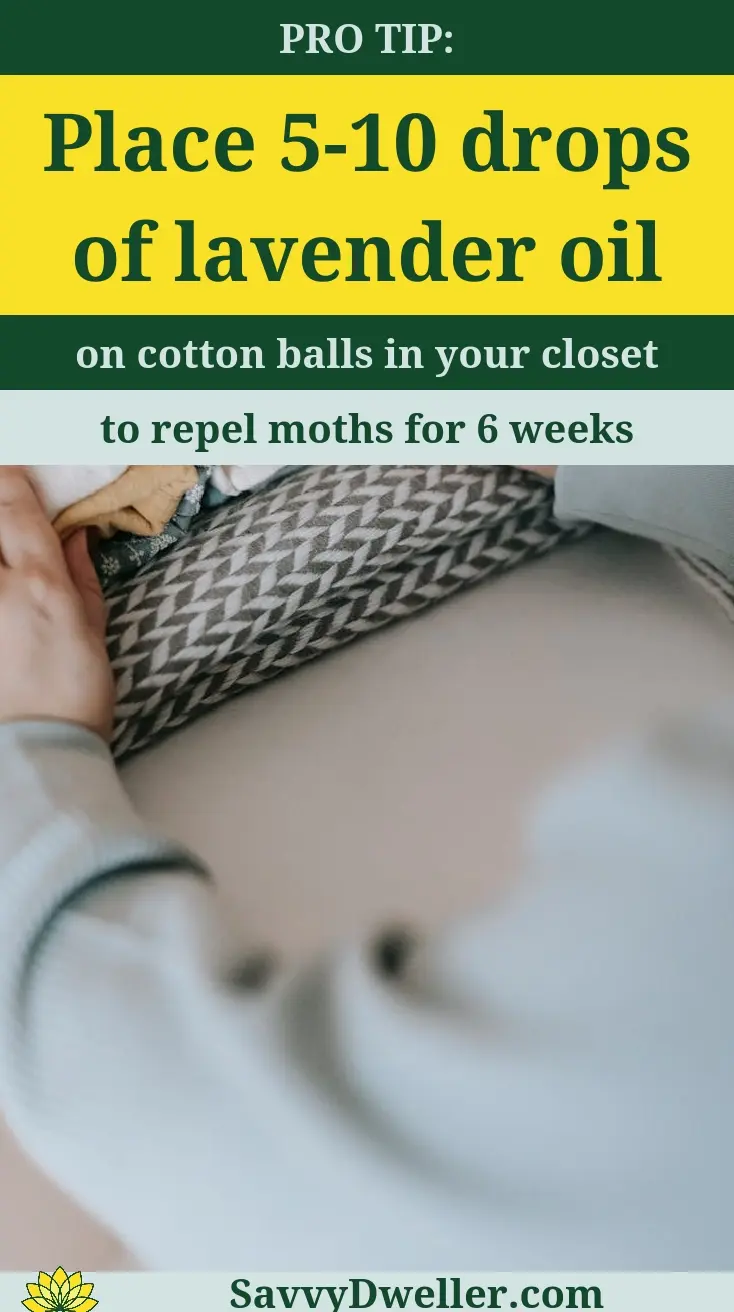
- Add 6–8 drops of lavender essential oil to a cotton ball.
- Place the cotton ball inside a folded cashmere sweater or tucked between wool layers in a drawer.
- Avoid direct contact with fabric if the garment is very delicate or light-colored-place the cotton ball in a small breathable pouch instead.
- Replace or refresh every 2–3 weeks.
Sachet Storage Method
- Fill a 3×3 inch muslin bag with 1 tablespoon of dried lavender buds (optional).
- Add 5–7 drops of lavender essential oil directly onto the buds or the fabric.
- Seal the sachet and place it inside garment storage boxes, hanging in closets, or nestled among folded wool pieces.
- Store multiple sachets for larger spaces-aim for one per 2–3 garments.
Refresh Schedule and Maintenance
Lavender scent fades as the oil evaporates. Reapply 4–6 drops of essential oil to cotton balls or sachets every 2–3 weeks to maintain consistent protection. In high-humidity areas or during warmer months, refresh weekly. Never apply undiluted oil directly onto fine cashmere-it can leave stains or degrade fibers over time.
Also See: How to Get Rid Of Bed Bugs in a Mattress (Without Tossing)
2. Cedar Wood Defense System
Why Cedar Works As a Natural Moth Repellent
True cedar (like Eastern red cedar or aromatic cedar) contains natural oils-primarily cedrol-that emit a woody scent moths dislike. When properly maintained, cedar creates an environment that repels adult moths and disrupts egg-laying behavior, making it a classic method to protect wool from moths. Note: Many “cedar” products are actually cedar-scented pine-check labels for real cedar wood.
Types Of Cedar Products for Clothes Protection
- Cedar blocks or planks
- Cedar hangers
- Cedar chips or shavings
- Cedar-lined storage chests or garment bags
- Cedar sachets or drawer liners
Proper Cedar Placement in Storage Areas
Cedar Blocks and Hangers
- Hang cedar hangers alongside wool and cashmere garments in closets-ideally touching or very close to the fabric.
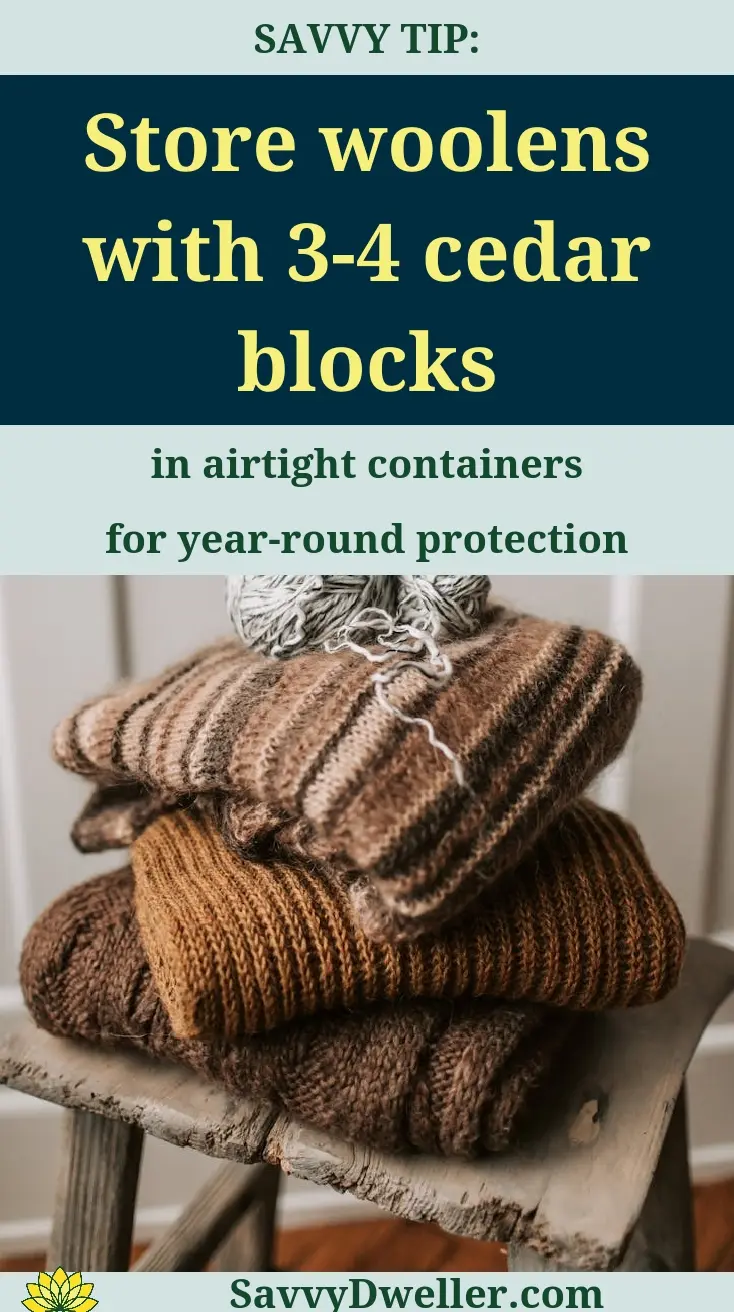
- Place cedar blocks inside folded stacks of sweaters or in corners of drawers.
- For best results, use multiple pieces so the scent permeates the space evenly.
Cedar Chips and Sachets
- Fill breathable muslin bags with 2–3 tablespoons of cedar chips.
- Place one sachet per drawer or storage bin.
- Refresh by lightly sanding the chips or adding a drop of cedarwood essential oil when the aroma weakens.
Reactivating Cedar Oil Naturally
Over time, cedar loses its potency as oils evaporate. To restore its moth-repelling power, lightly sand the surface with fine-grit sandpaper-this opens the wood pores and releases fresh oils. You can also mist with a diluted solution of 5 drops of cedarwood essential oil in 1 ounce of water (spray lightly, never soak). Allow to dry completely before placing near clothes. Reactivate every 1–2 months for continuous protection.
3. Eucalyptus Essential Oil Barrier Method
The Science Behind Eucalyptus Moth Repellent Properties
Eucalyptus oil contains cineole, a natural compound that disrupts the sensory receptors of clothes moths. This interference masks the scent of keratin in wool and cashmere-the very protein moths seek to feed larvae. Unlike synthetic repellents, eucalyptus creates a non-toxic barrier that deters moths without harming your delicate fabrics. It’s a proven method to help how to naturally repel moths from wool and protect cashmere from moths in an eco-friendly way.
Materials and Tools Required
- 100% pure eucalyptus essential oil (therapeutic grade)
- Natural cotton or muslin fabric squares (4×4 inches)
- Small drawstring bags or breathable sachets
- Spray bottle (glass preferred)
- Distilled water
- Closet hangers or shelf liners (optional)
Creating Eucalyptus Protection Sachets
- Cut fabric into 4×4 inch squares or use pre-made muslin bags.
- Add 8–10 drops of eucalyptus essential oil directly onto each square or into the sachet.
- If using loose fabric, fold it into a small bundle and tie securely with cotton thread.
- Place one sachet per garment or every 2–3 folded items in drawers or storage bins.
- Refresh with 3–4 drops of oil every 3–4 weeks to maintain potency.
Direct Closet Application Techniques
For immediate moth deterrence, lightly mist closet interiors-never the garments themselves-with a diluted eucalyptus spray (10 drops oil per 1 cup distilled water). Focus on corners, shelf undersides, and hanger areas where moths nest. This technique supports how to keep moths out of wool by creating an invisible aromatic shield around your storage space. While this helps combat existing moth issues, understanding the causes of their presence can aid in long-term prevention. For more insights, explore the reasons behind why there are moths in your pantry and how to tackle this problem effectively.
4. Freezing Treatment for Immediate Protection
How Cold Temperatures Eliminate Moth Eggs and Larvae
Moth eggs and larvae cannot survive prolonged exposure to sub-zero temperatures. Freezing disrupts their cellular structure, effectively neutralizing hidden infestations before they cause visible damage. This method answers what kills moths in wool without chemicals-ideal for garments already at risk.
Safe Freezing Process for Wool and Cashmere
Pre-Freezing Preparation Steps
- Ensure garments are clean-body oils and food residues attract moths and can set stains in cold.
- Place each item in a sealed plastic bag (preferably zip-top) to prevent moisture absorption.
- Remove as much air as possible to reduce frost buildup.
Optimal Temperature and Duration
Freeze at 0°F (–18°C) or below for at least 72 hours. This duration ensures even the most resilient moth eggs are eradicated. A standard home freezer is sufficient-no special equipment needed.
Post-Freezing Care Instructions
- Remove bags from the freezer and let them sit at room temperature for 2–3 hours before opening (to prevent condensation).
- Unwrap garments gently and air them out for a few hours in a dry, shaded area.
- Store immediately in a clean, moth-protected space to avoid reinfestation.
When to Use Freezing Method
Freezing is best used when you suspect early infestation, after acquiring secondhand wool or cashmere, or before long-term seasonal storage. It’s one of the most reliable ways to prevent moths in cashmere when proactive measures fail.
5. Heat Treatment and Steam Protection
Understanding Heat-based Moth Control
Moth eggs and larvae perish at sustained temperatures above 120°F (49°C). Heat denatures their proteins, offering a fast, chemical-free kill method. Unlike freezing, heat also refreshes fibers and removes odors-making it a dual-purpose solution for how to keep moths off of wool.
Safe Steam Treatment for Delicate Fabrics
Use a handheld garment steamer on a low or “delicate” setting. Hold the nozzle 6–8 inches from the fabric and move continuously-never linger in one spot. Steam each garment for 30–60 seconds per section, focusing on seams, hems, and folds where larvae hide. Always check the care label first; cashmere labeled “dry clean only” should avoid direct steam.
DIY Heat Treatment Options
Sunlight Exposure Method
Lay clean wool or cashmere flat on a drying rack in indirect sunlight for 2–3 hours. Direct sun can fade and weaken fibers, but gentle warmth combined with UV exposure helps deter pests and freshen fabric. Turn garments halfway through. This supports how to naturally prevent moth problems in wool using passive, solar energy.
Professional Steam Cleaning Alternative
For high-value or heavily soiled items, opt for eco-friendly professional steam cleaning services that use low-moisture heat. Confirm they avoid harsh chemicals and excessive agitation. This is a smart choice when you need to stop moths eating wool while preserving fabric integrity. Additionally, when it comes to caring for delicate fabrics such as silk and wool, hand washing is often recommended to maintain their quality and appearance. A gentle wash can make a significant difference in the longevity of these luxurious materials.
6. Natural Herb Blend Sachets
Most Effective Moth-repelling Herbs
Rosemary and Thyme Combination
Dried rosemary and thyme release camphor-like compounds that confuse moth navigation. Mix equal parts and place in breathable pouches-especially effective near sweaters and scarves.
Cloves and Cinnamon Mix
Clove oil’s eugenol and cinnamon’s cinnamaldehyde create a potent aromatic barrier. Combine 2 tablespoons ground cloves with 2 tablespoons cinnamon sticks (broken). This blend strongly supports natural moth repellent for wool in drawer storage. Cloves are known for their numerous health benefits, making this blend not only practical for keeping moths away but also potentially beneficial for well-being. The health benefits of cloves include anti-inflammatory and antioxidant properties, contributing to overall health.
Mint and Lemongrass Blend
Peppermint and lemongrass emit sharp, citrusy notes that moths avoid. Use 1 part dried mint leaves to 1 part lemongrass pieces. Ideal for open shelving or hanging sachets in closets.
Creating Long-lasting Herbal Sachets
- Mix ¼ cup total dried herbs per sachet.
- Place mixture inside a 5×5 inch cotton or linen pouch.
- Stitch or tie closed securely.
- Gently crush herbs every 3–4 weeks to release fresh oils.
- Replace entirely every 2–3 months for consistent protection.
Strategic Placement for Maximum Protection
Tuck sachets into folded wool stacks, hang them from hangers, or place at the back corners of drawers. For layered storage, position one sachet per 5–10 garments to maintain how to keep moths away from wool effectively. Rotate sachets monthly to prevent scent fatigue in the space.
7. Proper Storage and Closet Moth-proofing
Essential Storage Container Requirements
Choosing the right storage container is a foundational step in your strategy to protect wool from moths and prevent moths in cashmere. Not all containers are created equal-some trap moisture, while others offer no barrier against tiny moth larvae.
Breathable vs. Sealed Storage Options
Breathable cotton or muslin bags allow airflow, which helps prevent mildew in humid climates, but they won’t stop moth eggs from drifting in. Vacuum-sealed plastic bins offer a true physical barrier-ideal for long-term storage-but require your garments to be spotlessly clean and fully dry before sealing.
- Use breathable bags for seasonal rotation in dry, cool closets.
- Use sealed containers for off-season storage or in high-risk environments.
Natural Fiber Storage Bags
Opt for storage bags made from unbleached cotton, linen, or canvas. These materials are gentle on delicate fibers and compatible with natural moth deterrents like lavender or cedar. Avoid synthetic blends that can trap odors or create static that attracts lint-and pests.
Natural fiber storage bags pair perfectly with herbal sachets to create a layered defense that both repels moths and protects fabric integrity.
Pre-storage Cleaning and Preparation
Moths aren’t attracted to clean wool-they target organic residues like sweat, food stains, or body oils. Skipping this step is one of the fastest ways to invite infestation.
- Hand-wash or dry-clean each wool or cashmere item using a gentle, pH-neutral detergent.
- Rinse thoroughly to remove all traces of soap or residue.
- Lay flat to dry completely-never store damp garments.
- Brush lightly with a soft-bristle clothes brush to lift surface debris.
- Place in chosen storage container with a natural moth repellent sachet.
This routine ensures you’re not accidentally storing a moth buffet alongside your favorite sweater.
Creating a Moth-resistant Closet Environment
Your closet isn’t just a storage space—it’s an ecosystem. Control the conditions, and you disrupt the moth lifecycle before it starts. Keeping mothballs at bay can prevent not only these pests but also the lingering smell they leave behind on your clothes and furniture. Finding effective methods to remove mothball smell can make your closet a more pleasant space.
Optimal Humidity and Ventilation
Clothes moths thrive in dark, still, humid spaces (above 60% relative humidity). Keep your closet below 50% humidity using a small silica gel dehumidifier or a moisture-absorbing product labeled safe for fabrics. Open closet doors weekly to encourage air circulation, or install a discreet battery-operated fan on a timer.
Good airflow and dry air make your closet uninhabitable for moth eggs, supporting all other natural repellents you use. Incorporating best plants can also enhance air quality in your closet while eliminating unwanted odors. The best plants not only purify the air but can also serve as natural pest repellents, creating a fresher and healthier environment.
Regular Maintenance Schedule
- Every 2 weeks: Air out stored garments by hanging them in indirect sunlight for 1–2 hours.
- Monthly: Replace or refresh herbal sachets and re-sand cedar blocks if needed.
- Seasonally: Vacuum closet corners, shelves, and baseboards to remove dust and potential larvae.
- Annually: Deep-clean storage containers before reusing.
This rhythm keeps your space inhospitable to pests while preserving the life of your natural fibers.
8. Early Detection and Damage Assessment
Visual Signs Of Moth Activity
Catching a moth problem early can mean the difference between saving a garment and losing it entirely. Know what to look for-and where.
Identifying Adult Moths
Adult webbing clothes moths are small (½ inch), beige or golden, and avoid light. They flutter weakly near ceilings or walls-not like pantry moths that zoom around. Spotting one doesn’t mean your clothes are infested yet, but it’s a red flag.
Spotting Larvae and Cocoons
Larvae are creamy-white caterpillars (¼ inch long) that hide in fabric folds, seams, or under hems. Look for silken tubes or webbing-often stuck to the fabric with frass (tiny dark pellets). Cocoons resemble lint balls but are tightly woven and anchored to fibers.
Recognizing Fabric Damage Patterns
Moth larvae chew irregular holes, often starting in hidden areas: under collars, along seams, or in folded cuffs. Unlike wear-and-tear, the damage is concentrated and may include loose fibers or surface grazing. Wool and cashmere show this damage quickly because their protein fibers are moth larvae’s primary food source.
Monthly Inspection Routine
- Remove each wool or cashmere item from storage.
- Hold it up to natural light and inspect seams, hems, and underarms.
- Run your hand over the surface-feel for thin spots or loose threads.
- Check storage containers for webbing, cocoons, or musty odors.
- Log findings in a simple notebook or phone note for tracking.
This habit takes under 10 minutes but builds a powerful defense against hidden infestations.
Emergency Response for Active Infestations
If you find live larvae, webbing, or multiple holes:
- Isolate the affected garment in a sealed plastic bag immediately.
- Freeze it for 72 hours at 0°F (–18°C) to kill all life stages.
- Vacuum the entire closet thoroughly-include shelves, corners, and behind hanging clothes.
- Wipe surfaces with a 1:1 vinegar-water solution to remove pheromone trails.
- Reintroduce only after confirming no further signs appear over 2 weeks.
Act fast, and you can halt the spread before it reaches your entire collection.
Common Mistakes to Avoid
Overusing Essential Oils on Delicate Fabrics
Dripping undiluted lavender or eucalyptus oil directly onto cashmere can leave oily stains or degrade fibers over time. Always use sachets or apply oils to porous materials (like wood or paper), never the garment itself. Even natural moth repellents for wool can cause harm if used incorrectly, so it’s essential to know how to remove grease or oil stains from clothes.
Storing Clothes Without Proper Cleaning
That “I’ll just wear it once more before washing” mindset is how moths get their first meal. Organic residues are invisible but irresistible to larvae. Never skip cleaning-this is the single most common error in efforts to prevent moths from wool.
Neglecting Regular Inspection and Maintenance
Setting and forgetting your lavender sachets or cedar blocks isn’t enough. Moth deterrents fade, and environments change. Without monthly checks, a tiny infestation can explode unnoticed. Consistent attention is key to how to naturally prevent moth problems in wool.
Using Damaged or Ineffective Cedar Products
Old, sealed-in-plastic cedar blocks lose their volatile oils and offer zero protection. If the wood doesn’t smell strongly of cedar when sanded, it’s inert. Replace or refresh it-don’t rely on decorative pieces that look rustic but do nothing.
Ignoring Environmental Factors in Storage Areas
Storing wool in a damp basement or an unventilated attic invites trouble, no matter how many herbal sachets you use. Humidity, darkness, and warmth create the perfect nursery for moth eggs. To truly keep moths away from wool, control your storage climate first-then add repellents as backup.
Frequently Asked Questions
How Do Natural Moth Repellents Compare to Chemical Mothballs in Terms Of Safety and Efficacy?
Natural moth repellents, such as cedar and essential oils, are significantly safer for indoor use than chemical mothballs, which often contain toxic substances like naphthalene. These chemicals can pose health risks through inhalation and leave harmful residues, whereas natural options are non-toxic and eco-friendly, making them suitable for homes with children or pets.
While chemical mothballs can offer longer-lasting protection, natural methods are effective when maintained regularly. Natural repellents work by repelling moths rather than killing them, so they are best paired with good storage habits for optimal results, avoiding the strong odors and potential hazards of chemical alternatives.
Is It Safe and Effective to Combine Multiple Natural Moth Repellent Methods?
Yes, combining methods like cedar blocks with lavender sachets can enhance protection by creating a multi-layered barrier. For instance, placing cedar in storage containers and using eucalyptus oil in closet corners can deter moths from different angles, as each repellent targets moths slightly differently.
However, avoid overloading small spaces with strong scents, which might be overwhelming. Test combinations on a small area first to ensure no adverse reactions on fabrics, and rotate methods seasonally to maintain effectiveness without saturation. Adding a DIY laundry scent booster can provide a delightful fragrance to your laundry while ensuring it remains fresh. Simple recipes using essential oils or natural ingredients can elevate your laundry experience effortlessly.
What is the Typical Lifespan Of Natural Repellents Like Cedar or Herbal Sachets, and How Can I Prolong It?
Cedar products typically remain effective for 3 to 6 months before the scent fades, while herbal sachets may last 2 to 4 months depending on humidity. To extend their life, store them in airtight bags when not in use and keep them in cool, dry places away from direct sunlight.
For cedar, lightly sanding the wood surface every few months can reactivate the natural oils. Refresh herbal sachets by adding a few drops of essential oil, such as lavender or eucalyptus, to rejuvenate their moth-repelling properties.
Can Natural Moth Protection Methods Be Used on Other Delicate Fabrics, Like Silk or Angora?
Many natural methods are safe for other delicate fabrics, but always perform a spot test first to check for colorfastness or damage. For example, essential oils should be diluted and applied indirectly via sachets to avoid staining or weakening fibers like silk. Exploring alternatives for fabric softeners can also enhance the care of delicate fabrics. Some of the best natural fabric softener alternatives include vinegar and baking soda, which not only soften clothes but are also gentle on the environment.
Fabrics like angora or blends may be more sensitive, so opt for passive methods such as cedar hangers or freezer treatments. Avoid direct contact with oils or herbs on untested materials, and prioritize breathable storage to prevent moisture buildup that could attract moths.
Final Words
Protecting your precious wool and cashmere garments from moths doesn’t require harsh chemicals or expensive treatments. The natural methods we’ve covered-from lavender essential oils and cedar systems to freezing treatments and herbal sachets-provide effective, gentle protection that keeps your investment pieces looking beautiful for years to come. Each technique works best when combined with proper storage practices and regular maintenance schedules.
Start implementing these natural moth protection strategies today, beginning with the method that feels most manageable for your current setup. Whether you choose the aromatic appeal of lavender sachets or the proven effectiveness of cedar blocks, consistency is key to long-term success. Remember to inspect your garments monthly and refresh your chosen repellents according to the schedules we’ve outlined.
Ready to transform your closet into a moth-free sanctuary? Check out Savvy Dwelling for more natural home solutions and expert tips on maintaining your textiles, organizing your spaces, and creating a healthier home environment. Your wool and cashmere collection will thank you for taking these proactive steps.
Additional Resources for You:
- How to Protect Against Wool Moths
- Besides using mothballs, what can I do to keep my cashmere sweaters safe from being eaten by moths? – Quora
- r/HistoricalCostuming on Reddit: PSA: protect your woolen garments because moths will destroy everything. I speak from experience.
Also See: Sugar Ants Vs. Carpenter Ants: A Visual Guide to Identification & Removal