
The Complete Guide to Banishing Grease and Oil Stains From Any Fabric
Staring at that greasy splotch on your favorite shirt, wondering if it’s ruined forever? You’re not alone—grease and oil stains are among the most stubborn clothing disasters we face. Whether it’s cooking oil from meal prep, car grease from weekend projects, or salad dressing from lunch, these oily culprits seem determined to make permanent homes in our fabric fibers.
This guide breaks down the most effective stain-removal methods we’ve tested and refined over years of tackling tough grease stains. You’ll learn exactly which technique works best for different fabrics and stain ages, plus the science behind why these methods actually work. No more guessing games or ruined clothes—just proven strategies that restore your garments to their original condition.
Contents
- At a Glance: The Best Solutions
- The Science Made Simple: Why Grease and Oil Stains Are So Stubborn
- 1. The Dish Soap Method (Best for Fresh Stains)
- 2. The Cornstarch Absorption Method (Immediate Action Required)
- 3. The Baking Soda Paste Method (for Set-in Stains)
- 4. The White Vinegar and Dish Soap Method (Heavy-duty Treatment)
- 5. The Rubbing Alcohol Method (for Synthetic Fabrics)
- 6. The Commercial Enzyme Cleaner Method (Professional-grade Solution)
- Fabric-specific Grease Removal Strategies
- Common Mistakes to Avoid
- Frequently Asked Questions
- Final Words
- Sources:
At a Glance: The Best Solutions
Dealing with grease and oil stains can feel overwhelming, especially when you’re staring at that fresh splatter on your favorite shirt. The key to successful grease stain removal lies in choosing the right method for your specific situation.
We’ve tested countless approaches and narrowed them down to six proven methods that actually work. Each technique targets different types of stains and fabric needs, giving you a complete arsenal for removing grease stains from clothes. When it comes to kitchen aprons, knowing how to clean and remove stains effectively is essential, as they often bear the brunt of cooking messes. A clean kitchen apron not only looks good but also contributes to a more hygienic cooking environment.
Quick Reference Table
| Method | Best For | Time Required | Fabric Compatibility | Success Rate |
|---|---|---|---|---|
| Dish Soap | Fresh stains | 5-10 minutes | Most fabrics | 90% |
| Cornstarch Absorption | Immediate treatment | 30+ minutes | All fabrics | 85% |
| Baking Soda Paste | Set-in stains | 2-12 hours | Sturdy fabrics | 80% |
| Vinegar + Dish Soap | Heavy-duty treatment | 15-20 minutes | Cotton, denim | 88% |
| Rubbing Alcohol | Synthetic fabrics | 5-10 minutes | Polyester, nylon | 82% |
| Enzyme Cleaner | Stubborn stains | 30 minutes-overnight | Most fabrics | 92% |
When to Use Each Method
For fresh cooking oil stains that just happened, reach for dish soap first. This method works within minutes and prevents the grease from setting deeper into fabric fibers.
When you notice a grease stain immediately, cornstarch absorption becomes your emergency response. This technique pulls oil out of clothes before it has time to bond with the fabric. You’ll often see the cornstarch change color as it absorbs the grease.
Set-in stains that have been through the wash require the baking soda paste method. These stubborn marks need extended contact time and gentle scrubbing action to break down hardened grease molecules.
Heavy-duty situations like automotive grease or cooking splatters benefit from the vinegar and dish soap combination. This powerful duo cuts through thick, stubborn residues that single-ingredient methods can’t handle.
Synthetic fabrics respond better to rubbing alcohol because it dissolves oil without damaging artificial fibers. Cotton and natural materials can handle stronger treatments, but polyester and nylon need gentler approaches.
When everything else fails, enzyme cleaners provide professional-grade oil stain removal from clothes. These biological solutions break down grease at the molecular level, making them perfect for mystery stains or clothing that’s been sitting in the hamper.
The Science Made Simple: Why Grease and Oil Stains Are So Stubborn
Grease and oil create some of the most challenging stains because they’re hydrophobic, meaning they repel water. While your washing machine uses water-based detergents, these oily substances cling to fabric fibers and refuse to dissolve.
The molecular structure of oils and grease makes them bind tightly to natural and synthetic fibers. Think of it like trying to mix oil and water in a bottle-they naturally separate. This is why simply throwing a greasy shirt in the wash rarely works.
Heat makes the problem worse by causing the oil molecules to penetrate deeper into the fabric weave. Once heated, grease stains become semi-permanent, which is why removing grease stains from clothes requires specific techniques before any heat treatment.
1. The Dish Soap Method (Best for Fresh Stains)
How It Works
Dish soap contains powerful surfactants designed to break down cooking oils and grease on dishes. These same surfactants work brilliantly on fabric, breaking the molecular bonds that hold grease to fibers.
The key is using dish soap specifically formulated for cutting grease, not gentle or moisturizing varieties. Original Dawn and similar grease-cutting formulas work best because they’re engineered to dissolve stubborn cooking oils.
What You’ll Need
- Grease-cutting dish soap (Dawn Original works exceptionally well)
- Clean cloth or paper towels
- Soft-bristled toothbrush or clean cloth
- Cold water
- Regular laundry detergent
Step-by-step Instructions
- Blot excess oil immediately with a clean cloth-never rub, as this pushes the stain deeper into fibers.
- Apply a small amount of dish soap directly to the stain while the fabric is dry.
- Work the soap gently into the fabric using your fingers or a soft toothbrush, creating a light lather.
- Let the soap sit for 10-15 minutes to break down the grease molecules.
- Rinse with cold water, checking if the stain has lifted.
- If the stain persists, repeat the soap application and let it sit for 30 minutes.
- Wash the garment in your regular cycle with cold water and your usual detergent.
- Air dry the item-avoid heat until you’re certain the stain is completely gone.
Also See: How to Remove Foundation Lipstick and Mascara Stains
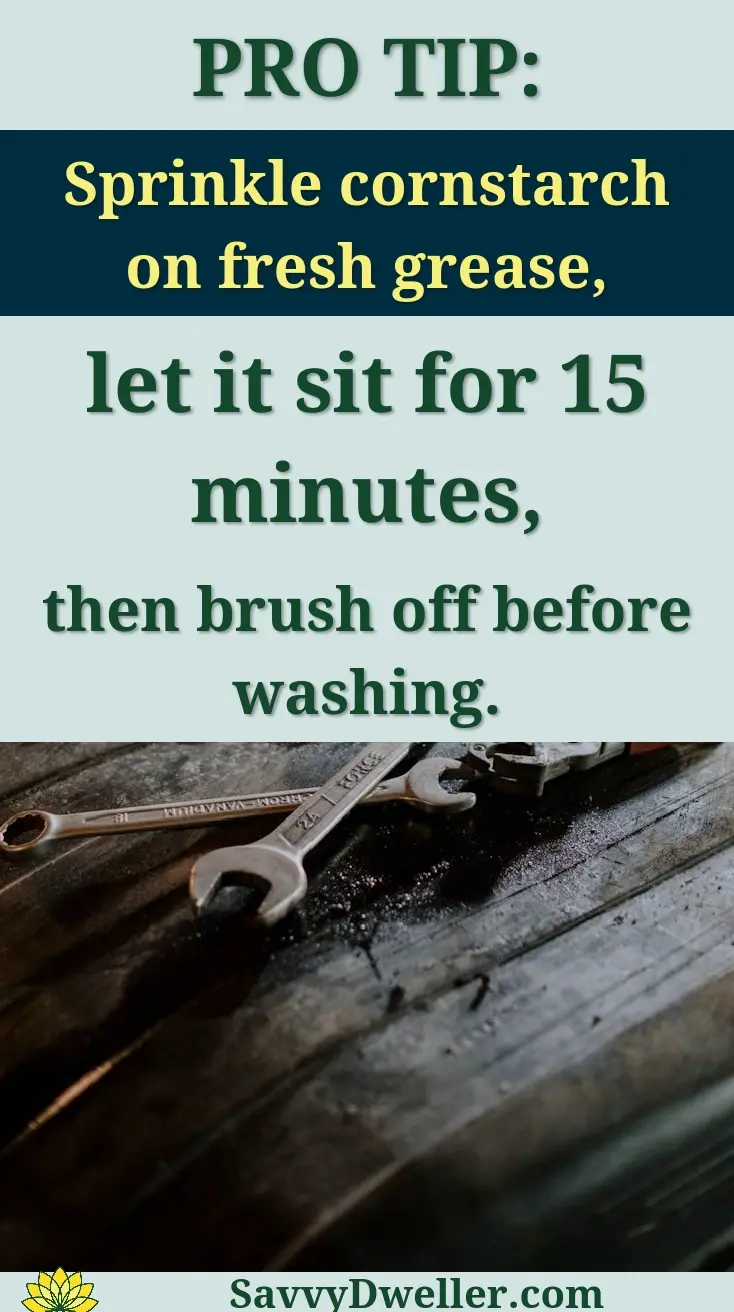
2. The Cornstarch Absorption Method (Immediate Action Required)
How It Works
Cornstarch acts like a molecular sponge, absorbing liquid oils before they can penetrate deep into fabric fibers. This method works best when applied within minutes of the spill occurring.
The fine particles of cornstarch create a large surface area that draws oil away from fabric and into the powder. This technique prevents the stain from setting and makes subsequent cleaning much more effective.
What You’ll Need
- Cornstarch (baby powder or talcum powder work as alternatives)
- Clean spoon or knife for scraping
- Soft brush or cloth
- Grease-cutting dish soap
- Cold water
Step-by-step Instructions
- Act immediately-this method works best on wet or fresh oil stains.
- Sprinkle a generous amount of cornstarch over the entire stained area, covering it completely.
- Press the cornstarch gently into the fabric without rubbing-just apply light pressure.
- Allow the cornstarch to sit for 10-15 minutes to absorb the oil.
- Scrape away the cornstarch using a spoon or dull knife edge.
- Brush away any remaining powder residue with a soft brush.
- Apply dish soap directly to any remaining stain and work it in gently.
- Rinse with cold water and wash as usual in your regular laundry cycle.
3. The Baking Soda Paste Method (for Set-in Stains)
How It Works
Baking soda is mildly alkaline and porous, so it both loosens oil’s grip on fibers and absorbs it as the paste dries. The fine particles act like tiny sponges, lifting old grease stains that soap alone can’t budge.
It’s gentle on cotton, denim, and most colorfast items, making it a steady choice for removing grease stains from clothes that have already gone through the dryer. As the paste dries, it often turns tan-proof the oil is moving out of the fabric and into the powder.
What You’ll Need
- Baking soda (fresh, lump-free)
- Warm water
- Small bowl and spoon
- Soft brush or old toothbrush
- Cardboard or a clean towel (to protect the backing fabric)
- Paper towels or a white cloth
- Laundry detergent (heavy-duty)
- Optional for whites only: a few drops of 3% hydrogen peroxide (color-test first)
Step-by-step Instructions
- Slide cardboard or a towel under the stain so oil doesn’t spread to clean layers.
- Mix a thick paste: 3 parts baking soda to 1 part warm water (toothpaste consistency).
- Spread a 1/8-inch layer over the stain, extending 1/2 inch beyond the edges.
- Work it in gently with the brush, moving from the outside toward the center to keep the spot contained.
- Let it dry 30–60 minutes for set-in stains; up to 3 hours for heavy oil. The paste should crust and discolor as it absorbs grease.
- Scrape off the dry crust into the trash. Don’t rinse it down the sink-it can clog.
- Rinse from the back of the fabric with warm water to push oil out the way it came in.
- Repeat the paste if the spot lightens but lingers. Stacked applications beat hard scrubbing.
- Pre-treat with a little liquid laundry detergent, wait 5 minutes, then wash on warm (check the care tag).
- Air-dry and check under bright light. Do not machine-dry until the stain is gone, or it can set again.
Use this when figuring out how to remove grease stains from clothes that look “permanent.” It’s a reliable move for oil stain removal from clothing without harsh chemicals.

4. The White Vinegar and Dish Soap Method (Heavy-duty Treatment)
How It Works
Grease-cutting dish detergent emulsifies oil so it can rinse away; white vinegar lowers pH and helps break slick residues that resist water. Together, they tackle thick cooking oil and engine grease fast.
Use a standard dish detergent (synthetic surfactant), not castile “soap.” Vinegar can react with true soap and form a filmy curd that clings to fabric. When doing laundry, many people don’t realize that using dish soap in the washing machine can be an effective alternative. It can help remove stains while being gentle on fabrics, making it a useful option when regular laundry detergent is unavailable.
What You’ll Need
- Grease-cutting dish detergent
- Distilled white vinegar (5%)
- Warm water
- Small bowl or spray bottle
- Soft brush or old toothbrush
- White cloth or paper towels
- Laundry detergent
- Gloves (optional)
Step-by-step Instructions
- Blot away any wet oil with a white cloth-don’t rub. This limits spreading.
- Mix a strong cleaner: 2 parts dish detergent + 1 part white vinegar + 1 part warm water. This ratio keeps the surfactant active while vinegar boosts degreasing.
- Apply the mixture to the stain until fully saturated.
- Gently agitate with the brush for 20–30 seconds, working from edge to center.
- Let it sit 10–15 minutes. For heavy buildup, reapply and wait another 5 minutes.
- Rinse from the back with warm water to flush oil out of the fibers.
- Check the fabric. If the stain shadows remain, massage in a few more drops of dish detergent alone and wait 5 minutes.
- Wash on warm with your regular detergent. For cotton/denim, a warmer cycle can help; follow the care label.
- Air-dry and inspect. Repeat if needed before using the dryer.
Never mix vinegar with chlorine bleach. If you’re working through how to get grease out of clothes fast, this heavy-duty combo is a go-to in any stain removal guide for grease stains on clothing and oil stain removal from fabric. Vinegar can also be used as a powerful ingredient in DIY cleaning solutions. One popular method is to make an all-purpose cleaning spray using vinegar, which is effective in tackling various messes around the house.
5. The Rubbing Alcohol Method (for Synthetic Fabrics)
How It Works
Isopropyl alcohol (rubbing alcohol) is a solvent that dissolves oils on contact and evaporates quickly, which makes it perfect for polyester, nylon, and other synthetics. It penetrates smooth fibers where thicker cleaners might bead up.
This method excels at oil stain removal from clothing like athletic wear and performance fabrics. Always color-test; certain dyes can bleed.
What You’ll Need
- Rubbing alcohol (70–91% isopropyl)
- Cotton balls, pads, or a white microfiber cloth
- Cardboard or a clean towel (to protect layers)
- Soft brush (optional)
- Liquid laundry detergent
- Warm water and a sink
Step-by-step Instructions
- Work in a ventilated area and keep away from heat or flames. Rubbing alcohol is flammable.
- Place cardboard or a towel under the stain to stop transfer.
- Dampen a cotton pad with alcohol and blot the stain from the outside in. Avoid flooding the area; steady blotting pulls oil into the pad.
- Rotate to clean sections of the pad as oil transfers. Re-wet with alcohol as needed.
- For stubborn spots on polyester/nylon, lightly saturate the stain, wait 3–5 minutes, then blot again.
- Rinse from the back with warm water to flush out dissolved oil and solvent.
- Apply a few drops of liquid laundry detergent, massage gently for 30 seconds, and wait 5 minutes.
- Rinse well, then launder on warm per the care tag.
- Air-dry and check under bright light before using any heat.
Use this when deciding how to get oil out of clothes made from synthetics and when you need to remove grease from clothing without soaking the whole garment. It’s a smart move for grease stain removal clothing routines and for how to remove cooking oil stains from clothes that wick sweat.
6. The Commercial Enzyme Cleaner Method (Professional-grade Solution)
How It Works
Enzyme cleaners use lipase to break oily stains into smaller, washable pieces while surfactants lift the residue off the fibers. That’s why they excel at removing grease stains from clothes that regular soap can’t budge.
They work best when kept damp and slightly warm. Aim for 86–104°F (30–40°C) water exposure, then rinse and launder to complete oil stain removal from clothing.
What You’ll Need
- Lipase-based enzyme cleaner (labeled “enzyme,” “biological,” or “lipase”)
- Heavy-duty liquid laundry detergent with enzymes
- Clean white cloths or paper towels
- Soft-bristle brush or old soft toothbrush
- Warm water (86–95°F / 30–35°C)
- Plastic wrap or a zip bag (to keep the spot damp during dwell time)
- Optional: Color-safe oxygen booster for the wash (sodium percarbonate)
- Optional: Disposable gloves if you have sensitive skin
Step-by-step Instructions
- Blot, don’t rub. Place the garment on a clean towel and gently blot excess oil with a dry cloth. This limits spread and primes the area for how to remove grease.
- Pre-wet with warm water. Lightly dampen the stained area with warm water to help enzymes move into the fibers.
- Apply enzyme cleaner. Work a small amount into the stain from the outside in. Use fingertips or a soft brush with light, short strokes to get grease out of clothes without fraying fabric.
- Keep it active. Cover the spot with plastic wrap to prevent drying and let it sit 10–30 minutes. If it starts to dry, mist with warm water so the enzymes stay active.
- Rinse and assess. Rinse with warm water and check in bright light. If you still see a dark, translucent ring, repeat the treatment for complete grease stain removal clothing performance.
- Launder. Wash on the warmest temperature safe for the fabric using an enzyme detergent. Add a color-safe oxygen booster for whites or colorfast items to boost oil stain removal from fabric.
- Air-dry only. Heat can set residue. Let the item air-dry and re-check; only machine-dry after the stain is fully gone.
Notes: Skip enzyme products on wool, silk, or cashmere since protease can weaken protein fibers. For delicate clothes, see the fabric-specific section below for how to remove oil stains from clothes safely.
Fabric-specific Grease Removal Strategies
Cotton and Denim
Pre-Treatment Tips
- Support the spot. Slide a folded towel or cardboard under the stain so you can press without transferring grease stains on clothing to the back.
- Absorb first. If fresh, sprinkle cornstarch or talc for 15–30 minutes, then brush off to jump-start how to get grease out of fabric.
- Enzyme or dish soap. Pre-treat with a lipase cleaner or a few drops of grease-cutting dish liquid, working from edge to center to remove grease from clothing.
- Repeat-lightly if needed. Two short pre-treat cycles beat one aggressive scrub for oil stain removal from clothes.
Washing Instructions
- Temp: Warm wash (100–105°F / 38–40°C) if the care tag allows. Too hot, too soon can set oil in cotton weaves.
- Detergent: Use a heavy-duty, enzyme-rich formula. Add a color-safe oxygen booster for whites and tested colorfast denim.
- Cycle: Choose a longer cycle for cotton; turn denim inside out to protect color and texture.
- Drying: Air-dry first. Inspect under bright light; only tumble dry once you’re sure you’ve managed how to get oil out of clothes completely.
Delicate Fabrics (Silk, Wool, Cashmere)
Gentle Approach Methods
- Avoid enzymes, bleach, and high-alkaline degreasers on protein fibers. These can roughen or thin delicate yarns.
- Absorb first. Lay the item flat and apply cornstarch or cosmetic talc for 1–2 hours, then brush off to remove grease stains from fabric safely.
- Foam, not soak. Whip a few drops of silk/wool detergent in cool water, apply foam only to the stain, and blot with a white cloth. This reduces water marks.
- Rinse minimally. Dab with cool water to lift residue, then press with a dry towel. Reshape wool and cashmere flat.
When to Seek Professional Help
- Large, dark oil spots on “dry clean only” pieces.
- Vintage, bright-dyed silk, or anything with sizing, pleats, or interlinings.
- Motor oil, bike grease, or set-in rings after one careful attempt at how to remove oil stains from fabric.
- Tell the cleaner the stain type (e.g., olive oil vs. automotive) and what you tried. This improves targeted grease stain removal from clothing.
Synthetic Blends
Heat Considerations
- Polyester and nylon are hydrophobic; oil “clings.” High heat can thermoset the stain, making oil stain removal from clothes harder.
- Use warm, not hot. Pre-treat first, then wash at 86–104°F (30–40°C) per the label to remove grease from clothes without locking it in.
- No ironing or steaming until the stain is gone.
Effective Treatment Options
- Enzyme pre-treat. Apply a lipase cleaner, keep damp 15–30 minutes, then rinse to get grease out of clothes made with synthetics.
- Alcohol-based spot aid. For colorfast polyester, dab a small amount of isopropyl alcohol on the stain, blot, then follow with detergent. Test first.
- Heavy-duty detergent soak. Mix 1 tbsp liquid detergent per quart (1 L) warm water; soak 30–60 minutes, then wash. This helps how to take grease out of clothes that feel slick to the touch.
- Booster in wash. Add color-safe oxygen booster to support how to remove grease stains from clothes on performance fabrics.
Common Mistakes to Avoid
Using Hot Water Too Soon
Hot water can melt and drive oil deeper into fibers, especially polyester, making grease stain removal from clothing harder. Start with warm after pre-treatment, not scalding.
Rubbing Instead Of Blotting
Rubbing spreads the stain and roughens fibers. Blot, tamp gently with a soft brush, and work from the edge inward for controlled stain removal guide results.
Putting Stained Items in the Dryer
Dryer heat sets residual oil, turning a removable mark into a permanent shadow. Air-dry, inspect in bright light, and repeat treatment before machine-drying to remove oil stains from clothes fully.
Not Testing Methods on Hidden Areas First
Colors and finishes vary. Test your method on an inside hem or seam; press a damp white cloth for 30 seconds and check for dye transfer before you try how to remove cooking oil stains from clothes on the main area. It’s also important to know how to deal with unintentional dye transfer from other garments, which can happen during washing. Following a step-by-step guide for removing dye transfer stains from clothes can save your favorite pieces and keep your laundry looking fresh.
Frequently Asked Questions
How Can I Prevent Grease Stains From Setting in on My Clothes?
Prevention starts with quick action. Blot up excess grease immediately with a clean paper towel or cloth to reduce the amount that penetrates the fabric. For activities like cooking or mechanical work, consider wearing an apron or protective clothing to create a barrier against splatters.
Additionally, you can pre-treat high-risk garments with a commercial stain repellent spray designed for fabrics. This adds a protective layer that makes stains easier to remove later. Always address any spills as soon as they happen to avoid setting. It’s especially important when cleaning fabric car seats.
What Should I Do if a Grease Stain Doesn’t Come Out After the First Treatment?
First, do not put the garment in the dryer, as heat can permanently set the stain. Instead, repeat the pre-treatment process, perhaps trying a different method from the guide—for example, if dish soap didn’t work, switch to a heavy-duty option like the vinegar and dish soap combo for synthetic blends. If the stain has already been washed and dried, additional techniques may be necessary. A last resort guide can provide effective solutions to tackle those stubborn stains that seem impossible to remove.
If the stain persists after multiple attempts, it may be time to seek professional dry cleaning, especially for delicate, expensive, or antique items. Professionals have access to industrial-strength solvents that can tackle stubborn stains without damaging the fabric. For fabric care at home, knowing how to effectively treat and remove blood stains can keep your items looking pristine. A comprehensive guide on removing blood stains from fabric can provide helpful techniques to address this common issue.
Are These Removal Methods Safe for Dark or Brightly Colored Fabrics?
Most methods are generally safe, but it’s crucial to always test the treatment on a hidden area first, like an inside seam or hem, to check for colorfastness. This is especially important for vibrant or dark dyes that might react to ingredients like vinegar or baking soda.
For colored fabrics, opt for gentler absorption methods like cornstarch first, and always wash in cold water afterward to minimize color bleeding. If you notice any fading during the test, avoid that method and try another.
Can I Use Alternative Household Items, Like Lemon Juice or Salt, for Grease Stains?
While lemon juice or salt are sometimes suggested for stains, they are not ideal for grease. Lemon juice is acidic and can weaken fibers or set stains if misapplied, while salt is better for protein-based spills, not oils. Sticking to the proven methods in this guide ensures effectiveness without risking damage.
If you’re out of recommended supplies, cornstarch or baking soda are safer bets for immediate absorption. Avoid experimenting with unverified remedies, as they might worsen the stain or harm the fabric. When dealing with ice cream stains on fabric, knowing the best methods for removal can save you from potential damage. Learning about effective techniques to treat those stubborn ice cream stains will ensure your fabric stays looking fresh and clean.
How Should I Store Clothes With Treated Stains if I Can’t Wash Them Right Away?
After pre-treating, keep the garment in a dry, well-ventilated area to prevent the stain from setting or developing mildew. Avoid folding or stacking treated items, as this could spread the residue; instead, lay them flat or hang them up.
If possible, wash within a few hours. For longer delays, ensure the treated area is completely dry before storage, and never leave stained clothes unwashed for more than a day, as delays can make removal harder.
Final Words
You now have six proven methods to tackle even the most stubborn grease and oil stains. Remember that quick action gives you the best results, but don’t panic if you’re dealing with an older stain-the baking soda paste and enzyme cleaner methods work wonders on set-in spots. The key is choosing the right approach for your specific fabric and stain type.
Start with the gentlest method first, and work your way up to stronger treatments only if needed. Always test any cleaning solution on a hidden area before applying it to the stain, and never put a stained garment in the dryer until you’re completely satisfied with the results.
Ready to rescue your favorite clothes from grease disasters? Pick the method that matches your situation and give it a try-your wardrobe will thank you. For more practical home solutions and stain-fighting tips, check out Savvy Dwelling where we share research-backed advice that actually works in real life.