The Best Natural Fabric Softener Alternatives That Actually Work
Tired of stiff, scratchy clothes coming out of your dryer, but worried about the chemicals in commercial fabric softeners? You’re not alone in wanting softer laundry without exposing your family to potentially harmful ingredients or dealing with skin irritation from synthetic fragrances. Many people struggle with finding the right balance between effective fabric care and maintaining a healthy home environment.
This guide breaks down the most effective natural fabric softener alternatives that deliver real results without compromising your health or the environment. We’ve researched and tested these methods extensively, so you can skip the trial-and-error phase and go straight to solutions that actually make your clothes feel luxuriously soft. You’ll learn exactly how each method works, when to use it, and how to avoid common mistakes that can damage your fabrics.
Contents
- At a Glance: The Best Natural Solutions
- The Science Made Simple: Why Commercial Fabric Softeners Work (and Why You Might Want Alternatives)
- 1. White Vinegar – the Most Versatile Natural Fabric Softener
- 2. Baking Soda – the Natural Fabric Refresher
- 3. Epsom Salt – the Mineral-rich Softening Solution
- 4. Wool Dryer Balls – the Reusable Dryer Alternative
- 5. Homemade Natural Fabric Softener Recipes
- 6. Citric Acid – the Natural Water Softener
- Special Considerations for Different Fabric Types
- Common Mistakes to Avoid When Using Natural Fabric Softeners
- Frequently Asked Questions (FAQ)
- Final Words
At a Glance: The Best Natural Solutions
Quick Comparison Table
| Natural Alternative | Best For | How It Works | Key Benefit | Watch Out For |
|---|---|---|---|---|
| White Vinegar | All-purpose softening, odor removal | Works as a natural fabric conditioner and deodorizer | Don’t use with bleach or on silk/wool | |
| Baking Soda | Refreshing towels, reducing static | Neutralizes odors, softens water | Gentle alternative to fabric softener for sensitive skin | Can leave residue if not fully dissolved |
| Epsom Salt | Hard water areas, cotton-heavy loads | Minerals help soften water and fabric | Great natural fabric softener for washing clothes in mineral-rich water | Not ideal for synthetics or delicates |
| Wool Dryer Balls | Reducing drying time, replacing dryer sheets | Separate clothes in the dryer, reduce static | Reusable, long-lasting alternative to dryer sheets | Can be noisy for some dryers |
| Homemade Softener (Vinegar + Water + Essential Oils) | Custom scents, baby-safe softening | Combines softening and fragrance naturally | Safe fabric softener for baby clothes and sensitive skin | Shake before each use; avoid certain essential oils on kids’ clothes |
| Citric Acid | Hard water, brightening whites | Chelates minerals in water to prevent stiffness | Effective water softener that supports overall fabric softness | Use in small amounts; test on delicate fabrics first |
If you’ve ever wondered what to use instead of fabric softener, this table cuts through the noise. Each option offers a real alternative to fabric softener that addresses both feel and function-without the chemical load.
These natural fabric softener alternatives that actually work are more than just eco-friendly swaps. They’re practical, budget-conscious solutions that soften clothes while supporting your health and your machine’s longevity.
The Science Made Simple: Why Commercial Fabric Softeners Work (and Why You Might Want Alternatives)
How Fabric Softeners Actually Work
Commercial fabric softeners coat fabric fibers with a thin layer of lubricating chemicals-usually cationic surfactants-that reduce friction between fibers. This creates that familiar smooth, static-free feel. They don’t clean; they condition by physically altering how fibers interact. While effective, this same coating can cause long-term issues for both fabrics and health.
Common Issues With Conventional Fabric Softeners
Chemical Sensitivities and Skin Concerns
Many synthetic fragrances and preservatives in traditional softeners-like benzyl acetate, chloroform, and phthalates-can trigger skin irritation, eczema flare-ups, or respiratory sensitivities. For those seeking a natural fabric softener for babies or sensitive skin, these hidden irritants are a major red flag.
Residue Buildup on Fabrics
That soft coating doesn’t rinse away completely. Over time, it accumulates in fibers, towels, and even washing machines, leading to reduced absorbency and stiffness. Towels stop drying you; athletic wear loses wicking ability; and microfiber cloths become less effective-all because of softener residue.
Environmental Impact
Most conventional softeners contain non-biodegradable compounds that persist in waterways and harm aquatic life. Their plastic packaging and production footprint add to household waste. Switching to a natural fabric softener alternative not only protects your clothes-it supports cleaner water and lower carbon impact.
1. White Vinegar – the Most Versatile Natural Fabric Softener
How White Vinegar Softens Fabrics
Distilled white vinegar (5% acetic acid) works by neutralizing alkaline detergent residues and dissolving mineral deposits from hard water. It doesn’t coat fibers-it cleans them, restoring natural softness and absorbency without buildup. It also helps eliminate odors and static cling. Incorporating vinegar into your washing routine can enhance these benefits, making it a natural choice for effective cleaning. Using vinegar in your washing machine is not only eco-friendly but also helps to preserve the life of your clothes and appliance.
Step-by-step Instructions
For Top-Loading Machines
- Add ½ to 1 cup of distilled white vinegar directly to the fabric softener dispenser or the final rinse cycle.
- If your machine lacks a dispenser, pour it into the drum during the last rinse (after the wash cycle has drained).
For Front-Loading Machines
- Pour ¼ to ½ cup of vinegar into the designated fabric softener compartment.
- Avoid adding vinegar directly to the drum pre-wash-it can mix with detergent and reduce cleaning power.
Best Fabrics for Vinegar Treatment
- Cotton towels and sheets
- Bamboo and linen textiles
- Everyday cotton clothing
- Diapers and baby clothes (when using fragrance-free vinegar)
What to Avoid When Using Vinegar
Never use vinegar on silk, wool, or other protein-based fibers-its acidity can weaken them over time. Also, avoid pairing vinegar with bleach (creates toxic chlorine gas) or using it in washes with baking soda (they neutralize each other). Vinegar is a powerful natural fabric conditioner, but only when used correctly.
Also See: The Best DIY Carpet Cleaner Solution for Machines
2. Baking Soda – the Natural Fabric Refresher
Why Baking Soda Works As a Softener
Baking soda (sodium bicarbonate) softens water by neutralizing minerals like calcium and magnesium. Softer water allows detergent to work more efficiently, resulting in cleaner, fluffier fabrics without chemical coating. It also deodorizes and helps lift lingering grime that makes clothes feel rough.
How to Use Baking Soda in Your Wash
Direct Addition Method
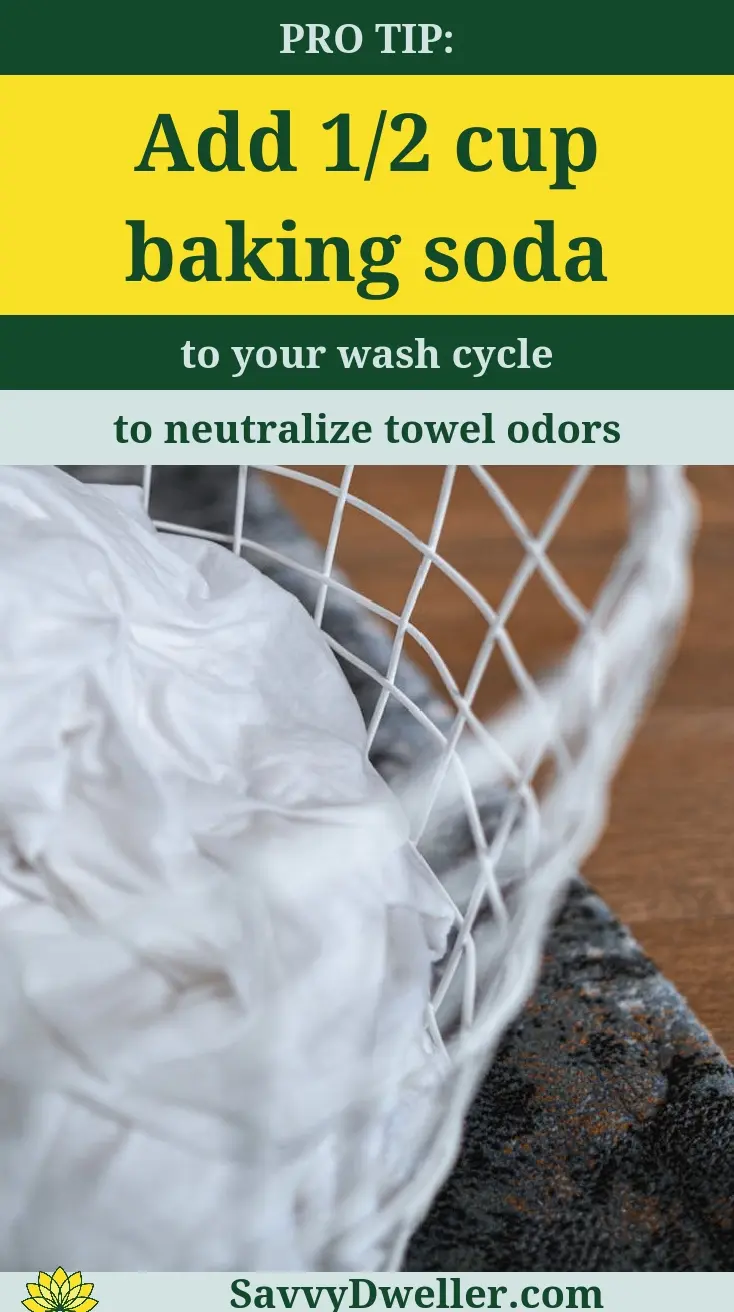
- Add ½ cup of baking soda directly to the empty washer drum before adding clothes.
- Run your normal wash cycle with detergent as usual.
Pre-Dissolving Method
- Dissolve ½ cup baking soda in 1–2 cups of warm water.
- Pour the mixture into the drum or detergent dispenser before starting the cycle.
Combining Baking Soda With Other Natural Ingredients
Baking soda pairs well with castile soap or washing soda for deeper cleaning, but avoid mixing it with vinegar in the same cycle-they cancel each other out. For a simple homemade fabric softener recipe, combine baking soda with a splash of vinegar in the rinse cycle only-never during the main wash. This combo works as a safe fabric softener for baby clothes when used in moderation and rinsed thoroughly.
3. Epsom Salt – the Mineral-rich Softening Solution
The Science Behind Epsom Salt for Laundry
Epsom salt-magnesium sulfate-acts as a natural water softener by binding to minerals like calcium and magnesium in hard water. This prevents mineral buildup on fabrics, helping them feel softer and cleaner after a wash cycle. Unlike synthetic softeners that coat fibers, Epsom salt works indirectly by improving your detergent’s efficiency and reducing stiffness caused by hard water deposits. Additionally, Epsom salt can benefit your garden, promoting healthy growth in plants by providing essential magnesium and sulfate. Using Epsom salt in your soil may enhance nutrient absorption and improve overall plant vitality.
Proper Usage Instructions
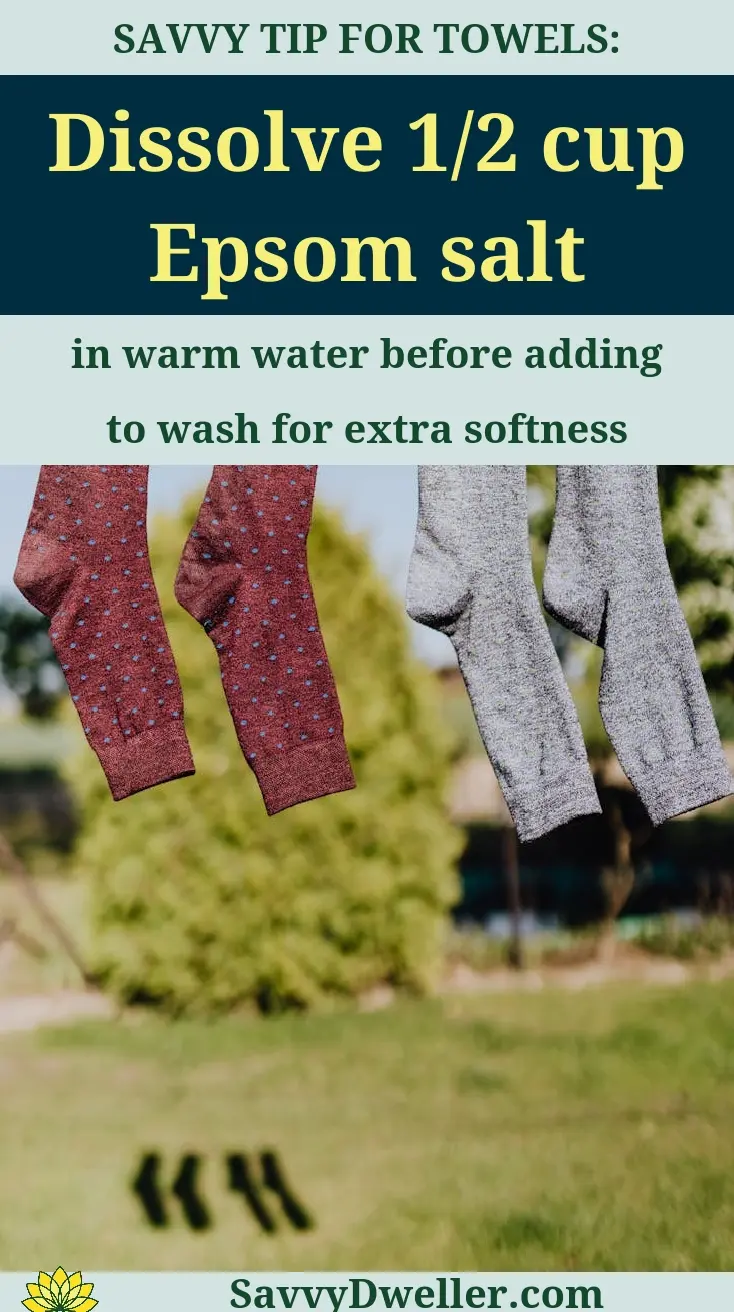
- Add 1 to 2 tablespoons of Epsom salt directly to your washing machine drum along with your regular detergent.
- For extra-soft results, pair it with ½ cup of white vinegar in the rinse cycle.
- Run your normal wash cycle using warm or cold water depending on fabric care instructions.
Best Fabric Types for Epsom Salt
Epsom salt works especially well on cotton, linen, and bamboo fabrics, which tend to absorb minerals from hard water and become stiff over time. It’s also safe for baby clothes, making it a gentle natural fabric softener for babies. Avoid using it on delicate wool or silk unless diluted heavily, as magnesium salts can be drying to protein-based fibers.
DIY Scented Epsom Salt Recipe
- 1 cup Epsom salt
- 10–15 drops of your favorite essential oil (e.g., lavender, lemon, or eucalyptus)
Mix thoroughly in a glass jar and let sit for 24 hours to allow the scent to infuse. Use 2 tablespoons per load as a homemade fabric softener that also deodorizes. Store in an airtight container away from moisture.
4. Wool Dryer Balls – the Reusable Dryer Alternative
How Wool Dryer Balls Naturally Soften Clothes
Wool dryer balls reduce drying time by separating clothes and allowing hot air to circulate more efficiently. As they tumble, they gently beat fabrics, loosening fibers and preventing static-no chemical coating required. They’re a popular alternative to dryer sheets that’s both eco-friendly and long-lasting.
Choosing the Right Dryer Balls
100% Wool vs. Synthetic Options
Opt for 100% natural wool dryer balls-they’re biodegradable, hypoallergenic, and free from synthetic fillers. Some “wool-blend” balls contain plastic cores or chemical dyes that can shed microplastics or irritate sensitive skin, especially for safe fabric softener for baby use.
Size and Quantity Guidelines
Use 3 medium-sized (2.5–3 inch) balls for small to medium loads. For large or bulky loads (like towels or bedding), use 5–6 balls. Larger balls create more agitation, which boosts softening and speeds drying.
Adding Natural Scents to Dryer Balls
- Place 3–5 drops of essential oil directly onto each wool ball.
- Let them dry for 10–15 minutes before tossing them in the dryer.
- Reapply oil every 4–5 loads for consistent fragrance.
This turns your dryer balls into a natural fabric conditioner that leaves clothes lightly scented without synthetic perfumes. For an even more delightful laundry experience, a DIY laundry scent booster can amplify those fresh aromas. Creating your own scent booster is simple and allows for customization with essential oils to suit your preferences.
Maintenance and Lifespan
Wool dryer balls last 1,000+ loads-roughly 2–5 years with regular use. To refresh them, wash in hot water on a gentle cycle and air-dry completely. If they start to felt or shed, it’s time for replacement. Proper care ensures they remain an effective alternative to fabric softener long-term.
5. Homemade Natural Fabric Softener Recipes
The Basic Three-ingredient Recipe
Ingredients and Measurements
- 2 cups distilled white vinegar
- 2 cups water
- 1 tablespoon vegetable glycerin (optional, for extra softness)
Mixing Instructions
- Combine all ingredients in a clean glass or plastic bottle with a tight-sealing lid.
- Shake well before each use to disperse the glycerin.
- Add ¼ to ½ cup to your machine’s fabric softener dispenser or during the rinse cycle.
This simple blend is a reliable natural fabric softener recipe that rinses clean and leaves no residue-ideal for those seeking alternatives to fabric conditioner without hidden chemicals.
Essential Oil-enhanced Formulas
Best Essential Oils for Laundry
Choose mild, laundry-safe essential oils like lavender, lemon, tea tree, orange, or eucalyptus. These add a fresh scent while offering natural antimicrobial benefits. Avoid phototoxic oils like bergamot unless properly diluted and used on clothes that won’t be sun-dried.
Safe Dilution Ratios
For every 1 cup of liquid softener base, add 10–15 drops of essential oil. This ratio ensures scent without skin irritation-especially important for a natural fabric softener for washing clothes used on children’s or sensitive skin.
Storage and Shelf Life
Store your homemade fabric softener recipe in a cool, dark place to prevent vinegar degradation. It remains effective for up to 6 months. If you notice separation or cloudiness, give it a good shake-it’s still safe to use. Always label your container clearly to avoid confusion with other household liquids.
6. Citric Acid – the Natural Water Softener
How Citric Acid Improves Fabric Softness
Citric acid works by binding to minerals like calcium and magnesium found in hard water, preventing them from clinging to your clothes. This reduces stiffness and mineral buildup that can make fabrics feel rough over time. By softening the water itself, citric acid helps your detergent clean more effectively and leaves fabrics naturally supple-without any chemical residue. It’s a powerful, eco-friendly fabric softener alternative that’s especially useful if you live in an area with hard water.
Usage Instructions for Different Water Types
Hard Water Considerations
In hard water areas, citric acid shines as a water conditioner. Add it directly to the wash cycle to neutralize mineral content that dulls fabrics and reduces detergent efficiency.
- Add 1 tablespoon of citric acid powder to the drum of your washing machine before loading clothes.
- For extra-heavy mineral content, increase to 1½ tablespoons-but never exceed 2 tablespoons per load.
- Use warm or hot water to help dissolve the powder fully and maximize its softening effect.
Soft Water Adjustments
If you have soft water, you likely don’t need citric acid in every load. Overuse can lower your wash water’s pH too much, which may irritate sensitive skin or weaken certain fibers over time.
- Use citric acid only once every 3–4 washes as a maintenance rinse to prevent occasional buildup.
- Stick to ½ to 1 teaspoon per load to avoid over-acidifying your laundry water.
- Pair with a natural fabric softener like wool dryer balls for consistent softness without altering water chemistry unnecessarily.
Safety Precautions and Fabric Compatibility
Citric acid is generally safe for cotton, linen, bamboo, and most synthetics when used in proper amounts. However, it’s not ideal for silk, wool, or other protein-based fibers, as its acidity can degrade them over time. Always check garment care labels before using citric acid, and never combine it with chlorine bleach-this can release harmful fumes. Store citric acid in a cool, dry place in an airtight container to prevent moisture absorption and clumping.
Special Considerations for Different Fabric Types
Natural Fibers (Cotton, Linen, Bamboo)
These absorbent, breathable materials respond beautifully to natural fabric softener alternatives like vinegar, baking soda, and citric acid. They tolerate slightly acidic or alkaline washes well, making them ideal candidates for most homemade fabric softener recipes. Just avoid over-drying, which can cause stiffness regardless of your softening method.
Synthetic Fabrics (Polyester, Microfiber)
Synthetic fabrics are prone to static cling and odor retention but are sensitive to waxy or oily residues. Heavy oils or undiluted essential oils in homemade fabric softeners can coat microfibers, reducing absorbency and trapping smells. Opt for vinegar rinses or wool dryer balls as your primary alternative to fabric softener-they soften without leaving buildup.
Delicate Materials (Silk, Wool)
Silk and wool require gentle care. Most natural fabric softener alternatives that alter pH (like vinegar or citric acid) can damage their protein structure. Instead, use a minimal amount of baking soda-½ teaspoon per gallon of cool water-for a light refresh. Skip fabric softeners entirely if the care label specifies “dry clean only” or “hand wash with mild detergent.” When it comes to hand washing delicates like silk and wool, using a mild detergent specifically designed for these fabrics can help maintain their softness and color.
Athletic and Performance Wear
Why Traditional Softeners Harm Performance Fabrics
Conventional fabric softeners and dryer sheets coat moisture-wicking fibers with silicones and quaternary ammonium compounds. This clogs the tiny channels in performance fabrics, crippling their ability to move sweat away from your skin-rendering your activewear less effective over time.
Best Natural Alternatives for Activewear
Stick to residue-free options that clean without coating:
- White vinegar rinse: ½ cup in the final rinse cycle to remove detergent residue and odors.
- Baking soda soak: ¼ cup in cold water for 30 minutes before washing to neutralize odors.
- Wool dryer balls: Reduce drying time and static without compromising fabric function.
Avoid essential oils or thick homemade fabric softener recipes-they can leave invisible films that degrade performance. This is one area where the simplest natural fabric softener alternatives work best.
Common Mistakes to Avoid When Using Natural Fabric Softeners
Using Too Much Product
More isn’t better. Excess vinegar can weaken elastic fibers; too much baking soda may leave a chalky film; overdoing citric acid can lower pH to damaging levels. Stick to recommended amounts-natural doesn’t mean risk-free when misused.
Mixing Incompatible Ingredients
Never combine vinegar (acidic) with baking soda (alkaline) in the same wash—they neutralize each other and create foam that can overflow your machine without cleaning effectively. Use them in separate cycles if needed. For best results in cleaning your oven, consider using a combination of baking soda and vinegar. This simple method can act as a powerful cleaner, making it easier to remove tough stains and grease.
Ignoring Fabric Care Labels
Labels exist for a reason. Using citric acid on silk or heavy vinegar on spandex can cause irreversible damage. Always read care instructions before trying any natural fabric conditioner, even if it’s labeled “gentle.”
Not Adjusting for Water Hardness
In hard water, vinegar alone may not suffice-you’ll need citric acid or Epsom salt to truly soften fabrics. In soft water, using these same ingredients too often can cause unnecessary wear. Know your water type and adjust your natural fabric softener recipe accordingly.
Storing Homemade Solutions Improperly
Homemade fabric softener recipes with water bases can grow mold or bacteria if stored in warm, humid places or in non-sterile containers. Use dark glass bottles, refrigerate if containing fresh ingredients, and label with dates-most natural fabric softeners last 2–4 weeks max.
Frequently Asked Questions (FAQ)
Can I Combine Different Natural Fabric Softener Alternatives in One Wash?
Yes, you can combine some alternatives, but it requires careful consideration. For example, adding white vinegar to the fabric softener dispenser and wool dryer balls in the dryer is a highly effective combination. However, avoid mixing baking soda and vinegar directly together in the wash cycle, as they will neutralize each other’s cleaning and softening power. It’s best to use one primary softening agent per wash cycle for predictable results.
Will My Clothes Smell Like Vinegar if I Use It As a Softener?
This is a common concern, but the vinegar smell completely dissipates during the rinse and spin cycles. By the time your laundry is done, there will be no lingering vinegar odor. In fact, vinegar is excellent at neutralizing other stubborn odors, leaving clothes smelling fresh and clean. To keep your laundry smelling great, consider methods specifically designed to remove smells from clothes effectively. If you’re worried, you can add a few drops of essential oil to a wool dryer ball when you dry the clothes for a light, natural scent.
Are Natural Fabric Softeners Safe for All Types Of Washing Machines?
Generally, yes. Natural alternatives like vinegar, baking soda, and wool dryer balls are typically safer for your machine than conventional softeners, which can cause residue buildup. White vinegar can even help clean your machine’s internal components. However, always check your machine’s manual; some manufacturers may advise against using certain substances. For front-loading HE machines, it’s especially important to use the dispenser drawer for liquids to prevent potential sudsing issues.
How Do I Prevent Static Cling Without Chemical Softeners?
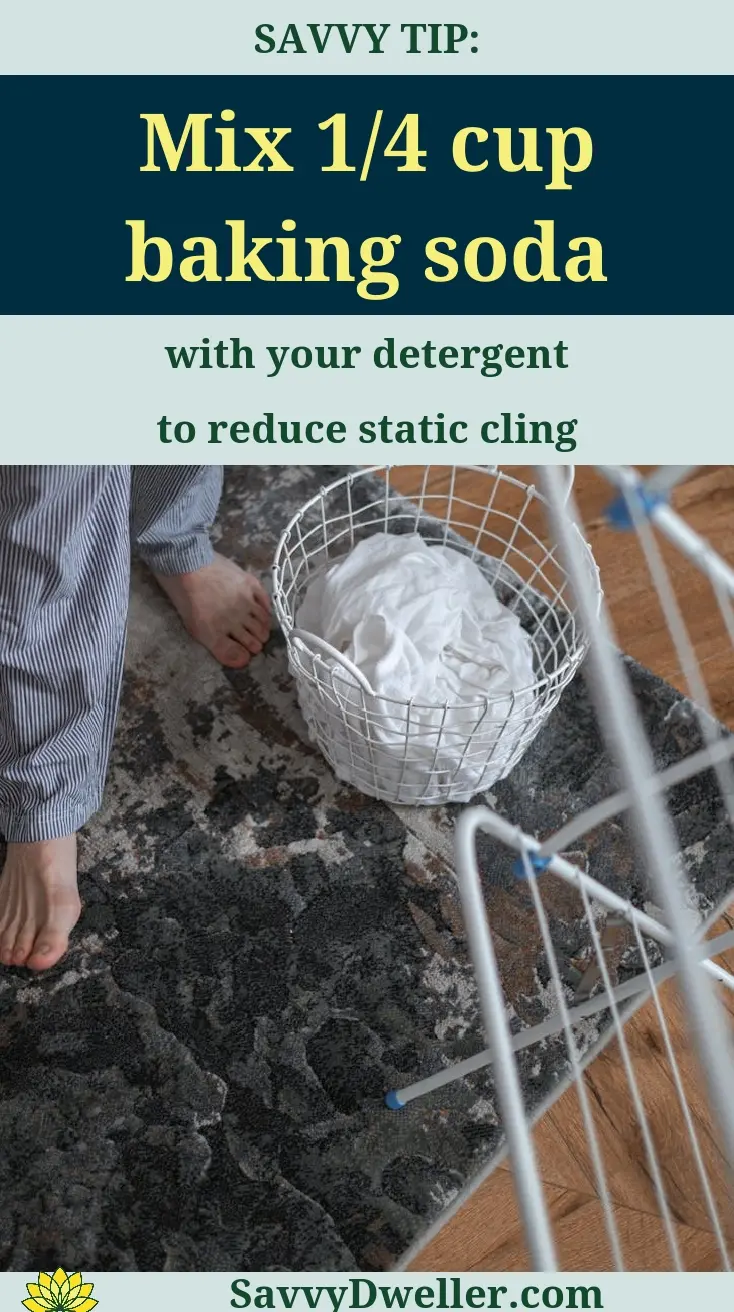
Wool dryer balls are your best defense against static. They work by separating clothes in the dryer, allowing hot air to circulate more evenly and preventing the friction that causes static buildup. For an extra boost, you can safety-pin a small piece of aluminum foil into a ball and toss it in with the dryer balls. Additionally, avoiding over-drying your clothes is a simple and effective way to minimize static cling naturally. Using natural alternatives, like vinegar or baking soda, can also help in reducing static cling in your laundry.
Why Are My Towels Less Absorbent After Switching to a Natural Alternative?
If your towels feel less absorbent, it’s likely due to residue from previous use of conventional fabric softeners or dryer sheets, which coat fibers and reduce absorbency. To restore them, wash towels in hot water with one cup of white vinegar (no detergent), then run a second cycle with half a cup of baking soda. This stripping process should remove the buildup. Going forward, using vinegar or wool dryer balls will not create this problem, helping keep towels soft and fluffy.
Is It More Cost-effective to Use Natural Fabric Softener Alternatives?
Absolutely. In most cases, natural alternatives are significantly cheaper than commercial products. A gallon of white vinegar or a box of baking soda costs a fraction of the price of a bottle of brand-name fabric softener. Wool dryer balls have a higher upfront cost but last for years, making them an incredibly economical choice over time. Making your own recipes from bulk ingredients also leads to substantial savings.
Final Words
Making the switch to natural fabric softener alternatives doesn’t mean compromising on results – it means choosing solutions that work better for your health, your clothes, and the environment. Whether you start with simple white vinegar or invest in wool dryer balls, each method we’ve covered offers proven benefits without the chemical concerns of conventional products.
Your laundry routine transformation begins with just one load – pick the natural alternative that fits your needs best and give it a try. Remember that natural solutions often require a brief adjustment period as residue from previous products clears from your fabrics, so don’t give up after the first wash.
Ready to expand your knowledge on creating a healthier, more sustainable home? Check out Savvy Dwelling for more research-backed solutions that make everyday living better for you and your family. Your clothes – and your peace of mind – will thank you for making this simple but powerful change.