
How to Give Yourself the Perfect Pedicure at Home
Tired of spending $40-60 every few weeks at the salon, or maybe your local nail salon just doesn’t deliver the relaxing, thorough pedicure experience you crave? You’re not alone—many people find themselves disappointed by rushed appointments, uncomfortable chairs, or concerns about cleanliness at busy salons.
This comprehensive guide will walk you through every step of creating a spa-quality pedicure experience in your own home, using professional techniques that actually work. We’ve researched the methods used by top nail technicians and simplified them into clear, manageable steps that deliver salon-worthy results without the hefty price tag or time constraints.
Contents
- At a Glance: The Best Solutions
- 1. Gather Your Essential Pedicure Tools and Supplies
- 2. Prepare and Soak Your Feet for Maximum Comfort
- 3. Remove Old Polish and Trim Toenails Properly
- 4. Shape and File Your Toenails Like a Pro
- 5. Exfoliate and Remove Calluses Safely
- 6. Master Professional Cuticle Care at Home
- 7. Apply Base Coat, Polish, and Top Coat Flawlessly
- 8. Perfect Your Drying and Finishing Touches
- The Science Made Simple: Why Home Pedicures Can Match Salon Results
- Common Mistakes to Avoid
- 4. Shape and File Your Toenails Like a Pro
- 5. Exfoliate and Remove Calluses Safely
- 6. Master Professional Cuticle Care at Home
- 7. Apply Base Coat, Polish, and Top Coat Flawlessly
- 8. Perfect Your Drying and Finishing Touches
- The Science Made Simple: Why Home Pedicures Can Match Salon Results
- Common Mistakes to Avoid
- Frequently Asked Questions
- Final Words
- Sources:
At a Glance: The Best Solutions
| Pedicure Step | Time Required | Key Tools Needed | Pro Tip |
|---|---|---|---|
| Foot Soak & Prep | 10-15 minutes | Basin, warm water, Epsom salt | Add essential oils for aromatherapy benefits |
| Nail Trimming & Shaping | 5-10 minutes | Nail clippers, glass file | Cut straight across to support nail health |
| Callus Removal | 5-8 minutes | Pumice stone or foot file | Work gently to avoid over-exfoliation |
| Cuticle Care | 3-5 minutes | Cuticle pusher, cuticle oil | Push back gently – never cut cuticles |
| Polish Application | 15-20 minutes | Base coat, color, top coat | Apply thin layers for longer-lasting results |
1. Gather Your Essential Pedicure Tools and Supplies
Basic Tools Every Home Pedicurist Needs
A successful do-it-yourself pedicure starts with the right supplies. Having everything within reach makes the process smoother and more enjoyable.
Cutting and Shaping Tools
- Stainless steel toenail clippers (designed for thicker nails)
- Emery board or glass nail file (180–240 grit for gentle shaping)
- Nail buffer block (for smoothing ridges without thinning the nail)
Exfoliation and Callus Care Tools
- Natural pumice stone or foot file (lava or ceramic works well)
- Callus shaver or electric callus remover (use with caution)
- Foot scrub or exfoliating cream (with gentle abrasives like sugar or jojoba beads)
Polish and Finishing Supplies
- Nail polish remover (acetone or non-acetone, depending on your nail condition)
- Cotton pads or reusable rounds
- Base coat, color polish, and quick-dry top coat
- Cuticle oil or balm
- Moisturizing foot cream (rich in shea butter or urea)
Creating Your Perfect Pedicure Station
Set up in a well-lit, comfortable space near a sink or tub. Place a towel on the floor, have a small bin for used cotton pads, and keep a footrest or rolled towel under your feet for ergonomic support. A clutter-free, dedicated zone helps you focus and reduces the risk of spills or tool mix-ups during your at-home foot spa session.
Tool Sanitization for Safe Home Pedicures
- Rinse metal tools under hot water immediately after use.
- Soak clippers, files, and pushers in 70% isopropyl alcohol for 10 minutes.
- Air-dry on a clean paper towel-never use a shared cloth.
- Replace disposable items (like cotton pads) after each use.
Sanitizing tools isn’t optional-it’s essential to prevent fungal or bacterial infections, especially when doing your own pedicure regularly.
2. Prepare and Soak Your Feet for Maximum Comfort
Setting Up Your Relaxing Foot Soak
Warm water opens pores, softens skin, and eases tension—key prep for a smooth pedicure for feet. Use a basin large enough to fully submerge both feet without crowding. Additionally, soaking your feet can help improve blood circulation in your legs and feet.
DIY Foot Soak Recipes That Soften and Soothe
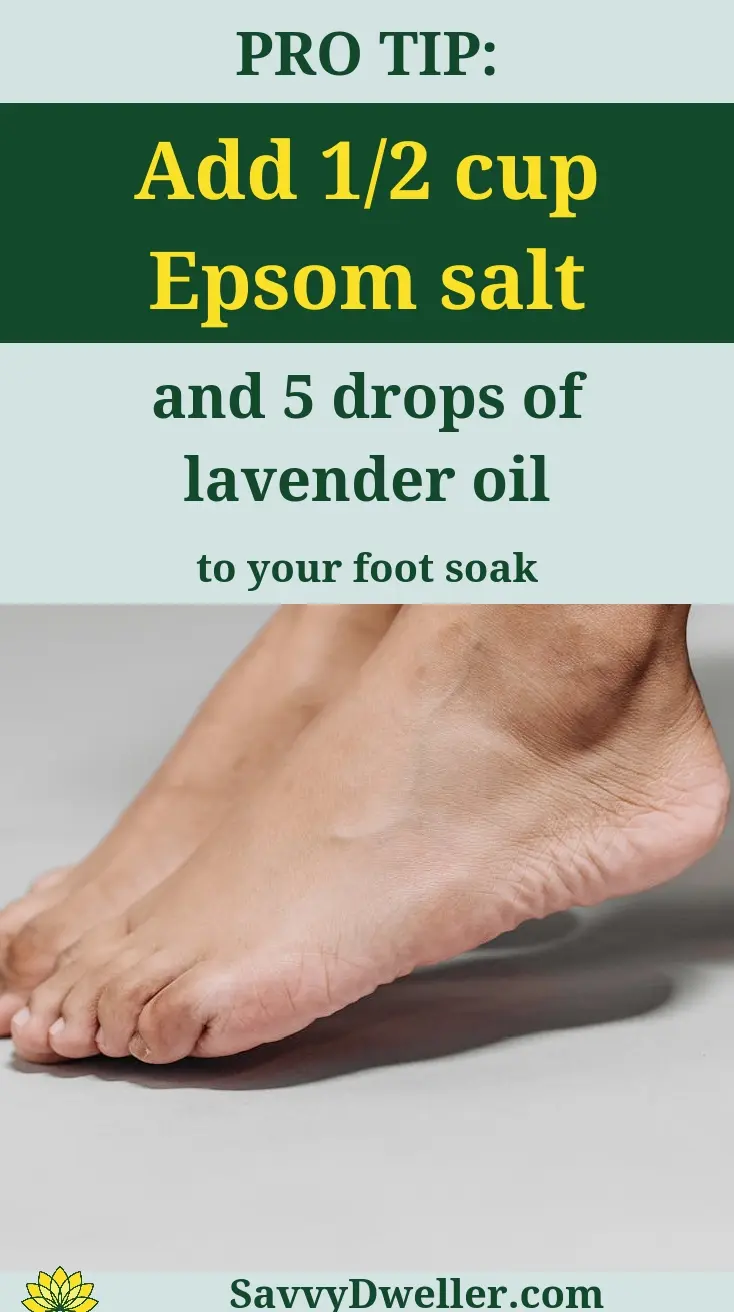
- Classic Soothing Blend: 2 cups warm water + ½ cup Epsom salt + 5 drops lavender essential oil
- Deodorizing Soak: 2 cups warm water + ¼ cup baking soda + 2 tbsp apple cider vinegar
- Moisturizing Soak: 2 cups warm water + 2 tbsp olive oil + 1 tbsp honey
Optimal Soaking Time and Temperature
Keep water between 98°F–105°F (comfortably warm, not hot). Soak for 10–15 minutes-any longer can over-soften skin, making it prone to tearing during exfoliation or filing.
What to Do While Your Feet Soak
Use this time wisely: brush your nails gently with a soft toothbrush to loosen debris, prep your polish station, or simply relax with deep breathing. This quiet pause sets the tone for a mindful, spa-like experience during your step-by-step pedicure.
Signs Your Feet Are Ready for the Next Step
Your skin should feel supple, not wrinkled like a prune. Toenails will appear slightly pliable, and calluses will look less rigid. If your skin is peeling or overly soft, pat dry and wait 2–3 minutes before proceeding.
Also See: The Best Foods for Healthy Teeth and Gums
3. Remove Old Polish and Trim Toenails Properly
Gentle Polish Removal Techniques
- Saturate a cotton pad with remover-don’t just dab.
- Press it onto the nail for 10 seconds to dissolve polish.
- Wipe in one direction (tip to cuticle) to avoid dragging pigment into the nail bed.
- Repeat until completely clean-never scrape or scrub.
Acetone vs. Non-Acetone Removers
Acetone removes stubborn glitter or gel-like polishes quickly but can dry out nails and surrounding skin. Non-acetone formulas are gentler and better for frequent use. If your nails feel brittle, opt for non-acetone and always follow with cuticle oil after polish removal.
The Right Way to Cut Toenails
Trimming correctly prevents ingrown nails and supports long-term foot health—critical when learning how to pedicure feet safely at home. It’s also important to consider how such practices can minimize the risk of ingrown hairs, which can be a common issue. Following a comprehensive guide on treating and preventing ingrown hairs can ensure overall skin health during foot care routines.
Proper Cutting Technique to Support Nail Health
- Dry your feet thoroughly-wet nails tear more easily.
- Use straight-edged clippers designed for toenails (not fingernail scissors).
- Cut straight across-never rounded or angled at the corners.
- Leave a small white edge (1–2 mm) to protect the nail bed.
- Smooth sharp edges immediately with a file.
Dealing with Thick or Difficult Nails
For thickened nails (common with age or fungal history), use heavy-duty clippers and cut in small snips rather than one forceful squeeze. If the nail resists, soften it further with a urea-based cream overnight before trimming. Never force a cut-this can cause splitting or injury.
4. Shape and File Your Toenails Like a Pro
Choosing the Right Nail File
Glass or crystal files are ideal for home pedicures-they’re smooth, long-lasting, and won’t snag or shred the nail edge like cheap emery boards. Aim for 180–240 grit for finishing.
Filing Techniques for Different Nail Shapes
File in one direction only (never saw back and forth) to prevent micro-tears. Hold the file at a slight angle and use light, even strokes.
The Classic Square Shape
Square nails offer the most support and reduce ingrown risk. File straight across the tip, then lightly round the very corners to prevent snagging socks-this is the gold standard for a safe, durable home foot pedicure.
Gentle Rounded Edges
If you prefer a softer look, gently curve the entire free edge into a slight oval. Avoid over-filing the sides-this thins the nail and increases the chance of ingrowth.
Buffing for Smooth, Even Surfaces
- Use the coarse side of a buffer block only if ridges are prominent.
- Switch to the fine side to create a matte, even surface.
- Buff for no more than 10 seconds per nail-over-buffing weakens the nail plate.
This step ensures better polish adhesion during your how-to-do-a-pedicure-at-home routine.
5. Exfoliate and Remove Calluses Safely
Understanding Different Types Of Foot Calluses
Hard calluses form on weight-bearing areas (heels, balls of feet) from friction. Soft calluses appear between toes due to moisture and pressure. Never treat them the same-soft calluses need gentler care to avoid skin breakdown.
Gentle Exfoliation Methods
Exfoliate only after soaking, when dead skin is most receptive. Use light pressure—your goal is renewal, not raw skin. Regular exfoliation helps to eliminate dead skin cells, leading to a softer and smoother texture. By incorporating this step into your routine, you can achieve the radiant skin you desire.
Using a Pumice Stone Effectively
- Wet the stone and your foot.
- Use circular motions on callused areas for 30–60 seconds.
- Rinse the stone frequently to clear debris.
- Stop when skin feels smoother-not glassy or red.
Foot Files and Electric Callus Removers
Metal or ceramic foot files offer more control than pumice for thick calluses. Electric removers work quickly but require steady hands-never linger in one spot. Use them only on dry, intact skin, and never on cracked heels or open areas.
Post-exfoliation Care and Moisturizing
Immediately apply a thick foot cream with urea (10–20%) or lactic acid to lock in hydration. Slip on cotton socks for 10 minutes to boost absorption. This step is non-negotiable if you want soft, healthy feet after your DIY pedicure. To ensure your feet feel and smell fresh, consider incorporating some overnight remedies as part of your routine. These simple techniques can help eliminate odors and keep your feet comfortable while you sleep.
6. Master Professional Cuticle Care at Home
Preparing Cuticles for Safe Care
After soaking and exfoliating, your cuticles will be soft. Gently wipe away excess water-damp (not wet) skin is ideal for pushing back without tearing.
The Gentle Push-back Technique
- Apply a drop of cuticle oil or softening gel to each nail.
- Wait 30 seconds for absorption.
- Use a wooden orange stick or rubber-tipped pusher.
- Push skin back toward the nail base in one smooth motion-no digging or picking.
Tools That Work Best
- Rounded, non-metal pushers (less likely to nick skin)
- Cuticle oil with vitamin E or jojoba oil
- Soft-bristle nail brush for cleaning under the free edge
What Never to Do to Your Cuticles
Never cut your cuticles at home. This removes your nail’s natural barrier, inviting infection and causing long-term damage like ridges or poor nail growth. Pushing back is safe; cutting is not.
Nourishing Cuticle Treatments
After pushing back, massage a few drops of oil into each cuticle. Reapply nightly to maintain flexibility and prevent hangnails-this simple habit elevates your how-to-give-yourself-a-pedicure routine to salon quality.

7. Apply Base Coat, Polish, and Top Coat Flawlessly
The Three-layer System Explained
This method isn’t just tradition-it’s science-backed for durability, even color, and nail protection during any at-home foot pedicure.
Why Base Coat Matters
Base coat seals the nail, prevents staining from dark polishes, and creates a grippy surface for color adhesion. Skipping it leads to chipping within days-never skip this step in your step-by-step pedicure.
Color Application Techniques
- Shake polish gently (don’t bang-it creates bubbles).
- Wipe one side of the brush on the bottle neck to remove excess.
- Place a small stripe down the center of the nail.
- Add one stripe to the left, one to the right-three strokes total.
- Keep strokes thin; thick layers take longer to dry and chip easily.
Sealing with Top Coat
Apply top coat edge-to-edge, capping the free edge to lock in color. Reapply every 2–3 days to extend your pedicure’s life. A quality quick-dry top coat is your best friend for a smudge-free finish after doing your own pedicure.
Pro Tips for Even, Streak-free Application
- Work in natural light to spot missed spots.
- Rest your elbow on a table for steady hands.
- Paint toes in this order: pinky, ring, middle, index, big toe-avoids smudging wet polish.
Fixing Common Polish Mistakes
Got polish on your skin? Dip a small brush (or cotton swab) in remover and trace along the nail edge. For bubbles, lightly buff the surface once dry and reapply a thin top coat. Patience beats perfection-thin layers always win.
8. Perfect Your Drying and Finishing Touches
Safe Drying Methods That Prevent Smudges
Let polish air-dry for at least 15 minutes before walking. Sit with feet elevated on a towel to avoid brushing against fabric or floors.
Quick-Dry Products and Techniques
- Apply quick-dry drops or spray after top coat.
- Use a fan on low setting 6 inches away.
- Submerge toes in ice water for 30 seconds (controversial but effective for some).
Testing if Polish is Fully Set
Gently tap two toenails together. If they click cleanly without sticking, you’re set. If they tack or feel sticky, wait 5 more minutes. Rushing this step ruins hours of careful work during your home pedicure.
Clean-up and Touch-up Techniques
Use a small angled brush dipped in remover to sharpen edges. Apply a tiny dot of polish with a toothpick to fix chips. Finish with another layer of top coat for seamless blending.
Protecting Your Fresh Pedicure
Wear open-toed shoes for the first 24 hours. Apply top coat every other day. Moisturize feet daily-but avoid heavy creams directly on nails, as oils can break down polish adhesion. These habits keep your how-to-do-a-pedicure-at-home results looking fresh for up to two weeks.
The Science Made Simple: Why Home Pedicures Can Match Salon Results
Understanding Foot and Nail Biology
Toenails grow slower than fingernails (about 1 mm per month) and are thicker due to keratin density. This means they hold polish longer but need gentler handling. Calluses are your body’s natural padding-removing them moderately maintains protection while improving comfort.
How Proper Tools and Techniques Create Professional Results
Salons use the same core principles: sanitation, precision trimming, controlled exfoliation, and layered polish. When you replicate these steps carefully, your at-home foot spa delivers results that rival professional services-without the price tag or exposure risks.
The Benefits Of Regular At-home Foot Care
Weekly mini-maintenance (moisturizing, gentle filing, cuticle oil) prevents major issues like cracks, ingrowns, or fungal entry points. Consistent home pedicures aren’t just about beauty-they’re a form of preventive foot health that keeps you comfortable in every step of life.
Common Mistakes to Avoid
Over-aggressive Callus Removal
Scraping until skin is raw invites infection and triggers even thicker callus regrowth. Exfoliate only until smooth-not shiny or tender.
Cutting Cuticles Instead Of Pushing Them Back
This compromises your nail’s protective seal. Pushing back is safe; cutting at home is never worth the risk of paronychia (painful nail infection).
Rushing the Polish Drying Process
Walking too soon, wearing tight shoes, or skipping top coat leads to dents and chips. Let polish fully cure-even if it means waiting an extra 10 minutes.
Using Dirty or Dull Tools
Dull clippers crush rather than cut, causing splits. Dirty tools spread bacteria. Sanitize after every use and replace files every 3–6 months.
Skipping Base and Top Coats
These layers aren’t optional extras-they’re the foundation of long-lasting, healthy-looking polish. In your how-to-do-a-pedicure-at-home routine, they’re as essential as the color itself.
4. Shape and File Your Toenails Like a Pro
Choosing the Right Nail File
For a clean, smooth finish that supports healthy nail growth, opt for a fine-grit glass or crystal file over metal emery boards. Glass files seal the nail edge as they shape, reducing the risk of splitting and fraying. Avoid coarse files-they can create micro-tears in the nail plate, especially on thinner or more fragile toenails.
Filing Techniques for Different Nail Shapes
The Classic Square Shape
The square shape is ideal for promoting strong, healthy toenails and minimizing ingrown edges. To achieve it:
- After trimming nails straight across, use your file to smooth the corners slightly-just enough to remove sharpness without rounding them.
- Hold the file parallel to the edge of the nail and file in one direction only (never saw back and forth).
- Check both sides for symmetry; uneven shaping can lead to uneven pressure in shoes.
Gentle Rounded Edges
If you prefer a softer look or have naturally curved nail beds, a gently rounded shape works well. To file:
- Start at one outer corner and sweep the file toward the center in smooth, light strokes.
- Repeat on the opposite side, meeting at the middle to form a subtle curve.
- Avoid over-rounding-this can weaken the nail edge and increase the chance of snagging.
Buffing for Smooth, Even Surfaces
After shaping, use a four-way buffer to refine the nail surface. Start with the coarsest side to even out ridges, then progress to finer grits for shine. Buffing enhances polish adhesion and gives your toes a naturally polished look-even without color. Limit buffing to once every two to three pedicures to prevent thinning the nail plate.
5. Exfoliate and Remove Calluses Safely
Understanding Different Types Of Foot Calluses
Calluses form as a protective response to repeated friction or pressure-common on heels, balls of the feet, and sides of toes. Hard, thickened patches are usually dry calluses, while softer, whitish areas may indicate moisture buildup (common between toes). Never treat what looks like a callus if it’s actually a wart or fungal infection-when in doubt, consult a podiatrist.
Gentle Exfoliation Methods
Using a Pumice Stone Effectively
A pumice stone is a gentle, time-tested tool for softening calluses after a warm soak:
- Dip the stone in water and gently rub it over the callused area in circular motions for 30–60 seconds.
- Rinse your foot and the stone frequently to clear away dead skin.
- Stop once the skin feels smooth-not raw. Over-filing can cause cracks or sores.
Foot Files and Electric Callus Removers
Manual foot files with micro-abrasive surfaces offer more control than pumice for thicker calluses. Electric callus removers can be efficient but require extra caution:
- Use only on dry, intact skin-never on broken or inflamed areas.
- Apply light pressure and let the tool do the work; pressing hard increases injury risk.
- Clean and disinfect all tools after use to prevent bacterial buildup.
Post-exfoliation Care and Moisturizing
After exfoliation, rinse your feet with cool water to close pores, then apply a rich, urea-based foot cream. Urea (10–20%) helps soften tough skin and locks in hydration far better than standard lotions. For best results during your home pedicure, wear cotton socks overnight to boost absorption-especially if you’re doing a pedicure for feet with chronic dryness.
6. Master Professional Cuticle Care at Home
Preparing Cuticles for Safe Care
Always work on softened cuticles-never push or trim them dry. After your foot soak, gently pat your toes dry but leave the cuticle area slightly damp. Apply a drop of cuticle oil or olive oil and let it sit for 1–2 minutes to further loosen dead skin.
The Gentle Push-back Technique
Tools That Work Best
Use a wooden or rubber-tipped cuticle pusher-never sharp metal tools. For the safest, most salon-like results at home:
- Hold your toe firmly but gently.
- Slide the pusher at a 30-degree angle along the base of the nail, lifting only the dead, whitish skin.
- Work slowly from one side of the nail to the other, using light pressure.
What Never to Do to Your Cuticles
Never cut your cuticles-they form a protective seal against infection. Avoid aggressive scraping, biting, or using dull tools that tear skin. Skipping this rule during your DIY pedicure can lead to redness, swelling, or even paronychia (a painful nail infection).
Nourishing Cuticle Treatments
After pushing back, massage a nourishing oil-like jojoba, almond, or vitamin E-into each cuticle. This step is essential whether you’re giving yourself a pedicure or maintaining between sessions. Well-moisturized cuticles prevent hangnails and keep your polish looking neat longer.
Also See: The Best Essential Oils for Headaches and Migraines
7. Apply Base Coat, Polish, and Top Coat Flawlessly
The Three-layer System Explained
Why Base Coat Matters
A quality base coat isn’t optional-it creates a smooth surface, prevents staining from dark polishes, and helps your color adhere longer. Look for formulas with keratin or calcium to strengthen nails during your at-home foot pedicure.
Color Application Techniques
To nail salon-level results when doing your own pedicure:
- Wipe one side of the brush on the bottle neck to remove excess polish.
- Place a small stroke at the center base of the nail, then pull through to the tip.
- Add a stroke on each side, slightly overlapping the center-three strokes total per nail.
- Keep coats thin; thick layers take longer to dry and chip faster.
Sealing with Top Coat
Apply top coat within 2–3 minutes of your color layer while it’s still slightly tacky. This “wet-on-wet” method helps fuse the layers, creating a durable, chip-resistant finish. Don’t forget to seal the free edge-lightly swipe polish over the tip to lock in color and prevent peeling.
Pro Tips for Even, Streak-free Application
Roll your polish bottle between your palms instead of shaking it-this prevents air bubbles that cause streaks. Work in natural light if possible, and rest your foot on a stable surface (like a stool) to minimize shaky hands. For a truly streak-free finish during your home foot spa session, use quick, confident strokes-hesitation causes drag marks.
Fixing Common Polish Mistakes
Smudged a line? Dip a clean angled brush in non-acetone remover and gently trace the error away. Got polish on your skin? Let it dry completely, then peel it off with your fingernail or a cuticle stick. If your polish bubbles, skip the fan-let it air-dry slowly in a dust-free zone. Rushing this step is a top reason home pedicures don’t last.
8. Perfect Your Drying and Finishing Touches
Safe Drying Methods That Prevent Smudges
After you’ve carefully applied your top coat, the final step in your at-home pedicure is letting everything dry without a single smudge. Rushing this phase can ruin all your hard work.
Quick-Dry Products and Techniques
Speed up drying time without compromising quality using these reliable methods:
- Apply a quick-dry top coat that contains ingredients like ethyl acetate or isopropyl alcohol to evaporate moisture faster.
- Dip freshly painted toes into a bowl of ice water for 30–60 seconds-this helps harden the polish quickly.
- Use drying drops or sprays formulated to penetrate each layer and accelerate setting.
- Sit still with feet elevated on a clean towel for at least 10–15 minutes to avoid accidental contact.
Testing if Polish is Fully Set
Never assume your polish is dry just because it feels dry on the surface. To check if it’s fully set:
- Lightly tap a non-painted area near the nail (like the side of your toe) with your fingertip.
- If no tackiness transfers and the color doesn’t dent or ripple, it’s safe to move around.
- Wait at least 30 minutes before putting on socks or shoes to ensure all layers are completely cured.
Clean-up and Touch-up Techniques
Even the steadiest hand can leave a little polish outside the nail line. Clean-up is simple with the right approach, especially when it comes to dealing with nail polish stains on carpet or upholstery. Quick action can prevent lasting damage to your fabrics, so it’s important to know effective methods for removing those stubborn stains.
- Use a small angled brush dipped in non-acetone remover to gently trace around the edges of each toenail.
- Fix minor chips by reapplying a tiny amount of color followed by top coat-don’t glob it on.
- Wipe away excess oil or lotion near the nails before polish application to prevent peeling later.
A clean, precise edge makes your DIY pedicure look salon-finished-even if you’re doing it barefoot on your bathroom floor.
Protecting Your Fresh Pedicure
Extend the life of your home pedicure with smart aftercare habits:
- Wear open-toed shoes or loose cotton socks for the first 24 hours.
- Avoid hot showers or steam rooms for at least 6 hours post-application.
- Reapply a clear top coat every 2–3 days to seal in color and prevent chipping.
- Moisturize feet daily-but skip heavy creams directly on nails to avoid lifting polish.

The Science Made Simple: Why Home Pedicures Can Match Salon Results
Understanding Foot and Nail Biology
Your toenails grow slower than fingernails-about 1 mm per month-and are more prone to thickening due to pressure from shoes and reduced blood flow. This means they hold polish longer but require gentler handling. The skin on your feet also has fewer oil glands, which is why exfoliation and hydration are critical steps in any pedicure routine. When you align your at-home care with how your feet naturally function, your results improve dramatically.
How Proper Tools and Techniques Create Professional Results
A salon-quality finish isn’t about fancy equipment-it’s about precision and consistency. Using a glass file instead of a metal one prevents micro-tears in the nail plate. A quality base coat fills ridges and creates adhesion, while thin color layers dry evenly and resist bubbling. When you follow the same methodical steps a trained technician uses-just in your own space-you get equally polished outcomes.
The Benefits Of Regular At-home Foot Care
Doing your own pedicure weekly or biweekly does more than keep toes pretty-it supports long-term foot health. Regular soaking softens calluses before they become painful. Gentle cuticle care prevents infections. Consistent moisturizing maintains skin elasticity, reducing cracks and fissures. Over time, this routine helps you spot early signs of issues like fungal changes or ingrown nails, making your home pedicure a form of preventive wellness.
Common Mistakes to Avoid
Over-aggressive Callus Removal
Scraping or filing calluses until they’re paper-thin strips away protective skin and can cause bleeding or infection. Always exfoliate gently-just enough to smooth rough patches, not erase them completely.
Cutting Cuticles Instead Of Pushing Them Back
Cuticles are your nail’s natural barrier against bacteria. Cutting them increases the risk of paronychia (a painful nail infection). Instead, soften them in your soak and use a wooden or rubber-tipped pusher to gently nudge them back.
Rushing the Polish Drying Process
Walking around too soon or pulling on socks before polish fully sets leads to smudges and uneven wear. Patience here pays off in longevity-give your top coat the full drying time it needs.
Using Dirty or Dull Tools
Dull clippers crush rather than cut, causing jagged edges and potential splintering. Dirty tools harbor bacteria and fungi. Sanitize all implements with rubbing alcohol before and after each use, and replace files or buffers when they lose effectiveness.
Skipping Base and Top Coats
Base coat isn’t optional-it evens out the nail surface and prevents staining. Top coat seals color, adds shine, and dramatically extends wear. Skipping either layer shortens your pedicure’s life and can damage your natural nail over time.
Frequently Asked Questions
How Often Should I Give Myself a Home Pedicure?
For most people, a full home pedicure every 3 to 4 weeks is ideal, as this aligns with the typical toenail growth cycle. However, if you’re active or have particularly dry skin, you might benefit from a mini-pedicure weekly, focusing on soaking and moisturizing, to maintain softness between full sessions.
What Precautions Should I Take if I Have Diabetes or Poor Circulation?
If you have diabetes or circulatory issues, always consult your doctor before a home pedicure, as reduced sensation can lead to unnoticed injuries. Use gentle, non-abrasive tools and avoid cutting cuticles or calluses aggressively; instead, opt for moisturizing soaks and careful filing to minimize infection risk.
How Can I Adapt the Pedicure for Sensitive Skin or Allergies?
Start by patch-testing all products, including polishes and soaks, on a small skin area 24 hours prior. Choose hypoallergenic, fragrance-free formulas and avoid harsh ingredients like acetone; for exfoliation, use a soft washcloth instead of rough tools to prevent irritation. For those struggling with eczema or dry skin, exploring natural remedies can offer soothing relief. Some of the best natural remedies for eczema and dry skin include coconut oil, aloe vera, and oatmeal baths, which can help calm irritation and moisturize the skin effectively.
What Are the Signs That I Should See a Professional Instead Of Doing It at Home?
Seek a professional if you notice signs of infection (redness, swelling, or pus), persistent ingrown toenails, or thick fungal nails. A podiatrist can address these safely, whereas home attempts might worsen conditions like plantar warts or deep cracks that require specialized care. If you suspect a nail fungus, trying simple home remedies might be beneficial. These can include natural ingredients that target the fungus effectively without requiring a doctor’s visit.
Are There Natural Alternatives to Commercial Pedicure Products?
Yes! For a soak, mix warm water with apple cider vinegar or baking soda to soften skin naturally. As a moisturizer, coconut or olive oil works well for cuticles and heels, and you can make a sugar scrub with olive oil and essential oils for gentle exfoliation without chemicals. Regular foot soaks can be an excellent way to treat common foot issues like cracked heels. Consider trying the ultimate DIY foot soak recipe for softer feet and a more nourishing experience.
How Can I Maintain Foot Health Between Pedicures?
Daily habits are key: moisturize your feet every night with a thick cream and wear socks to lock in hydration. Also, keep nails trimmed straight across and avoid tight shoes to prevent pressure points, and use a pumice stone lightly in the shower weekly to manage calluses.
Final Words
You now have all the knowledge and techniques needed to create salon-quality pedicures from the comfort of your own home. The key to success lies in taking your time, using proper tools, and following each step methodically rather than rushing through the process. Remember, your feet deserve the same care and attention you give to the rest of your body.
Start with your first at-home pedicure this weekend and experience the satisfaction of achieving professional results yourself. With practice, you’ll develop your own rhythm and discover which techniques work best for your specific needs. The money you’ll save and the convenience you’ll gain make this investment in self-care incredibly worthwhile.
Ready to transform your foot care routine? Gather your supplies and begin your journey to healthier, more beautiful feet today. For more wellness tips and home solutions that simplify your life, visit Savvy Dwelling and stay connected with our latest research-backed advice.
Sources:
- 7 Steps to a Podiatrist Approved Home Pedicure | Foot and Ankle Center of Lake City
- How to DIY a Pedicure at Home In 14 Simple Steps
- r/bitcheswithtaste on Reddit: BWT any suggestions for at home pedicure for beginners?
- How to Do a Pedicure at Home: A Step-by-Step Guide
- How To Give Yourself a Pedicure: Step-by-Step | LONDONTOWN

