
Natural Carpet Beetle Elimination: Your Complete Step-by-step Guide to Reclaim Your Home
Spotting tiny holes in your favorite wool sweater or finding mysterious fabric damage around your baseboards? You’re likely dealing with carpet beetles, those sneaky little pests that can quietly destroy natural fibers throughout your home. The frustration of discovering damaged clothing, rugs, or upholstery can feel overwhelming, especially when you’re not sure where they’re coming from or how to stop them safely.
This comprehensive guide walks you through seven proven natural methods to eliminate carpet beetles without harsh chemicals that could harm your family or pets. We’ve tested these approaches extensively and broken down each technique into simple, actionable steps that deliver real results. You’ll learn exactly what works, why it works, and how to create a carpet beetle-free environment that stays protected long-term.
Contents
- At a Glance: The Best Natural Solutions
- The Science Made Simple: Why Carpet Beetles Invade Your Home
- 1. The Deep Cleaning Foundation Method
- 2. The Diatomaceous Earth Barrier Method
- 3. The Essential Oil Deterrent System
- 4. The White Vinegar Deep Treatment
- 5. The Boric Acid Precision Method
- 6. The Cedar Protection Strategy
- 7. The Temperature Treatment Method
- 5 Habits to Keep Carpet Beetles From Coming Back
- Frequently Asked Questions (FAQ)
- Final Words
At a Glance: The Best Natural Solutions
Quick Reference Table for Natural Carpet Beetle Removal
| Method | Best For | Key Benefit |
|---|---|---|
| Deep Cleaning & Vacuuming | Initial infestation control | Physically removes larvae, eggs, and debris |
| Food-Grade Diatomaceous Earth | Long-term barrier | Dehydrates beetles on contact |
| Essential Oils (Lavender, Cedar, Peppermint) | Repellent & light infestations | Natural deterrent with pleasant scent |
| White Vinegar Solution | Surface sanitizing | Disrupts residual pheromones and habitats |
| Boric Acid (Targeted Use) | Cracks, crevices, baseboards | Stomach poison for crawling insects |
| Cedar Blocks & Oil | Storage areas & closets | Continuous repellency with no chemicals |
| Heat & Cold Treatment | Fabrics, rugs, small items | Kills all life stages without residue |
Method Effectiveness and Timeline
Not all natural methods work at the same speed-or in the same way. Some kill on contact, others repel, and a few require repeated use to break the life cycle. Here’s what to realistically expect when following a step by step guide to getting rid of carpet beetles naturally.
- Deep Cleaning: Immediate reduction in visible pests; repeat weekly for 4–6 weeks to catch new hatchlings.
- Diatomaceous Earth: Begins working within 24–48 hours; full effect in 1–2 weeks with undisturbed application.
- Essential Oils: Repellent effect starts immediately but fades in 3–7 days; reapply weekly for ongoing carpet beetle control.
- White Vinegar: Sanitizes surfaces on contact but doesn’t kill hidden larvae; best paired with vacuuming for natural carpet beetle removal.
- Boric Acid: Takes 2–5 days to kill after ingestion; highly effective in hidden zones when applied correctly.
- Cedar: Prevents reinfestation over time but won’t eliminate existing populations alone-ideal for maintenance after active treatment.
- Temperature Treatment: Kills eggs, larvae, and adults in one go if temperature and duration guidelines are followed precisely.
For best results in how to get rid of carpet beetles naturally, combine at least two complementary methods-like vacuuming followed by diatomaceous earth, or steam cleaning plus essential oil sachets. This layered approach addresses every stage of the beetle’s life cycle, which is key to complete eradication.
The Science Made Simple: Why Carpet Beetles Invade Your Home
Understanding the Carpet Beetle Life Cycle
Carpet beetles go through four distinct stages: egg, larva, pupa, and adult. The real damage happens during the larval stage, which can last anywhere from a few months to over a year, depending on temperature and food availability. These larvae feed on natural fibers like wool, silk, fur, and even dead insects-making your rugs, upholstery, and stored clothing prime targets. Knowing this cycle is key to disrupting their development and stopping infestations before they spread.
What Attracts Carpet Beetles to Your Home
Carpet beetles aren’t looking for your home specifically-they’re after organic material. Common attractants include pet hair, lint, dead insects in window sills, wool blankets, and even dried food spills. They often slip in through open windows, on cut flowers, or via secondhand furniture. They thrive in quiet, undisturbed areas where organic debris accumulates, making closets, under baseboards, and beneath rugs ideal breeding grounds.
How to Identify Different Types Of Carpet Beetles
While several species exist, three are most common in homes:
- Varied carpet beetle: Mottled white, brown, and yellow scales; about 1/10 inch long.
- Furniture carpet beetle: Rounder body with white, black, and orange scales in a patchy pattern.
- Black carpet beetle: Shiny black or dark brown, elongated body, up to 3/16 inch long-often mistaken for weevils.
Larvae are fuzzy or bristly, golden to chocolate brown, and tend to avoid light. Spotting shed skins is often the first clue of an infestation.

1. The Deep Cleaning Foundation Method
What You’ll Need for Natural Deep Cleaning
- High-suction vacuum with HEPA filter
- Steam cleaner (for natural fiber rugs and upholstery)
- Hot water (at least 120°F / 49°C)
- Mild, eco-friendly detergent
- White vinegar (optional for pre-treatment)
- Sealable plastic bags for contaminated items
Step-by-step Vacuuming Technique
- Remove all furniture and rugs from the room to access baseboards, corners, and under edges.
- Use the crevice tool to vacuum along baseboards, under doors, and inside electrical outlets (with power off).
- Slowly vacuum carpets and rugs in multiple directions-first north-south, then east-west-to lift embedded larvae and eggs.
- Empty or replace the vacuum bag immediately after each session to prevent reinfestation.
Targeting High-Risk Areas
Focus on spaces where lint, hair, and fibers collect: under couches, behind curtains, inside closets, along carpet edges, and beneath throw rugs. Don’t overlook air vents, light fixtures, and pet bedding-these are common larval hideouts in a carpet beetle removal guide.
Proper Vacuum Bag Disposal
Seal used vacuum bags or canister contents in a plastic bag before placing them in an outdoor trash bin. If your vacuum is bagless, wash the canister with hot, soapy water and dry it thoroughly before reuse. This simple step prevents live larvae from crawling back into your home.
Steam Cleaning Natural Fibers
Steam cleaning at temperatures above 120°F (49°C) kills all life stages of carpet beetles on contact. Use a handheld or upright steamer on area rugs, upholstery, and carpet seams-but avoid synthetic fabrics that may melt or shrink. Move slowly, holding the steam nozzle close to the surface for at least 30 seconds per square foot to ensure heat penetrates deep fibers.
Washing and Heat Treatment for Textiles
Wash all infested clothing, curtains, and linens in hot water (120°F or hotter) with a natural detergent. For dry-clean-only items, place them in sealed plastic bags and freeze for 72 hours, then air them out before wearing. After washing, dry items on high heat for at least 30 minutes-this double-heat approach ensures you kill carpet beetles naturally without chemicals.
Also See: A Guide to Getting Rid Of the Musty Smell in a Basement
2. The Diatomaceous Earth Barrier Method
How Food-grade Diatomaceous Earth Works Against Carpet Beetles
Food-grade diatomaceous earth (DE) is a fine powder made from fossilized algae. It physically abrades the waxy outer layer of insects, causing them to dehydrate and die. Unlike poisons, DE works mechanically—making it a reliable, non-toxic option for how to get rid of carpet beetles and roaches in your house without harming pets or children when used correctly.
Safety Precautions for DE Application
Always use food-grade DE-never pool or industrial grade. Wear a dust mask and safety goggles during application to avoid inhalation or eye irritation. Keep pets and children out of the room while applying, and allow the powder to settle before re-entering. Store DE in a labeled, airtight container away from moisture.
Step-by-step Application Process
- Thoroughly vacuum the area to remove debris that could block DE contact.
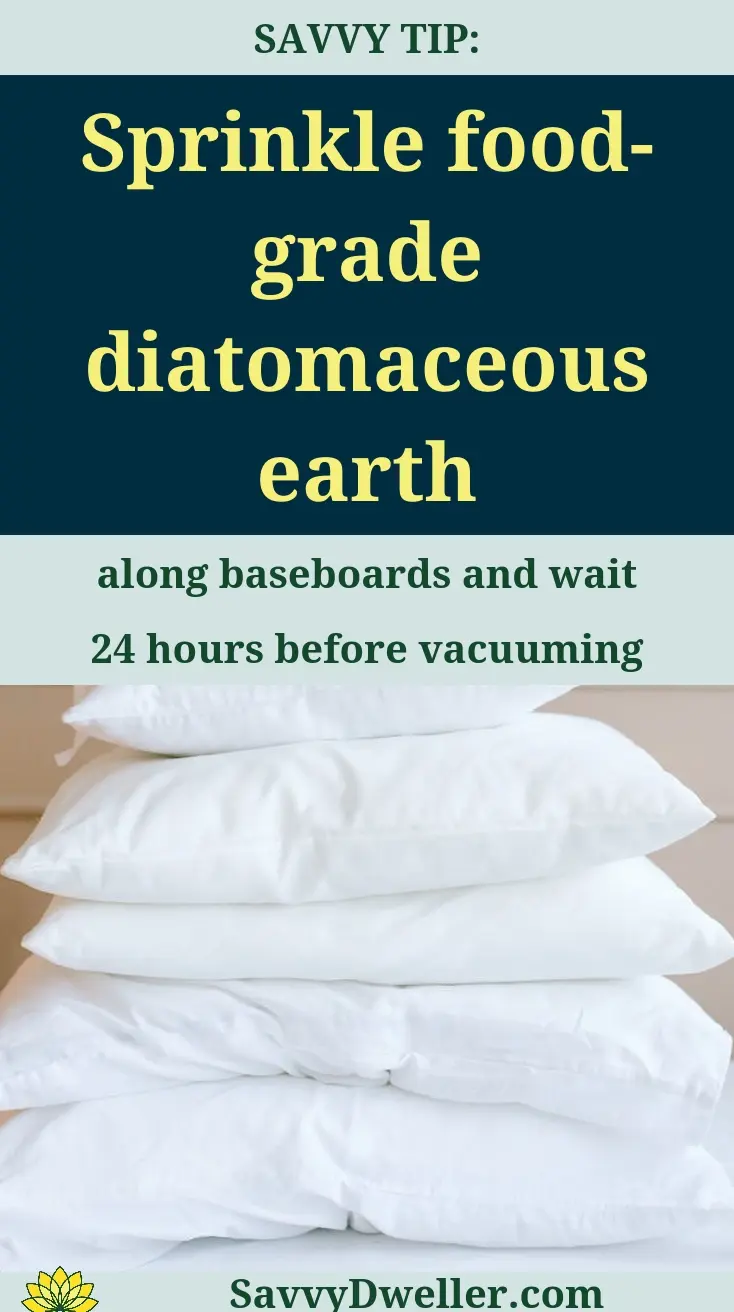
- Using a bulb duster or fine sieve, apply a thin, even layer of DE along baseboards, under furniture, and in carpet edges.
- Lightly dust DE into cracks, crevices, and behind switch plates using a small brush.
- Avoid piling thick layers-less is more; a barely visible film is sufficient.
Coverage Areas and Timing
Apply DE at night when beetles are more active and less likely to be disturbed. Focus on infested zones and potential entry points: window sills, door thresholds, closets, and storage areas. Reapply after vacuuming or if the area gets damp-DE loses effectiveness when wet.
Cleanup and Reapplication Schedule
Leave DE in place for 3–5 days before vacuuming it up with a HEPA-filter vacuum. Wait 7 days, then reapply if you still see larvae or adult beetles. For ongoing carpet beetle control, repeat this cycle every two weeks until no activity is observed for a full month-this helps break the life cycle completely as part of a step-by-step guide to getting rid of carpet beetles naturally.
3. The Essential Oil Deterrent System
Most Effective Essential Oils for Carpet Beetles
Essential oils act as natural repellents by masking the scents that attract carpet beetles and disrupting their sense of direction. Certain oils are especially effective due to their strong aromatic compounds that insects find overwhelming.
Lavender Oil Treatment
Lavender oil doesn’t just smell calming to humans-it’s a powerful deterrent for carpet beetles. Its linalool content interferes with their nervous system without harming people or pets when used correctly.
- Mix 10–15 drops of pure lavender essential oil with 1 cup of distilled water in a spray bottle.
- Shake well before each use and lightly mist along baseboards, under furniture, and around window sills.
- Reapply every 5–7 days to maintain effectiveness, especially in high-traffic or previously infested zones.
Cedar Oil Application
Cedar oil mimics the natural defense of cedarwood, which carpet beetles instinctively avoid. It’s one of the most reliable options in natural carpet beetle control.
- Combine 12 drops of cedar essential oil with 1 tablespoon of witch hazel and 1 cup of water.
- Pour into a fine-mist spray bottle and apply to skirting boards, closet corners, and fabric storage areas.
- Avoid direct spraying on delicate silks or untreated wool; instead, place cotton balls soaked in the mixture nearby.
Peppermint Oil Spray Recipe
Peppermint oil’s sharp menthol scent confuses carpet beetles’ sensory receptors, making your home far less inviting. Many also wonder about its effect on other pests, such as spiders. Studies suggest that peppermint oil can be an effective natural repellent against these eight-legged intruders as well.
- 15 drops peppermint essential oil
- 1 teaspoon castile soap (acts as an emulsifier)
- 1 cup distilled water
- Combine all ingredients in a dark glass spray bottle.
- Shake vigorously before each use to blend the oil and water.
- Spot-test on a hidden area of fabric or flooring before full application.
- Use weekly in entryways, under rugs, and along seams of upholstered furniture for ongoing protection as part of your carpet beetle removal guide.
Creating Natural Oil Sachets
Oil-infused sachets provide continuous, low-maintenance deterrence in drawers, closets, and storage bins-ideal for natural ways to get rid of carpet beetles in the house.
- Fill small muslin bags with dried lavender buds, cedar shavings, or a mix of rice and a few drops of essential oil.
- Seal tightly and place inside wool storage containers, under throw pillows, or tucked into bookshelves.
- Refresh every 3–4 weeks by adding 2–3 new drops of oil to maintain potency.
Proper Dilution and Application Methods
Undiluted essential oils can damage surfaces or irritate skin, so proper dilution is key for safe, effective use in home remedy carpet beetle removal.
- Always use distilled water to prevent bacterial growth in spray solutions.
- For sprays: 10–15 drops of oil per 1 cup of water plus 1 tsp of emulsifier (like witch hazel or castile soap).
- Never apply directly to skin or pet fur without a carrier oil dilution of at least 1:10.
- Store mixtures in amber or cobalt glass bottles away from sunlight to preserve potency.
4. The White Vinegar Deep Treatment
How Vinegar Disrupts Carpet Beetle Habitats
White vinegar’s acetic acid alters the pH of surfaces, making them inhospitable for carpet beetle eggs and larvae. It also neutralizes pheromone trails that guide beetles to food sources-a crucial step in how to naturally get rid of carpet beetles.
Creating Effective Vinegar Solutions
For general use, a simple 1:1 ratio works best. For delicate items, dilute further to avoid damage while still maintaining repellent properties.
- Standard solution: 1 cup white vinegar + 1 cup water
- Gentle fabric solution: ¼ cup vinegar + 1¾ cups water
- Add 5–10 drops of essential oil (like lavender or peppermint) for enhanced repellency and scent
Surface Treatment Techniques
Vinegar solutions should be applied strategically to avoid moisture buildup while maximizing contact with hidden pest zones. Using vinegar can also be beneficial for cleaning tasks around the home. For instance, you can easily make an all-purpose cleaning spray with vinegar that effectively tackles various surfaces.
Fabric-Safe Application Methods
- Test the diluted vinegar solution on an inconspicuous area of the fabric first.
- Lightly dampen a clean microfiber cloth with the solution-never soak the fabric.
- Wipe along seams, hems, and folds where larvae tend to hide.
- Air-dry completely before storing or using the item to prevent mildew.
Hard Surface Cleaning Protocol
- Remove dust and debris with a dry microfiber cloth.
- Spray the 1:1 vinegar-water mix directly onto baseboards, window tracks, and floor joints.
- Let sit for 5–10 minutes to penetrate crevices.
- Wipe clean with a damp cloth and allow to air dry.
- Repeat twice weekly during active infestations as part of your step by step guide to getting rid of carpet beetles naturally.
5. The Boric Acid Precision Method
Understanding Boric Acid Safety for Natural Pest Control
Boric acid is a naturally occurring mineral that dehydrates carpet beetles on contact. While low in toxicity to mammals when used properly, it must be handled with care—especially in homes with children or pets. It’s a cornerstone of many natural ways to kill carpet beetles without harsh chemicals. Additionally, using a borax and sugar mixture can be an effective trick to wipe out roaches as well. This method attracts roaches while the borax works to eliminate them safely.
Targeted Application Strategy
Boric acid works best when applied precisely where beetles travel but where exposure risk is minimal. It’s not a broadcast treatment-it’s a precision tool in your carpet beetles natural pest control arsenal. To effectively manage pests in your garden, consider employing natural methods to get rid of Japanese beetles. These techniques can help protect your plants without the use of harsh chemicals.
Crack and Crevice Treatment
- Use a bulb duster or narrow-tip applicator to puff a light layer of food-grade boric acid into wall cracks, electrical outlets (when power is off), and gaps behind baseboards.
- Avoid piling powder; a thin, even dusting is more effective and less noticeable.
- Seal treated areas with caulk after 48 hours if the infestation is under control, or leave in place for up to 2 weeks for ongoing action.
Carpet Edge Applications
- Lift the edge of area rugs or wall-to-wall carpet slightly (use a flat tool like a putty knife).
- Dust a fine line of boric acid along the tack strip and subfloor junction.
- Press the carpet back down firmly and vacuum surrounding areas to remove stray powder.
- Do not apply under wall-to-wall carpet if children or pets frequently play on the floor-opt for perimeter-only treatment instead.
Child and Pet Safety Measures
Safety is non-negotiable when using boric acid as part of your home remedy to get rid of carpet bugs.
- Always wear gloves and a mask during application to avoid skin and respiratory exposure.
- Never apply boric acid on surfaces that come into direct contact with food, toys, or pet bedding.
- Keep pets and children out of treated rooms for at least 2 hours post-application.
- Store boric acid in its original labeled container, locked away from reach.
- If accidental ingestion occurs, contact a poison control center immediately-do not induce vomiting.
6. The Cedar Protection Strategy
Natural Cedar Products That Repel Carpet Beetles
Cedar naturally emits aromatic oils that deter carpet beetles without harsh chemicals. Look for products made from 100% untreated eastern red cedar-the most effective variety for pest resistance.
- Cedar blocks or planks
- Cedar sachets filled with shavings
- Cedar oil (100% pure, food-grade or therapeutic grade)
- Cedar-lined storage chests or drawers
Cedar is a cornerstone of natural carpet beetle control because it repels adults and discourages egg-laying near your fabrics and rugs.
Cedar Block and Sachet Placement
Strategic placement maximizes cedar’s repellent effect. Focus on dark, undisturbed zones where beetles thrive.
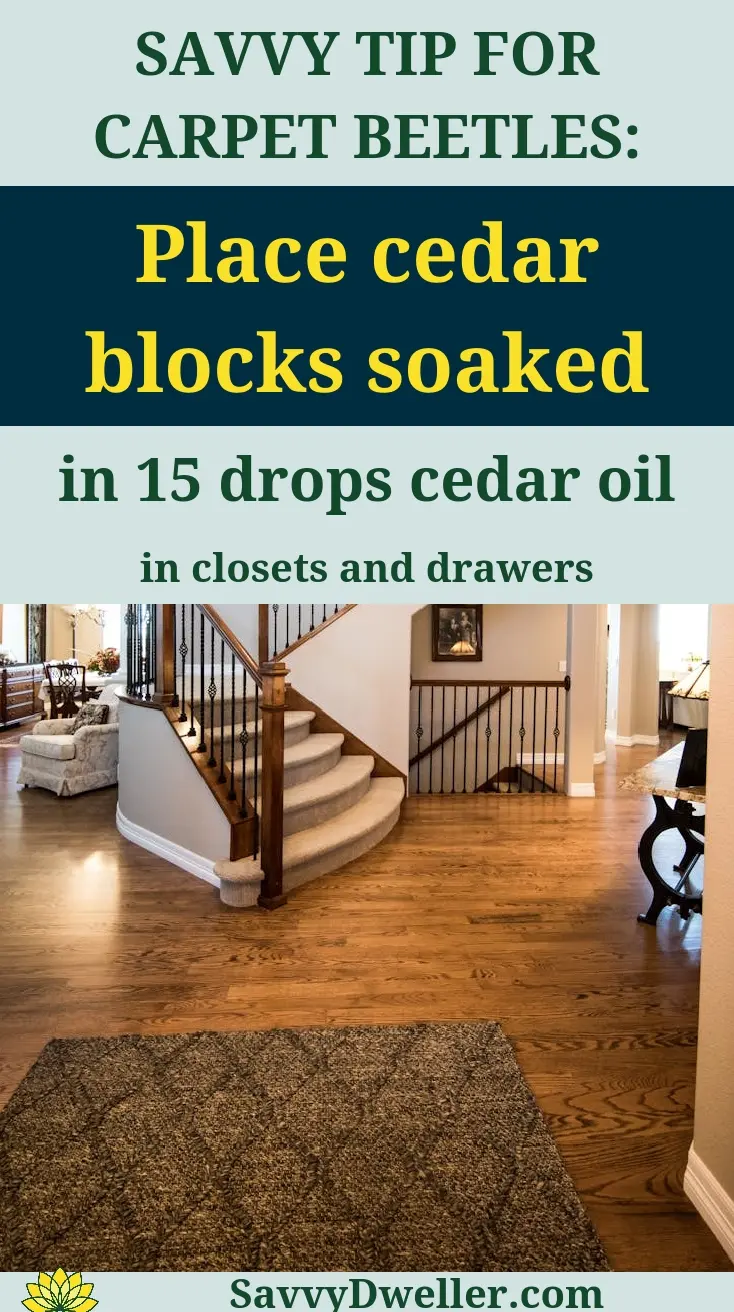
- Place cedar blocks inside closets, especially near wool coats, sweaters, or stored linens.
- Tuck cedar sachets into dresser drawers containing natural-fiber clothing.
- Slide small cedar pieces under and behind baseboards in infested rooms.
- Nestle sachets in storage bins with seasonal textiles or heirloom quilts.
Replace or refresh cedar every 3–6 months to maintain potency-dull scent means reduced protection.
Cedar Oil Maintenance Schedule
Cedar oil offers a flexible, fast-acting version of this natural repellent. Use it to boost your defense between solid cedar placements.
- Dilute 10–15 drops of pure cedar oil in 1 cup of water or witch hazel.
- Lightly mist along baseboards, under furniture, and inside closet corners (never directly on delicate fabrics).
- Apply every 2 weeks during active infestations; reduce to monthly during maintenance phases.
Refreshing Cedar Effectiveness
Over time, cedar’s scent fades as its oils evaporate. Restore its power with simple upkeep:
- Sand lightly with fine-grit sandpaper to expose fresh wood and release new oils.
- Place in direct sunlight for 1–2 hours to naturally recharge aromatic compounds.
- For sachets, add 2–3 drops of pure cedar oil directly to the shavings monthly.
Consistent refreshing turns cedar into a long-term barrier in your carpet beetle removal guide.
7. The Temperature Treatment Method
Heat Treatment for Affected Items
Carpet beetles and their larvae can’t survive extreme heat. This method is ideal for clothing, bedding, and small rugs that can tolerate high temperatures.
Safe Temperature Guidelines
Expose infested items to at least 120°F (49°C) for 30 minutes to kill all life stages. Use a reliable dryer or oven thermometer to verify actual heat levels-not just machine settings.
- Dryer: Use high-heat setting (typically 130–150°F) for 30–60 minutes.
- Oven: Only for non-fabric items like brushes or small decor-never use for synthetics or anything flammable.
Timing for Effective Results
One heat cycle is often enough, but for heavy infestations, repeat after 7–10 days to catch newly hatched larvae. Always inspect items before and after treatment.
Cold Treatment Options
Freezing works well for items that can’t handle heat-think delicate silks, furs, or antique textiles.
- Seal the item in a plastic bag, removing as much air as possible.
- Place in a freezer set to 0°F (–18°C) or lower.
- Leave for at least 72 hours-ideally 5–7 days for full eradication.
- Thaw slowly at room temperature inside the bag to prevent condensation damage.
This natural way to kill carpet beetles is chemical-free and safe for heirlooms.
Combining Temperature With Other Natural Methods
For best results, pair temperature treatment with other steps in your natural carpet beetle removal plan:
- Wash heat-safe fabrics in hot water first, then dry on high heat.
- After freezing, store items with cedar sachets or lavender bundles.
- Follow heat or cold treatment with a thorough vacuum to remove any dead pests or debris.
Layering methods ensures no life stage survives-making your efforts part of a true step-by-step guide to getting rid of carpet beetles naturally.
5 Habits to Keep Carpet Beetles From Coming Back
Regular Inspection Schedule
Prevention starts with awareness. Check high-risk zones every 2–4 weeks:
- Under and behind furniture
- Closet corners and drawer bottoms
- Carpet edges near baseboards
- Pet bedding and stored woolens
Early detection stops a minor issue from becoming a full infestation in your how-to-eliminate-carpet-beetles journey.
Proper Storage Techniques for Natural Fibers
Wool, silk, fur, and feathers are prime targets. Store them right:
- Clean items thoroughly before storage-larvae feed on organic residues like sweat or food stains.
- Use airtight plastic bins (not cardboard, which beetles can chew through).
- Add natural repellents: cedar blocks, lavender sachets, or a few drops of essential oil on cotton balls.
- Label and rotate stored items seasonally to avoid forgotten, neglected zones.
Natural Fiber Care and Maintenance
Regular care reduces beetle appeal:
- Brush wool rugs and coats monthly to disrupt potential egg-laying sites.
- Air out natural-fiber items in sunlight every few weeks-UV light deters pests.
- Spot-clean spills immediately; organic matter attracts beetles.
Consistent care is one of the simplest home remedies for carpet beetles.
Entry Point Sealing With Natural Materials
Block beetles before they enter. Use natural, non-toxic sealants:
- Caulk cracks with plant-based or beeswax-based sealants.
- Stuff gaps around windows and doors with rolled cotton or wool rope (treated with cedar or lavender oil).
- Install fine mesh screens on attic vents and soffits-carpet beetles often fly in from outdoors.
Seasonal Prevention Strategies
Carpet beetles are most active in spring and summer, but preparation starts earlier.
Spring Cleaning Protocol
- Deep-vacuum all carpets, rugs, and upholstery-focus on edges and under furniture.
- Wash winter woolens before storing them away.
- Refresh cedar blocks and essential oil sachets throughout the home.
- Inspect window screens and seal any new gaps from winter wear.
Fall Preparation Checklist
- Store summer linens and clothing after washing and drying on high heat.
- Place cedar or lavender sachets in all storage containers.
- Seal attic and basement entry points before colder weather drives pests indoors.
- Replace aging cedar blocks that no longer emit a strong aroma.
These seasonal rituals form the backbone of long-term carpet beetle control and ensure your natural ways to get rid of carpet beetles in the house stay effective year after year.
Frequently Asked Questions (FAQ)
How Can I Tell if I Have Carpet Beetles or Another Pest Like Clothes Moths?
The key difference is the damage pattern and the pests you see. Carpet beetle larvae leave irregular holes in fabrics, while clothes moths create more defined, clean-cut holes and silken tunnels. You’re more likely to see the shed skins of carpet beetle larvae than the larvae themselves, whereas moth larvae are more commonly visible. Adult carpet beetles are small, round, and often mistaken for ladybugs, while clothes moths are small, golden, and avoid light.
Are Natural Methods Effective for a Severe Carpet Beetle Infestation?
For a severe, widespread infestation, natural methods may need to be supplemented with professional help. However, a rigorous and consistent combination of the natural methods outlined in this guide—particularly the deep cleaning foundation, diatomaceous earth, and temperature treatments—can be highly effective. Implementing these techniques can give you the upper hand against termites. The key is persistence; natural solutions often work by disrupting the life cycle, so you must repeat treatments for several weeks to eliminate newly hatching larvae.
Can Carpet Beetles Cause Health Problems for My Family or Pets?
Carpet beetles do not bite or sting humans or pets. The primary concern is an allergic reaction to the larvae’s tiny hairs, which can cause skin irritation, rashes, or respiratory issues in sensitive individuals. This is often mistaken for bed bug bites. The best way to prevent this is by thoroughly removing larvae, shed skins, and hairs through intensive vacuuming and cleaning as described in the Deep Cleaning Foundation Method.
I Don’t See the Beetles, but I See Damage. What Should I Inspect First?
Focus your inspection on undisturbed, dark areas where natural fibers accumulate. Carefully check the undersides of rugs, inside closets (especially wool or silk clothing stored in boxes), under heavy furniture, and inside air vents or ducts. Look for the primary signs: damaged fabrics, shed larval skins that look like tiny, bristly shells, and fecal pellets that resemble grains of salt.
Is It Safe to Use Essential Oils Around My Pets?
You must exercise extreme caution. Many essential oils, including peppermint and cedar, which are often used for repelling fleas, can be toxic to cats and dogs if ingested or applied undiluted. When using oil sprays or sachets, place them in areas completely inaccessible to pets, such as high shelves or inside sealed storage containers. Always ensure the room is well-ventilated. Consider pet-safe alternatives like diatomaceous earth (food-grade, applied carefully) or cedar blocks placed out of reach for a safer deterrent.
Final Words
You now have a complete arsenal of natural methods to eliminate carpet beetles without resorting to harsh chemicals. These proven techniques work best when you combine multiple approaches and stay consistent with your efforts. Remember, natural pest control requires patience, but the results are worth it for your family’s health and your home’s safety.
Start with the deep cleaning foundation method today, then layer in the deterrent strategies that work best for your specific situation. Most homeowners see significant improvements within 2-3 weeks when following these natural protocols consistently.
Ready to tackle more home challenges the natural way? Check out Savvy Dwelling for more research-backed solutions that keep your home healthy and pest-free. Take action now with these natural methods, and stay connected with us for ongoing tips that actually work in real homes.