
Can Bed Bugs Live in Your Hair? (and Other Common Fears Debunked)
Waking up with mysterious bites and immediately suspecting bed bugs might be living in your hair? You’re not alone in this fear, and the good news is that this common worry is based on a complete myth. The panic that sets in when you think these pests might be nesting on your scalp can keep you awake at night, but understanding the science behind bed bug behavior will put your mind at ease.
This guide breaks down six major bed bug myths that cause unnecessary anxiety, replacing fear with facts you can actually use. We’ve researched the biology, behavior patterns, and real hiding preferences of these pests to give you clear, science-backed answers. By the end, you’ll know exactly where bed bugs actually live, what they’re really attracted to, and how to identify the true signs of an infestation.
Contents
- Quick Solutions Table
- The Science Made Simple: Why People Think Bed Bugs Live in Hair
- 1. Myth: Bed Bugs Can Live and Nest in Your Hair
- 2. Myth: Bed Bugs Lay Eggs in Human Hair
- 3. Myth: Finding Bugs in Your Hair Means Bed Bug Infestation
- 4. Myth: Certain Hair Types Attract Bed Bugs More
- 5. Myth: Washing Your Hair Will Get Rid Of Bed Bugs
- 6. Myth: Bed Bugs Can Survive Long-term on Your Body
- Common Mistakes to Avoid When Dealing With Suspected Bed Bugs
- Frequently Asked Questions
- Final Words
Quick Solutions Table
| Concern | Quick Answer | What to Do Instead |
|---|---|---|
| Can bed bugs live in your hair? | No – they lack the anatomy to grip and navigate hair strands | Check mattress seams, box springs, and furniture cracks |
| Do bed bugs lay eggs in hair? | No – hair movement and texture prevent egg attachment | Look for eggs in stationary hiding spots near beds |
| Found bugs in hair – are they bed bugs? | Likely lice or other insects – bed bugs don’t live on humans | Compare size and behavior; consult healthcare provider if needed |
| Do certain hair types attract bed bugs more? | No – bed bugs are attracted to body heat and CO2, not hair | Focus on reducing hiding spots in bedroom environment |
| Will washing hair eliminate bed bugs? | No – bed bugs live in environment, not on your body | Address the infestation source with proper pest control methods |
| Can bed bugs survive long-term on your body? | No – they feed quickly then return to hidden locations | Inspect sleeping areas and surrounding furniture thoroughly |
The Science Made Simple: Why People Think Bed Bugs Live in Hair
Understanding Bed Bug Biology and Behavior
Bed bugs are small, wingless insects about the size of an apple seed when fully grown. These parasitic creatures have evolved specifically to live in close proximity to human sleeping areas, not on human bodies. Their flattened, oval bodies help them squeeze into tight cracks and crevices during daylight hours.
Unlike lice or fleas, bed bugs don’t have specialized claws or body structures designed for gripping hair or fur. Their legs are built for crawling across surfaces and navigating through fabric fibers, not for clinging to moving strands of hair.
Why Hair Seems Like a Logical Hiding Spot (but Isn’t)
Many people assume that since bed bugs bite the head and neck area, they must be living in hair. This makes intuitive sense-after all, if you’re waking up with bites on your scalp or behind your ears, where else could they be coming from?
The confusion deepens when people find small, dark specks in their hair and immediately suspect bed bugs. These are usually lint, dandruff, or other debris rather than actual insects. The panic that follows often leads to obsessive hair washing and inspection.
Hair also seems like it would provide warmth and protection, two things bed bugs need. However, the constant movement of hair and the lack of stable attachment points make it an unsuitable environment for these pests.
The Real Truth About Bed Bugs and Human Hair
Bed bugs cannot live in your hair because they lack the physical adaptations necessary to survive in this environment. While they may crawl across your hair briefly during feeding, they cannot establish residence there. Their feeding process typically takes 3-10 minutes, after which they immediately retreat to their hiding places.
The structure of human hair creates an unstable, constantly moving environment that bed bugs cannot navigate effectively. Your hair moves when you sleep, breathe, or even when air circulates in the room, making it impossible for bed bugs to maintain their grip.

1. Myth: Bed Bugs Can Live and Nest in Your Hair
The Biological Reality: Why Hair Isn’t Suitable
Bed Bug Anatomy and Movement Limitations
Bed bugs have six legs with tiny claws designed for gripping fabric and wood surfaces-not for clinging to smooth, cylindrical hair strands. Their claws work like tiny hooks that catch on rough surfaces but slide right off the smooth surface of human hair.
Unlike head lice, which have specialized claws shaped specifically to grip hair shafts, bed bugs evolved to navigate flat surfaces and tight spaces. Their body structure simply isn’t compatible with hair-dwelling life.
Additionally, bed bugs are relatively heavy compared to hair-dwelling insects. An adult bed bug weighs approximately 2.5 milligrams, making it difficult for individual hair strands to support their weight, especially during movement.
Temperature and Environment Requirements
Bed bugs require stable temperatures between 70-80°F to thrive, and human scalp temperature fluctuates too much for their comfort. Your scalp can reach temperatures of 98-100°F, which is actually too warm for optimal bed bug survival.
These insects also need low-light, undisturbed environments for extended periods. Your hair is constantly exposed to light and movement throughout the day, creating stress conditions that bed bugs actively avoid.
Moisture levels in hair also vary dramatically based on washing, styling products, and environmental humidity-another factor that makes hair unsuitable for bed bug habitation.
Where Bed Bugs Actually Live and Hide
Preferred Hiding Spots in Your Home
Bed bugs prefer tight, dark spaces where they can remain undisturbed during daylight hours. Their favorite hiding spots include mattress seams, box spring corners, bed frame joints, and furniture cracks within 8 feet of your sleeping area.
Common hiding locations include:
- Mattress tags, seams, and button tufts
- Box spring fabric and wooden frame joints
- Headboard attachments and wall crevices
- Nightstand drawers and lamp bases
- Curtain folds and window frame cracks
- Electrical outlets near the bed
- Picture frames and wall-mounted decorations
How Close They Get to Your Sleeping Area
Bed bugs typically establish their harborages within 8 feet of where you sleep, though they can travel up to 20 feet to feed if necessary. They prefer locations that provide easy access to their food source (you) while offering protection during their vulnerable digestion period.
During heavy infestations, bed bugs may spread to adjacent rooms, but they always maintain proximity to human sleeping areas. They’re not random wanderers-they’re strategic in choosing locations that maximize their survival chances.
Also See: A Guide to Getting Rid Of the Musty Smell in a Basement
2. Myth: Bed Bugs Lay Eggs in Human Hair
Egg-laying Behavior: The Scientific Facts
Female bed bugs lay 1-7 eggs per day in protected locations where the developing nymphs will have the best chance of survival. Bed bug eggs require stable environmental conditions and a secure attachment surface-two things human hair cannot provide.
The egg-laying process involves the female secreting a sticky substance that permanently bonds the egg to the chosen surface. This cement-like adhesive works on porous materials like fabric and wood but cannot create lasting bonds with smooth hair strands.
Bed bug eggs are also approximately 1mm in size and pearl-white in color. If you’re finding anything in your hair that you suspect might be bed bug eggs, it’s more likely to be dandruff, styling product residue, or lint.
Why Hair Texture and Movement Prevent Nesting
The constant movement of hair during sleep and daily activities would dislodge any eggs before they could develop. Bed bug eggs need 6-17 days to hatch, requiring a completely stable environment throughout this period.
Human hair also lacks the rough texture that bed bug eggs need for proper adhesion. The smooth hair cuticle provides no grip points for the adhesive secretion that females use to attach their eggs.
Regular hair washing, brushing, and styling would immediately remove any eggs that might theoretically be deposited there, making hair an evolutionarily poor choice for reproduction.
Actual Egg-laying Locations Bed Bugs Prefer
Female bed bugs choose egg-laying sites based on three critical factors: protection from disturbance, proximity to food sources, and suitable surface texture for adhesion. They typically deposit eggs in mattress seams, furniture joints, and fabric folds where the eggs can remain undisturbed throughout development.
Preferred egg-laying locations include:
- Deep mattress seams and quilted areas
- Box spring staple lines and fabric corners
- Wooden bed frame joints and screw holes
- Behind headboards attached to walls
- Inside furniture drawers and under cushions
- Along carpet edges and baseboard cracks
- Inside electrical outlet covers near beds
These locations provide the rough surfaces and stable conditions that bed bug eggs need to develop successfully into viable nymphs.
3. Myth: Finding Bugs in Your Hair Means Bed Bug Infestation
Bed Bugs Vs. Lice: Key Identification Differences
Visual Comparison and Size Differences
If you see tiny insects on your scalp, head lice-not bed bugs-are the usual culprits. Lice are built to cling to hair; bed bugs are flat, oval insects made for hiding in cracks, not living on your head.
| Feature | Bed Bug | Head Louse |
|---|---|---|
| Adult size | 4–7 mm (apple seed) | 2–3 mm (sesame seed) |
| Color | Reddish-brown; nymphs pale/clear | Gray-tan; darker after feeding |
| Shape | Flat, oval, broad body | Long, narrow body; prominent claws |
| Where found | Mattress seams, bed frames, sofas, baseboards | On scalp/hair shafts, behind ears, nape of neck |
| Eggs | ~1 mm, pearly white, glued on hard surfaces | “Nits” cemented to hair shafts near scalp |
People ask, “can bed bugs live in hair” or “do bed bugs live in your hair?” They don’t have the hook-like claws to grip strands, so they don’t stay in hair or nest there.
Behavior and Bite Pattern Distinctions
Lice stay on your head 24/7 and feed multiple times, causing persistent scalp itching. Bed bugs feed at night and retreat to nearby hiding spots; they rarely wander through hair. When dealing with lice, it’s important to explore effective solutions for relief. Parents seeking natural remedies for head lice can find helpful tips and methods to eliminate these pests safely and effectively.
Lice cause itching on the scalp, behind ears, and at the nape. Bed bug bites show up on exposed skin-arms, shoulders, back, legs-and may appear in lines or clusters; scalp bites are uncommon.
Other Hair-dwelling Insects: What You Might Actually Find
Bugs in hair are usually something other than bed bugs. Here’s what shows up more often:
- Head lice (Pediculus humanus capitis): true hair dwellers; nits glued to hair.
- Pubic lice (Pthirus pubis): can infest coarse hair (beards, brows), not scalp hair typically.
- Fleas: can hop into hair briefly, especially if pets are infested; they prefer animals and skin, not hair shafts.
- Ticks: may crawl through hair after outdoor exposure; they attach to skin, not hair.
- Booklice/psocids: tiny and harmless; may be mistaken for lice but don’t live on people.
- Carpet beetle larvae: don’t live on you, but their tiny hairs can cause skin irritation that mimics “bites.”
So if you’re wondering, “do lice and bed bugs look the same?” They don’t-lice are smaller, narrower, and attached to hair; bed bugs are broader and avoid hair.
When to Suspect Bed Bugs Vs. Other Pests
Use this quick triage to separate “bed bugs in hair” fears from reality.
- If you feel crawling on your scalp and see nits glued to hair, suspect lice, not bed bugs.
- If you wake with itchy lines or clusters on exposed skin and find tiny black fecal dots or rusty blood smears on sheets, suspect bed bugs.
- If you recently spent time outdoors and find a firmly attached bug, check for ticks.
- If pets are scratching and you see small jumping insects on legs/ankles, check for fleas.
- Inspect your sleeping area:
- Lift mattress seams and check bed frame joints for live bugs, cast skins, or pepper-like droppings.
- Look along baseboards, headboards, and nearby furniture.
If your only symptom is scalp itch or “do bedbugs live in your hair” anxiety without bedroom evidence, it’s likely not bed bugs. Bed bugs don’t choose hair as a hiding place, even in heavy infestations. However, if you suspect you may have bed bugs in your living space, it’s crucial to take immediate action. The first thing to do when you suspect bed bugs is to carefully inspect your mattress, bedding, and any cracks or crevices in the bed frame for signs of these pests.
4. Myth: Certain Hair Types Attract Bed Bugs More
Debunking Hair Texture and Length Misconceptions
Straight, curly, long, or short-your hair type doesn’t attract or repel bed bugs. They seek a blood meal and a safe crack to hide, not a specific hairstyle.
So if you’ve wondered “can bed bugs get in your hair” or “do bed bugs live on your hair,” the answer is no regardless of texture. They avoid dense hair because it slows them down.
What Actually Attracts Bed Bugs to Humans
Body Heat and Carbon Dioxide Signals
Bed bugs home in on the heat signature of a resting human and the CO2 plume you exhale during sleep. These cues guide them to exposed skin, then they retreat off-body to hide. To keep your sleep undisturbed, it’s essential to address not just bed bugs but also other pests like mosquitoes that can be a nuisance at night. Implementing effective strategies to get rid of mosquitoes in your house at night can create a more comfortable resting environment.
That’s why people ask “can bed bugs get in your head” while sleeping. They aim for accessible skin, not your scalp.
Chemical Attractants That Draw Them In
Human skin releases lactic acid and other volatiles that help bed bugs orient. Worn clothing can signal a resting host, so a laundry pile near the bed can become a hiding site. To combat this, DIY bed bug traps made from household items can be effective. These traps can help minimize infestations and provide a simple solution using materials easily found at home.
Clutter and tight crevices-bed frames, baseboards, box springs-matter far more than hair length or texture. Aggregation pheromones also keep them clustered where they feel safe.
5. Myth: Washing Your Hair Will Get Rid Of Bed Bugs
Why Hair Treatment Won’t Solve a Bed Bug Problem
Shampoo, oil treatments, and scalp scrubs won’t eliminate an infestation. Bed bugs don’t live on your scalp, so hair-focused fixes miss the real source: nearby hiding places.
Searches like “can bed bugs survive in hair,” “do bed bugs live in ur hair,” or “do bedbugs bite on the head” reflect worry, not how these insects behave. They feed briefly and hide in furniture seams-not in hair.
What Actually Eliminates Bed Bug Infestations
Target where bed bugs hide, not your hair. Here’s a home-focused plan you can start today.
- Materials:
- Heavy-duty trash bags, dissolvable laundry bags, and clear bins
- High-heat dryer and access to hot water
- Powerful vacuum with crevice tool and HEPA filtration
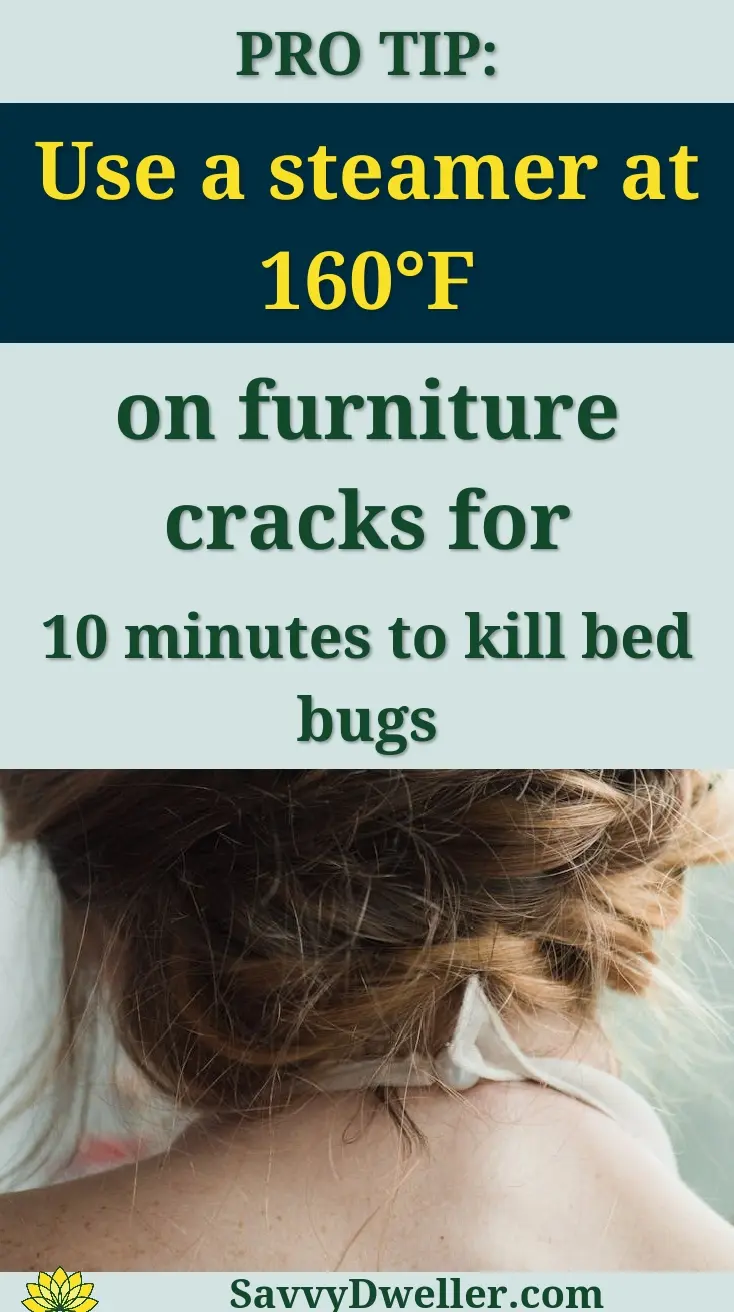
- Steam cleaner reaching at least 160–180°F (70–82°C) at the tip
- Bed bug–proof mattress and box spring encasements
- Bed leg interceptors/monitors
- Silica gel or diatomaceous earth dust (labeled for bed bugs)
- Flashlight, index cards, and double-sided tape (for inspections)
- Confirm signs: look for live bugs, pepper-like fecal spots, shed skins, and tiny eggs in mattress seams and bed frames.
- Isolate the bed: pull it 6 inches from walls, tuck in bedding, and place interceptors under each leg.
- Launder and heat: dry clothing, bedding, and plush items on high heat for 30 minutes (dry items) or wash hot then dry high. Bag items immediately after heating.
- Vacuum slowly: seams, tufts, bed frame joints, baseboards, and furniture cracks. Dispose of the vacuum contents in a sealed bag outside.
- Steam carefully: apply steam to seams and cracks where vacuuming can’t reach. Move at 1 inch per second to ensure lethal heat.
- Encasements: zip on certified encasements to trap any hidden bugs and make future checks simple.
- Apply dusts: lightly puff silica gel/DE into wall voids, bed frame joints, and baseboard gaps; avoid broadcast applications on open surfaces.
- Reduce clutter: store belongings in sealed bins so bugs lose hiding options.
- Monitor weekly: check interceptors and sleeping areas; re-treat hot spots as needed.
- Consider professionals: Integrated Pest Management using targeted pesticides, steam, heat, or combinations provides reliable results for larger infestations.
Heat is your best friend: sustained temperatures above 118°F (48°C) are lethal to all life stages. Dryers, steam, and professional heat treatments use this to your advantage.
When Hair Washing Might Help (Rare Scenarios)
Could bed bugs live in your hair briefly? In a heavy infestation, a stray bug might end up there for a moment. A normal shower can dislodge hitchhikers, but it won’t affect the infestation in your room.
- Rinse hair under running water and shampoo as usual; no special products needed.
- Comb through with a wide-tooth comb to remove any loose debris.
- Treat items that touch your head: dry pillowcases, hats, hoodies, and scarves on high heat for 30 minutes.
- For hair tools you’re worried about:
- If heat-safe, place brushes/combs in a mesh bag and run in a hot dryer for 30 minutes.
- Or seal in a bag and freeze at 0°F (-18°C) for at least 4 days after items reach that temperature.
People ask “can bed bugs live on your hair,” “can bed bugs hide in hair,” or “can you get bed bugs from your hair.” They don’t set up shop there-focus your efforts on the bed, furniture, and nearby cracks where they actually live.
6. Myth: Bed Bugs Can Survive Long-term on Your Body
Understanding Bed Bug Feeding and Hiding Cycles
Bed bugs are short-visit feeders, not body dwellers. They follow a simple cycle: emerge from hiding at night, feed for a few minutes, then retreat to cracks and seams to digest and stay safe. Nymphs need a blood meal to molt through five stages; adults feed every few days when hosts are available.
They use body heat and carbon dioxide to find you, then slip away before you wake up. That quick on-off behavior is why “can bed bugs live in hair” and “do bed bugs live in your hair” are myths.
Why They Return to Hidden Locations After Feeding
Engorged bugs are slower and easier to crush, so they avoid staying on skin or hair. Tight crevices offer darkness, steady humidity, and the group’s aggregation scents, which help them feel secure.
Hair is exposed, constantly moving, and offers no tight harborage-so they head back to mattresses, baseboards, furniture seams, and headboards. That’s where you’ll find their cast skins and pepper-like fecal spotting, not in your scalp.
How Long Bed Bugs Can Actually Stay on Humans
A feeding typically lasts 3–10 minutes, then the bug leaves. They don’t cling to hair shafts like lice and can’t grip the scalp, so “can bedbugs live in your hair,” “can bed bugs survive in hair,” or “do bed bugs live in your hairs” all resolve to no.
Could one crawl across your head briefly? Yes, especially if you’re lying down. But they won’t stay: they don’t nest in hair, don’t live on your body, and won’t lay eggs on your head. If you’re wondering “do bedbugs bite on the head,” bites can occur on exposed skin, yet that doesn’t mean bed bugs in hair.
Common Mistakes to Avoid When Dealing With Suspected Bed Bugs
Don’t Focus Only on Hair and Personal Hygiene
Washing or cutting hair doesn’t fix an infestation. The real work happens in your sleeping area and furniture-where bed bugs actually hide and breed. It’s also important to clean your bedding and pillows regularly to prevent other pests like dust mites.
Questions like “can bed bugs get in your hair,” “can bed bugs live on your hair,” or “do bed bugs live in your hair or head” come up because you feel crawling sensations. The source is almost always the room, not your scalp.
Avoid Using Harmful Chemicals on Your Scalp
Skip rubbing alcohol, pesticides, kerosene, and harsh essential oil mixes on your scalp. These can irritate skin and don’t address the real harborages.
For peace of mind, use simple, safe steps while you inspect your space:
- Shower with your regular shampoo if you feel itchy or anxious.
- Launder pillowcases, sheets, and pajamas on hot (at least 130°F/54°C) and dry on high heat for 30–60 minutes.
- Place clean items in sealed bags or bins to avoid re-exposure.
- Focus efforts on the bed, couch, and nearby furniture-where bed bugs actually live.
Don’t Ignore the Real Signs Of Bed Bug Infestation
Bed bugs don’t live on your head; they hide inches from where you sleep or sit. Look for small dark fecal dots, shed skins, sticky white eggs, and live bugs in seams and cracks — these are key signs of a bed bug invasion. Knowing these signs can help you detect a bed bug invasion early, preventing a larger problem. Understanding how to use traps and natural killers can also be effective in managing any infestations.
Bite reactions vary from nothing to small itchy welts, so skin alone isn’t proof. You need physical signs in the room.
Mattress and Furniture Inspection Points
- Materials: bright flashlight, thin card (old gift card), screwdrivers, gloves, magnifier, lint roller, white sheets or paper.
- Strip the bed; bag linens for hot washing and drying.
- Inspect mattress piping, labels, handles, and tufts. Drag the card under seams to tease out debris.
- Check box spring stapled edges, bottom dust cover, and corner joints.
- Examine headboard (front/back), bed frame joints, slats, and screw holes.
- Move to nightstands: look under drawers, inside joints, and behind backing.
- Scan couches and chairs: lift cushions, check zipper folds, welt cords, and underfabric.
- Look along baseboards, behind wall hangings near the bed, and around electrical plates (visual only; don’t open live wiring).
- Place a white sheet under the bed while you tap joints to catch falling evidence.
Blood Stains and Bite Pattern Recognition
Blood smears on sheets appear as tiny rust-red spots from crushed bugs or post-feed drips. Fecal spots look like dark ink dots that bleed into fabric.
The “three in a row” line (breakfast–lunch–dinner) can happen, but it’s not reliable. Lack of a classic pattern doesn’t rule bed bugs in or out-evidence in seams does.
When to Contact Professional Pest Control
Call a pro if you find live bugs, eggs, or multiple signs on furniture; if bites persist with room-based signs; or if you live in a multi-unit building where spread is possible. Pros use integrated approaches-inspection, targeted heat or steam, careful insecticide use, encasements, and follow-ups.
- Before the visit: reduce clutter, bag and heat-treat washable textiles, and isolate the bed (pull it from walls; put legs in interceptors).
- Ask what methods they’ll use: whole-room heat, steam on seams, dusts in voids, or residual sprays in cracks.
- Plan for 1–3 follow-up inspections about 10–14 days apart to catch newly hatched nymphs.
- After treatment: keep mattress and box spring encased for at least a year to trap stragglers and simplify monitoring.
If you wondered, “can you get bed bugs from your hair,” the risk is from rooms and belongings, not your scalp. Focus your effort on beds, couches, and surrounding cracks-where bed bugs actually live-and you’ll make real progress.

Frequently Asked Questions
Can Bed Bugs Jump or Fly?
No, bed bugs cannot jump or fly. They are wingless insects and rely solely on crawling to move around. Their movement is limited to walking or climbing, which is why they are often found in close proximity to their hosts, such as in mattresses or furniture, rather than on people themselves. This lack of mobility makes it highly unlikely for them to actively seek out or remain in hair.
Do Bed Bugs Spread Diseases to Humans?
Fortunately, bed bugs are not known to transmit diseases to humans through their bites. Their primary impact is causing itchy, red welts and potential allergic reactions in some individuals. While scratching bites can lead to secondary skin infections, the bugs themselves do not carry pathogens like mosquitoes or ticks. The main concerns with infestations are discomfort, sleep disruption, and psychological stress.
How Long Can Bed Bugs Survive Without a Blood Meal?
Bed bugs can survive for several months without feeding, depending on temperature and life stage. Adults can live for about 4-6 months without a blood meal under ideal conditions, while nymphs may survive for shorter periods. This resilience is why infestations can persist in vacant homes, but it also means they prefer to stay near hosts rather than on them, returning to hiding spots after feeding.
What is the Most Effective Way to Prevent Bed Bug Infestations?
Prevention focuses on vigilance during travel and secondhand purchases. Always inspect hotel rooms and luggage, and avoid bringing used furniture or mattresses into your home without thorough examination. Regularly vacuuming and reducing clutter can also minimize hiding spots. If you suspect exposure, wash and dry clothing on high heat immediately, as heat is a reliable killer of bed bugs and their eggs. It’s important to check hotel room beds for signs of bed bugs before settling in. This can be done quickly in under five minutes by examining the mattress seams and edges for any evidence of these pests.
Are DIY Bed Bug Treatments Effective, or Should I Always Call a Professional?
While DIY methods like steam cleaning or mattress encasements can help, severe infestations typically require professional pest control due to bed bugs’ hiding habits and resistance to over-the-counter pesticides. Professionals use integrated approaches, including heat treatments and targeted insecticides, that are safer and more effective. Attempting self-treatment often spreads the infestation or poses health risks from improper chemical use. To effectively get rid of bed bugs in your mattress, thorough inspections and the right treatments are essential to ensure they don’t return.
Final Words
Understanding the truth about bed bugs and hair can save you from unnecessary panic and misdirected efforts. These persistent pests prefer your mattress seams, furniture cracks, and wall crevices-not your hair. When you focus your attention on the right locations and use proper identification methods, you’ll be much better equipped to handle any potential infestation effectively.
Remember that knowledge is your best defense against both bed bugs and the anxiety they can cause. If you’re dealing with insects in your hair, you’re likely facing lice or other hair-dwelling pests that require completely different treatment approaches. For comprehensive home pest solutions and wellness tips that actually work, check out Savvy Dwelling where we break down complex problems into simple, actionable solutions.
Stay informed, stay calm, and tackle home challenges with confidence by keeping up with our latest research-backed guides. Your peace of mind-and your home’s comfort-depend on having the right information when you need it most.