
The Best Essential Oils for Repelling Fleas on Dogs (and How to Use Them Safely)
Watching your beloved dog scratch incessantly while tiny fleas feast on their skin can leave you feeling frustrated and desperate for a solution. You’ve likely tried countless flea treatments, only to find that harsh chemicals irritate your pet’s sensitive skin or simply don’t work as promised. The constant cycle of scratching, discomfort, and reinfestations can be heartbreaking for any devoted pet owner.
This comprehensive guide reveals the most effective essential oils that may support natural flea deterrence while prioritizing your dog’s safety above all else. We’ve researched the science behind each oil, tested safe dilution methods, and identified which options work best for different dog breeds and sensitivities. You’ll learn practical application techniques that actually work, along with crucial safety guidelines to protect your furry companion from potential harm.
Contents
- At a Glance: The Best Solutions
- The Science Made Simple: Why Fleas Are Attracted to Dogs
- 1. Cedarwood Essential Oil
- 2. Lavender Essential Oil
- 3. Lemongrass Essential Oil
- 4. Rosemary Essential Oil
- 5. Peppermint Essential Oil
- Essential Oils to Avoid: Dangerous Options for Dogs
- Common Mistakes to Avoid When Using Essential Oils on Dogs
- Frequently Asked Questions
- Final Words
At a Glance: The Best Solutions
Quick Reference Table: Essential Oils That Support Flea Repelling
| Essential Oil | Key Properties | Best Use Method | Dilution Ratio (for topical use) |
|---|---|---|---|
| Cedarwood | Woody, grounding scent; disrupts flea sensory cues | Light spritz on coat or bedding | 1 drop per 1 tbsp carrier oil |
| Lavender | Calming aroma; contains linalool (flea deterrent) | Collar application or bedding spray | 1–2 drops per 1 tbsp carrier oil |
| Lemongrass | Citrus-like, high in citral and geraniol | Diluted environmental spray | 1 drop per 2 tbsp carrier oil |
| Rosemary | Pungent herbal scent; may interfere with flea movement | Rinse after bath or coat mist | 1 drop per 1 tbsp carrier oil |
| Peppermint | Strong menthol scent; highly effective but potent | Ultra-diluted environmental use only | 1 drop per 4 tbsp carrier oil |
These essential oils to repel fleas from dogs work best when used as part of a consistent, gentle routine-not as a standalone fix. Always dilute essential oils that repel fleas on dogs before use, especially near sensitive areas like the face, ears, or paws.
Safety Rating Guide
Not all flea repellent essential oils for dogs are created equal. Safety depends on concentration, method of use, and your dog’s age, breed, and health. Here’s how to interpret risk:
- Low Risk (Generally Safe with Proper Dilution): Lavender, cedarwood, rosemary
- Moderate Risk (Use Sparingly & Environmentally): Lemongrass, peppermint
- High Risk (Avoid Entirely): Tea tree, eucalyptus, clove, oregano, wintergreen
Puppies under 10 weeks, pregnant dogs, or dogs with liver conditions should never be exposed to undiluted or even mildly concentrated essential oil flea remedies for dogs. When in doubt, consult your veterinarian before trying any essential oil for fleas on dogs-even if it’s on the “safe” list.
For topical use, always follow these steps to test tolerance:
- Mix your chosen essential oil with a dog-safe carrier oil (like fractionated coconut or sweet almond oil).
- Apply a dime-sized amount to a small patch of skin-like the inner thigh or base of the tail.
- Wait 24 hours. If there’s redness, itching, or excessive licking, discontinue use immediately.
Remember: the goal is to support your dog’s comfort while discouraging fleas-not to overwhelm their senses. Less is often more when using essential oils that help with fleas in dogs.
The Science Made Simple: Why Fleas Are Attracted to Dogs
Understanding the Flea Life Cycle
Fleas thrive in warm, humid environments and are drawn to your dog’s body heat, carbon dioxide, and movement. Their life cycle has four stages: egg, larva, pupa, and adult. Adult fleas latch onto your dog to feed, but eggs fall off into carpets, bedding, and soil-hatching in as little as two days. Breaking this cycle is key to managing infestations and reducing repeated exposure.
How Essential Oils May Help Support Natural Flea Deterrence
Many essential oils contain volatile compounds that fleas find overwhelming or aversive. When used properly, essential oils that repel fleas on dogs can create a sensory barrier that discourages fleas from landing or feeding. Unlike synthetic pesticides, these botanicals often work through scent masking and mild neuro-repellent effects without leaving harsh residues. However, their potency requires careful handling-what helps repel fleas must also be safe for your dog’s sensitive system.
1. Cedarwood Essential Oil
How Cedarwood May Support Flea Repelling
Cedarwood essential oil emits a warm, woody aroma that disrupts flea sensory receptors. As one of the best essential oils for repelling fleas on dogs, it’s valued not just for its repellent properties but also for its calming effect on canine skin. Studies suggest its sesquiterpenes may interfere with flea navigation and egg-laying behavior, making it a thoughtful addition to a natural flea defense routine.
Safe Application Methods for Dogs
Dilution Recipe for Cedarwood Spray
- Mix 5 drops of 100% pure cedarwood essential oil with 1 ounce (30 ml) of distilled water.
- Add 1 teaspoon of witch hazel or apple cider vinegar to help disperse the oil evenly.
- Pour into a dark glass spray bottle, shake well before each use, and lightly mist your dog’s coat (avoiding eyes, nose, and mouth).
Spot Application Technique
- Dilute 1 drop of cedarwood oil in 1 tablespoon of carrier oil (like fractionated coconut or jojoba oil).
- Apply a small amount between your dog’s shoulder blades or at the base of the tail-areas they can’t easily lick.
- Reapply no more than once every 3–4 days, monitoring for any signs of irritation.
Safety Considerations and Precautions
Cedarwood is generally well-tolerated, but always use therapeutic-grade oil. Never apply undiluted. Avoid use on puppies under 10 weeks, pregnant dogs, or those with liver conditions. If your dog shows excessive scratching, redness, or lethargy after application, discontinue use and consult your veterinarian.
Also See: How to Get the Burnt Popcorn Smell Out Of Your Microwave
2. Lavender Essential Oil
Why Lavender May Aid in Flea Deterrence
Lavender essential oil contains linalool and linalyl acetate—compounds that studies show can repel adult fleas and inhibit larval development. Among the most trusted essential oils for fleas in dogs, lavender offers a dual benefit: gentle flea deterrence and soothing support for irritated skin. Its familiar floral scent is calming to many dogs, making it a practical choice for stress-prone pets during flea season. Additionally, lavender is known to help reduce anxiety and promote relaxation, making it one of the best essential oils for anxiety and stress relief.
Dog-safe Application Methods
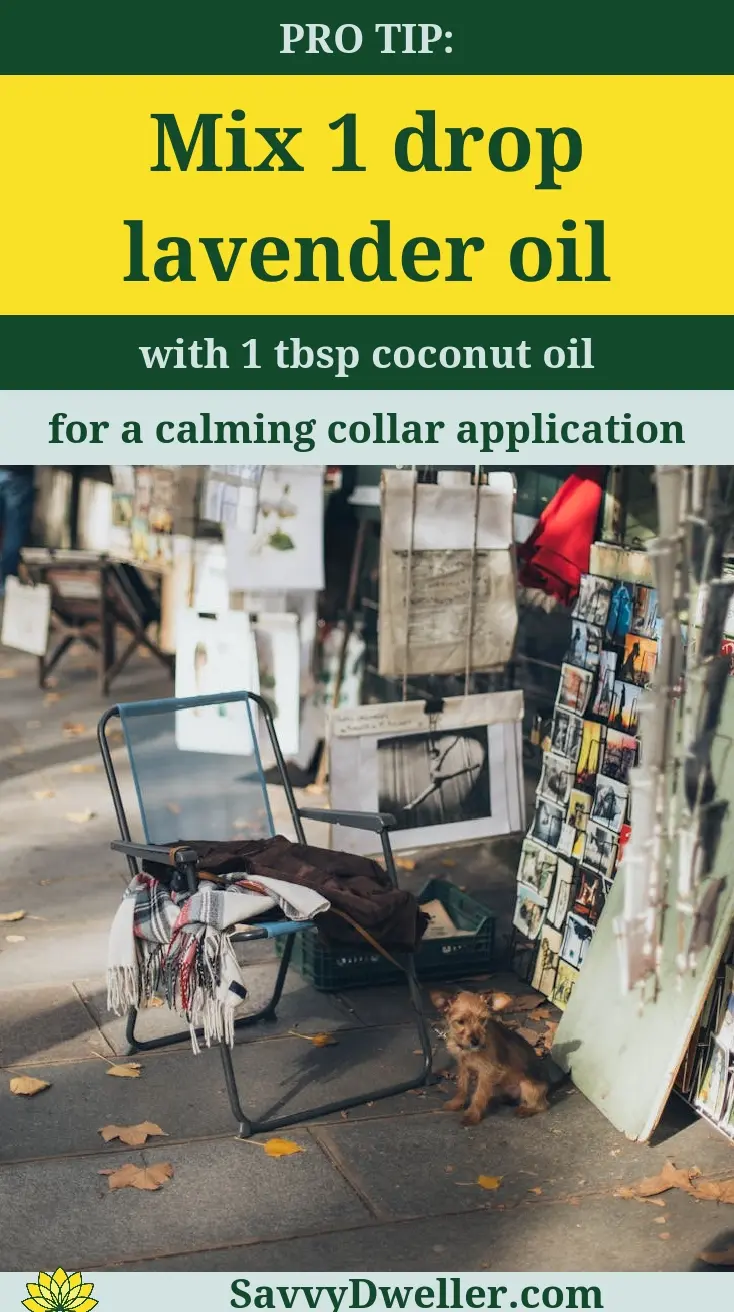
Lavender Collar Treatment
- Dilute 2 drops of lavender essential oil in 1 teaspoon of almond or jojoba oil.
- Apply 2–3 drops of this blend to your dog’s collar (preferably fabric or removable).
- Reapply weekly, or after the collar gets wet.
Bedding and Environment Spray
- 10 drops lavender essential oil
- 2 ounces (60 ml) distilled water
- 1 tablespoon witch hazel
- Combine all ingredients in a spray bottle.
- Shake well and spritz lightly on dog beds, crates, and resting areas (never directly on your dog with this mix).
- Allow to dry completely before your dog returns to the area.
Important Safety Guidelines
Lavender is one of the safer essential oil flea remedies for dogs, but moderation is crucial. Never use more than the recommended dilution—overuse can lead to skin sensitivity or gastrointestinal upset if licked. Avoid in dogs with a history of seizures, as some aromatic compounds may lower seizure thresholds. Always choose pure, pesticide-free lavender oil labeled for aromatherapy or topical use. Interestingly, essential oils like lavender are also recognized for their potential benefits in alleviating headaches and migraines, making them a versatile addition to your home. Incorporating lavender oil into your routine could provide soothing effects for both your pets and yourself when dealing with headaches.
3. Lemongrass Essential Oil
Lemongrass Properties That Support Flea Repelling
Lemongrass essential oil contains citral and geraniol-natural compounds that create a strong citrusy scent fleas find overwhelming. These components disrupt flea sensory receptors, making your dog a less inviting host. Among the best essential oils for repelling fleas on dogs, lemongrass stands out for its fresh, clean aroma and effective deterrent action without harsh chemicals.
Safe Usage Instructions
Proper Dilution Ratios
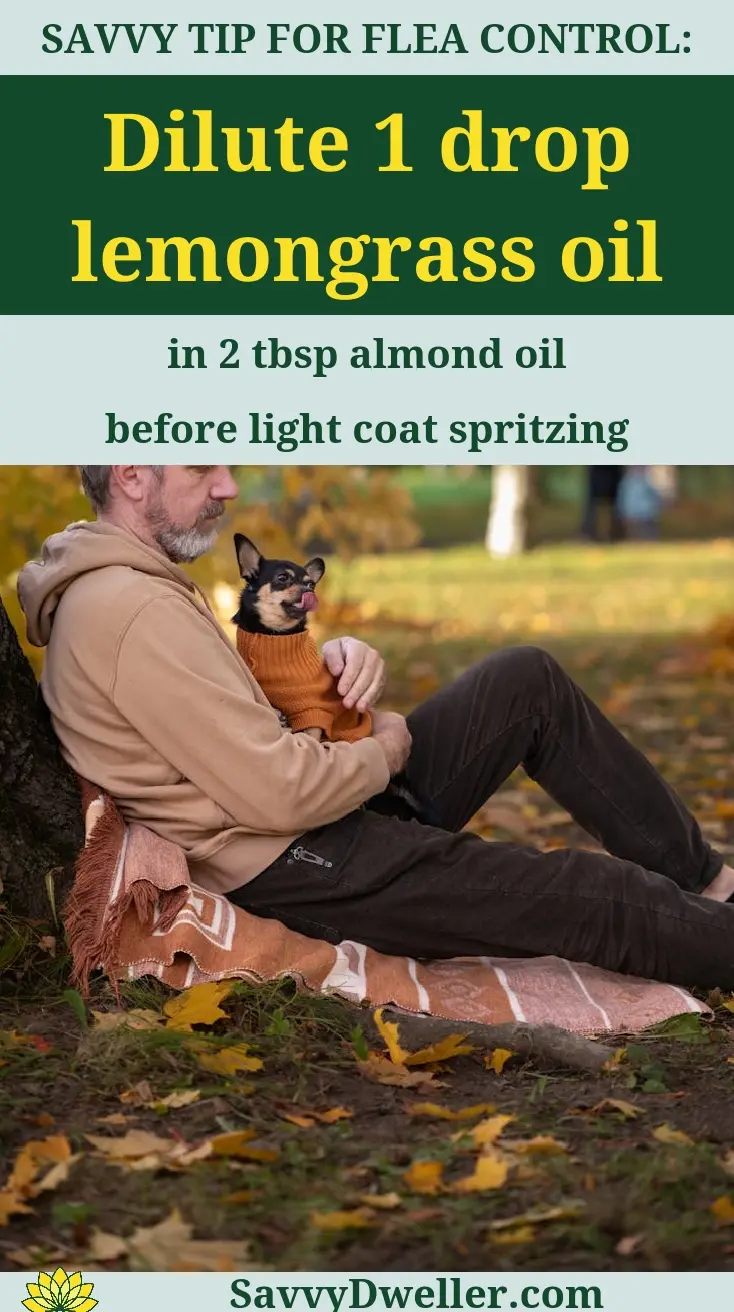
Never apply lemongrass oil directly to your dog’s skin. For safe topical use, always dilute it in a gentle carrier oil like fractionated coconut or sweet almond oil.
- For small dogs (under 20 lbs): 1 drop lemongrass oil + 2 tablespoons carrier oil
- For medium to large dogs (20+ lbs): 2–3 drops lemongrass oil + 2 tablespoons carrier oil
Application Frequency Guidelines
Apply diluted lemongrass oil no more than 1–2 times per week. Overuse can lead to skin dryness or irritation, even in healthy dogs. Monitor your pet closely during the first few applications to ensure no adverse reactions occur.
Precautions for Sensitive Dogs
Puppies under 12 weeks, pregnant dogs, or those with a history of skin allergies should avoid lemongrass oil altogether. Always perform a patch test: apply a small amount of diluted oil to a patch of skin on the inner thigh and wait 24 hours. If redness, itching, or swelling appears, discontinue use immediately.

4. Rosemary Essential Oil
How Rosemary May Help Deter Fleas
Rosemary essential oil contains camphor and cineole, which emit a sharp, herbal scent that repels fleas while also supporting healthy skin and coat. This makes it one of the most versatile essential oils that repel fleas on dogs, especially for dogs who tolerate herbal aromas well. Its natural antiseptic properties may also help soothe minor flea bite irritation. However, it’s important to remember that while essential oils can be effective, they may not provide a flea-free guarantee for 48 hours like some specialized treatments.
Recommended Application Techniques
Rosemary Rinse Method
A rosemary-infused rinse is a gentle, effective way to use this oil without direct skin application.
- Boil 1 cup of fresh or dried rosemary in 4 cups of water for 10 minutes.
- Let the mixture cool completely, then strain out plant material.
- After bathing your dog with a mild, natural shampoo, pour the cool rosemary infusion over your dog’s coat (avoiding eyes and ears).
- Do not rinse off-let it air dry for full effect.
Combining with Carrier Oils
For spot treatments or light spritzing, dilute rosemary essential oil properly:
- 1–2 drops rosemary oil per 1 ounce (2 tablespoons) of jojoba or fractionated coconut oil
- Apply sparingly to the base of the tail, behind ears, or along the back-areas fleas commonly target
Safety Notes and Contraindications
Rosemary oil is generally safe for adult dogs but should be avoided in dogs with epilepsy or seizure disorders, as it may act as a neurological stimulant. Never use it on pregnant dogs or puppies under 6 months. Always choose 100% pure, therapeutic-grade oil to avoid synthetic additives that could irritate your dog’s skin.
5. Peppermint Essential Oil
Peppermint’s Natural Flea-repelling Properties
Peppermint oil’s high menthol content creates a cooling, pungent aroma that fleas actively avoid. While potent, it’s also one of the more controversial essential oils for fleas in dogs due to its strength-making proper dilution absolutely critical. When used correctly, it can be a powerful addition to your essential oil flea remedy for dogs toolkit, especially for environmental control.
Safe Application Methods
Ultra-Dilute Spray Formula
Never apply peppermint oil directly to your dog’s fur or skin. Instead, use an ultra-dilute spray for light misting around bedding or collar areas (never on the face):
- Mix 1 drop of peppermint essential oil with 2 ounces of distilled water.
- Add 1 teaspoon of witch hazel or vodka to help disperse the oil evenly.
- Shake well before each use.
- Spray lightly on your dog’s bedding or around baseboards-not directly on your pet.
Environmental Use Guidelines
Peppermint oil excels as an environmental deterrent. Place a few drops on cotton balls and tuck them near dog beds, crates, or entryways to discourage flea entry. Replace every 3–4 days as the scent fades. This method supports flea prevention without exposing your dog to direct oil contact, aligning with safer use of oils for dogs to repel fleas. Interestingly, peppermint oil is also known for its potential to repel spiders, making it a versatile choice for keeping various pests at bay.
Special Precautions for Peppermint
Peppermint oil is not recommended for puppies, senior dogs, or breeds sensitive to strong scents (like brachycephalic dogs-Pugs, Bulldogs, etc.). Inhalation in enclosed spaces can cause respiratory distress. Never apply near the face, and discontinue use if your dog shows signs of agitation, drooling, or pawing at their mouth. While peppermint is among the best essential oils for repelling fleas on dogs in theory, it demands extra caution in practice.
Essential Oils to Avoid: Dangerous Options for Dogs
Tea Tree Oil Toxicity Risks
Tea tree oil (melaleuca oil) is highly toxic to dogs-even in small amounts. Never apply undiluted tea tree oil to your dog’s skin or include it in any homemade essential oil flea remedy for dogs. Ingestion or skin absorption can lead to symptoms like lethargy, vomiting, muscle weakness, and even life-threatening neurological issues. Despite its natural origin, it’s one of the most dangerous essential oils for flea control around pets.
Citrus Oil Sensitivities
Citrus-based oils-like lemon, orange, grapefruit, and bergamot-contain compounds (such as limonene and linalool) that many dogs can’t safely metabolize. These oils may cause skin irritation, photosensitivity, or liver damage in dogs, especially small breeds or those with sensitive systems. Even when diluted, they’re best avoided in flea repellent essential oils for dogs unless explicitly approved by a veterinarian familiar with integrative care.
Other Potentially Harmful Essential Oils
Several other essential oils pose serious risks and should never be used as part of an essential oil flea treatment for dogs: Consider exploring safer, more beneficial options that contribute to a fresh and clean home. Blending essential oils not only promotes a pleasant atmosphere but can also help eliminate odors and provide a sense of serenity.
- Clove oil – High in eugenol, which can cause liver toxicity.
- Wintergreen oil – Contains methyl salicylate, similar to aspirin, which is toxic to dogs.
- Pennyroyal oil – Extremely toxic; linked to seizures and organ failure.
- Thyme and oregano oils – Too potent and irritating for canine skin, even when diluted.
- Camphor oil – A known neurotoxin for pets.
Stick to vet-reviewed, dog-safe essential oils that repel fleas on dogs, like cedarwood, lavender, or rosemary, and always confirm safety before use.
Common Mistakes to Avoid When Using Essential Oils on Dogs
Over-concentration Errors
Using too much essential oil-even a “safe” one-can overwhelm your dog’s system. Many DIY recipes online call for unsafe concentrations. For flea repellent essential oil for dogs, the general safe range is 0.1% to 1% dilution (1–6 drops per ounce of carrier liquid, depending on dog size and oil type). More is not better; it’s riskier, especially when compared to …
Skipping Patch Tests
Always test a diluted blend on a small area of your dog’s skin before full application. Here’s how to do it safely:
- Mix your chosen essential oil with a carrier oil (like fractionated coconut or sweet almond oil) at the lowest recommended dilution.
- Apply a dime-sized amount to the inside of your dog’s back leg or belly.
- Wait 24–48 hours. Watch for redness, itching, swelling, or excessive licking.
- If no reaction occurs, it’s likely safe to proceed with caution for spot or spray use.
This simple step prevents full-body reactions and ensures your essential oil flea repellent for dog is truly tolerable.
Ignoring Your Dog’s Individual Reactions
Dogs vary widely in sensitivity. A blend that works for one pup might cause distress in another-especially seniors, puppies, or dogs with respiratory conditions. Watch for signs like sneezing, pawing at the face, drooling, restlessness, or avoidance behavior. If your dog seems uncomfortable, wash off the oil immediately with mild soap and water and discontinue use.
Using Oils Without Proper Dilution
Never apply undiluted essential oils directly to your dog’s fur or skin. Essential oils that repel fleas on dogs must always be diluted in a safe carrier medium-such as water for sprays or a plant-based oil for spot treatments. Undiluted use can cause chemical burns, respiratory distress, or systemic toxicity. Even mild oils like lavender can irritate if used neat. To keep your dog smelling fresh, it’s crucial to also consider other factors that contribute to odors, such as bathing and grooming routines that help get rid of wet dog smell.
Applying Oils to Broken or Irritated Skin
Never use any essential oil blend-no matter how gentle-on areas with cuts, rashes, hot spots, or inflamed skin. Damaged skin absorbs substances more readily, increasing the risk of toxicity or severe irritation. If your dog has flea allergy dermatitis or open sores, address the skin issue with veterinary guidance first. Skip the essential oil flea remedy for dogs until the skin fully heals.
Frequently Asked Questions
Can I Combine Different Essential Oils to Enhance Flea Repellent?
Yes, you can blend certain essential oils, but do so cautiously. Always dilute each oil individually before mixing to avoid skin irritation, and limit combinations to two or three oils-such as cedarwood and lemongrass-to prevent overwhelming your dog. Perform a patch test with any new blend on a small area of your dog’s skin to check for sensitivity before full application.
How Long Does It Typically Take to See Results When Using Essential Oils for Flea Control?
You may notice a reduction in flea activity within a few days to a week, but consistent application is crucial for sustained effects. Reapply as directed, typically every few days or after bathing, since oils evaporate and lose potency. If fleas persist after two weeks, reevaluate your approach and consult a veterinarian, as oils may need supplementation with other methods, such as treating your carpets for fleas.
Are Essential Oils Safe for All Dog Breeds and Ages, Such As Puppies or Senior Dogs?
No, extra care is needed for puppies, seniors, or breeds prone to sensitivities. Avoid using essential oils on puppies under 12 weeks old due to their immature systems. For older dogs or breeds like Boxers with sensitive skin, opt for lower dilutions and close monitoring. Always seek veterinary advice before use on vulnerable dogs to prevent adverse reactions.
What Should I Do if the Essential Oils Don’t Seem to Be Repelling Fleas?
First, verify that you’re using the proper dilution and application frequency outlined in the article. Treat your dog’s environment simultaneously, as fleas thrive in bedding and carpets, using pet-safe sprays. If issues continue, switch to a vet-approved flea control product and consider underlying health factors, as ineffective repellence could signal a heavier infestation.
How Should I Store Essential Oils to Maintain Their Potency and Keep Them Safe Around Pets?
Store oils in a cool, dark place like a cabinet to preserve their properties. Keep bottles tightly sealed and securely out of your dog’s reach to avoid accidental ingestion or spills. Use containers with child-resistant caps if possible, and never leave oils unattended on surfaces. Proper storage extends shelf life and minimizes pet exposure risks.
Final Words
Using essential oils to support natural flea deterrence can be a gentle, effective approach when done safely and correctly. Remember that proper dilution, patch testing, and monitoring your dog’s response are non-negotiable steps in this process. Start with the mildest options like cedarwood or lavender, and always consult your veterinarian before introducing any new flea management strategy.
Your dog’s safety should always come first, so trust your instincts and watch for any signs of sensitivity or discomfort. With patience and the right approach, these natural solutions may help keep your furry friend more comfortable while supporting your overall flea prevention efforts. The key is consistency, proper application, and combining these methods with regular grooming and environmental management.
Ready to give these natural flea-repelling methods a try? Take it slow, follow the dilution guidelines we’ve outlined, and remember that every dog responds differently. For more pet-safe home solutions and wellness tips, be sure to explore Savvy Dwelling where we share research-backed advice for creating a healthier home for you and your pets.