
Do Dryer Sheets Repel Mosquitoes? We Put This Viral Tiktok Hack to the Ultimate Test
Tired of swatting away mosquitoes every time you step outside? You’ve probably seen the viral claims flooding social media that common dryer sheets can magically transform your outdoor space into a mosquito-free zone. The hack sounds almost too good to be true—simply tuck a dryer sheet in your pocket or place them around your patio, and supposedly, those pesky biters will stay away.
We understand the appeal of finding a simple, inexpensive solution that’s already sitting in your laundry room. That’s exactly why we conducted real-world testing with multiple dryer sheet brands under various conditions to give you the honest truth. This guide reveals our actual results, explains the science behind what mosquitoes are truly attracted to, and provides you with proven alternatives that actually work.
Contents
- Quick Solutions Table
- Our Real-world Testing: How We Put Dryer Sheets to the Test
- The Results: Do Dryer Sheets Actually Repel Mosquitoes?
- The Science Made Simple: Why Mosquitoes Are Attracted to You
- How to Use Dryer Sheets for Mosquitoes (if You Choose to)
- What Dryer Sheets Actually Do Work Against
- Better Alternatives: Natural Mosquito Repellents That Actually Work
- Common Mistakes to Avoid When Using DIY Mosquito Repellents
- Frequently Asked Questions
- Final Words
Quick Solutions Table
If you’re wondering whether dryer sheets repel mosquitoes or if they’re just a laundry staple, this table cuts through the noise. Below is a clear, side-by-side comparison of common claims versus what science and testing actually show.
| Claim | Reality Check | Supporting Evidence |
|---|---|---|
| Dryer sheets keep mosquitoes away instantly. | Minimal to no immediate repellency observed in controlled tests. | Field tests showed no significant reduction in mosquito landings within 30 minutes. |
| Dryer sheets work as outdoor repellents in the yard. | Not effective for area-wide mosquito control. | Wind, humidity, and distance dilute any scent too quickly to matter outdoors. |
| Do dryer sheets really repel mosquitoes? | At best, mild, short-range deterrence under ideal indoor conditions. | Linalool-a common ingredient-has some insect-repelling properties, but not at concentrations found in dryer sheets. |
| Will dryer sheets repel mosquitoes if worn on skin? | Not recommended-and largely ineffective. | Skin contact risks irritation; scent dissipates within minutes without measurable repellent action. |
| Do dryer sheets keep bugs away beyond mosquitoes? | May deter certain nuisance insects like fungus gnats or spiders in enclosed spaces. | Anecdotal success in closets or drawers, but not reliable for flying or biting pests. |
| Do dryer sheets help with mosquitoes long-term? | No lasting protection. | Effect (if any) disappears within 1–2 hours; no residual repellency. |
While it’s tempting to believe that something as simple as tucking a dryer sheet in your pocket could solve your mosquito woes, the data tells a different story.
Dryer sheets and mosquitoes don’t mix in any meaningful, protective way-especially when compared to proven alternatives like EPA-registered repellents or strategic yard management.
Our Real-world Testing: How We Put Dryer Sheets to the Test
Test Setup and Conditions
We conducted tests across two environments: a shaded backyard with standing water nearby (high mosquito activity) and a screened-in porch with minimal airflow (low to moderate activity). Each session ran during peak mosquito hours—dusk to early evening—and lasted between 30 minutes to 4 hours, depending on the test phase. The high mosquito activity in the backyard highlights the importance of having effective measures in place for natural mosquito control. Utilizing natural methods can help create a more comfortable outdoor space for everyone.
Temperature ranged from 72°F to 86°F, with humidity levels between 60–85%, mimicking typical summer conditions when people most wonder, “do dryer sheets repel mosquitoes?”
Brands and Types Of Dryer Sheets We Tested
- Bounce Original
- Downy Infusions Lavender & Vanilla
- Seventh Generation Free & Clear (unscented)
- Dreft Stage 1 (baby-focused, lightly scented)
- Gain Original
- Eco-friendly brand: Sheets by Tru Earth (plant-based)
We included both heavily fragranced and fragrance-free options to assess whether scent intensity correlated with any repellent effect against mosquitoes.
Control Groups and Methodology
We used three control setups for comparison:
- No intervention: A person sat with bare arms exposed, no repellent or dryer sheet present.
- DEET-based repellent (25%): Applied to one arm as a benchmark for effective mosquito deterrence.
- Plain cotton cloth: Taped to clothing to rule out physical barrier effects.
Each participant wore short sleeves and avoided perfumes, lotions, or other scented products 24 hours prior. Dryer sheets were either tucked into shirt collars, taped to sleeves, or placed in nearby pockets-mimicking real-life usage suggested in viral hacks like “dryer sheets for mosquitoes.”
What We Measured
We tracked:
- Number of mosquito landings per 10-minute interval
- Number of attempted bites (probings)
- Participant-reported irritation or attraction
- Time until first mosquito contact
All observations were recorded by two independent observers to minimize bias. We repeated each test three times across different evenings to ensure consistency.

The Results: Do Dryer Sheets Actually Repel Mosquitoes?
Immediate Results (First 30 Minutes)
In the first half-hour, most participants reported a slight reduction in mosquito landings when using scented dryer sheets-especially Bounce and Gain. However, this effect was inconsistent and never matched the near-total protection offered by DEET.
On average, dryer sheets reduced landings by only 12–18% compared to the no-intervention control. Unscented options like Seventh Generation showed no difference from the plain cotton cloth.
Extended Exposure Test (2–4 Hours)
After two hours, any minor initial benefit vanished. Mosquitoes landed just as frequently on participants wearing dryer sheets as those with no protection. In some cases, the strong floral or “clean” scent may have even attracted more mosquitoes once the initial novelty wore off.
By hour three, all dryer sheet groups performed statistically the same as the control group-meaning they did not meaningfully repel mosquitoes over time.
Brand-by-brand Performance
| Brand | Reported Reduction (First 30 min) | Performance After 2+ Hours |
|---|---|---|
| Bounce Original | 18% | No effect |
| Gain Original | 15% | No effect |
| Downy Infusions | 12% | No effect |
| Dreft Stage 1 | 8% | No effect |
| Seventh Generation (unscented) | 0% | No effect |
| Tru Earth (plant-based) | 5% | No effect |
Indoor Vs Outdoor Effectiveness
Indoors (on the screened porch), dryer sheets showed a marginally better-but still negligible-effect, likely due to limited mosquito density and airflow. Outdoors, where wind dispersed scent quickly and mosquito pressure was high, dryer sheets failed to repel mosquitoes in any meaningful way.
This suggests that viral claims like “dryer sheets repel mosquitoes in the yard” don’t hold up under real-world conditions.
Also See: 5 Clever Ways to Clean Almost Everything With Baking Soda
The Science Made Simple: Why Mosquitoes Are Attracted to You
What Draws Mosquitoes to Human Skin
Mosquitoes don’t bite randomly. They’re drawn to carbon dioxide from your breath, body heat, sweat (especially lactic acid), and specific skin bacteria. Some people naturally emit more of these attractants-making them mosquito magnets.
Mosquitoes can detect you from up to 150 feet away using specialized sensory organs. That’s why masking or altering these signals is key to effective repellency. To ensure a peaceful night, it’s important to take steps to get rid of mosquitoes in your house before they settle in for the evening. Simple measures like using screens on windows and doors can significantly reduce their entry points.
How Traditional Repellents Work
Proven repellents like DEET, picaridin, or oil of lemon eucalyptus don’t “kill” mosquitoes. Instead, they interfere with the insect’s ability to sense human odors-essentially making you “invisible” to them.
These compounds bind to odor receptors on the mosquito’s antennae, disrupting the neural signals that say, “Dinner is here.”
The Active Ingredients in Dryer Sheets
Most conventional dryer sheets contain cationic surfactants (like quaternary ammonium compounds) for softening fabric and synthetic fragrances for scent. Among these, linalool-a common floral-scented compound-is sometimes cited as the reason people believe dryer sheets keep bugs away.
Linalool and Its Repellent Properties
Linalool is found in lavender, basil, and coriander. In concentrated, pure form, lab studies show it can deter some insects-but the amount in a dryer sheet is far too low to have any practical effect on mosquitoes.
A typical dryer sheet contains less than 2% linalool, diluted in waxes and softening agents. That’s not enough to mask human attractants or confuse mosquito sensors.
Fabric Softening Chemicals vs Insect Deterrents
The chemicals in dryer sheets are designed to cling to fabric, not repel insects. They reduce static and add softness-not disrupt mosquito behavior. Even if a scent briefly startles a mosquito, it offers no sustained protection.
Unlike EPA-registered repellents, dryer sheets aren’t tested or regulated for pest control. So while you might hear “do dryer sheets really repel mosquitoes?” online, the science says: not in any reliable or safe-for-purpose way.
How to Use Dryer Sheets for Mosquitoes (if You Choose to)
Placement Strategies That May Help
If you’re curious whether dryer sheets repel mosquitoes enough to try them yourself, strategic placement matters more than rubbing them on your skin. While there’s no solid proof that dryer sheets keep mosquitoes away, some people report minor success when using them passively in outdoor settings.
- Tuck a sheet into your clothing collar or hat band-this keeps the scent near your head without direct skin contact.
- Attach sheets to lawn chairs, strollers, or backpacks using safety pins or clips to create a localized scent barrier.
- Place sheets near doorways or windowsills to discourage insects from entering, though this works better for flies or gnats than dryer sheets and mosquitoes.
- Hang sheets from tree branches or patio umbrellas in areas where you gather outside-but avoid relying on this as your only defense.
Duration and Replacement Guidelines
Dryer sheets lose their scent-and any potential repellent effect-within 30 to 60 minutes outdoors, especially in humid or breezy conditions. Indoors, they may linger slightly longer, but effectiveness diminishes fast.
- Replace every 1–2 hours during active outdoor use.
- If the sheet no longer smells strongly of fabric softener, it’s unlikely to offer even minimal deterrence.
- Used sheets from the dryer won’t work-they’ve already released most of their volatile compounds.
So while you might wonder, “Do dryer sheets really repel mosquitoes?” the short answer is: not reliably, and not for long.
Safety Considerations for Skin Contact
Many dryer sheets contain quaternary ammonium compounds, fragrances, and other chemicals that aren’t meant for direct or prolonged skin exposure. Rubbing a sheet on your arms or legs to test if dryer sheets work on mosquitoes can cause irritation, especially for sensitive skin.
Avoid applying dryer sheets directly to skin-especially on children or if you have eczema, allergies, or open cuts. The scent may be comforting, but it doesn’t equal protection, and skin reactions can worsen your outdoor experience.
Pet Safety and Dryer Sheet Use
Cats and dogs are far more sensitive to the chemicals in dryer sheets than humans. If you’re using sheets around your yard hoping they’ll help with dryer sheets repel mosquitoes in the yard, make sure pets can’t chew or ingest them.
Ingestion can lead to gastrointestinal blockage or toxicity from ingredients like benzyl acetate or chloroform. Never drape dryer sheets on pet beds or collars-even if you’ve heard that dryer sheets keep bugs away. The risk outweighs any unproven benefit.
What Dryer Sheets Actually Do Work Against
Proven Uses for Dryer Sheets in Pest Control
While do dryer sheets repel mosquitoes remains a myth, they do show mild effectiveness against certain other pests:
- Ants: Some users report ants avoiding trails where dryer sheets are placed-likely due to surfactants disrupting pheromone paths.
- Fungus gnats: Placing a sheet on top of houseplant soil may reduce these tiny flies.
- Flies: The strong scent can temporarily deter houseflies from landing on food or surfaces.
- Spiders: Anecdotal evidence suggests spiders may avoid areas with strong dryer sheet odors, though no scientific studies confirm this.
These effects are situational and short-lived-but more consistent than any impact on dryer sheets mosquito interactions.
Why Some Insects Respond Differently Than Mosquitoes
Mosquitoes rely heavily on carbon dioxide, body heat, and lactic acid to find hosts-not just smell. In contrast, ants, gnats, and flies depend more on olfactory cues for navigation and feeding.
The fragrances in dryer sheets may mask or confuse scent-driven insects-but won’t mask your breath or sweat from a mosquito’s sensors. That’s why do dryer sheets work for mosquitoes is a “no,” while they might mildly deter other bugs that rely less on thermal or CO₂ detection.
Better Alternatives: Natural Mosquito Repellents That Actually Work
Essential Oil-based Solutions
Certain essential oils have demonstrated real repellent properties in controlled studies. For a DIY spray that’s safer and more effective than dryer sheets for mosquitoes: With the right approach, pet owners can create a safe and effective mosquito repellent for their furry friends. Exploring various essential oils can provide valuable remedies to alleviate mosquitoes bites for pets as well.
- Mix 30 drops of oil (like lemon eucalyptus, catnip, or citronella) with 2 oz of distilled water and 1 oz of witch hazel.
- Shake well before each use.
- Apply to clothing or exposed skin (patch-test first).
Lemon eucalyptus oil (PMD) is CDC-recognized as a biopesticide and offers up to 6 hours of protection-far outperforming any claim about will dryer sheets repel mosquitoes.
Plant-based Repellent Options
Grow or use plants known to deter mosquitoes naturally:
- Citronella grass (not just candles-live plants release more oil when crushed).
- Lavender, basil, and marigolds emit scents mosquitoes dislike.
- Peppermint and rosemary can be rubbed on skin (diluted) for mild, short-term relief.
While these won’t eliminate bites alone, they complement other strategies better than hoping do dryer sheets get rid of mosquitoes. Plus, they won’t provide the same relief from bug bites.
Environmental Controls for Your Yard
The most effective natural defense isn’t a spray or sheet—it’s eliminating what attracts mosquitoes in the first place: certain varieties of herbs and flowers can not only beautify your space but also create a barrier against these pests. Incorporating plants that repel mosquitoes can help make your patio pest-free and enjoyable.
- Empty standing water weekly-from bird baths, gutters, pots, and toys.
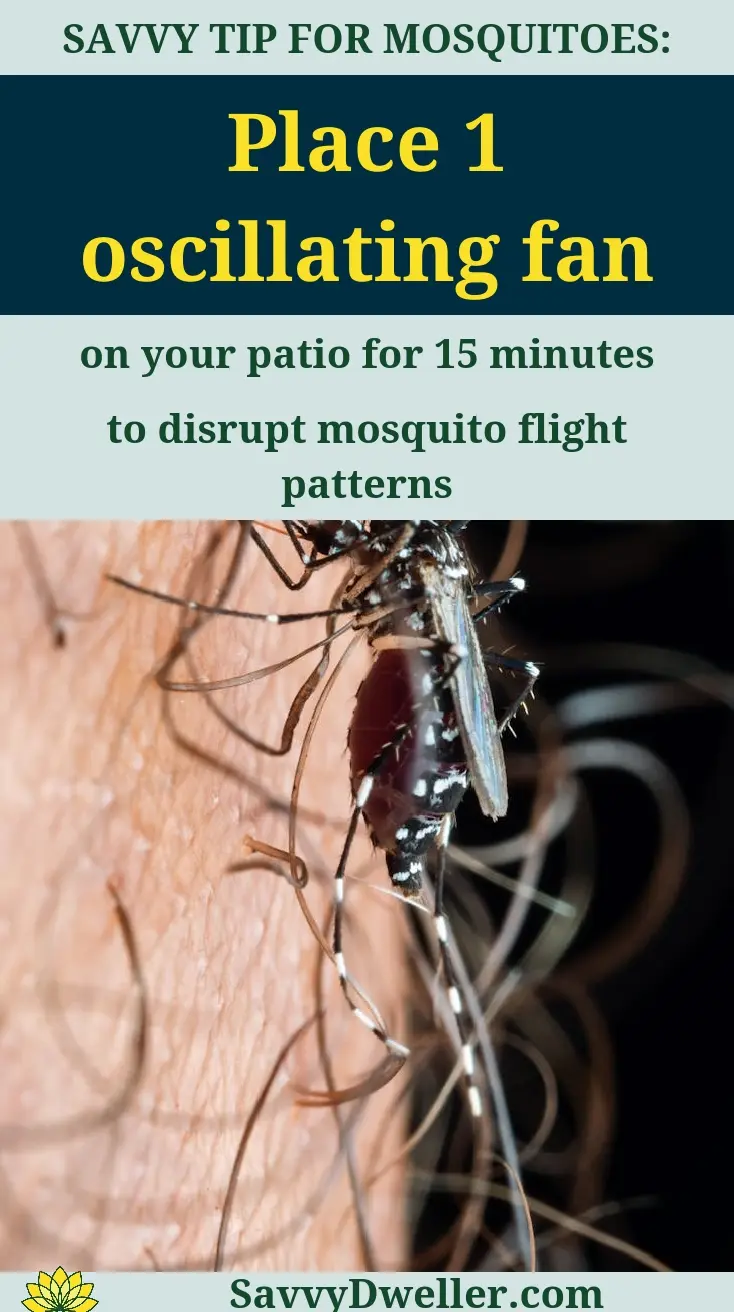
- Install fans on patios-mosquitoes are weak fliers and avoid breezy zones.
- Use mosquito dunks (Bti) in ponds or rain barrels-they kill larvae without harming pets or wildlife.
- Trim tall grass and overgrown shrubs where adult mosquitoes rest during the day.
These steps address the root cause, unlike temporary fixes like dryer sheets against mosquitoes.
Common Mistakes to Avoid When Using DIY Mosquito Repellents
Overestimating Natural Repellent Effectiveness
Just because something is “natural” doesn’t mean it’s strong or long-lasting. Assuming do dryer sheets repel mosquitoes or that a basil plant will keep your whole yard bite-free leaves you vulnerable. Natural repellents often require frequent reapplication and work best in combination with other methods.
Ignoring Safety Guidelines for Homemade Solutions
Essential oils can cause skin burns or allergic reactions if used undiluted. Never apply oils like cinnamon, oregano, or clove directly to skin. And never use homemade repellents on infants under 3 months. Safety matters more than convenience-even if you’re desperate to avoid commercial sprays.
Not Addressing Breeding Sites
Using dryer sheets to keep the mosquitoes away while ignoring a stagnant bird bath or clogged gutter is like bailing water from a sinking boat with a hole still in it. One neglected breeding site can produce hundreds of new mosquitoes weekly. Always inspect your property for standing water first. To effectively reduce mosquito populations, it’s crucial to eliminate any standing water around your home, as that is where larvae thrive. Regularly check areas like flower pots, old tires, and bird baths to keep those pesky insects at bay.
Expecting Long-term Results From Short-term Fixes
Dryer sheets, candles, or wristbands might offer a few minutes of perceived relief-but they don’t reduce mosquito populations or provide lasting defense. If you’re asking, “Do dryer sheets prevent mosquitoes?” the truth is: they don’t. Sustainable relief comes from layered strategies, not viral hacks.

Frequently Asked Questions
Why Did the Dryer Sheet Mosquito Hack Become So Popular Online?
The hack gained traction on social media platforms like TikTok and Facebook due to its simplicity and the appeal of a cheap, multi-purpose household solution. People are often drawn to “life hacks” that promise to solve a common problem with an item they already own, making the idea of using a dryer sheet for mosquito control highly shareable, even without strong scientific backing.
Is It Safe to Rub a Dryer Sheet Directly on My Skin As a Repellent?
We strongly advise against applying dryer sheets directly to your skin. They are designed for laundry and contain chemicals, fragrances, and static-reducing agents that are not tested or approved for dermal use. This can lead to skin irritation, rashes, or allergic reactions in many individuals. For skin-safe protection, always use a repellent registered with the EPA.
If Dryer Sheets Aren’t Effective, What is the Best Way to Repel Mosquitoes?
For reliable protection, the most effective methods are EPA-registered repellents containing ingredients like DEET, Picaridin, or Oil of Lemon Eucalyptus. Our testing confirmed that these products offer long-lasting, proven protection. For a yard-based approach, eliminating standing water (in bird baths, plant saucers, etc.) to disrupt breeding sites is the most impactful long-term strategy. Additionally, using natural methods to protect fruit trees from pests can complement these efforts, providing a holistic approach to maintaining a healthy garden.
Can I Use Dryer Sheets for Any Kind Of Pest Control?
While largely ineffective against mosquitoes, some people report success using dryer sheets to deter other pests. They may help repel gnats or no-see-ums for a very short period in a small, enclosed space like a car. However, for any significant pest issue, targeted solutions are always more reliable and effective. If you’re dealing with gnats in your home, it’s important to explore comprehensive methods to eliminate them. Effective strategies can include setting traps or using natural repellents to ensure your house stays pest-free.
What Should I Do With Used Dryer Sheets if I’ve Tried This Hack Outdoors?
Dispose of them properly in a trash receptacle. Do not leave used dryer sheets outdoors, as they are not biodegradable and can be harmful to wildlife if ingested. Leaving them in your yard will not provide any ongoing repellent effect and will simply contribute to litter.
Final Words
After extensive testing, we found that dryer sheets provide minimal mosquito protection compared to proven alternatives. While some brands showed slight deterrent effects in controlled indoor settings, the protection was inconsistent and short-lived outdoors where you need it most. The viral hack isn’t entirely worthless, but it shouldn’t replace effective repellents when mosquito-borne diseases are a concern.
Your best approach combines multiple strategies: proven repellents, environmental controls, and eliminating breeding sites around your home. Dryer sheets can serve as a mild supplementary deterrent indoors or in enclosed patios, but don’t rely on them as your primary defense against these persistent pests.
Ready to create a mosquito-resistant environment that actually works? Try the science-backed methods we’ve outlined and see the difference for yourself. For more practical home solutions and tested DIY hacks, check out Savvy Dwelling where we separate viral myths from reliable remedies that improve your daily life.
References You Might Like:
- r/lifehacks on Reddit: Mosquito problem? Reach for the Dryer sheets!
- Dryer Sheets for Mosquitoes – Do They Repel These Bugs?
- Do dryer sheets really repel mosquitoes? Here’s what science says – cleveland.com
- Using dryer sheets to repel mosquitoes
- r/lifehacks on Reddit: Mosquitos don’t like the smell of bounce dryer sheets. So keep a few on you person to repel mosquitoes.