
How to Banish Indoor Mosquitoes for Peaceful, Bite-free Nights
Lying awake at 2 AM, listening to that unmistakable high-pitched whine buzzing around your ear? You’re not alone in this nightly battle against indoor mosquitoes that turn restful sleep into an exhausting hunt-and-swat marathon. These persistent intruders seem to know exactly when you’re most vulnerable, striking just as you drift off to sleep.
This comprehensive guide breaks down the most effective, science-backed methods to eliminate mosquitoes from your home and keep them out for good. We’ve researched and tested dozens of approaches to bring you only the solutions that actually work—from immediate relief tactics you can implement tonight to long-term prevention strategies that protect your entire household. No more sleepless nights or itchy morning surprises.
Contents
- At a Glance: The Best Solutions
- The Science Made Simple: Why This Problem Happens
- 1. Use Fans to Create Mosquito-free Zones
- 2. Install Mosquito Bed Nets for Complete Night Protection
- 3. Create Effective DIY Indoor Mosquito Traps
- 4. Apply Indoor-safe Repellent Sprays
- 5. Use Essential Oil Diffusers As Natural Deterrents
- 6. Eliminate Standing Water Sources
- 7. Seal Entry Points and Install Screens
- Common Mistakes to Avoid
- Frequently Asked Questions
- Final Words
At a Glance: The Best Solutions
Finding yourself battling mosquitoes indoors, especially during those peaceful nighttime hours, can feel overwhelming. You’re not alone in this struggle, and the good news is that effective solutions exist for every situation and budget. However, some DIY methods, like using dryer sheets to repel mosquitoes, might not be as effective as you’d hope.
The table below breaks down the most reliable methods for getting rid of mosquitoes in your house at night. Each approach offers different benefits depending on your specific needs and timeline.
| Solution | Speed | Effectiveness | Best For | Cost |
|---|---|---|---|---|
| Indoor Fans | Immediate | High | Sleeping areas | Low |
| Mosquito Bed Nets | Immediate | Very High | Night protection | Low |
| DIY Soap Traps | 30 minutes | High | Individual mosquitoes | Very Low |
| Indoor Repellent Sprays | 5 minutes | High | Quick elimination | Medium |
| Essential Oil Diffusers | 15 minutes | Medium | Natural prevention | Medium |
| Window/Door Sealing | 1-2 hours | Very High | Long-term prevention | Low |
The most effective approach combines immediate relief with long-term prevention. While fans and nets provide instant protection for sleeping areas, sealing entry points prevents future invasions.
For those wondering how to get rid of mosquitoes in your house at night without sprays, the fan and net combination offers chemical-free relief. Meanwhile, soap traps work silently in the background, capturing individual mosquitoes that slip through your other defenses.
The Science Made Simple: Why This Problem Happens
Why Mosquitoes Are More Active at Night
Mosquitoes operate on a biological clock that peaks during dawn and dusk hours. Their internal circadian rhythms make them most active when temperatures drop and humidity rises, creating perfect hunting conditions.
These blood-seeking insects avoid the hot, dry daytime air that can quickly dehydrate their tiny bodies. Instead, they rest in cool, dark spaces during the day and emerge when the sun sets. This natural behavior explains why getting rid of mosquitoes in your house at night feels like an uphill battle.
Female mosquitoes also rely on cooler nighttime temperatures to conserve energy between blood meals. The evening hours provide optimal conditions for them to detect hosts, feed, and return to safe hiding spots.
What Attracts Mosquitoes to Your Home
Carbon Dioxide and Body Heat Signals
Your body acts like a beacon for mosquitoes through the carbon dioxide you exhale and the heat you generate. Mosquitoes can detect CO2 from up to 50 feet away, making your bedroom a target zone during sleep.
When you’re lying still in bed, your concentrated body heat creates thermal signatures that mosquitoes follow like a roadmap. Pregnant women and larger individuals tend to attract more mosquitoes because they produce higher levels of both CO2 and body heat.
Standing Water Sources
Even tiny amounts of stagnant water create mosquito breeding grounds inside your home. A single bottle cap filled with water can support an entire generation of mosquitoes from egg to adult.
Common indoor water sources include plant saucers, pet bowls, clogged drains, and humid bathroom areas. These breeding sites can keep producing new mosquitoes every 7-10 days if left unchecked. Regularly inspecting and eliminating standing water in and around the home can significantly reduce the risk of mosquito infestations. Taking these simple steps can help get rid of mosquito larvae and create a more comfortable living environment.
Indoor Lighting That Draws Them In
Certain types of artificial lighting confuse mosquito navigation systems and pull them toward your living spaces. Bright white and blue-spectrum lights create the strongest attraction, while warm yellow lights are less appealing to these pests.
Mosquitoes use natural light sources like moonlight for navigation, so artificial lights can disrupt their flight patterns and trap them inside your home once they enter.
How Mosquitoes Enter Your House
Mosquitoes slip through surprisingly small openings to access your indoor spaces. Gaps as narrow as 1/16 of an inch around windows, doors, and vents provide enough space for these persistent insects to squeeze through.
They often ride air currents through open doors and follow scent trails from indoor attractants. Once inside, mosquitoes seek out dark hiding spots during daylight hours, then emerge at night to hunt for blood meals.
Damaged window screens, unsealed pipe penetrations, and worn door seals create highways for mosquito entry. Understanding these access points helps you focus your efforts on how to keep mosquitoes out of house permanently.

1. Use Fans to Create Mosquito-free Zones
How Fan Air Circulation Disrupts Mosquito Flight
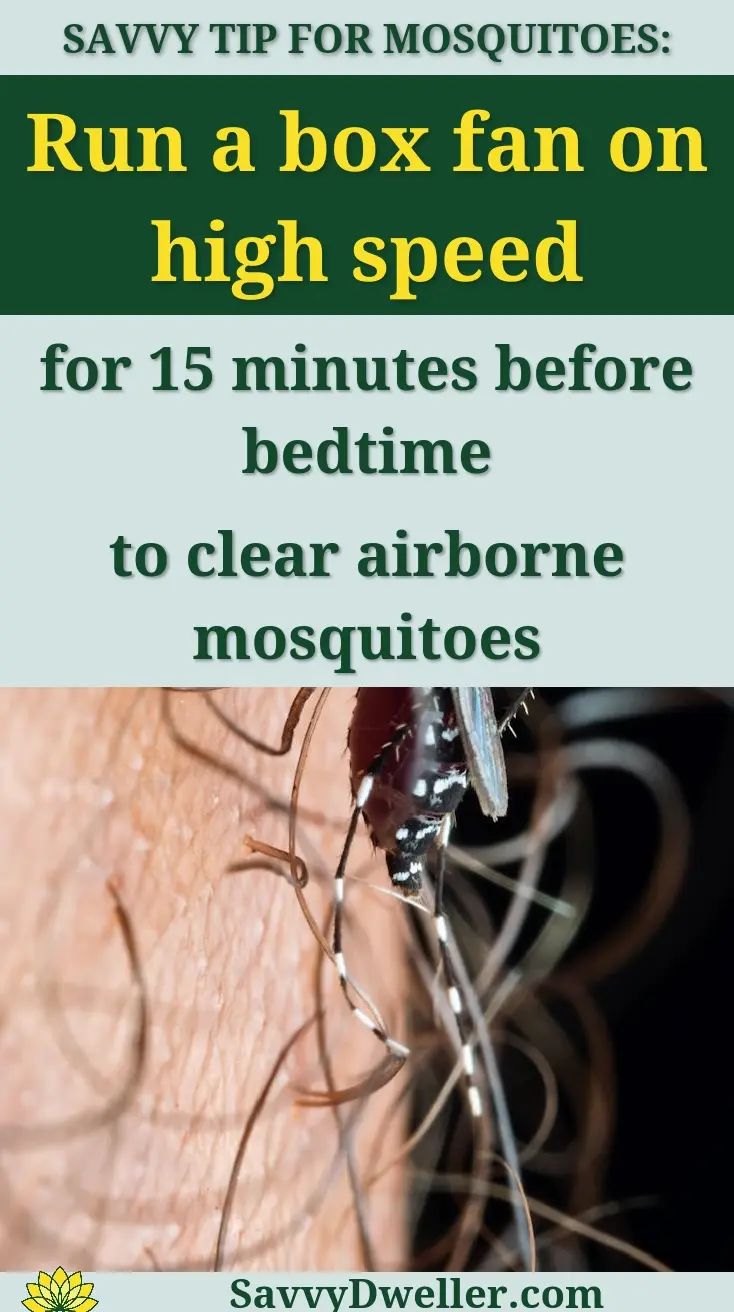
Mosquitoes are remarkably weak fliers that struggle against air currents stronger than 1-2 mph. Strategic fan placement creates wind barriers that make it nearly impossible for mosquitoes to reach you while you sleep.
The moving air also disperses the CO2 and scent trails that guide mosquitoes to their targets. This dual action makes fans one of the most effective methods for getting rid of mosquitoes in your house at night without sprays.
Continuous air circulation prevents mosquitoes from hovering in one area long enough to locate and land on exposed skin. The constant breeze forces them to expend more energy fighting air currents than they can gain from successful feeding.
Best Fan Placement for Bedrooms
Ceiling Fans vs. Portable Fans
Ceiling fans provide broader coverage and consistent airflow across entire sleeping areas, making them ideal for larger bedrooms. They operate quietly and won’t take up floor space or create obstacles around your bed.
Portable fans offer targeted protection and flexibility for renters or rooms without ceiling fan installations. Tower fans work particularly well because they distribute air vertically along your body while you sleep.
Combination setups using both ceiling and portable fans create layered wind barriers that mosquitoes cannot penetrate effectively.
Optimal Speed Settings
Medium fan speeds typically provide the best balance between mosquito deterrence and sleeping comfort. Speeds that generate 2-4 mph air movement create effective mosquito barriers without causing excessive cooling or noise.
Higher speeds may disrupt sleep quality and cause drafts, while lower speeds might not generate enough air movement to deter persistent mosquitoes. Test different settings to find your comfort zone while maintaining protective airflow.
Step-by-step Fan Setup for Night Protection
- Position one fan to blow air across your bed at torso level, creating a protective wind barrier over your upper body.
- Angle the airflow slightly downward to disrupt mosquito flight paths near your face and arms.
- Place a second fan near room entryways to create air currents that prevent mosquitoes from entering your sleep zone.
- Set fan timers to run continuously through peak mosquito activity hours (dusk to dawn).
- Test airflow patterns by releasing tissue paper to visualize wind coverage across your sleeping area.
- Adjust fan angles and speeds until you achieve comfortable air movement without direct drafts on your face.
Also See: Why You Suddenly Have Flies in Your House (and How to Stop Them)
2. Install Mosquito Bed Nets for Complete Night Protection
Choosing the Right Net Size and Material
Fine mesh nets with 156-200 holes per square inch provide complete protection while maintaining adequate airflow for comfortable sleep. Larger mesh sizes may allow smaller mosquito species to penetrate the barrier.
Polyester nets offer durability and easy washing, while cotton nets provide natural breathability but require more maintenance. Pre-treated nets with permethrin coating add an extra layer of mosquito deterrence that lasts through multiple wash cycles.
Rectangular nets work best for standard beds, while circular nets adapt well to round or unusual bed shapes. Measure your bed dimensions and add 12 inches on all sides to ensure proper coverage.
Proper Installation Methods
Ceiling-Mounted Options
Ceiling hooks provide the most stable and attractive mounting solution for permanent mosquito net installations. Install hooks directly above bed corners or use a single central mounting point for circular nets.
Self-adhesive ceiling hooks work for temporary installations or rental properties where drilling isn’t permitted. Choose hooks rated for at least 10 pounds to support net weight plus any pulling forces.
Bed Frame Attachment Systems
Clamp-on mounting systems attach directly to bed frames without requiring ceiling modifications. These adjustable brackets work with most headboard and footboard configurations while providing secure net support.
Telescoping poles create freestanding net frames that don’t require any permanent attachments. This option works well for temporary sleeping arrangements or frequently rearranged bedrooms.
Making Nets Work for Different Bed Types
Platform beds and low-profile frames may need extension poles to create adequate net height clearance. Maintain at least 6 inches of space between the net and your body while lying down to prevent mosquito access through the mesh.
Bunk beds require specially sized nets for each sleeping level, with careful attention to ladder access points. Consider nets with zippered side openings for easier entry and exit.
Sofa beds and futons need nets with quick setup and takedown capabilities. Choose lightweight options that fold compactly for storage during daytime use.
Child and Pet-safe Net Considerations
Ensure net edges stay well above floor level to prevent tripping hazards and allow easy room navigation in darkness. Secure all loose net material to mounting points to eliminate entanglement risks.
Choose nets without chemical treatments if household members have sensitivities or allergies. Natural fiber nets provide safe alternatives while still offering effective mosquito barriers.
Install nets with sufficient interior space for normal sleep movement without creating pressure points against the mesh. This prevents fabric stress and maintains protective barriers throughout the night.
3. Create Effective DIY Indoor Mosquito Traps
The Soap and Water Bowl Method
This simple trap drowns mosquitoes by breaking water’s surface tension so they can’t stand or fly off. It’s quick, quiet, and great when you need getting rid of mosquitoes in your house at night without sprays.
Materials Needed
- 1 shallow dark bowl (black or navy works best)
- 1–2 cups warm water
- 3–4 drops liquid dish soap (unscented or mild scent)
- Optional: small LED tea light or nightlight nearby
Step-by-Step Setup Instructions
- Fill the bowl with warm water and add the dish soap. Swirl gently until the water loses its surface tension (you’ll see fewer bubbles).
- Place the bowl on the floor near where mosquitoes hover at night: under the bed edge, beside a nightstand, or near a bathroom door.
- Dim the room and place a small light source 6–12 inches from the bowl. The light draws them in; the soapy water does the rest.
- Check the bowl in the morning and empty into the toilet. Rinse and reset nightly until activity drops.
Keep bowls out of reach of children and pets. Replace the soapy mix if it looks dusty or filled with insects.
Sugar and Yeast Bottle Traps
This trap produces a gentle stream of carbon dioxide (CO₂) that lures mosquitoes into a funnel they can’t escape. It’s a reliable option when you need how to get rid of mosquitoes in your house at night for several rooms at once.
- Cut a clean 2-liter plastic bottle in half. Remove the cap.
- In the bottom half, mix 200 ml hot water with 50 g brown sugar. Stir to dissolve and let cool to warm (not hot).
- Sprinkle 1/2–1 teaspoon dry yeast over the surface. No stirring needed-the yeast will activate.
- Invert the top half into the bottom to form a funnel. Tape the edge to seal gaps.
- Wrap the bottle in black paper or a dark cloth, leaving the funnel opening exposed. Place on the floor near resting spots (under a desk, behind curtains, or near plants).
- Set 1–2 hours before bedtime for best nighttime pull. Replace the mixture when bubbling stops.
Tip: Use two smaller bottles in larger rooms for better coverage. This helps when you’re focused on how to get rid of mosquitoes in your house fast.
Strategic Trap Placement in Your Home
- Bedrooms: under the bed edge, beside nightstands, or behind curtains where mosquitoes rest on fabric.
- Bathrooms: near shower corners and floor drains (but not blocking airflow).
- Living areas: behind furniture, near indoor plants, and close to balcony doors.
- Entry points: within 3–6 feet of doors and window areas where you’ve seen activity.
- Avoid direct airflow from fans, AC vents, or open windows. Moving air weakens trap attraction.
Cluster traps near where you exhale and generate heat at night-mosquitoes follow CO₂ and warmth.
How Often to Empty and Refresh Traps
- Soap bowls: empty daily; refresh soap every night or when water looks dusty.
- Yeast bottles: replace the mixture every 5–7 days or when fizzing ends. Rinse with hot soapy water before refilling.
- High-activity weeks: run traps nightly for 3–5 nights, then every other night as numbers drop.
- Always discard trapped water down a drain or toilet. Don’t pour into plant pots or sinks with standing water.
If you’re asking how to get rid of mosquito in house without sprays, consistent trap maintenance is the quiet hero. Effective management of mosquito populations not only helps humans but also protects pets from bites. Pet owners should consider remedies tailored for their furry friends to alleviate discomfort caused by mosquito bites.

4. Apply Indoor-safe Repellent Sprays
Choosing Family and Pet-safe Formulations
Use sprays specifically labeled for indoor use and for mosquitoes. Read the label, and follow the room re-entry time and surface directions. To keep spiders at bay, consider using the best DIY spider repellent spray for windows and doors. Such sprays can effectively deter spiders from entering your home and are easy to make with common ingredients.
- Water-based, plant-derived sprays (lemongrass, geraniol, peppermint) for light, quick repellency with lower odor.
- Pyrethrin/pyrethroid sprays labeled for indoor surfaces when you need stronger knockdown. Keep pets and kids out until fully dry; wet spray is hazardous to cats and fish.
- Oil of Lemon Eucalyptus (PMD) products when labeled for room use. They repel but do not kill.
- Avoid outdoor foggers and “bug bombs” indoors. They leave residues where you don’t want them.
This balanced approach supports how to get rid of mosquitoes in the house fast while keeping your space livable.
Proper Application Techniques
Room Spraying Methods
- Prep the room: cover food, aquariums, and pet bowls; remove babies, pets, and plants; close windows and turn off fans.
- Shake the product. Lightly spray baseboards, corners, behind curtains, under beds/sofas, and the lower half of walls where mosquitoes rest.
- Give fabrics a brief, test spray on an inconspicuous spot to check for staining-then treat the back of curtains and the underside of furniture skirts.
- Exit the room and allow the labeled “settle” time (often 15–30 minutes).
- Re-enter, open windows for 10–20 minutes, and wipe food-contact surfaces.
Targeted Spot Treatment
- Direct a short burst into window tracks, door frames, closet corners, and behind nightstands.
- Mist around bathroom corners and laundry areas where humidity attracts resting adults.
- For screens and thresholds, spray the perimeter strip, not the whole surface, to maintain airflow.
- Repeat light spot sprays every few days while activity continues.
Short, targeted sprays reduce chemical use while improving results.
Timing Your Spray Applications
- Evening focus: apply 30–60 minutes before bedtime when mosquitoes become active.
- After cleaning days: re-spray key resting zones you wiped down.
- High-traffic weeks: 2–3 light sessions per week beat one heavy spray.
These rhythms make getting rid of mosquitoes at home more consistent and less intrusive.
Ventilation Considerations
- Keep HVAC and fans off during application so droplets settle on target areas.
- After the label’s wait time, open windows and run an exhaust fan for 10–20 minutes.
- Avoid spraying near open flames, hot appliances, or directly into vents.
Good airflow after treatment clears odor without undoing the work you just did.
5. Use Essential Oil Diffusers As Natural Deterrents
Most Effective Essential Oils for Mosquitoes
Diffusers deter-rather than kill-so they’re best paired with traps or screens. They’re a gentle option for how to get rid of mosquitoes in your home at night without sprays.
- Citronella, lemongrass, and geraniol: reliable, bright scent, good short-term repellency.
- Oil of Lemon Eucalyptus (PMD): strong mosquito deterrent; different from standard eucalyptus oil.
- Peppermint and lavender: supportive blends to round out scent and comfort.
- Catnip (nepetalactone): potent repellent aroma; use sparingly due to strong scent.
Citronella and Lemongrass Oils
Use 6–10 drops in a 200–300 ml water diffuser and run 30 minutes before bedtime. Refresh every 2–3 hours or switch to intermittent mode to maintain a steady scent field.
Blend idea: 4 drops lemongrass + 3 drops citronella + 2 drops lavender for a softer, sleep-friendly profile.
Peppermint and Eucalyptus Options
Peppermint adds a cooling, sharp note mosquitoes dislike. Pair 3–5 drops with lemongrass for balance.
Choose Oil of Lemon Eucalyptus (PMD) for better repellency than regular eucalyptus. Start with 2–4 drops; it’s potent and can overwhelm small rooms.
Diffuser Placement for Maximum Coverage
- Set at waist-to-chest height on a dresser or shelf, 3–6 feet from your bed.
- Aim the mist toward entry points (doorway or window area), not directly at your face.
- Avoid placing directly under ceiling fans or in front of open windows; moving air disperses the plume too fast.
- One small diffuser covers about 150–300 sq ft. For larger rooms, run two on low in opposite corners.
Start the diffuser 20–30 minutes before lights out for the best nighttime buffer.
Safe Usage Around Children and Pets
- Use low dilutions: 3–6 drops total in a standard diffuser for kids’ rooms; run intermittently.
- Keep pets out of the room during active diffusion; let them back in once the air has settled.
- Cats and birds are sensitive-avoid strong oils (clove, tea tree, pennyroyal) and keep sessions short with good ventilation.
- Never apply essential oils directly to skin or pet fur. Store bottles out of reach.
Gentle, well-ventilated use helps you keep mosquitoes out of house spaces without overwhelming scents. This supports how to get rid of mosquitoes in your house at night without bug sprays while keeping rooms comfortable.
6. Eliminate Standing Water Sources
Indoor Water Collection Points
Plant Saucers and Vases
One bottle cap of water can hatch mosquitoes in 48 hours, so plant saucers and flower vases matter. Empty saucers after watering and wipe them dry. For self-watering planters, cover fill holes with fine mesh and check the reservoir weekly to ensure no stagnant water, debunking the coffee grounds mosquito myth.
- Set pots on pebble trays so water drains below the pot, not around it.
- Top indoor soil with a thin layer of horticultural sand to keep surfaces drier.
- For cut-flower vases, change water every 48 hours and scrub biofilm with a bottle brush.
- For decorative, non-drinking water features, consider BTI (Bacillus thuringiensis israelensis) bits as a targeted, indoor-safe option; do not use in pet bowls.
Pet Water Bowls
Fresh, moving water deters egg-laying. Change bowls twice daily and scrub slime every 1–2 days. If you use a pet fountain, run it continuously and clean the pump and reservoir weekly.
- Keep spare bowls dry and stored upside down.
- Place bowls away from windows and plants where mosquitoes rest.
- If you must leave water out overnight, use a shallow bowl with less surface area and refresh at sunrise.
Bathroom and Kitchen Areas
Quiet corners collect water: shower ledges, soap dishes, sink caddies, and fridge drip trays. Squeegee shower walls and floors after use and run the exhaust fan for 20 minutes. Wipe sink rims and drainboards at night.
- Clear refrigerator/freezer drain holes and empty the drip pan every 2–4 weeks.
- Prime floor drains with a cup of water weekly so the trap doesn’t dry out.
- Service humidifiers and dehumidifier tanks: empty daily and disinfect weekly.
- Fix leaks under sinks within 24 hours and replace wet sponges with quick-dry scrubbers.
Weekly Water Source Inspection Routine
Ten focused minutes each week can stop a full life cycle. Here’s a simple rotation that supports getting rid of mosquitoes in your house at night without sprays. Additionally, maintaining a clean environment can also prevent the pesky fruit fly frenzy. Incorporating home remedies for fruit flies, such as using apple cider vinegar traps, can be effective in managing their presence.
- Grab a flashlight and microfiber cloth. Start in the kitchen: check sink caddies, dish racks, under-sink pipes, and the fridge drip pan.
- Move to bathrooms: squeegee showers, empty soap dishes, add a cup of water to floor drains, and clean toothbrush cups.
- Scan living areas: plant saucers, propagation jars, aromatherapy diffusers, and any decorative bowls. Empty and wipe dry.
- Inspect utilities: dehumidifier tanks, humidifier reservoirs, AC closet/air handler pan, and the condensate line outlet.
- Laundry zone: empty mop buckets, wring cloths, and store them hanging to dry; check the washer gasket and detergent drawer.
- Finish with pet zones: refresh bowls, dry mats, and clean fountains. Note any slow drains or leaks for repair.
Proper Drainage Solutions
If water doesn’t linger, mosquitoes can’t breed. These quick fixes help when you need how to get rid of mosquitoes in the house fast.
- Prime floor drains: pour 1–2 cups of water into rarely used drains weekly. Add 1 teaspoon of mineral oil to slow evaporation.
- Clear slow sinks: remove and clean the stopper, then use an enzyme drain cleaner overnight per label directions.
- Maintain AC condensate: ensure the line slopes downward; flush with 1/2 cup plain white vinegar monthly to reduce biofilm.
- Direct dish rack runoff: use a rack with a spout or tilt a tray toward the sink. Empty and towel-dry nightly.
- Check refrigerator defrost drain: clear the channel with a soft pipe cleaner; clean and dry the drip pan.
- Seal around tub, sink, and backsplash edges with silicone caulk so water can’t pool behind fixtures.
7. Seal Entry Points and Install Screens
Identifying Common Entry Points
Windows and Door Gaps
If you see daylight around a door or feel a draft at night, mosquitoes can get in. Check for torn screens, loose splines, misaligned latches, and compressed weather stripping. Inspect window tracks for gaps and missing corner seals.
- Slide a strip of paper between door and frame; if it moves freely, you need weather stripping.
- Look for warped screen frames and small pinholes-both let insects pass.
Drain and Vent Openings
Unprimed drains and unscreened vents act like open doors. Keep traps wet and install fine-mesh covers on bathroom exhaust intakes and passive vents where safe.
- Use louvered, pest-resistant exterior vent covers. Do not screen dryer exhaust ducts; use a purpose-made hood to maintain airflow.
- Seal gaps around utility penetrations (cables, AC lines) with silicone or foam.
Installing and Repairing Window Screens
A tight screen is one of the fastest ways to keep mosquitoes out of the house. Choose 18×16 fiberglass mesh for standard protection or 20×20 “no-see-um” mesh for finer coverage.
- Materials: screen frame or kit, fiberglass or aluminum mesh, spline (0.125–0.140 in), spline roller, utility knife, measuring tape, screen patches (for small repairs).
- Measure the window opening and cut frame pieces. Assemble with corner connectors on a flat surface so it stays square.
- Lay mesh over the frame with 1–2 inches of overhang on all sides.
- Press spline into the groove with a roller, starting at a corner and keeping steady tension on the mesh.
- Trim excess mesh with a sharp knife held against the outside of the spline.
- Reinstall the screen and check for light leaks. Patch tiny tears with adhesive screen patches.
Door Sweep and Weather Stripping Installation
Gaps under doors are prime entry routes when lights are on at night. A bristle or rubber door sweep plus fresh weather stripping closes that highway.
- Materials: door sweep (bristle for uneven floors), adhesive foam or silicone weather stripping, screws, drill, snips, alcohol wipes, measuring tape.
- Measure the door width and the floor gap. Cut the sweep to size.
- Clean the door bottom with alcohol, then position the sweep so it just kisses the floor (about a paper’s thickness).
- Screw or adhere the sweep in place and test by sliding paper underneath; it should not pass.
- Apply weather stripping along the jambs and header. Close the door and confirm a snug seal without sticking.
Checking and Sealing Wall Cracks
Tiny cracks around trim, outlets, and pipes let mosquitoes follow air currents indoors. Seal them to keep pests-and drafts-out.
- Materials: paintable latex or silicone caulk, backer rod (for wide gaps), expanding foam (for large pipe openings), putty knife, outlet gaskets.
- At night, use a flashlight to spot light leaks or feel for drafts with the back of your hand around baseboards, window casings, and outlets.
- Vacuum dust from gaps so sealants adhere well.
- Insert backer rod in deep joints, then apply a smooth caulk bead and tool it for a tight seal.
- Foam large penetrations around pipes and cables; trim excess once cured, then finish edges with caulk.
- Add foam outlet/switch gaskets behind cover plates to block air paths.
Common Mistakes to Avoid
Using Outdoor Products Indoors
Yard foggers, coils, and outdoor concentrates are not designed for enclosed rooms. Use only products labeled for indoor spaces and follow ventilation guidance. If you want how to get rid of mosquitoes in your house at night without sprays, prioritize sealing, fans, and screens. For those who keep indoor plants, exploring natural pest control methods can be incredibly beneficial. Learning to manage pests naturally creates a healthier environment for both plants and people.
Forgetting to Check Hidden Water Sources
Missed water equals new mosquitoes. Don’t skip fridge drip pans, AC condensate pans, humidifier tanks, plant propagation jars, mop buckets, sink caddies, or floor drains in guest baths.
Inadequate Screen Maintenance
One loose spline or bent frame defeats the whole barrier. Re-tension splines each season, square warped frames, and patch pinholes immediately. Clean debris in window tracks so screens sit flat.
Over-relying on Single Solutions
There’s no silver bullet for getting rid of mosquitoes in your home. Pair water control, tight screens, door seals, and targeted traps to kill mosquitoes in house more reliably. Implementing natural methods for mosquito control in your backyard can further enhance your efforts at keeping these pests at bay. Creating a mosquito-friendly environment involves managing standing water and encouraging natural predators like birds and bats.
Ignoring Mosquito Entry Prevention
Swatting indoors won’t help if new mosquitoes keep arriving nightly. Seal gaps, maintain drains, and screen vents to keep mosquitoes out of house and support how to get rid of mosquitoes in your home at night without sprays.
Frequently Asked Questions
Are Electronic Mosquito Repellent Devices, Like Ultrasonic Emitters, Effective and Safe for Indoor Use?
Electronic repellents that use ultrasonic waves are often marketed as a hands-off solution, but scientific evidence shows they are generally ineffective at repelling mosquitoes. Mosquitoes are not reliably deterred by high-frequency sounds, so it’s better to rely on proven methods like fans or nets. If considering devices that emit vapors or heat, always check for indoor safety certifications and avoid those with harsh chemicals, especially in poorly ventilated spaces.
What Immediate Steps Can I Take if I Notice Mosquitoes in My Bedroom After Dark?
For quick action, turn on a portable fan aimed at your bed to create airflow that disrupts mosquito flight and landing. Mosquitoes are weak fliers, so even a low-speed fan can provide immediate relief. If the buzzing persists, use a targeted indoor repellent spray on non-bed surfaces like walls or curtains, but ensure proper ventilation and follow label instructions for safe application.
How Can I Safely Combine Multiple Mosquito Control Methods Without Causing Health Risks?
Combining methods can enhance protection, but avoid overusing chemical products like sprays and diffusers in the same room to prevent irritation. For example, use a bed net for sleep combined with a fan for airflow, but skip repellent sprays if the net is intact. Always prioritize physical barriers and ventilation over chemical solutions, and test small areas first when introducing new products to check for adverse reactions.
Final Words
Getting rid of mosquitoes in your house doesn’t have to be a nightly battle. The most effective approach combines immediate solutions like fans and bed nets with long-term prevention strategies such as sealing entry points and eliminating standing water. Start with the quickest fixes tonight-position a fan near your bed and check for any water sources-then gradually implement the more comprehensive solutions over the coming days.
Remember that consistency is key to keeping these persistent pests away from your sleeping space. Most homeowners see dramatic improvements within just a few days of applying multiple strategies together. The small investment in screens, fans, or natural repellents pays off with countless nights of uninterrupted, bite-free sleep.
Ready to reclaim your peaceful nights? Pick two or three methods from this guide and start implementing them today. For more practical home solutions and wellness tips that actually work, explore Savvy Dwelling where we share research-backed strategies to make your home healthier and more comfortable.
References:
- r/lifehacks on Reddit: How the hell do I kill let alone find these mosquitos in my room?
- Mosquito Control at Home | Mosquitoes | CDC
- How to Get Rid of Mosquitos in the Bedroom – Amerisleep
- How To Get Rid Of Mosquitoes In The House | Mosquitoes Indoors | Orkin
- How Do I Get Rid of Mosquitoes in My Home? 18 Tips