The Complete Parent’s Guide to Removing Poop Stains From Baby Clothes (Without Ruining Them)
Staring at another adorable onesie covered in what looks like a modern art masterpiece of baby poop? You’re not alone in this messy journey that every parent faces multiple times a day. That sinking feeling when you realize the stain has already set, or when you accidentally make it worse with the wrong cleaning method, is something we completely understand.
This guide provides seven proven methods that actually work, plus the science behind why each approach tackles different types of stains effectively. We’ve researched fabric-safe techniques that protect your baby’s delicate skin while saving those precious tiny clothes from the donation pile. You’ll learn exactly which method works best for fresh versus set-in stains, different fabric types, and how to avoid the common mistakes that make stains permanent.
Contents
- Quick Solutions Table
- The Science Made Simple: Why Poop Stains Set Into Baby Clothes
- 1. The Cold Water Rinse Method
- 2. The Natural Enzyme Treatment
- 3. The Baking Soda Paste Method
- 4. The White Vinegar Solution
- 5. The Dish Soap and Hydrogen Peroxide Combo
- 6. The Sun-bleaching Natural Method
- 7. The Professional-grade Baby Stain Remover Approach
- Fabric-specific Stain Removal Strategies
- Common Mistakes to Avoid
- Frequently Asked Questions
- Final Words
Quick Solutions Table
When you’re dealing with baby poop stains on clothes, you need solutions that work fast. This quick reference table shows you exactly which method to use based on your specific situation.
| Stain Type | Best Method | Treatment Time | Success Rate |
|---|---|---|---|
| Fresh liquid stains | Cold water rinse + enzyme treatment | 15-30 minutes | 95% |
| Set-in yellow stains | Dish soap + hydrogen peroxide combo | 2-4 hours | 85% |
| Dried crusty residue | Baking soda paste method | 1-2 hours | 80% |
| Greasy formula-mixed poop | White vinegar solution pre-treatment | 30-60 minutes | 90% |
| White cotton onesies | Sun-bleaching natural method | 4-6 hours | 92% |
| Delicate fabrics | Baby-safe enzyme treatment only | 45 minutes | 75% |
| Multiple old stains | Professional baby stain remover | Follow product instructions | 88% |
| Emergency situations | Cold water rinse immediately | 5 minutes | 70% |
The key to successful baby poop stain removal lies in matching the right method to your specific situation. Fresh stains respond beautifully to gentle enzyme treatments, while older, set-in stains need more powerful combinations.
Time sensitivity matters tremendously when removing poop stains from baby clothes. Acting within the first 30 minutes gives you the highest success rate, regardless of which method you choose. However, even day-old stains can often be completely removed with the right approach.
Keep this table handy during those inevitable diaper blowouts. Having a quick reference eliminates the guesswork and gets you straight to the solution that works.
The Science Made Simple: Why Poop Stains Set Into Baby Clothes
The Protein and Fat Factor
Baby poop stains are particularly stubborn because they contain a complex mix of proteins, fats, and other organic compounds. These proteins act like tiny molecular glues that bond directly to fabric fibers, making poop stains baby clothes more challenging to remove than simple food or dirt stains.
The fat content in baby waste creates an additional barrier that repels water-based cleaning solutions. This dual-action bonding explains why standard laundry detergent alone often fails when removing baby poop stains.
Why Time Makes Stains Worse
Heat from your baby’s body temperature and exposure to air causes these proteins to denature and set deeper into fabric fibers within just 30 minutes. Once denatured, the proteins change their molecular structure, making them exponentially harder to break down.
Oxidation also plays a role in stain setting. As baby poop on clothes sits exposed to air, the organic compounds undergo chemical changes that darken and permanently bond the stain. This is why fresh stains respond better to treatment than ones that have been sitting overnight.
Fabric Types and Stain Absorption
Cotton and cotton blends absorb stains differently than synthetic materials. Natural fibers like cotton have larger pore spaces that allow stains to penetrate deeper, while synthetic fabrics tend to hold stains closer to the surface.
Weave density matters too. Tightly woven fabrics resist initial stain penetration but can trap particles once they break through. Loosely woven materials allow easier initial penetration but also permit better cleaning solution access during baby stain removal.
1. The Cold Water Rinse Method
What You’ll Need
- Cold running water (below 70°F)
- Clean spoon or dull knife for scraping
- Paper towels or clean cloth
- Large bowl or sink
Step-by-step Process
- Gently scrape away any solid waste using the back of a spoon, working from the outside of the stain toward the center
- Turn the garment inside out and place the stained area under cold running water
- Allow water to flow through the back of the stain for 2-3 minutes, pushing the stain particles out rather than deeper into the fabric
- Gently rub the fabric against itself underwater, avoiding harsh scrubbing that can damage delicate baby clothes
- Continue rinsing until the water runs clear and no visible stain particles remain
- Blot excess water with a clean towel before proceeding to washing
Best for: Fresh Stains
The cold water rinse method works exceptionally well for how to get poop out of baby clothes when the stain is less than 30 minutes old. Cold water prevents protein coagulation, keeping the stain molecules loose and easier to flush away.
This method removes approximately 70-80% of fresh baby poop stains without any additional products. It’s your first line of defense and often the only step needed for minor accidents on quality fabrics, such as fabric car seats.
Also See: The Best Way to Remove Ice Cream Stains From Fabric
2. The Natural Enzyme Treatment
Baby-safe Enzyme Options
Natural enzyme treatments break down the proteins and fats that make poop stains on baby clothes so persistent. Look for plant-based enzyme cleaners specifically formulated for baby clothes, avoiding products with synthetic fragrances or optical brighteners.
Effective baby-safe enzyme options include protease enzymes for protein breakdown and lipase enzymes for fat dissolution. Many eco-friendly laundry detergents contain these naturally derived enzymes in gentle concentrations perfect for baby poop stain removal.
How to Apply Enzyme Treatments
- Pre-rinse the stained garment with cold water to remove surface debris
- Apply enzyme treatment directly to the stain, ensuring complete coverage with a thin layer
- Gently work the enzyme solution into the fabric using your fingers or a soft brush
- Allow the enzymes to penetrate for the recommended time without letting the fabric dry completely
- Rinse thoroughly with cold water before machine washing as usual
Soaking Time Guidelines
Fresh stains require 15-30 minutes of enzyme contact time, while set-in stains need 2-4 hours for optimal results. The enzymes continue working as long as the fabric remains damp, so mist lightly with water if extended soaking is necessary.
Temperature affects enzyme activity significantly. Room temperature (68-72°F) provides ideal conditions for how to get baby poop stains out using enzyme treatments. Avoid hot water, which deactivates enzymes and can set protein stains permanently.
3. The Baking Soda Paste Method
Creating the Perfect Paste Consistency
Baking soda is a gentle alkali that lifts acidic discoloration and odors without roughing up delicate baby fabrics.
- 3 tablespoons baking soda (sodium bicarbonate)
- 1 tablespoon cool water (add by teaspoons as needed)
- Optional: 1–2 drops fragrance-free dish soap
- Soft toothbrush or cotton cloth
- Spoon or small bowl
- Add baking soda to a bowl.
- Drizzle in cool water, stirring until it looks like toothpaste-thick, spreadable, not runny. Aim for a 3:1 ratio (baking soda:water).
- If the poop stains on baby clothes are extra greasy, mix in 1–2 drops of clear, fragrance-free dish soap.
The right texture should cling to the fabric but still spread easily into the fibers.
Application and Timing
- Remove solids, then flush the stain from the back with cold water. This pushes mess out, not deeper in.
- Lay the garment flat and place a towel underneath the stain.
- Spread a thin layer of paste over the baby poop stain, covering 1–2 cm beyond the edges.
- Lightly tap with a soft toothbrush; avoid hard scrubbing that can fuzz cotton.
- Let sit 15–30 minutes for fresh marks; up to 60 minutes for set stains. Keep it slightly damp by misting if it dries out.
- Rinse thoroughly with cold water until the water runs clear.
- Launder as usual on a cold cycle with a gentle, baby-safe detergent. Air-dry to check progress before using heat.
Don’t pair baking soda with vinegar at the same time—the mix neutralizes and weakens stain-fighting power. This is especially relevant when considering effective cleaning strategies for various surfaces, including your oven. For an ultimate guide to cleaning your oven using baking soda and vinegar, knowing how to use them effectively can enhance your results.
When This Method Works Best
- Best for yellow-brown halos, lingering odor, or light-to-moderate stains on cotton onesies, burp cloths, and muslin.
- Helpful when you need low-scent, baby-friendly poop stain removal baby clothes without strong chemicals.
- Avoid on wool or silk; patch test on dark colors to ensure no dulling from over-scrubbing.
Use this when you need a safe first step for how to get poop stains out of baby clothes without harsh bleaches.
4. The White Vinegar Solution
Mixing the Right Ratio
White distilled vinegar (5% acidity) helps dissolve mineral residues and brighten stains while taming odors.
- 1 part white distilled vinegar
- 3 parts cool water
- Bowl or spray bottle
- Clean cloth
- Combine vinegar and water at a 1:3 ratio for a balanced pre-soak or spray.
- For stubborn baby poop stains on clothes, use 1:2 for short soaks (10–15 minutes).
A mild solution protects fabric fibers while still helping with removing baby poop stains.
Pre-treatment Steps
- Remove solids and rinse from the back with cold water.
- Blot (don’t rub) with a clean cloth to lift extra moisture.
- Soak the stained area in the vinegar solution for 15–30 minutes, or saturate with a spray and let sit.
- Gently rub the fabric against itself to loosen the stain.
- Rinse well with cold water until the vinegar smell fades.
- Wash on a cold cycle using a gentle detergent; air-dry to check if how to remove poop stains from baby clothes worked before heat drying.
Vinegar is great when you want a simple, low-cost way to clean baby clothes stained with poop and reduce odors. It can also be used effectively for cleaning cloth diapers naturally. Using natural substances like vinegar ensures that harmful chemicals are kept away from your baby’s sensitive skin.
Safety Considerations for Baby Clothes
- Never mix vinegar with chlorine bleach; this creates dangerous fumes.
- Don’t combine vinegar directly with hydrogen peroxide; the reaction can be irritating and reduces cleaning control.
- Limit long soaks on elastics or spandex trims to protect stretch.
- Patch test colors; acids can reveal weak dyes.
- Follow labels on flame-resistant sleepwear; repeated acid or alkali exposure can affect finishes over time.
Rinse thoroughly after vinegar use so the fabric feels neutral and comfy for baby.
5. The Dish Soap and Hydrogen Peroxide Combo
Ingredient Proportions
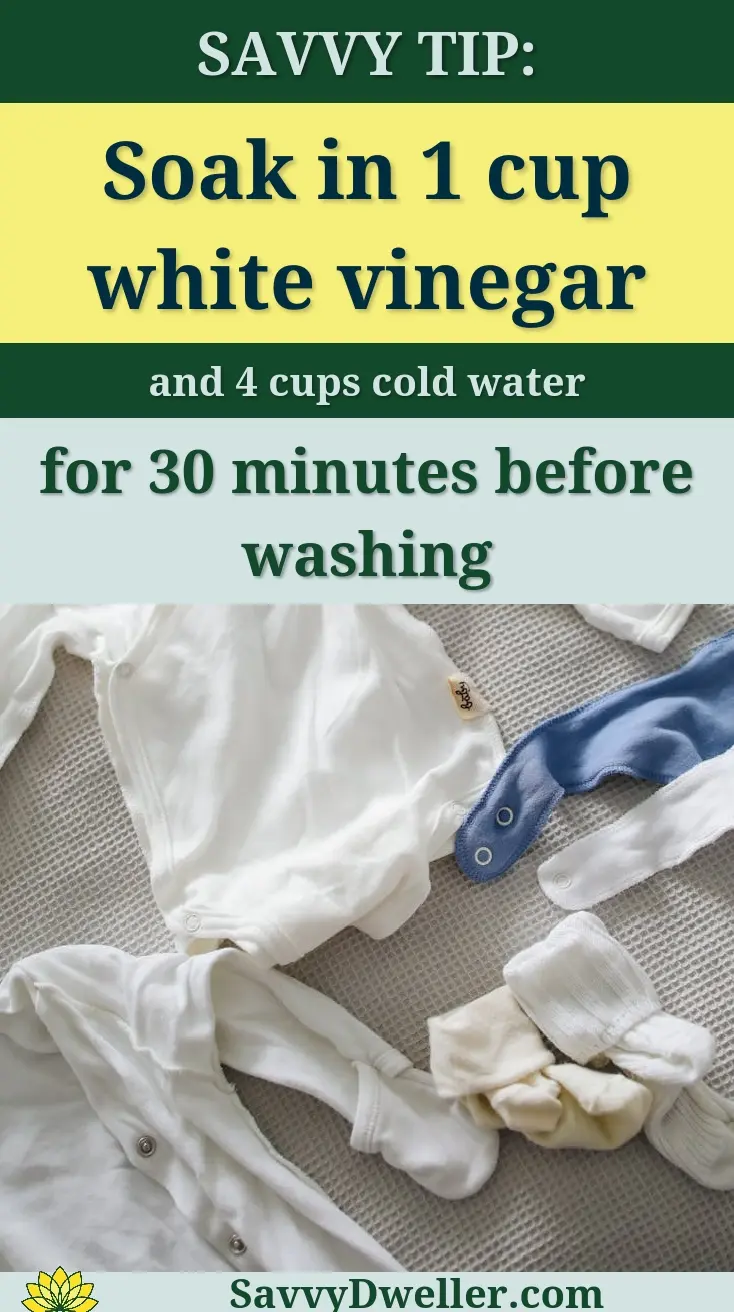
This combo targets both fats and color-dish soap lifts oils, while 3% hydrogen peroxide gently oxidizes stains.
- 2 parts 3% hydrogen peroxide
- 1 part clear, fragrance-free dish soap
- Optional: 1 part water for sensitive dyes
- Non-metal bowl and spoon
- Gloves and a soft brush
- Stir 2:1 peroxide to dish soap in a non-metal bowl. For brights, dilute with equal water.
- Make only what you need; the mix works best fresh.
Keep the mixture away from vinegar and bleach-use these on different days, with full rinses in between. Vinegar can be a powerful cleaning agent on its own, making it an ideal choice for an all-purpose cleaning spray. Combining vinegar with water and a few other ingredients can help create an effective cleaning solution for various surfaces in your home.
Application Technique
- Patch test on an inside seam, especially for colors.
- Place a white towel behind the stain to catch bleed-through.
- Apply a thin layer to the baby poop stain; tap in gently with fingers or a soft brush.
- Set a timer: 5–10 minutes for whites, 3–5 minutes for colors.
- Rinse thoroughly with cold water, lifting loosened residue.
- Launder on a cold cycle. Air-dry first to confirm stain removal baby clothes before heat sets any shadow.
If you still see a faint mark, repeat the short contact time rather than letting it sit longer.
Fabric Compatibility Check
- Best on white cotton, cotton blends, and light-colored onesies or bibs.
- Use brief contact on colored fabrics; hydrogen peroxide can lighten unstable dyes.
- Avoid on wool or silk; oxidizers can roughen protein fibers.
- Check labels on flame-resistant sleepwear and any item with spandex trims; keep contact short and rinse well.
This is a smart pick when you need targeted baby poop stain removal for set-in marks on light fabrics.
6. The Sun-bleaching Natural Method
How Sunlight Breaks Down Stains
Sunlight works like a free, gentle bleach-UV and oxygen team up to fade leftover color on the fabric surface.
After you loosen soils with a rinse or wash, sunlight breaks down the last traces that make poop stains on baby clothes look dingy. It’s ideal when you want how to get baby poop stains out using only nature.
Proper Sun-drying Setup
- Drying rack or clothesline
- Clothespins
- Spray bottle with clean water
- White towel or sheet (to reflect light)
- Rinse the stain with cold water first to remove residues.
- Lay the garment flat in direct sun with the stain facing up. Place a white towel underneath to reflect light back.
- Mist the stained area so it stays slightly damp; moisture speeds up photo-bleaching.
- Check every 30–45 minutes. Remist if it dries out.
- For thicker items, flip once to even out fading.
- Wash or rinse again after sunning to remove any oxidized particles, then air-dry.
Sun time turns faint shadows into barely-there marks-especially on white cotton and muslin.
Weather and Timing Considerations
- Midday sun (10 a.m.–2 p.m.) gives the fastest results.
- Cool, breezy days work well; aim for 1–3 hours based on stain depth.
- Glass blocks some UV, so outdoor sun beats a windowsill.
- Monitor bright colors; extended exposure can fade dyes.
- Avoid leaving items out overnight; dew can re-wet and leave new marks.
Use sun as a finishing step after wash routines for how to get poop stains out of clothes without added products.
7. The Professional-grade Baby Stain Remover Approach
Top Baby-safe Commercial Products
When time is tight, a targeted, baby-safe remover speeds up poop stain removal without a lot of scrubbing. Look for fragrance-free formulas with enzymes, since baby poop stains mix proteins, fats, and carbs.
| Product | Why it works | Free of | Best for | Notes |
|---|---|---|---|---|
| Dreft Laundry Stain Remover | Light enzymes and surfactants lift fresh baby poop stains. | Dyes | Everyday spit-up + baby poop stains on cotton | Spot test on dark colors. |
| Puracy Stain Remover | Multiple plant-based enzymes target protein, fat, and starch. | Sulfates, dyes | Set-in poop stains baby clothes with mixed soils | Let it dwell; enzymes need time. |
| Biokleen Bac-Out | Enzymes and live cultures break down organic residue. | Chlorine bleach, phosphates | Cloth diapers, cotton blends | Rinse well; has a light natural scent. |
| Seventh Generation Laundry Stain Remover | Enzyme-based formula tackles protein-based spots. | Artificial fragrance | Colorfast baby clothes poop stain | Good pre-treat before wash. |
| OxiClean Baby (powder) | Oxygen-based booster (sodium percarbonate) brightens and lifts. | Dyes, perfumes | Whites and light colors | Not for wool/silk; use as a soak or in-wash. |
| Buncha Farmers Stain Stick | Coconut oil–based soap penetrates fibers. | Synthetic fragrance | Travel-friendly spot work | Add a quick enzyme spray after for tough poop stains. |
Reading Labels for Harsh Chemicals
Choose products that are fragrance-free, dye-free, and enzyme-forward for safer stain removal baby clothes. This helps reduce residue that can bother baby skin while still powering through baby poop on clothes.
- Look for: protease, amylase, lipase (enzyme terms that break down poop stain components).
- Avoid: chlorine bleach (sodium hypochlorite), ammonia, optical brighteners (stilbene derivatives), and strong solvents.
- Skip sensitizing preservatives when possible: methylisothiazolinone (MI), methylchloroisothiazolinone (MCI), benzisothiazolinone.
- Prefer “free & clear,” “hypoallergenic,” or EPA Safer Choice–certified products.
- Check color safety and fiber exclusions (wool/silk often excluded from enzymes or oxygen bleach).
- Packaging cues to trust: “fragrance-free,” “dye-free,” “phosphate-free,” “optical brightener–free.”
Application and Washing Instructions
Right product, right timing, and the stain lifts faster. Use these steps for how to get poop stains out of baby clothes with commercial removers.
- Remove solids: Use a spoon or spatula to lift off excess baby poop. Rinse the back of the fabric with cold water to push soil out of fibers.
- Pre-treat: Spray or dab your baby-safe stain remover until the area is fully damp. For sticks, wet the fabric, rub the stick on, then massage gently.
- Let it work: Give enzymes time-5–10 minutes for sprays; 15–30 minutes for stubborn baby poop stains on clothes. Keep the spot damp so enzymes stay active.
- Boost if needed: For whites and colorfast lights, dissolve OxiClean Baby per label and soak 30–60 minutes. Do not use on wool or silk.
- Wash: Use a baby-safe detergent on cold or warm (not hot) to prevent setting remaining stain. Add an extra rinse to remove residue.
- Inspect: Check the wet fabric under good light. If any poop stain remains, repeat steps before drying.
- Dry: Air-dry or tumble on low only after the stain is gone. Heat locks in remaining discoloration.
Need a quick fix for how to get poop stains out of clothes on the go? Keep a small enzyme spray and a sealable bag in your diaper kit for fast pre-treatment until you can wash.
Fabric-specific Stain Removal Strategies
Cotton and Cotton Blends
Cotton drinks up liquids, so poop stains can sink deep, but it also tolerates thorough cleaning. This makes cotton the easiest place to start when removing baby poop stains.
- Cold flush from the back of the stain to move soil outward.
- Apply an enzyme stain remover; massage gently with fingers or a soft brush.
- For whites, add an oxygen bleach soak (follow label) to brighten dingy areas.
- Launder on warm with baby-safe detergent; skip fabric softener, which can trap oils.
- Air-dry and recheck; repeat if any baby poop stain remains.
Synthetic Materials
Polyester and nylon don’t absorb as much, but oily residues cling to them. Pair enzymes with a tiny bit of grease-cutting soap for faster poop stain removal.
- Rinse cold, then apply enzyme spray.
- Add one drop of fragrance-free dish soap if the stain looks shiny or greasy; work in lightly.
- Wait 10–20 minutes, keeping the area damp.
- Wash on cold to warm; avoid high heat to prevent setting.
- Air-dry and reassess before machine drying.
Delicate Fabrics and Specialty Items
Delicates need a softer touch to protect fibers while you clean baby clothes stained with poop. Think gentle products, short soaks, and no heat.
- Wool/Silk: Do not use enzymes or oxygen bleach. Spot-rinse cold and handwash with a wool wash or baby shampoo. Blot-don’t wring.
- Lace/Embellished: Place in a mesh bag, pre-treat with a mild, fragrance-free remover, and handwash or use a delicate cycle.
- Waterproof PUL (diaper covers): Rinse cold, use a gentle enzyme spray only on the fabric side, wash warm, and air-dry to protect laminates and elastics.
Organic Cotton Considerations
Organic cotton is less processed, so stains can look more stubborn-but it handles enzyme soaks well. Keep brighteners and optical enhancers off natural-toned items.
- Pre-soak 30–60 minutes with an enzyme solution for baby poop stains on baby clothes.
- Wash warm with a free & clear detergent; add an extra rinse.
- Sun-dry to gently lighten any faint yellowing without harsh bleaches.
Bamboo Fiber Care
Bamboo viscose feels soft but weakens when wet, so treat it kindly. Gentle handling helps when removing a poop stain from baby clothes made with bamboo.
- Support the fabric; avoid stretching. Rinse cold from the back.
- Use a mild enzyme spray and fingertip tapping-no stiff brushes.
- Wash in a mesh bag on cold to warm; avoid oxygen bleach and high heat.
- Lay flat or hang dry out of direct high heat to protect drape and color.
Common Mistakes to Avoid
Never Use Hot Water on Fresh Stains
Heat cooks proteins and sets baby poop stains. Start with cold water so the stain lifts instead of baking in.
Avoiding Harsh Bleaches on Baby Clothes
Chlorine bleach can weaken fibers, fade colors, and leave residue. Use oxygen-based boosters on colorfast items and sun-dry for gentle brightening. To maintain the vibrancy of your clothes, exploring natural methods can be beneficial. Simple ingredients like vinegar or baking soda can help brighten colored clothes naturally without damaging the fabric.
Don’t Let Stains Air Dry Before Treatment
Dry time equals set time. Keep the spot damp with water or a pre-treater until you can wash to aid baby poop stain removal.
Scrubbing Too Aggressively
Hard scrubbing roughs up fibers and can spread the stain halo. Use short, light strokes or fingertip tapping, then let enzymes do the heavy lifting.
Using Adult-strength Products
Heavy-duty degreasers and perfumes hang around in fabric and can irritate skin. Choose baby-safe, fragrance-free removers designed for how to remove baby poop stains without harsh leftovers.
Frequently Asked Questions
Is It Safe to Use These Stain Removal Methods on Clothes That Will Directly Touch My Baby’s Skin?
Yes, but always prioritize baby-safe ingredients and thorough rinsing. After any treatment, wash the garment with a gentle, baby-specific detergent to remove residue. For extra caution, do a patch test on a hidden area first, and avoid methods with harsh chemicals like bleach on items that contact sensitive skin.
How Can I Prevent Poop Stains From Setting if I’m Away From Home and Can’t Wash Clothes Immediately?
Carry a portable wet bag or zip-lock bag to isolate stained items. Lightly rinse the stain with cold water if possible, or use a baby wipe to blot away excess without rubbing. Store the damp clothing in the bag until you can properly treat it-this slows stain setting by keeping the fabric moist and contained. For more effective stain removal, consider using the best homemade stain remover for clothes, which can tackle a variety of stains without harsh chemicals.
What Should I Do if a Poop Stain Remains Visible After I’ve Tried One Of the Removal Methods?
First, avoid drying the garment in a dryer, as heat can set the stain permanently. Repeat the treatment or switch to a different method—for example, if baking soda didn’t work, try an enzyme soak. For persistent stains, sun-bleaching can be effective; lay the item in direct sunlight for a few hours after dampening it slightly. If stains persist even after washing and drying, knowing the last resort methods can save the garment. This guide to removing stubborn stains offers techniques you may not have tried yet.
Are There Differences in Removing Stains From Breastfed Baby Poop Versus Formula-fed Baby Poop?
Yes, breastfed baby poop is typically water-soluble and easier to remove due to lower fat content. For breastfed stains, a cold water rinse often suffices. Formula-fed poop may contain more oils and proteins, requiring an enzyme-based treatment or dish soap solution to break down the fats. Always act quickly with either type.
Final Words
Getting poop stains out of baby clothes doesn’t have to feel like an uphill battle anymore. With these proven methods in your arsenal, you can tackle even the most stubborn stains while keeping your little one’s clothes safe and soft. Remember, the key lies in acting quickly and choosing the right method for your specific fabric type.
Start with the gentlest approach first, and don’t get discouraged if the first attempt doesn’t completely remove the stain. Most parents find success by combining techniques or repeating the process once or twice. Your baby’s comfort and safety come first, so always prioritize baby-safe ingredients over harsh chemicals.
Ready to put these stain-fighting strategies to work? Try the cold water rinse method on your next accident, then explore the other techniques as needed. For more practical parenting solutions and home care tips that actually work, check out Savvy Dwelling where we share research-backed advice to make your daily life easier and more efficient.
References You Might Like:
- Baby Poo Stains – help please! | Mumsnet
- How to Get Poop Stains Out of Baby Clothes: Simple Steps
- Tips on How to Get Poop Stain out of Baby Clothes
- Removing poop stains from baby clothes | Mumsnet