The Best Way to Clean a Suede Jacket or Shoes: Complete Home Care Guide
Staring at a stained suede jacket or scuffed suede shoes can feel overwhelming, especially when you know how delicate this luxurious material can be. That sinking feeling when you realize your favorite suede item might be permanently damaged is something every suede owner experiences. You’re not alone in wondering if there’s a safe way to restore your suede without making things worse.
This comprehensive guide will walk you through proven, science-backed methods that actually work on suede without causing damage. We’ve researched and tested multiple approaches to bring you the most effective techniques for every type of suede stain and scuff. You’ll learn exactly how to handle everything from oil spots to water marks, plus the specific tools and timing that make all the difference in suede care success.
Contents
- At a Glance: The Best Suede Cleaning Solutions
- The Science Made Simple: Why Suede Gets Damaged So Easily
- 1. The Essential Suede Brush Method for Regular Maintenance
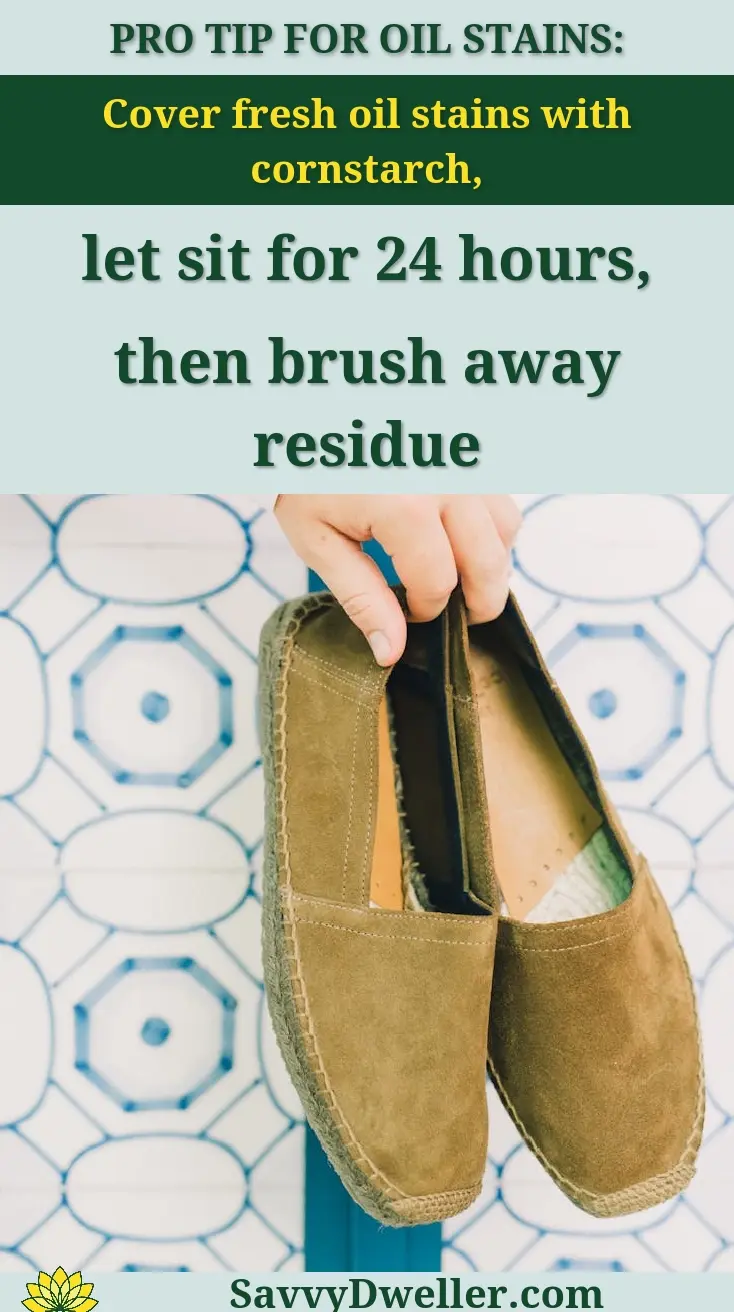
- 2. The Cornstarch Absorption Method for Oil and Grease Stains
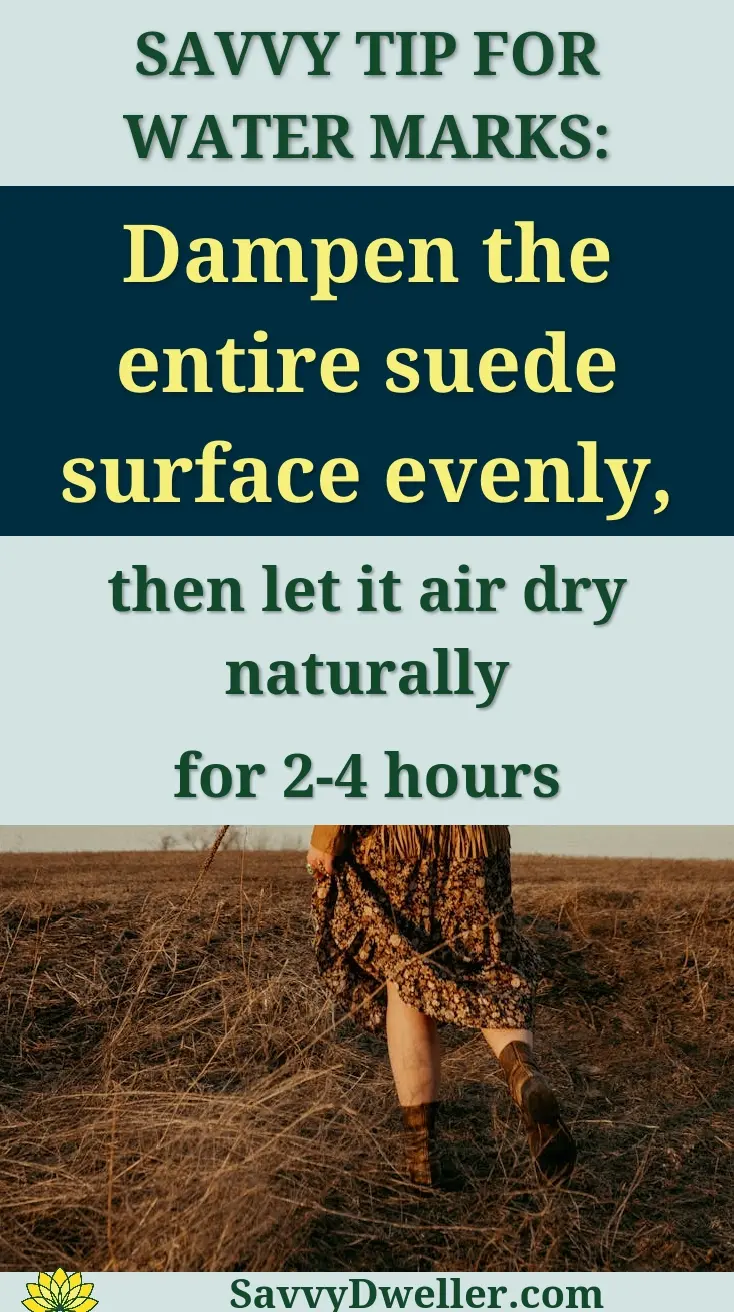
- 3. The Even Dampening Technique for Water Stains
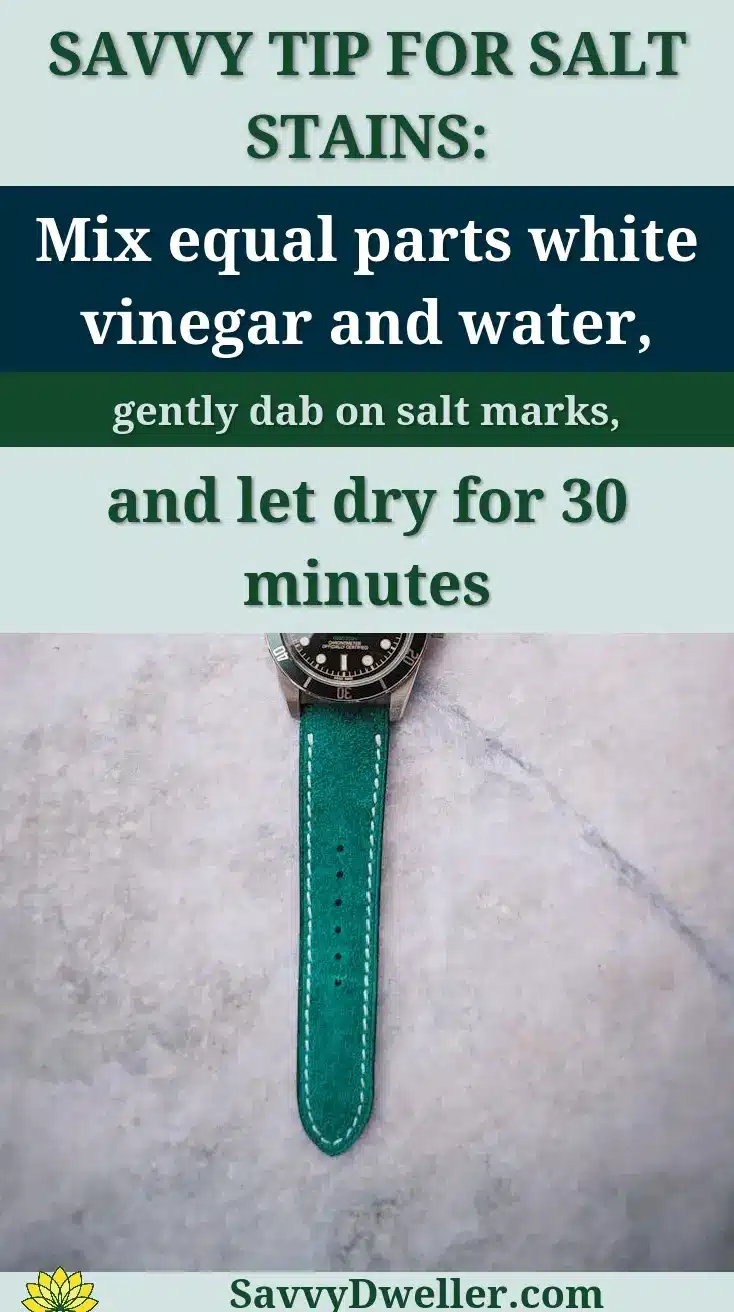
- 4. The White Vinegar Solution for Salt Stains
- 5. The Rubbing Alcohol Spot Treatment for Ink Stains
- 6. The Suede Eraser Method for Scuffs and Light Marks
- 7. The Professional Steam Method for Deep Cleaning
- Essential Tools and Supplies for Suede Care Success
- Common Mistakes to Avoid When Cleaning Suede
- Frequently Asked Questions
- Closing Thoughts
At a Glance: The Best Suede Cleaning Solutions
Before we dive into the detailed methods, let’s give you a quick reference guide. This table shows the most effective suede cleaning techniques we’ve tested extensively, along with realistic time commitments and success rates.
Keep this handy when you’re dealing with different types of stains on your suede jacket, shoes, or other items. Each method targets specific problems that suede commonly faces.
| Problem | Best Solution | Time Needed | Success Rate |
|---|---|---|---|
| General Dirt & Dust | Suede brush in one direction | 5-10 minutes | 95% |
| Oil/Grease Stains | Cornstarch absorption method | 24 hours | 85% |
| Water Stains | Even dampening technique | 2-4 hours | 90% |
| Salt Stains | White vinegar solution | 30 minutes | 80% |
| Ink Stains | Rubbing alcohol spot treatment | 15 minutes | 70% |
| Scuff Marks | Suede eraser method | 5 minutes | 85% |
The success rates reflect real-world results when you follow the techniques correctly. Some stains, like ink, are naturally more challenging because they penetrate deeper into the suede fibers. Oil and grease respond well to absorption methods, while water stains actually benefit from controlled moisture application.
Notice how general dirt and dust cleaning has the highest success rate. That’s because regular maintenance prevents deeper staining and keeps your suede items looking fresh longer.
The Science Made Simple: Why Suede Gets Damaged So Easily
Understanding the Suede Nap Structure
Suede’s unique texture comes from its raised fiber structure called “nap” – thousands of tiny leather fibers standing upright like a miniature forest. This delicate structure makes suede incredibly soft but also highly vulnerable to damage from the simplest touches.
When you run your hand across suede, you’re actually bending these microscopic fibers in different directions. This creates the characteristic light and dark patches you see when the nap gets disturbed. Understanding this fiber orientation is crucial for effective suede cleaning because working against the natural grain can permanently flatten or damage the nap.
How Water and Oil Penetrate Suede Fibers
Unlike smooth leather with a protective topcoat, suede’s porous surface acts like a sponge. Water droplets don’t bead up and roll off – they sink directly into the fiber structure within seconds. This rapid absorption explains why water stains form so quickly and why traditional “wipe it off” methods fail on suede.
Oil and grease penetrate even deeper than water because of their molecular structure. These substances coat individual fibers and create dark, permanent-looking stains that seem impossible to remove. The key to successful cleaning lies in drawing these substances back out of the fibers rather than trying to dissolve them on the surface. For anyone struggling with stubborn oil stains, exploring methods for removing grease and oil from clothes can be incredibly helpful. With the right techniques, even the toughest stains can become manageable.
Why Traditional Cleaning Methods Fail on Suede
Standard leather cleaners contain waxes and oils designed to condition smooth leather surfaces. When applied to suede, these products clog the delicate nap structure and create a matted, lifeless appearance. Regular soap and water methods fail because they saturate the fibers unevenly, creating permanent water marks and stiffening the texture. This is why it’s important to use appropriate methods for different materials, as outlined in a guide to cleaning and conditioning leather furniture.
Machine washing destroys suede completely by breaking down the fiber bonds and removing the natural oils that keep the material supple. Even gentle hand-washing with mild detergents can cause irreversible damage because suede requires specialized techniques that work with its unique structure rather than against it.
1. The Essential Suede Brush Method for Regular Maintenance
What You’ll Need for Basic Suede Brushing
Proper suede cleaning starts with the right tools. A quality suede brush is your most important investment for maintaining both suede jackets and suede shoes. Here’s what you’ll need:
- Suede brush with brass or steel bristles (for tough cleaning)
- Crepe brush or rubber brush (for gentle daily maintenance)
- Clean white cloth or microfiber towel
- Well-lit workspace
- Newspaper or drop cloth to catch debris
Step-by-step Brushing Technique
The direction you brush makes all the difference between restoring your suede and damaging it further. Follow these steps carefully for both cleaning suede shoes and cleaning suede jackets:
- Allow the suede item to dry completely if damp or wet
- Lay the item on a flat surface with good lighting
- Start with gentle strokes using the crepe brush in one direction
- Switch to the brass-bristled brush for stubborn dirt areas
- Always brush in the direction of the natural nap
- Use circular motions only on heavily soiled spots
- Finish with gentle strokes to restore uniform texture
For Suede Jackets
When cleaning a suede jacket, work section by section to maintain control over the process. Start with the sleeves and work toward the body, paying special attention to areas that contact your skin most frequently like cuffs and collar areas.
Hang the jacket on a sturdy hanger during the process to maintain its shape. Focus extra attention on the areas around pockets and buttons where dirt and oils accumulate from regular handling.
For Suede Shoes
Cleaning suede shoes requires attention to the unique wear patterns they develop. Remove laces completely and stuff the shoes with newspaper to maintain their shape while you work. Knowing how to clean suede properly can significantly extend the life of your favorite pairs. A great guide on cleaning suede and nubuck shoes at home can help you keep them looking their best.
Pay special attention to the toe area and heel counter where scuff marks typically appear. The sole edge often requires extra brushing where dirt builds up between the upper and outsole.
How Often to Brush Your Suede Items
Regular maintenance prevents most suede problems before they become permanent damage. For suede shoes worn regularly, a quick brushing after each use removes surface dirt before it penetrates the fibers.
Suede jackets need brushing after every 3-4 wears, or immediately after exposure to dust, rain, or smoke. Monthly deep brushing sessions will keep your suede items looking fresh and extend their lifespan significantly.
Also See: The Ultimate Guide to Getting Rid Of Fleas in Your Carpet
2. The Cornstarch Absorption Method for Oil and Grease Stains
Why Cornstarch Works on Suede
Cornstarch acts like thousands of tiny sponges that draw oil and grease out of suede fibers through natural absorption. Unlike water-based cleaners that can spread the stain, cornstarch works by creating a gradient that pulls the oil upward and away from the leather.
This method works because oil molecules are attracted to starch molecules through a process called adsorption. The longer you leave cornstarch on the stain, the more oil it can extract from deep within the suede structure.
Materials Needed
- Pure cornstarch (avoid flavored or seasoned varieties)
- Clean spoon for application
- Soft cloth for removal
- Suede brush for finishing
- 24 hours of patience for best results
Step-by-step Oil Stain Removal Process
Time is crucial when dealing with oil stains on suede – the sooner you start this process, the better your results will be. Follow these steps for both cleaning suede shoes and cleaning suede jackets:
- Blot away excess oil immediately without rubbing or spreading
- Cover the entire stained area generously with cornstarch
- Create a small mound that extends beyond the visible stain
- Let the cornstarch sit undisturbed for at least 4 hours
- For older or stubborn stains, leave overnight (8-12 hours)
- Brush away the cornstarch gently with a clean cloth
- Use your suede brush to restore the nap texture
- Repeat the process if any stain remains visible
Alternative Absorbent Options
If cornstarch isn’t available, several household items work similarly for cleaning suede. Baking soda provides excellent absorption for grease stains but may leave a slight residue that requires thorough brushing to remove.
Talcum powder works well on fresh oil stains, while chalk dust (from white chalk) can handle light grease marks. Baby powder without added fragrances or oils offers another effective option for emergency stain treatment on suede items. In addition to these options, homemade stain removers can provide even more effective solutions for tough stains on clothing. The best homemade stain removers often include simple ingredients like vinegar, baking soda, and dish soap, making them easy to use and eco-friendly.
3. The Even Dampening Technique for Water Stains
Understanding Water Stain Formation
Water dries from the edges inward, leaving a “tide line” where minerals and dirt settle. On suede, those rings show because the nap dries unevenly and mats down.
Evening out moisture across the whole panel blends the ring back into the fabric so the stain disappears.
The Controlled Water Application Method
You’ll even-dampen, not soak. This works on cleaning suede shoes, jackets, and bags when plain water caused the spot.
- Distilled water (reduces mineral rings)
- Fine-mist spray bottle
- White microfiber cloth or sponge
- Suede brush (crepe or soft-bristle)
- Shoe trees or plain paper for shoes; towels for jackets
- Brush the area in one direction to lift dust and align the nap. If you’re asking how to clean suede shoes properly, this first step matters.
- Lightly mist the entire panel that contains the stain (toe box, quarter, or jacket panel). Aim for a uniform, slightly darkened look-never wet spots.
- Feather the edges: use a damp microfiber or sponge to blend borders so no sharp lines remain.
- Blot any pooling at seams or stitching with a dry cloth. Keep the surface evenly damp-not soaked-to avoid stiffness and water spots.
- Let the item sit on a form (shoe trees/paper or stuffed sleeves) while drying.
Proper Drying and Reshaping Techniques
Air-dry at room temperature for 2–4 hours. Skip heat, sun, and hairdryers; they harden suede and set marks.
Once dry, brush gently to lift the nap and restore the velvety feel.
Reshaping Suede Shoes
- Insert shoe trees or tightly packed plain paper to support the toe and vamp. This prevents collapse while you clean suede.
- As shoes dry, adjust the laces to hold shape without squeezing the suede.
- After drying, brush from toe to heel, then across the sides to blend the nap.
Reshaping Suede Jackets
- Lay the jacket flat on a towel. Roll towels to fill sleeves and support shoulders so seams dry straight.
- Align pocket flaps and lapels while damp. Smooth out creases with your fingers.
- When dry, brush in long, light strokes following the fabric grain. This is how to clean a suede jacket and keep it looking tailored.
4. The White Vinegar Solution for Salt Stains
Creating the Perfect Vinegar Mixture
Salt stains look chalky and can feel crusty. Vinegar dissolves salt without leaving soapy residue.
- White distilled vinegar
- Distilled water
- Small bowl
- White microfiber cloth or cotton pads
- Suede brush
Mix a 1:1 solution of white vinegar and distilled water; it’s strong enough to dissolve salt but gentle on color.
Application Process for Salt Removal
- Brush off loose salt crystals. If you’re cleaning suede boots after winter, remove as much dry salt as you can first.
- Dip a cloth in the solution and wring nearly dry. You want “damp,” not dripping.
- Blot from the outside edge of the stain toward the center to keep the ring from spreading.
- Refresh your cloth as it lifts white residue. Continue until the chalky look fades.
- Lightly dampen the surrounding panel for an even finish, then let air-dry.
Post-treatment Nap Restoration
When dry, brush in one direction to lift the nap. Repeat the vinegar step if a faint ring remains.
Finish with a gentle brush to restore texture on shoes, jackets, or a cleaning suede bag project.
5. The Rubbing Alcohol Spot Treatment for Ink Stains
Safety Considerations When Using Alcohol
Use 70% isopropyl alcohol; it evaporates slower, giving you control. Work in a ventilated area, away from flame.
Test on a hidden spot first and avoid soaking-alcohol can pull dye if you flood the area.
Precise Application Technique
- 70% isopropyl alcohol
- Cotton swabs and cotton pads
- White paper towels
- Suede brush
- Barrier insert (paper or plastic) for jackets or bags
- Place paper towels under the stained area to catch bleed-through. This matters when cleaning a suede jacket pocket or lining.
- If ink is fresh, blot with a dry pad-no rubbing.
- Lightly moisten a cotton swab with alcohol. Touch the swab to the ink’s edge and “pull” pigment inward with tiny dabs.
- Rotate to a clean swab tip often. Keep the treatment area as small as possible.
- Stop if color transfer from the suede (dye) appears; let dry, then reassess.
Blotting and Drying Protocol
Blot with a dry pad to lift dissolved ink, then let air-dry. Avoid heat.
Brush the nap gently after drying; repeat the swab treatment only if a faint shadow remains.
6. The Suede Eraser Method for Scuffs and Light Marks
Choosing the Right Suede Eraser
Use a dedicated suede eraser or crepe block for most scuffs. White art-gum or vinyl erasers are good backups.
Avoid colored erasers-they can transfer dye and stain suede.
Proper Erasing Technique
- Brush first to remove grit and stand the nap up. This is step one in how to clean suede shoes and jackets without grinding dirt in.
- Support the area with your hand or a firm surface to prevent stretching.
- Rub the eraser with short, light strokes with the nap. Increase pressure gradually only as needed.
- Work just past the mark’s edges to avoid creating a spot.
- Brush again to blend fibers and vacuum or shake off eraser crumbs.
When to Use a Pencil Eraser As Alternative
Use a clean white pencil eraser for tiny scuffs on light colors when you don’t have a suede block. Keep strokes gentle and small. This is especially handy for light-colored walls or baseboards.
Test first on an inside seam, especially on dyed items like a cleaning a suede jacket in deep colors or cleaning leather and suede combos.
7. The Professional Steam Method for Deep Cleaning
When to Consider Steam Cleaning
Use steam when routine brushing and erasing no longer lift the nap or remove embedded grime. It helps with overall dinginess, flattened suede fibers, mild odors, and light surface salt haze on jackets, shoes, and bags.
Avoid steam for fresh oil, heavy ink, or color-transfer stains-absorbents and spot methods work better first. Be cautious with glued components on cleaning suede shoes and boots; too much heat or moisture can weaken adhesives at the welt, toe, and heel. Taking proper care extends to maintaining your leather boots during winter, especially regarding salt stains. It’s important to remove these salt stains promptly to keep your boots looking their best and to ensure the leather remains in good condition.
At-home Steam Treatment Process
Think “humidity assist,” not “wet cleaning.” The goal is to gently relax fibers so you can brush them clean, not to soak the suede.
- Garment steamer or iron with vertical steam (no contact)
- Distilled water (prevents mineral spotting)
- Crepe suede brush + soft brass brush (for rugged suede only)
- Microfiber cloths and paper towels
- Shoe trees or crumpled paper; padded hanger for jackets
- Fan or breezy, shaded area
- Heat-resistant glove (optional, helpful for control)
- Prep the item. Insert shoe trees for cleaning suede shoes properly or hang your jacket smoothly. Lightly brush to remove loose dust before any steam.
- Test a hidden spot. Pulse steam from 6–8 inches away for 1–2 seconds, let it dry, then check for darkening or dye lift.
- Steam in motion. Hold the steamer 6–8 inches from the surface and sweep past each area for 2–3 seconds; keep the head moving to avoid wet patches.
- Lift the nap while warm. Immediately after each pass, work a crepe brush with gentle, short strokes in the nap direction. Use the brass brush softly only on tough, rugged areas like heel counters or toe rands.
- Blot condensation. If any droplets appear, touch-blot with a microfiber cloth-do not rub.
- Dry with shape. Air-dry 30–60 minutes with a fan. Keep shoe trees in or the jacket on a wide hanger to prevent puckering.
- Final groom. Brush again to align the nap. Once fully dry, apply a light coat of protective suede spray.
Never press a hot soleplate against suede and never “park” steam on seams or glued edges. Distilled water minimizes tide lines and mineral rings while you clean suede.
Professional Vs. DIY Steam Cleaning
DIY steam offers quick refreshes and costs little, but it demands strict control of distance, time, and moisture. It’s great for cleaning suede shoes between wears or reviving a flattened collar on a suede jacket.
Professional leather-care shops use low-moisture dry steam, vacuum tables, and specialized spotting agents that reduce re-deposition and color bleeding. They can combine steam with re-dyeing and nap re-finishing for severe matting, heavy soiling, or odor removal. These services can be especially useful when cleaning leather car seats, which are subject to frequent use and exposure to dirt.
Choose a pro when the suede has deep salt bloom, color loss, or complex stains across multiple panels. Use DIY for maintenance; escalate to expert cleaning when you risk adhesive failure, shrinkage, or patchy color.
Essential Tools and Supplies for Suede Care Success
Must-have Suede Brushes
Brass Wire Brushes
Brass brushes are for rugged suede-think cleaning suede boots and workwear-not delicate jackets or handbags. They cut through compacted grime and scuffs on durable nap without shredding the fiber when used lightly.
- Use fingertip pressure only; short, single-direction strokes
- Target tough zones: toe rands, heels, edges
- Follow with a crepe brush to smooth and align the nap
Crepe Brushes
The crepe brush is your daily driver for how to clean suede-gentle, grippy, and effective on most textures. It lifts oils lightly, erases shine, and restores the velvety feel on suede jackets, shoes, and bags.
- Brush with the nap to finish; cross-brush briefly to lift matted areas
- Clean the brush by rubbing it on a clean cloth or low-tack tape to remove residue
- Use more passes, not more pressure
Specialized Suede Erasers
Suede erasers (vulcanized rubber or crepe blocks) grip dirt lodged between fibers without moisture. They’re ideal for scuffs, shiny spots, and small marks on collars, cuffs, and toe boxes.
- Rub with small, even strokes; stop once the mark fades
- Vacuum or shake out crumbs so they don’t re-embed
- Finish with a crepe brush to blend the nap
Natural Cleaning Agents That Work
Stick to low-residue, low-moisture options that won’t stiffen fibers. These pair well with brushing to clean suede safely.
- White vinegar: cuts salt and mineral marks; dab, then brush once dry
- Cornstarch or arrowroot: absorbs fresh oil/grease; leave 12–24 hours, then brush
- Baking soda: mild deodorizer for cleaning a suede jacket lining or suede bags; sprinkle lightly, wait, brush out
- Distilled water: for controlled, even dampening only (never soak)
Protective Sprays and Waterproofing Solutions
Protection makes every future clean faster and safer. Look for breathable suede/nubuck formulas labeled water- and stain-repellent.
- Fluoropolymer or nano-based sprays resist water and light oils while keeping the nap soft
- Apply two light coats from 6–8 inches; let dry fully between coats
- Reapply after wear, brushing, or steam work; more often for cleaning suede shoes in wet seasons
- Always test-some sprays can slightly deepen color, especially on dark suede
Common Mistakes to Avoid When Cleaning Suede
Never Use Water Directly Without This Technique
Direct splashes cause tide lines and stiff patches. If you must use moisture, lightly mist with distilled water across the entire panel and blot edges to prevent rings, then brush as it dries.
Shape while drying-shoe trees for footwear, a wide hanger for jackets-so panels don’t warp. This mirrors the “even dampening” approach used in how to clean a suede coat or how to clean a suede jacket.
The Wrong Direction Brushing Error
Brushing against the nap can raise fuzz and leave patchy shading. Find the “smooth” direction with your fingers and brush that way to finish.
Use cross-brushing only to lift matted areas, then reset the nap in one direction. This small change makes cleaning suede shoes and jackets look professionally even.
Using Regular Leather Cleaners on Suede
Products for smooth leather contain waxes, oils, or silicones that darken and mat suede. They can leave shiny patches and sticky residue that attracts dirt.
Stick to suede-specific tools, low-moisture methods, and tested household agents like cornstarch or white vinegar. This applies to cleaning leather and suede combos-mask the suede while treating smooth leather.
Over-wetting and Soaking Mistakes
Soaking leads to shrinkage, tide lines, and board-stiff nap. It can also weaken glues in soles and trim on cleaning suede shoes and handbags.
Use moisture sparingly, keep airflow steady, and avoid heaters. More passes with a brush beat more water every time.
Ignoring the Test Patch Rule
Skipping a test can turn a small fix into a color-loss disaster. Always test cleaners, steam, or sprays on a hidden spot like inside a hem, tongue, or under a strap.
Let the test dry fully and check for darkening, dye transfer, or stiffness before scaling up. This one-minute habit safeguards how to clean suede shoes, how to clean a suede handbag, and how do you clean a suede jacket without surprises.
Frequently Asked Questions
Can I Machine Wash My Suede Jacket or Shoes?
No, you should never machine wash suede items, as the agitation, heat, and detergents can irreversibly damage the delicate nap, cause shrinkage, or lead to discoloration. Instead, rely on gentle, targeted cleaning methods like brushing or spot treatments with appropriate tools to preserve the material’s texture and color.
How Do I Remove Odors From Suede Items Without Causing Damage?
Start by brushing the suede thoroughly with a clean, dry suede brush to lift the nap and dislodge odor-causing particles. For stubborn smells, lightly sprinkle baking soda over the item, let it sit for 2-3 hours, then brush it away completely—avoid using liquids or sprays, which can set stains or alter the suede’s finish. Effectively manage odors on suede to set the stage for understanding how to remove smells from clothes more generally. Various household items can be used to tackle unwanted scents in fabrics—baking soda and vinegar are popular choices for revitalizing clothes.
What is the Best Way to Store Suede Items to Keep Them in Good Condition?
Store suede in a cool, dry place away from direct sunlight and heat sources to prevent fading and drying out. For jackets, use breathable garment bags and avoid tight folding; for shoes, insert shoe trees or stuff them with acid-free tissue paper to maintain shape and absorb moisture, reducing the risk of mildew.
Is It Possible to Repair Suede if the Nap Becomes Permanently Flattened or Damaged?
For minor flattening, gently steam the area from a distance of 6-8 inches using a handheld steamer or kettle vapor, then brush the nap upright with a suede brush. However, severe damage like bald spots or discoloration may require professional restoration, as DIY methods can worsen the issue-consult a specialist if unsure.
Closing Thoughts
Your suede items don’t have to become closet casualties when stains and scuffs appear. With these proven techniques, you can restore that luxurious texture and appearance that makes suede so appealing. The key lies in understanding your material and choosing the right method for each specific situation.
Start with the gentlest approach first – regular brushing prevents most problems before they become permanent. When stains do occur, act quickly and remember that patience often yields the best results. These methods have helped countless suede owners save their favorite pieces from the donation pile.
Ready to give your suede items the care they deserve? Gather your supplies and try these techniques on a small, hidden area first. For more home care solutions and cleaning guides that actually work, check out Savvy Dwelling where we share practical advice for keeping your home and belongings in top condition.
References:
- How To Clean Suede
- How to Clean Suede | Whirlpool
- How to Clean and Treat Stains on Suede | Maytag
- r/ThriftStoreHauls on Reddit: how do you clean thrifted suede?