
The Best Natural Remedies for Getting Rid Of Annoying Drain Flies
Nothing ruins a peaceful morning like spotting tiny flies hovering around your kitchen or bathroom drains. These persistent little pests seem to multiply overnight, turning your clean home into an unwelcome breeding ground. You’re not imagining things—drain flies are incredibly common, and that frustrating feeling of helplessness when they keep coming back is something many of us know all too well.
The good news is that you don’t need harsh chemicals or expensive pest control services to eliminate these annoying invaders. After researching countless natural methods and testing what actually works in real homes, we’ve compiled the most effective, safe solutions that use ingredients you probably already have. You’ll learn exactly how to tackle both the flies you see and the hidden breeding grounds that keep them coming back.
Contents
- At a Glance: The Best Solutions
- The Science Made Simple: Why This Problem Happens
- 1. The Boiling Water Method
- 2. Baking Soda and Vinegar Fizzing Treatment
- 3. DIY Vinegar and Dish Soap Traps
- 4. Sugar and Yeast Fermentation Traps
- 5. Enzyme-based Natural Drain Cleaners
- 6. Essential Oil Repellent Sprays
- 7. Deep Cleaning U-traps and Drain Components
- 5 Habits to Keep Drain Flies From Coming Back
- Frequently Asked Questions
- Final Words
At a Glance: The Best Solutions
Quick Reference Table for Natural Drain Fly Remedies
Effectiveness Ratings and Time to Results
If you’re dealing with a fly infestation in your kitchen or bathroom and want fast, chemical-free relief, knowing which natural remedies for drain flies work best-and how quickly-can save you time and frustration. Below is a practical comparison of the most reliable home remedies for drain flies, rated by real-world performance and speed of results.
| Remedy | Effectiveness Rating (1–5) | Time to Noticeable Results | Best For |
|---|---|---|---|
| Boiling Water Flush | 3 | 1–2 days | Light infestations, routine maintenance |
| Baking Soda + Vinegar | 4 | 2–3 days | Breaking down organic gunk in pipes |
| Vinegar & Dish Soap Trap | 4 | Within 24 hours | Catching adult flies quickly |
| Sugar-Yeast Trap | 3.5 | 1–2 days | Luring flies away from drains |
| Enzyme-Based Cleaners | 5 | 3–7 days | Long-term prevention and deep organic buildup |
| Essential Oil Sprays | 3 | Immediate (repellent effect) | Deterrence and freshening drains |
| U-Trap Deep Cleaning | 5 | Same day | Severe or recurring infestations |
For the best natural ways to get rid of drain flies, combining two or more methods yields faster, longer-lasting results. For example, using a vinegar trap to reduce adult populations while treating the drain with enzymes addresses both symptoms and root causes.
These natural solutions for drain flies avoid harsh chemicals, making them safe for homes with kids, pets, or sensitive plumbing. Whether you’re tackling a kitchen fly problem or persistent bathroom swarms, this table helps you choose the right drain fly natural remedy based on your urgency and severity.
The Science Made Simple: Why This Problem Happens
What Are Drain Flies and Where Do They Come From?
Drain flies-also called moth flies or sewer gnats-are tiny, fuzzy-winged insects that thrive in the gunk lining your sink, shower, and floor drains. They’re drawn to moist, organic-rich environments where they lay eggs that hatch into larvae within 48 hours.
These pests don’t come from outside; they’re born right inside your plumbing. The organic sludge (a mix of hair, soap scum, food particles, and bacteria) that builds up in your pipes provides the perfect nursery for their life cycle.
Drain Flies vs. Fruit Flies: Key Differences
- Drain flies are about 1/8 inch long, have fuzzy wings that form a heart shape when at rest, and tend to hop or flutter weakly near drains.
- Fruit flies are slightly smaller, have bright red eyes, smooth wings, and hover actively around overripe fruit or trash bins.
- If you’re swatting slow, moth-like bugs near your sink or shower-that’s a drain fly issue, not a fruit fly one.
Signs You Have a Drain Fly Infestation
You might not notice them until they’re everywhere. But early clues can help you act fast with the best natural ways to get rid of drain flies before they multiply.
Kitchen Warning Signs
- Small, dark flies resting on the underside of cabinet doors near the sink
- Clusters of tiny insects emerging when you run the dishwasher or garbage disposal
- A musty odor coming from the drain-often mistaken for a “dirty sink” smell
Bathroom Red Flags
- Flies hovering near the shower drain or around the base of the toilet
- Visible larvae in standing water left in infrequently used floor drains
- Increased sightings after flushing or using the sink-indicating breeding inside the pipes
1. The Boiling Water Method
Why Hot Water Works Against Drain Flies
Pouring boiling water down your drain is one of the simplest natural remedies for flies because it physically kills adult flies, larvae, and eggs on contact. The extreme heat also helps break down the organic film lining your pipes-removing their breeding ground without harsh chemicals.
This natural method of getting rid of drain flies is fast, free, and works best on minor or early-stage infestations. It’s one of the many easy ways to keep flies away from your home, especially during warmer months.
Step-by-step Application Process
- Bring 4–6 cups of water to a full, rolling boil.
- Slowly pour the water directly into the affected drain in two or three stages, waiting 15 seconds between pours to let the heat penetrate deeper.
- Repeat this process once daily for 3–5 days to catch newly hatched larvae.
- After treatment, run cold water for 30 seconds to cool the pipes and prevent warping.
Safety Precautions for Different Pipe Types
- PVC or plastic pipes: Use water just below boiling (around 190°F) to avoid softening or warping the material.
- Metal pipes (copper, galvanized steel): Boiling water is generally safe, but avoid repeated daily use over weeks to prevent joint stress.
- Old or cracked pipes: Skip boiling water entirely-it could worsen existing damage. Try enzyme cleaners instead.
Also See: 10 Best Foods to Eat When You’re Sick With a Cold
2. Baking Soda and Vinegar Fizzing Treatment
The Natural Chemistry Behind This Solution
When baking soda (a base) mixes with vinegar (an acid), it creates a foaming reaction that lifts and loosens the sticky biofilm where drain flies breed. While it doesn’t kill every fly, it disrupts their habitat and supports long-term control as part of your drain fly remedies routine.
This natural cure for drain flies is non-toxic, eco-friendly, and safe for regular use-making it a go-to for families seeking safe natural pest control products.
Materials You’ll Need
- ½ cup baking soda
- 1 cup white vinegar (5% acidity)
- A kettle or pot for hot (not boiling) water
- A small funnel (optional, for narrow drains)
Detailed Application Steps
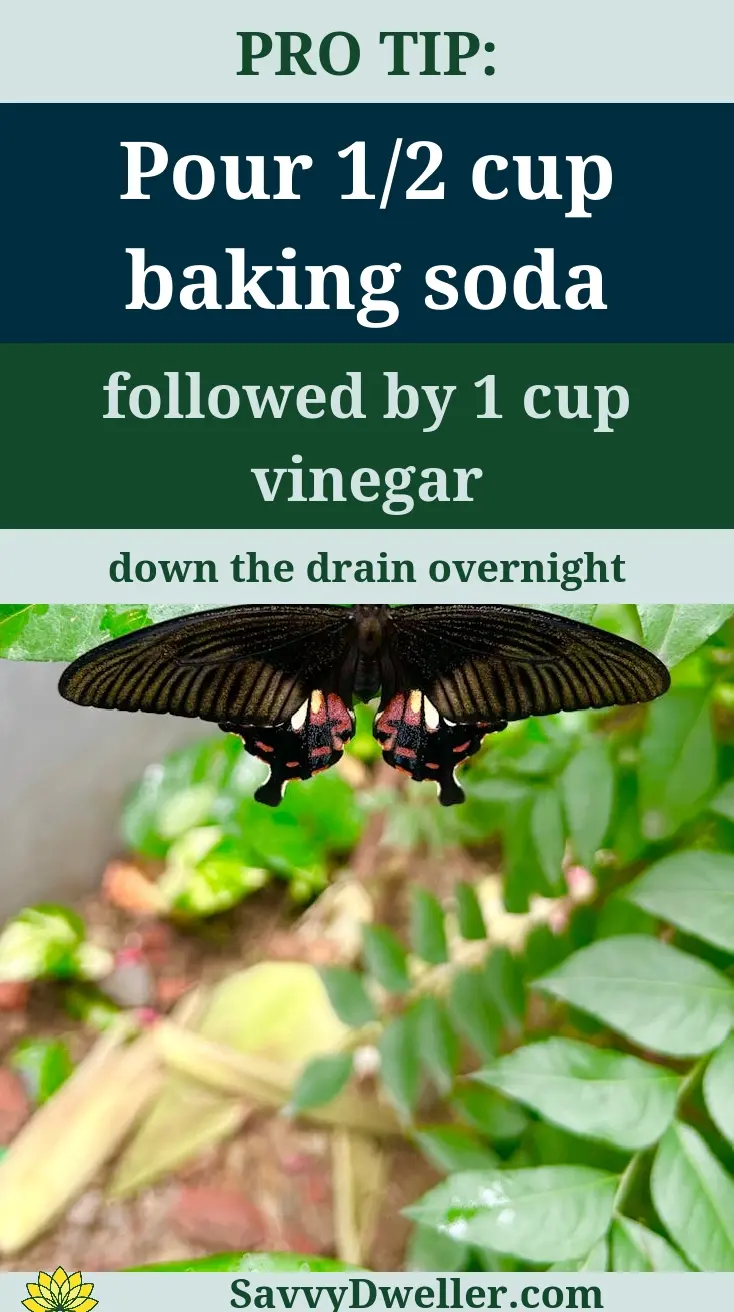
- Pour ½ cup of baking soda directly into the drain.
- Follow immediately with 1 cup of white vinegar. Step back-the mixture will fizz vigorously for 30–60 seconds.
- Let the solution sit undisturbed for at least 30 minutes (or overnight for heavy buildup).
- Flush the drain with 2–3 cups of hot (not boiling) water to rinse away loosened debris.
- Repeat this process 2–3 times per week during an infestation, then weekly for prevention.
Best Times to Apply This Method
- Apply at night before bed-this gives the solution maximum dwell time without sink use interrupting the reaction.
- Best done after dishes are washed and no one is using the bathroom, ensuring the mixture stays in place longer.
- Avoid using immediately before or after chemical drain cleaners-they can neutralize the reaction or create dangerous fumes.
3. DIY Vinegar and Dish Soap Traps
How This Trap Attracts and Eliminates Flies
Drain flies are drawn to the scent of fermentation and organic buildup—exactly what apple cider vinegar mimics. In addition to being effective against drain flies, apple cider vinegar can also attract and trap various fruit flies. When you add a few drops of dish soap to the mix, it breaks the surface tension of the liquid, causing the flies to sink and drown on contact. This simple trap leverages the insects’ natural behavior to kill drain flies naturally without harsh chemicals.
Setting Up Your Homemade Trap
You don’t need special tools—just items you likely already have in your kitchen. Follow these steps to create an effective trap: Homemade solutions can be surprisingly effective, especially when it comes to tackling bed bug issues. Using everyday household items, you can easily craft DIY bed bug traps that help in controlling infestations.
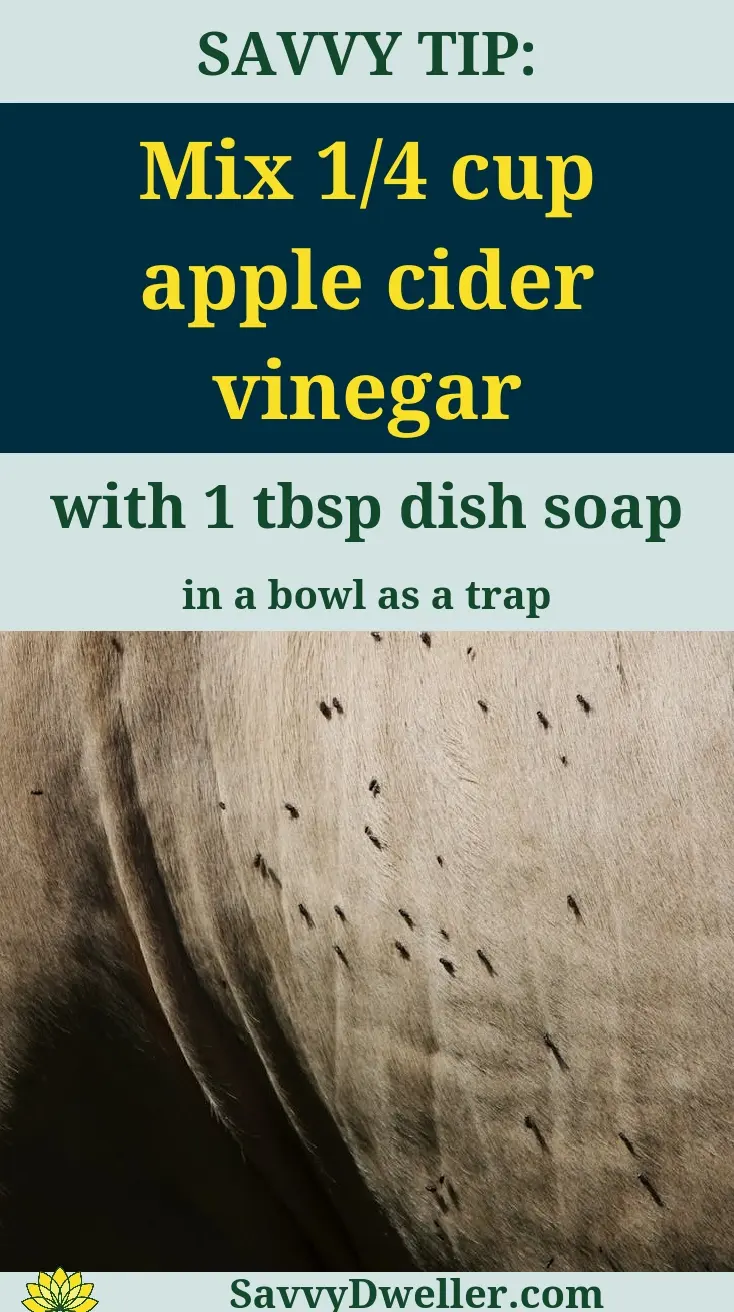
- Fill a small bowl or jar halfway with apple cider vinegar (white vinegar works too, but apple cider is more attractive to drain flies).
- Add 2–3 drops of clear, unscented dish soap and gently swirl to mix (don’t create bubbles).
- Optionally, cover the top with plastic wrap and poke tiny holes with a toothpick to concentrate the scent while limiting escape routes.
Placement Tips for Maximum Effectiveness
- Set traps directly under or beside problem drains-especially in sinks where you’ve seen adult flies hovering.
- Use multiple traps if you’re dealing with a fly infestation in the kitchen or bathroom.
- Replace the solution every 24–48 hours or when you notice a buildup of dead flies, as the mixture loses effectiveness over time.
4. Sugar and Yeast Fermentation Traps
Understanding the Attraction Mechanism
Drain flies feed on fermenting organic matter. A sugar-and-yeast solution creates a mild fermentation process that emits carbon dioxide and ethanol-two powerful attractants for these pests. This natural bait mimics the conditions in your drain’s biofilm, luring flies into a trap they can’t escape. It’s one of the best natural ways to get rid of drain flies when used consistently.
Creating Your Natural Bait Solution
- In a clean jar or cup, mix 1 cup of warm (not hot) water with 2 tablespoons of granulated sugar.
- Stir in 1 teaspoon of active dry yeast-the kind used for baking.
- Let the mixture sit for 5–10 minutes until it becomes slightly bubbly, indicating fermentation has started.
- Place the uncovered jar near the affected drain, or cover loosely with a paper cone (wide end down) to guide flies in but block their exit.
Maintenance and Replacement Schedule
The fermentation slows after 24–36 hours, so replace the solution every day for the first three days of treatment. Once fly activity drops significantly, you can reduce traps to every other day. This method is especially useful for persistent kitchen fly problems or as a follow-up to other natural remedies for flies.
5. Enzyme-based Natural Drain Cleaners
How Beneficial Bacteria Support Drain Health
Unlike chemical cleaners that only clear gunk temporarily, enzyme-based cleaners use live, non-pathogenic bacteria and natural enzymes to digest the organic sludge where drain flies breed. These helpful microbes continuously break down hair, soap scum, and food residue-the very materials that create a perfect nursery for drain fly eggs. Over time, they help restore a cleaner, less hospitable environment in your pipes.
Choosing the Right Natural Enzyme Products
- Look for products labeled “septic-safe” and “non-toxic”-these are typically formulated with plant-based enzymes and live cultures.
- Avoid formulas with bleach, ammonia, or synthetic fragrances, which can kill beneficial bacteria.
- Opt for liquid or gel versions that cling to vertical pipe surfaces for longer contact time.
Application Frequency and Timing
For active infestations, apply the enzyme cleaner nightly for one week. Pour it directly down the drain just before bed, when water use is low-this gives the bacteria time to work undisturbed. After the first week, shift to a weekly maintenance dose to prevent recurrence. Used as part of a broader strategy, enzyme treatments are one of the most reliable natural solutions for drain flies in both kitchen and bathroom drains.
6. Essential Oil Repellent Sprays
Most Effective Oils for Drain Fly Control
Essential oils can be powerful allies in your natural pest control toolkit. Certain oils disrupt the sensory systems of drain flies, making your drains and surrounding areas far less inviting. Among the best natural ways to get rid of drain flies without harsh chemicals, peppermint, tea tree, eucalyptus, and lavender oils stand out for their strong repellent properties. Similarly, essential oils can also be effective in repelling fleas on dogs, providing a safe alternative to chemical treatments.
- Peppermint oil masks the organic odors that attract drain flies.
- Tea tree oil has antimicrobial qualities that help reduce the gunk where flies breed.
- Eucalyptus and lavender add extra deterrence with their pungent, clean scents.
Peppermint and Tea Tree Oil Combinations
Blending peppermint and tea tree oil creates a synergistic effect-one repels while the other helps sanitize. This duo is especially useful for tackling a fly infestation in the kitchen or bathroom, where moisture and organic buildup invite breeding. Just a few drops of this blend can make your drains a no-go zone for these tiny pests.
Creating Your Natural Spray Solution
Making your own essential oil spray is simple, affordable, and avoids the synthetic fragrances found in many commercial natural pest control products. Here’s how to mix a reliable, non-toxic formula:
- Fill a clean 8-ounce spray bottle with distilled water.
- Add 10–15 drops of peppermint essential oil.
- Add 10–15 drops of tea tree essential oil.
- Optionally, add 1 teaspoon of witch hazel or vodka to help disperse the oils evenly.
- Shake well before each use.
Safe Application Around Food Areas
When using essential oil sprays near food prep zones like sinks or countertops, avoid direct contact with dishes or food surfaces. Instead, spray around the edges of the sink, along baseboards, or on nearby walls. Always ensure the area is well-ventilated and never apply undiluted oils directly to surfaces. This method supports your efforts to remove drain flies while keeping your kitchen safe and residue-free.
7. Deep Cleaning U-traps and Drain Components
Locating and Accessing Your Drain’s U-trap
The U-trap-the curved pipe under your sink-is a prime hiding spot for drain fly larvae and organic sludge. To access it, place a bucket underneath to catch any water, then use a wrench to loosen the slip nuts on either end of the U-shaped section. Most kitchen and bathroom sinks have easily removable traps without needing special tools.
Natural Cleaning Solutions for Pipe Maintenance
Once you’ve removed the U-trap, give it a thorough scrub using natural ingredients that break down grime without harming your pipes:
- Baking soda and hot water paste for scrubbing
- White vinegar soak for dissolving residue
- Old toothbrush or bottle brush for tight corners
Rinse everything thoroughly before reassembling. This deep clean is one of the most effective natural methods of getting rid of drain flies at their source.
When to Call a Professional
If you notice persistent odors, slow drainage, or recurring swarms even after cleaning the U-trap, there may be a deeper clog or pipe issue. Repeated infestations often signal a problem beyond surface-level grime-like a cracked pipe or hidden leak-that requires expert attention. Don’t hesitate to consult a plumber if your home remedies for drain flies aren’t delivering lasting results.
5 Habits to Keep Drain Flies From Coming Back
Daily Kitchen Maintenance Routines
Consistency is key when it comes to preventing a kitchen fly problem. A few minutes each day can stop organic buildup before it becomes a breeding ground.
Proper Food Waste Disposal
Never rinse grease, coffee grounds, or food scraps down the sink. Use a compost bin or trash for solids, and wipe greasy pans with a paper towel before washing. Doing so reduces the gunk that feeds drain fly colonies and supports your natural cure for drain flies.
Regular Drain Maintenance Schedule
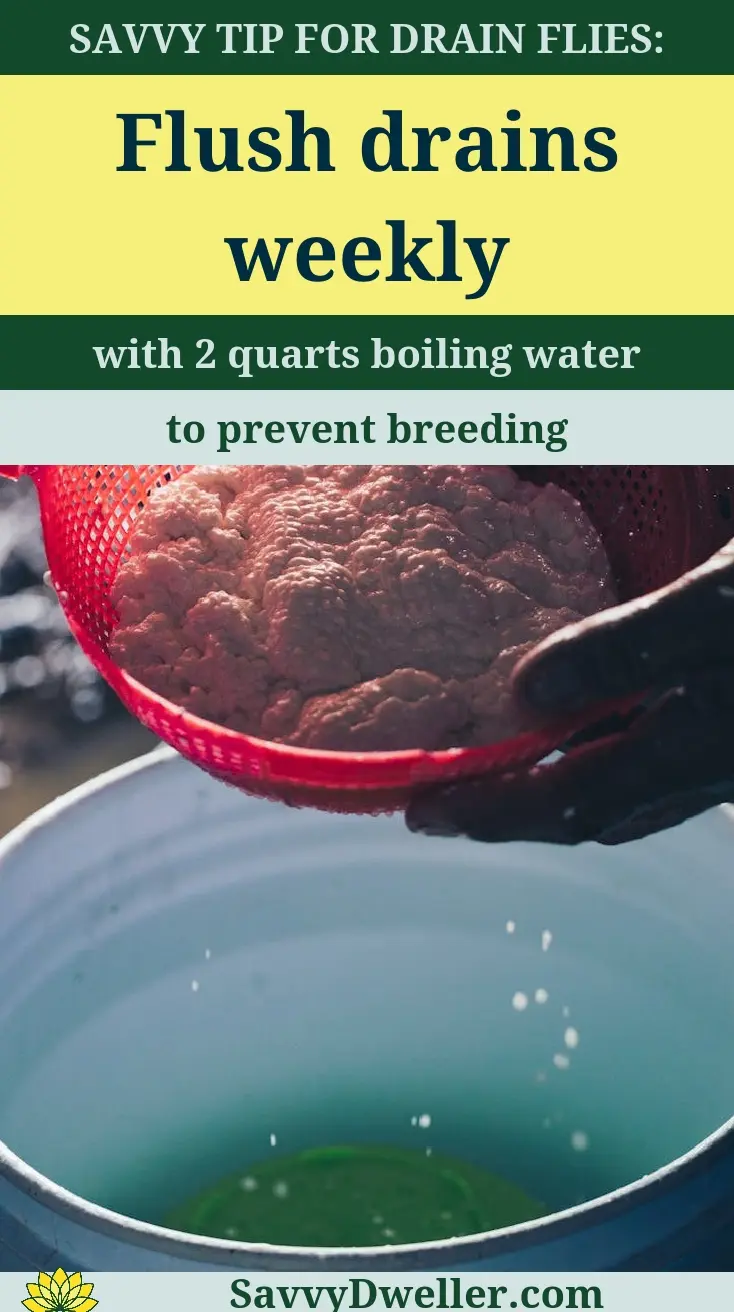
Flushing your drains weekly with boiling water or a baking soda–vinegar treatment keeps organic matter from accumulating. Mark it on your calendar—this simple habit dramatically lowers your risk of a future infestation. If your drains are starting to smell, using a baking soda and vinegar fix can help eliminate those odors while also breaking down any buildup.
Bathroom Prevention Strategies
Bathrooms often harbor hidden moisture and hair buildup that attract drain flies, even if you don’t cook there. Staying ahead requires targeted habits.
Managing Moisture Levels
Run your exhaust fan during and after showers to reduce humidity. Wipe down sink basins and tubs to prevent standing water. Drain flies need moisture to survive—cut off their water supply, and you cut off their life cycle. Keeping your home dry and clean is essential in preventing an invasion of flies. Understanding why they suddenly appear can help you take the right steps to stop them.
Weekly Deep Cleaning Checklist
- Scrub sink and tub drains with a brush and baking soda.
- Pour ½ cup baking soda followed by 1 cup vinegar down each drain; let sit 30 minutes, then flush with hot water.
- Check and clean shower curtain liners and bath mats-common moisture traps.
- Inspect under sinks for leaks or condensation.
Following this checklist helps ensure your natural ways to get rid of drain flies in the kitchen and bathroom translate into long-term success.
Frequently Asked Questions
Are Natural Remedies Safe for All Types Of Plumbing?
Most natural remedies are safe for common plumbing, but always consider your pipe material first. For instance, avoid pouring boiling water into PVC pipes, as it can soften and damage them over time. Similarly, frequent use of acidic solutions like vinegar may corrode older metal pipes; opt for enzyme-based cleaners for sensitive systems.
Can Drain Flies Pose Health Risks to My Family or Pets?
Drain flies are not known to transmit diseases, but their presence can indicate unsanitary conditions that may attract other pests. While they don’t bite, allergic individuals might experience respiratory irritation from fly debris. Keep areas dry and clean to minimize risks.
What is the Most Economical Natural Remedy for Drain Flies?
The baking soda and vinegar method is highly cost-effective, using common household items costing pennies per treatment. For zero cost, regularly flushing drains with hot tap water can prevent infestations. Reserve pricier enzyme cleaners for persistent issues.
Are There Any Natural Ingredients I Should Avoid Using in Drains?
Never mix bleach with vinegar or ammonia, as this creates toxic gases. Also, avoid excessive use of harsh acids like undiluted lemon juice, which can erode pipes. Stick to tested combinations like dish soap traps or enzyme solutions for safety.
Final Words
You now have a complete arsenal of natural, safe remedies that really work against drain flies. These methods tackle both the immediate problem and the root causes that keep these pests coming back. The beauty of these solutions lies in their simplicity-most use ingredients you already have at home, making them both budget-friendly and environmentally responsible.
Start with the boiling water method for quick results, then follow up with the baking soda and vinegar treatment for deeper cleaning. Consistency is your best friend here-regular maintenance prevents future infestations more effectively than any one-time treatment. Remember, drain flies thrive in neglected areas, so keeping up with your new prevention habits will save you from dealing with this frustration again.
Ready to reclaim your drains? Pick the method that fits your situation and get started today. For more practical home solutions and wellness tips that actually work, check out Savvy Dwelling where we share tested strategies to make your home healthier and more comfortable.