Red Wine on the Carpet? Don’t Panic! Here’s Exactly What to Do
That sinking feeling when you watch red wine splash across your carpet is something every homeowner dreads. The good news is that even the most stubborn wine stains can be completely removed when you know the right techniques. You don’t need expensive professional cleaning services or harsh chemicals that might damage your carpet.
This guide walks you through seven proven methods that actually work, starting with emergency first aid and progressing to deep-cleaning solutions for older stains. We’ve tested these techniques on different carpet types and stain severities, so you’ll know exactly which approach to use based on your specific situation. Time is critical with wine spills, so let’s get your carpet looking perfect again.
Contents
- At a Glance: The Best Solutions
- The Science Made Simple: Why This Problem Happens
- 1. The Emergency Blotting Method (Do This First!)
- 2. The Salt Absorption Method
- 3. The Club Soda Bubbling Technique
- 4. The Vinegar and Dish Soap Power Combo
- 5. The Hydrogen Peroxide Deep-clean Method
- 6. The Baking Soda Paste Method
- Special Considerations for Different Carpet Types
- Common Mistakes to Avoid
- Frequently Asked Questions
- Final Words
At a Glance: The Best Solutions
| Method | Best For | Time Needed | Materials |
|---|---|---|---|
| Immediate Blotting | Fresh spills | 2-3 minutes | Clean cloth, cold water |
| Salt Method | Fresh stains on any carpet | 5-10 minutes | Table salt, vacuum |
| Club Soda | Light, fresh stains | 10-15 minutes | Club soda, clean cloths |
| Vinegar + Dish Soap | Set-in stains | 20-30 minutes | White vinegar, dish soap, water |
| Hydrogen Peroxide + Dish Soap | Stubborn, older stains | 30-45 minutes | 3% hydrogen peroxide, dish soap |
The Science Made Simple: Why This Problem Happens
What Makes Red Wine So Stubborn
Red wine contains tannins, natural dyes from grape skins, and sugars that bond quickly with carpet fibers. These compounds act like tiny magnets for fabric, making red wine stains cling and darken as they dry. Unlike clear liquids that may evaporate cleanly, red wine leaves behind a complex residue that’s hard to lift once it sets.
Why Time is Your Enemy
The longer red wine sits on your carpet, the deeper it penetrates the fibers and the more it oxidizes-turning from a bright red to a darker, more permanent-looking stain. Within minutes, a fresh spill can begin to set, especially in warm or humid conditions. Acting fast isn’t just helpful-it’s critical for complete removal of red wine from carpet.
How Different Carpet Fibers React
Not all carpets respond the same way to wine on carpet. Synthetic fibers like nylon and polyester resist staining better but can trap dye if not treated quickly. Wool and other natural fibers absorb liquids rapidly, making red wine stain on carpet more likely to become permanent if not addressed immediately. Knowing your carpet type helps you choose the safest and most effective cleaning method for red wine stains carpet.
1. The Emergency Blotting Method (Do This First!)
What You’ll Need
- Clean, white, absorbent cloth or paper towels
- Cold water (never hot)
- A second dry cloth for pressing
Step-by-step Blotting Technique
The Right Way to Blot
- Immediately press a dry white cloth firmly onto the red wine on the carpet-don’t rub.
- Lift the cloth straight up once it absorbs liquid; repeat with clean sections until no more color transfers.
- Dampen another cloth with cold water, gently press onto the area to dilute residue, then blot dry again.
What NOT to Do
- Don’t scrub or wipe-that pushes the red wine stain deeper into the carpet fibers.
- Avoid colored towels; dyes can bleed and create a new stain.
- Never use hot water-it cooks the tannins into the fibers, making red wine on carpet nearly impossible to remove.
When to Move to the Next Method
If the red wine stain on carpet is still visible after 2–3 rounds of cold-water blotting, it’s time to try a more active approach. Don’t wait-move to the salt method within 5 minutes of the spill for best results in removing red wine from carpet.
Also See: How to Stop Dark Clothes From Fading in the Wash
2. The Salt Absorption Method
How Salt Works on Wine Stains
Salt is a powerful desiccant-it pulls moisture (and dissolved wine pigments) out of carpet fibers through osmosis. As it dries, the salt crystallizes around the stain, lifting color and preventing it from setting. This makes it one of the simplest, most effective tricks for fresh red wine carpet stains.
Materials Needed
- Plain table salt (iodized or non-iodized works)
- A spoon or shaker
- Vacuum cleaner
- Dry cloth (optional, for pressing)
Complete Application Process
Fresh Spills
- After initial blotting, generously sprinkle salt over the entire stained area-enough to completely cover it.
- Gently press the salt down with a dry cloth to help it contact the fibers.
- Let it sit for 5–10 minutes, or until the salt turns deep red and feels dry to the touch.
- Vacuum thoroughly to remove all salt crystals.
Slightly Set Stains
- Lightly mist the stained area with cold water to rehydrate the fibers (use only a few sprays).
- Apply a thicker layer of salt and let it sit for 10–15 minutes.
- Vacuum, then check the area. If a faint red wine stain on carpets remains, proceed to a liquid-based method like vinegar or club soda.
Cleanup and Follow-up
After vacuuming, inspect the spot under good lighting. If any trace of red wine on carpet remains, don’t reapply salt-it’s no longer effective once the liquid is gone. Instead, transition to a deeper-cleaning solution like the vinegar-dish soap combo to finish the job of getting red wine out of carpet completely.
3. The Club Soda Bubbling Technique
Why Club Soda is Effective
Club soda works on a red wine stain carpet because its carbonation helps lift the wine pigments from carpet fibers. The slight acidity in club soda also helps break down the tannins in red wine-the same compounds that make red wine stains so stubborn.
Step-by-step Application
- Blot up as much of the red wine on the carpet as possible using a clean, white cloth.
- Pour a small amount of room-temperature club soda directly onto the stained area-just enough to dampen, not soak.
- Watch as the bubbles fizz and lift the red wine stain on carpet. Let it bubble for 2–3 minutes.
- Gently blot with a dry white cloth to absorb the liquid and loosened stain.
- Repeat if needed, using fresh club soda and a clean section of cloth each time.
Best Practices for Maximum Results
Always use plain, unflavored club soda-no added sugar or citrus. Flavored or sugary sodas can leave behind a sticky residue that attracts dirt or worsens the stain. Work from the outside of the stain inward to prevent spreading, and avoid rubbing at all costs.
When This Method Works Best
This approach shines for fresh or lightly set red wine on carpet stains, especially on light-colored or synthetic fibers. It’s a go-to for wine on carpet emergencies when you want a fast, gentle solution without harsh chemicals.
4. The Vinegar and Dish Soap Power Combo
Creating the Perfect Solution
This duo tackles red wine stains on carpet by combining vinegar’s natural acidity with dish soap’s grease-cutting power-ideal for breaking down both the pigment and any residual sugars in the wine.
Mixing Ratios
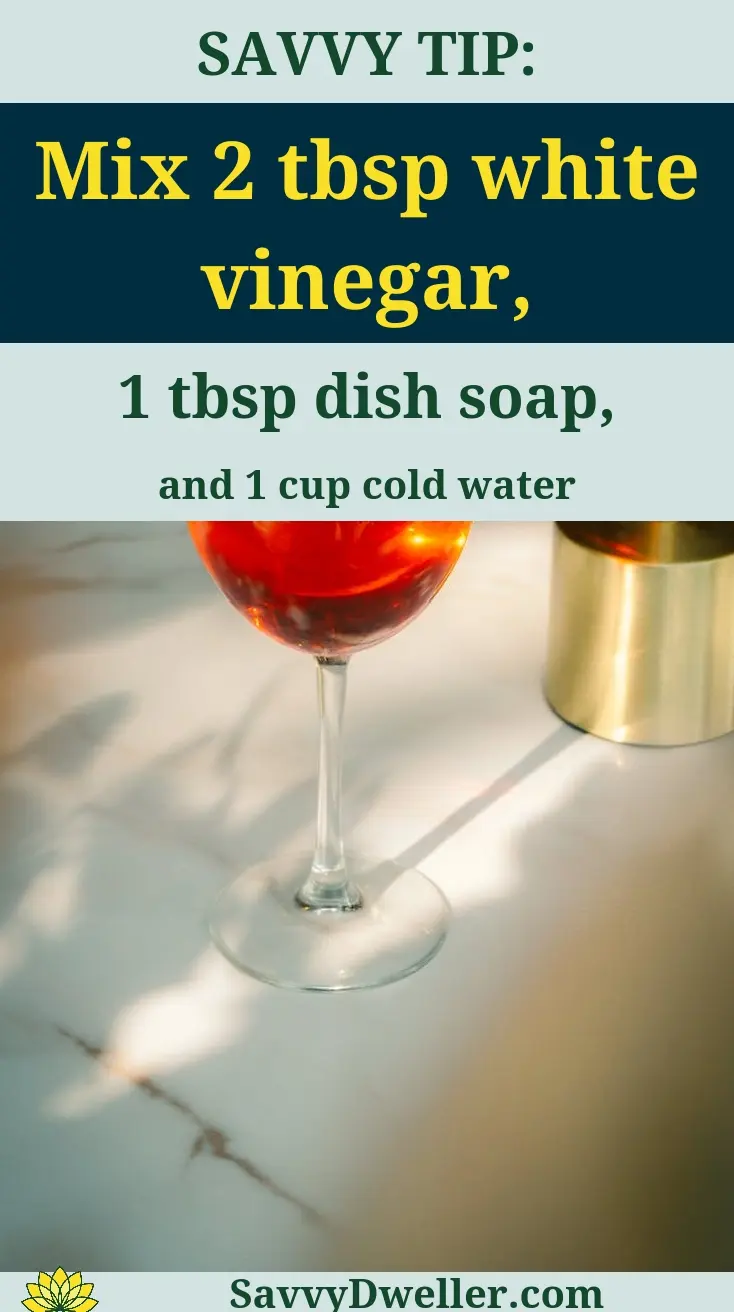
- 1 tablespoon of clear, dye-free dish soap
- 1 tablespoon of white vinegar (5% acidity)
- 2 cups of lukewarm water
Testing on Hidden Areas
Before applying to the visible stain, test the solution on a small, inconspicuous spot-like inside a closet or under furniture. Wait 5 minutes, then blot dry. If there’s no discoloration or texture change, it’s safe to use.
Application Technique
- Blot the red wine stain on carpet thoroughly to remove excess liquid.
- Dip a clean white cloth into the vinegar-dish soap solution, wring it out well-it should be damp, not dripping.
- Blot the stained area gently, working from the edges toward the center.
- Let the solution sit for 5–10 minutes to penetrate the fibers.
- Blot again with a clean, dry cloth to lift the loosened stain.
Rinsing and Drying Process
Rinse the area by dabbing with a cloth dampened in plain water to remove soap residue-this prevents re-soiling. Then press a dry towel over the spot and place a heavy object (like a book) on top to absorb remaining moisture overnight. This helps prevent a ring from forming during red wine stain carpet removal.
5. The Hydrogen Peroxide Deep-clean Method
When to Use This Stronger Approach
Turn to this method when red wine stains on carpets are older, darker, or haven’t responded to gentler treatments. Hydrogen peroxide acts as a mild bleaching and oxidizing agent, breaking down deep-set pigments in red wine on carpet.
Safety Precautions
Use only 3% hydrogen peroxide—the kind sold in pharmacies. Never mix it with vinegar, ammonia, or bleach, as that can create harmful fumes. Always wear gloves and ensure good ventilation. Keep pets and children away during application. For safe teeth whitening at home, hydrogen peroxide can be an effective solution when used correctly.
Creating the Solution
- 2 tablespoons of 3% hydrogen peroxide
- 1 teaspoon of clear dish soap
Mix these in a small bowl or spray bottle. Do not add water-it dilutes the solution’s effectiveness.
Application and Monitoring
- Blot the area clean first to remove surface residue.
- Apply the solution directly to the red wine stain on carpet using a spray bottle or cloth.
- Let it sit-but monitor closely-for a short, controlled time.
- Blot thoroughly with a dry white cloth.
Color-Testing First
Hydrogen peroxide can lighten some carpet dyes, especially on wool or dark fibers. Always test on a hidden area first and wait 10 minutes to check for color changes before treating the visible stain.
Working Time Limits
Never leave hydrogen peroxide on the carpet for more than 10–15 minutes. Prolonged exposure increases the risk of fiber damage or bleaching, even on colorfast materials.
Neutralizing and Rinsing
After blotting, rinse the area with a cloth dampened in cold water to stop the oxidizing action. Blot dry immediately. For thorough red wine stain on carpet removal, follow up with a light vinegar-water rinse (1:1 ratio) to neutralize any remaining peroxide, then dry completely. This step helps avoid lingering chemical effects that might attract future dirt. If dye transfer stains are a concern, it’s important to know how to address them effectively. A comprehensive guide on removing dye transfer stains from clothes can provide detailed techniques for maintaining your fabric’s appearance.
6. The Baking Soda Paste Method
Making the Paste
Baking soda is a gentle abrasive that lifts surface residue while neutralizing odors-ideal for older or dried red wine on carpet stains. To make the paste, you’ll need just two ingredients:
- 3 parts baking soda
- 1 part cold water
Mix them in a small bowl until you get a thick, spreadable consistency-similar to toothpaste. Avoid using warm or hot water, as it can activate tannins in the wine and worsen discoloration.
Application Process
- Blot the area first if any moisture remains-this paste works best on a dry or slightly damp stain.
- Using a soft spoon or butter knife, gently spread the paste over the entire red wine stain on carpet, covering it completely with a thin, even layer.
- Use a clean, soft-bristled brush (like an old toothbrush) to lightly work the paste into the fibers-don’t scrub aggressively.
Timing and Removal
Let the paste sit for 20–30 minutes. As it dries, it draws out the wine pigments and absorbs lingering moisture. You’ll notice the paste darkening-that’s the stain lifting.
- Once dry, vacuum the area thoroughly to remove all baking soda residue.
- If a faint red wine stain on carpet remains, repeat the process once more-but never let the paste sit longer than 45 minutes total, as dried baking soda can become difficult to remove from deep fibers.
Follow-up Cleaning
After vacuuming, lightly mist the spot with cold water and blot dry with a white microfiber cloth. This removes any leftover powder and refreshes the fibers. For persistent red wine stains or blood stains on fabric, follow up with the vinegar and dish soap method—but always test in an inconspicuous area first.
Special Considerations for Different Carpet Types
Wool Carpets
Wool is a delicate natural fiber that reacts poorly to harsh chemicals and excess moisture. Treat red wine on the carpet spills gently to preserve its texture and color.
What to Avoid
- Hydrogen peroxide-it can bleach or weaken wool fibers.
- Hot water or steam cleaners-they cause wool to shrink or felt.
- Vinegar in high concentrations-it may degrade protein-based fibers over time.
Recommended Methods
Start with immediate blotting using cold water and a white cloth. For deeper cleaning, use a paste of baking soda and cold water or a specialized wool-safe carpet cleaner. Always dry thoroughly with airflow, not heat.
Synthetic Carpets (Nylon, Polyester)
Most synthetic carpets are more forgiving. Nylon resists staining well and responds well to vinegar and dish soap solutions. Polyester is colorfast but less absorbent-so blot quickly before the wine sets. Both handle the salt method and club soda technique effectively for wine stain carpet removal.
Natural Fiber Carpets
Carpets made from jute, sisal, or seagrass absorb liquids rapidly and are prone to water damage. Avoid soaking them. For red wine on carpet stains on these materials, immediately blot with a dry white cloth, then lightly apply baking soda paste-never vinegar or peroxide. Vacuum once dry. Professional cleaning is often safest for valuable natural fiber rugs.
White and Light-colored Carpets
Red wine stains on carpets in light hues show every trace of residue or discoloration. Skip hydrogen peroxide unless you’ve done a thorough color test—it can yellow some synthetic fibers over time. Opt first for the salt method or club soda, then move to vinegar + dish soap if needed. Always rinse well and blot dry to prevent soapy film from attracting dirt later. Coffee stains on clothes, mugs, and carpets can also be stubborn, but using similar methods can help remove them effectively.
Common Mistakes to Avoid
Using Hot Water (This Sets the Stain!)
Hot water permanently binds wine’s tannins and pigments to carpet fibers. Always use cold water when cleaning red wine from carpet-it keeps the stain loose and easier to lift.
Rubbing Instead Of Blotting
Rubbing grinds the wine deeper into the pile and can fray fibers. Blot from the outside edge inward to contain the spill and lift it without spreading.
Using Colored Towels or Cloths
Dyes from colored fabrics can bleed into wet carpet, creating a second stain. Stick to clean, white, lint-free cloths or paper towels for every step of red wine carpet stain removal.
Mixing Cleaning Products
Combining vinegar, peroxide, ammonia, or bleach can create toxic fumes or weaken cleaning efficacy. Use one method at a time-and never mix household cleaners when removing red wine from carpet. Especially when using homemade solutions, such as vinegar-based cleaning sprays, caution is key.
Waiting Too Long to Act
The longer red wine sits, the more it oxidizes and bonds with fibers. Within the first 5 minutes, you have the best chance of full removal-so act fast, even if it’s just blotting until you gather supplies.
Over-wetting the Carpet
Saturating the carpet backing or padding invites mold and delays drying. Apply cleaning solutions sparingly-just enough to treat the stained area-and always blot excess moisture afterward.
Skipping the Color Test
Even “safe” ingredients like vinegar or peroxide can react with dyes in older or dyed carpets. Test any solution on a hidden corner first-wait 5 minutes, blot dry, and check for color change before treating the visible stain. This caution is especially important when dealing with hair dye stains that often find their way to bathroom counters and floors. Knowing how to properly remove these stains can save your surfaces from permanent damage.
Frequently Asked Questions
Can I Use Store-bought Stain Removers Instead Of DIY Methods?
Yes, commercial stain removers can be a good alternative. Choose products specifically labeled for red wine or organic stains, and always test them on an inconspicuous area first to check for colorfastness. While they may work faster, DIY methods are often cheaper and use household items, reducing the risk of harsh chemical damage to your carpet. Lipstick stains can also pose a challenge on wine glasses, and treating them promptly is essential to prevent lasting marks. Using simple solutions like rubbing alcohol or dish soap can effectively remove those unsightly lipstick marks from your favorite glassware.
How Can I Prevent Red Wine Stains From Happening in the First Place?
Prevention is easier than removal. Serve red wine in stable, wide-based glasses and avoid carrying it over carpeted areas. Consider applying a carpet protectant spray that creates a barrier against spills. For parties, use spill-resistant tablecloths or designate a non-carpeted zone for drinks to minimize risks.
What Should I Do if the Stain Remains After Trying All the Methods?
If the stain persists, stop DIY efforts to avoid damaging the carpet and contact a professional carpet cleaner. They have advanced tools like steam cleaners and specialized solutions for stubborn stains. Provide details about your carpet type and what you’ve tried so they can tailor their approach effectively. Many homeowners overlook the possibility of removing old stains from carpets instead of replacing them entirely. Effective stain removal can restore the appearance of your carpet without the need for costly replacements.
Can Red Wine Stains Reappear After Cleaning, and How Do I Stop It?
Yes, stains can resurface due to wicking, where residue deep in the carpet fibers rises as it dries. To prevent this, ensure the area is thoroughly dried with fans or a wet/dry vacuum after cleaning. If it reappears, lightly blot with cold water and reapply a mild method like vinegar and dish soap, but avoid over-wetting.
Final Words
Red wine spills don’t have to spell disaster for your carpet. You now have a complete toolkit of proven methods, from the immediate salt absorption technique to the powerful hydrogen peroxide deep-clean approach. The key is acting fast and choosing the right method for your specific situation and carpet type.
Remember, every minute counts when dealing with red wine stains, so bookmark these techniques and keep the basic supplies handy. Start with the gentlest method first and work your way up to stronger solutions only if needed. Most importantly, always test any cleaning solution on a hidden area before applying it to the visible stain.
Ready to tackle that wine stain with confidence? Follow these step-by-step methods and watch your carpet return to its original beauty. For more practical home solutions and cleaning tips that actually work, check out Savvy Dwelling where we share research-backed advice for every household challenge you might face.