
Master Every Laundry Symbol: Your Complete Guide With Printable Reference Chart
Ever stared at those cryptic laundry symbols on your clothing tags, wondering if that triangle means bleach-safe or if those mysterious dots determine whether your favorite sweater survives the wash? You’re definitely not alone in feeling confused by these universal care symbols that seem anything but universal. One wrong interpretation can turn your pristine white shirt pink or shrink your wool sweater into doll clothes.
This comprehensive guide transforms those puzzling symbols into clear, actionable care instructions you can actually use. We’ll decode every washing, drying, bleaching, ironing, and professional care symbol with practical explanations that make sense. Plus, you’ll get a printable reference chart to keep in your laundry room, so you’ll never have to guess again whether that circle means tumble dry or dry clean only.
Contents
- At a Glance: The Best Solutions
- 1. Washing Symbols: The Foundation Of Fabric Care
- 2. Bleaching Symbols: Keeping Colors Safe
- 3. Drying Symbols: From Machine to Air Dry
- 4. Ironing Symbols: Heat Levels That Won’t Harm Your Clothes
- 5. Professional Care Symbols: When to Call the Experts
- 6. International Symbol Variations: Universal Laundry Language
- Common Mistakes to Avoid When Reading Laundry Symbols
- Frequently Asked Questions
- Final Words
At a Glance: The Best Solutions
You’ve probably stared at those cryptic laundry symbols on your favorite shirt and wondered if you need a decoder ring. Understanding laundry symbols meaning can save your clothes from shrinking disasters, color bleeding, and fabric damage.
After years of researching fabric care and testing different approaches, we’ve created the most comprehensive solution. The key is having a reliable reference that breaks down each symbol into simple, actionable steps.
Complete Laundry Symbol Reference Table
This printable laundry symbols chart covers all five major symbol categories: washing, bleaching, drying, ironing, and professional care. Each symbol includes clear explanations and specific instructions to protect your garments.
| Symbol Category | Basic Shape | Key Variations | Quick Action |
|---|---|---|---|
| Washing | Bucket/Tub | Dots for temperature, lines for cycle | Check water temp and cycle setting |
| Bleaching | Triangle | Filled, striped, or X-ed out | Match bleach type to symbol |
| Drying | Square | Circle inside for machine, lines for air | Choose machine or air dry method |
| Ironing | Iron | Dots for heat level | Set iron temperature accordingly |
| Professional Care | Circle | Letters for dry clean solvents | Take to professional cleaner |
Print This Chart and Keep It in Your Laundry Room
Having a washing symbols chart within arm’s reach eliminates guesswork completely. This laundry symbols guide transforms confusing clothing care symbols into clear instructions you can follow every time.
The universal laundry symbols follow international standards, making this chart useful for garments purchased anywhere. Whether you’re dealing with washing instructions symbols or professional care requirements, you’ll have immediate answers.
Post this laundry care symbols printable where you sort clothes, and reference it before starting each load. Your garments will last longer, maintain their shape, and keep their original colors when you follow the proper care instructions.
1. Washing Symbols: The Foundation Of Fabric Care
Washing symbols form the backbone of proper garment care, and once you crack their code, you’ll never again wonder why your favorite sweater shrank or your colors faded. The bucket-shaped washing symbols tell you exactly how to clean each item without causing damage. Proper care extends beyond just reading labels, especially for items like sports bras and workout clothes that can trap odors. Using effective washing techniques can help remove those lingering smells, ensuring your gear stays fresh and ready for your next workout.
Think of these laundry symbols as a universal language that manufacturers use to communicate directly with you about your clothes’ specific needs.
Machine Wash Symbols and Water Temperature Guide
The basic washing symbol looks like a simple bucket or tub filled with water. This wash icon appears on nearly every garment tag and serves as your starting point for proper care.
Understanding the Bucket Symbol and Its Variations
A plain bucket symbol means your item can go in the washing machine using normal settings. When you see numbers inside the bucket (like 30, 40, or 60), these indicate the maximum water temperature in Celsius.
The bucket might also contain a hand symbol, which we’ll cover separately, or be crossed out with an X to indicate no washing allowed.
What Those Dots Really Mean for Water Temperature
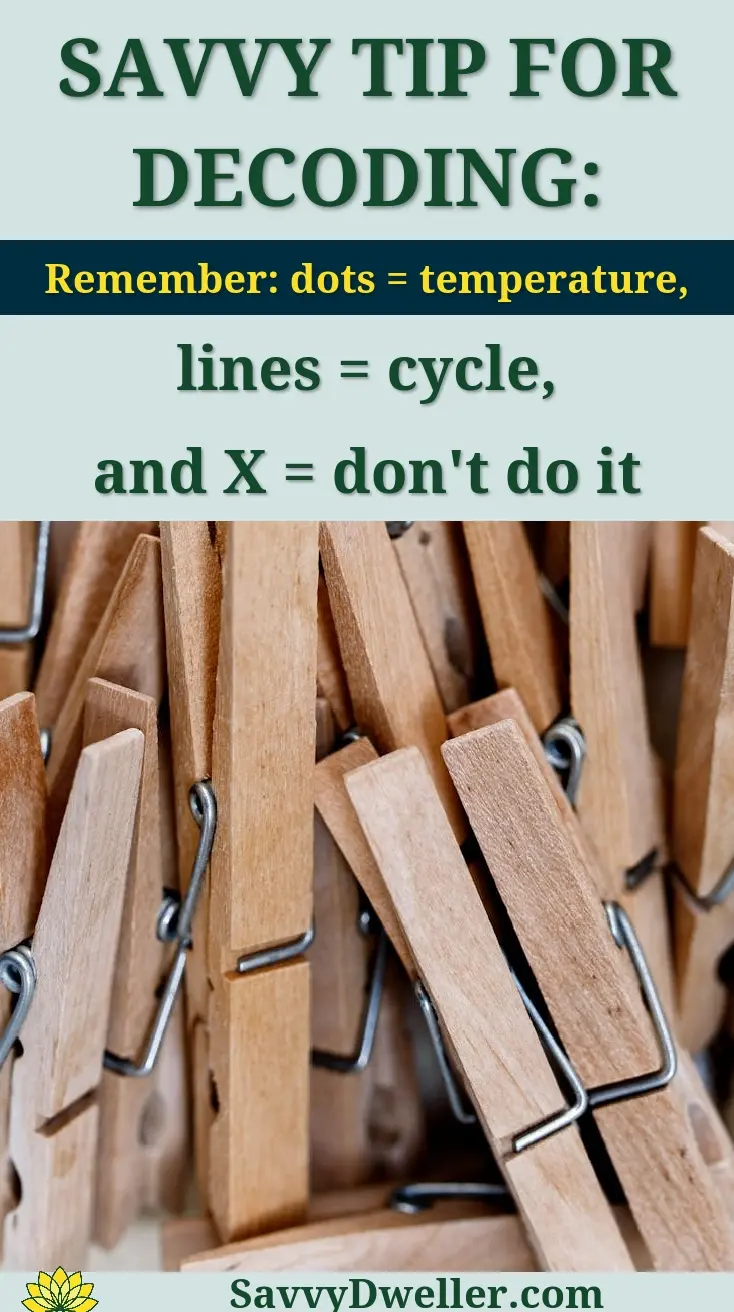
Many clothing care symbols use a dot system instead of numbers for temperature guidance. One dot means cold water (30°C/86°F), two dots indicate warm water (40°C/104°F), and three dots signal hot water (50°C/122°F).
This dot system appears consistently across all laundry care symbols, making it easier to remember once you learn the pattern.
Lines Under the Wash Symbol: Cycle Settings Decoded
Lines underneath the washing symbol indicate gentleness levels for your machine cycle. No lines mean you can use a normal wash cycle with regular agitation.
One line under the bucket tells you to use a permanent press or synthetic cycle with medium agitation. Two lines mean delicate or gentle cycle with minimal agitation to protect fragile fabrics.
Hand Wash Only: When Your Clothes Need Extra TLC
Some garments require the gentle touch that only hand washing can provide. The hand wash symbol appears when machine agitation could damage delicate fibers or construction. This is particularly important for items made from silk and wool, which often need special care to maintain their quality. Hand washing delicates ensures that they remain in good condition, preventing wear and tear that can occur in a washing machine.
The Hand-in-Water Symbol Explained
A hand dipped into the wash bucket means this item must be washed by hand only. You’ll commonly see this washing symbol on silk blouses, lace lingerie, and heavily beaded garments.
This laundry instruction symbol often appears alongside a temperature indicator, usually showing cool to lukewarm water only.
Proper Hand Washing Techniques for Delicate Items
When you encounter the hand wash symbol, follow these steps for best results:
- Fill a clean basin with cool to lukewarm water
- Add a small amount of gentle detergent designed for delicates
- Submerge the garment and gently swish for 2-3 minutes
- Rinse thoroughly with clean water until no soap remains
- Gently squeeze out excess water without wringing or twisting
Do Not Wash: The X Symbol That Could Save Your Garment
When you see an X over the washing symbol, this item cannot be washed at home under any circumstances. This laundry symbol typically appears on leather, suede, or items with special finishes that water would destroy.
These garments require professional cleaning only, and attempting to wash them could result in permanent damage or complete ruin, especially for delicate materials like suede jackets and shoes.

2. Bleaching Symbols: Keeping Colors Safe
Bleaching symbols help you avoid the heartbreak of accidentally ruining colored fabrics or weakening delicate fibers. These triangle-shaped laundry care symbols guide you through safe bleaching practices.
Understanding these symbols prevents color disasters and helps maintain fabric integrity over time.
Triangle Symbols and Bleach Safety
The triangle serves as the universal symbol for bleaching instructions. Its variations tell you exactly which types of bleach are safe for each garment.
Chlorine Bleach vs. Non-Chlorine Bleach Symbols
A plain triangle means you can safely use any type of bleach, including chlorine bleach. This symbol typically appears on white cotton items like sheets and towels.
A triangle with two diagonal lines inside indicates non-chlorine bleach only. This clothing care symbol protects colored items while still allowing for stain removal and brightening.
When the Triangle Has an X: No Bleach Allowed
A triangle crossed out with an X means no bleach of any kind should touch this fabric. This prohibition includes oxygen bleaches, color-safe bleaches, and whitening boosters.
Ignoring this symbol can lead to permanent discoloration, fabric weakening, or complete color removal from dyed materials.
Color-safe Bleaching Guidelines
When you see the non-chlorine bleach symbol, you can safely use oxygen-based bleaches or color-safe alternatives. These products help remove stains and brighten colors without the harsh effects of chlorine.
Always test color-safe bleach on an inconspicuous area first, even when the laundry symbols indicate it’s safe. Different dyes react differently, and this precaution prevents unwanted surprises, especially when you’re dealing with dye-transfer stains.
Also See: How to Get Rid Of Static Cling in the Dryer Naturally
3. Drying Symbols: From Machine to Air Dry
Drying symbols prevent shrinkage, over-heating, and fabric damage that occurs when clothes are dried improperly. These square-shaped laundry instructions symbols guide you through every drying method from machine tumbling to air drying.
Proper drying technique often makes the difference between clothes that last for years and those that lose their shape after a few washes. Regularly washing sheets, towels, and jeans is essential to maintaining their freshness and longevity. When cared for properly, these items can enhance your comfort and daily hygiene.
Tumble Dry Symbols and Heat Settings
Machine drying symbols help you choose the right heat level and cycle type for each garment. Getting this right prevents shrinkage and maintains fabric texture.
Circle in a Square: Your Dryer’s Best Friend
The circle inside a square is the universal symbol for tumble drying. This basic symbol appears on most machine-washable items and indicates the garment can go in your dryer.
When you see this symbol alone without additional markings, you can use normal heat settings and cycle times.
Dot System for Dryer Temperature Control
Just like with washing symbols, dots inside the tumble dry circle indicate temperature levels. One dot means low heat, two dots indicate medium heat, and three dots allow for high heat settings.
This consistent dot system across all laundry care symbols makes it easier to remember temperature guidelines once you learn the pattern.
No Heat Drying: When Cool Air Is Key
A circle with no dots or with a solid black center means air dry only – no heat allowed. This setting uses your dryer’s tumbling action without any heat to prevent shrinkage in sensitive fabrics.
Activewear, elastic materials, and some synthetic blends require this no-heat approach to maintain their stretch and shape.
Line Drying and Flat Drying Symbols
Air drying symbols show you the gentlest methods for drying delicate items. These techniques prevent shrinkage and maintain fabric integrity better than machine drying.
Hang Dry vs. Line Dry vs. Drip Dry
A square with a curved line at the top means hang the item on a clothesline or hanger. A square with a vertical line in the center indicates drip drying, where you hang the wet garment without wringing out excess water.
A square with three vertical lines shows line drying, where clothes are hung on a line outdoors or indoors with good air circulation.
Flat Drying for Sweaters and Delicates
A square with one horizontal line means lay the garment flat to dry. This method prevents stretching in knitted items and maintains the shape of delicate garments.
Sweaters, cashmere items, and structured pieces benefit from flat drying on a clean, absorbent surface away from direct sunlight.
Shade Drying: Protecting Fabrics From Sun Damage
Diagonal lines in the corner of any drying symbol mean keep the item out of direct sunlight. UV rays can fade colors and weaken certain fibers over time.
This shade drying instruction commonly appears on bright colors, dark fabrics, and items made from wool or silk that are particularly susceptible to sun damage.
4. Ironing Symbols: Heat Levels That Won’t Harm Your Clothes
Iron Temperature Guide Using Dot System
The iron icon uses dots to show maximum soleplate temperature, so you set heat by the dots-not guesswork. One dot is low, two is medium, three is high. This keeps you from scorching synthetics or under-pressing natural fibers.
| Dots on Iron | Approx. Temp | Typical Fabrics | Quick Tips |
|---|---|---|---|
| • | Up to 110°C / 230°F | Polyester, nylon, acetate, acrylic | Use a pressing cloth; avoid steam unless allowed |
| •• | Up to 150°C / 300°F | Rayon/viscose blends, silk blends, wool blends | Press, don’t slide; light steam if label permits |
| ••• | Up to 200°C / 390°F | Cotton, linen | Dampen fabric slightly; use steam for crisp results |
Keep a small laundry symbols printable near your iron as a quick laundry symbols key. It’s a simple way to remember the meaning of laundry symbols while you work.
One Dot: Cool Iron for Synthetics
Low heat protects thermoplastic fibers that can glaze or melt. Think polyester blouses, nylon windbreakers, and acetate linings.
- Use a cotton pressing cloth or mesh screen to prevent shine.
- Iron inside out and keep the iron moving to avoid hot spots.
- Skip steam unless the iron has a steam-allowed mark.
- Set iron to one dot and empty the water tank if “no steam” is shown.
- Lightly mist wrinkles with a spray bottle, not the iron’s steam burst.
- Press in short strokes; lift and place rather than dragging.
Two Dots: Medium Heat for Blends
Medium heat smooths blends without flattening texture. Useful for rayon/viscose, silk blends, wool-blend trousers, and casual shirts.
- Test an inside seam first; some viscose shows press marks.
- Use gentle steam if the label allows; otherwise dry press with a cloth.
- Shape collars and plackets with the tip of the iron, not the full plate.
- Set to two dots; add distilled water if steam is permitted.
- Press from the inside; for creases, use a pressing cloth to avoid shine.
- Hang immediately to let fibers cool in shape.
Three Dots: Hot Iron for Cotton and Linen
High heat gives crisp results on sturdy natural fibers. Great for cotton dress shirts, napkins, and linen trousers.
- Pre-dampen with a spray bottle or use full steam for deep wrinkles.
- Starch sparingly to avoid buildup; size works well for linens.
- Iron in sections: yoke, sleeves, body-work methodically.
- Set to three dots; use steam or a damp press cloth for stubborn creases.
- Press on the wrong side to avoid sheen on dark cottons.
- Finish with a cool-down hang to “lock in” the press.
Steam Ironing Vs. Dry Iron Symbols
An iron with steam lines means you can use steam; an iron with crossed-out steam lines means no steam. The dot count still controls heat, but the steam icon controls moisture.
- Steam allowed: Use distilled water to prevent mineral spots and soleplate scale.
- No steam: Work dry with a pressing cloth, or lightly mist fabric-do not engage steam burst.
- Garment steamers: Safe only if no “do not steam” symbol is shown; keep distance to avoid water rings.
- Check the laundry symbols meaning on the label for both dots and steam allowance.
- Match heat to dots; decide on steam based on the separate steam symbol.
- Press, then let garments cool on a hanger to set the finish.
When Steam Can Damage Your Fabric
Steam can spot or distort moisture-sensitive fibers. Watch out for silk, rayon/viscose, acetate, velvet, waxed cotton, and finishes like interfacing or decals.
- Use a dry iron with a press cloth, low heat, and quick lifts.
- For velvet and pile fabrics, use a needle board or hover-steam without touching.
- Test on a seam allowance; if spotting appears, switch to dry pressing only.
Do Not Iron: The X Over Iron Symbol
The crossed-out iron means heat or pressure will damage the fabric’s surface, finish, or adhesives. Skip the iron entirely.
- Try wrinkle-release spray and gentle hand-smoothing.
- Use a garment steamer only if the label lacks a separate “no steam” sign-hover at a distance.
- Use the dryer’s air-fluff (no heat) with ice cubes or a damp towel if the drying symbol allows tumble.
- Check your laundry instructions symbols for any steam restrictions.
- Shape by hand on a hanger while the fabric is slightly damp.
- Lay flat and smooth with palms; let dry in shape.

5. Professional Care Symbols: When to Call the Experts
Dry Clean Only: The Circle Symbol Decoded
A plain circle signals professional cleaning; underlines beneath the circle mean gentler cycles at the cleaner. If the label also shows “Do not wash,” skip home washing entirely.
- One underline: mild dry-clean cycle; two underlines: very mild cycle.
- Look for combined symbols-care is often a package, not a single rule.
- Keep a laundry symbols guide or laundry symbols poster handy for quick checks.
Letters Inside Circles: Solvent Instructions for Cleaners
The letter tells cleaners which solvent family is safe. It’s inside baseball for pros, but useful when choosing a service.
- A: Any solvent permitted.
- P: Perchloroethylene or hydrocarbon solvents.
- F: Hydrocarbon solvents only (more delicate).
Underlines still apply: one underline = reduced moisture/mechanical action; two underlines = very reduced. Share the exact clothing care symbols with your cleaner for best results.
Professional Wet Cleaning vs. Dry Cleaning
A circle with W indicates professional wet cleaning-controlled water-based care at the cleaner. It’s not DIY machine washing.
- W (no line): standard wet-clean process; underlines indicate mild or very mild wet-clean cycles.
- Dry cleaning uses solvents; wet cleaning uses water, special detergents, and precise motion.
- Ask the cleaner which process they’ll use if both P/F and W appear.
Do Not Dry Clean: When Professional Care is Off-limits
A circle with an X means solvents can damage dyes, coatings, or trims. Follow the washing symbols chart on the same label for the safe at-home method.
- Scan the wash icons (bucket symbol) for water temperature and cycle lines.
- Check drying, ironing, and bleach symbols to complete the plan.
- If no wash symbol exists either, spot clean only and consult the brand’s care page.
6. International Symbol Variations: Universal Laundry Language
GINETEX Standards Across Different Countries
Most global labels follow GINETEX, the system behind the five core icons: wash tub, triangle, square, iron, and circle. It appears across the EU, UK, and many countries aligned with ISO 3758.
- Dots = temperature; lines under symbols = gentler mechanical action.
- Same shapes appear across washing symbols, drying, ironing, and professional care.
- Keep a laundry chart printable to bridge small regional quirks.
American Vs. European Symbol Differences
Europe relies on icons and dots, while U.S. labels may add words like “Warm” or “Permanent Press.” Both reference the same universal laundry symbols, but presentation varies.
- U.S.: ASTM/FTC allow text alongside wash icons; temps may appear in °F.
- EU/UK: Dots only, no words; underlines strongly signal cycle gentleness.
- Dryer icon: square with a circle in both systems; dot count still sets heat.
Why Some Symbols Look Different on Import Clothing
Brands compress multiple regional rules onto one tiny tag, so line weights or shapes can vary. Japan and Korea use local standards that look slightly different but follow the same logic.
- Rely on the base shape (tub/triangle/square/iron/circle) and dot/line count first.
- When in doubt, cross-check with a laundry symbols charts reference or washing instructions symbols guide.
- If a symbol looks unfamiliar, match it by shape and modifiers using a laundry symbols chart printable.
Common Mistakes to Avoid When Reading Laundry Symbols
Ignoring Multiple Symbol Combinations
Care instructions work as a set, not as single icons. A safe wash might still be paired with “Do not tumble dry” or “No steam.”
- Read left to right: wash symbol, bleach triangle, drying square, iron, then circle (professional care).
- Note dots and underlines on each; they may differ per step.
- Plan your method using all symbols in clothes washing, not just one.
Assuming All Dots Mean the Same Thing
Dots always mean temperature, but the context changes with the icon. Tub dots = water temp; dryer dots = drying temp; iron dots = soleplate temp.
- Look at the surrounding icon to decode the laundry symbols meanings accurately.
- Use a laundry symbols guide or laundry care symbols printable to avoid mix-ups.
Misreading Professional Care Requirements
Letters inside the circle are for cleaners, not at-home solvents. DIY spot solvents can lift dyes, especially on rayon or acetate.
- P or F doesn’t grant permission to use those chemicals at home.
- If the circle is present with underlines, cleaners must use milder processes.
When “Dry Clean” Doesn’t Mean “Dry Clean Only”
If the label shows a wash tub icon anywhere, the garment can be washed-just follow the tub’s dots and lines. If there’s no tub and only the circle, leave it to the pros.
- Check for a tub symbol; if present, follow those wash instructions.
- For delicate items, use a mesh bag, gentle cycle, and cool water per the washing symbols.
- Test colorfastness on a hidden seam before full washing.
Overlooking Fabric Blend Care Instructions
Blends should be cared for by the most delicate fiber in the mix. A cotton/viscose shirt needs gentler heat than 100% cotton.
- Read fiber content, then check the laundry care symbols.
- Choose settings that protect the most heat-sensitive fiber.
- When unsure, drop one heat level and use a pressing cloth.
Keep a washing symbols chart or laundry symbols printable in your laundry room for quick, confident decisions. It turns laundry symbols meaning into simple, repeatable steps you can trust.
Frequently Asked Questions
What Should I Do if My Garment Has No Laundry Symbols?
If a care label is missing or has faded, your safest approach is to treat the garment as delicate. Start by checking the fabric content. For natural fibers like cotton and linen, warm machine washing and medium heat drying are generally safe. For synthetics (polyester, nylon) or blends, use cold water and a low-heat dryer setting. For delicate fabrics like silk or wool, always opt for hand washing in cold water and air drying flat to prevent damage. Knowing how to handle different fabric types is crucial, especially when faced with stubborn stains. In cases where stains persist even after washing and drying, a last resort guide can provide effective methods to remove those tricky marks without causing further damage.
How Do I Care for an Item With Multiple Fabric Types?
When a garment is made from different fabrics (e.g., a cotton sweater with wool sleeves), you must follow the instructions for the most delicate fabric present. The care label provides instructions for the entire garment, so it has already accounted for the blend. Always default to the most conservative symbol to avoid ruining the sensitive material. For example, if one part is hand-wash only, treat the whole item as hand-wash only. This is especially important when sorting your laundry to prevent damage.
Why Do My Clothes Still Fade or Shrink Even When I Follow the Symbols?
Following the symbols prevents most issues, but fading and shrinking can still occur due to other factors. To prevent fading, wash dark and bright colors inside out and use a cold water cycle, as heat sets dyes. To avoid shrinking, never exceed the recommended water temperature (the number of dots in the wash symbol) and always respect the drying instructions-air drying is the safest bet for natural fibers prone to shrinkage, like cotton and wool.
Final Words
Mastering laundry symbols transforms your relationship with clothing care from guesswork into confident expertise. These symbols aren’t just cryptic drawings-they’re your fabric’s roadmap to longevity and optimal appearance. With your printable chart in hand and these guidelines fresh in mind, you’ll save money on replacement garments while keeping your favorites looking pristine for years.
Start small by focusing on just one or two symbol categories this week, then gradually expand your knowledge until reading care labels becomes second nature. Keep that reference chart handy in your laundry room, and don’t hesitate to double-check when you encounter unfamiliar symbols on new garments.
Ready to become a laundry symbol pro? Put these insights to work on your next load and notice the difference proper care makes. For more home solutions that simplify your daily routines, explore Savvy Dwelling where we break down complex household challenges into manageable, practical steps that actually work.