
How to Stop Dark Clothes From Fading in the Wash: 8 Proven Methods That Actually Work
Watching your favorite black jeans turn gray or seeing your deep navy shirt lose its richness can feel like watching money go down the drain. You’re not imagining it—dark clothes really do fade faster than they should, and it’s incredibly frustrating when you’ve invested in quality pieces only to see them lose their vibrancy after just a few washes. The good news is that this isn’t inevitable.
This guide breaks down eight science-backed methods that actually preserve your dark clothing’s original color and intensity. We’ve researched the chemistry behind fabric fading and tested practical solutions that work in real homes with real washing machines. You’ll walk away with a clear action plan to keep your dark clothes looking brand-new for years, not months.
Contents
- At a Glance: The Best Solutions
- The Science Made Simple: Why Dark Clothes Fade
- 1. Switch to Cold Water Washing
- 2. Always Turn Dark Clothes Inside Out
- 3. Choose Color-safe Detergents Specifically for Darks
- 4. Master the Gentle Cycle and Load Management
- 5. Use Color-catcher Sheets and Protective Additives
- 6. Skip the Dryer When Possible
- 7. Apply Pre-wash Color-setting Treatments
- 8. Time Your Washing Frequency Strategically
- Common Mistakes That Accelerate Dark Clothing Fading
- Frequently Asked Questions
- Final Words
- Sources:
At a Glance: The Best Solutions
You want quick answers on how to stop dark clothes from fading, and we’ve got exactly what you need. After testing countless methods, these six techniques consistently deliver the best results for keeping dark clothes from fading.
This comparison table shows you which methods work best for different situations. Each technique addresses a specific cause of fading, so you can choose the right approach for your laundry needs.
| Method | Best For | Time Required | Effectiveness |
|---|---|---|---|
| Cold Water Washing | All dark fabrics | Same as regular wash | High |
| Turn Clothes Inside Out | Cotton, denim, synthetics | 30 seconds per item | Very High |
| Color-Safe Detergents | Daily dark loads | Same as regular wash | High |
| Gentle Cycle Settings | Delicate dark items | Longer wash cycle | Medium-High |
| Color-Catcher Sheets | Mixed dark loads | Same as regular wash | Medium-High |
| Air Drying | All dark fabrics | 2-8 hours | Very High |
The most effective approach combines multiple methods-cold water washing with inside-out positioning gives you the strongest defense against fading. You don’t need expensive products or complicated routines to prevent dark clothes from fading in the wash.
These methods work because they address the root causes: heat damage, physical abrasion, and chemical exposure. By protecting your dark fabrics from these threats, you can keep dark clothes dark for years longer than standard washing methods allow.
The Science Made Simple: Why Dark Clothes Fade
Understanding why your favorite black jeans lose their richness helps you fight fading more effectively. The culprits behind color loss work together, creating a perfect storm that gradually steals the vibrancy from your dark wardrobe.
Dye Loss: The Primary Culprit
Dark fabric dyes aren’t permanently bonded to fibers like you might think. These color molecules sit in tiny spaces between fabric threads, and washing action gradually pulls them loose. Each wash cycle releases microscopic amounts of dye into the water.
Synthetic dyes used in most dark clothing are particularly vulnerable to this process. The darker the original color, the more noticeable even small amounts of dye loss become.
Physical Abrasion During Washing
Your washing machine creates a tumbling environment that rubs clothes against each other and the drum walls. This mechanical action literally scrapes dye particles from fabric surfaces, especially on areas like seams, collars, and cuffs.
The agitator in top-loading machines causes more abrasion than the gentle tumbling action of front-loaders. Even the friction between different garments in the same load contributes to surface wear that dulls dark colors.
Heat and Chemical Damage
Hot water accelerates chemical reactions that break down dye molecules. Temperatures above 80°F start weakening the bonds between dyes and fabric fibers, while temperatures over 100°F cause rapid color deterioration.
Harsh detergent chemicals compound this damage by stripping away protective oils and treatments that help lock dyes in place. Bleaching agents, even in small amounts, actively break down color molecules, much like they do when you try to remove hair dye stains from skin.
Water Quality Impact on Color Retention
Hard water contains minerals like calcium and magnesium that interfere with both cleaning and color preservation. These minerals create deposits on fabric that make dyes more susceptible to washing away during future cycles.
Chlorinated tap water also contributes to fading through its mild bleaching effect. The chlorine slowly oxidizes dye molecules, causing gradual color loss that’s most noticeable on deep blacks and rich blues.
1. Switch to Cold Water Washing
Cold water washing represents the single most effective change you can make to prevent dark clothes from fading. This simple switch protects dyes while still delivering clean results when done correctly.
Why Cold Water Protects Dark Dyes
Cold water slows down the molecular movement that causes dye particles to separate from fabric fibers. Washing in temperatures below 60°F keeps dye molecules stable and reduces color bleeding by up to 90% compared to hot water.
Lower temperatures also prevent the thermal shock that causes rapid dye release. When hot water hits colored fabric, it creates an immediate chemical reaction that forces dye molecules out of their fiber bonds.
Optimal Temperature Settings for Different Fabrics
Cotton and cotton blends perform best in water between 50-60°F, while synthetic fabrics like polyester can handle slightly warmer temperatures up to 70°F. Delicate dark fabrics require the coldest setting your machine offers.
Denim benefits from the coldest possible wash to prevent the indigo dye from bleeding out. Wool and silk dark items need cool water around 55°F to avoid both color loss and fabric damage.
How to Ensure Effective Cleaning in Cold Water
Cold water cleaning requires adjustments to your washing routine, but the results prove worth the extra steps. Proper preparation and product selection make cold washing as effective as traditional hot water methods.
Pre-treating stains before cold washing
Cold water can’t dissolve oils and proteins as effectively as hot water, making stain pre-treatment essential. Apply enzyme-based stain removers directly to problem areas and let them work for 15-20 minutes before washing.
For grease stains on dark clothes, rub a small amount of dish soap into the spot using your fingers. The surfactants in dish soap break down oils even in cold water, preventing permanent stains that would require harsh treatments later. This is just one of the methods to remove grease and oil stains from clothes.
Choosing cold-water formulated detergents
Regular detergents contain enzymes designed to activate in warm water, making them less effective in cold temperatures. Cold-water detergents use different enzyme formulations that work efficiently at lower temperatures while protecting fabric colors.
Look for detergents specifically labeled “cold water” or “color protection.” These formulas contain stabilizers that prevent dye migration and surfactants that clean effectively without requiring heat activation.
Also See: How to Cut Through Years Of Greasy Buildup on Kitchen Cabinets
2. Always Turn Dark Clothes Inside Out
This simple habit provides immediate protection for the visible surfaces of your dark clothing. The technique works by shielding the outer fabric layer from the mechanical damage that causes most visible fading.
The Protection Principle Behind Inside-out Washing
Turning garments inside out creates a protective barrier during the wash cycle. The inner fabric surfaces absorb the friction and abrasion from tumbling action, while the visible outer layer stays protected from direct contact with other garments and the machine drum.
This method particularly protects areas prone to visible wear, like the front of shirts, the outer thigh area of pants, and the sleeves of jackets. The color you see stays vibrant while any minor abrasion affects only the hidden interior.
Which Dark Items Benefit Most From This Method
Cotton t-shirts, jeans, and other structured garments show the most dramatic improvement when washed inside out. Items with printed designs or raised textures also benefit significantly from this protection method.
Synthetic athletic wear responds particularly well to inside-out washing because the synthetic fibers are more prone to surface abrasion. Sweaters and knitwear also maintain their appearance longer when the visible knit structure is protected during washing.
Step-by-step Inside-out Washing Process
Proper turning technique ensures maximum protection while preventing garment damage during the flipping process. Taking a few extra seconds to turn items correctly pays dividends in extended color life.
Proper turning techniques for different garments
- For t-shirts and tops: Reach inside through the bottom hem and grab the shoulders, then pull the entire garment through itself
- For pants and jeans: Turn one leg inside out, then stuff it into the other leg and pull the waistband through
- For button-up shirts: Unbutton completely, turn sleeves inside out first, then pull the body through the armholes
- For hoodies and zippered items: Unzip fully, turn sleeves inside out, then flip the body portion through the hood opening
Items that should never be turned inside out
Garments with delicate exterior details like sequins, beading, or loose decorative elements should remain right-side out to prevent damage to these embellishments. The washing action could catch and tear these details when they’re pressed against other garments.
Items with waterproof coatings or treatments also perform better when washed right-side out, as turning them inside out can stress the protective layer and cause it to peel or crack during the wash cycle.
3. Choose Color-safe Detergents Specifically for Darks
What Makes Dark-specific Detergents Different
Dark detergents skip optical brighteners and chlorine bleach, which can leave black and navy looking hazy or gray. They use milder surfactants and a lower-alkaline formula to keep dyes anchored while still breaking down body oils and deodorant marks.
Many include dye-trapping polymers (like PVP or PVM/MA) and anti-redeposition agents that grab loose dye so it doesn’t settle back onto fabric in blotches. This combo helps you keep dark clothes from fading while washing in cold water.
Top-rated Detergents for Dark Color Protection
- Woolite Darks: No optical brighteners, low pH, reduces fiber friction for richer blacks longer.
- Tide Studio Darks & Colors: Enzyme-powered clean with color-protect technology, HE-safe, effective in cold.
- Perwoll Renew & Repair Black (EU): Polymer care that reduces pilling and keeps dark fibers smooth.
- Molly’s Suds Dark Wash: Plant-derived, brightener-free option for those who want a gentler formula.
- Cheer ColorGuard: Color-care classic that helps stop dark clothes from fading during wash cycles.
If your store doesn’t stock a “darks” formula, pick any HE-rated color-care detergent that’s bleach-free, brightener-free, and designed for cold water. That’s a simple, reliable way to prevent colored clothes from fading. To maintain vibrant colors, consider using natural methods to brighten your clothes as well. Ingredients like vinegar and baking soda can enhance color without harsh chemicals.
How Much Detergent to Use for Optimal Results
Too much detergent leaves residue that dulls dark fabrics; too little won’t remove oils that cause graying. Aim for the smallest effective dose based on load size, soil level, and water hardness.
- Check your bottle’s dosing lines. For HE washers, start at the lowest line for small/medium loads of lightly soiled darks.
- Use 1.5× the lowest dose for hard water or heavy soil; use a water softener if you notice detergent residue.
- Wash in cold on gentle; verify there are few suds in the rinse. If you see foam, you used too much.
- Skip fabric softener if it makes darks look waxy; switch to a light “color-care” conditioner only if needed.
Powder vs. liquid detergent effectiveness
- Liquids dissolve fast in cold water and usually avoid specks that can streak or spot dark fabric.
- Powders can clean well but may contain optical brighteners and need thorough dissolution; pre-dissolve in warm water if you must use powder.
- For how to wash dark colors without fading, liquids are the safer default, especially for black denim and tees.
Natural vs. commercial dark-safe options
- Natural: Look for plant-based formulas with enzymes, no bleach/brighteners, and “cold-water” on the label (e.g., Molly’s Suds Dark Wash).
- Commercial: Darks/Color-care lines (Woolite Darks, Tide Studio) add dye-binding polymers for extra protection.
- If you’re figuring out how to stop black clothes from fading, choose whichever option checks three boxes: cold-water efficacy, no brighteners, dye-protect technology.
4. Master the Gentle Cycle and Load Management
Why Gentle Cycles Preserve Dark Colors Better
Color loss isn’t only chemical-mechanical abrasion scrubs dye off the surface. Gentle/delicate cycles reduce agitation and spin intensity, which cuts friction and helps keep dark colors from fading.
Less tumbling also limits pilling, so fibers reflect light evenly instead of looking chalky. This is a core move for how to wash dark clothes to prevent fading.
Proper Load Sizing for Dark Clothes
Overstuffed drums cause fabric-on-fabric grinding; underfilled loads whip items into hard creases. Target a balanced, medium load so pieces can glide, not scrape.
- Fill front-load drums about 60–70% (top-load agitator: just below the fins). Leave a hand’s width at the top.
- Mix similar sizes so items move together (e.g., tees with tees, pants with pants).
- Use a mesh bag for fragile knits to reduce rubbing against zippers or buttons.
- If you’re battling dark clothes fading-how to fix residue marks-run an extra rinse to clear leftover suds.
Sorting Dark Items by Fabric Weight and Type
Keep heavy, textured items away from smooth, lightweight fabrics to prevent scuffing. Sorting by weight is a simple way to stop dark clothes from fading and fuzzing. Effective laundry sorting can greatly simplify the washing process, ensuring clothes stay in good condition. For a comprehensive approach, consult the definitive guide on sorting laundry for tips and tricks.
Heavy denim vs. lightweight dark fabrics
- Wash raw/rigid denim separately or with only other jeans; turn inside out and zip hardware.
- Group lightweight tees, blouses, and athletic wear together on gentle; avoid washing them with denim or towels.
- Use cold water for both groups to prevent dark clothes from fading in the wash.
When to wash dark items separately vs. together
- Wash new darks (especially black jeans, indigo, and saturated cottons) separately for the first 3–5 washes.
- Separate lint-makers (sweatshirts, towels) from lint-magnets (leggings, knits) to keep surfaces smooth.
- Wash embellished, coated, or flocked dark items alone on gentle-they shed dye and snag easily.
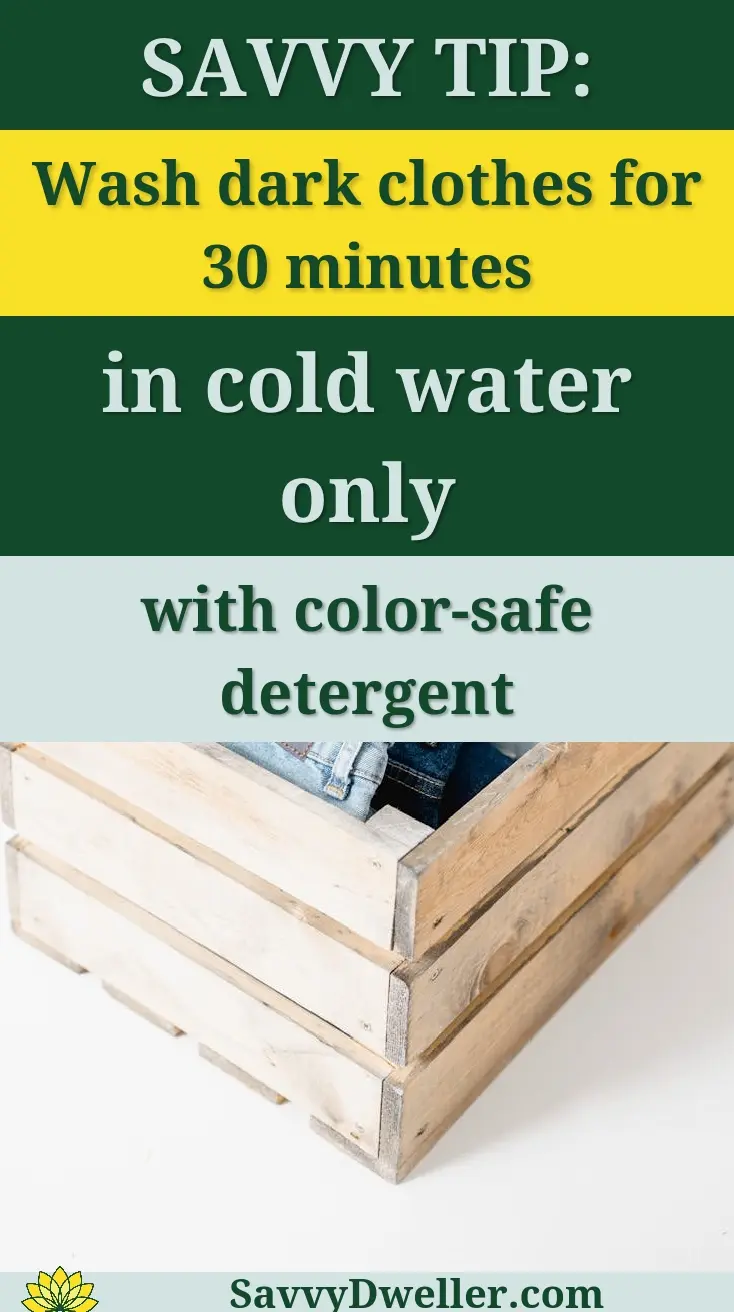
5. Use Color-catcher Sheets and Protective Additives
How Color-catcher Sheets Work to Prevent Fading
These sheets use positively charged fibers or dye-binding polymers to snatch loose, negatively charged dyes from the water. By trapping stray dye before it re-deposits, color catchers help prevent dark clothes from fading and stop surprise stains in mixed loads.
They’re especially helpful when you wash black with deep jewel tones or new denim. Think of them as a safety net while you figure out how to avoid fading dark clothes in everyday laundry.
Additional Laundry Additives for Color Protection
- Color-catcher sheets (e.g., Shout Color Catcher, Carbona Color Grabber).
- White vinegar (5%): a mild acidic rinse that helps clear detergent film and fresh dye residue.
- Salt: a first-wash soak for some natural-fiber darks to limit initial bleeding.
- Water softener (e.g., liquid water conditioner): improves rinsing in hard water so colors stay crisp.
- Mesh laundry bags: reduce abrasion for delicate darks and activewear.
Skip bleach and go easy on heavy fabric softeners—both can make dark fabrics look cloudy. If you use a conditioner, choose one labeled color-care and dose lightly. It’s especially important when dealing with delicate or stained areas of clothing.
When and How to Use Each Type Of Additive
- Color-catcher sheets: Add 1–2 sheets at the back of the drum, load clothes, then detergent. Discard after the cycle.
- Vinegar rinse: Pour 1/2 cup white vinegar into the fabric-softener or rinse compartment; run cold gentle. Do not mix with bleach.
- Salt pre-soak (new darks): Dissolve 1/2 cup table salt in 1 gallon cold water. Submerge garment 20–30 minutes, rinse cold, then wash.
- Hard water help: Add water conditioner per label directions to your wash; this boosts rinse quality and helps keep dark colors from fading.
Vinegar rinses for color setting
- Use only white distilled vinegar (5%) and add it to the rinse-not the wash-so it neutralizes residues without battling your detergent.
- Great for cottons and denim that look “filmy” after several washes; repeat every few loads as needed.
Salt treatments for new dark items
- Best for natural fibers like cotton or linen dyed with reactive or direct dyes; it won’t fix factory dyeing issues but can curb first-wash bleed.
- Always test colorfastness on a hidden seam; if dye pours out, wash separately for multiple cycles before mixing with other darks.
6. Skip the Dryer When Possible
Why Heat Damages Dark Fabric Dyes
High heat accelerates dye breakdown and opens fibers, making pigment rub off faster in future washes. Heat also bakes in detergent residue, which reads as gray, so avoiding the dryer helps you keep dark colors from fading.
If you’re asking how to prevent dark clothes from fading in the wash, cutting heat exposure is one of the biggest wins. Gentle wash plus low-heat or air-dry is a powerful pair.
Proper Air-drying Techniques for Dark Clothes
- Finish with a short, low-spin to remove water without creasing; reshape garments.
- Turn items inside out; hang in the shade or lay flat on a rack to prevent shoulder bumps.
- Space pieces for airflow; point a fan at the rack to speed drying without heat.
- For knits and stretchy leggings, dry flat on a towel-lined rack to avoid “drag” marks.
Air-drying in the shade keeps blacks saturated and is the simplest answer to how to keep dark clothes dark.
Safe Machine Drying Settings When Air-drying Isn’t Possible
- Select “Air Fluff” or “Extra Low/Delicate.” Use the shortest time or a sensor cycle set to “Damp Dry.”
- Dry with wool dryer balls to improve tumbling and reduce time; skip dryer sheets if they leave film.
- Remove items slightly damp and finish on a rack-this alone can dramatically prevent dark clothes from fading.
Indoor vs. outdoor drying considerations
- Indoors: Increase airflow with a fan or dehumidifier; avoid drying over heat vents that can bake in residue.
- Outdoors: Use shade or a covered patio; clip from the hem to avoid shoulder dimples and fade lines.
- Wind and full sun speed drying but also speed fading-shade plus airflow is the sweet spot.
Protecting dark items from sun damage
- Dry inside out, in the shade, and rotate garments halfway through to prevent “sun stripes.”
- Avoid midday UV; morning or late afternoon is gentler on dyes.
- If you must use sun, limit exposure to 15–30 minutes, then finish indoors to avoid photo-fading.
7. Apply Pre-wash Color-setting Treatments
Commercial Color-setting Products That Work
Pre-wash fixatives can reduce dye bleed on the very first rinse, which helps keep dark clothes from fading in later washes. Use the right product for the fiber and always test first.
- Rit ColorStay Dye Fixative: Good for cotton, linen, rayon, and blends. Follow label directions; many applications use a hot soak before the first wash.
- Retayne: Popular with quilters for commercially dyed cottons. Needs very warm to hot water to bond dye; not for wool or silk.
- Jacquard iDye Fixative: Works on natural fibers after-dyeing or to improve color hold on some ready-made garments.
- Synthrapol (not a fixative, but useful): A specialty detergent that removes loose, unattached dye so it won’t redeposit on lighter areas.
- Check the care label and fiber content. Cotton/linen/rayon usually respond best; wool/silk and some synthetics need gentler methods.
- Do a quick colorfast test (see below). If there’s heavy transfer, plan a fixative soak or a Synthrapol wash first.
- Prepare the bath exactly as directed by the product. Many fixatives require 20–30 minutes in hot water; only proceed if the care label allows it.
- Stir the item gently during the soak. Rinse in cool water until clear.
- Air dry away from sun, then wash cold going forward to prevent dark clothes from fading.
If heat is not allowed, skip hot soaks and use a cold Synthrapol wash to flush loose dye, then wash cold with a color-protect detergent when removing dye stains from clothes.
DIY Color-setting Solutions for Dark Fabrics
DIY methods don’t “lock” dye like commercial fixatives, but they can reduce loose dye, friction, and mineral dulling. Aim to pre-condition the fabric so you stop dark clothes from fading during wash day.
- Acidic rinse for wool/silk: 1/2 cup distilled white vinegar per gallon of cool water, 10 minutes, then rinse. This can re-acidify protein fibers and reduce bleed. Do not use with bleach or on acetates.
- Cold saline flush for denim: 1/2 cup table salt per gallon of cold water, 30 minutes, gentle agitate, then rinse. This won’t fix indigo but helps remove loose pigment that causes crocking and early fade.
- Liquid starch/sizing shield: Mix liquid starch 1:5 with water. Lightly spray the inside of high-friction zones (thighs, cuffs), let dry, then wash cold. A microfilm reduces abrasion so you keep dark colors from fading.
- Hard water help: If you have hard water, add a laundry water softener per label to your pre-rinse. Chelation reduces mineral deposits that make blacks look dusty.
- Always test any DIY bath on a hidden seam. If color lifts, stop and switch to a commercial fixative designed for that fiber.
- Limit soak times and avoid scrubbing. Gentle agitation only.
- Rinse in cold water until it runs clear, then wash on the gentlest, coldest cycle that still cleans.
Never mix vinegar with chlorine bleach, and avoid high heat after any DIY pre-soak until you confirm color stability. Keeping whites bright can be challenging, but there are effective methods to enhance their brightness without harsh chemicals. Exploring natural alternatives can lead you to the ultimate guide to making dingy whites bright again without bleach.
How to Test Colorfastness Before First Wash
A 60‑second check can prevent a load of tinted laundry. This simple test shows you how to keep black clothes from fading and stop color transfer.
- Mix a few drops of your detergent in cool water.
- Dip a white cotton swab or cloth into the solution.
- Press on a hidden seam for 10–15 seconds without rubbing.
- Check the swab. Any color transfer means the garment may bleed.
- Repeat with plain water to compare.
The hidden spot test method
- Turn the item inside out and find an inner hem or seam allowance.
- Place a white paper towel under the spot to catch any bleed-through.
- Blot with detergent solution, wait 1 minute, then dab dry. Look for dye on the towel.
If you see transfer, pre-treat with a fixative or wash separately in cold water with a dye-trapping sheet.
What to do if items fail the colorfast test
- For cotton/linen/rayon: Use a commercial fixative (Rit ColorStay, Retayne) as directed, then rinse cold.
- For wool/silk: Try the cool vinegar bath above, then hand-wash with a gentle, pH-appropriate detergent.
- Wash the item alone or with like colors on cold, gentle, and use a color-catcher sheet.
- Avoid dryer heat on the first few washes. Air dry away from sunlight to prevent colored clothes from fading.
- If fading has started, “dark clothes fading how to fix” options include a black re-dye bath or a professional color refresh.
Plan the first 2–3 washes as separate cold loads to keep dark clothes dark and protect the rest of your wardrobe.
8. Time Your Washing Frequency Strategically
How Often Should You Really Wash Dark Clothes
Every wash is wear-and-tear on dye. Spacing out washes is one of the easiest ways to prevent dark clothes from fading in the wash.
- Jeans/denim: Every 4–8 wears, sooner if sweaty or stained.
- Dark tees/tops: Every 1–2 wears if next-to-skin; 3 wears if layered.
- Sweaters/hoodies: Every 3–5 wears; spot clean cuffs and collars.
- Trousers/skirts: Every 3–6 wears unless stained.
- Activewear: After each intense workout; otherwise every wear or two.
If you’re asking how to stop dark clothes from fading, think “wear more, wash less-but cleaner.”
Spot-cleaning Between Washes to Extend Wear
Quick touch-ups let you avoid full cycles while keeping items fresh. This is how to wash clothes without fading: clean what needs cleaning, not the whole garment.
- Tools: Lint roller, microfiber cloth, enzyme stain spray, mild dish soap, diluted white vinegar (1:3 with water), garment steamer, color-safe deodorant remover sponge, mesh bag, small soft brush.
- Deodorant marks: Rub with a clean foam sponge or a 1:3 vinegar-water cloth; blot, don’t rub.
- Oily spots: Dab a drop of mild dish soap on the back of the fabric, wait 5 minutes, rinse cool, air dry.
- Food/sweat stains: Use an enzyme spray, wait per label, blot with cool water.
- Refresh odors: Steam lightly or hang in moving air 30–60 minutes; use a charcoal deodorizer nearby.
- Protect during wears: Use a base layer under dark sweaters to reduce body oil transfer.
Spot clean first, then launder only when signs say it’s time.
Signs It’s Time to Wash Vs. Air Out
- Wash now: Odor remains after airing, visible rings or stains, fabric feels tacky or stiff, skin contact areas look shiny, or color transfers onto a white cloth.
- Air out: No odor after 30 minutes of ventilation, only light lint or dust, no visible marks.
When in doubt, air first; if odor lingers, do a cold, gentle wash to avoid fading dark clothes.
Fabric-specific washing schedules
- Cotton darks: 2–3 wears.
- Denim: 4–8 wears; freeze myths don’t clean-air and spot clean instead.
- Wool: 5–7 wears; refresh with steam between washes.
- Silk: 1–2 wears; air after each wear and hand-wash cold.
- Rayon/viscose/modal: 1–2 wears; very gentle cold cycles only.
- Polyester/nylon: 2–4 wears; wash sooner if odors persist.
- Fleece: 3–5 wears; turn inside out to reduce pilling fade.
Seasonal adjustments for dark clothing care
- Summer/heat: More sweat and sunscreen mean shorter intervals and faster rinses after wear.
- Winter/dry air: Longer wear windows; watch for static and lint-both can make blacks look dull.
- Humid climates: Air items fully dry before storage to avoid odor set-in.
- Pollen/dusty seasons: Brush and air outdoors; wash when buildup is visible.
- Travel: Rotate outfits and air nightly; use spot-clean kits to delay washes.
Adjust the schedule to your climate and activity so you prevent dark clothes from fading while washing less.

Common Mistakes That Accelerate Dark Clothing Fading
Overloading the Washing Machine
When the drum is crammed, fabrics grind together and the dye abrades off. That’s the fastest way to dull deep blacks.
- Load to about 3/4 full so items can move freely; you should fit a flat hand on top of the load.
- Group by weight-no heavy denim with thin tees to avoid scuffing.
- Use mesh bags for delicate darks to cut friction.
Using Too Much Detergent or Fabric Softener
Residue builds up and makes dark fabric look chalky. Excess softener can also weaken elastics and trap odors.
- Measure detergent by load size and soil level; use the HE line for HE machines.
- Skip softener on performance fabrics; use dryer balls for softness.
- If items feel coated, run a no-detergent cold rinse to clear residue.
Ignoring Care Label Instructions
Care symbols tell you how to wash dark clothes to prevent fading. The label reflects the fabric, dye, and finish used.
- Look for “wash cold” and “dry low or line dry” on dark garments; set your machine defaults accordingly.
- A triangle with a slash means no bleach-not even splashless.
- Snap a photo of tricky labels and save a quick-reference album on your phone.
Mixing Dark Items With Lighter Colors
Even colorfast darks can release a little dye, especially in the first washes. Mixing creates gray cast on lighter items and robs depth from blacks.
- Sort into deep darks (black/navy/charcoal) and medium darks (burgundy/olive).
- Wash new darks alone for 2–3 cycles with a dye-trapping sheet.
- Keep linty lights away from darks to avoid surface haze.
Using Hot Water Out Of Habit
Heat opens fibers and speeds dye loss. If you’re wondering how to prevent dark clothes from fading while washing, start with temperature.
- Use cold (60–80°F / 15–27°C) for most dark loads.
- Reserve warm water only for specific pre-wash fixatives that require it and only if the label allows.
- Turn on a cold-wash default on your machine to avoid accidental hot cycles.
Small choices-cool water, smaller loads, measured detergent-add up to longer-lasting, richer dark colors.
Frequently Asked Questions
How Should I Store Dark Clothes to Prevent Fading When Not in Use?
To keep dark clothes from fading during storage, store them in a cool, dark place like a closet or drawer away from direct sunlight, which can gradually bleach colors. Use breathable cotton garment bags or folded in drawers to shield them from light and dust. Avoid plastic storage bags that trap moisture, and for added protection, place acid-free tissue paper between layers to prevent creasing and color transfer.
Is It Possible to Restore Color to Dark Clothes That Have Already Faded?
While complete restoration is difficult, you can try using a commercial fabric dye or color-refreshing product following the instructions carefully for a temporary boost. For best results, soak the item in a dye bath made for home use, but test on a small area first. However, prevention is more effective than cure, as faded dyes often can’t be fully revived; consider repurposing severely faded items or seeking professional redyeing services for valuable pieces. If items have been washed and dried with stubborn stains still clinging, a last resort guide can help you tackle those tough marks effectively.
Do Dark Clothes With Prints or Logos Require Special Care to Prevent Fading?
Yes, printed or embellished dark clothes need extra care. Always turn them inside out before washing to reduce friction on the design surface. Wash on a gentle cycle with cold water and avoid abrasive items like zippers in the same load. Skip fabric softener, which can degrade prints, and air dry flat or on a hanger to prevent heat from cracking or fading the graphics.
Final Words
You now have eight powerful methods that actually work to keep your dark clothes looking vibrant wash after wash. The key is combining multiple strategies rather than relying on just one approach. Start with cold water and inside-out washing for immediate results, then gradually incorporate color-safe detergents and air-drying techniques.
Your dark wardrobe will thank you for these simple changes, and you’ll save money by extending the life of your favorite pieces. Remember, consistency matters more than perfection. Even implementing three or four of these methods will make a noticeable difference in preventing fade.
Ready to transform your laundry routine? Start with tomorrow’s wash and see the difference for yourself. For more home solutions that simplify your daily life, explore Savvy Dwelling where we share research-backed tips that actually work in real homes.
Sources:
- Keep Dark Clothes from Fading | The American Cleaning Institute (ACI)
- Back to Black: How to Keep Dark Clothes From Fading – Good On You
- How to Wash Black Clothes to Keep Them From Fading – The Lab Co.
Also See: What Smells Do Roaches Hate? 8 Scents to Keep Them Away