The Magic Eraser: Transform Your Toughest Laundry Stains With Hydrogen Peroxide
Staring at that stubborn bloodstain on your favorite shirt or watching your white clothes turn gray despite countless washes? You’re not alone in feeling frustrated when traditional stain removers fail to deliver the results you need. These laundry battles can make you want to give up on certain garments entirely.
This guide will show you six game-changing ways to use hydrogen peroxide that tackle even the most stubborn stains and laundry problems. We’ve tested these methods extensively and broken down the science into simple, actionable steps that work consistently. You’ll finally have the confidence to rescue clothes you thought were ruined forever.
Contents
- At a Glance: The Best Solutions
- 1. Bloodstain Removal
- 2. Sweat and Deodorant Stain Elimination
- 3. Wine and Red Beverage Stain Treatment
- 4. Mildew and Musty Odor Removal
- 5. Brightening Dingy Whites
- 6. Natural Fabric Deodorizer
- The Science Made Simple: Why Hydrogen Peroxide Works So Well
- Common Mistakes to Avoid When Using Hydrogen Peroxide in Laundry
- Frequently Asked Questions
- Final Words
At a Glance: The Best Solutions
You’ve probably wondered how to tackle those stubborn laundry challenges that seem impossible to solve. Hydrogen peroxide stands out as one of the most versatile and effective solutions for common fabric problems. This gentle yet powerful oxidizer works differently than traditional bleach, making it safer for most fabrics while delivering impressive results. When dealing with specific stains, including rust, hydrogen peroxide can be particularly helpful. It effectively removes rust stains from clothing fabrics, restoring them to their original condition.
From fresh bloodstains to yellowed whites, hydrogen peroxide uses in laundry span far beyond basic stain removal. The magic happens when hydrogen peroxide breaks down into water and oxygen, creating bubbling action that lifts stains and odors from fabric fibers. Unlike harsh chemicals that can weaken or damage your clothes, this approach actually refreshes and revitalizes your garments.
Here’s what makes hydrogen peroxide such a game-changer in your laundry routine:
- Bloodstain removal: Works on both fresh and set-in blood by breaking down protein bonds
- Sweat and deodorant elimination: Dissolves mineral buildup and neutralizes odor-causing bacteria
- Wine and beverage stain treatment: Targets organic compounds in red stains before they set permanently
- Mildew and musty odor removal: Kills fungal spores and eliminates persistent dampness smells
- Brightening dingy whites: Restores original brightness without harsh bleaching agents
- Natural fabric deodorizer: Neutralizes embedded odors that regular detergent can’t reach
The beauty of hydrogen peroxide cleaning lies in its dual action—it both removes visible stains and addresses underlying odor sources. You’ll find this approach particularly effective for athletic wear, children’s clothes, and items that have been stored for extended periods.
Each method we’ll explore uses common household supplies alongside hydrogen peroxide, making these solutions both accessible and budget-friendly. Best of all, you can customize the concentration and application method based on your specific fabric type and stain severity.
1. Bloodstain Removal
How It Works
Hydrogen peroxide acts as a powerful oxidizing agent that breaks down the protein chains in blood, causing the red hemoglobin to bubble up and lift away from fabric fibers. This chemical reaction happens because hydrogen peroxide releases oxygen molecules that attack the iron-based compounds in blood.
The foaming action you see isn’t just for show—it’s evidence that the peroxide is actively working to dissolve the stain. This makes hydrogen peroxide for laundry one of the most effective bloodstain removal methods available.
What You’ll Need
- 3% hydrogen peroxide (standard household concentration)
- Cold water
- Clean white cloth or cotton swabs
- Liquid laundry detergent
- Small bowl for mixing (for set-in stains)
Step-by-step Instructions
For Fresh Blood
- Blot the stain immediately with a clean cloth to remove excess blood without spreading it.
- Pour hydrogen peroxide directly onto the bloodstain, covering it completely.
- Watch the peroxide foam and bubble for 30 seconds to 1 minute.
- Blot the area with a clean cloth to lift the loosened blood particles.
- Rinse thoroughly with cold water from the back of the fabric.
- Apply liquid detergent directly to any remaining traces and wash as normal in cold water.
For Set-In Bloodstains
- Create a paste by mixing 2 tablespoons hydrogen peroxide with 1 tablespoon liquid detergent.
- Apply the paste generously to the bloodstain, working it in gently with your fingers.
- Let the mixture sit for 15-20 minutes to penetrate the dried blood.
- Scrub lightly with an old toothbrush in circular motions.
- Rinse with cold water and check the stain.
- Repeat if necessary before washing the garment in cold water.

2. Sweat and Deodorant Stain Elimination
How It Works
The aluminum salts in antiperspirants combine with sweat proteins to create stubborn yellow stains, but hydrogen peroxide’s oxygen-releasing action breaks down both the protein buildup and the mineral deposits. This dual-action approach tackles the root cause rather than just masking the discoloration.
Unlike bleach, which can actually set these stains deeper, hydrogen peroxide uses laundry science to gently lift the embedded compounds without damaging fabric fibers.
What You’ll Need
- 3% hydrogen peroxide
- Baking soda
- Liquid dish soap
- Old toothbrush
- Measuring spoons
Step-by-step Instructions
Creating the Pre-Treatment Paste
- Mix 4 tablespoons hydrogen peroxide with 2 tablespoons baking soda in a small bowl.
- Add 1 teaspoon liquid dish soap and stir until you have a thick paste.
- Let the mixture sit for 2-3 minutes to activate—you’ll notice slight bubbling.
Application Method
- Apply the paste directly to sweat stains, covering them completely.
- Work the mixture into the fabric using gentle circular motions with an old toothbrush.
- Allow the paste to sit for 30 minutes for light stains, or up to 1 hour for heavy buildup.
- Rinse thoroughly with warm water to remove all paste residue.
- Check the stain before washing—repeat if needed.
- Wash the garment in the warmest water safe for the fabric.
Also See: Don’t Replace It! 8 Ways to Remove Old Stains From Carpet
3. Wine and Red Beverage Stain Treatment
How It Works
Red wine contains tannins and anthocyanins—the same compounds that give grapes their deep color—and hydrogen peroxide breaks down these chromophore molecules through oxidation. The oxygen molecules literally strip away the color-causing compounds at the molecular level.
This process works especially well on protein-based fabrics like wool and silk, where traditional stain removers might cause damage. Using hydrogen peroxide for clothes gives you a gentler yet highly effective approach. For effective stain removal, it’s always good to consider natural alternatives like vinegar or baking soda. These homemade stain removers can effectively tackle a variety of stains while being safe for delicate fabrics.
What You’ll Need
- 3% hydrogen peroxide
- White wine or club soda (for immediate treatment)
- Clean white cloths
- Liquid laundry detergent
- Spray bottle (optional)
Step-by-step Instructions
Immediate Treatment
- Blot up excess wine immediately—never rub, as this pushes the stain deeper.
- Pour white wine or club soda over the stain to dilute the red pigments.
- Apply hydrogen peroxide directly to the stained area, ensuring complete coverage.
- Watch for the characteristic foaming action—this shows the peroxide is working.
- Blot with a clean white cloth after 1-2 minutes of bubbling.
- Rinse with cold water and wash immediately in the hottest water safe for the fabric.
For Dried Wine Stains
- Pre-wet the stained area with cold water to reactivate the dried wine residue.
- Pour hydrogen peroxide generously over the stain, creating a small puddle.
- Let it sit for 5-10 minutes—you may see delayed bubbling as it penetrates the set stain.
- Blot gently with a white cloth to lift the dissolved pigments.
- Apply liquid detergent directly to the area and work it in gently.
- Let the detergent sit for 15 minutes before washing in warm water.
- Check the stain before drying—heat will set any remaining wine residue permanently.
4. Mildew and Musty Odor Removal
How It Works
Hydrogen peroxide breaks down the cellular structure of mold and mildew while neutralizing the volatile compounds that create those musty smells. Unlike bleach, which only masks odors temporarily, hydrogen peroxide actually destroys the source of the problem at a molecular level.
The oxygen molecules released during the process penetrate deep into fabric fibers. This makes hydrogen peroxide particularly effective against stubborn mildew that has settled into towels, gym clothes, or items stored in damp environments. To keep towels smelling fresh, it’s crucial to tackle any musty odor promptly. Using hydrogen peroxide can help eliminate that mildew smell, ensuring your towels feel and smell clean.
What You’ll Need
- 3% hydrogen peroxide (pharmacy grade)
- White vinegar
- Cold water
- Spray bottle
- Soft-bristled brush (for visible mildew)
- Large basin or sink
Step-by-step Instructions
For Visible Mildew
- Mix equal parts hydrogen peroxide and cold water in your spray bottle
- Spray the affected areas thoroughly, ensuring complete saturation of mildew spots
- Let the solution sit for 15-20 minutes while it works to break down the mildew
- Gently scrub with a soft-bristled brush to lift loosened mildew particles
- Rinse the treated area with cold water before washing normally
- Check the fabric after washing – repeat if traces remain
For Musty Odors
- Fill a basin with cold water and add 1 cup of hydrogen peroxide per gallon of water
- Submerge the musty items completely, ensuring all fabric is covered
- Add ½ cup white vinegar to boost odor-eliminating power
- Soak for 30 minutes, agitating occasionally to distribute the solution
- Wring out excess liquid gently without rinsing
- Wash immediately using your regular detergent and warmest water safe for the fabric
5. Brightening Dingy Whites
How It Works
Hydrogen peroxide acts as a gentle bleaching agent that releases oxygen to lift yellowing and graying from white fabrics. Unlike chlorine bleach, it won’t weaken fibers or create harsh chemical residues that can actually attract more dirt over time.
The process works by breaking down chromophores – the molecules responsible for discoloration. This makes hydrogen peroxide for laundry an excellent choice for restoring brightness to everything from bed sheets to athletic wear.
What You’ll Need
- 3% hydrogen peroxide
- Baking soda
- Cold water
- Large soaking container
- Measuring cups
- Wooden spoon for stirring
Step-by-step Instructions
Regular Brightening
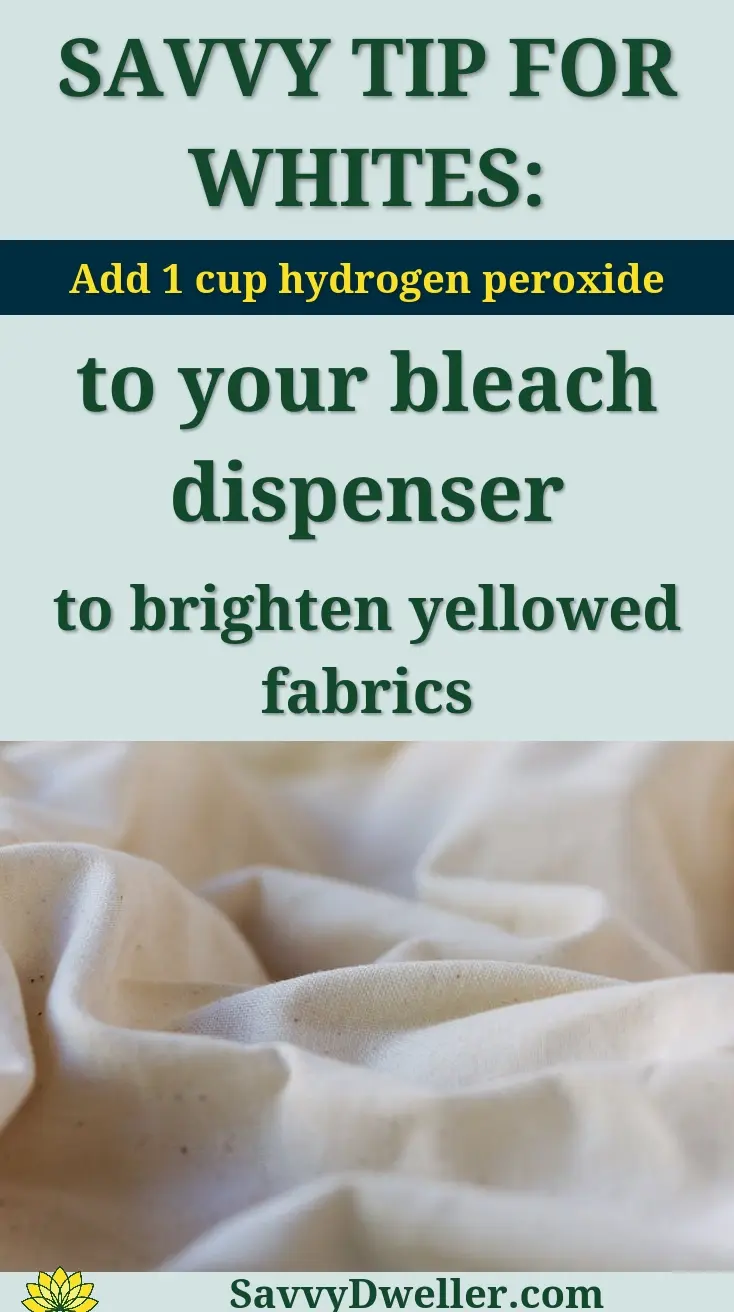
- Add 1 cup hydrogen peroxide directly to your washing machine’s bleach dispenser
- Load your white items, avoiding overcrowding for proper circulation
- Select cold water and your usual wash cycle
- Run the complete cycle, then check results before drying
- Air dry in sunlight when possible for additional natural bleaching
Deep Restoration Method
- Fill a large container with 1 gallon of cold water
- Mix in 2 cups hydrogen peroxide and ½ cup baking soda until dissolved
- Submerge dingy whites completely, weighing down with a clean towel if needed
- Soak for 2-8 hours depending on severity of discoloration
- Remove items and wash immediately in cold water with regular detergent
- Inspect results and repeat soaking process if necessary before drying
6. Natural Fabric Deodorizer
How It Works
Hydrogen peroxide eliminates odor-causing bacteria and neutralizes acidic compounds that create persistent smells in fabrics. This makes it particularly effective against workout clothes, pet odors, and smoke smells that regular detergent can’t fully address.
The antimicrobial properties of hydrogen peroxide mean it not only removes existing odors but also prevents bacterial growth that could cause future smell issues. This dual action makes it superior to fabric softeners that only mask odors temporarily.
What You’ll Need
- 3% hydrogen peroxide
- Cold water
- Spray bottle
- Measuring cup
- Clean cloth for blotting
Step-by-step Instructions
Pre-Wash Treatment
- Create a solution using 1 part hydrogen peroxide to 2 parts cold water
- Pour mixture into spray bottle and shake gently to combine
- Spray odorous areas liberally, focusing on underarms, collars, and heavily soiled spots
- Allow the solution to penetrate for 10-15 minutes
- Blot with a clean cloth to absorb loosened odor particles
- Proceed with normal washing using your preferred detergent
In-Wash Addition
- Add ¾ cup hydrogen peroxide to your washer’s bleach compartment
- Load smelly garments without overpacking the drum
- Use cold water to preserve the deodorizing properties
- Run your regular wash cycle with normal detergent amounts
- Skip fabric softener, which can trap odors in synthetic fibers
- Air dry completely before storing to prevent moisture-related odor return
The Science Made Simple: Why Hydrogen Peroxide Works So Well
The Oxygen Release Process
When hydrogen peroxide contacts organic matter, it rapidly decomposes into water and oxygen, creating a powerful oxidizing reaction. This process breaks down stain molecules, kills bacteria, and neutralizes odor compounds without leaving harmful residues behind.
Think of it as millions of tiny oxygen bubbles working at the molecular level. These bubbles lift stains from fabric fibers while simultaneously destroying the cellular walls of mold, mildew, and bacteria that cause persistent odors.
Safe Concentration Levels for Laundry
The standard 3% hydrogen peroxide found in pharmacies provides optimal cleaning power while remaining safe for most fabrics and skin contact. Higher concentrations can damage delicate fibers or cause unwanted bleaching effects.
For heavily soiled items, you can use up to 1 cup of 3% hydrogen peroxide per standard load. Always dilute with cold water when creating pre-treatment solutions to prevent fabric damage from concentrated exposure.
Fabric Compatibility Guide
Hydrogen peroxide works safely on cotton, linen, polyester, and most synthetic blends when used in proper concentrations. However, silk, wool, and other protein-based natural fibers can be weakened by prolonged exposure.
Colored fabrics may experience some lightening, especially reds and darker hues. Always test on an inconspicuous area first and limit soaking time to prevent unwanted color changes.
Common Mistakes to Avoid When Using Hydrogen Peroxide in Laundry
Concentration Errors
Using hydrogen peroxide concentrations higher than 3% can damage fabric fibers and cause unwanted bleaching effects. Many people assume stronger solutions work better, but this often leads to weakened seams and fabric deterioration.
Conversely, heavily diluting the solution reduces effectiveness. Stick to proven ratios – undiluted 3% for direct application or 1:2 dilution with water for spray treatments.
Mixing With Wrong Products
Never combine hydrogen peroxide with bleach, ammonia, or vinegar in the same treatment step. These combinations can create dangerous chemical reactions or neutralize the cleaning properties entirely.
If you want to use multiple treatments, apply them separately with thorough rinsing between applications. This prevents chemical interactions while maximizing each product’s effectiveness.
Fabric Testing Oversights
Skipping the patch test on colored or delicate fabrics leads to irreversible damage and discoloration. Even white items can have colored thread or trim that may react unexpectedly.
Test every new garment by applying a small amount to an inside seam or hidden area. Wait 10 minutes and check for color changes before proceeding with full treatment. This step is especially important when dealing with items that may bleed color onto other fabrics. Being cautious can help prevent dye transfer stains, and effective methods exist to handle such issues if they arise.
Storage and Shelf Life Issues
Hydrogen peroxide loses potency when exposed to light and heat, making old or improperly stored bottles ineffective. Brown bottles help protect the solution, but clear containers should be kept in dark, cool locations.
Replace your hydrogen peroxide every six months or when it stops foaming when applied to organic matter. Fresh solution ensures maximum cleaning power and prevents disappointment with poor results.
Frequently Asked Questions
How Does Hydrogen Peroxide Compare to Chlorine Bleach for Laundry Use?
Hydrogen peroxide is a oxygen-based bleach, making it generally safer than chlorine bleach. It breaks down into water and oxygen, reducing the risk of fabric damage and environmental harm. While both are effective disinfectants, hydrogen peroxide is gentler on colors and elastic fibers, but may require longer soaking times for tough stains.
For best results, use hydrogen peroxide on organic stains like sweat or wine, and reserve chlorine bleach for heavy-duty whitening on durable whites only. Always check fabric care labels and perform a spot test first. When dealing with challenging stains, including blood, knowing the right removal techniques can make all the difference in fabric care.
Is Hydrogen Peroxide Safe for Baby Clothes or People With Sensitive Skin?
Yes, when used correctly, hydrogen peroxide is generally safe for baby garments and sensitive skin because it rinses out completely and leaves no harsh residues. Its disinfecting properties help eliminate bacteria without the irritants found in some detergents or bleach.
To ensure safety, use a diluted solution (3% concentration) and run an extra rinse cycle. Avoid using it on silk or wool, and always dry clothes thoroughly to prevent any potential irritation. It’s important to handle delicate fabrics, such as silk and wool with extra care. Hand washing these delicates using gentle methods can help maintain their quality and extend their lifespan.
What Are the Environmental Advantages Of Using Hydrogen Peroxide in Laundry?
Hydrogen peroxide is an eco-friendly choice as it decomposes into water and oxygen, posing minimal risk to waterways compared to phosphates or chlorine in traditional detergents. It reduces the need for multiple chemical products, cutting down on plastic packaging waste.
For a greener routine, combine it with cold water washes to save energy. However, avoid mixing with vinegar or ammonia, as this can reduce its effectiveness and create harmful fumes. If you do use vinegar, make sure to put it in the washing machine properly.
Can I Use Hydrogen Peroxide Regularly in My Laundry, or Only for Stains?
You can incorporate hydrogen peroxide into regular washes as a maintenance booster, not just for stains. Adding a half-cup to your wash cycle helps brighten whites, neutralize odors, and sanitize fabrics without fading colors when used in moderation.
Limit use to once a week for colored fabrics to prevent potential lightening, and always measure carefully—overuse can accelerate wear on delicate fibers. For daily loads, stick to specific pre-treatments for stains, especially when washing dark clothes to prevent them from fading.
Final Words
You now have six powerful techniques to transform hydrogen peroxide from a simple first-aid staple into your laundry room’s secret weapon. These methods tackle everything from stubborn bloodstains to musty odors, giving new life to clothes you might have otherwise discarded. The beauty lies in hydrogen peroxide’s gentle yet effective cleaning power, making it safe for regular use on most fabrics.
Start with just one method that addresses your most pressing laundry challenge, then gradually incorporate others as you see the remarkable results. Remember to always test on inconspicuous areas first and stick to the 3% concentration we’ve outlined. Your clothes will thank you with brighter whites, fresher scents, and stain-free surfaces that look professionally cleaned.
Ready to revolutionize your laundry routine? Try these hydrogen peroxide techniques today and experience the difference for yourself. For more innovative home solutions and wellness tips that actually work, visit Savvy Dwelling where we share research-backed methods to simplify your daily life.