How to Stop Cats From Using Your Garden As a Litter Box: 8 Proven Methods That Work
Finding fresh cat waste among your prized tomatoes or discovering your newly planted flower bed has been turned into an outdoor bathroom can make any gardener’s heart sink. You’ve spent time, money, and energy creating a beautiful garden space, only to have neighborhood cats treat it as their personal toilet.
This comprehensive guide will walk you through 8 research-backed methods that actually work to reclaim your garden from unwanted feline visitors. We’ve tested these strategies in real-world conditions and found the most effective combinations that protect your plants while being safe for both cats and your garden ecosystem.
Contents
- At a Glance: The Best Solutions
- The Science Made Simple: Why This Problem Happens
- 1. Motion-activated Sprinkler Systems
- 2. Natural Scent Deterrents That Cats Avoid
- 3. Physical Barriers That Block Access
- 4. Strategic Plant Selection for Cat-free Gardens
- 5. Commercial Repellent Products That Work
- 6. Garden Design Changes for Long-term Success
- 7. Water-based Deterrent Techniques
- 8. Texture Modifications Cats Won’t Walk on
- Common Mistakes to Avoid
- Frequently Asked Questions
- Final Words
- Sources:
At a Glance: The Best Solutions
Quick Reference Table
| Method | Cost | Effectiveness | Time to Results |
|---|---|---|---|
| Motion-Activated Sprinklers | $$ | High | Immediate |
| Citrus Peels & Coffee Grounds | $ | Medium | 1-3 days |
| Chicken Wire Barriers | $ | High | Immediate |
| Cat-Repelling Plants | $$ | High | 2-4 weeks |
| Commercial Repellent Spray | $$ | Medium-High | 1-2 days |
| Raised Garden Beds | $$$ | Very High | Immediate |
If you’re wondering how to stop cats from using garden as litter box, this table gives you a fast way to compare what works-and how fast. Whether you’re dealing with neighborhood strays or a curious house cat, matching the right solution to your garden layout and budget makes all the difference.
For immediate results without breaking the bank, chicken wire barriers and motion-activated sprinklers top the list. Both create an instant “no-go” zone that cats quickly learn to avoid. If you prefer a natural approach, citrus peels and coffee grounds offer a low-cost, pet-safe option-though they need refreshing every few days to stay effective.
If your goal is long-term prevention of cats using garden as litter box, consider combining methods. Raised beds paired with cat-repelling plants like lavender or Coleus canina create a layered defense that’s both beautiful and practical.
The Science Made Simple: Why This Problem Happens
Why Cats Choose Gardens Over Indoor Litter Boxes
Even well-loved house cats, and especially strays or neighborhood roamers, often prefer your garden over their own litter box. Soft soil mimics the ideal texture of commercial cat litter, making your flowerbeds a tempting alternative for cats seeking a quiet, private spot. If your garden offers cover from shrubs or tall grass, it becomes even more attractive-offering both seclusion and easy escape routes.
The Appeal Of Soft, Loose Soil
Cats are instinctively drawn to substrates they can easily dig into and cover afterward-a survival tactic in the wild. Loose mulch, freshly tilled earth, or fine gravel feels just like the litter they’re used to, turning your garden into an unintentional outdoor cat litter box. This natural digging behavior is hardwired, which is why simply shooing them away rarely solves the problem long-term.
Territorial Marking Behaviors
Marking territory isn’t just about urine-it includes defecation too. Outdoor cats may use your garden not just for convenience, but to signal ownership to rivals. This behavior intensifies during mating season or when new cats enter the area, making consistent deterrence essential for anyone trying to stop cats from using garden as toilet.
1. Motion-activated Sprinkler Systems
How Motion Detection Works to Deter Cats
These clever devices use passive infrared (PIR) sensors to detect body heat and movement. When a cat steps into the detection zone, the sprinkler releases a short, startling burst of water-enough to scare without harming. Over time, cats associate your garden with an unpleasant surprise and seek softer, drier ground elsewhere.
Best Placement Strategies for Maximum Coverage
For optimal results:
- Place units near frequent entry points like fence gaps or low walls.
- Aim the spray toward the center of problem zones-common digging or pooping spots.
- Use multiple units for large or irregularly shaped gardens to eliminate “safe” corners.
Top-rated Motion Sprinkler Models
- Orbit 62100 Yard Enforcer – Durable, adjustable range up to 40 feet.
- Contech ScareCrow – Low-profile design, works with standard garden hoses.
- Hoont Motion Activated Sprinkler – Solar-powered option with wide-angle detection.
Installation Requirements
Most models require a standard garden hose connection and a firm stake or mount. Ensure the sensor is level and unobstructed by plants or debris for reliable detection. Avoid placing near busy sidewalks to prevent startling people or pets unintentionally.
Maintenance and Seasonal Considerations
Drain and store the unit before the first frost to prevent cracking. Clean the nozzle monthly to avoid clogging from dirt or hard water minerals. In summer, check water pressure-low flow can reduce spray distance and effectiveness.
Also See: The Best Way to Clean a Microfiber Couch at Home
2. Natural Scent Deterrents That Cats Avoid
Citrus Peels: The Immediate Solution
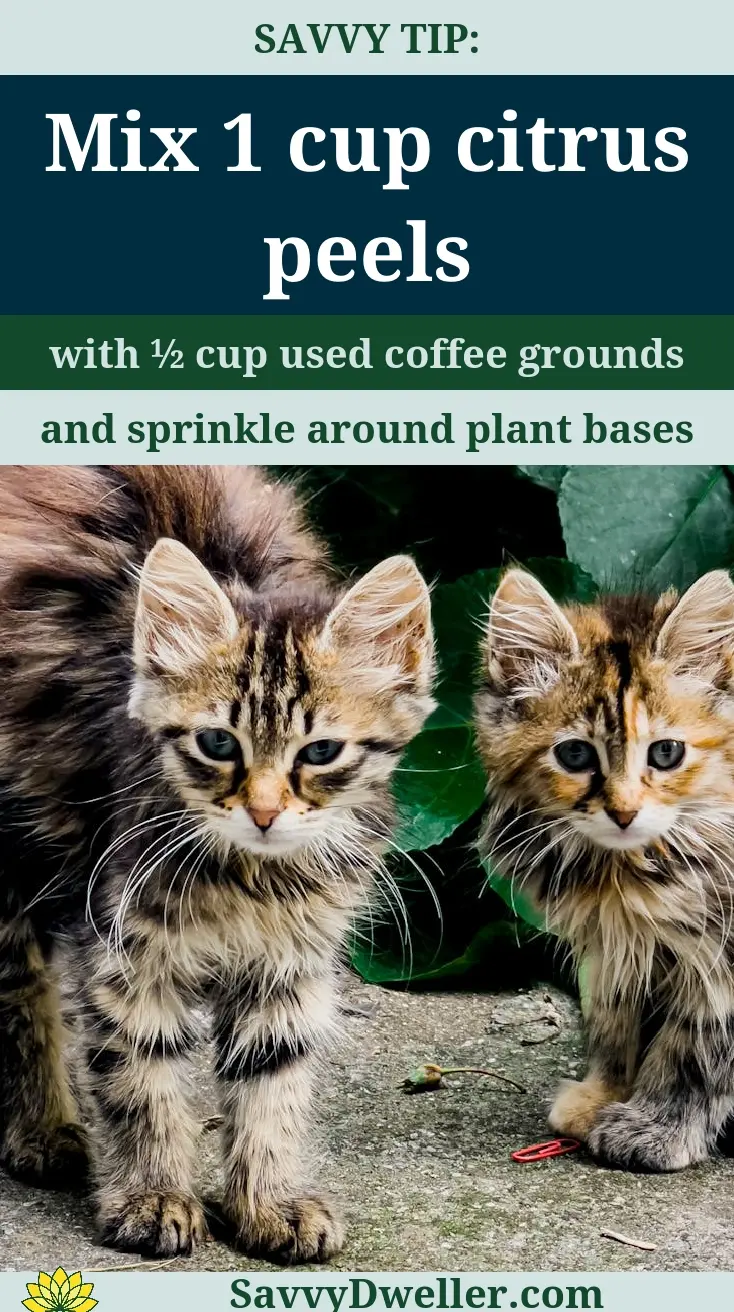
Cats strongly dislike the smell of citrus. Using fresh peels from oranges, lemons, or grapefruits is a low-cost, chemical-free way to discourage garden visits. Scatter them around vulnerable beds or near entry points for quick, temporary relief.
How to Apply Fresh Peels Effectively
- Save peels from 3–4 citrus fruits after juicing or eating.
- Place them directly on the soil surface, especially near soft, loose patches.
- Replace every 1–2 days or after rain to maintain potency.
Rotation Schedule for Maximum Impact
To prevent cats from becoming accustomed to the scent, rotate citrus peels with other deterrents like coffee grounds every 3–4 days. This scent rotation keeps the garden unpredictable and consistently unappealing.
Coffee Grounds and Used Tea Bags
Used coffee grounds and damp tea bags emit bitter, acidic aromas that cats avoid. Lightly rake them into the top layer of soil-they also add nitrogen to your garden while helping to prevent cat litter in garden areas. Reapply weekly or after heavy rain.
Essential Oil Spray Recipes
Combine scents cats hate-like eucalyptus, lavender, or citronella-with water for a homemade repellent spray.
- Mix 10 drops of essential oil with 1 cup of water in a spray bottle.
- Shake well before each use.
- Spray lightly on mulch, borders, or garden stones (never directly on edible plants).
Safe Dilution Ratios for Garden Use
Never use undiluted essential oils-they can harm plants, beneficial insects, or even cats if ingested. Stick to a maximum of 10–15 drops per cup of water. Test on a small area first, and avoid spraying during peak sun hours to prevent leaf burn. This method supports your goal to keep cats out of my garden without introducing toxins. For families with pets and kids, consider using homemade spider sprays that are safe and effective to maintain a pest-free environment.
3. Physical Barriers That Block Access
Chicken Wire: The Classic Garden Protection
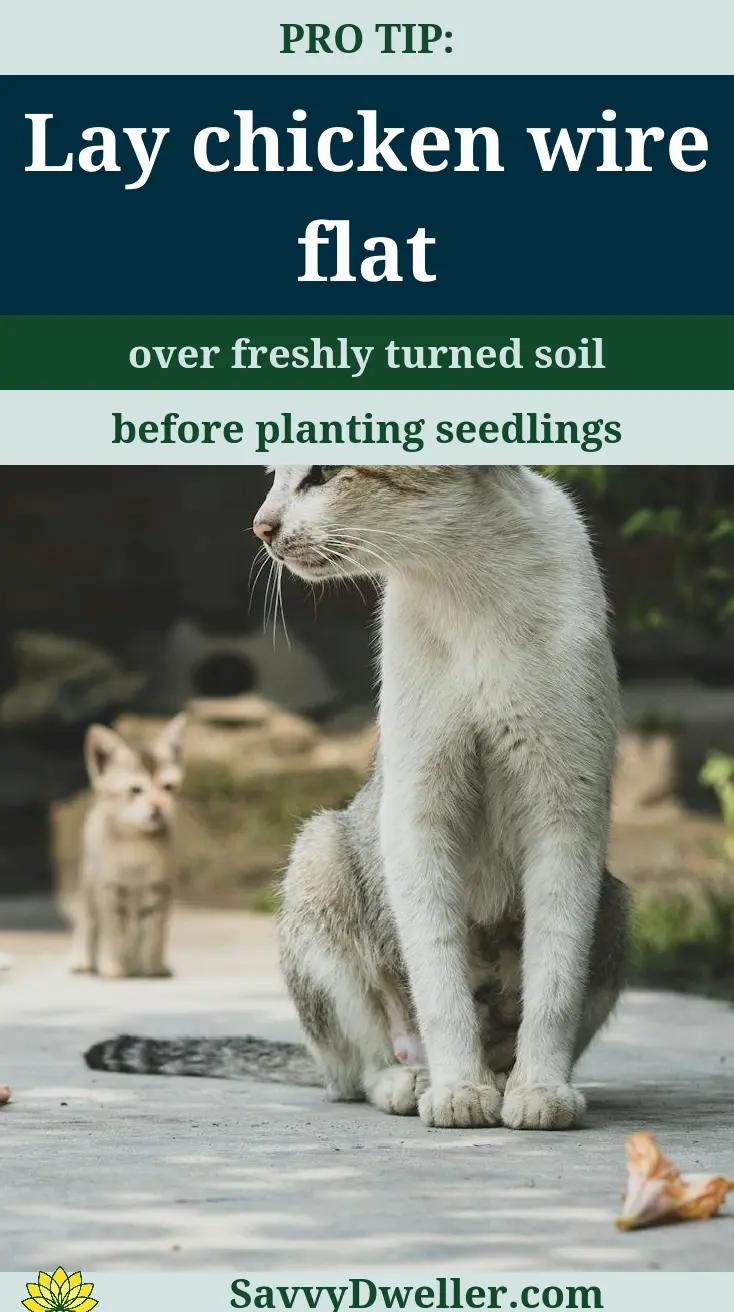
Chicken wire remains one of the most reliable methods to stop cats from using garden as toilet. Its flexible mesh deters digging while allowing plants to grow through if installed correctly.
Proper Installation Techniques
- Measure your garden bed and cut enough chicken wire to cover the entire soil surface.
- Lay it flat over the soil, securing the edges with landscape staples or U-pins every 6–8 inches.
- For planting, cut small X-shaped slits where you’ll insert seedlings or transplants.
- If you’re protecting a new bed, place the wire before planting, then tuck soil around it for a seamless look.
Making It Aesthetically Pleasing
Chicken wire doesn’t have to look industrial. Layer it beneath a thin cover of natural mulch like cocoa shells or shredded bark to hide the mesh while still blocking access. Choose a fine-gauge wire (½-inch openings) that’s less visible and won’t snag on clothing or paws.
Decorative Mulch Options Cats Dislike
Cats avoid uncomfortable textures underfoot. Swap soft soil for mulches that feel prickly or unstable:
- Hickory or walnut shell mulch (avoid if you have dogs due to juglone toxicity)
- Pine bark nuggets larger than 2 inches
- Cocoa bean hulls (refresh every 2–3 weeks as scent fades)
These materials help you how to stop cats digging in garden without harming plants or pets.
Stone and Gravel Barriers
A 2–3 inch layer of river rock, pea gravel, or crushed granite creates a surface cats won’t walk on. Use it around borders, under shrubs, or in bare patches where felines like to squat. Unlike loose soil, gravel doesn’t hold scent, making your yard far less inviting as a makeshift garden cat litter box.
4. Strategic Plant Selection for Cat-free Gardens
Plants That Naturally Repel Cats
Certain plants emit scents cats find overwhelming—making your space unappealing without fences or sprays. Incorporating them is a gentle, long-term fix for how to keep cats out of my garden. Additionally, some of the best plants can also help purify the air and reduce odors, creating a fresher environment for both you and your pets.
Lavender and Rosemary Placement
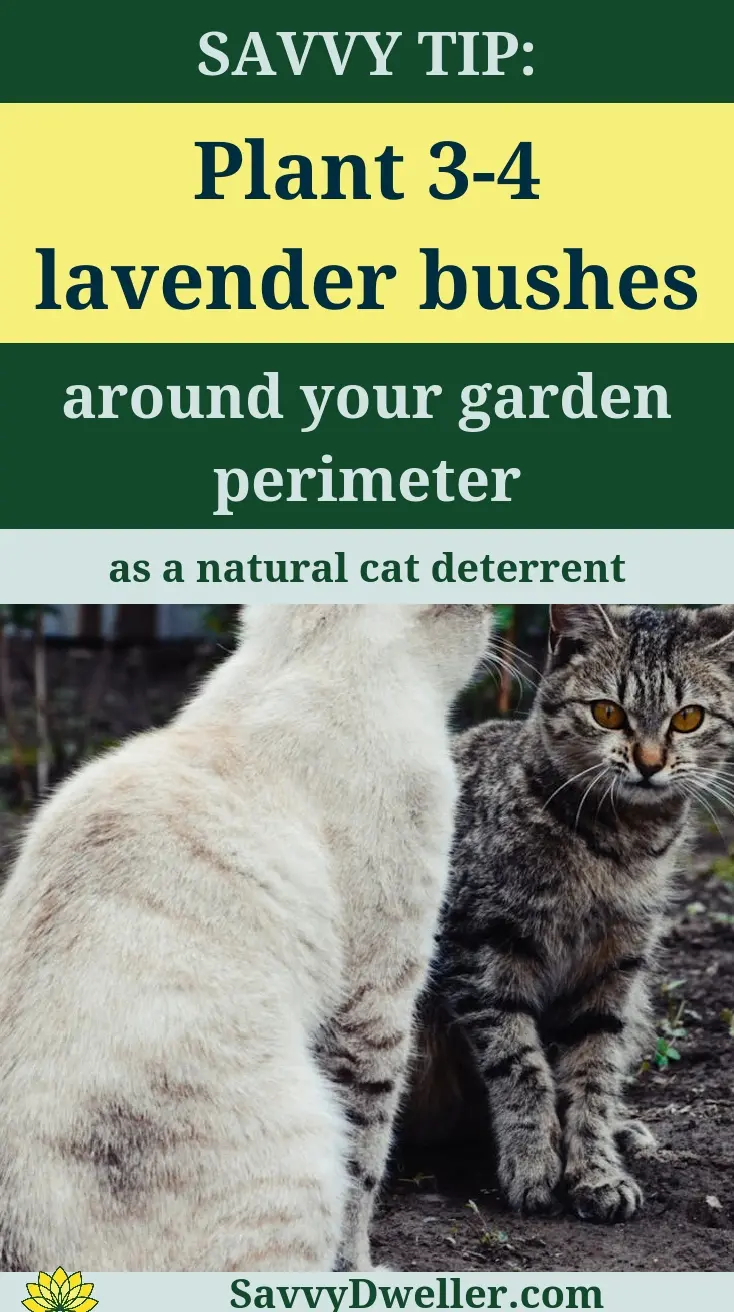
Plant lavender and rosemary along garden edges, near entry points, or surrounding vulnerable beds. Their strong aromatic oils confuse a cat’s sensitive nose. Space them 12–18 inches apart for dense coverage-they also attract pollinators and thrive in sunny, well-drained spots.
Coleus Canina (Scaredy Cat Plant) Benefits
Coleus canina-nicknamed “Scaredy Cat Plant”-releases a skunk-like odor when brushed against, invisible to humans but repulsive to cats. It’s especially effective for how to stop outdoor cats from pooping in garden when planted in clusters near frequent digging zones. It’s perennial in zones 9–11 and grows well in containers elsewhere.
Companion Planting Strategies
Interplant repellent species with vulnerable flowers or vegetables. For example, tuck marigolds next to lettuce or scatter rue near strawberries. This not only deters cats but also confuses pests with scent masking—a dual win for organic gardeners wanting to prevent cat litter in garden. Such plant selection complements other natural methods in your pest control strategy.
Creating Dense Planting Schemes
Cats prefer open, loose soil for easy digging. Filling your beds with tightly spaced plants eliminates bare patches and removes the “invitation” to dig. Use ground covers like creeping thyme or ajuga to blanket the soil while adding beauty and suppressing weeds.
5. Commercial Repellent Products That Work
Granular Vs. Liquid Repellents
Granular repellents (often made from predator urine or plant oils) are ideal for dry beds and last longer between rains. Liquid sprays act faster and cover vertical surfaces like fences or tree trunks. For best results in how to deter cats from pooping in the garden, use granules in soil zones and liquids on perimeter borders.
Solar-powered Ultrasonic Devices
These emit high-frequency sounds inaudible to humans but startling to cats. Place them at feline entry points-near gates, under decks, or along fence lines. They’re humane, weather-resistant, and perfect for keep cats out of garden efforts without constant reapplication.
Application Timing and Weather Considerations
Apply repellents in the early morning or evening when soil is dry. Avoid spraying before heavy rain-most formulas wash away within hours. For consistent results in how to stop cats from using garden as litter box, treat after rainfall or irrigation.
Reapplication Schedules
- Granular repellents: Every 2–3 weeks, or immediately after rain.
- Liquid sprays: Every 5–7 days in dry weather; reapply within 24 hours of precipitation.
- Ultrasonic devices: Check solar panels monthly; wipe clean to maintain function.
6. Garden Design Changes for Long-term Success
Raised Bed Construction Benefits
Raised beds naturally discourage cats by elevating soil out of easy reach. They also improve drainage, reduce weeds, and make maintenance easier-all while solving cats using garden as litter box at the root.
Height Requirements for Cat Deterrence
Aim for beds at least 24 inches tall. Most cats won’t jump into confined spaces that high, especially if the bed has vertical sides. Add a 2–3 inch lip of smooth wood or metal to prevent perching or clawing over the edge.
Container Gardening Solutions
Move prized plants into large pots on patios, decks, or balconies. Containers remove soil access entirely, making it impossible for cats to treat your flowers like a cat litter box in garden. Choose pots with narrow openings or add decorative stone mulch on top for extra deterrence.
Pathway and Access Point Modifications
Narrow pathways flanked by thorny plants (like barberry or holly) or lined with gravel make your garden less inviting. Block gaps under fences with wire mesh or install a low boulder border-simple tweaks that answer how do I stop cats from using my garden as a litter box permanently. Focus on the routes cats actually use, not just the entire perimeter. Properly addressing the reasons why cats are drawn to certain areas can also help in permanently eliminating any lingering cat pee smell. Following a definitive guide to removing that odor will ensure your garden remains a pleasant space for both you and your neighbors.
7. Water-based Deterrent Techniques
Manual Spray Bottle Method
One of the simplest ways to interrupt feline bathroom behavior is with a quick spritz from a spray bottle. Cats dislike sudden bursts of water, and this method can condition them to avoid your garden after just a few encounters. However, if you have a persistent urine smell in your bathroom, it may require a more thorough cleaning approach. Getting rid of that odor often involves a combination of deep cleaning and using specific deodorizers to effectively eliminate the source of the smell.
- Fill a clean spray bottle with plain water-no additives needed.
- When you spot a cat entering your garden, give a short, firm spray toward its back legs (never the face).
- Repeat consistently for several days to establish a negative association with the space.
This technique works best if you’re home during peak cat activity hours (dawn and dusk). While it requires your presence, it’s highly effective for how to stop cats pooping in garden zones without harming the animal or your plants.
Sprinkler Timer Systems
For a hands-off approach that still uses water as a deterrent, timed sprinklers can surprise cats before they even dig in. Unlike motion-activated systems (covered earlier), these run on a fixed schedule, making them ideal for predictable feline routines.
- Set timers to activate during early morning and late evening-common times for outdoor cats to patrol.
- Use low-flow nozzles to avoid water waste while still delivering an unwelcome splash.
- Position sprinklers along fence lines or garden edges where cats typically enter.
Though not as precise as motion sensors, timer-based systems can still help with how to keep cats out of my garden by making the environment feel unpredictable and unwelcoming.
Creating Consistently Moist Soil Conditions
Cats prefer dry, loose soil for digging and burying waste. By keeping your garden beds slightly damp throughout the day, you remove one of the main attractions.
Use a soaker hose or drip irrigation system on a low setting to maintain consistent moisture just below the surface. Avoid overwatering-soggy soil can harm plant roots-but aim for a texture that feels cool and firm to the touch. This discourages cats from treating your flower beds as a litter box while supporting healthy plant growth.
8. Texture Modifications Cats Won’t Walk on
Pine Cones and Thorny Branches
Cats avoid surfaces that feel unstable or prickly underfoot. Scattering pine cones, holly clippings, or rose bush trimmings across problem areas creates a natural, biodegradable barrier.
- Use dried pine cones-they last longer and don’t decompose quickly.
- Place thorny branches with points facing upward (but not sharp enough to injure wildlife).
- Refresh every 1–2 weeks as organic materials break down.
This low-cost tactic directly addresses how to stop cats digging in garden soil by making it physically uncomfortable to paw at.
Aluminum Foil Applications
Shiny, crinkly aluminum foil is deeply unsettling to many cats. It reflects light unpredictably and makes noise when stepped on-two sensory warnings that signal danger.
- Cut sheets of foil into 12-inch squares.
- Loosely crumple each piece and lay them across bare soil patches.
- Anchor the edges with small stones if wind is an issue.
Foil is especially useful for protecting seedlings or newly planted beds. It’s a temporary but effective solution for how to keep cats off my garden during vulnerable growing phases.
Carpet Runner Spike Mats
Designed for placing under rugs indoors, these plastic mats have short, blunt spikes on one side. When laid spike-side-up in garden beds or along borders, they create an unnerving-but harmless-surface for cats.
They’re reusable, weather-resistant, and nearly invisible when partially covered with mulch or leaves. Just be sure to place them only in areas where people and pets won’t walk barefoot.
Safe Installation for Garden Health
While texture deterrents are non-toxic, improper placement can harm your garden:
- Avoid covering more than 30% of your soil surface to allow air and water penetration.
- Never use sharp metal objects or broken glass-these pose real injury risks.
- Remove spike mats before planting new seeds or turning the soil to prevent root damage.
Done right, these modifications offer a humane, long-term fix for cats using garden as litter box without compromising soil quality. To ensure a cat-friendly garden while keeping them out of designated areas, several humane methods can be employed. Utilizing effective strategies can protect both your plants and the feline visitors.
Common Mistakes to Avoid
Using Harmful Chemical Deterrents
Some homeowners resort to mothballs, ammonia, or bleach to repel cats-but these can poison pets, wildlife, and even your plants. Never use toxic substances in your garden as a shortcut to keep cats out. Safe, natural alternatives are just as effective over time. In fact, there are homemade solutions that act as effective weed killers while being non-toxic and pet-safe.
Inconsistent Application Of Natural Repellents
Citrus peels, coffee grounds, and essential oil sprays lose potency quickly, especially after rain. If you apply them once and forget, cats will return. Consistency is key for methods targeting how to prevent cats using garden as toilet-reapply every 2–3 days or after watering.
Ignoring the Root Cause Of Cat Attraction
If your garden has soft soil, shade, and quiet corners, it’s basically a feline restroom invitation. Simply spraying repellent won’t solve the problem if the environment remains ideal for digging. Combine deterrents with habitat modification-like dense planting or raised beds-to remove the appeal entirely.
Mixing Incompatible Deterrent Methods
Layering too many tactics at once-like essential oils over chicken wire near spike mats-can overwhelm your garden and confuse results. Start with one or two compatible strategies (e.g., texture + scent), monitor for 1–2 weeks, then add more if needed. This helps you pinpoint what actually works for your specific situation with how do I stop cats from using my garden as a litter box.
Forgetting About Neighbor Relations
If the cat is a neighbor’s pet, aggressive tactics might strain relationships. Instead of complaints, try polite conversation: offer to share non-toxic deterrent tips or suggest they keep their cat indoors during dawn/dusk hours. A cooperative approach often solves cats firing in garden issues faster-and more peacefully-than any spray or spike ever could.
Frequently Asked Questions
Are These Cat Deterrent Methods Safe for My Pets, Children, or the Environment?
Most natural and physical deterrents, like citrus peels or chicken wire, are generally safe for pets, children, and wildlife when used correctly. However, avoid commercial repellents with harsh chemicals if you have curious animals or kids, and always follow product labels. For essential oils, dilute properly and test on a small area first to prevent skin irritation or plant damage.
To ensure safety, prioritize barriers and scent-based methods over ultrasonic devices or sprays in high-traffic areas. Keep motion-activated sprinklers away from play zones to avoid accidental activation, and choose non-toxic plants like lavender for repelling cats without harming pollinators.
How Can I Identify if a Cat is Regularly Using My Garden As a Litter Box Versus Just Exploring?
Look for distinct signs like small holes in soft soil, feces, or strong ammonia smells, which indicate frequent use. Exploratory cats may leave paw prints or flattened plants but rarely dig repeatedly. Monitor the garden at dawn or dusk when cats are most active to confirm patterns.
If you spot fresh disturbances daily, set up a wildlife camera or check for concentrated areas near shrubs or bare soil. Consistent marking (e.g., sprayed urine on vertical surfaces) suggests territorial behavior, requiring targeted deterrents like motion sprinklers at entry points.
What is the Most Cost-effective Approach for Protecting a Large Garden Area?
For large spaces, combine low-cost DIY methods like citrus peels and chicken wire with strategic placement. Focus on perimeter barriers and high-traffic zones instead of covering the entire area, which reduces expense. Recycled materials like pine cones or coffee grounds can be scattered broadly for minimal cost.
Invest in a motion-activated sprinkler system for key sections, as it deters multiple cats with one device. Prioritize long-lasting solutions like cat-repelling plants (e.g., coleus canina) that spread over time, minimizing recurring costs compared to sprays that need frequent reapplication.
Can I Use These Deterrents in a Vegetable Garden Without Contaminating the Produce?
Yes, but avoid direct contact with edible plants using barriers like raised beds or mulch. Natural scents such as coffee grounds can be sprinkled around the garden’s edge, not on vegetables, to prevent altering taste. For sprays, use food-safe essential oil dilutions (e.g., lemon oil mixed with water) and apply only to soil paths.
Choose physical deterrents like chicken wire laid over soil between rows, which blocks cats without chemicals. Always wash produce thoroughly if using any repellents nearby, and test methods on a small patch first to ensure no soil contamination.
How Should I Handle a Situation Where a Neighbor’s Cat is the Main Culprit?
Start by having a polite conversation with your neighbor to explain the issue and suggest collaborative solutions, like them providing an outdoor litter box. Avoid confrontational tactics that could strain relations, and focus on humane deterrents both can agree on, such as planting cat-repelling shrubs along property lines.
If discussions fail, use discreet methods like ultrasonic devices or boundary sprays that don’t harm the cat. Document the problem with photos if needed, and check local ordinances regarding pet trespassing-some areas require owners to control their animals, but always prioritize amicable resolutions first.
Final Words
Protecting your garden from unwanted feline visitors doesn’t have to be a frustrating battle. By combining two or three of these proven methods-such as motion-activated sprinklers with citrus peels, or chicken wire barriers alongside cat-repelling plants-you’ll create a multi-layered defense system that cats simply won’t want to cross. The key is consistency and patience, as most solutions need 1-2 weeks to show their full effectiveness.
Remember, the most successful approach targets both the immediate problem and the underlying reasons cats find your garden appealing. Start with the quick-win solutions like natural scent deterrents, then gradually implement longer-term changes like strategic plant placement or raised bed construction. Your garden will thank you, and you’ll finally be able to enjoy your outdoor space without unpleasant surprises.
Ready to reclaim your garden? Pick your top two methods from our list and get started this weekend. For more practical home and garden solutions that actually work, explore Savvy Dwelling where we share research-backed tips to make your living space better every day.
Sources:
- r/gardening on Reddit: Advice on how to deter neighborhood cats/strays from using my little garden bed as a litter box without ruining aesthetic appearance. I have nothing against kitties, but it does get frustrating waking up to dug up mounds, mulch scattered and having to scoop out large turds every week 😬
- How to Stop Cats Pooping in the Garden – Byther Farm
- What can I do to prevent a local cat from using my flowerbed as his litter box? I do not believe it to be stray, as he seems to be let out nightly, we have been seeing him every night between 9 pm and 4 am on our security footage. – Quora
- How to stop cats from using mulch as their toilet?