How to Transform Rusted Metal and Make It Look Brand New Again
Staring at that rusted metal piece in your garage, wondering if it’s beyond saving? You’re not alone in feeling frustrated when valuable tools, furniture, or hardware succumb to unsightly rust damage. Whether it’s your grandfather’s vintage toolbox or an expensive patio set, rust can make even the sturdiest items look like they belong in a scrap pile.
This comprehensive guide will walk you through proven restoration methods that actually work, from simple household remedies to professional-grade techniques. We’ve researched and tested multiple approaches to help you choose the right method for your specific situation. You’ll learn exactly how to assess rust damage, select the most effective treatment, and finish your project with a protective coating that prevents future corrosion.
Contents
- At a Glance: The Best Solutions
- The Science Made Simple: Why Rust Happens
- 1. The Vinegar Method: Natural Rust Removal
- 2. The Baking Soda Paste Method: Gentle Yet Effective
- 3. Commercial Rust Removers: Professional-grade Results
- 4. Mechanical Rust Removal: Sanding and Wire Brushing
- 5. Electrolysis Method: Advanced Rust Restoration
- 6. Surface Preparation and Finishing: Making Metal Look New
- Metal-specific Restoration Techniques
- Common Mistakes to Avoid
- Frequently Asked Questions
- Final Words
At a Glance: The Best Solutions
When you’re dealing with rust on metal surfaces, choosing the right restoration method can save you hours of frustration. The severity of rust damage and type of metal determine which approach will give you the best results.
Light surface rust responds beautifully to gentle methods like vinegar or baking soda paste. Heavy rust damage requires more aggressive approaches using commercial rust removers or mechanical removal techniques. When dealing with rust stains in fixtures such as bathtubs or sinks, the method of removal may vary based on the severity of the stains. For example, a simple vinegar and baking soda solution can effectively lift light rust stains from these surfaces.
Quick Reference Table for Rust Restoration Methods
| Rust Severity | Best Method | Time Required | Cost Level | Skill Level |
|---|---|---|---|---|
| Light surface rust | Vinegar or baking soda paste | 2-4 hours | Low | Beginner |
| Moderate rust with flaking | Commercial rust remover + wire brush | 4-8 hours | Medium | Intermediate |
| Heavy rust with pitting | Mechanical removal + chemical treatment | 1-2 days | Medium-High | Intermediate |
| Extreme rust damage | Electrolysis or professional grinding | 2-3 days | High | Advanced |
Choose Your Method Based on Rust Severity and Metal Type
Different metals require different approaches when you restore rusted metal. Iron and steel respond well to acidic treatments, while aluminum needs gentler methods to avoid damage.
For restoring rusted metal furniture like patio chairs or tables, start with the mildest effective method. You can always escalate to stronger rust removal techniques if needed.
- Delicate metals (aluminum, brass): Baking soda paste or specialized aluminum cleaners
- Cast iron cookware: Salt scrub followed by seasoning oil
- Steel tools and hardware: Vinegar soaking or commercial rust removers
- Automotive parts: Naval jelly or phosphoric acid-based products
- Large outdoor items: Mechanical removal combined with primer and paint
The key to successful rust restoration lies in matching your method to both the metal type and rust severity. This approach prevents damage to the underlying metal while effectively removing rust and preparing the surface for protection.
The Science Made Simple: Why Rust Happens
Understanding the Oxidation Process
Rust forms when iron atoms in metal react with oxygen and water in the air, creating iron oxide through a process called oxidation. This chemical reaction breaks down the metal’s molecular structure, causing that familiar reddish-brown coating you see on rusted metal surfaces.
The process happens in stages: first, water molecules help oxygen penetrate the metal’s surface, then iron atoms lose electrons and bond with oxygen atoms. Once this chain reaction starts, it spreads deeper into the metal unless you intervene with proper rust removal and restoration techniques.
Why Some Metals Rust Faster Than Others
Iron and steel rust quickly because they contain high concentrations of iron atoms that readily give up electrons to oxygen. Carbon steel, commonly used in tools and outdoor furniture, rusts faster than stainless steel because it lacks protective chromium.
Aluminum develops a protective oxide layer that actually prevents further corrosion, while copper and brass develop patina that shields the underlying metal. This explains why some metals need more frequent restoration than others.
Environmental Factors That Accelerate Rusting
Salt air near oceans dramatically speeds up rust formation by making water more conductive and aggressive. High humidity creates the perfect environment for oxidation, especially in poorly ventilated spaces like garages and basements.
Temperature fluctuations cause metal to expand and contract, creating microscopic cracks where moisture can penetrate. Acid rain and industrial pollutants also accelerate the rusting process by making environmental moisture more corrosive.
1. The Vinegar Method: Natural Rust Removal
What You’ll Need for Vinegar Rust Removal
White vinegar works as an effective rust remover because its acetic acid dissolves iron oxide without damaging the underlying metal. This household solution provides a safer alternative to harsh commercial chemicals while delivering reliable results. Additionally, using vinegar in your washing machine can help eliminate odors and break down detergent residues, ensuring your clothes stay fresh and clean.
- White vinegar (5% acetic acid)
- Scrub brush or steel wool
- Clean rags or paper towels
- Plastic container for soaking
- Rubber gloves
- Aluminum foil (for scrubbing)
Step-by-step Vinegar Application Process
Soaking Small Items
Submerge rusty items completely in white vinegar and let them soak for 2-24 hours depending on rust severity. The acid needs time to break down the iron oxide bonds, so patience yields better results than aggressive scrubbing — especially if you’re trying to remove rust from old tools.
- Fill a plastic container with enough white vinegar to cover the rusted item completely
- Place the metal object in the vinegar and ensure no parts remain exposed to air
- Check progress after 2 hours for light rust, or leave overnight for heavy corrosion
- Remove the item and scrub gently with steel wool or a brush
- Rinse thoroughly with water and dry immediately to prevent new rust formation
Applying to Large Surfaces
For items too large to soak, apply vinegar directly to rusted areas using a spray bottle or cloth. Keep the surface wet with vinegar for the entire treatment time to maintain the chemical reaction.
- Clean loose rust and debris from the surface with a wire brush
- Spray or apply vinegar liberally to all rusted areas
- Cover with plastic wrap to prevent evaporation during treatment
- Reapply vinegar every 30 minutes to keep surfaces saturated
- Scrub treated areas after 2-4 hours and rinse thoroughly
When to Use This Method
The vinegar method works best for light to moderate rust on household items like tools, hardware, and small furniture pieces. This approach is ideal when you want to restore rusted metal without using harsh chemicals around children or pets, especially when used alongside homemade vinegar-based cleaners.
Avoid using vinegar on delicate metals like aluminum or brass, as the acid can cause discoloration or surface damage.
Expected Results and Timeline
Light surface rust typically dissolves within 2-4 hours, while heavier corrosion may require overnight soaking. You’ll see the rust loosening and flaking off as the vinegar breaks down the iron oxide.
Expect to remove 70-90% of visible rust with this method, though some pitting may remain on heavily corroded surfaces that require additional restoration steps. For those looking to restore knives and tools made of stainless steel, this effective technique can help maintain their quality and extend their lifespan.
Also See: The Best Way to Get Rid Of Fire Ant Mounds in Your Yard
2. The Baking Soda Paste Method: Gentle Yet Effective
Creating the Perfect Baking Soda Mixture
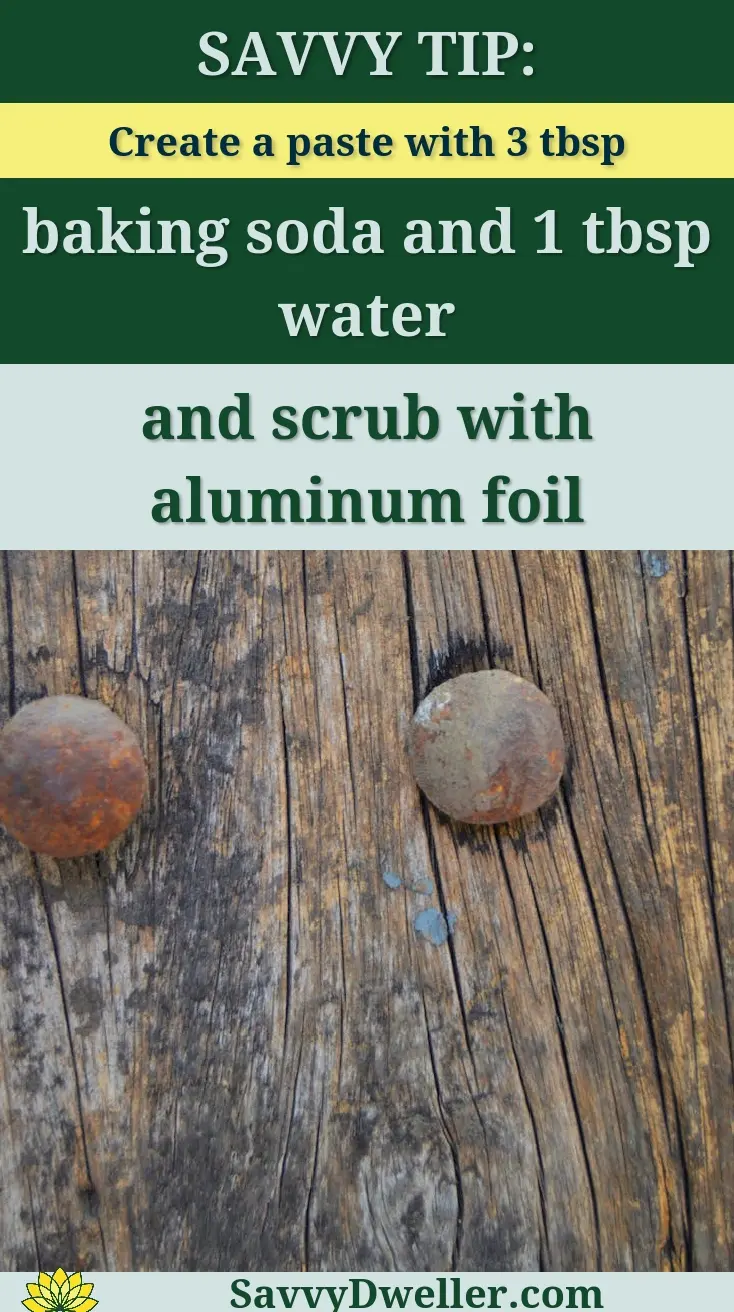
Baking soda creates a mildly alkaline paste that neutralizes rust while providing gentle abrasive action for scrubbing. The ideal consistency should be thick enough to cling to vertical surfaces without dripping.
Mix 3 parts baking soda with 1 part water, adjusting gradually until you achieve a spreadable paste similar to toothpaste texture.
Application Technique for Best Results
Apply the baking soda paste in a thick, even layer covering all rusted areas completely. The paste needs direct contact with the rust to work effectively, so don’t spread it too thin.
- Clean loose debris from the rusted surface with a dry brush
- Apply paste generously, ensuring complete coverage of all rust spots
- Let the paste sit for 1-2 hours to allow the alkaline action to work
- Keep the paste moist by misting with water if it begins to dry out
Scrubbing and Removal Process
After the paste has had time to work, scrub the treated areas using circular motions with moderate pressure. The baking soda provides natural abrasive action that helps lift loosened rust without scratching the underlying metal. This versatile ingredient can also be used for a wide range of cleaning tasks around the house. Discovering 53 clever ways to clean almost everything with baking soda can make your household chores much more efficient and eco-friendly.
- Scrub the paste-covered areas with a stiff brush or steel wool
- Add small amounts of water to maintain paste consistency during scrubbing
- Focus extra attention on heavily rusted spots with gentle, persistent pressure
- Rinse thoroughly with clean water to remove all paste residue
- Dry the metal immediately with a clean towel to prevent flash rusting
Best Uses for This Household Solution
This method excels for restoring rusted metal items with delicate finishes or intricate details where harsh chemicals might cause damage. The baking soda paste works particularly well on chrome, painted surfaces, and antique hardware where gentle treatment is essential.
Use this approach for light to moderate rust on items like kitchen utensils, decorative hardware, and vintage tools that need careful handling during restoration.
3. Commercial Rust Removers: Professional-grade Results
Types Of Commercial Rust Removal Products
Phosphoric Acid-Based Removers
These convert red iron oxide into a stable black/gray iron phosphate layer you can paint over. They cut through heavy rust on steel, cast iron, and automotive parts without harsh grinding.
Use phosphoric when you want to restore rusted metal fast and leave a paint-ready surface. Avoid on galvanized zinc, magnesium, and marble; it can etch or dull. Expect a darkened finish after conversion.
Oxalic Acid Solutions
Oxalic lifts rust staining and mineral discoloration, making it great for chrome trim, light surface rust, and rust bleed on paint. It’s milder than phosphoric and helps brighten metal.
Choose oxalic when you need to remove rust on metal without dark conversion, especially on delicate finishes. Do not use on aluminum or bare concrete, and rinse thoroughly to prevent residue.
Naval Jelly and Gel Removers
Gelled removers cling to vertical or intricate surfaces-fences, railings, and restoring rusted metal patio furniture. The gel keeps the acid wet longer, so it can penetrate pits.
Pick gel when you need control and longer dwell on carved, vertical, or overhead pieces. Reapply in thin coats rather than letting one thick coat dry out.
Safety Considerations When Using Chemical Removers
- Wear chemical-resistant gloves, eye protection, long sleeves, and a respirator if ventilation is poor.
- Work outdoors or with strong airflow. Never mix acids with bleach or ammonia.
- Spot-test on a hidden area. Acids can haze aluminum, zinc, and some coatings.
- Protect nearby surfaces with plastic and painter’s tape. Remove jewelry to avoid reaction stains.
- Keep products off skin. If contact happens, rinse with plenty of water.
- Neutralize acid residues after use with a mild baking soda rinse (about 1 tablespoon per quart of water), then rinse with clean water.
- Dispose of waste per the product SDS and local rules. Do not pour concentrated chemicals into drains.
Application Process and Timing
A deliberate, timed application prevents flash rust and gives you consistent results. Here’s how to restore rusted metal with commercial products:
- Materials: chosen rust remover, plastic drop cloths, nylon brush, non-scratch scouring pad, measuring cup, baking soda, clean rags, spray bottle, water source, nitrile gloves, eye protection.
- Prep the surface: Degrease first. Scrape loose rust and flaking paint so the remover can reach metal.
- Apply: Brush or spray a thin, even coat. For gels, lay it on just thick enough to stay wet.
- Control dwell time: Typical window is 5–30 minutes for liquids, 15–60 minutes for gels. Keep the surface wet; cover with plastic wrap if needed to prevent drying.
- Agitate: Use a nylon brush or pad to break the rust film as it softens or converts.
- Rinse and neutralize: Rinse with water, then use a baking soda rinse to balance acidity, and rinse again. Wipe dry immediately.
- Inspect: Stubborn pits may need a second cycle. It’s normal for converted areas to look gray/black.
- Protect quickly: Flash rust can form within 30–60 minutes. Apply a rust-inhibiting primer or a light oil if you’re delaying paint.
For restoring rusted metal furniture or a rusted toolbox, plan for multiple short applications rather than one long soak-it reduces streaks and over-etching.
4. Mechanical Rust Removal: Sanding and Wire Brushing
Essential Tools for Mechanical Rust Removal
Hand Tools: Wire Brushes and Steel Wool
- Wire brushes: Carbon steel for steel/iron, brass for softer metals, stainless for stainless only.
- Detail brushes: Toothbrush-size for seams, threads, and hardware on a restore rusted metal toolbox project.
- Steel wool: #2–#3 for cutting rust; #0–#0000 for smoothing before primer.
- Hand scrapers and carbide paint scrapers for lifting scale and bubbling paint.
Power Tools: Grinders and Sanders
- Angle grinder with wire cup/knotted wheel for heavy scale; flap discs (60–120 grit) for shaping and cleaning.
- Random-orbit sander with 80–220 grit for smoothing broad panels on restoring rusted metal furniture.
- Surface conditioning discs (non-woven) for blending without gouging thin sheet metal.
- Dust collection, ear/eye protection, and variable speed help prevent overheating and warping.
Progressive Sanding Technique
- Start coarse: Use 60–80 grit or a wire wheel to remove scale and loose rust. Keep the tool moving to avoid hot spots.
- Level: Move to 120 grit or a medium conditioning disc to smooth grind marks and reach shallow pits.
- Refine: Finish with 180–220 grit for a primer-ready surface. Cross-hatch your strokes for even scratch patterns.
- Final prep: Wipe with a solvent-damp rag, then a tack cloth. Prime within an hour to prevent flash rust.
This progression removes rust fast while protecting the base metal, which is key when you restore rusty metal panels or tabletops.
When Mechanical Methods Work Best
- Thick, flaky rust or mill scale that would overwhelm liquids.
- Large flat areas like doors, frames, and restore rusted metal table tops.
- Paint failure with rust underneath-strip, clean, then prime.
- When you need immediate visual confirmation that rust is gone before rust repair and painting.
Combining Mechanical With Chemical Methods
- Grind or brush first to remove bulk rust, then use a phosphoric acid wash to convert what remains in pits.
- For delicate parts, do a short oxalic soak after gentle hand-brushing to avoid thinning the metal.
- After chemicals, a light 220-grit pass evens the surface and boosts primer adhesion.
Blending methods speeds up rust removal and lets you tailor how to fix metal with rust, from restoring rusted metal furniture to how to fix a rusted toolbox.
5. Electrolysis Method: Advanced Rust Restoration
Setting Up Your Electrolysis System
- Plastic tub, warm water, and washing soda (sodium carbonate) at about 1 tablespoon per gallon.
- DC power source (manual 6–12V battery charger or bench supply).
- Sacrificial steel anode plates/rods (do not use stainless).
- Wire, clamps, and a non-conductive way to suspend the part.
- Mix electrolyte: Dissolve washing soda fully in the tub.
- Place anodes around the perimeter for even cleaning. Keep them from touching the part.
- Connect negative (–) to the rusty part; connect positive (+) to the anodes.
- Submerge the part completely, with connections above the waterline if possible.
Polarity matters: the rusty workpiece must be the negative (cathode) for rust to lift.
Safety Precautions for Electrical Rust Removal
- Hydrogen bubbles form-work in a ventilated area and keep sparks, flames, and smoking away.
- Use a GFCI outlet and keep chargers off the floor and away from splashes.
- Never use stainless steel anodes; they can create hexavalent chromium.
- Wear gloves and eye protection; the solution is alkaline.
- Disconnect power before adjusting clamps or the setup.
Step-by-step Electrolysis Process
- Degrease the part so current can reach the rust. Rinse.
- Assemble the tank and wiring as above, double-checking negative to the part.
- Power on and set current low to moderate. You should see gentle bubbling on the part.
- Run 2–12 hours depending on rust thickness. Rotate the part or add anodes for shadowed areas.
- Power off, remove the part, and scrub the black residue with a nylon brush or fine steel wool.
- Rinse with water, then dry immediately with heat or towels.
- Seal the clean surface right away with rust-inhibiting primer or a protective oil to avoid flash rust.
Electrolysis excels when you need to remove rust on metal without grinding away base material.
Best Applications for This Advanced Method
- Intricate shapes: chains, hinges, threaded parts, and antique tools.
- Cast iron where you want to preserve casting marks during rust restoration.
- Restoring rusty metal hardware on a restore rusted metal toolbox without rounding edges.
- Items that can soak for hours, like restoring rusted metal furniture brackets or small automotive parts.
- Avoid for aluminum, zinc, and high-strength springs where hydrogen embrittlement risks increase.
If you’re learning how to restore rusty metal with minimal metal loss, electrolysis offers precise, repeatable results.
6. Surface Preparation and Finishing: Making Metal Look New
Cleaning After Rust Removal
Cleaning immediately after rust removal prevents flash rust and gives primers a clean surface to grab. This step decides whether your rust restoration lasts months or years.
- Wax and grease remover or 90% isopropyl alcohol
- Baking soda (for neutralizing acids)
- Distilled water and clean microfiber cloths
- Compressed air or a hair dryer/heat gun (low setting)
- Tack cloth
- Nitrile gloves
- If you used an acid-based rust remover, mix 1 tablespoon baking soda per cup of water and wipe the surface to neutralize. Rinse with distilled water.
- Blow off or heat-dry the piece immediately to stop flash rust. Keep the heat moving; don’t scorch paintable areas.
- Degrease with wax and grease remover or isopropyl alcohol. Change cloth sides often to avoid smearing contaminants.
- Wipe with a tack cloth right before primer so dust doesn’t ruin the finish.
If you removed rust mechanically, finish sanding to 120–180 grit so primer can key into the metal. A slight tooth helps coatings stick harder.
Filling Pits and Holes
Pitting is common after you remove rust on metal; filling smooths the surface so it looks new again. Match the filler to the metal thickness and the final use.
Using Metal Fillers
- Two-part epoxy metal filler (structural and waterproof)
- Polyester body filler (fast shaping on non-structural items)
- Metal-reinforced filler (aluminum or steel-filled for extra strength)
- Perforated patch mesh (for thin sheet metal)
- Sandpaper: 80, 120, 180, 220 grit
- Mixing board and spreaders
- Feather the repair area with 80–120 grit. Clean and degrease.
- For holes bigger than a pencil eraser, back the area with perforated mesh or fiberglass mat so filler doesn’t slump.
- Mix small batches of filler per the label. Apply in thin layers under 1/8 inch, pressing firmly to fill pits.
- Let cure fully. Shape with 120 grit, refine with 180–220 grit until the patch disappears into the metal.
- Seal epoxy fillers with an epoxy or 2K primer before topcoat. Polyester fillers should not go directly on bare aluminum or stainless; use an epoxy sealer first.
Drill tiny “stop holes” at the ends of visible cracks before filling to keep them from traveling. This simple step prevents repeat failures.
When to Consider Welding Repairs
Choose welding when metal is load-bearing, perforated along edges, or the rust has thinned it beyond safe filler use. Filler makes it pretty; welding makes it strong.
- MIG suits most mild steel; TIG gives control on thin sheet and nonferrous metals.
- For cast iron, use nickel rods and preheat to reduce cracking.
- Stitch-weld in short bursts to avoid warping; cool with a damp cloth between stitches.
- On vehicles, disconnect the battery and electronic modules before welding.
After welding, grind smooth, then epoxy-prime to lock out moisture before any body filler work.
Priming Restored Metal Surfaces
The right primer blocks oxygen and moisture-the two things that brought the rust in the first place. Skipping this step means repeating the job.
- 2K epoxy primer: best barrier on steel, aluminum, and filler
- Self-etching primer: bites into bare metal (not over epoxy or filler)
- Zinc-rich primer: extra protection for outdoor steel and hardware
- Rust converter: only for remaining micro-rust in pores
- Final sand to 120–180 grit on bare metal and 220 on filler. Degrease and tack.
- Spray 1–2 light tack coats followed by 1–2 medium coats of epoxy primer, allowing flash time between coats.
- Observe the recoat window. If you miss it, scuff with 320–400 grit before painting.
- Seal seams and pinholes with an automotive seam sealer after primer if needed.
Prime on a dry day above the dew point to avoid condensation trapped under the coating. Moisture under primer causes blistering later.
Painting Techniques for Long-lasting Results
Paint is your armor against oxygen, salt, and sun. The right chemistry and technique will restore rusty metal and keep it looking new.
Choosing the Right Paint Type
| Paint Type | Best For | Why It Works | Notes |
|---|---|---|---|
| Oil-based enamel (alkyd) | Garden furniture, tools, railings | Hard, durable film with good rust inhibitors | Longer cure; excellent for restoring rusted metal patio furniture |
| 2K urethane | Automotive parts and hardware | Chemical resistance and high gloss retention | Use proper respirator; toughest for how to make rusted metal look new |
| Water-based acrylic DTM | Indoor items, low odor projects | Direct-to-metal adhesion with rust inhibitors | Fast dry, easier cleanup |
| High-heat paint | Grill parts, engine components | Thermal stability | Follow staged heat-cure instructions |
| Cold galvanizing (zinc-rich) | Outdoor structural steel | Galvanic protection | Topcoat for UV resistance |
Application Methods for Smooth Finish
- Brush/foam roller: small projects, thick coats, minimal overspray
- Rattle-can spray: even coverage on complex shapes
- HVLP sprayer: pro-level control, best for large surfaces
- Stir, don’t shake, to reduce bubbles. Strain paint if spraying.
- Apply a light tack coat, then 2–3 medium coats. Hold spray 6–8 inches from the surface and use overlapping passes in a crosshatch pattern.
- Respect recoat times. Too soon traps solvents; too late needs a 400-grit scuff for bite.
- Let the finish cure fully-often 24–72 hours-before heavy use. Warm, dry air speeds curing without baking the piece.
Thin coats win-thick coats sag and peel. A smooth finish comes from patience, not heavy passes.
Metal-specific Restoration Techniques
Restoring Iron and Steel Items
Garden Furniture and Tools
Outdoor steel and iron need aggressive rust removal and robust coatings. That combo fights rain, sun, and soil.
- Remove rust on metal with wire brushing or sanding to bright metal. Treat any remaining pores with phosphoric acid, then neutralize and dry.
- Fill pits with epoxy or metal-reinforced filler. Sand flush.
- Prime with epoxy, then topcoat with oil-based enamel or DTM acrylic. Add a clear UV-stable topcoat for sun-exposed pieces.
- For tools, skip glossy paint on working edges. Instead, wipe with a thin film of camellia oil or paste wax to prevent new rust.
For restoring rusted metal furniture with tubular frames, drill a tiny drain hole on hidden undersides so trapped water can escape.
Automotive Parts and Hardware
Auto parts live in heat, vibration, and grime-give them coatings that can handle abuse. Don’t reuse severely pitted fasteners; replace them.
- Degrease thoroughly, then restore rusty metal using blasting or electrolysis for small parts. Rinse, dry, and handle with gloves.
- Prime with epoxy. For underbody parts, apply a chassis paint or 2K urethane. Use high-heat paint on calipers, manifolds, or brackets near exhaust.
- For hardware, a zinc-rich primer plus enamel topcoat resists road salt. Add anti-seize to threads during reassembly.
- If you need structure (spring perches, brackets) and metal is thin, weld patches and seal edges with seam sealer before paint.
Aluminum Restoration Methods
Aluminum doesn’t “rust,” it oxidizes to a white layer that can hide pitting. Treat it differently from steel to avoid damage.
- Scrub oxidation with non-shedding Scotch-Brite and a mild acid like diluted citric acid. Avoid strong caustics and steel brushes that embed contaminants.
- Rinse with distilled water, dry with heat, and degrease.
- Apply a conversion coating (non-chromate “alodine” alternative) for better paint adhesion if available.
- Use epoxy or self-etching primer rated for aluminum, then finish with acrylic DTM or urethane.
For bare, polished aluminum, finish with a metal polish and seal with polymer sealant or microcrystalline wax to slow re-oxidation.
Brass and Copper Restoration
Brass and copper tarnish, but they polish to a mirror with gentle abrasives and acid cleaners. Go slow to preserve detail. For those looking to enhance the beauty of their brass items, it’s important to know the right techniques for cleaning and restoring old, tarnished brass. A gentle approach can significantly revive the original shine and elegance of these metals.
- Clean with warm soapy water. Remove tarnish using a citric-acid-based polish or a lemon-and-salt slurry. Rinse and dry.
- For stubborn spots, use a fine metal polish and a soft cloth. Avoid ammonia on lacquered pieces-it can undercut the finish.
- Seal with a clear lacquer made for metals or a microcrystalline wax for a natural look.
For antique patina, only clean and wax; skip heavy polishing to retain character.
Stainless Steel Rust Treatment
Stainless can rust when contaminated with regular steel or exposed to chlorides. The fix is cleaning plus passivation.
- Use a stainless-only nylon or stainless brush (kept separate from carbon steel tools). Scrub with an oxalic-acid cleaner, then rinse thoroughly.
- Apply a citric-acid passivation gel to restore the chromium-rich layer. Rinse with distilled water and dry.
- Finish with a silicone-free protectant or wax. On brushed finishes, always work with the grain.
Never use steel wool on stainless. It seeds future rust.
Common Mistakes to Avoid
Skipping Safety Equipment
Rust removal throws dust and chemical mist-protect your lungs, eyes, and skin. Use gloves, eye protection, and a respirator rated for particulates or organic vapors based on the product label.
Not Testing Methods on Small Areas First
Spot-test every chemical and paint on a hidden area. This prevents reactions that wrinkle paint, stain metal, or soften old finishes.
Rushing the Drying Process
Moisture trapped under primer or paint causes bubbles and peeling. Follow flash times and full cure times; use gentle heat and airflow instead of heavy coats.
Forgetting to Apply Protective Coatings
Uncoated bare metal will flash rust in hours. Prime the same day you remove rust, then paint or seal to lock out oxygen and humidity.
Using Wrong Tools for Metal Type
Steel brushes on aluminum or stainless leave contaminants that start new rust. Match abrasives and fillers to the metal to avoid galvanic problems and poor adhesion.
With the right prep, primer, and paint, you can restore rusted metal, fix metal with rust, and make it look new again-with results that last. These steps work whether you restore a rusted metal table, a rusted metal toolbox, or outdoor furniture.
Frequently Asked Questions
How Can I Prevent Rust From Returning After Restoration?
After removing rust, apply a rust-inhibitive primer specifically designed for metal surfaces before painting. This creates a barrier against moisture and oxygen. For long-term protection, choose a high-quality enamel or epoxy-based paint, and consider adding a clear topcoat for outdoor items. Regularly inspect the metal for chips or scratches, and touch up any damage promptly to maintain the protective layer.
What is the Most Cost-effective Rust Removal Method for Large Items?
For large, heavily rusted items like garden furniture or car parts, mechanical methods using a wire brush attachment on a power drill are often the most budget-friendly. This approach requires minimal investment in tools and avoids the cost of chemicals. Combine this with a homemade white vinegar soak for stubborn areas, as vinegar is inexpensive and effective for breaking down rust over time.
Are There Eco-friendly Rust Removal Options That Are Safe for Plants and Pets?
Yes, natural methods like vinegar or baking soda paste are environmentally safe and non-toxic. White vinegar can be disposed of down the drain, and baking soda is harmless to soil. Smelly drains can be particularly bothersome, and using baking soda and vinegar can effectively neutralize those odors. Always rinse the metal thoroughly after use. Avoid chemical removers containing phosphoric or oxalic acid near gardens or pet areas, and opt for these DIY solutions for peace of mind.
How Do I Assess if a Rusted Item is Beyond Repair and Should Be Replaced?
Inspect the metal for structural integrity, such as deep pitting or holes that compromise strength. If more than 50% of the surface is severely pitted or the item bends easily, replacement may be safer. For sentimental or valuable pieces, consult a professional who can assess welding repairs. Minor surface rust is almost always restorable, but safety should come first with load-bearing items.
Can I Remove Rust From Metal That Already Has Paint on It?
Yes, but start by stripping the paint with a chemical paint remover or sanding to expose the rust underneath. Paint can trap moisture, so complete removal is essential for effective rust treatment. After rust removal, repaint with a primer and paint suitable for metal. Avoid methods like electrolysis on painted surfaces, as it may not penetrate properly.
Final Words
Restoring rusted metal to its former glory isn’t just possible-it’s completely achievable with the right approach and patience. Whether you choose the gentle vinegar method for light rust, commercial removers for stubborn oxidation, or advanced electrolysis for precision restoration, you now have the knowledge to tackle any rusted metal project with confidence.
The key to success lies in matching your chosen method to the rust severity and metal type, then following through with proper surface preparation and protective finishing. Remember that the time you invest in proper preparation and protection will save you from having to repeat the restoration process down the road.
Ready to transform those rusted treasures back to life? Start with a small test area and work your way up to larger projects. For more home restoration tips and solutions that actually work, check out Savvy Dwelling where we share practical advice for making your living spaces their absolute best. Your restored metal items are waiting-grab your supplies and get started today!