How to Remove Rust From Knives, Tools, and Stainless Steel: 7 Proven Methods That Actually Work
Staring at your favorite chef’s knife or trusty screwdriver covered in stubborn rust spots can be incredibly frustrating. You’ve probably wondered if these valuable tools are ruined forever, especially when that orange-brown coating seems impossible to scrub away with regular cleaning.
The good news is that most rust damage on knives, tools, and stainless steel can be completely reversed using simple household items you already own. We’ve tested dozens of rust removal methods to bring you seven proven techniques that actually work, from gentle natural solutions for light surface rust to heavy-duty approaches for deeply pitted metal. You’ll learn exactly which method to choose based on your specific rust problem and get your tools looking like new again.
Contents
- At a Glance: The Best Rust Removal Solutions
- The Science Made Simple: Why Rust Forms on Your Knives and Tools
- Before You Start: Assessing the Damage and Safety First
- 1. The White Vinegar Method: Natural and Gentle
- 2. The Baking Soda Paste Method: Perfect for Scrubbing Action
- 3. The Lemon and Salt Method: Citric Acid Power
- 4. The Aluminum Foil and Water Method: Gentle Abrasion
- 5. The Hydrogen Peroxide and Baking Soda Method: For Stubborn Rust
- 6. The Commercial Rust Remover Method: When Natural Solutions Aren’t Enough
- 7. The Naval Jelly Method: Heavy-duty Rust Removal
- 5 Habits to Keep Rust From Coming Back
- Frequently Asked Questions
- Closing Thoughts
At a Glance: The Best Rust Removal Solutions
Finding rust on your favorite knife or essential tools can feel overwhelming, but you’ve got more options than you might think. rust removal methods work differently, and choosing the right one depends on the severity of rust and the type of metal you’re working with. To restore your old tools effectively, it’s important to know which techniques work best for rust removal. Simple methods like vinegar soaking or baking soda paste can be great starting points for cleaning up those tools.
Some methods excel at gentle surface cleaning, while others tackle deep, stubborn rust that’s been building up for months or years. Let’s break down your options so you can pick the perfect approach for your specific situation, especially when removing rust stains from concrete driveways.
Quick Comparison Table
| Method | Rust Severity | Time Required | Cost | Best For |
|---|---|---|---|---|
| White Vinegar | Light to Moderate | 2-24 hours | $ | Kitchen knives, small tools |
| Baking Soda Paste | Light to Moderate | 15-30 minutes | $ | Stainless steel surfaces |
| Lemon and Salt | Light | 1-3 hours | $ | Surface rust on knives |
| Aluminum Foil | Light | 10-20 minutes | $ | Delicate stainless steel |
| Hydrogen Peroxide + Baking Soda | Moderate to Heavy | 30-60 minutes | $ | Stubborn rust spots |
| Commercial Rust Remover | Heavy | 5-30 minutes | $$ | Professional-grade results |
| Naval Jelly | Severe | 5-20 minutes | $$ | Heavy rust removal |
What You’ll Need for Each Method
Having the right materials ready makes the difference between frustrating scrubbing and smooth rust removal. Here’s exactly what each method requires:
Materials Needed for Rust Removal: Different materials work for different surfaces.
White Vinegar Method:
- White distilled vinegar
- Clean cloth or paper towels
- Soft-bristled toothbrush
- Container for soaking (if needed)
- Protective gloves
Baking Soda Paste Method:
- Baking soda
- Water
- Small mixing bowl
- Soft scrubbing pad or cloth
- Old toothbrush for detailed areas
Lemon and Salt Method:
- Fresh lemon or bottled lemon juice
- Table salt or coarse sea salt
- Soft cloth
- Plastic wrap (for covering during treatment)
Aluminum Foil Method:
- Standard aluminum foil
- Water
- Clean cloths for drying
Hydrogen Peroxide Method:
- 3% hydrogen peroxide
- Baking soda
- Protective gloves
- Well-ventilated workspace
- Soft scrubbing pad
Commercial Rust Remover Method:
- Quality rust remover product
- Chemical-resistant gloves
- Eye protection
- Ventilated area
- Clean rags
- Neutralizing solution (if required)
Naval Jelly Method:
- Naval Jelly rust dissolver
- Heavy-duty chemical gloves
- Eye protection and face mask
- Well-ventilated outdoor space
- Plastic scraper or brush
- Plenty of water for rinsing
- Neutralizing agents
Most of these materials are already sitting in your kitchen or garage. The key is matching the method’s intensity to your rust problem while keeping safety as your top priority.
The Science Made Simple: Why Rust Forms on Your Knives and Tools
Rust isn’t just an ugly orange coating-it’s actually a chemical reaction called oxidation. When iron molecules in your tools meet oxygen and moisture, they transform into iron oxide, which we see as rust.
This process happens faster than you might think, especially in humid environments or when tools aren’t properly dried after use. Understanding this basic chemistry helps you prevent rust and choose the right removal method.
Understanding Surface Rust Vs. Deep Pitting
Surface rust appears as light orange or reddish discoloration that sits on top of the metal. You can often remove this easily with gentle methods like vinegar or baking soda. Just as rust can stain metal, it can also leave marks on clothing fabrics. Knowing how to remove rust stains from clothing can help preserve your favorite garments.
Deep pitting occurs when rust eats into the metal itself, creating small holes and permanent damage. Pitted rust requires more aggressive removal techniques and may permanently alter your tool’s surface.
The key difference? Surface rust wipes away with minimal effort, while pitting feels rough and uneven under your fingertips.
Why Even “Stainless” Steel Can Rust
Stainless steel contains chromium, which forms an invisible protective layer against rust. However, this protection isn’t foolproof.
When the chromium layer gets scratched, damaged, or overwhelmed by harsh conditions, rust can still form on stainless steel tools. Salt exposure, acidic substances, and prolonged moisture contact can all compromise this protective barrier.
That’s why you’ll sometimes find rust on stainless steel knives and tools, especially older ones or those exposed to tough conditions.
The Moisture and Oxygen Connection
Rust needs both moisture and oxygen to form. Remove either element, and the rusting process stops completely.
This is why tools stored in dry environments or coated with oil rarely develop rust problems. Even high humidity can trigger rust formation if your tools aren’t properly protected.
Temperature changes worsen the problem by creating condensation, which provides the moisture rust needs to thrive.
Before You Start: Assessing the Damage and Safety First
Taking time to evaluate your rusty tools prevents wasted effort and helps you choose the most effective removal method. Not all rust requires the same approach, especially when trying to restore rusted metal.
A quick assessment also reveals whether your tools are worth saving or if replacement makes more sense.
Identifying Rust Types on Your Tools
Light surface rust appears as thin, powdery orange coating that brushes off easily. This responds well to gentle methods like white vinegar or lemon juice.
Moderate rust shows as thicker, darker patches that resist light brushing. You’ll need slightly more aggressive techniques like baking soda paste or commercial rust removers.
Heavy rust with deep pitting requires powerful solutions and may leave permanent marks even after successful removal. These tools often need professional restoration or replacement.
Essential Safety Precautions
Always work in well-ventilated areas when using any rust removal method. Some solutions produce fumes that can irritate your respiratory system.
Wear rubber gloves to protect your skin from acidic solutions and rust particles. Safety glasses prevent splashing chemicals from reaching your eyes.
- Keep a bowl of clean water nearby for immediate rinsing
- Work over newspapers or drop cloths to catch drips
- Never mix different chemical solutions
- Store all materials away from children and pets
When Professional Restoration is Worth It
High-value knives, antique tools, or items with sentimental value often benefit from professional restoration. Experts have specialized equipment and experience that preserves the tool’s integrity.
Consider professional help when rust covers more than 30% of the tool’s surface or when pitting affects the cutting edge of knives. The cost of restoration may exceed replacement value for common tools.
Professional restoration makes sense for chef’s knives over $100, vintage hand tools, or family heirloom pieces.
Also See: A Guide to Cleaning Your Coffee Maker With Vinegar
1. The White Vinegar Method: Natural and Gentle
White vinegar contains acetic acid, which dissolves rust naturally without harsh chemicals. This method works particularly well for light to moderate rust on stainless steel tools.
The gentle nature of vinegar makes it perfect for delicate items or when you’re concerned about damaging the underlying metal. Using vinegar in the washing machine can help maintain the quality of your laundry. It effectively removes odors and ensures your clothes stay in great condition over time.
What Makes White Vinegar Effective
The acetic acid in vinegar breaks down iron oxide (rust) by converting it back into a form that dissolves in water. This chemical reaction happens slowly, giving you control over the process.
Unlike harsh commercial rust removers, vinegar won’t etch or pit your stainless steel when used properly. The mild acid strength means you can safely leave items soaking without constant monitoring.
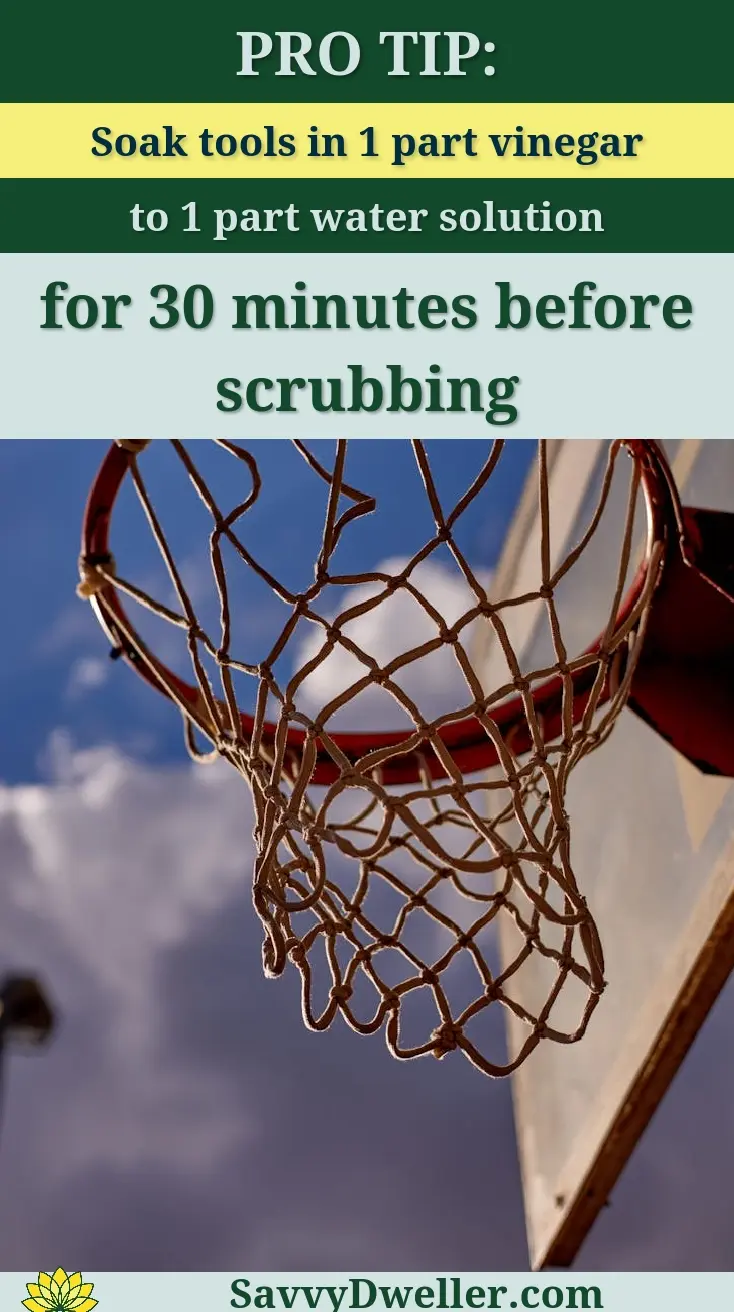
Regular white vinegar (5% acidity) provides the ideal balance of effectiveness and safety for most rust removal tasks.
Materials You’ll Need
- White vinegar (enough to cover your tools)
- Non-metallic container (plastic or glass)
- Soft-bristled brush or old toothbrush
- Clean cloth or paper towels
- Fine steel wool (#0000 grade) for stubborn spots
- Dish soap for final cleaning
Step-by-step Process
For Light Surface Rust
- Clean your knife or tool with soap and water to remove dirt and grease
- Soak a cloth with white vinegar and wrap it around the rusty areas
- Let the vinegar work for 30 minutes to 2 hours, depending on rust severity
- Scrub gently with a soft brush to remove loosened rust
- Rinse thoroughly with clean water and dry immediately
- Apply a thin coat of oil to prevent future rust formation
For Moderate Rust Buildup
- Submerge the entire rusty tool in a container of white vinegar
- Allow soaking for 4-8 hours or overnight for heavy rust
- Remove and scrub with fine steel wool, working in circular motions
- Re-soak stubborn areas for additional 2-4 hours if needed
- Scrub again with soft brush to remove all rust residue
- Rinse completely and dry thoroughly with clean towels
- Polish with fine steel wool for smooth finish
- Apply protective oil coating before storage
Best Used for
The white vinegar method works excellently for kitchen knives, garden tools, and stainless steel hardware with light to moderate rust. It’s particularly effective on pocket knives and delicate instruments where preserving the original finish matters.
This method handles surface rust beautifully but may require multiple treatments for deeper rust problems. Avoid using vinegar on tools with wooden handles, as prolonged exposure can damage the wood.
2. The Baking Soda Paste Method: Perfect for Scrubbing Action
Why Baking Soda Works on Rust
Baking soda is mildly alkaline and slightly abrasive, so it loosens iron oxide while giving you controlled scrubbing power. The fine particles shear off rust without gouging steel or dulling a knife edge.
This is a go-to way to remove rust from knives and remove rust from stainless steel when you want control and minimal scratching.
Creating the Perfect Paste Consistency
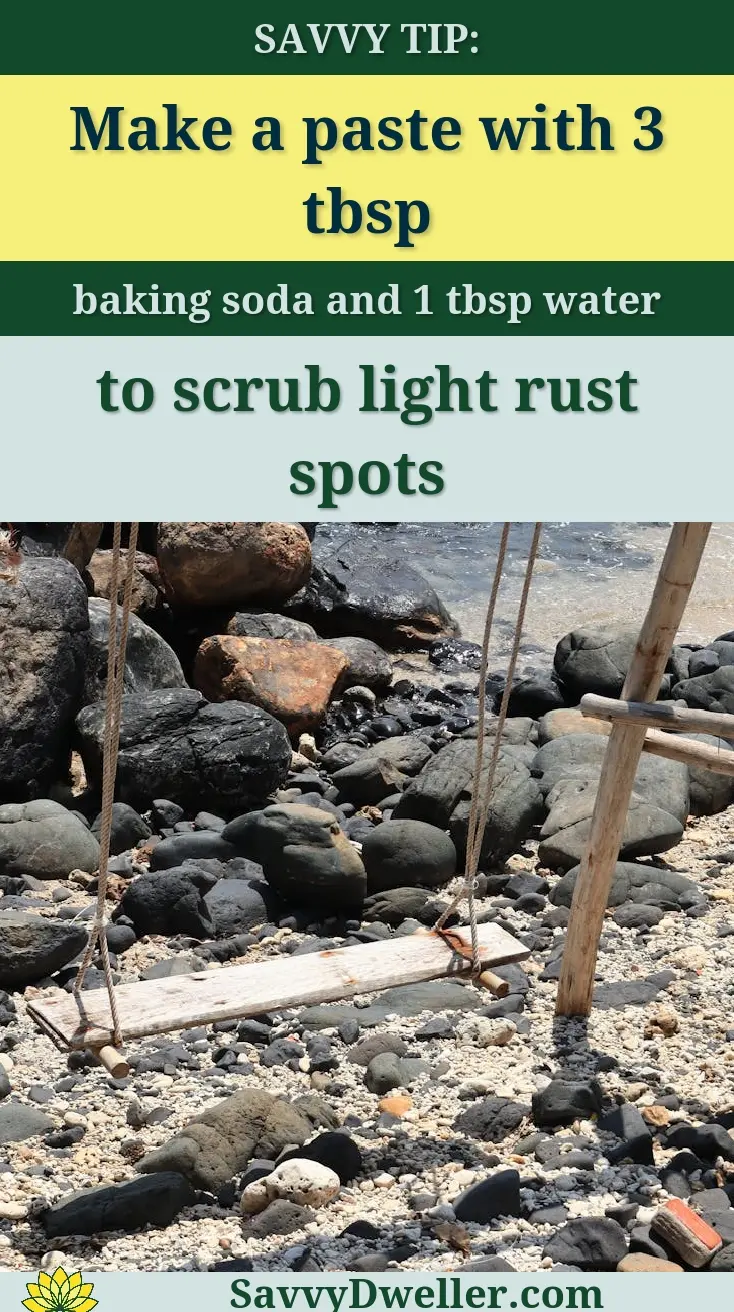
Mix 3 parts baking soda with 1 part water for a thick, toothpaste-like paste. Add 1–2 drops of dish soap to help the paste wet the metal and cling to vertical surfaces.
For stubborn spots, make it slightly thicker or add a pinch of fine salt for extra bite. Aim for a paste that holds peaks on a spoon and doesn’t slide off your blade or tool.
Application and Scrubbing Technique
- Baking soda
- Water and 1–2 drops dish soap
- Soft toothbrush or nylon brush; non-scratch pad or melamine sponge
- Microfiber cloths, cotton swabs
- Painter’s tape to protect handles or logos
- Food-safe mineral oil (for kitchen knives) or light tool oil
- Wash the item with soap and water, then dry. Tape off wooden handles or delicate finishes.
- Spread paste over rusted areas on the blade or tool. Let it sit 10–15 minutes to soften the rust.
- Scrub gently with a toothbrush or pad, keeping the paste wet. For stainless appliances, follow the grain; for serrated knives, use a small brush inside the gullets.
- Wipe away residue, rinse with warm water, and repeat on any remaining orange spots.
- Dry completely. For knives, finish with a thin coat of food-safe mineral oil; for tools, use light machine oil.
Always scrub with the grain on stainless steel to avoid swirls and haze.
Ideal Applications and Limitations
Great for cleaning rust off stainless steel tools, tea-staining on appliances, and removing rust from knives with light to moderate buildup. It’s safe for most finishes when you keep pressure light.
Baking soda won’t repair deep pitting or heavy scale; use a stronger method for those and return to this for finishing.
It is important to know that baking soda can also be effectively used in combination with vinegar for a deeper clean, especially for your oven. This ultimate guide on cleaning your oven with baking soda and vinegar will help tackle tough grime and make your appliance shine.
3. The Lemon and Salt Method: Citric Acid Power
The Chemistry Behind Citric Acid
Citric acid chelates iron, which helps dissolve rust so it lifts off the metal. Salt adds gentle grit and holds moisture against the surface while you work.
This method is food-safe and effective when you want to clean rust off knives without harsh chemicals.
Two Application Techniques
Fresh Lemon Method
- 1 fresh lemon (or lime)
- Coarse salt (kosher or sea salt)
- Soft brush or non-scratch pad
- Plastic wrap (optional)
- Microfiber cloths, mineral oil
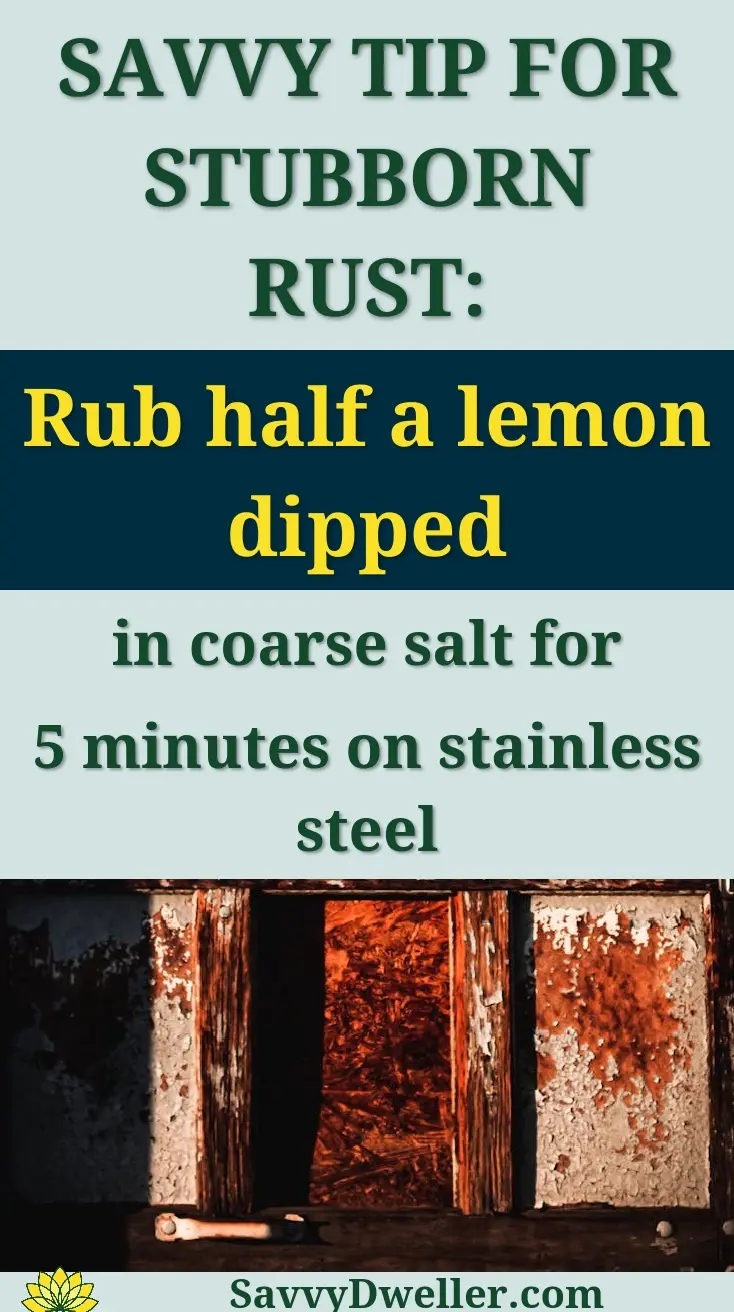
- Sprinkle coarse salt directly on the rust. Halve the lemon and squeeze juice over the salt.
- Use the lemon half as a scrubber. Keep the area wet; cover with plastic wrap for 15–30 minutes if needed.
- Scrub along the grain on stainless. Add a touch more salt if you need more grip.
- Rinse thoroughly, dry immediately, and apply a light coat of oil.
Keep the mixture wet-citric acid needs moisture to keep chelating rust.
Lemon Juice Soak Method
- Fresh lemon juice (or bottled 100% lemon juice)
- Water for dilution
- Non-metal bowl or jar (glass or plastic)
- Soft brush, baking soda solution (1 tsp in 1 cup water)
- Mix a 1:1 solution of lemon juice and water. Submerge only the rusted metal-avoid wood or composite handles.
- Soak 15–60 minutes, checking every 10 minutes. Lightly brush to lift softened rust.
- Rinse, then wipe with the baking soda solution to neutralize residues. Rinse again, dry, and oil.
Use the soak for small parts or blades you can safely isolate; don’t submerge knife handles.
When This Method Works Best
Best for light surface rust on stainless steel knives, tea-stain freckles on sinks and appliances, or rust on stainless steel tools after saltwater exposure. It’s gentle, so expect to repeat for heavier spots.
Avoid long soaks on carbon steel since acids can strip patina and dull a mirror finish.
4. The Aluminum Foil and Water Method: Gentle Abrasion
How Aluminum Foil Removes Rust Without Scratching
Aluminum is softer than steel, so it burnishes rust without biting into the base metal. Water lubricates and creates a fine aluminum oxide slurry that buffs away oxidation.
This is a smart way to remove surface rust from stainless steel without the scratch risk of steel wool.
Proper Foil Preparation and Technique
- Regular aluminum foil
- Clean water in a spray bottle (or soapy water)
- Microfiber cloths
- Crumple a sheet of foil into a soft ball, shiny side out. Wet the rusty area generously.
- Rub lightly along the grain or polish lines; keep the surface wet. A gray slurry will form-this is the polishing action.
- Wipe, inspect, and repeat on remaining flecks. Rinse and dry thoroughly, then oil the metal.
Lay knife blades flat on a cutting board to protect fingers and keep pressure even near the edge.
Perfect for Delicate Stainless Steel Surfaces
Use on brushed stainless appliances, sinks, fasteners, and chrome-plated parts with speckled rust. It’s ideal when you want to clean rust off stainless steel without changing the sheen.
Skip it on clear-coated or painted stainless, and always test a discreet spot first.
5. The Hydrogen Peroxide and Baking Soda Method: For Stubborn Rust
Creating the Fizzing Action That Lifts Rust
Hydrogen peroxide releases oxygen that penetrates rust layers, while baking soda adds gentle abrasion and raises pH. The fizz helps lift loosened rust from pits and tight textures.
This combo excels when you need to remove rust from tools with knurling or clean rust off knives with stubborn orange patches.
Safety Considerations With Hydrogen Peroxide
- Use only 3% hydrogen peroxide.
- Wear gloves and eye protection; work in a ventilated area.
- Protect wood, leather, and painted handles with tape.
- Never mix peroxide with vinegar or bleach.
Step-by-step Application
- 3% hydrogen peroxide
- Baking soda and 1 drop dish soap
- Small bowl, brush or melamine sponge, cotton swabs
- Microfiber cloths, hair dryer (optional), light oil
- Clean and dry the metal. Mask any areas you don’t want wet.
- Mix 2 tablespoons baking soda with 1 tablespoon hydrogen peroxide and a drop of dish soap to form a foamy slurry.
- Apply a thick coat to rusty spots on the blade or tool. Let it work 5–10 minutes; re-wet if it dries.
- Scrub in small circles, then along the grain. Reapply and repeat until the rust lightens.
- Wipe off, rinse thoroughly with warm water, and dry immediately-use a hair dryer for crevices.
- Finish with a thin coat of food-safe mineral oil for knives or a light tool oil for pliers, wrenches, and saw blades.
Limit dwell time and dry fast to avoid flash rust after rinsing.
Best Results and Expectations
This method shines on stubborn rust and shallow pitting where gentler pastes stall. It’s a practical way to remove rust from stainless steel tools and to clean rust off tools with textured grips or threads.
Expect 2–3 short cycles for heavy spots; micro-etching can occur on mirror-polished carbon steel, so test first.
6. The Commercial Rust Remover Method: When Natural Solutions Aren’t Enough
Choosing the Right Commercial Product
Pick a remover that matches both the metal and the severity of rust. Labels usually specify “for stainless steel” or “for carbon steel/iron,” and whether they leave a conversion coating or rinse completely clean.
Always test on a hidden spot to check for darkening or etching, especially on polished stainless. Some formulas can stain bright finishes or remove factory passivation.
Phosphoric Acid-Based Removers
Best for heavy rust on steel tools and carbon steel knives where you need fast results. Phosphoric acid converts rust (iron oxide) into a stable iron phosphate layer that can act as a temporary primer on tools.
- Pros: Rapid action, penetrates scale, useful for deep orange/brown corrosion.
- Cons: Can darken steel; many products are not recommended for stainless steel knives or glossy stainless surfaces.
- Use cases: Bench chisels, plane soles, outdoor hand tools, badly pitted wrench sets, non-food-contact blades.
Oxalic Acid-Based Removers
Good for tea-staining and surface rust on stainless steel tools and appliances. Oxalic acid chelates iron stains without as much darkening as phosphoric-based options.
- Pros: Gentler on bright stainless finishes; effective for light-to-moderate rust speckling.
- Cons: Slower on heavy scale; may require multiple applications.
- Use cases: Cleaning rust off stainless steel tools, removing rust from stainless steel knives with light spots, stainless fasteners, kitchen stainless trim.
Application Guidelines and Safety
Read the label and follow the exact dwell time-more is not better. Overexposure can etch finishes and increase clean-up work.
- Materials: Nitrile gloves, eye protection, ventilation, nylon brush, plastic scraper, cotton swabs, painter’s tape, microfiber cloths, baking soda, dish soap, clean water.
- Prep: Degrease the item so the remover contacts the rust; mask wood handles or plastics with tape.
- Apply remover sparingly. Use a cotton swab for tight spots on a knife or a nylon brush for broad tool faces.
- Keep the area wet during the dwell period. Check every 2–3 minutes for light rust; every 5–10 minutes for heavier rust.
- Agitate gently. For knives, scrub along the spine-to-edge direction to avoid cross-scratches; for flat tools, use straight, even strokes.
- Stop at first clear improvement. If rust remains, rinse/neutralize, then repeat a short cycle rather than one long soak.
- Never mix products. If switching brands or chemistries, fully rinse and neutralize first.
Ventilate well and avoid skin contact-these acids can irritate skin and eyes. Keep away from aluminum, zinc, and decorative chrome unless the label says it’s safe.
Neutralizing and Finishing Steps
- Neutralize acids with a baking soda rinse (1 tablespoon baking soda per cup of water). Flood the area and wipe until fizzing stops.
- Rinse with clean water, then wash with dish soap to remove residues-especially for any food-contact knife surfaces.
- Dry fast. Pat with a microfiber towel and use warm air (30–60 seconds) to chase moisture from seams and pivots.
- Brighten if needed with a non-abrasive metal polish, then wipe clean.
- Protect immediately. Apply a thin coat of oil or paste wax to prevent flash rust. For kitchen blades, use food-grade mineral or camellia oil.
If you’re trying to remove rust from stainless steel and keep the finish uniform, neutralization and quick drying make all the difference. That’s how you avoid streaks and new orange specks.
When to Use This Powerful Solution
Use Naval Jelly for thick, scaly rust that laughs at scrubbing and natural acids. The gel clings to vertical surfaces and chews through heavy oxidation on iron and carbon steel.
Check the label before using on stainless steel-many gel formulas are not recommended for stainless and can stain polished finishes. When in doubt, switch to an oxalic-based cleaner for stainless surfaces.
Critical Safety Requirements
- Wear nitrile gloves, eye protection, and work in open air or strong ventilation.
- Protect nearby surfaces; the gel can etch concrete, aluminum, and coatings.
- Use only plastic or nylon tools for spreading and scrubbing.
Never exceed the recommended contact time; reapply in short cycles instead. Long, unattended soaks can etch steel and create shadows on stainless.
Application Process for Maximum Effectiveness
- Materials: Naval Jelly, nylon brush, plastic scraper, cotton swabs, painter’s tape, microfiber cloths, baking soda, dish soap, water, warm air source.
- Mask and prep. Degrease the knife or tool and tape off wood, plastic, or decorative areas.
- Apply a thin, even coat of gel to the rust only. For knives, avoid contact with handle scales and pivot hardware.
- Let it dwell 5–10 minutes. On very heavy rust, check at 5 minutes and gently agitate with a nylon brush.
- Scrape softened rust with a plastic scraper; reapply for stubborn patches rather than extending time.
- Neutralize with baking soda solution, then rinse thoroughly with water.
- Wash with dish soap, dry immediately, and oil the surface to block new oxidation.
This method can rapidly remove rust from tools and carbon steel knives, but it’s overkill for light surface rust on stainless steel. Save it for deep pits and flaky scale.
Post-treatment Care and Protection
- Inspect under bright light. If dark phosphate staining appears on a knife you plan to use for food, polish it off and re-wash.
- For carbon steel blades, add a protective patina or oil film. For plane soles and hand tools, apply a thin paste wax layer.
- Reassemble moving parts with a corrosion-inhibiting oil in pivots and screws.
The first 24 hours after heavy rust removal are when flash rust strikes fastest-finish and protect right away.
5 Habits to Keep Rust From Coming Back
Proper Cleaning and Drying Techniques
- After each use, wipe knives and tools with a dry microfiber cloth; follow with an isopropyl alcohol wipe to displace water.
- For how to clean rust off stainless steel without scratches, use straight strokes with a damp microfiber and mild dish soap, then dry fully.
- Blow out seams, pivots, and screw heads with warm air for 30–60 seconds to remove hidden moisture.
Never put knives in the dishwasher-the heat, water, and detergents accelerate rust and dull edges.
Storage Solutions That Prevent Moisture
- Add silica gel or rechargeable desiccant packs to drawers, tool chests, and knife rolls.
- Use VCI (vapor corrosion inhibitor) paper or sleeves for long-term storage of hand tools and spare blades.
- Keep tools off concrete floors; store on wood racks or in closed cabinets to avoid condensation.
Stable, dry storage is the easiest way to remove “mystery rust” from your life before it starts.
Regular Maintenance Schedules
- Weekly: Quick wipe-down and edge-to-spine inspection on frequently used knives.
- Monthly: Light oil on tool surfaces and fasteners; check for orange specks and touch up immediately.
- Quarterly: Wax flat tool surfaces and stainless appliances; refresh desiccants (recharge in a warm oven per manufacturer directions).
Tiny spots caught early are simple to fix-how to remove surface rust from stainless steel becomes a 2-minute task.
Protective Coatings and Oils
- Kitchen blades: Food-grade mineral oil or camellia oil-thin film after drying.
- Garage tools: Corrosion inhibitors like Boeshield T-9, Eezox, or WD-40 Specialist Corrosion Inhibitor.
- Flat steel faces: Microcrystalline or carnauba paste wax for slick, water-shedding protection.
A microscopic barrier is all you need to clean rust off knives less often and keep stainless bright.
Environmental Controls
- Keep relative humidity between 35–50% with a dehumidifier in basements and garages.
- Avoid rapid temperature swings-warm cold tools before moving them into humid air to prevent condensation.
- Use a small fan for airflow in closed shops; stagnant air traps moisture on steel.
Control moisture and oxygen contact, and you cut rust at the source. That’s how to remove rust from tools once-and stop repeat corrosion on stainless steel tools and steel knives.
Frequently Asked Questions
Can I Use Multiple Rust Removal Methods Together for Better Results?
It’s generally not recommended to combine methods simultaneously, as they might react unpredictably or reduce effectiveness. For instance, mixing an acid like vinegar with a base like baking soda can neutralize their rust-dissolving power. Always complete one method fully, rinse and dry the item, and assess the results before trying another approach to avoid damaging the metal or causing unsafe chemical reactions.
How Do I Know if the Rust Has Been Completely Removed?
After treatment, inspect the surface visually and by touch-it should be free of orange or brown spots and feel smooth, not gritty. Wipe the area with a white cloth or paper towel; if no rust residue appears, removal is likely complete. For tools or knives, check crevices and edges, and consider applying a light oil to protect the bare metal and reveal any missed spots through discoloration.
Are There Any Surfaces or Materials Where These Methods Should Not Be Used?
Avoid using acidic or abrasive methods on non-steel materials like aluminum, copper, or painted surfaces, as they can cause corrosion or finish damage. Delicate items with wooden or plastic handles should be protected from prolonged moisture exposure. Always test a small, hidden area first, and for antiques or valuable pieces, consult a professional to prevent irreversible harm.
What is the Best Way to Dispose Of Used Rust Removal Solutions?
For natural solutions like vinegar or baking soda pastes, dispose of them in the trash after allowing solids to dry, not down drains, to avoid plumbing issues. Commercial chemical removers often contain hazardous ingredients; follow label instructions for neutralization (e.g., diluting with water) and take them to a hazardous waste facility if required. Never pour concentrated chemicals into the environment.
Can These Methods Restore the Original Finish Of the Steel?
Rust removal methods eliminate corrosion but may not fully restore a polished or mirrored finish if pitting has occurred. After rust is gone, use a metal polish or buffing compound to improve appearance. For severe damage, the goal is to stop further rust rather than achieve perfection—focus on protective coatings like oil to maintain the surface post-treatment. Similarly, when dealing with old tarnished brass, effective cleaning techniques can help restore its shine and beauty, breathing new life into vintage pieces.
Closing Thoughts
Your rusty knives and tools don’t have to stay that way. These seven proven methods give you options ranging from gentle vinegar solutions to heavy-duty commercial removers, ensuring you can tackle any rust problem that comes your way. Whether you’re dealing with light surface oxidation or stubborn deep pitting, you now have the knowledge to restore your tools to their former glory.
The key to long-term success lies in both effective removal and consistent prevention. By combining the right rust removal technique with proper maintenance habits, you’ll keep your tools performing at their best for years to come. Remember, addressing rust early always yields better results than waiting until the damage spreads.
Ready to put these methods to work? Start with the gentler approaches like vinegar or baking soda for most rust issues, and don’t forget to follow the prevention tips to avoid future problems. For more practical home solutions and maintenance guides, check out Savvy Dwelling where we share tested strategies that actually work in real-world situations.
Useful References for You:
- Cleaning rust on vintage stainless steel knives | BladeForums.com
- How to get rust off a blade – Quora
- r/howto on Reddit: How to remove rust from knives?
Also See: How to Remove Formula and Breast Milk Stains From Fabric